
Is Carbon Steel Bakeware Safe? A Complete Guide to Safe Use and Care
Is carbon steel bakeware safe for baking? Yes, it is safe when used properly.
Carbon steel is mostly iron with a little carbon, both safe for cooking. It handles high heat well, making it great for oven use.
Carbon steel bakeware heats quickly and evenly, which helps bake your food consistently. Seasoning the pan creates a natural nonstick layer that protects the metal from moisture. This layer also improves with use, becoming smoother and more effective over time.
Proper cleaning is key. Avoid harsh soaps that can remove seasoning, and rinse with warm water instead. Dry the bakeware thoroughly right after washing to stop rust from forming on the surface.
Never let the pan soak in water or stay damp. Store it in a dry place, lightly oiled if possible. With these steps, carbon steel bakeware remains safe to use and can last for many years without problems.
Key Takeaways
- Carbon steel bakeware is safe because it contains mostly iron and carbon.
- It tolerates higher oven temperatures than many other bakeware types.
- Season your carbon steel bakeware before first use to create a nonstick layer.
- Never wash carbon steel bakeware with strong detergent or in a dishwasher.
- Dry thoroughly after washing to prevent rust from forming on the surface.
- Avoid sudden temperature changes that could warp or damage the bakeware.
Is Carbon Steel Bakeware Safe for Baking?
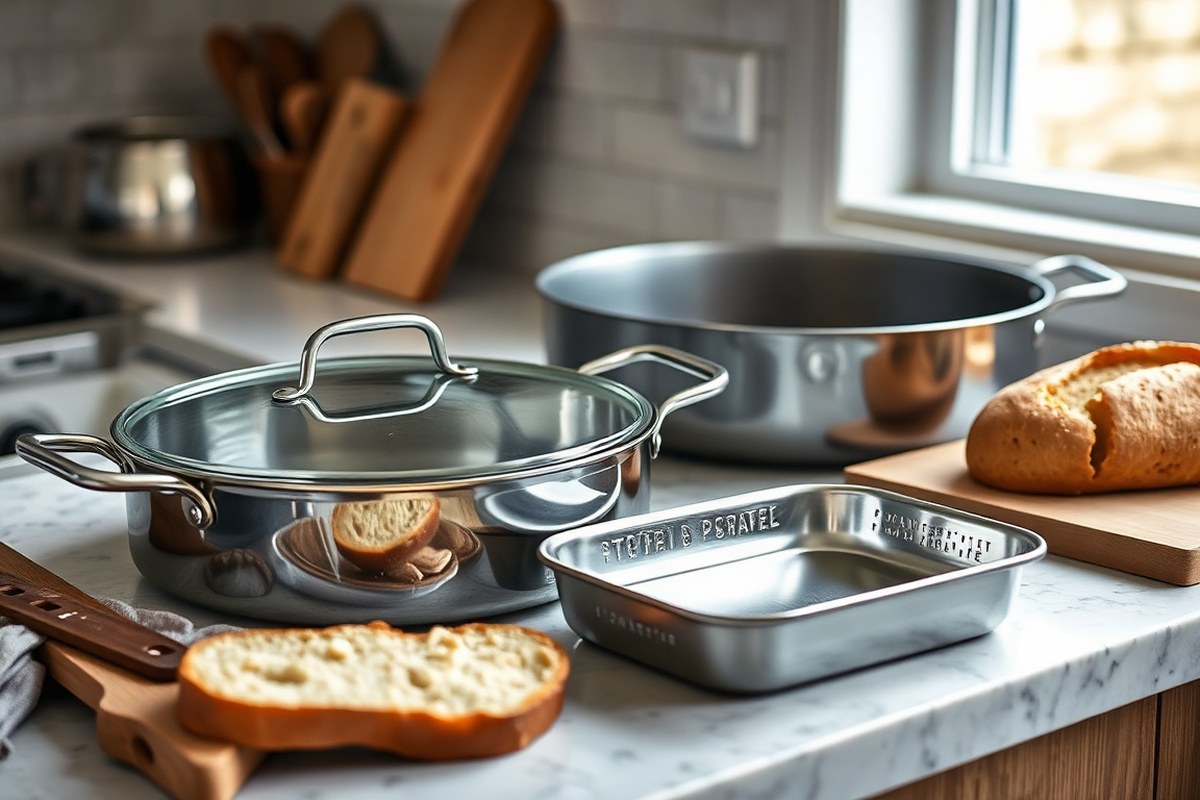
Carbon steel bakeware is safe for baking because of its simple makeup. It contains mostly iron and carbon, two non-toxic elements. Carbon steel doesn’t have chemical coatings.
It won’t release harmful substances. Your food stays safe when you bake with it.
You might wonder if it can leach metals into your food. Under normal cooking conditions, this is rare. Acidic foods like tomato sauce can cause some iron to leach out.
This happens in small amounts. Usually, it is not harmful to you. In fact, this can add a tiny bit of iron to your diet.
Proper seasoning of carbon steel bakeware helps prevent rust and reduces metal contact with food. Seasoning creates a natural, safe barrier on the pan’s surface.
Without good seasoning, the pan may rust or release metal flakes into your food. So keep the seasoning layer intact.
Carbon steel handles oven heat very well. You can bake at 450°F or higher. It stays strong and safe at these temperatures.
Just avoid sudden temperature changes to prevent warping. Also, pay attention if excessive rust appears.
It could mean the seasoning is damaged. You should reseason or replace the pan.
Unlike Teflon-coated pans that may contain harmful chemicals, carbon steel has no such health risks. The main safety concern is inhaling metal dust or fumes.
But that mostly happens during manufacturing or grinding, not regular baking. So using baked carbon steel bakeware is safe in your kitchen.
Understanding Carbon Steel: Composition and Properties
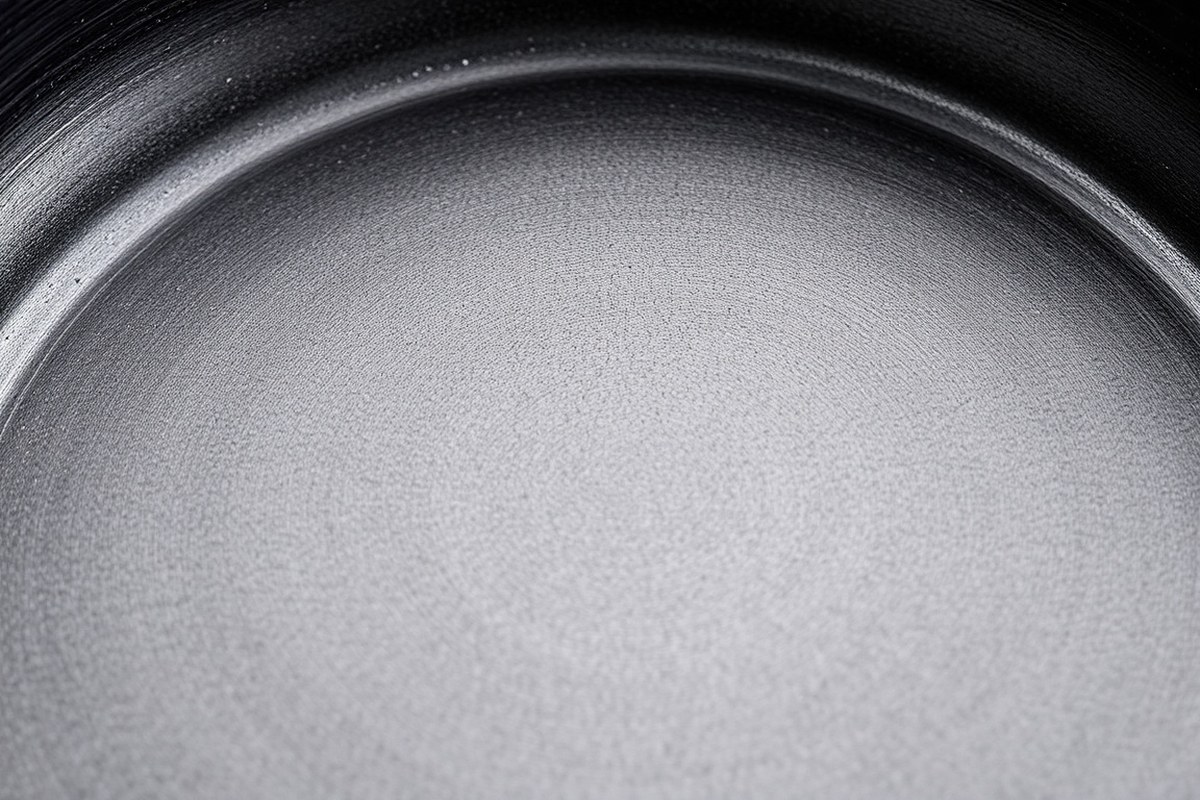
Carbon steel bakeware is made mostly of iron mixed with a small amount of carbon. This metal is about 97% to 99% iron. It also has 1% to 3% carbon.
This mix gives the cookware strength and flexibility. These properties affect how safe the bakeware is. They also change how it performs in your kitchen.
Metal Composition of Carbon Steel Bakeware
Carbon steel consists primarily of iron with a tiny bit of carbon in it. The exact carbon content usually ranges between 1% and 3%. This small carbon amount makes the steel stronger.
It helps the steel keep its shape during cooking. It stops the steel from cracking.
The low carbon level also allows the metal to be rolled into thin sheets. That process lets manufacturers make lighter bakeware with thinner walls than cast iron. This thinness can help your bakeware heat evenly and quickly.
Difference Between Carbon Steel and Cast Iron
Cast iron contains over 2% carbon, roughly 4%, compared to carbon steel’s maximum of 3%. This higher carbon content makes cast iron more brittle and less bendable. It also means cast iron has thicker and heavier walls.
Because of these differences, carbon steel bakeware is lighter and more malleable. This makes it easier to handle when baking. Cast iron is known for heavyweight durability but can be bulky and slower to heat.
Why Carbon Content Matters for Strength and Safety
The amount of carbon affects how the steel handles heat and stress. Lower carbon content makes cookware more flexible without sacrificing too much strength. This flexibility reduces the chance of cracks or warping from hot oven temperatures.
High carbon levels can make cookware brittle and prone to chipping. Too little carbon and the metal might be too soft to hold its shape. The 1% to 3% range strikes a balance of durability and safety for baking.
Manufacturing and Handling Impact on Safety
Carbon steel is rolled and shaped into thin, lightweight bakeware sheets. This careful manufacturing ensures consistent thickness and fewer weak spots. The metal’s strength lets you safely handle your bakeware without worrying about warping.
Still, carbon steel can react to moisture and air, causing rust. Seasoning the bakeware forms a protective layer that keeps food safe and prevents rust. Proper care can extend your bakeware’s safe use for years.
Keep your carbon steel bakeware dry and well-seasoned to avoid rust and maintain safety.
How Carbon Steel Bakeware Compares to Other Materials
Carbon steel bakeware offers a unique mix of qualities compared to other popular materials. It heats faster than cast iron and provides a slick surface without synthetic coatings like nonstick. It’s lighter than cast iron because it has less carbon.
It also responds faster to heat changes. This makes it easier to handle in the kitchen. This makes it a good choice if you want solid heat control with easier handling.
Carbon steel bakeware doesn’t use synthetic coatings like nonstick pans. These coatings can wear off after some use. They might also release chemicals over time.
Carbon steel has only iron and carbon in it. This means it’s safe for cooking when seasoned. You must keep it well maintained for safety.
Seasoning creates a natural slick layer on the pan. This layer stops food from sticking during cooking. It also keeps the pan from rusting.
Stainless steel bakeware shines with very even heating, especially the multi-clad versions. But it often costs more than carbon steel. Also, it doesn’t offer the nonstick qualities unless you add coatings.
Cast iron is super durable but heavier and takes longer to heat up. Carbon steel sits between these options in price and performance.
| Material | Safety | Durability | Performance | Maintenance | Typical Cost |
|---|---|---|---|---|---|
| Carbon Steel | Safe; no synthetic coatings; iron & carbon alloy | Durable; needs seasoning; resists warping | Heats fast; slick surface from seasoning | Requires seasoning and proper cleaning | Similar to cast iron; less than stainless steel |
| Cast Iron | Safe; releases dietary iron; heavy alloy | Very durable; can rust; heavy | Heats slowly; holds heat well | Seasoning required; avoid prolonged moisture | Comparable to carbon steel |
| Stainless Steel | Safe; no coatings; nickel/steel alloy | Highly durable; resistant to rust | Even heating; less nonstick | Easy cleaning; no seasoning | Usually more expensive |
| Nonstick Coated | Depends on coating; can degrade over time | Less durable; coating prone to scratching | Very slick surface; heats quickly | Avoid metal utensils; careful cleaning | Varies widely; often less than stainless |
| Ceramic Coated | Generally safe; no synthetic chemicals | Coatings can chip; fragile | Slick but less durable; heats unevenly | Gentle cleaning; avoid thermal shock | Comparable or less than stainless |
The main tradeoff revolves around maintenance and long-term safety. Carbon steel and cast iron need seasoning that builds up with use. This chain of heated oil creates a slick, protective surface.
Without seasoning, both materials can rust or stick. Nonstick and ceramic coatings offer convenience but may wear out or chip over time. They also carry some uncertainty around chemical exposure if damaged.
Choosing between carbon steel and other bakeware depends on your cooking style and upkeep readiness. Carbon steel suits those who want a durable, chemical-free surface and can commit to seasoning.
Stainless steel fans prefer easy cleaning and even heating, but at a higher price. The slickness of carbon steel’s seasoned layer often matches nonstick without the coating risks.
Seasoning Carbon Steel Bakeware: Why and How to Do It Safely
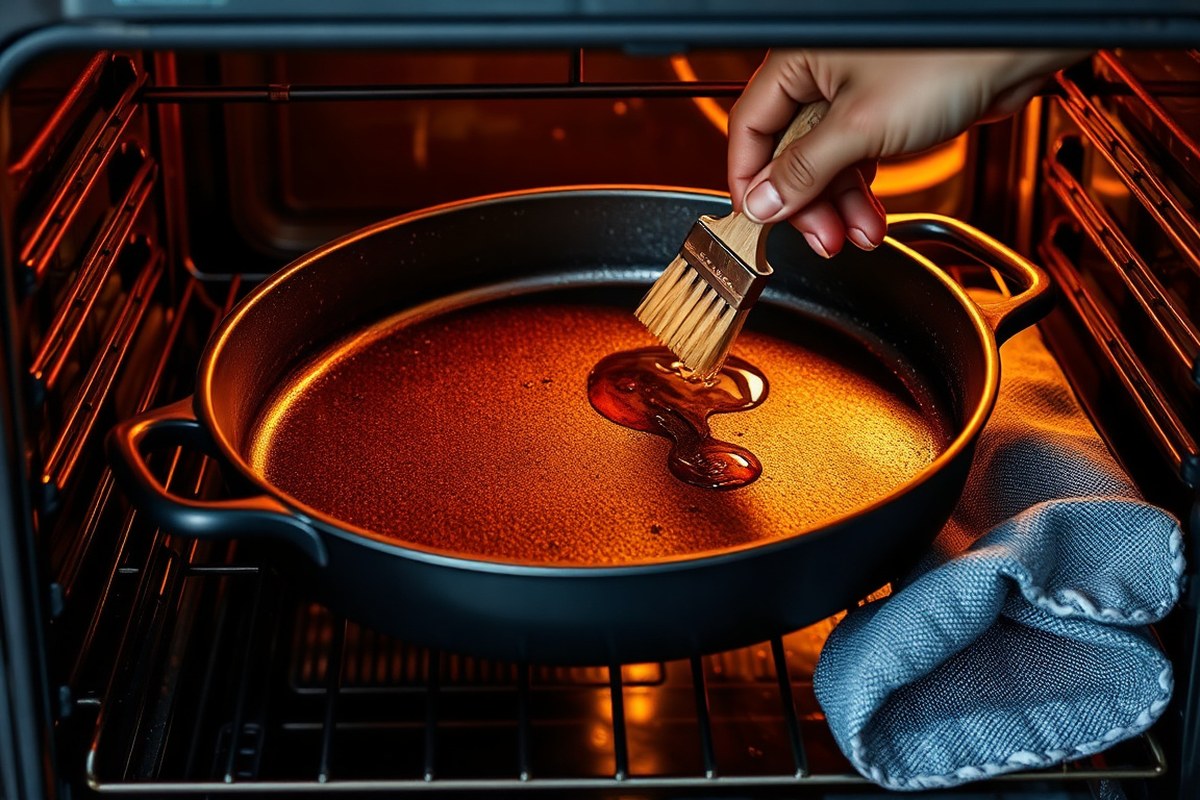
Seasoning carbon steel bakeware forms a protective layer that keeps food from sticking. It also protects the metal from moisture and rust. Doing it right means safer use and better baking results.
Choosing the Right Oil for Seasoning
Pick an oil with a high smoke point to avoid burning during seasoning. Flaxseed, grapeseed, and canola oils work best for carbon steel. They create a tough, durable layer that handles high heat without breaking down.
Avoid low smoke point oils, like olive oil, for seasoning. Those oils break down quickly and won’t form a good protective surface. Using the right oil makes seasoning safer and the bakeware last longer.
Step-by-Step Seasoning Process for Bakeware
Seasoning is simple but needs careful steps to create a safe surface. You can do it in the oven.
This ensures even heating. It helps the oil harden into a tough coating.
- Preheat your oven to 450, 500°F.
- Wash the bakeware with warm, soapy water and dry it completely.
- Apply a thin, even layer of oil over the entire bakeware surface.
- Place the bakeware upside down in the oven to avoid pooling oil.
- Put a foil-lined tray on the rack below to catch any drips.
- Bake the bakeware for one hour at 450, 500°F.
- Turn off the oven and let the bakeware cool inside.
This process burns off volatile compounds safely, leaving a hard, non-stick layer. Thin oil layers are key; thick layers can become sticky or uneven. The whole session usually takes around 90 minutes, including cooling time.
How Often to Season Your Carbon Steel Bakeware
Season your bakeware when it looks dull or if food starts sticking. Acidic foods can wear the seasoning down faster.
So more frequent seasoning may be needed after cooking those. Regular use and gentle cleaning will help maintain the seasoning longer.
Many home cooks season every few months or when rust spots appear. Spot any rust or food sticking after washing?
Run the seasoning again. Proper care means you won’t have to season too often, saving time and effort.
Cleaning and Maintenance to Prevent Rust and Damage
Carbon steel bakeware must be hand washed to protect its seasoning layer. Avoid the dishwasher since harsh detergents and high heat can strip this protective coating. The seasoning keeps food from sticking and prevents rust.
Use warm water and a soft sponge or cloth to clean gently. Stay away from steel wool and harsh scrubbers that may strip the seasoning. Add a little mild dish soap only when necessary, then rinse completely to clear soap traces.
- Wash the bakeware right after use to prevent food from hardening.
- Use warm water and a soft scrub brush or sponge, never steel wool.
- Add mild soap sparingly, then rinse thoroughly.
- Dry the pan immediately with a clean towel to stop rusting.
- After drying, apply a thin layer of cooking oil to maintain seasoning.
- For stubborn residue, gently scrub with coarse salt and a paper towel.
- Re-season the bakeware if you notice dull spots or rust forming.
Tough food or minor rust calls for gentle scrubbing with coarse salt and a damp towel. This method cleans without stripping the seasoning. After cleaning, dry the bakeware completely and lightly oil it to keep the surface protected.
Never leave carbon steel bakeware soaking in water or wet after washing. This causes surface rust and damages seasoning fast.
Preventing and Managing Rust on Carbon Steel Bakeware
Rust forms on carbon steel bakeware because the metal lacks enough chromium to block oxygen. Oxygen bonds with the steel, causing rust to develop over time. This can happen easily if the bakeware stays wet or isn’t dried properly after cleaning.
Keep your carbon steel bakeware dry to avoid rust. Apply a protective layer regularly. This coating helps stop rust from forming.
Seasoning it well creates a barrier that locks out moisture and air. Avoid soaking your bakeware in water for long periods. Dry it right after washing.
- Use warm water and a soft brush, not soap or harsh detergents.
- Dry immediately with a clean cloth after washing.
- Apply a thin layer of cooking oil before storing to maintain seasoning.
- Store in a dry place with good air circulation to prevent moisture buildup.
- Re-season bakeware if the surface looks dull or sticky, as it loses protection.
When rust shows up, you can remove it safely. Do it gently to avoid damage. Light rust can be scrubbed off with fine steel wool or a non-abrasive scouring pad.
Wash and dry the bakeware right after cleaning it. Then apply oil to the surface. Heat it to bring back the protective layer.
For tough rust, soak the bakeware in half vinegar, half water. Keep the soak brief to protect the metal. Vinegar dissolves rust but should only be used for 30 minutes or less to avoid damage.
After soaking, scrub off the rust, rinse well, dry, and re-season. This process can take an hour or so. But it helps extend your bakeware’s life.
Best Baking Practices and Foods for Carbon Steel Bakeware
Carbon steel bakeware works best with foods that don’t have strong acids. It performs well for baking breads, rolls, cookies, and roasted vegetables. Acidic foods like tomatoes and citrus react with the iron.
This can cause a metallic taste. It can also damage the bakeware’s seasoning.
Avoid dishes that need long baking times with acidic ingredients. Instead, choose recipes like pizza crusts, scones, or roasted potatoes. These let the carbon steel heat evenly and deliver a nice crispy crust without reactions.
Temperature matters for good results. Carbon steel handles high heat well, up to about 500°F. Preheat your oven and bake at moderate to high temperatures for quick even cooking. Avoid very low baking temperatures or very long baking times.
This is especially true for water-rich or sugary foods. These conditions can cause sticking or rust.
- Bake breads, biscuits, cookies, and savory pastries
- Roast vegetables and potatoes for crisp textures
- Avoid recipes with tomatoes, vinegar, or citrus ingredients
- Preheat bakeware thoroughly before adding dough or batter
- Use oven temperatures between 350°F and 500°F
- Brush lightly with oil to prevent sticking during baking
Seasoning carbon steel bakeware adds a natural nonstick coating. The coating gets better with regular use. Baking acidic or moist dishes often can wear it down.
This wears out the coating faster. Keep the seasoning well maintained by using dry or lightly oiled foods for baking.
To maximize performance, let the bakeware cool before washing it gently with warm water. Don’t soak it or use soap often, as this strips the seasoning. A well-seasoned pan resists rust and keeps food release better over time.
Signs Your Carbon Steel Bakeware Needs Resurfacing or Replacement
Look for dull spots or sticky patches on your carbon steel bakeware. These often mean the seasoning layer is breaking down. When the protection thins, food can stick, and you risk iron leaching into your meals.
Scratches and rust spots also signal trouble. Tiny scratches from metal utensils wear down the seasoning. Rust means moisture reached the bare metal.
It can weaken your bakeware. Rust may also change your food’s flavor.
Try a simple test: heat the bakeware and add a small amount of water. When water beads up and slides off, the seasoning is good. If water sticks or the surface feels rough, you should re-season it.
Reseasoning takes about an hour. Clean the bakeware thoroughly and dry it completely. Then apply a thin layer of high-smoke-point oil, such as flaxseed or canola oil.
Heat in the oven at 400 to 450 degrees F for 30 to 60 minutes. Repeat this two to three times for strong protection.
Large rust spots or thin, warped metal means replace the bakeware. Worn metal can warp unevenly and might not bake food evenly. Replacement costs vary, usually between $30 and $100 for a good-quality pan.
Continued use of damaged bakeware risks flakes of seasoning or rust falling into food. This can affect taste and, in some cases, cause stomach upset. Don’t cook acidic foods in rusty or unseasoned pans.
Acids wear down seasoning faster. They also boost iron transfer to food.
Don’t wait for deep rust or major warping before fixing your bakeware. Regular reseasoning keeps it safe and smooth.
Special Safety Considerations and Myths About Carbon Steel Bakeware
Carbon steel bakeware is generally safe for most people to use. Some health concerns and myths exist, but many are not backed by science. Understanding these issues helps you decide if carbon steel fits your kitchen.
Metal Leaching and Iron Intake Explained
Carbon steel can add small iron amounts to your food. Acidic foods like tomato sauce increase this iron release.
New or unseasoned pans release more iron than well-seasoned ones. For most people, this extra iron is a dietary help, not a risk.
Iron is a necessary mineral. The amounts leached are usually low enough not to cause harm. Cook acidic foods only after seasoning your carbon steel well.
Seasoning lowers how much iron gets into your food. A fully seasoned surface protects your meals better from iron. Proper seasoning creates a stable protective layer that limits leaching.
Who Should Use Caution with Carbon Steel?
People with iron overload conditions like hemochromatosis should be careful with carbon steel cookware. These conditions cause excess iron build-up, which can worsen with additional dietary iron intake. Consulting a doctor about cookware choices is a smart step for those diagnosed.
For others without iron-related health issues, carbon steel is safe and non-toxic. It contains no harmful chemicals and does not release dangerous metals. Using it properly means you can bake with confidence and enjoy its quick heating benefits.
Debunking Common Carbon Steel Myths
One myth is that carbon steel is unsafe because it “leaches too much iron” into food. This is not supported by research.
Iron leaching is minimal and often beneficial for those lacking iron. Seasoning and care reduce any potential iron intake even more.
Some think carbon steel is toxic. But it is made only of iron and carbon, both safe elements. Carbon steel has no synthetic coatings like some pans do.
Those coated pans can release flakes or chemicals over time. Carbon steel stays free of those breakdown problems. This makes it a tidy, low-risk choice for daily baking.
Occasional reports may confuse carbon steel with other metals or coatings that pose more concerns. Keeping the pan seasoned and avoiding harsh cleaning methods helps maintain its safe surface. Using it regularly and properly shows it is a trustworthy tool in your kitchen.
Step-by-Step Action Plan for Safe Carbon Steel Bakeware Use
Follow these steps to enjoy your carbon steel bakeware safely and keep it in great shape.
- Before First Use: Wash your bakeware with warm water and mild soap. Dry it thoroughly to prepare for seasoning.
- Day 1: Season your bakeware with a thin coat of oil. Bake it at 400°F for one hour to create a nonstick layer.
- Weekly Use: Clean with hot water and a soft sponge. Avoid soap to keep the seasoning intact.
- After Every Use: Dry completely with a towel or low heat on the stove. This stops rust from forming.
- Monthly Check: Look for dull spots or rust. If you see any, re-season the bakeware promptly.
- Quarterly Maintenance: Rub a light layer of oil on the surface before storage. This keeps the metal protected.
- When Cooking Sticky Foods: Use parchment paper or extra oil to prevent sticking and protect seasoning.
- After 6 Months: Consider a full clean and re-season if the surface feels rough or uneven. This refreshes your bakeware.
Frequently Asked Questions
Can Carbon Steel Bakeware Cause Iron Overload?
No, cooking with carbon steel does not cause iron overload. It only releases trace iron amounts, safe for most people.
Does Carbon Steel React with Acidic Foods in Bakeware?
Yes, acidic foods can react slightly with carbon steel. Proper seasoning reduces this effect and protects the pan.
Is Carbon Steel Bakeware Oven Safe at High Temperatures?
Yes, carbon steel bakeware handles high oven heat well. It can withstand temperatures above 500°F without damage.
Can Carbon Steel Bakeware Handle Dishwasher Cleaning?
Dishwasher cleaning is not recommended as it may strip seasoning. Hand washing helps keep your bakeware rust-free.
Does Carbon Steel Bakeware Develop a Non-Stick Surface?
Yes, seasoning carbon steel forms a natural non-stick layer. This improves with regular use and proper care.
Before You Go
Carbon steel bakeware is safe when seasoned and cared for properly. Keep your pans dry and well-oiled. Start by seasoning your bakeware today and enjoy better baking results.


One Comment