Is Aluminum Ferrous? Key Differences and Practical Metal Facts
Is aluminum ferrous? No, aluminum is a non-ferrous metal.
It contains very little iron, usually about 2%, which is too low to categorize it as ferrous. Its properties and uses differ because iron content is so low.
Ferrous metals are defined by having at least 50% iron content. Since aluminum’s main element is aluminum, not iron, it falls into the non-ferrous category. This difference affects everything from magnetic properties to corrosion resistance.
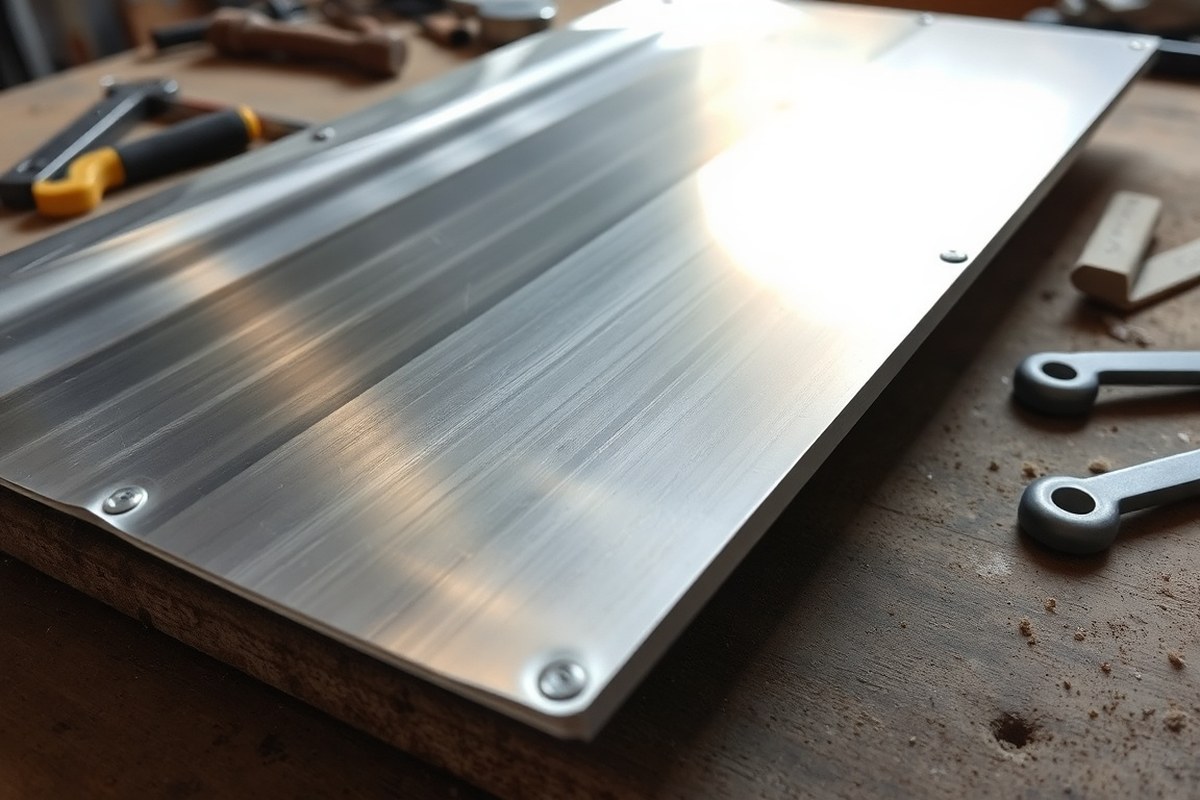
Aluminum stands out for being lightweight, typically one-third the weight of steel. It also resists rust, unlike ferrous metals that often corrode over time. Instead, aluminum develops a thin oxide layer that protects its surface from further damage.
This oxide layer makes aluminum useful in outdoor and marine environments. Many construction and automotive parts use aluminum for these reasons. Its non-ferrous nature means it won’t spark or cause magnetic interference like ferrous metals do.
Key Takeaways
- Aluminum is non-ferrous because its iron content is below 50%.
- Ferrous metals have iron as the main component, starting at 50% iron.
- Aluminum’s light weight makes it ideal for reducing vehicle mass significantly.
- Iron content affects the strength and classification of metal alloys.
- Aluminum resists corrosion with an oxide layer, unlike rust in ferrous metals.
- Magnetism can help identify ferrous metals; aluminum is not magnetic.
Is Aluminum a Ferrous Metal and Why?
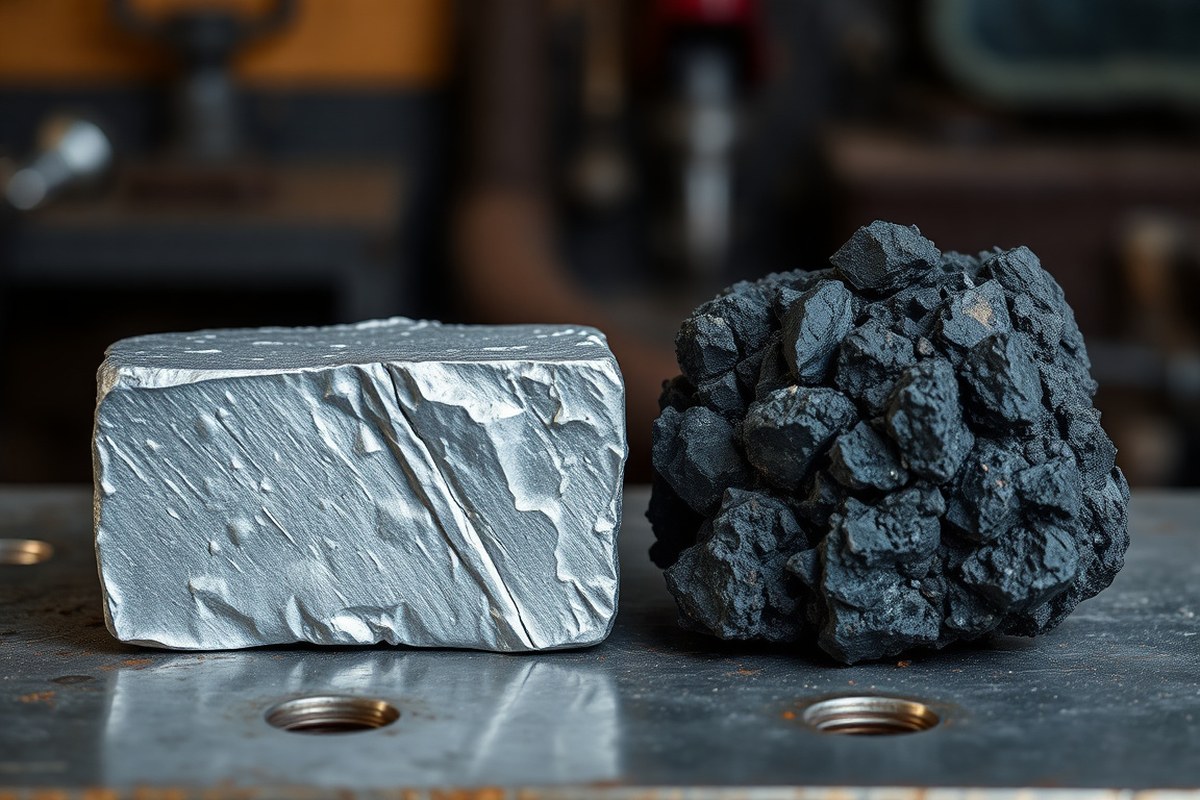
Aluminum is not a ferrous metal because it contains no iron. Ferrous metals must have iron as their major component, usually at least 50% by weight. Aluminum is a non-ferrous metal, meaning it lacks iron in its composition.
This distinction matters because iron changes a metal’s properties significantly. Ferrous metals tend to be magnetic and prone to rust.
Aluminum is not magnetic and does not rust. Instead, aluminum forms a protective oxide layer that resists corrosion.
To decide if a metal is ferrous, check its iron content first. Metals with a high iron content, like steel and cast iron, qualify as ferrous. Metals without iron or only trace amounts, including aluminum, copper, and brass, are non-ferrous.
What Defines Ferrous Metals: Composition and Key Properties
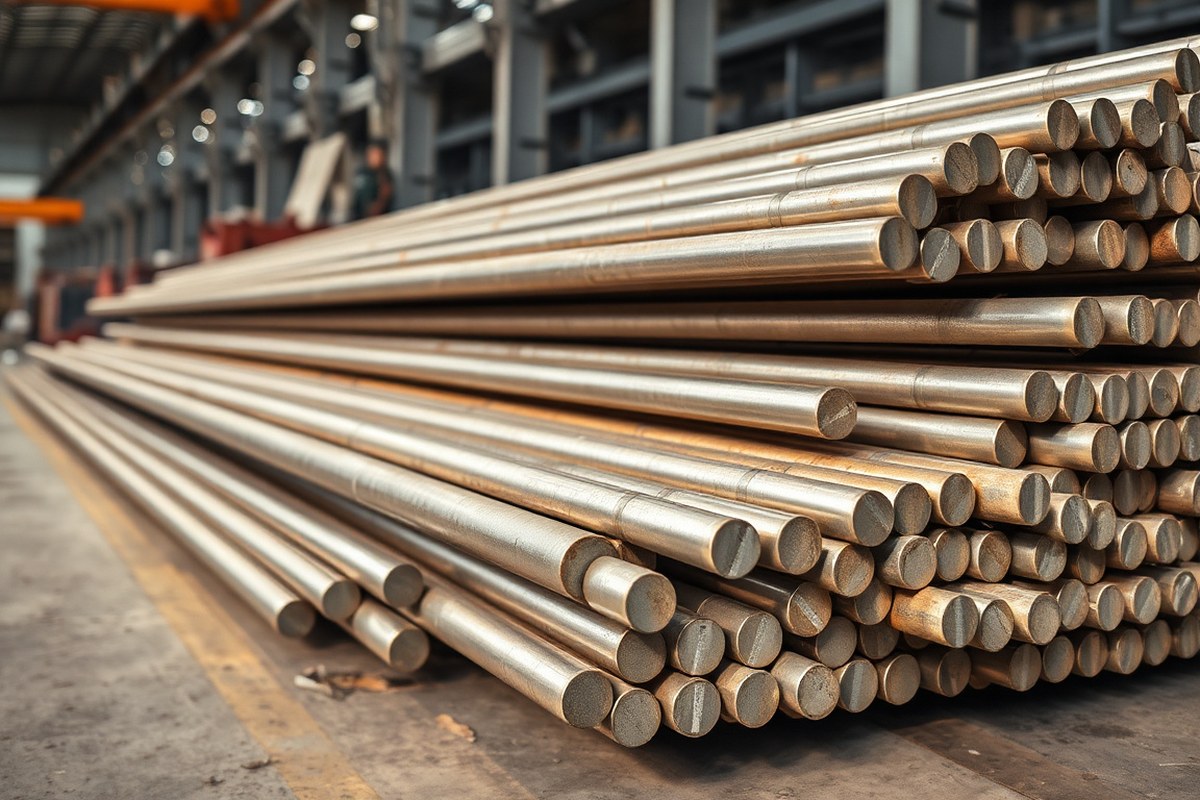
Ferrous metals mainly consist of iron. This iron content usually makes up the majority of the metal by weight. Having iron as their base gives these metals specific chemical and physical traits.
Magnetism is a key feature of ferrous metals due to their iron content. Magnets will stick naturally to ferrous metals, making them easy to identify. They also tend to rust more easily compared to metals without iron.
Common ferrous metals include steel and cast iron. Steel is typically about 98% iron with carbon added between 0.05% and 2.14%.
Carbon hardens steel, improving strength and flexibility. Cast iron contains more carbon, from roughly 1.5% to 4%, giving it hardness but also brittleness.
Steel varieties differ based on their carbon content and minor alloy additions. For example, stainless steel contains at least 10.5% chromium besides iron. This chromium makes the metal resist corrosion better.
The metal still counts as ferrous. Iron is the main element in it.
Knowing these key traits helps you understand metal classification. The high iron content strongly influences the metal’s behavior and uses. When you see magnetic metals that rust, you’re usually dealing with ferrous types.
Use a magnet to tell ferrous from non-ferrous metals fast. This helps sort scrap or raw materials.
Characteristics of Non-Ferrous Metals with Focus on Aluminum
Non-ferrous metals don’t contain iron like ferrous metals do. Aluminum is a common non-ferrous metal known for being lightweight and resistant to corrosion. These features set it apart from ferrous metals, which are heavier and less corrosion-resistant.
Aluminum’s Chemical Makeup
Aluminum is a pure element with the chemical symbol Al. It contains no iron, so it’s non-magnetic and resists rust. Its purity and absence of iron affect its corrosion resistance and weight.
Alloys of aluminum often include elements like copper, magnesium, or zinc. These improve its strength but don’t add magnetic properties. This makes aluminum alloys versatile for many uses where weight and corrosion matter.
Physical Properties Distinguishing Non-Ferrous Metals
Non-ferrous metals are much lighter than ferrous metals. Aluminum’s density is about 2.7 g/cm³, while steel is around 7.8 g/cm³. This means aluminum weighs less than a third of steel for the same volume.
In strength, some aluminum alloys match or beat mild steel when considering strength-to-weight ratio. However, ferrous metals often offer higher absolute strength and durability. Aluminum’s resistance to corrosion far surpasses ferrous metals, which rust easily.
Because aluminum lacks iron, it’s non-magnetic. This is useful in electrical and aerospace applications where magnetism causes interference. The combination of these properties explains aluminum’s preference in weight-sensitive designs.
Typical Applications of Aluminum and Similar Metals
Aluminum is favored in aerospace, marine, and transport industries for its light weight. Aircraft use aluminum alloys to reduce fuel use and meet strict weight limits. Modern trucks, like the Ford F-150, also use aluminum bodies to cut weight.
Buildings and structures sometimes use aluminum and other non-ferrous metals for corrosion resistance. These metals last longer in wet or salty environments than ferrous metals. Although more expensive, the maintenance savings often justify the cost.
Ferrous metals still dominate where strength and low cost matter, like construction beams or heavy machinery. The choice depends on balancing weight, strength, corrosion, and expense for a given project. Aluminum works best when keeping things light and rust-free is key.
How Iron Content Affects Aluminum Alloys and Their Classification
Aluminum alloys contain small amounts of iron, usually below 2%. Iron is never the base metal, so aluminum alloys stay non-ferrous. Their classification is based on aluminum as the main metal, not trace iron content.
Common Aluminum Alloys Containing Iron
Iron appears most often as an impurity in commercial aluminum alloys. It usually stays below 0.8% in alloys like 6061 and 6063. Some special alloys like 3003 or 4032 have iron added on purpose.
The iron content is usually near 1%. Sometimes it is a bit higher.
Even with iron additions, these alloys remain primarily aluminum. Iron, at these low levels, does not turn them into ferrous metals. Instead, it influences certain mechanical and casting properties without redefining the alloy’s core identity.
Industrial Reasons for Adding Iron to Aluminum
Iron improves strength and wear resistance in some aluminum alloys. It helps control grain structure during solidification, reducing hot cracking in casting processes. These benefits come without major loss of corrosion resistance or weight advantage aluminum offers.
Iron additions also reduce cost by using scrap material with iron as an impurity. However, too much iron causes brittleness and worsens machining. So, careful control keeps iron below critical limits, balancing performance with durability.
Measurement Techniques for Iron Content
Iron content in aluminum alloys is measured using spectroscopy methods like optical emission or X-ray fluorescence. These methods detect iron levels accurately down to fractions of a percent. Labs use this to ensure alloys meet tight industrial specifications.
Sample prep involves cutting a clean, flat surface on the metal. The test tool looks at emissions or fluorescence when the alloy is excited.
It then gives quick and exact iron percentage results. This helps producers monitor impurity levels and control quality consistently.
Corrosion Resistance: Aluminum Oxide Layer vs Rust in Ferrous Metals
Aluminum and ferrous metals differ a lot in how they handle corrosion. Aluminum forms a thin oxide layer on its surface. This oxide sticks tightly and blocks further corrosion.
In contrast, ferrous metals, like iron and steel, develop rust. Rust is flaky and weak, so it spreads deeper into the metal over time.
Stainless steel is an interesting case among ferrous metals. It contains about 18% chromium and 8% nickel. These elements help form a protective oxide layer too.
This stops rust and oxidation better than ordinary steel. Adding molybdenum further increases corrosion resistance, as seen in stainless steel grades 303 and 316. But stainless steel still has iron inside, so it’s classified as ferrous.
Here is a simple comparison of corrosion behavior:
| Metal Type | Oxide Layer | Corrosion Type | Effect on Metal |
|---|---|---|---|
| Aluminum | Adherent, tight aluminum oxide | Protective oxide prevents further corrosion | Protects metal surface, resists rust |
| Ordinary Ferrous Metals | Loose iron oxide (rust) | Flaky rust spreads, causes metal loss | Weakens metal, leads to structural damage |
| Stainless Steel | Dense chromium oxide | Highly resistant to rust and corrosion | Maintains strength, less surface damage |
Corrosion behavior matters in metal selection. Aluminum’s oxide layer forms quickly when exposed to air or water. This makes aluminum ideal for roofing, siding, and transportation parts where rust would be a problem.
However, aluminum is generally pricier than steel and not as strong to bear heavy loads. Steel can handle mechanical stress better but needs coatings or stainless grades for lasting corrosion resistance.
Sometimes zinc plating on steel is used to improve corrosion resistance. Zinc forms its own oxide barrier that slows down rust.
This helps steel last longer in outdoor or moist settings. But if the zinc coating gets scratched, rust can start underneath and spread fast.
Keep aluminum clean to maintain its protective oxide. Dirt or paint can trap moisture and cause corrosion spots.
Magnetism and Identification Methods for Ferrous and Non-Ferrous Metals
Magnetism is a quick and reliable way to identify ferrous metals. Ferrous metals contain iron, which magnetic fields attract. Non-ferrous metals, like aluminum, do not respond to magnets.
In scrap sorting, facilities use powerful electromagnets to separate ferrous from non-ferrous metals. This separation matters because different metals have unique recycling streams and values. You can test small pieces yourself with a simple magnet for instant results.
Sometimes, aluminum might be mistaken for ferrous if it has iron-containing impurities or magnetic coatings. Checking with a magnet avoids this confusion. You can’t always tell metals by weight or color alone.
Some aluminum alloys feel and look like ferrous metals. This can cause mistakes when identifying metals.
- Use a strong magnet to see if metal sticks instantly.
- Test in clean, rust-free spots to avoid false attraction.
- Scratch off paint or coatings before testing magnetic response.
- Compare weight by holding metal pieces; aluminum feels lighter.
- Confirm by sound: tapping aluminum yields a duller ring than steel.
- For large batches, use industrial magnetic separators at scrap yards.
- Label and store separated metals properly to avoid mix-ups later.
The magnet test costs very little; even small rare-earth magnets under $5 work well. The test takes seconds and avoids costly sorting mistakes. Scrappers and buyers use it daily to quickly sort metals before sale or recycling.
In metal fabrication, knowing whether a piece is ferrous determines welding methods and corrosion control. Non-ferrous metals like aluminum need different handling. Mistaking aluminum for steel can cause poor weld quality or unexpected rust issues during assembly.
Strength, Weight, and Temperature Performance Compared Between Aluminum and Ferrous Metals
| Property | Aluminum | Ferrous Metals (e.g., Steel, Iron) |
|---|---|---|
| Density | Approx. 2.7 g/cm³ (lightweight) | About 7.8 g/cm³ (heavier) |
| Strength (Tensile) | 50 – 700 MPa (varies by alloy) | 350 – 2000 MPa (stronger overall) |
| Performance at High Temperature | Weaker above 400°F; melts at 1220°F | Can withstand above 1000°F; maintains strength longer |
| Corrosion Resistance | Natural oxide layer protects surface | Susceptible to rust without treatment |
| Typical Use Case | Lightweight structures, transportation parts | Heavy structural elements, engine parts |
Aluminum weighs much less than ferrous metals. Its density is roughly one-third that of steel or iron. Aluminum is very light.
That’s why it’s used in aircraft. It also helps cars save fuel by reducing weight. Using lighter metals cuts energy costs in transportation over time.
Ferrous metals have higher strength and toughness. They hold up better under heavy loads and impacts. You’ll find them in building frameworks and machinery where strength matters most.
Their density makes these metals heavier, though. So there’s a tradeoff between strength and weight.
Under high temperatures, ferrous metals maintain their strength better than aluminum. Steel parts can tolerate heat over 1000°F without failing. Aluminum begins to soften above 400°F and melts around 1220°F. This limits aluminum’s use in high-heat applications like engine blocks or exhaust systems.
Aluminum can’t handle very high heat. Yet, its oxide layer stops rust. This layer helps keep aluminum parts light outdoors.
Ferrous metals can rust if not coated or treated, which affects longevity. This difference drives choice depending on the environment and temperature demands.
Choosing between these metals depends on what you need: lightweight designs or strong, heat-resistant parts. Aluminum costs more per pound but saves fuel and ease of handling.
Ferrous metals cost less for big projects yet add weight and need rust protection. Balancing these helps you pick the right material for your application.
Recycling Aluminum Versus Ferrous Metals: Energy and Environmental Impact
Recycling aluminum saves about 95% of the energy needed to produce it from raw ore. This huge energy saving beats steel recycling by a wide margin. Steel recycling also saves energy but only by about 60-70% compared to producing new steel.
Producing aluminum and steel involves different energy costs. Aluminum requires a high temperature electrolysis process, which is energy-intensive.
Steel production uses blast furnaces with coke, which is still energy heavy but less than aluminum. Recycling aluminum skips the electrolysis step and cuts energy use dramatically.
| Metal | Energy to Produce from Ore (MJ/kg) | Energy Saved by Recycling (%) |
|---|---|---|
| Aluminum | 170-200 | About 95% |
| Steel | 20-30 | 60-70% |
Recycling aluminum also reduces mining for bauxite, lowering environmental damage. Steel is more abundant and easier to mine, so its extraction impacts are smaller. Aluminum’s production usually causes more greenhouse gases, making recycling essential for sustainability.
Aluminum’s higher cost relates to its raw material and energy needs. It is less common than iron and requires more processing steps. Ferrous metals like steel usually cost less because iron ore is abundant and refining is simpler.
Both ferrous and non-ferrous metals can be recycled repeatedly without losing strength. Aluminum stays pure after melting, making recycling straightforward. Steel recycling benefits from simpler sorting but often mixes carbon and alloy grades.
Always separate aluminum from ferrous metals in recycling by using a magnet; aluminum won’t stick.
Choosing Between Aluminum and Ferrous Metals for Industrial and Consumer Applications
You pick aluminum or ferrous metals based on what matters most: weight, strength, corrosion, and cost. Aluminum shines when weight and corrosion resistance count.
Ferrous metals work best when tough strength and heat resistance are key. Know your priorities, and match the metal to your project needs.
Automotive and Transportation Uses
Aluminum is popular in vehicles to reduce weight and improve fuel efficiency. It also helps vehicles resist rust from road salt and moisture. Ferrous metals, especially steel, provide the strength needed in frames and safety components.
Small amounts of iron in aluminum alloys improve strength without adding much weight. Automakers often use aluminum for body panels and engine parts. Steel remains preferred for chassis and structural parts requiring high durability.
- Aluminum: used in aircraft, car body panels, and lightweight trailers.
- Steel: used for heavy-duty frames, suspension, and engine blocks.
- Aluminum alloys improve corrosion resistance and ease shaping.
- Ferrous metals handle impact and stress better than aluminum.
- Vehicles mixing both metals balance weight and strength.
Choosing between them means weighing corrosion resistance against toughness. Manufacturers combine materials to optimize performance and cost. You want aluminum for lighter, corrosion-prone parts and steel for sturdy, high-stress parts.
Construction and Structural Applications
Steel is the main metal in buildings because of strength and heat resistance. It can handle heavy loads, fire, and weather extremes better than aluminum. Aluminum’s light weight and corrosion resistance are assets in roofing, window frames, and facades.
Iron’s presence in ferrous metals makes welds stronger and connections reliable. Aluminum alloys have minor iron but mainly use other metals like magnesium or silicon. Your choice depends on structural demands and environmental exposure.
- Structural steel beams hold up heavy loads in buildings and bridges.
- Aluminum is used in window frames, roofing, and decorative panels.
- Steel often requires protective paint or coatings against rust.
- Aluminum resists corrosion naturally, needing less maintenance.
- Steel performs better in fire and very high temperatures.
- Aluminum lightens structures where weight savings reduce cost.
Pick steel if maximum strength and fire resistance are priorities. Use aluminum when corrosion or weight savings offer a better long-term benefit. Mixing them requires careful corrosion and expansion control to avoid problems.
Electrical and Thermal Conductivity Considerations
Aluminum conducts electricity well and costs less than copper. It is popular in power lines and electrical connectors where light weight helps. Steel and other ferrous metals conduct heat and electricity poorly compared to aluminum.
Alloy elements affect conductivity. Aluminum alloys maintain high conductivity despite added elements like iron. Ferrous metals need alloying for strength and corrosion resistance, reducing electrical use.
- Aluminum is used in transmission lines and electronic housings.
- Steel appears in appliances and machinery but not in wiring.
- Aluminum’s conductivity is about 60% of copper’s at lower weight.
- Iron-content alloys offer toughness over conductivity.
- Thermal expansion is higher in aluminum, important for design.
Choose aluminum for electrical or heat roles needing light weight. Avoid ferrous metals when conductivity is key. Always factor in alloy makeup, as it affects performance.
Corrosion and Durability Factors
Ferrous metals rust when exposed to moisture unless protected. Stainless steel uses chromium to fight rust but costs more. Aluminum forms a tough oxide layer naturally, guarding it without coating.
Minor iron in aluminum alloys does not reduce corrosion resistance much. Corrosion resistance changes how often maintenance or replacement occurs. This affects long-term cost and safety, especially outdoors or near saltwater.
- Aluminum resists corrosion without extra coatings in most moist environments.
- Regular steel needs paint, galvanizing, or plating for good rust defense.
- Stainless steel is costly but excellent in aggressive environments.
- Aluminum’s oxide layer repairs itself quickly after scratches.
- Ferrous metals often last longer under mechanical wear than aluminum.
Pick aluminum to cut corrosion costs and weight. Choose ferrous metals if mechanical wear or heat is higher concern and budget allows coatings. Maintenance plans affect your decision, too.
Step-by-Step Action Plan to Identify and Work with Aluminum as a Non-Ferrous Metal
Follow these steps to tell if you have aluminum. Learn its properties. Then choose it right for your projects.
- Day 1: Perform a magnet test. Aluminum won’t attract a magnet. This confirms it is non-ferrous.
- Day 2: Inspect for corrosion signs. Look for white or dull gray surface, not rust. This shows aluminum’s oxide layer is working.
- Week 1: Check the alloy composition if possible. Aluminum alloys have little to no iron content. Confirm this to classify it properly.
- Week 2: Compare weight and strength needs. Aluminum is lighter but usually less strong than steel. Use it where weight matters more than extreme strength.
- Week 3: Choose aluminum for corrosion resistance in moist or marine environments. Its oxide layer reduces maintenance costs versus ferrous metals.
- Month 1: Test thermal performance if required. Aluminum dissipates heat well but melts sooner than steel. Select based on your temperature demands.
- Ongoing: Recycle aluminum scrap separately. It consumes less energy than recycling ferrous metals. Check local recycling rules to do this right.
Frequently Asked Questions
Is Aluminum Considered a Ferrous Metal?
No, aluminum is not a ferrous metal because it contains no iron. It’s classified as a non-ferrous metal due to its composition and properties.
Can Aluminum Rust Like Ferrous Metals Do?
Aluminum cannot rust since it lacks iron, but it forms a thin oxide film. This layer protects the surface, preventing further corrosion.
How Can I Tell If a Metal Is Ferrous or Not?
Ferrous metals usually attract magnets and are heavier. Non-ferrous metals like aluminum are lighter and non-magnetic.
Does Adding Iron to Aluminum Make It Ferrous?
No. Aluminum alloys may have trace iron. But they remain non-ferrous unless iron is the main element.
Why Is Aluminum Preferred over Ferrous Metals in Some Industries?
Aluminum is lighter and resists corrosion without extra treatment. This makes it useful for transportation and outdoor uses.
Key Points to Remember
Aluminum is not a ferrous metal due to its low iron content and unique corrosion resistance. Testing magnetism and inspecting corrosion help you identify it quickly. Start by trying a simple magnet test on your metal parts today.