
How Bad Is Drinking Out of Aluminum Bottles? A Complete Safety Guide
How bad is drinking out of aluminum bottles depends mostly on the bottle’s lining. Properly made aluminum bottles with food-grade linings are safe for daily use. The lining stops aluminum from mixing into your drinks.
It keeps your water clean. It also stops metals from getting in.
Aluminum is safe in small amounts. Your body absorbs less than 1%. It also gets rid of aluminum fast.
Be careful with old bottles with worn linings. They can let aluminum slip through.
Chemicals might leak too. Replace your bottle every one to two years to be safe.
Choosing your bottle carefully matters too. Make sure it’s BPA-free with a strong internal coating.
This reduces risk and keeps your drinks fresh. So drinking from your aluminum bottle is no cause for worry.
Key Takeaways
- Always buy aluminum bottles with BPA-free, food-safe internal linings.
- Replace your aluminum bottle every 12 to 24 months to avoid coating wear.
- Discard bottles with scratches or damaged linings to prevent aluminum leaching.
- Your body absorbs less than 1% of aluminum, excreting most through urine.
- Clean your bottle regularly to stop bacteria buildup and contamination.
- Compare costs: aluminum bottles often cost less than stainless steel options.
How Does Drinking from Aluminum Bottles Impact Your Health?
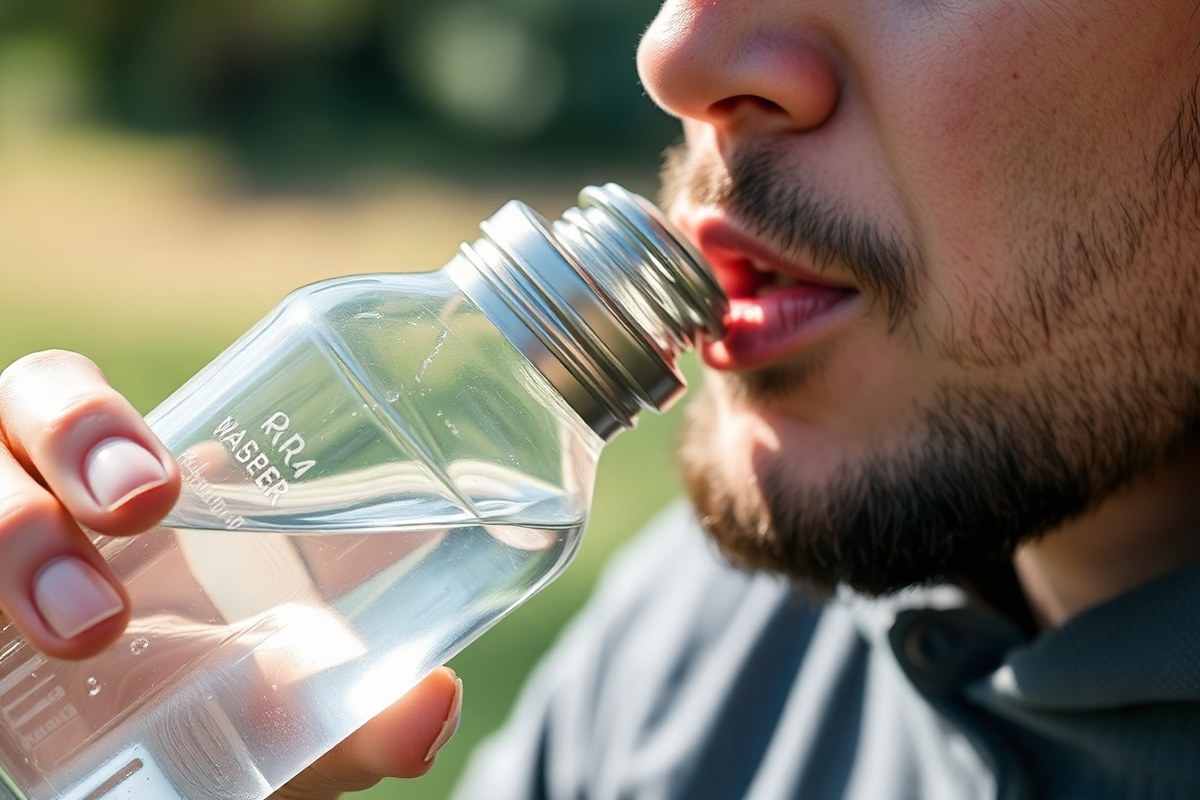
Aluminum bottles can release small amounts of aluminum into drinks. This happens more when the bottles don’t have a protective lining. The aluminum might get into your beverage during use.
Exposure rises when you use them for hot or acidic drinks like juice or tea. Without a lining, aluminum ions can enter your drink. But properly coated bottles block this.
For adults, occasional exposure to aluminum from bottles generally stays below safety limits. Experts say most dietary aluminum comes from foods and water, not bottles themselves. Kids might meet or go over safe aluminum levels by drinking acidic drinks.
This happens especially if they use aluminum bottles without lining. Acidic liquids raise the chance of aluminum leaching out.
Scientific studies find no solid proof that aluminum from bottles causes health problems like Alzheimer’s disease. The old fears linking aluminum to neurological issues don’t hold up in current research. Regulatory groups approve aluminum containers with food-safe linings for daily use, considering them safe.
Using aluminum bottles with intact food-grade linings lowers your aluminum intake dramatically. Avoid leaving acidic or hot liquids inside aluminum bottles for hours. This step reduces chances of aluminum leaching and keeps your drink tasting normal.
When you use bottles without lining or store drinks too long, leaching rises. This can push aluminum intake above safe exposure limits, especially for kids. Use aluminum bottles that have a protective coating.
It helps stop aluminum from mixing with drinks. Also, try to drink water more than acidic beverages.
Aluminum exposure from bottles alone rarely poses serious risks to healthy adults. Still, people with kidney problems or young children should be more cautious. Don’t use aluminum bottles if the lining is damaged or worn out.
Damaged lining lets more metal touch your drinks. Always check the bottle for signs of wear.
Why Do Aluminum Bottles Have Internal Linings and How Safe Are They?
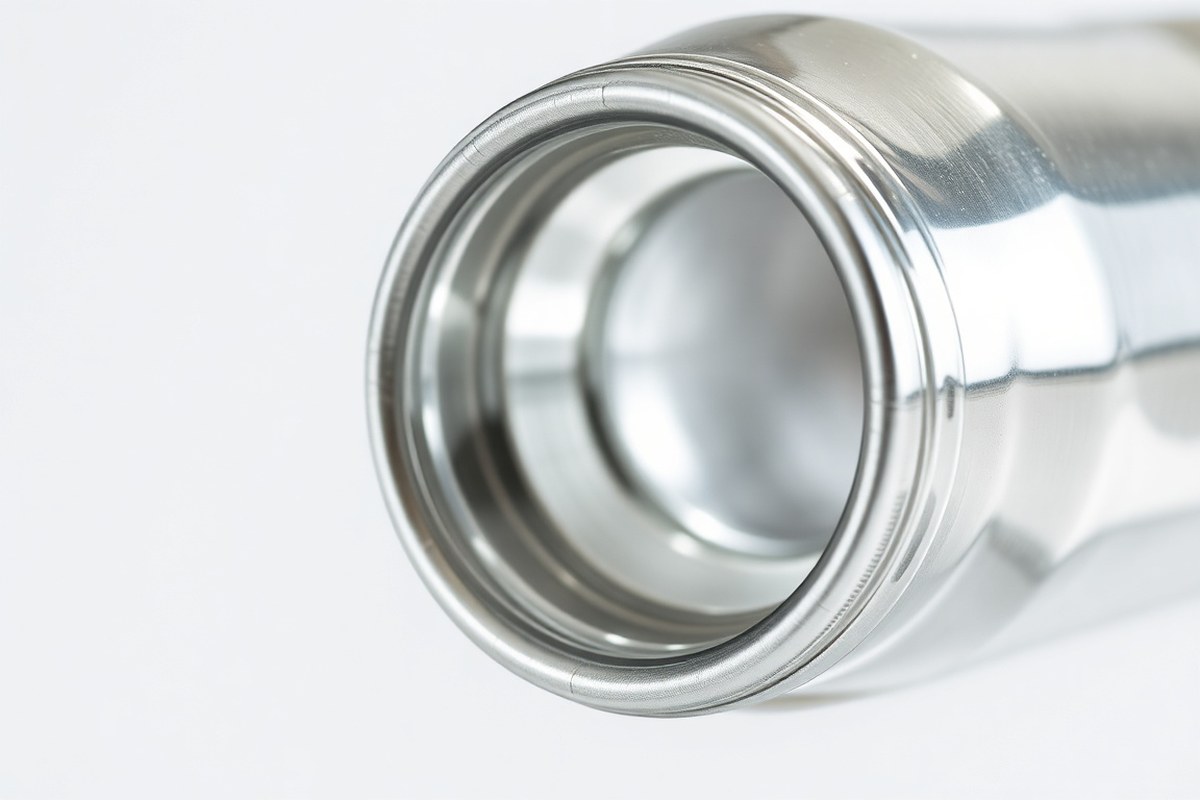
Aluminum bottles have inner linings to stop your drink from touching bare metal. These linings act as barriers, preventing aluminum from leaching into your beverage. The safety of these linings depends on the material used.
It also matters how well they hold up over time. You want good durability for safety.
Common Lining Materials Used Today
Most aluminum bottles use coatings like epoxy resin, plastic-based linings, or ceramic. Epoxy resin is a polymer that blocks aluminum efficiently.
Plastic linings include polyurethane or polyethylene. They resist chemicals but may wear out with heat.
Some bottles employ glass-like ceramic coatings, which are inert and very safe. Ceramic linings are rare because they cost more to manufacture. Choosing between these materials often depends on price and use conditions.
| Type of Lining | Material Composition | Safety Profile | Potential Concerns |
|---|---|---|---|
| Epoxy Resin | Polymer-based coating | Effective barrier against aluminum | May contain BPA; newer BPA-free versions preferred |
| Polyurethane or Polyethylene | Plastic-based linings | Good chemical resistance and safety | Potential degradation with heat or prolonged use |
| Glass-like Ceramic Coating | Inorganic, non-reactive ceramic | Highly inert and safe | Higher cost; less common |
The Role of Epoxy and BPA Concerns
Epoxy resin linings often contain BPA, a chemical raising safety questions. Newer bottles usually use BPA-free epoxy to lower risks. These linings keep acidic drinks from corroding the aluminum inside.
Despite concerns, high-quality food-grade epoxy linings keep aluminum exposure minimal. Still, some worry long-term exposure to epoxy coatings might pose health issues.
Choose bottles with BPA-free labels to cut down these risks. That helps keep your drinks safer.
Signs of Lining Wear and Degradation
Scratches or chips inside your aluminum bottle can expose metal underneath. This exposure can increase the chance of aluminum leaching into your water. Fading or rough patches on the liner often mean it’s worn out.
Heat and acidic drinks can speed up lining damage over time, especially with plastic coatings. Once damaged, the bottle may develop a metallic taste or smell in your drink. Using your bottle gently and cleaning it well helps maintain the lining.
Follow these steps to check and care for your bottle’s lining regularly:
- Inspect the inside for scratches, chips, or rough spots before each use.
- Avoid using abrasive brushes or harsh cleaners that can damage the lining.
- Rinse immediately if you store acidic drinks to avoid quick wear.
- Keep the bottle away from extreme heat to prevent liner breakdown.
- Replace the bottle when you notice metal taste or visible liner damage.
Don’t ignore a metallic smell or taste; it usually means the lining is damaged.
What Factors Increase Aluminum or Chemical Leaching from Bottles?
Hot liquids can harm the bottle’s lining and increase aluminum leaching. Most aluminum bottles are not for hot drinks. Heat breaks down the inside coating.
This can cause problems. Pouring boiling water into an aluminum bottle is risky. Chemicals can leach into your drink fast.
Acidic beverages like citrus juice or soda also speed up leaching. Acid eats away at the lining and lets aluminum dissolve into the liquid. Testing of aluminum cans with cola showed 0.75 parts per million aluminum leached at mild conditions, already above the safety threshold of 0.2 milligrams per liter set by health authorities.
Storing drinks for a long time makes matters worse. The longer the acidic or hot liquid stays inside, the higher the aluminum level gets. Don’t keep drinks in aluminum bottles for too long.
Avoid acidic drinks inside for more than a few hours. Constant contact weakens the lining and raises contamination risks.
Dents or scratches on the bottle’s interior lining expose raw aluminum below. This damage removes the barrier that stops metal leaching. Small dents or scratches can damage the bottle’s inside.
This lets aluminum mix with your drink. Always check your bottle for damage before use.
To reduce risks, use aluminum bottles only for cold, neutral liquids like plain water. Avoid acidic juices, sodas, or hot beverages.
Also, replace your bottle every 1 to 2 years, because the lining wears out with time. Many manufacturers warn that coatings degrade and recommend switching bottles regularly.
Careful handling helps protect the lining. Wash bottles gently and avoid abrasive scrubbers inside.
Rough cleaning can cause tiny scratches that increase leaching. Staying on top of how your bottle looks and smells can catch problems early.
How Do Aluminum Bottles Compare with Stainless Steel and Plastic Bottles?
Aluminum, stainless steel, and plastic bottles each have different strengths and weaknesses. Aluminum bottles need a lining to be safe because the metal can react with drinks. Stainless steel bottles don’t require linings, making them a safer choice.
Plastic bottles can be safe if made BPA-free. But some chemicals may still leach over time.
Durability varies too. Stainless steel bottles are very strong and resist dents and corrosion. Aluminum bottles can dent easier but resist rust well.
Plastic bottles often crack or wear down faster, especially if dropped or exposed to heat. Weight is another factor. Aluminum bottles are lighter than stainless steel but usually heavier than plastic.
The impact on the environment changes by material. Aluminum is made from recycled materials and is highly recyclable. Aluminum has a lower carbon footprint than plastic.
It uses more energy to recycle than stainless steel. Overall, its production is greener than plastic but not stainless steel. Stainless steel uses more energy to produce but lasts longer, reducing waste.
Plastic can be recycled, but many types don’t recycle easily and add to landfill. Prices also differ, with aluminum bottles costing less than stainless steel but usually more than plastic.
| Material | Health Safety | Durability | Environmental Impact | Weight | Cost |
|---|---|---|---|---|---|
| Aluminum | Safe with proper lining; risk if coating damaged | Moderate; dents easily but resists corrosion | Highly recyclable; lower carbon footprint than plastic | Lightweight | Moderate |
| Stainless Steel | Highly safe; no coating needed | Very durable; resistant to dents and corrosion | Recyclable; energy-intensive production | Heavier than aluminum | Higher |
| Plastic (BPA-free) | Safe if BPA-free; potential chemical leaching over time | Less durable; can crack or degrade | Difficult to recycle; adds landfill waste | Lightest | Lowest |
Choosing the right bottle depends on what matters to you most. Choose aluminum if you want a light bottle at a fair price. Watch out for any damage to its coating.
Stainless steel costs more but gives better durability and safety. Plastic is cheapest and lightest, but it may leach chemicals and last less time. Choose a well-made aluminum or stainless steel bottle for lowest impact.
Recycle the bottle properly after use. That helps the environment the most.
Who Should Be Cautious When Using Aluminum Bottles?
Children are more vulnerable to aluminum exposure because their bodies handle toxins differently. They absorb more aluminum relative to their size, and their kidneys are still developing. Using aluminum bottles with acidic drinks can increase aluminum exposure.
This may cause health issues. The risk grows if used daily over time.
People with kidney problems should be cautious when using aluminum bottles. Kidneys help remove aluminum from the body. Aluminum can build up when aluminum bottles do not work well.
Serious aluminum toxicity mostly occurs in patients with bad kidney problems. These patients, such as those on dialysis, get aluminum exposure from medical fluids.
Avoid drinking from aluminum bottles if you have an aluminum allergy. Allergic reactions can include skin irritation or other symptoms after contact.
Even small amounts from leaching can trigger these reactions in sensitive individuals. So it’s best to choose bottles made of other materials.
For everyone else, it is important to check your aluminum bottle’s lining regularly. A damaged or worn lining can increase aluminum exposure.
Replace bottles that look worn, scratched, or peeling inside. This damage allows aluminum to leak into your drink.
Never keep acidic drinks like lemonade in aluminum bottles for long times. This raises the danger of aluminum leaching.
People with healthy kidneys absorb less than 1% of aluminum from food and drinks. This small amount is expelled through urine, reducing chances of buildup. Still, using aluminum bottles carefully and avoiding acid or heat will lower your overall exposure.
How to Maintain and Clean Aluminum Bottles for Safe Use?
Cleaning aluminum bottles properly keeps their lining safe and prevents bad tastes or germs. Use gentle methods to protect the bottle’s inner coating and clean often enough to stop buildup. Deep cleaning removes odors and keeps your bottle fresh for everyday use.
Daily Cleaning Procedures
Wash your aluminum bottle after each use to stop bacteria growth and taste changes. Use mild soap and warm water for gentle cleaning. Don’t put your bottle in the dishwasher.
Heat can harm the lining. It can also loosen the coatings inside.
Here’s a simple daily routine to keep your bottle safe and clean:
- Rinse the bottle with warm water immediately after use.
- Add a small amount of mild dish soap and fill halfway with warm water.
- Use a soft bottle brush to gently scrub inside the bottle.
- Rinse thoroughly under running water to remove all soap.
- Wipe the outside and lid with a soapy cloth, then rinse.
- Leave the bottle open and upside down to air dry completely.
Deep Cleaning with Vinegar or Baking Soda
Deep clean your bottle once a week or when it starts to smell metallic or stale. Baking soda and white vinegar remove odors and buildup without harming the lining. These natural cleaners are cost-effective and safe for aluminum bottles when used properly.
To freshen your bottle deeply, follow these steps:
- Mix 1 tablespoon of baking soda with 1 cup warm water.
- Pour the solution inside the bottle and close the lid tightly.
- Shake gently for 1 minute to loosen residue.
- Let the bottle sit for 15 minutes before emptying.
- Rinse thoroughly to remove all baking soda traces.
- For persistent odors, fill the bottle with equal parts white vinegar and water.
- Let sit for 20 minutes, then rinse well and air dry.
Avoiding Damage During Washing
Harsh scrubbing can ruin the bottle’s protective lining and cause aluminum exposure. Stay away from abrasive scrubbers or steel wool. Use soft brushes or sponges instead to keep the coating intact.
Hot water and strong detergents may also degrade the lining. Stick to warm, not boiling water, and mild soap or natural cleaners only. Look at your bottle’s surface often for cracks or chips.
Check for peeling too. Replace the bottle if the lining looks damaged.
When and How to Replace Your Aluminum Bottle Safely?
Aluminum bottle linings usually last between one and two years. The lining protects you from direct contact with aluminum. So watching for signs of wear matters.
After constant use, chips or cracks may appear on the lining. These signs mean the lining is failing. This can let aluminum get into your drinks.
Check your bottle regularly, especially if you use it daily. Small dark spots inside or flaky residue on the rim can show damage. These are signs the lining is breaking down.
A metallic taste or smell when you drink often means the lining is damaged. This signals it’s time to replace your bottle.
- Look for scratches, chips, or peeling inside the bottle
- Notice any unusual metallic taste or smell in your drink
- Check for discoloration or dark spots inside the bottle
- Feel for rough or flaky patches on the interior surface
- Replace if the bottle is dented or the cap no longer seals well
- Consider replacing every 12 to 18 months with daily use
- For occasional use, inspect carefully and replace every 2 years
Replacing your aluminum bottle every year or year and a half helps keep your water safe. The bottle cost varies widely, typically between $10 and $30. Buying a quality replacement is smarter than risking a worn lining.
A failing lining can let aluminum or chemicals leak into your drinks. Dropping or denting your bottle speeds up lining wear. Replacing the bottle soon is the safer choice.
Good maintenance slows lining wear, but eventually, the lining breaks down. Avoid washing in harsh dishwashers where heat and detergent wear it faster. Handwashing with mild soap and cool water keeps the lining intact longer.
What Common Myths About Aluminum Bottles and Health Should You Ignore?
Concerns about aluminum causing Alzheimer’s have been largely disproven by scientific research. Studies show no clear link between aluminum exposure from bottles and Alzheimer’s or other brain diseases. Health agencies agree aluminum water bottles are safe when used properly.
Aluminum by itself isn’t toxic. But most bottles have an internal lining to stop metal leaching.
Without lining, acidic drinks might cause more aluminum to enter your water. Manufacturers add this layer to keep your drink fresh and avoid any metal taste.
BPA often gets mixed into the aluminum bottle debate. This chemical appears in some bottle linings, not in aluminum itself.
BPA can pose health risks. So many brands now use BPA-free coatings to avoid this problem entirely.
The big myth is thinking all aluminum bottles are unsafe or cause illness. Aluminum is actually common in cookware and safe in food contact. What matters most is choosing bottles with BPA-free linings and rinsing them regularly.
Check your aluminum bottle’s label or brand info first. Look for a BPA-free lining on the bottle. This helps keep your drinks safe from chemicals.
What Practical Steps Minimize Risks When Using Aluminum Bottles?
To reduce health risks, pick aluminum bottles with safe linings. Avoid storing hot or acidic drinks inside.
Clean and store your bottle properly. Watch for signs you need medical advice.
Selecting Bottles with Certified Linings
Look for aluminum bottles that clearly state they have a BPA-free plastic or epoxy lining. These linings stop direct contact between your drink and the metal. Certificates or FDA approval on the label can indicate safer linings.
Don’t buy cheap bottles without clear lining info. Damage to the lining can increase chemical exposure over time. Choose bottles made by brands with good reviews on durability and safety.
Avoiding Hot or Acidic Liquids
Never store hot drinks above 120°F in aluminum bottles. High heat can break down linings, letting metal leach into your drink. Acidic drinks like citrus juice, soda, or energy drinks can erode coatings, too.
Use your aluminum bottle for cold or room-temperature water. Never leave acidic or sugary drinks in the bottle for more than a few hours. Avoid long-term storage of any acidic drinks.
Safe Cleaning and Storage Habits
Clean the bottle daily using warm, soapy water and a soft bottle brush. Avoid harsh scrubbing that might damage the lining. Rinse well and let the bottle air dry fully before storing.
- Inspect the lining regularly for peeling, scratches, or discoloration
- Hand wash; avoid dishwashers unless the label says it’s safe
- Store bottles empty with the cap off to prevent moisture buildup
- Keep bottles in a cool, dry place away from direct sunlight
- Replace bottles if the lining looks damaged or worn
Following these steps reduces your chance of exposure to harmful chemicals. Storing the bottle empty also prevents mold and odors.
Recognizing When to Seek Medical Advice
Talk to a doctor about unusual symptoms like stomach upset. You might also see a skin rash after using aluminum bottles.
These symptoms need checking to rule out problems. Long-term exposure symptoms might include fatigue or cognitive changes.
Suspecting more aluminum exposure means you should see your doctor. They can order tests to measure your aluminum levels. Those with kidney problems should be especially cautious and seek expert advice early.
Step-by-Step Action Plan for Using Aluminum Bottles Safely
Follow these steps to reduce risks when drinking from aluminum bottles. Check results along the way to stay safe.
- Before first use: Wash your bottle with warm water and mild soap. Make sure no residue remains.
- Daily use: Fill it with cold or room-temperature drinks only. Avoid hot liquids as they increase leaching.
- After each use: Rinse and clean the bottle promptly. Use a soft brush to reach inside.
- Weekly: Inspect the bottle’s lining for cracks or peeling. Replace the bottle if damage shows.
- Monthly: Check if the bottle smells or tastes metallic. If it does, switch to a different container.
- When outdoors: Pack your aluminum bottle away from direct sunlight and heat. This helps keep the lining intact.
- Every 6 to 12 months: Consider replacing your bottle. Old bottles leak more aluminum and chemicals.
- When buying new: Choose bottles with BPA-free and food-grade linings. Look for labels from trusted brands.
Frequently Asked Questions
Can Aluminum Bottles Cause Aluminum Poisoning?
Aluminum bottles can release small amounts of aluminum that might build up over time. Avoid using damaged or old bottles to reduce this risk.
Are There Specific Drinks I Should Avoid in Aluminum Bottles?
Acidic drinks like citrus juices can increase aluminum leaching. Stick to water or neutral beverages for safety.
Does Temperature Affect Aluminum Bottle Safety?
Yes, heat can cause more aluminum to leach into drinks. Avoid filling hot liquids in these bottles.
Can Allergies Be Triggered by Aluminum Bottles?
Allergic reactions are rare but possible with damaged linings. Watch for unusual skin or digestive symptoms after use.
Is It Safe to Freeze Water in an Aluminum Bottle?
Freezing water can damage the bottle lining, leading to leaks. Use a plastic bottle if you want to freeze drinks.
The Bottom Line
Aluminum bottles are generally safe when used and maintained properly. Keep an eye on the lining and avoid heat to reduce risk. Start by cleaning your bottle well before your next use.




One Comment