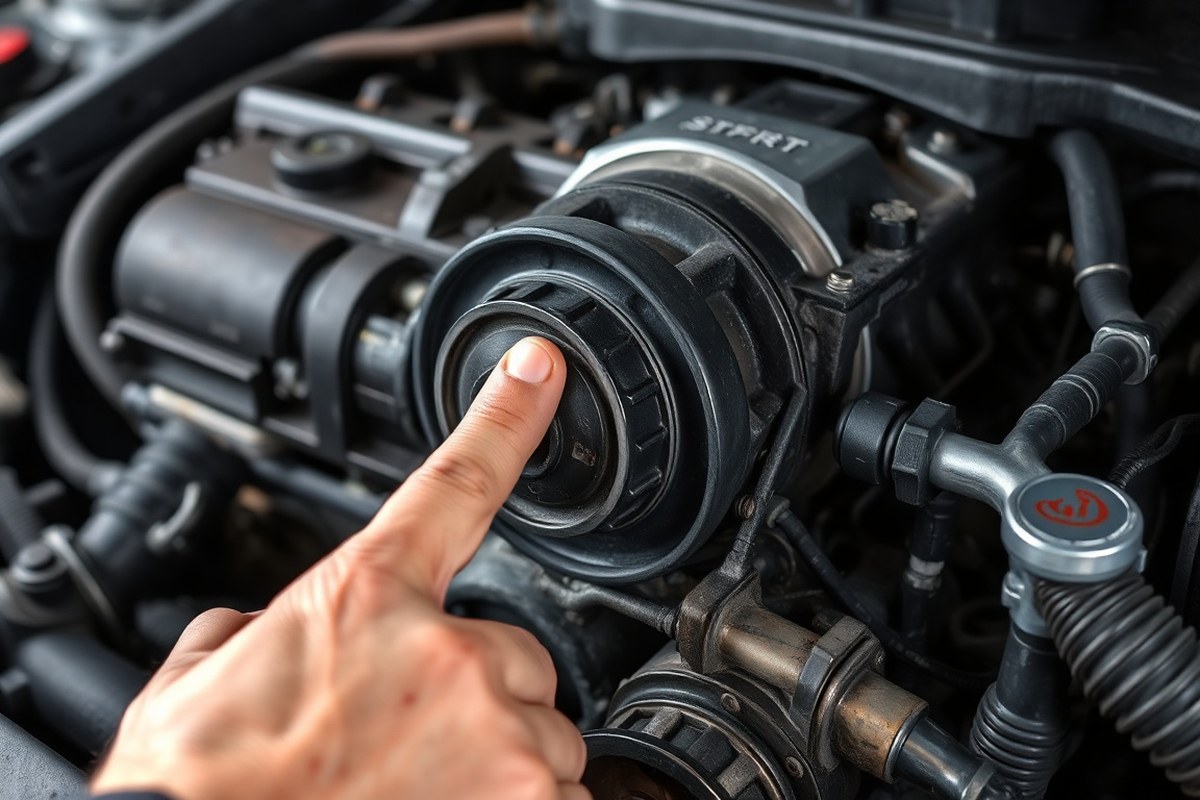
Is Engine Knocking Dangerous? What You Need to Know to Protect Your Car
Is engine knocking dangerous? Yes, it can seriously harm your engine.
Knocking means parts inside slam together, which can cause costly damages fast. If left alone, it might lead to repairs costing thousands or even a full engine replacement.
You should pay attention to knocking sounds and act quickly. Driving a knocking engine even a short time can make repairs five times more expensive. Start by checking your fuel quality and oil level to reduce damage risks.
Changing your oil every 3,000 miles helps keep parts lubricated and prevents knocking. Also, using a higher octane fuel for 100 miles can show if knocking is fuel-related. Catching the problem early saves you big repair bills down the road.
Key Takeaways
- Engine knocking damages internal parts and costs can exceed $3,000.
- Driving with engine knock can turn a $2,000 fix into a $6,000 repair.
- Check oil regularly; change every 3,000 miles to prevent knocking.
- Try a higher octane fuel for 100 miles to test knocking causes.
- Listen for knocking during acceleration; it often signals fuel or timing issues.
- Early action avoids costly repairs like engine rebuilds or replacements.
Is Engine Knocking Dangerous for Your Vehicle?
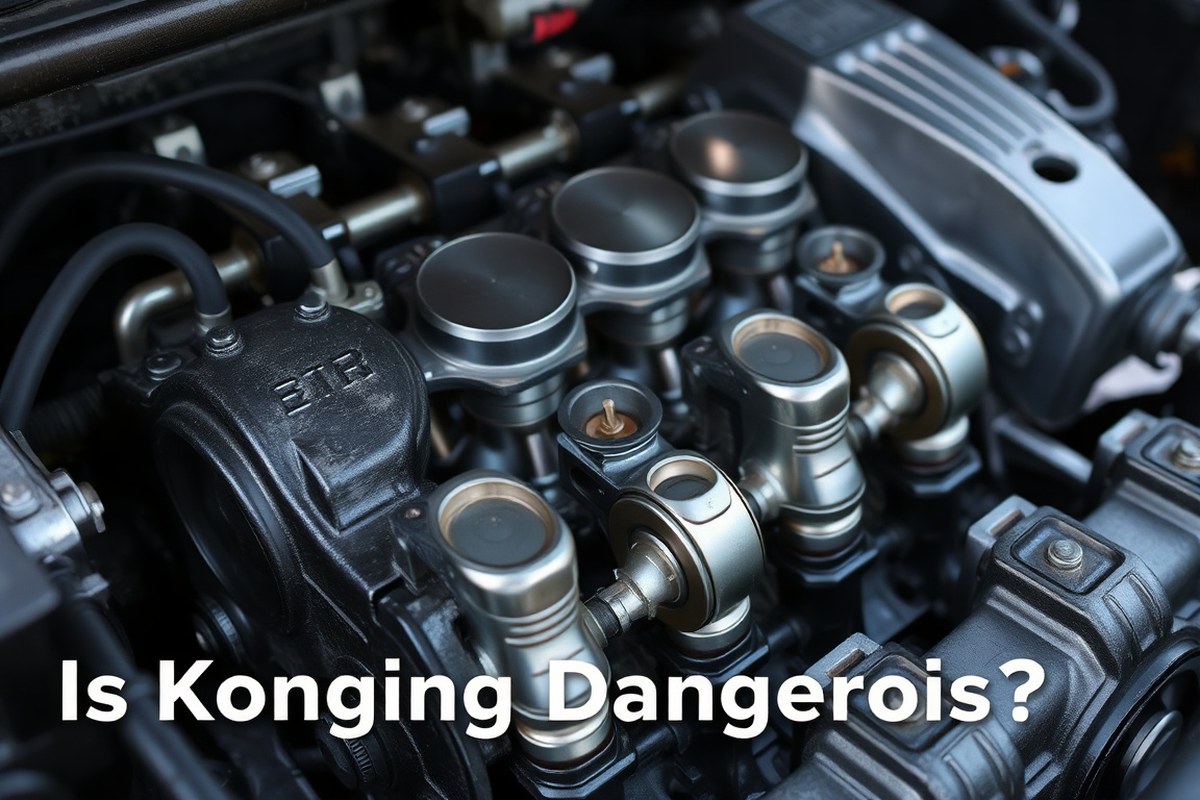
Engine knocking is harmful because it damages important internal parts of your engine. This knocking, also called detonation, can ruin pistons, cylinder walls, and crankshaft bearings. These important parts wear down or crack, causing the engine to fail.
Knocking spreads fast, especially if you keep driving without fixing it. A brief knock might not show immediate damage.
But persistent knocking can cause serious harm within days or weeks. The damage often escalates quickly as the engine parts get stressed more each time.
Fixing knocking damage varies by severity. Minor issues, like wrong fuel or bad spark plugs, might cost under $200.
Big problems inside the engine may need a full rebuild. This can run $3,000 to $10,000 or more, depending on your car.
Ignoring knocking risks total engine failure, which means costly repairs or no car at all. The knocking sound signals something’s seriously wrong with combustion timing or fuel quality. Handling it soon helps prevent spending thousands and facing downtime without your vehicle.
How to Identify Engine Knocking Sounds Accurately
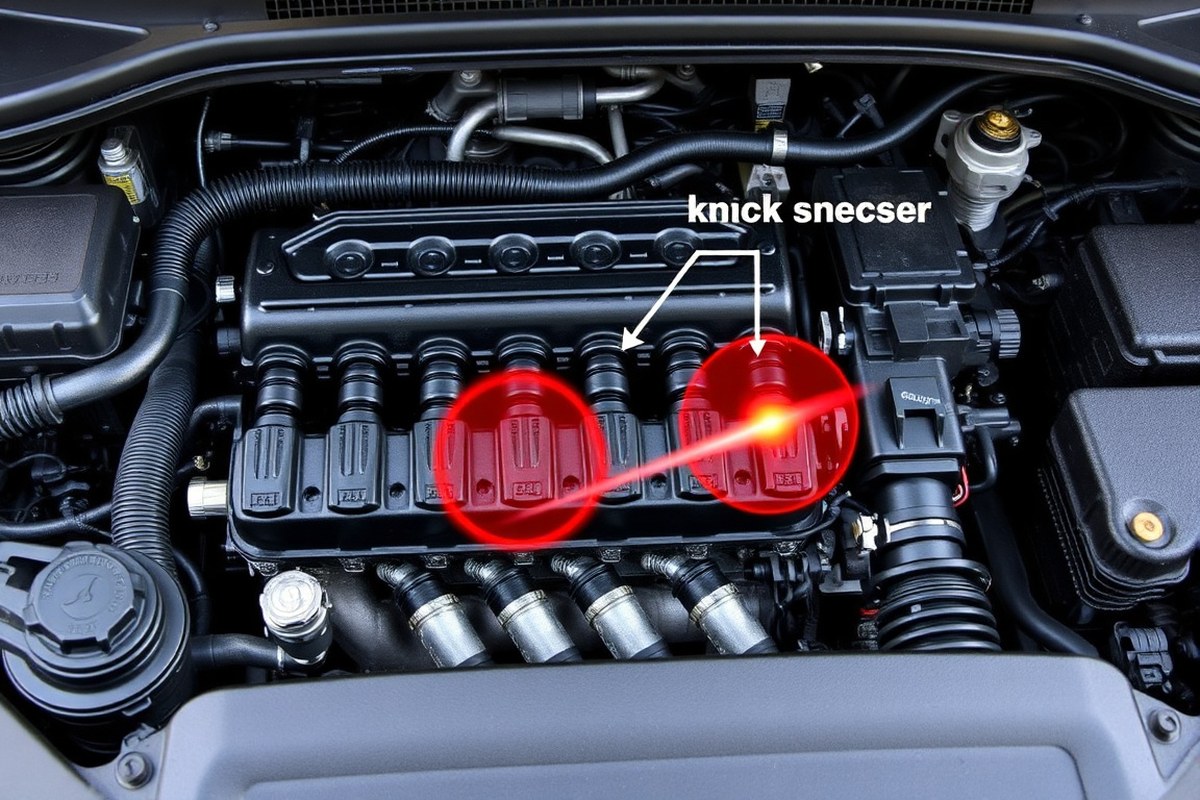
Engine knocking sounds vary but usually fall into a few clear types. You can spot them by listening closely at specific engine speeds and loads. Knowing the difference helps you decide if the noise is urgent or can wait.
Spark Knock Characteristics
Spark knock sounds like a sharp, high-pitched ping or metallic rattling. It happens when the air-fuel mix ignites unevenly, often with low-octane fuel or a lean mixture. You’ll mostly hear it during acceleration or when the engine is under load.
The noise is typically faster and lighter than rod knock. It doesn’t follow the engine’s RPM exactly but pulses with combustion events. Problems like carbon buildup or incorrect ignition timing often cause this sound.
Rod Knock Versus Valve Tick
Rod knock is a deep, rhythmic thumping coming from inside the engine block. It matches engine speed and gets louder with higher RPM. This sound usually means worn bearings and needs immediate attention before severe damage.
Valve tick is a light, fast tapping sound. It sounds almost like clicking or ticking and happens at idle or low speed. Valve tick means loose lifters or dry adjusters.
This issue is often less urgent. Still, watch it and adjust if needed.
Rod knock feels heavier and more persistent, while valve tick is sharp but soft. Recognizing these differences lets you gauge your next step safely.
Knock Timing During Engine Use
Hearing knocking right after starting your car could signal worn parts or incorrect ignition timing. Knocks during acceleration often come from low-octane fuel or lean mixtures. Listening to when the noise occurs narrows down the cause.
A deep knock that increases with engine RPM without load change strongly hints at rod knock. Light pings under load usually mean spark knock related to fuel or timing. Valve tick might appear only at idle and disappear when driving.
Take note of the engine RPM when noise starts. Watch the engine load too. This helps diagnose before visiting a mechanic.
Listen to the engine with the hood open. Check how knocking sounds at different speeds. Notice if it changes with load.
Common Causes of Engine Knocking and How They Impact Safety
Engine knocking happens for several reasons, and some are riskier than others. Most knocking comes from fuel issues, ignition timing, sensor faults, or mechanical problems like carbon buildup.
Knowing each cause helps you judge knocking’s danger. It also guides what to do next.
Fuel-Related Causes
The common cause of knocking is using too low octane fuel. Your engine needs higher octane. Low-octane fuel ignites too early, causing that familiar ping or knock under acceleration.
Using fuel one grade higher for 100 miles can stop noise. This shows fuel was the problem.
Fuel delivery problems can also create an imbalance in the air/fuel mixture, leading to knocking. This can happen if your fuel pump or injectors don’t deliver fuel evenly or correctly. These problems are risky because they cause uneven combustion and can damage pistons over time.
Oil and Lubrication Issues
Low or dirty engine oil doesn’t directly cause knocking but can worsen its effects. Poor lubrication increases friction between engine parts, which can produce noise similar to knocking.
Low oil levels speed up engine wear. This raises the risk of serious damage.
Regular oil changes and checking oil level keep your engine running smoothly. Clean oil stops extra heat and wear in your engine.
This lowers knocking damage risk indirectly. Don’t ignore oil light warnings or long intervals between oil changes.
Ignition Timing and Sensor Failures
Ignition timing that’s too advanced makes the air/fuel mixture ignite too soon, causing knocking. Modern cars use knock sensors to detect and adjust timing to prevent this knock. A faulty knock sensor fails to adjust timing, allowing knocking to continue and damaging the engine.
Some fuel system sensors affect knocking. They cause wrong fuel delivery or spark timing.
A misfire code often hints at these sensor issues even if it doesn’t say “knocking.” Diagnosing sensor problems usually needs a scanner and sometimes replacing the faulty sensor.
Carbon Deposits and Overheating
Over time, carbon builds up in the combustion chamber from burning low-quality fuel or oil leaks. These deposits create hot spots that cause the fuel to ignite early and knock. This knocking often gets worse under acceleration or heavy engine load.
An overheating engine raises combustion temperatures, increasing knock risk. Poor cooling system upkeep or worn-out parts like a thermostat or water pump often cause overheating. Keeping your cooling system healthy helps prevent deposits from forming and reduces knocking chances.
When It’s Safe to Drive and When to Stop Immediately
Driving with engine knock is risky, but not always an emergency. Light knocking at idle or low load might let you drive a short distance. Still, your goal should be to stop and check the problem as soon as possible.
Stop driving right away if the knock sounds heavy or deep. Also, stop if the oil pressure light turns on or the engine overheats. These signs usually mean serious internal damage is happening.
Use this checklist to decide if you can keep driving or must pull over right now:
- Knock sound: light at idle or low load? You may drive slowly to a shop.
- Knock grows louder, faster, or rhythmic? Stop immediately.
- Oil warning or temperature light on? Pull over instantly.
- Engine overheating? Do not drive any further.
- Metallic debris in oil or low oil pressure? Stop to avoid costly repairs.
Assess the situation based on sound and warning lights. The knock sounding like rods hitting is an urgent problem.
Engine rod knock suggests bearings are failing, and driving risks a total engine breakdown. Costs for rod knock repairs often run into thousands or require full engine replacement.
Driving briefly with mild knock might avoid towing expenses but still risks damage. Use good fuel with the recommended octane rating and check your oil.
Changing oil every 3,000 miles can reduce knocking chances by keeping parts lubricated. Avoid heavy acceleration and loads until a mechanic confirms the engine’s condition.
How to Diagnose Engine Knocking Yourself and with Tools
Start diagnosing engine knocking by listening when the engine runs. Pay close attention during acceleration or when under load. Use a mechanic’s stethoscope to find the knocking sound.
You can also try a long screwdriver on the engine block. This lets you distinguish between true knock and other engine noises causing similar rattles.
A key tool is a standard OBD-II scanner. Plug it into your car’s diagnostic port and check for codes related to knocking.
Codes like P0325 show a problem with the knock sensor circuit. This can cause false knock warnings or missed events.
Testing the knock sensor involves measuring its resistance with a multimeter. Disconnect the knock sensor, then check its resistance with a multimeter. The normal range is 5 to 15 kilo-ohms, but check your manual.
The sensor needs replacing if the resistance doesn’t match the specs. Replacing the sensor usually takes about an hour in the shop. Parts and labor typically cost between $50 and $150.
Advanced scan tools can show real-time knock sensor data while the engine runs. They offer more than just electrical checks. Look for sudden changes in sensor voltage during acceleration.
A weak or inconsistent signal points to sensor failure or wiring problems. This test gives more precise results but often needs a professional’s equipment. So, you might need to visit a shop.
A bad knock sensor keeps the ECU from adjusting engine timing. This can lead to engine damage if knocking happens. This can cause knocking to go unnoticed until serious engine harm occurs.
That’s why prompt diagnosis matters. Detect knocks but no sensor trouble or codes? Try more tests or get professional help.
Bad knock sensors can hide engine damage risks. So don’t ignore error codes or sensor test results.
Immediate Actions to Take If You Hear Engine Knocking
When you first hear engine knocking, stop using the gas pedal gently. Pull over safely to avoid extra stress on the engine. Turning off the engine quickly helps prevent damage inside your motor.
Switching to the recommended fuel octane can reduce knocking right away. Check your owner’s manual for the right octane level. Using a higher octane fuel helps if the knock is from fuel pre-ignition or detonation.
Changing your oil right away won’t always stop knocking in your engine. You only benefit from an oil change if your engine oil is dirty or low.
Mechanical knocks, like rod knock, need a mechanic’s diagnosis. If your engine ran very low on oil but still knocks, stop driving and get professional help.
- Reduce engine load by slowing down or stopping.
- Pull over safely and shut off the engine.
- Switch to the fuel octane recommended in your manual.
- Check the oil level; top off if low but don’t expect a fix.
- Avoid revving the engine or heavy acceleration.
- Listen to whether knocking stops or stays constant.
- Contact a mechanic if knocking is loud or persistent.
Sometimes knocking reduces after switching fuel or easing load. This usually means the problem is minor and related to bad fuel or timing. But loud, constant knocking points to internal damage like bad bearings or piston issues.
Rod knock, often caused by worn bearings, won’t go away with an oil change. That’s why you should never ignore knocking just because you changed your oil. Getting to a mechanic quickly can save your engine from costly repairs costing hundreds of dollars.
Cost and Timeline Estimates for Fixing Engine Knocking Damage
Fixing engine knocking costs vary widely based on damage severity and repair type. Small problems like worn rod bearings can cost $1,500 to $2,500. More damage leads to pricier fixes such as machining the crankshaft or replacing pistons.
Delaying repairs adds cost. Early fixes need less parts and labor.
But waiting can lead to catastrophic engine failure. That often means a full engine rebuild or replacement costing $5,000 or more.
| Scenario | Estimated Cost | Scope of Work |
|---|---|---|
| Early Intervention | $1,500, $2,500 | Replace rod bearings, reseal pan |
| Moderate Delay | $3,000, $4,500 | Machine crankshaft, replace pistons/rings |
| Catastrophic Failure | $5,000, $8,000+ | Full engine replacement or rebuild |
Labor rates and your specific vehicle also affect the final bill. Repairs to high-performance engines or luxury cars often cost more. Always compare estimates and ask for detailed work descriptions.
Quick action can save thousands. For example, replacing rod bearings early stops damage from spreading.
Waiting until pistons get damaged means machining or rebuilding parts, which is costly and time-consuming. Ignoring knocking risks total engine failure and the highest expenses.
Preventive Maintenance Tips to Avoid Engine Knocking
Stopping engine knocking takes a few simple habits tied to fuel, oil, spark plugs, and cooling. Fixing these areas stops knocking early and protects your engine. You can avoid costly repairs with a $40 oil change.
Choosing good fuel helps too. Both protect your engine from damage.
Fuel and Octane Management
Use the fuel octane your car’s manual recommends. Low octane fuel causes the engine to delay ignition timing, which can lead to knocking. High-quality fuel burns cleaner and prevents early combustion, reducing the chance of spark knock.
Buying premium fuel isn’t always needed. Follow the car maker’s guidelines to avoid paying extra for higher-octane fuel without benefit. Regular fuel injector service keeps your fuel system clean.
It prevents deposits that cause knocking. This service is simple but effective.
Never use lower octane fuel than recommended, it causes knocking and engine strain.
Regular Oil and Filter Changes
Changing your engine oil on schedule is the easiest way to stop knocking. Old or degraded oil fails to lubricate well, leading to extra friction and engine damage. Always pick the oil grade and type your owner’s manual lists.
Oil filters trap dirt and debris before they can damage engine parts. Replacing the filter at every oil change keeps new oil clean longer. Most people pay about $40 for an oil and filter change.
This price helps protect a $5,000 engine. It’s a smart choice.
Keep your oil pump and pressure lines in good condition. Good oil flow prevents knocking from worn bearings. Proper lubrication protects your engine.
Spark Plug and Ignition Tune-Ups
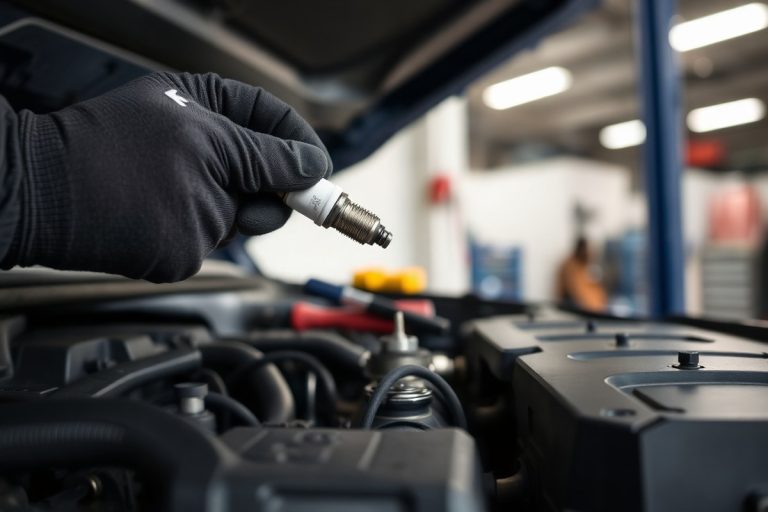
Old or dirty spark plugs cause misfires and can spark the wrong timing, leading to knocking. Replace spark plugs at the intervals your car manual states, usually every 30,000 to 60,000 miles. Make sure to use the exact plug type and gap setting.
Check ignition wires and coils for damage or corrosion during tune-ups. Faulty ignition components delay or weaken sparks, which causes rough combustion and knocking noises. A quick tune-up usually costs between $50 and $100, saving engine headaches.
Changing spark plugs stops spark knock and improves fuel economy.
Keeping Engine Cooling Systems Healthy
Heat causes parts to expand and fuels to ignite early, starting engine knock. Check coolant levels every oil change and top off with the correct type. Low coolant or leaks raise engine temperature dangerously.
Inspect the radiator, thermostat, and water pump yearly or if the engine overheats. A well-maintained cooling system keeps engine temperature stable and prevents heat-induced knocking. A coolant flush every two years removes buildup that blocks heat flow.
Thermal sensors and fans also need to work well. Faulty sensors can cause the engine to run hotter, leading to unplanned spark knock events.
When and How to Call a Professional Mechanic
Listen for engine knocking at idle or under load. That sound often signals serious trouble inside your engine.
Avoid driving if the noise gets louder or changes pitch. Those signs indicate damage could worsen fast.
Turn on the check engine light? That means a professional scan is due. Mechanics use special tools to read error codes, helping find the knocking cause.
Fixing early keeps repair costs low, usually $150 to $300. This cost covers a tow. It will be much higher if damage spreads.
Some engine knocks come from overheating. Stop right away if your temperature gauge climbs past the normal range or steam rises. Let the engine cool before you call for help.
This prevents frying the head gasket. Replacing the gasket can get expensive.
Your decision checklist to call a mechanic or arrange towing should include:
- Knocking sound steady or louder at idle or acceleration
- Engine temperature rising into the danger zone or visible steam
- Check engine light blinking or staying on
- Car stalling, hesitation, or loss of power
- Unusual exhaust smoke or burning smell
- Multiple alerts on the dashboard
- Any knocking noise after a hard mile or load
Prepare for the mechanic by noting when the knocking happens and how often. Record any dashboard warning lights and describe the sound. Keep your vehicle accessible for the tow truck.
Share all details with your mechanic. It helps them diagnose and fix the problem faster.
Don’t push your car further if it might cause more harm. A single bad mile can raise repair bills from around $2,000 to $6,000.
Slow, careful action keeps costs down and ensures safer driving after repairs. A reliable shop will explain what parts need repair now and what to watch next.
Step-by-Step Action Plan for Addressing Engine Knocking
Use this plan to check your car and fix engine knocking safely. Follow each step and watch for changes in sound and performance.
- Day 1 – Listen closely: Start your car and pay attention to any knocking noise. Note if it happens at idle, acceleration, or specific speeds.
- Day 2 – Check fuel quality: Use the recommended octane fuel in your owner’s manual. Noise stopping might mean the engine knock comes from fuel issues.
- Day 3 – Inspect spark plugs: Look for worn or dirty plugs. Replace them if needed and test if knocking decreases.
- Day 4 – Test with fuel additive: Add a fuel cleaner. It removes carbon deposits inside the engine. Run the engine and listen for improvement.
- Day 5 – Monitor engine temperature: Use a gauge to ensure the engine is not overheating. Normal temps reduce knocking risk.
- Day 6 – Check ignition timing: Have a mechanic check the timing. Or use a diagnostic tool. Adjust if off to reduce knocking.
- Day 7 – Assess need for professional help: Keep an ear out for louder knocks. Misfires mean call a mechanic. A skilled technician can diagnose deeper issues.
- After repairs – Re-test the car: Drive normally and listen again. No knocking means the fix worked; if still noisy, get a full engine inspection.
Frequently Asked Questions
Is Engine Knocking Dangerous to Ignore?
Engine knocking is a serious issue that needs quick attention. It indicates internal engine damage that could become expensive to fix.
Can Engine Knocking Cause My Car to Stall?
Yes, engine knocking can cause stalling if the problem worsens. It disrupts combustion, which may cause hesitation or the engine to stop running.
Does Using Lower-Octane Fuel Cause Engine Knocking?
Using lower-octane fuel can cause engine knocking in some cars. High-performance engines often require higher-octane fuel to avoid knocking and damage.
Can Cold Weather Make Engine Knocking Worse?
Cold weather can trigger engine knocking due to thicker oil and delayed combustion. Warm your engine properly to help prevent knocking in cold conditions.
Is Engine Knocking Louder When Accelerating?
Yes, engine knocking often gets louder during acceleration. Increased load on the engine can worsen the knocking sound and signal worsening damage.
The Bottom Line
Engine knocking can harm your vehicle but often points to fixable problems. Take action quickly to avoid costly damage. Start by checking your fuel and spark plugs today.