What Causes Blow by on an Engine: A Complete Guide with Diagnosis & Fixes
Blow-by happens when piston rings don’t seal the cylinder walls fully. This leaves a gap. Gases leak through, causing blow-by.
Combustion gases escape past these rings and enter the crankcase. This happens because no engine can be sealed perfectly, so some blow-by is normal.
Excessive blow-by happens when piston rings, cylinders, or pistons get worn out. Wear makes these gaps wider over time. More gas leaks inside.
This lowers engine power and contaminates the oil. Starting with high-quality oil helps reduce build-up that worsens blow-by over time.
You should watch for burning oil smells, blue smoke, or rough running as early signs. Oil use over one quart per 1,000 miles shows blow-by may be high. Cleaning the engine and using proper oil viscosity can slow down wear and help manage blow-by.
Key Takeaways
- No engine is 100% sealed; minor blow-by is always present and normal.
- Excessive blow-by means worn piston rings or cylinders need inspection.
- Oil consumption over 1 quart per 1,000 miles signals a problem.
- Use high-quality or high-mileage oil formulas past 75,000 miles for protection.
- Shorten oil changes to 3,000, 4,000 miles to prevent oil thickening.
- Replacing piston rings costs $1,500 to $3,000 and restores sealing.
What Causes Blow-By in an Engine and How It Happens
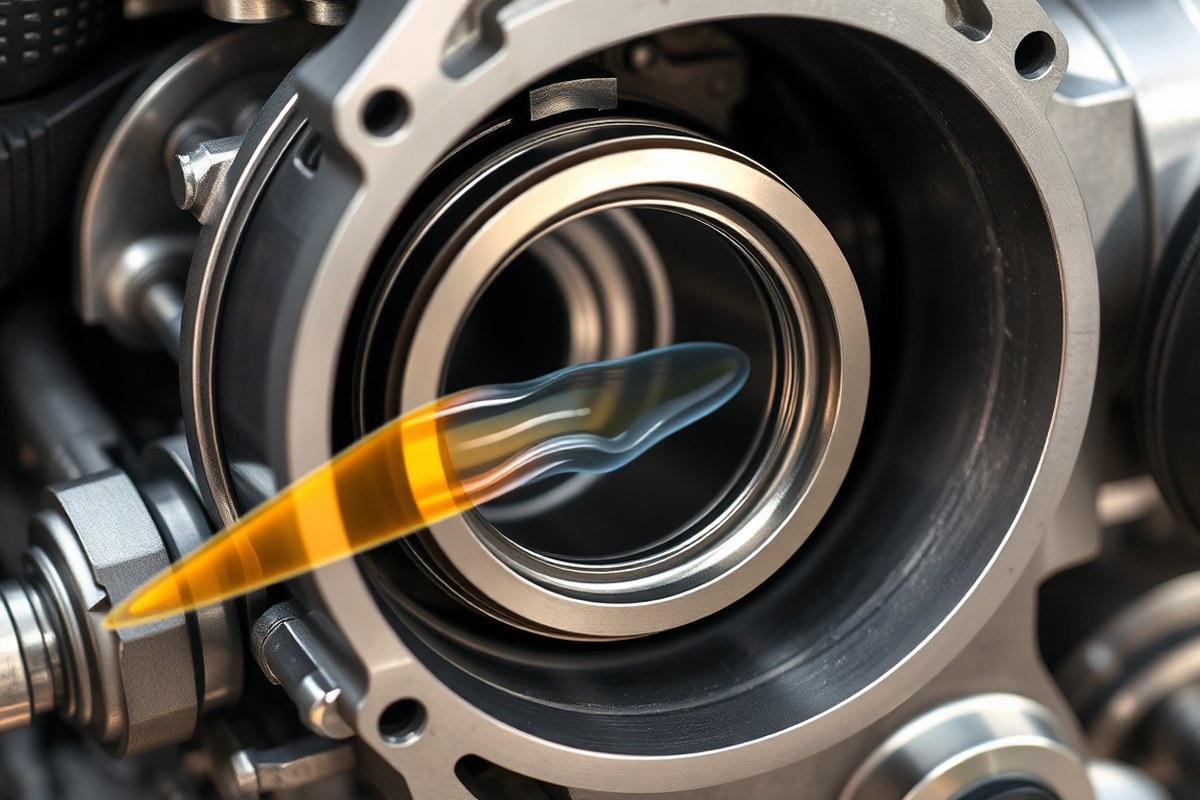
Blow-by happens when combustion gases escape past the piston rings into the crankcase. The piston rings normally seal the gap between the piston and cylinder wall. Worn or damaged rings let pressurized combustion gases leak through during the power stroke.
Over time, the piston rings can lose their tension or get covered in carbon and sludge. This wear creates small gaps where gases pass. Cylinder walls that are scored or worn also fail to keep a tight seal, increasing blow-by.
The piston itself may also wear or become slightly misshapen. That lets gases sneak around the edges, worsening the problem. As a result, pressure builds inside the crankcase, which can cause oil leaks and contamination.
The Positive Crankcase Ventilation (PCV) system reroutes blow-by gases. These gases go back into the intake. This helps burn the gases safely.
But if the PCV valve or hoses are clogged or broken, pressure can rise unchecked. A faulty PCV does not cause blow-by directly.
It traps gases inside the engine. This makes blow-by symptoms worse.
Blow-by creates a mixture of burnt fuel, air, and moisture inside the crankcase. This contaminates the oil, thinning its lubricating ability. Contaminated oil causes faster wear on rings and pistons.
It also wears down cylinders. This wear makes blow-by worse over time.
Keeping rings and cylinders in good shape is key to preventing blow-by. Wear that already happened usually needs ring replacement.
Sometimes the engine must be rebuilt. Regular maintenance of the PCV system is also important to avoid extra pressure buildup.
How to Recognize Symptoms and Signs of Engine Blow-By
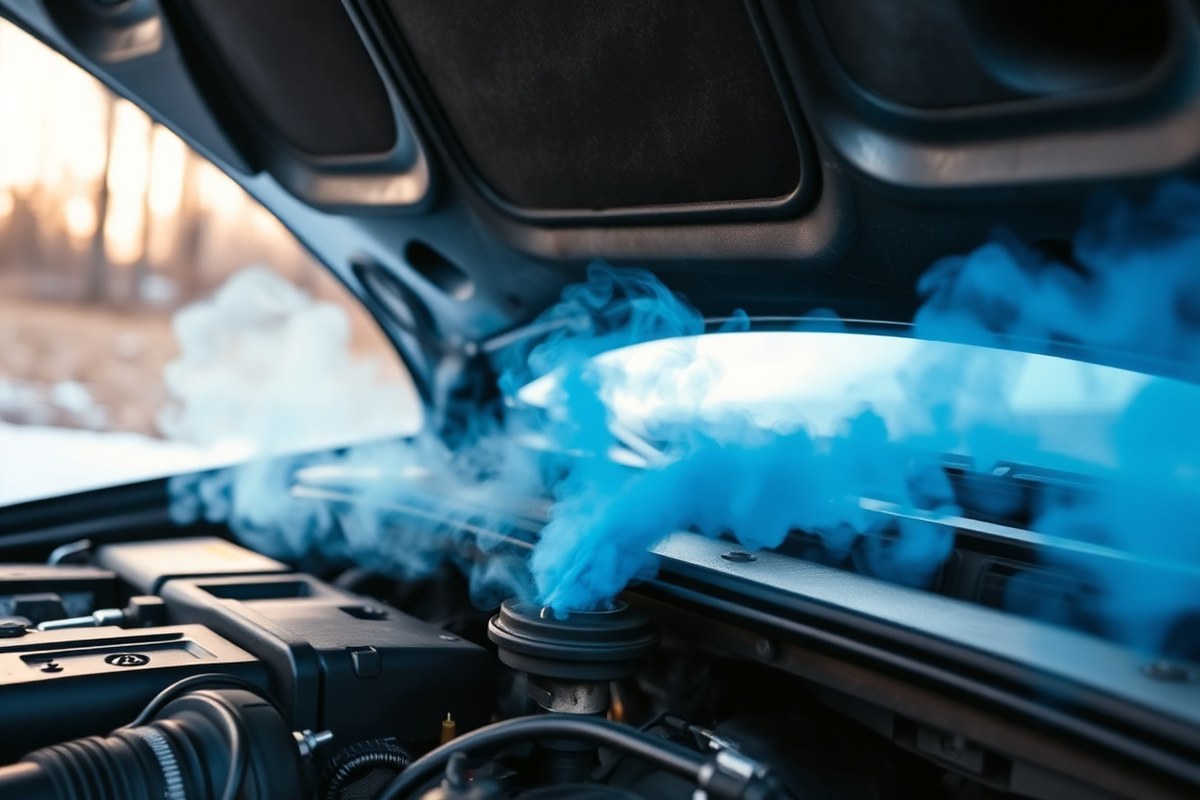
Engine blow-by often shows up through clear signs you can spot. You might notice blue smoke, oil leaks, or rough engine idling. Pressure and fumes at the oil cap also point right to blow-by issues.
Blue Smoke and Oil Leaks as Warning Signs
Blue smoke from the exhaust typically means oil is burning in the cylinders. This happens when blow-by pushes oil past the intake valves. It’s a moderate warning that the engine’s sealing is failing.
Oil leaks near the valve cover or dipstick tube also indicate blow-by pressure. You could see oil mist or film around these parts while the engine runs. These leaks happen as pressure forces oil through weak seals and gaskets.
High Oil Consumption and Rough Idle
Blow-by forces oil past cylinder walls where it burns or leaks out. You might find yourself adding a quart of oil every 500 to 1,000 miles. This rate is much higher than normal oil usage and signals moderate to severe blow-by.
Rough idle and misfire trouble codes happen when blow-by contaminates the intake charge. The PCV system can get overwhelmed by excessive fumes and oil vapor. The engine struggles to run smoothly because the combustion air quality suffers.
Pressure and Fumes at the Oil Cap
Removing the oil filler cap with the engine running helps spot blow-by. Seeing pulsing vapor or smoke coming out means there is a clear sign. Excessive pressure can even cause the oil cap to blow off in severe cases.
Smoke coming from the dipstick tube or cap means crankcase pressure is too high. You might also notice an oily film around these openings. This buildup results from unburned fuel and combustion gases leaking past piston rings.
Checklist to Spot Blow-By Symptoms
- Blue smoke from the exhaust pipe
- Oil leaks or oil mist near valve cover and dipstick tube
- Adding more than a quart of oil per 1,000 miles
- Rough or uneven engine idle with misfire codes
- Smoke, vapor, or pressure at the oil filler cap when removed
- Oily film buildup around oil filler and dipstick openings
Watch these signs closely to avoid serious engine damage. Seeing smoke or smelling gasoline in oil means check for blow-by fast.
Blow-By Effects on Engine Oil and Performance
Blow-by mixes unburned fuel and combustion gases into engine oil. This contamination breaks down oil’s protective qualities faster than normal. The engine oil loses viscosity and lubrication ability, causing early wear on parts.
Lower compression follows blow-by, reducing power and causing longer starts, especially on cold engines. Diesel engines show white exhaust smoke on cold startup due to incomplete combustion. Engine performance suffers until it warms up.
Stop driving if the oil cap blows off. Use oil reaches a quart every 500 miles. Blow-by at that stage can cause lasting harm.
Normal vs Excessive Blow-By: How Much Is Too Much?
Normal blow-by is usually between 5% to 10% of combustion gases leaking past the piston rings. This level is expected even in a well-maintained engine. Any measurement above 10% typically means excessive blow-by, which signals worn rings or damaged cylinders.
You can measure blow-by airflow using a precision meter attached to the crankcase ventilation system. To estimate normal airflow, divide your engine’s maximum horsepower by 50. A 12-liter engine with 400 horsepower usually has about 8 cfm blow-by.
This happens during normal operating temperatures. Blow-by means the air leaking past the pistons.
Blow-by airflow readings over that estimate usually indicate a problem. If the same 12-liter engine shows more than 8 to 10 cfm, that’s a warning. It means the engine will wear faster.
Also, the oil will get dirty quicker. Tracking this at regular intervals helps spot issues early and prevents costly repairs.
Engine age and mileage increase blow-by levels. A new or freshly rebuilt engine might run near the low end of normal. A high-mileage engine usually experiences more blow-by due to piston ring wear.
Keep in mind, some blow-by is normal. But values rising steadily beyond 10% should prompt close inspection.
To check if blow-by is normal, compare it to horsepower size. For engines under 200 horsepower, expect about 4 cfm or less of blow-by airflow. Higher numbers mean a problem.
Between 200 and 400 horsepower, 4 to 8 cfm is normal. Over 400 horsepower, anything above 8 to 10 cfm suggests excessive blow-by. These are rough guides; check your engine’s exact specs for better accuracy.
Regularly checking blow-by helps you act before damage mounts. A simple hand-held meter costs between $150 and $300. This low cost can save you from expensive repairs later.
It’s an easy investment for engine health. Excessive blow-by damages engine parts.
It also shortens oil life and raises emissions. Catching blow-by early helps keep your engine running better.
How to Diagnose Engine Blow-By Accurately
To diagnose engine blow-by accurately, measure crankcase pressure first. Then perform a leak-down test. Finally, check the PCV system for issues.
You need specific tools like a blow-by gauge and a leak-down tester. Inspecting the PCV valve reveals if ventilation issues worsen blow-by symptoms.
Using a Blow-By Gauge
A blow-by gauge measures the pressure inside the crankcase. This pressure shows how much combustion gas escapes past piston rings and into the crankcase. Higher pressure means more blow-by and potential engine problems.
Remove the oil filler cap or use a port to connect the gauge. Attach the blow-by gauge to the crankcase. Monitor readings at idle and under load.
Normal crankcase pressure is usually a few psi. Pressure above 3 to 5 psi often indicates excessive blow-by.
Performing a Cylinder Leak-Down Test
A leak-down test measures how much air escapes from each cylinder. It identifies the cylinder with compromised piston rings, valves, or walls causing blow-by. This test is more precise than a simple compression check.
During the test, compressed air is forced into the cylinder at top dead center. You measure the percentage of air lost through leaks.
A leak of 40% or higher shows severe blow-by. This usually means worn rings or cracks in a cylinder.
Follow these steps for a leak-down test:
- Remove spark plugs from the cylinder you want to test.
- Rotate the engine so the piston is at top dead center (TDC) on the compression stroke.
- Attach the leak-down tester to the spark plug hole.
- Apply compressed air at the recommended test pressure (usually 100 psi).
- Read the leak-down percentage on the gauge.
- Listen and observe leaks through the intake, exhaust, or crankcase vents.
- Repeat for each cylinder to compare results.
Inspecting the PCV Valve and Crankcase Ventilation
The PCV valve helps vent blow-by gases from the crankcase into the intake manifold. A clogged PCV valve causes blow-by pressure to build inside the crankcase. That worsens engine performance and may push gases out of the oil cap.
Check the PCV valve for clogging or sticking. Remove it and shake to hear if it moves freely.
Replace the valve if blocked or if you spot black soot and sludge. Also, inspect hoses for blockages or cracks, as these affect ventilation.
High carbon deposits can cause piston rings to stick or wear unevenly, adding to blow-by problems. Cleaning deposits with a decarbonizer product during regular oil changes can reduce blow-by over time. Severe carbon buildup often requires ring or engine repairs.
How Worn Pistons, Rings, and Cylinders Cause Blow-By
The piston rings seal the gap between the piston and cylinder wall. They stop combustion gases from leaking into the crankcase.
When these rings wear out or break, they can’t seal properly. This lets pressure and gases slip past, causing blow-by.
Worn piston rings happen because they constantly move against the cylinder walls. Over time, friction wears them down, and vibration can cause damage or loosen rings. Without a good seal, more fuel, air, and gases leak by the rings.
They enter the engine’s crankcase. This causes problems inside the engine.
The pistons themselves can also wear or get damaged. Running the engine low on oil can cause scuffing or scoring on pistons and cylinder walls.
This damage makes the parts rough and less smooth, increasing the wear on the piston rings. It also creates gaps where gases can escape.
Scored or worn cylinder walls are common when engines have high mileage or poor maintenance. Heat from overheating also causes metal parts to expand and wear unevenly. The cylinder surface warps from this damage.
The rings seal less well against the wall. This raises blow-by levels.
Regular oil checks help prevent damage to pistons and rings and reduce blow-by risk.
When the piston rings, pistons, and cylinder walls are all damaged, the blow-by is much worse. Repairs can be costly, often needing new piston rings, pistons, or even a full engine rebuild. Fixing just rings won’t help if cylinder damage is severe.
Severe blow-by allows combustion gases and oil to mix, which harms engine parts and lowers performance. It also causes pressure build-up in the crankcase, risking seal leaks and oil contamination. Checking ring and cylinder condition is key to controlling blow-by.
Repair Options: From Cleaning to Engine Rebuilds
Cleaning or replacing the PCV valve is a simple first step. It limits excess pressure in the crankcase and reduces blow-by buildup. This fix can cost under $50 and often improves symptoms quickly if the issue is minor.
Piston ring replacement is the next step when cleanup doesn’t work. Worn or broken rings cause gaps for gases to escape past pistons.
Replacing rings typically costs from $1,500 to $3,000 depending on engine size. The mechanic removes the cylinder head, pulls pistons, swaps rings, and checks cylinder walls.
Engines with scratched or cracked cylinders need reboring or honing. This process resurfaces cylinder walls to restore a smooth seal for new rings.
It can add $500 to $1,000, plus ring and labor costs. Severe damage may require replacing the engine block, which costs more.
| Repair Method | Cost Range | When to Use | Outcome |
|---|---|---|---|
| PCV Valve Cleaning/Replacement | Under $50 | Minor blow-by, early stage | Improves crankcase pressure, reduces blow-by buildup |
| Piston Ring Replacement | $1,500 – $3,000 | Worn or broken rings, moderate damage | Restores compression and reduces blow-by |
| Cylinder Reboring/Honing | $500 – $1,000 + rings | Damaged cylinder walls, cracks, scratches | Restores smooth surface for ring seal |
| Full Engine Overhaul | $7,000 (gasoline), $15,000+ (diesel) | Severe blow-by, major component damage | Complete engine rebuild or replacement |
Cleaning or replacing the PCV valve helps only in early cases. Over time, blow-by cracks rings and damages cylinders, forcing ring replacement or reboring. Engines with severe damage often require a full overhaul.
Gasoline overhauls average about $7,000. Diesel overhauls start near $15,000 and can exceed $400,000 for heavy equipment.
New piston rings seal better and reduce oil consumption. Brands like Liqui Moly 10W-30 oil help maintain ring contact on older engines.
Damaged cylinder walls need reboring to stop quick ring wear. Without repair, blow-by wastes fuel, reduces power, and coats intake parts in oil.
When damage is advanced, only a rebuild fully fixes blow-by. This involves replacing pistons, rings, cylinders, and sometimes the block itself.
Avoid delay once signs appear, or damage will worsen. Repair choice depends on damage extent, your budget, and engine type.
Preventing Blow-By with Maintenance and Oil Choices
Using the right engine oil helps reduce blow-by. Choose high-quality synthetic oil that matches your vehicle’s manual. Synthetic oils maintain viscosity better and protect pistons and cylinders from wear.
Change your oil regularly, about every 3,000 to 7,500 miles. The interval depends on the oil type you use.
Also consider your driving conditions when planning oil changes. Frequent changes flush out carbon buildup that can make piston rings stick, increasing blow-by.
Cleaning and maintaining the crankcase ventilation system is another key step. The PCV system controls pressure and removes gases trapped inside the crankcase. Over time, PCV valves and hoses clog with oil and soot.
This blockage raises pressure in the system. It pushes more blow-by gases back into the oil.
Clean or replace the PCV valve every 30,000 miles. Do it sooner if the engine idles roughly or smells like fuel.
- Use engine flush products to clean oil passages and rings safely.
- Follow your oil change schedule strictly based on your vehicle model.
- Inspect and clean or replace the PCV valve and hoses regularly.
- Choose oil additives designed to free stuck piston rings carefully and only as needed.
- Keep engine temperature steady to avoid oil thinning or thickening.
- Check your oil level often; drops can signal blow-by issues.
- Use oils formulated for turbocharged engines if applicable, as they face more blow-by stress.
Oil additives can sometimes help stuck rings by softening carbon deposits and improving ring seal. Additives like stiction eliminators break down buildup, letting rings move freely, which lowers blow-by. Only use additives approved for your engine type.
Never rely on them without good maintenance. Maintaining steady oil quality and a clean PCV system prevents excess pressure and contamination. That stops blow-by from escalating and damaging your engine’s internal parts over time.
How Long Can Engines Last with Blow-By Before Major Repairs?
Engines with early signs of blow-by can last tens of thousands of miles. The key is catching it before wear worsens and causes major damage. Regular oil checks show early contamination from blow-by gases.
Catching this early stops sludge buildup. It also prevents engine wear.
Once you spot blow-by, you should inspect piston rings and cylinder walls. Minor damage lets you replace rings or clean parts. These fixes often bring back engine function.
This fix usually costs a few hundred dollars. It can add years of reliable service. The exact time depends on how you drive.
Severe blow-by often means piston damage and heavy cylinder wear. Once those parts erode or misalign, the engine loses compression and struggles to run efficiently. At this point, simple fixes don’t work.
You need an engine rebuild or replacement. This avoids major engine failure.
High-mileage engines with neglected maintenance wear faster, letting blow-by worsen quickly. Blow-by stress speeds up engine wear. That shortens how long the engine lasts.
Soon, a major rebuild is needed. Blow-by causes oil contamination and power drop.
This leads to costly repairs. You might face engine tear-down within a few thousand miles.
Check if the PCV valve is clogged before assuming serious blow-by. This can cause similar symptoms but is easier and cheaper to fix.
Deciding to rebuild or replace depends on the engine’s condition. Your budget matters too. Also, think about how long you’ll keep the vehicle.
Engines in good shape aside from blow-by can gain many more miles with ring replacement alone. Deep cylinder scoring or broken pistons raise repair costs.
Repairs often cost nearly as much as replacements. Swapping the engine is a better choice for long-term use.
Blow-By Differences in Gasoline vs Diesel and Turbo Engines
Blow-by shows up differently in gasoline, diesel, and turbo engines. Diesel engines usually experience more severe blow-by due to higher compression. Turbocharged engines can have extra problems with oil contamination and intake damage from blow-by gases.
Gasoline Engine Blow-By Characteristics
Gasoline engines generally have lower compression ratios. So blow-by tends to be less severe than in diesels.
Blow-by gases in gas engines mostly carry small amounts of oil and fuel vapors. You might notice mild oil consumption and minor drops in power before blow-by becomes severe.
Gasoline engines rely on the PCV valve system to recycle these gases back into the intake. This system often keeps blow-by under control up to moderate engine wear. Problems start when the PCV valve or hoses clog.
This raises pressure inside the engine. It also increases blow-by symptoms.
Diesel Engine Blow-By Challenges
Diesel engines run at higher compression, leading to more blow-by gas leaking past the rings. This gas contains soot and unburned fuel, which cause faster sludge buildup in the crankcase oil. Blow-by in diesel engines usually raises oil contamination and reduces engine life quicker.
Diesel engines produce more blow-by during heavy load. Long idling also increases blow-by. This happens often in generators and trucks.
Diesel blow-by causes higher oil use and some smoke. Early signs matter to prevent damage.
Catching it early helps avoid big problems. Keeping blow-by under control helps protect injectors and turbo parts from deposits.
Impact of Turbocharging on Blow-By
Turbo engines trap crankcase gases and oil vapors. This happens in the intake system. Blow-by makes these problems worse.
Oil vapors can reach the intercooler, contaminating it and causing reduced cooling efficiency. Worst case, this oil buildup may trigger an uncontrolled engine revving condition called “runaway.”
A catch can helps here by capturing oil and fuel vapors before they enter the intake. Replace the PCV valve and hoses before problems get worse. Do this especially under 150,000 miles.
It prevents more blow-by in turbo engines. Adding about a quart of oil every 1,500 to 2,000 miles can mean mild blow-by. The problem is ongoing but not severe.
Step-by-Step Action Plan to Manage Engine Blow-By
Follow these steps to identify and handle engine blow-by quickly. Check results at each phase to decide your next move.
- Day 1: Inspect your engine oil for black soot or burnt smell. Blow-by gases are contaminating the oil if present in the engine.
- Day 2: Perform a compression test on all cylinders. Low readings on one or more cylinders confirm excessive blow-by.
- Week 1: Change your engine oil and filter first. Use high-quality oil. Make sure it matches your engine’s specs. Cleaner oil reduces wear and blow-by effects.
- Week 2: Monitor smoke from the exhaust. Thick blue or gray smoke means blow-by is worsening.
- Week 3: Have a licensed mechanic inspect pistons, rings, and cylinder walls for wear. This check shows if mechanical repairs are needed.
- Month 1: Decide on repairs based on inspection. Light wear might need cleaning and ring replacement. Heavy wear requires a rebuild.
- After repairs: Follow a strict maintenance schedule. Change oil every 3,000 to 5,000 miles. Keep up with regular checks. This prevents blow-by from returning.
Frequently Asked Questions
What Causes Blow by on an Engine?
Blow by happens when combustion gases leak past worn piston rings or cylinder walls. This can be due to ring wear, cylinder damage, or poor ring sealing.
Can Dirty Engine Oil Cause Blow By?
Dirty oil can worsen blow by by increasing engine wear and ring sticking. Clean oil helps rings seal tighter and reduce gas leakage.
Does a Faulty PCV Valve Lead to Blow By?
A bad PCV valve can raise crankcase pressure and worsen blow by symptoms. Proper ventilation keeps pressure and blow by gases in check.
How Does Engine Overheating Affect Blow By?
Overheating can cause piston and ring damage, increasing blow by. High heat accelerates wear and reduces ring sealing.
Can Low-Quality Motor Oil Cause More Blow by in Older Engines?
Yes, low-quality oil doesn’t lubricate well and can increase blow by over time. Using high-mileage oil formulas helps maintain better ring sealing.
Wrapping Up
Engine blow-by mostly happens from wear inside the cylinders and piston rings. Keeping an eye on symptoms and acting fast can stop damage from spreading. Check your engine oil today and plan a compression test if anything looks off.