Can You Mix 91 and 93 Gas: What Happens and When It’s Safe to Do
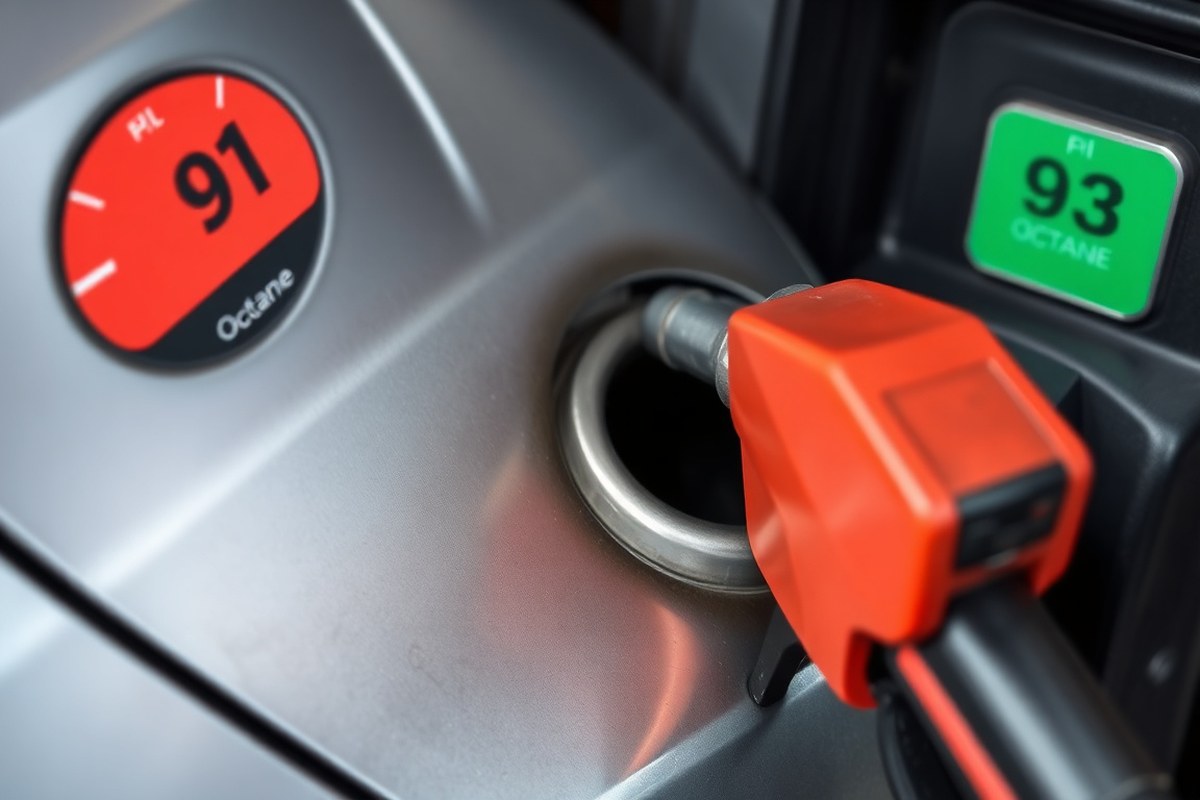
Can you mix 91 and 93 gas? Yes, you can safely mix these fuels without damaging your engine. The difference between 91 and 93 octane is small.
So your car will handle the blend fine. Just remember, mixing won’t boost your car’s performance much, if at all.
Mixing 91 and 93 gas mostly averages the octane levels, landing somewhere between them. The exact number depends on the ratio. But it’s usually close to 91.5 or 92 octane, which is safe for most cars that require 91 octane.
Start by checking your owner’s manual to confirm the minimum octane your car needs. Avoid mixing if your engine demands exactly 93 to prevent any risk. Using fuel within the recommended octane range keeps your car running smoothly without knocking.
Key Takeaways
- Mixing 91 and 93 gas results in a blended octane close to the average of both.
- Your engine’s knock sensor usually adjusts well to this minor octane change.
- There’s no real performance or fuel efficiency gain from mixing 91 and 93 gas.
- Always follow your vehicle manufacturer’s octane recommendations for best engine health.
- Mixing is safer when the difference in octane is small, like between 91 and 93.
- Check your fuel type, including ethanol content, before mixing for compatibility.
Is It Safe to Mix 91 and 93 Octane Gas?
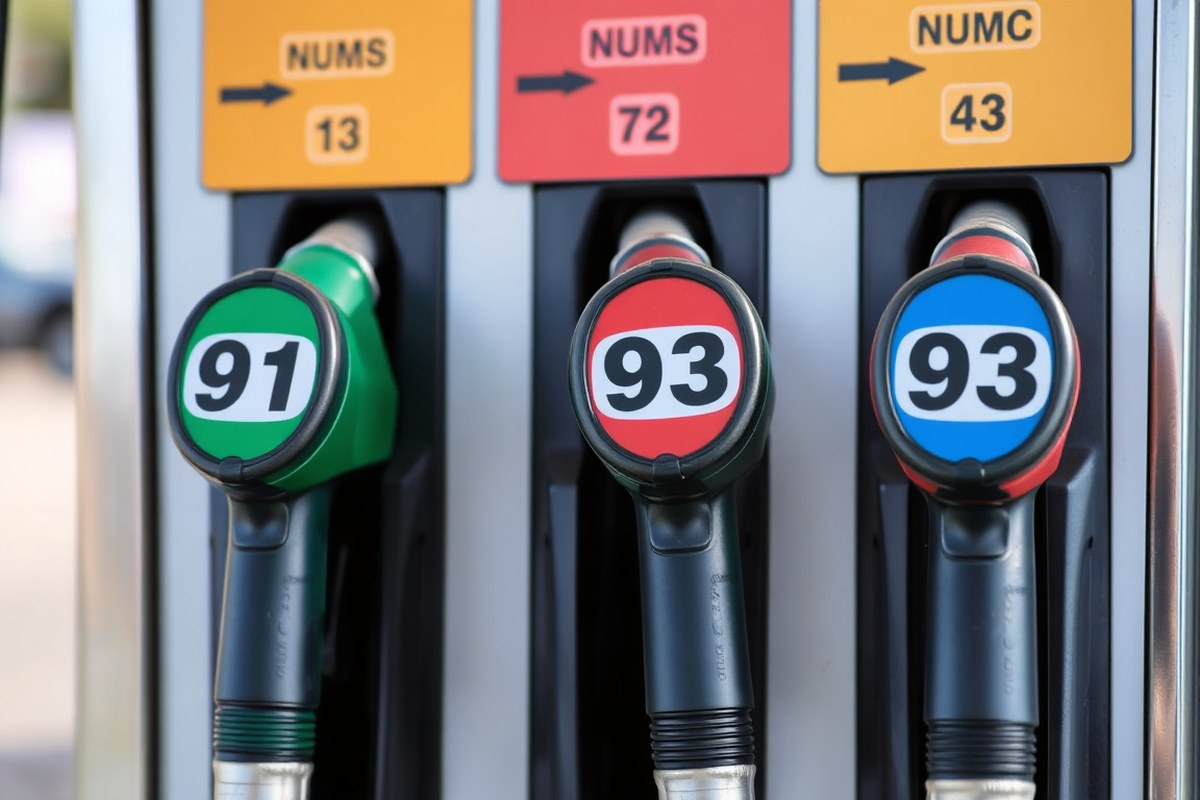
Yes, you can safely mix 91 and 93 octane gas without harming your engine. Both fuels fall under premium gasoline, designed for vehicles with higher compression engines. Mixing these two won’t cause immediate damage or performance issues.
This works because the octane levels are close. So the resulting blend falls between 91 and 93 octane.
Your engine won’t notice a small difference in fuel quality here. Just make sure your vehicle actually requires premium fuel to avoid problems.
Mixing these fuels is safe if your car needs high octane. It won’t cause knocking or engine damage. Just ensure your car is designed for it.
Knocking happens when you use lower octane than your car needs. Small blends of premium gas usually don’t cause knocking.
Use the right fuel to avoid problems. For best results, fill your tank with one grade per fill-up but occasional mixing is harmless.
Avoid mixing 87 octane with premium if your car needs 91 or higher. Your engine might not run well otherwise. Always check your fuel requirements first.
Using fuel with too low octane can cause knocking in your engine. This can wear out parts and lower your fuel efficiency.
Keep octane levels as recommended. But with 91 and 93, the difference is small enough that no immediate risks come up.
It’s also safe because modern engines often adjust ignition timing via knock sensors. These sensors help prevent damage if the fuel quality fluctuates slightly. It’s best to follow your car maker’s fuel advice for engine health.
Staying close to their recommendations helps your engine last longer. This is smart for any vehicle.
How Octane Ratings Differ Between 91 and 93 Gas
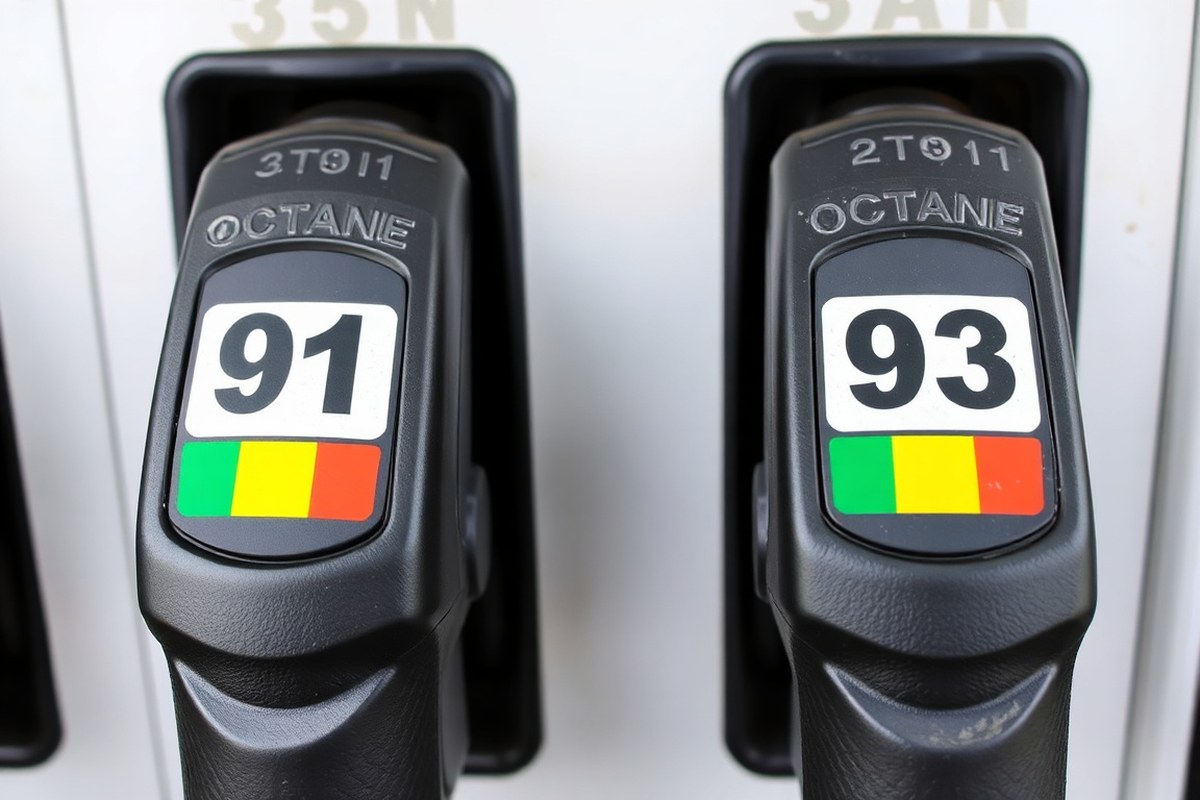
The difference between 91 and 93 octane gas is two points on the octane scale. This scale measures a fuel’s resistance to knocking, or early ignition inside the engine cylinders. Higher octane means fuel can handle more heat and pressure.
It won’t ignite by itself easily. This helps in engines that run hotter or compress more.
Octane rating is tested by comparing fuel to mixtures of iso-octane and heptane. A higher rating means the fuel is less likely to cause engine knock during combustion. Engines with higher compression or turbochargers usually need 91 or 93 octane to avoid damaging knock.
Choosing between 91 and 93 octane matters most if your car’s engine demands premium fuel. The extra resistance to knocking can improve performance and prevent pinging sounds. Cars not made for high octane won’t get much benefit.
They might even burn 93 octane less well. Using higher octane fuel can be less efficient for these cars.
Always check your owner’s manual to match your car’s engine needs with the right octane rating.
What Octane Rating Results from Mixing 91 and 93 Gas?
Mixing 91 octane gas with 93 octane creates a blended fuel. The octane rating falls between 91 and 93. This blend balances the qualities of both fuels.
The exact rating depends on the amount of each gas mixed. Ethanol content also changes how the mix behaves and impacts mileage.
Mix Ratios and Resulting Octane Ratings
The octane rating you get from mixing depends on the ratio of 91 to 93 gas. More 93 octane raises the final number closer to 93. More 91 octane lowers it toward 91.
Here’s a table showing approximate outcomes with various mixes based on similar mixing examples:
| Tank Fullness (91 Octane) | Added Fuel (93 Octane) | Approx. Resulting Octane |
|---|---|---|
| 1/4 tank (91) | 3/4 tank (93) | ~92.5 |
| 1/2 tank (91) | 1/2 tank (93) | ~92 |
| 3/4 tank (91) | 1/4 tank (93) | ~91.5 |
The octane blends shift closer to the higher or lower fuel depending on the mix percentage. A 50/50 mix usually ends near 92 octane, not a perfect average of 92.
Ethanol Impact on Octane Blends
Most U.S. Gasoline contains up to 10% ethanol (E10), which affects the octane rating slightly. Ethanol tends to boost the octane rating but can reduce fuel economy. This trade-off can alter the final mix’s performance a bit.
Ethanol’s impact varies by the base fuel’s composition. Higher ethanol levels can increase octane but may lower miles per gallon. The legal ethanol limit for pump gas is 15% (E15).
Why Octane Blending Isn’t Perfectly Linear
Mixing two gas types won’t produce a simple average of their octane ratings. Fuel properties and additives influence octane in more complex ways. This leads to the actual rating being close but not exact.
Different fuel blends have varying chemical makeup that changes combustion behavior. So, a 50/50 mix of 91 and 93 rarely equals exactly 92 octane. This complexity means small variations in final octane are normal.
Does Mixing 91 and 93 Gas Improve Performance or Efficiency?
You won’t see a clear boost in power by mixing 91 and 93 octane gas. Engines needing premium usually run best with a consistent high octane, like 93.
Mixing can roughly split the difference in octane rating. But it won’t raise power beyond what 91 or 93 delivers alone.
Fuel economy gains are also unlikely when blending these two types. A car set for 91 octane won’t suddenly get better mileage. Mixing to raise octane a bit doesn’t help much.
The improvement is usually too small to notice. The engine’s computer adjusts timing and fuel flow to prevent knocking. But it won’t create more fuel-efficient combustion just because you raised octane slightly.
Higher octane gas doesn’t always mean better efficiency. It mainly helps prevent knocking in high-compression engines. Your car won’t get better mileage or performance from 93 octane.
Using it when your car doesn’t need it doesn’t help much. Mixing 93 with lower octane fuels doesn’t change this.
A stop-and-go driver might notice less pinging on premium gas. But that’s about avoiding damage, not unlocking more speed or miles per gallon.
Mixing 91 and 93 can maintain additives that keep your fuel system cleaner. Cleaner injectors and valves might help your car run smoothly over time. The real benefit is using fuel that matches your engine’s octane needs.
Small changes from mixing fuels don’t offer much. Focus on the right octane, not mixing.
In some cases, cars with knock sensors adapt when octane varies slightly in the tank. Still, the sensors won’t turn a blend of fuels into a performance upgrade. They just prevent damage by adjusting engine timing.
Mixing 91 and 93 octane won’t boost acceleration. It also won’t give you lasting fuel savings. You won’t see big performance changes from this mix.
You might spend more on 93 for no real gain by blending it with 91. Stick to the octane your car’s manual recommends for consistent, safe performance without wasting money.
When Mixing Gas Can Be Risky or Not Recommended
Mixing 91 and 93 octane gas can be risky for vehicles needing a strict octane grade. High-performance cars and luxury models often require premium gas to avoid engine knock. Using lower octane than needed can cause poor performance and long-term engine damage.
Engines designed for 93 octane need that level consistently. Dropping below it by mixing fuels can cause “pinking.” Pinking is a knocking noise.
It can damage pistons and engine parts over time. Older engines or those without knock sensors face even more risk.
Here are situations when mixing is not recommended or risky:
- Vehicles requiring premium 93 octane for optimum engine timing.
- Engines without modern knock sensors to adjust to changing fuel quality.
- Cars still under warranty, where improper fuel use may void coverage.
- Repeated mixing that lowers octane below the manufacturer’s minimum.
- Older engines prone to damage from continuing engine knock.
- High-load driving conditions, like towing or uphill climbs, needing full octane.
- When the fuel system specifies only one octane grade to avoid compatibility issues.
Mixing fuels might work sometimes for cars that accept 91 to 93 octane. It shouldn’t be a regular habit. Always check your car’s manual first.
Still, the safest approach is using the octane your manual recommends. Using lower octane for these engines doesn’t save money once you factor in potential repairs.
Check your owner’s manual before mixing fuels to avoid voiding your warranty or harming your engine.
Warranties often require following the fuel guidelines exactly. Fuel mismatch can lead to denied claims if damage occurs.
Talk to a trusted mechanic about your car’s ability to handle mixed fuels. They can tell you how much mixing it can tolerate.
Some engines run well on lower octane fuels even if premium is suggested. But mixing fuels should not replace the right grade for your car’s design.
The occasional mixed tank usually won’t destroy the engine. But frequent use breeds expensive problems.
How Vehicle Manufacturers and Owner Manuals Guide Fuel Use
You should follow your car’s manufacturer guidance strictly on fuel use. Manuals often say if premium gas is required or just recommended. Knowing the difference helps you protect your engine and warranty.
Check Your Owner’s Manual
Your owner’s manual is the best source for the correct fuel type. Check the label inside your gas door or the fuel section in the manual. It will tell you the exact octane rating your vehicle needs.
Look for phrases like “premium fuel required” or “premium fuel recommended.” This tells you if the use of 91 or 93 octane is mandatory or suggested. Following this advice avoids engine problems and possible warranty loss.
Understand Required vs Recommended Octane
“Required” means your engine must use that octane rating every time. Skipping it could cause knocking or damage. “Recommended” means you can use lower octane but might lose some performance or fuel efficiency.
Mixing 91 and 93 octane usually stays in the premium range. This is fine if your car requires premium fuel.
But do not drop below the minimum octane stated. That can reduce engine life or void warranties.
Confirm Warranty and Sensor Limits
Your warranty may be void if you don’t use the recommended fuel octane. Read your warranty terms carefully or ask your dealer or mechanic. Some warranties explicitly require using certain fuel grades.
Modern cars also have knock sensors. These detect engine knocking and adjust timing to protect your engine.
However, don’t rely only on sensors to fix wrong fuel choices. Follow manufacturer advice first.
To follow your vehicle’s fuel guidelines, use these steps:
- Locate your owner’s manual or check the label inside the gas door.
- Identify the fuel octane rating your car requires or recommends.
- Note any warranty details tied to fuel requirements.
- Decide whether you must strictly use the required octane or can choose the recommended.
- Consider if mixing 91 and 93 keeps you safely within that premium range.
- Check if your car has knock sensors and what they allow.
- Consult a mechanic if you have doubts about fuel choices or warranty risk.
How Engine Knock Sensors React to Mixed Fuel
Your engine has knock sensors that listen for unusual noises during combustion. These sensors detect engine knock, also called pinging. It happens from uneven ignition of the air-fuel mix.
Knock sensors pick up this problem to help your engine. The sensors send signals to the engine’s computer to adjust the timing and prevent damage.
The engine control unit (ECU) changes ignition timing to avoid pre-detonation. Your sensors usually detect small octane shifts when mixing 91 and 93 gas. This lets the ECU make adjustments.
That helps your engine run smoothly. It works even if the fuel blend is off a bit.
Knock sensors won’t detect exactly what kind of mix you used. Instead, they pick up if knocking happens due to a lower octane level. Your car’s computer slows ignition timing.
This lowers power and saves your engine from harm. You might lose some fuel efficiency too.
This adjustment happens automatically and can make your engine feel less responsive for a while. The good news is most modern vehicles handle small octane differences well. They can prevent knocking during emergency fuel mixes, such as when premium gas runs low.
Keep in mind, relying on knock sensors as a fix isn’t ideal long term. Sensors help protect the engine but don’t improve performance or fuel economy.
Using the right octane fuel all the time reduces the computer’s workload. This helps your engine run better overall.
Common Mistakes and How to Fix Them When Mixing Gas
Mixing 91 and 93 gas usually goes fine, but common mistakes can cause issues. Using too much low octane fuel in an engine needing 93 causes knocking. It can also reduce performance.
This hurts how your car runs. Filling with the wrong fuel twice causes more problems.
It can hurt your engine over time. Avoid this to keep your car safe.
Check your vehicle’s manual when you put in the wrong fuel mix. It will say what to do next. Follow those directions carefully.
It usually explains what to do if you use a lower octane than recommended. Most engines tolerate small amounts of lower octane without any damage. So driving gently until your next fill is often enough.
- Avoid filling your tank from multiple pumps with mixed octane levels on one go.
- Keep your gas tank above half full to reduce the impact of any incorrect mix.
- Use premium gas for your next fill-ups if knocking starts. This helps clear out the lower octane fuel. Don’t ignore knocking sounds.
- Slow down and avoid heavy engine load until you fix the fuel issue.
- Consider a mechanic check if strange noises or performance drops continue.
- Never mix gasoline with different ethanol blends unless verified safe for your engine.
Don’t panic if you add wrong fuel by accident. Don’t drain it right away unless it’s a large amount or a different fuel. Handle small mix-ups calmly.
Usually, you can drive carefully to a service station to top off with the correct octane. Draining the tank is costly, taking a pro several hours and $100 or more.
Keep your fuel receipt after a mix-up. Show it to your mechanic if your car has problems. It helps explain what happened.
Ensure that you never exceed 10% premium in a mostly lower octane tank at once. Your engine’s knock sensor may manage minor octane changes.
But consistent improper mixes can hurt engine life. Checking your car’s fuel needs and sticking to one grade usually prevents these common mishaps.
Practical Tips and Safety Precautions for Mixing 91 and 93 Fuel
Mixing 91 and 93 octane fuel is doable but requires careful handling. Being mindful about safety, ethanol content, and pump choices helps you avoid problems. Follow these tips to mix fuel safely and keep your engine happy.
Using the Correct Pump Nozzle
Pick the pump nozzle that matches the fuel you plan to use. Don’t grab the wrong one by mistake. Always check the label before fueling.
Each nozzle is designed for a specific octane and ethanol blend. This reduces contamination and ensures you mix the right proportions.
At most stations, higher octane pumps may dispense ethanol-free or low-ethanol gas. Mixing 91 with a lot of ethanol and 93 with less can affect how engines run.
You might not notice if you don’t check ethanol levels. Know what’s in your gas to avoid problems.
Storing and Mixing Fuel Safely
Use approved containers made from fuel-resistant materials to store mixed gas. Avoid plastic containers that aren’t designed for fuel storage.
They might leach chemicals or leak. Keep containers sealed tightly and store them in a cool, ventilated area away from ignition sources.
Here’s what to keep in mind:
- Mix fuels in small amounts to avoid long-term storage issues
- Label containers with octane rating and ethanol content
- Mix slowly and gently to minimize vapour buildup
- Wear gloves and eye protection when handling fuel
- Keep fuel away from flames and sparks
- Don’t mix fuel near hot engines or exhaust pipes
Following these steps reduces fire hazards and fuel degradation risks. Proper mixing minimizes vapor loss too, which keeps your fuel effective.
Adjusting for Seasonal and Geographic Variations
Season affects ethanol blends and fuel formulation in many regions. For example, winter blends often have less ethanol to improve cold-start performance. Mixing 91 and 93 gas changes ethanol levels a bit.
These levels shift depending on the season. That can cause small differences in your fuel mixture.
Regional factors also matter. Some areas mandate E10 while others offer ethanol-free variants.
Mixing fuels from different regions may change your mixture’s ethanol content, impacting mileage and engine behavior. Be aware of local gasoline standards where you fill up.
Check your vehicle’s owner manual for acceptable fuel types during different seasons. Adapting your mixing habits to these changes can prevent issues like rough starts or engine knocking. Keep track of where and when you buy fuel to manage these variations safely.
Step-by-Step Action Plan for Mixing 91 and 93 Octane Gas
Follow these steps to safely mix 91 and 93 octane gas and check your vehicle’s response.
- Before Filling Up: Check your owner’s manual for the recommended octane rating. Use this info to guide your fuel choice.
- At the Pump: Start by filling half your tank with 91 octane gas. This gives you a base to work with.
- Immediately After: Add 93 octane gas to fill the tank. This mix balances out near the average octane level.
- Day 1 of Driving: Monitor how the engine sounds and feels. No knocking or rough idling means the mix works.
- After 100 Miles: Note any changes in fuel economy or engine response. Stable or better performance shows the mix is fine.
- Weekly Check: Inspect the fuel cap and fuel system for leaks or issues. This ensures safety with mixed fuel use.
- After One Month: Decide if mixing saves you money or improves performance. If not, stick with the single recommended octane.
Frequently Asked Questions
Can Mixing 91 and 93 Gas Damage My Engine?
No, mixing 91 and 93 gas won’t damage your engine. The small octane difference won’t cause knocking. It also won’t harm your car.
This applies if your car requires 91 or 93 octane. Just avoid mixing much lower grades with premium fuel.
Will Mixing 91 and 93 Gas Affect My Car’s Warranty?
Usually mixing 91 and 93 gas does not affect your warranty. Manufacturers expect slight octane variations and design engines to handle these. Check your owner’s manual to be sure about fuel recommendations before mixing fuels.
Can Mixing 91 and 93 Gas Cause Poor Fuel Economy?
Mixing 91 and 93 octane gas generally won’t reduce fuel economy. Both have high octane, so your car runs fine without hurting mileage. Other factors like driving style and maintenance matter more for fuel efficiency.
Is It Cheaper to Mix 91 and 93 Gas Instead of Buying 93 Only?
Mixing 91 and 93 gas can save money if 91 is cheaper at the pump. The blend’s octane will be between them, suitable for cars needing 91 or 93. Calculate savings by comparing local fuel prices before mixing.
Does Mixing 91 and 93 Gas Require Special Tools or Equipment?
No special tools are needed to mix 91 and 93 gas. Just use a clean container if transferring fuel and follow safety rules. Avoid open flames or sparks when handling gasoline to prevent accidents.
The Bottom Line
Mixing 91 and 93 octane gas is safe for most vehicles that accept both grades. It won’t boost your engine’s power but keeps your car running smoothly. Try mixing fuel as described, then watch and listen to your engine carefully for any changes.