How Fast Does 49cc Go: Real Speeds, Models, and Practical Speed Tips
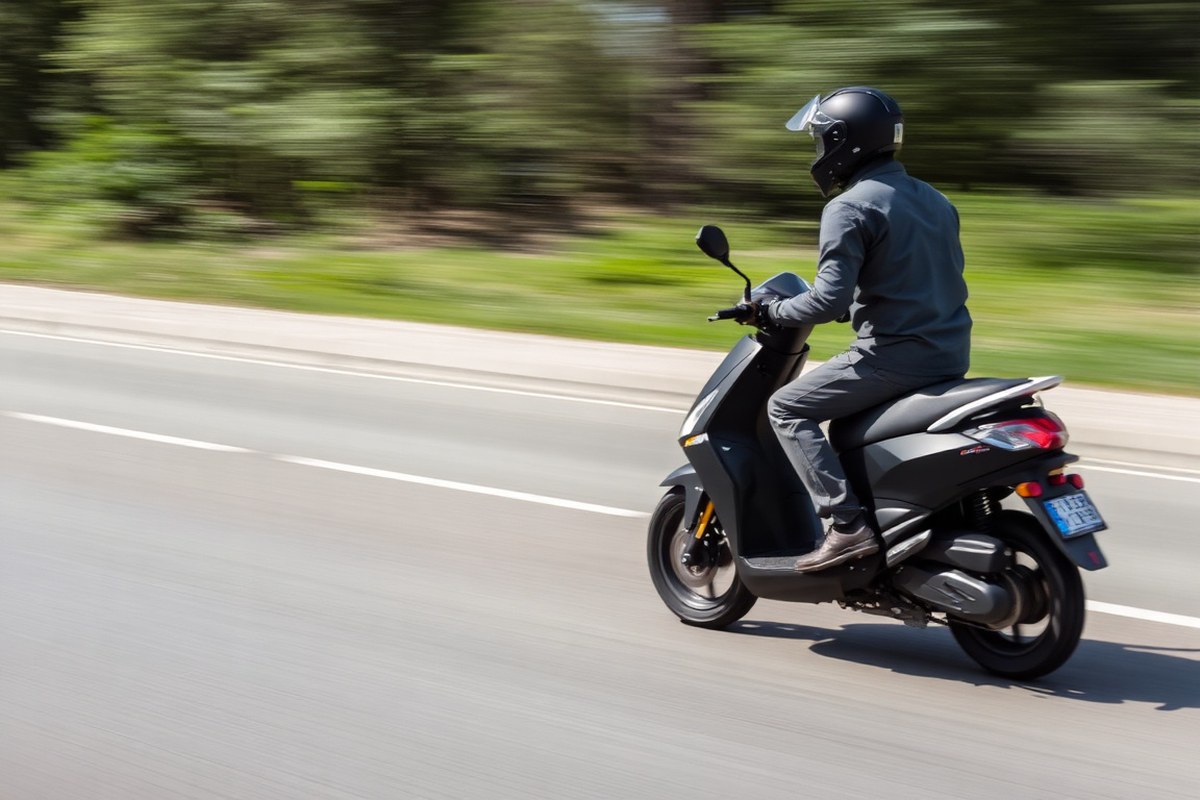
Most 49cc scooters and dirt bikes reach about 25 to 30 miles per hour. Some faster models can hit 40 miles per hour with tuning. Speed depends on engine type, terrain, and rider weight.
Stock 49cc dirt bikes usually max out near 25 mph. Scooters often reach 30 mph.
Certain scooters, like some Vespa models, can go faster. With tweaks, they may hit 40 to 50 mph, but this is uncommon.
Many locations limit 49cc bike speeds to 28 to 30 mph for safety and legal reasons. To check your bike’s true speed, use a GPS speedometer app. It’s more accurate than the bike’s gauge.
Warming up the engine for 5 minutes before testing top speed helps ensure a smooth run. This gives a more accurate speed reading.
Key Takeaways
- Stock 49cc scooters reach 25 to 30 mph, some up to 40 mph.
- 49cc dirt bikes typically max out at 25 mph or 40 km/h.
- 2-stroke engines often deliver better speed than 4-stroke types.
- Hills and headwinds can reduce speed by 20 to 30 percent.
- Many areas restrict 49cc speeds to 28-30 mph for legal safety.
- Warm the engine for 5 minutes before testing top speed.
How Fast Does a 49cc Scooter or Dirt Bike Go?
A stock 49cc scooter usually reaches a top speed between 30 and 35 miles per hour. Some models, like certain Vespas, can reach 40 mph. This speed happens on flat, smooth roads.
Not all roads let them go this fast. Rider weight and road conditions play a big role in hitting these speeds.
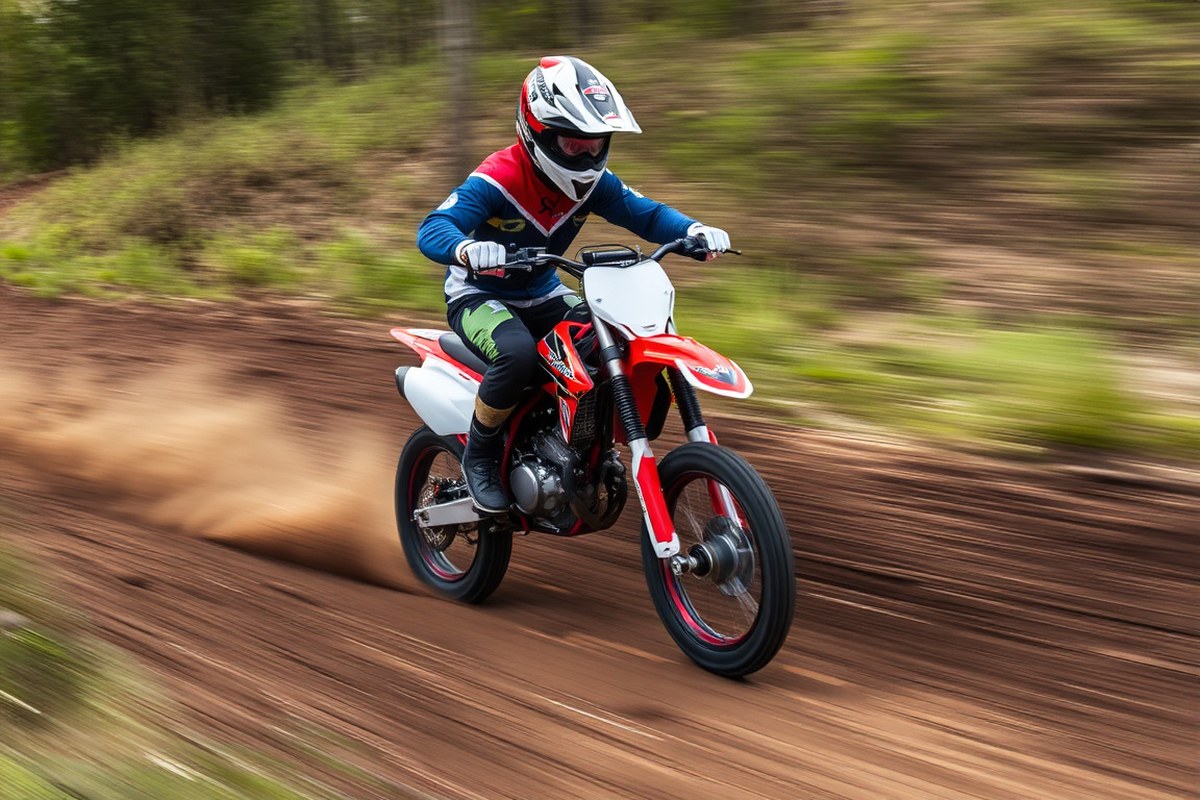
For 49cc dirt bikes, top speeds range from 25 to 35 mph. This depends on normal riding conditions. Most riders see their speeds fall here.
Lightweight riders on flat trails may see speeds close to 35 mph. Heavier riders or rough terrain often keep it closer to 25 mph. These speeds reflect how design affects performance.
Not all 49cc vehicles max out at the same pace. Scooters often go faster than dirt bikes because of their gearing and smoother tires.
Dirt bikes have higher torque for off-road use, sacrificing some speed for control. Models reaching above 30 mph do exist, but they usually rely on ideal settings.
Speed varies with the bike’s setup, the rider’s build, and the surface. A Nitro Motors mini chopper with a 49cc two-stroke engine hits about 25 mph. This is an example speed.
Other bikes might go slower or faster. Meanwhile, some 49cc mini dirt bikes advertise speeds closer to 28 mph on flat ground. Smooth pavement helps scooters exceed dirt bikes there.
Knowing these ranges helps you pick the right 49cc bike for your needs. You can expect most scooters and dirt bikes to reach at least 25 mph. Look for sportier or lighter models if you want more speed.
They usually go faster than standard 49cc bikes. These options help you ride quicker. Keep in mind that real-world top speed depends on several factors interacting.
Differences Between 2-Stroke and 4-Stroke 49cc Engines
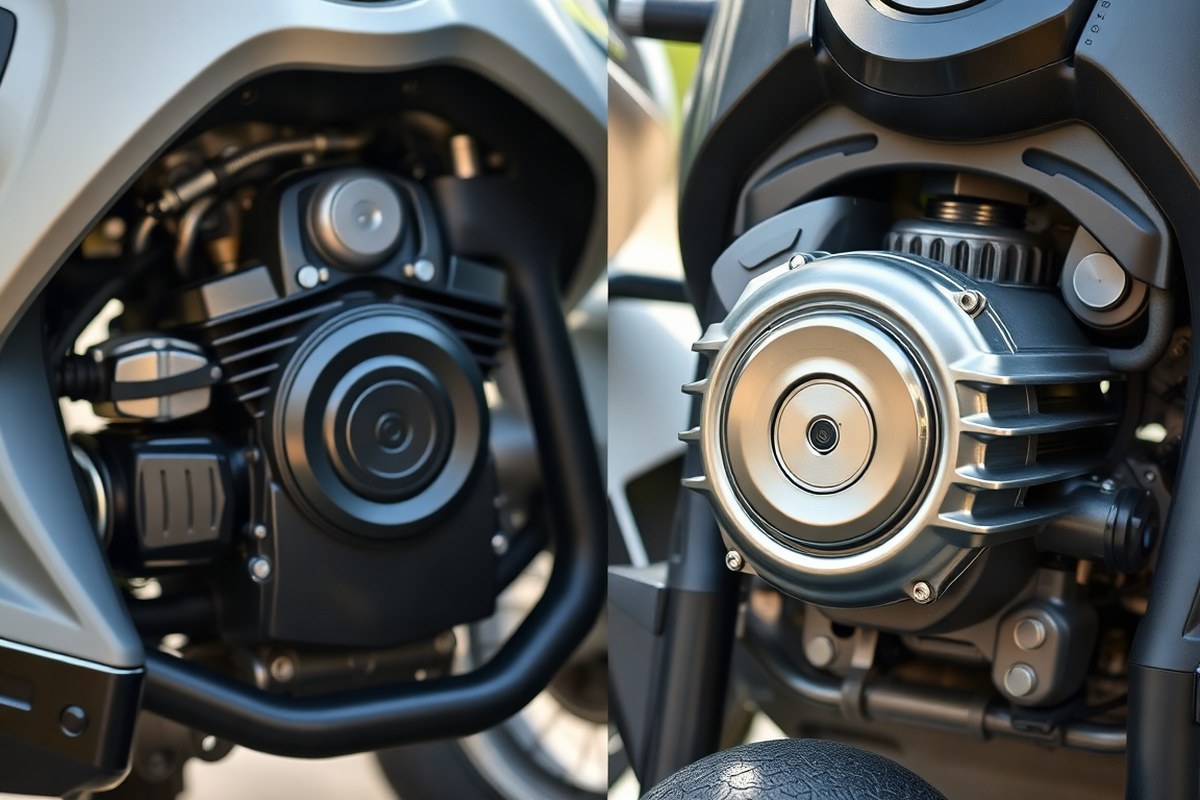
2-stroke engines usually provide higher top speeds for 49cc vehicles than 4-stroke engines. They produce more power for the same engine size, which helps with acceleration and hill climbing. The tradeoff is often less fuel efficiency and more maintenance compared to 4-strokes.
Key Features of 2-Stroke Engines
2-stroke engines generate more power per cubic centimeter than 4-strokes. Two-stroke engines complete a power cycle every two piston strokes. Four-stroke engines do it every four strokes.
This difference affects engine speed and power. You usually get a higher top speed with two-stroke engines.
49cc models like the AKaSping kit can reach up to 40 mph. This makes them faster than some four-stroke bikes.
They are lighter and simpler, which helps with acceleration. However, they burn oil mixed with gas and emit more pollution.
Their fuel efficiency tends to be worse than 4-strokes. So expect more trips to the gas station.
Advantages of 4-Stroke Engines
Four-stroke engines produce power every four piston strokes. This creates smoother power delivery. You get more control over the bike’s speed and feel.
This translates into better fuel efficiency and less emissions than 2-strokes. Most 49cc dirt bikes like the Honda CRF50F use air-cooled four-strokes.
These engines are reliable and easier to maintain. They suit riders wanting simple, steady performance.
Four-strokes provide better torque at low RPMs. This helps with hill climbing and slow riding. It makes the bike easier to handle in rough terrain.
Four-stroke bikes often have a lower top speed of 25-30 mph. They offer steady, usable power for beginners and casual riding. This is safer for new riders.
Speed and Efficiency Trade-Offs
Choosing between a 2-stroke and 4-stroke 49cc engine depends on your priorities. Choose a two-stroke engine for quicker acceleration and higher top speed. They provide more power in a smaller size.
This suits riders wanting faster performance. Expect to spend more on fuel and maintenance over time.
For everyday riding, smoother control, and better fuel economy, 4-strokes usually win. They handle hill climbs well due to stronger low-end torque. In most cases, how the engine delivers power matters more.
Slight top speed differences don’t affect everyday riding much. Focus on smooth control and reliability instead.
Check your local laws before upgrading to a 2-stroke engine, as emissions rules may limit modifications.
Factors Affecting the Speed of a 49cc Vehicle
The rider’s weight changes the top speed of a 49cc scooter or dirt bike. Heavier riders make the bike slower. Lighter riders let it reach full speed.
Lighter riders help the bike reach higher speeds because the engine faces less resistance. For example, if you weigh around 100 pounds, your scooter could hit 30, 35 mph. But if you weigh closer to 150 pounds, the top speed may drop by 20%.
Keep your weight close to the bike’s max limit. Most dirt bikes allow about 128 pounds. Staying near this helps you avoid slow speeds.
Terrain plays a role too. Flat, smooth surfaces let you reach the scooter’s top speed more easily. Riding uphill or on rough, uneven trails cuts your speed by 20, 30%.
Strong headwinds can also slow you down significantly. Wind and hills affect your bike’s speed a lot. A 25 mph speed limit on flat ground can drop.
You might only reach 18 to 20 mph on a steep, windy hill. Plan your rides on smoother, level paths to keep speed consistent.
Fuel quality affects the engine’s ability to deliver power smoothly. Using gasoline with the recommended octane level keeps the engine running clean and strong. Low-quality fuel can cause the engine to misfire, reducing speed and performance.
Make sure to use fresh gas without old or contaminated fuel. Proper tires also matter.
Tires with good tread and the correct pressure give better grip and less rolling resistance. Worn or underinflated tires can lower your top speed and make handling tricky.
Top 49cc Scooter and Dirt Bike Models Compared by Speed
Speed, weight capacity, and engine type vary widely among 49cc scooters and dirt bikes. Knowing these specs helps you choose a model that matches your riding style and safety needs.
Scooters usually top out around 20 to 30 mph. Dirt bikes can be a bit faster or slower, depending on design and tuning.
| Model | Real Top Speed (mph) | Advertised Top Speed (mph) | Weight Capacity (lbs) | Engine Type |
|---|---|---|---|---|
| Huasheng 142F 49cc Gas Bike | 28 | 30 | 150 | 4-Stroke |
| Generic 49cc Scooter | 20 | 25 | 200 | 4-Stroke |
| Mini 49cc Dirt Bike | 22 | 25 | 120 | 2-Stroke or 4-Stroke |
| Performance 49cc Scooter (Modified) | 35 | 40 | 180 | 4-Stroke, Tuned |
Weight has a clear effect on speed. A scooter rated for heavier riders may accelerate more slowly. Dirt bikes usually have lower weight limits.
They focus on lightweight frames for better handling and control. Engine type also matters.
Four-stroke engines usually offer better fuel efficiency and smoother power. Two-stroke engines often produce quicker acceleration but need more maintenance.
Brands like Huasheng provide detailed specs, including real-world speed tests. The Huasheng 142F 4-stroke engine, for example, consistently hits near its advertised 30 mph top speed. Modified scooters can exceed stock limits but cost more and need more upkeep.
Dirt bike speeds hinge on more factors than engine size, such as gearing and suspension. Lighter bike plus lighter rider usually means a higher top speed.
How to Measure Your 49cc Scooter or Dirt Bike’s Actual Top Speed
To measure your 49cc scooter or dirt bike’s top speed, use a GPS speedometer app. Testing on a flat, straight road without traffic helps get accurate data. Proper preparation and safety are key.
Choosing a GPS Speedometer App
Pick a GPS speedometer app that updates speed frequently, like every second. These apps usually cost nothing or a few dollars and run on most smartphones.
Avoid relying on the built-in bike speedometer. They can be wrong by 5 to 10 percent.
Some apps let you record your rides so you can see your top speed later. Try a few to find one that works reliably with your phone’s GPS. Consistent satellite connection is important for accurate results.
Preparing Your Vehicle and Route
Make sure your scooter or dirt bike is fully fueled and properly warmed up before testing. Check tire pressure and brakes to ensure the safest ride at top speed. Choose a flat, straight road or path that’s clear of obstacles and traffic.
The surface should be smooth asphalt or packed dirt. Loose gravel or bumps will slow you down. Avoid rough ground for better speed.
Avoid windy days because wind can affect the top speed reading. Early morning or late afternoon usually have calmer winds.
Conducting a Safe Speed Test
Begin with a slow ride on your bike. Then increase speed steadily to reach max speed. Keep the throttle steady the whole time.
Keep a relaxed grip and stable posture to avoid wobbling at high speeds. Have a friend watch or record the run to note your speed shown in the app.
Repeat the run two or three times to confirm consistent results and avoid one-off errors. Stop and rest between runs to cool the engine. Don’t test at unsafe locations or in heavy traffic to prevent accidents.
Always wear full protective gear during speed tests to reduce injury risk.
Modifications to Increase Speed on a 49cc Bike Safely
Upgrading your 49cc bike’s speed needs care and the right parts. Common mods include variator tuning, exhaust changes, and carburetor adjustments. You should always think about safety and legal rules before starting.
Common Performance Modifications
Changing the variator is one of the most popular ways to boost speed. The variator changes the belt drive’s gear ratio. It adjusts the engine’s RPM.
This helps to find a higher top speed. A variator kit usually costs from $50 to $150.
It improves speed by a few miles per hour. Many riders find this upgrade worthwhile.
Exhaust upgrades also help the engine breathe better. A performance exhaust helps reduce back pressure in the engine. This improves airflow and lets the bike go faster.
Speeds can reach 35 to 40 mph on a 2-stroke engine. These usually cost $70 to $200, depending on the brand and style.
Adjusting the carburetor and porting the cylinder can further increase power and speed. Porting reshapes the cylinder’s intake and exhaust ports to optimize air and fuel flow.
This requires some skill or professional help and can push a 2-stroke engine over 40 mph. However, it can reduce engine reliability if not done carefully.
Balancing Speed and Safety
Faster riding means you need better control and stability. Upgraded suspension and tires made for higher speeds can prevent wobbling and improve handling. Also, brakes designed for higher speeds are key to managing this extra power safely.
Your frame and wheels must handle the increased speed too. Small 49cc frames are light.
So adding speed puts stress on parts not built for it. Check for cracks and worn components regularly to avoid accidents.
Start with small mods and test your bike at safe speeds on private roads or tracks. Sudden large jumps in speed often cause control problems or mechanical failures.
Navigating Legal Restrictions on Mods
Many areas limit 49cc bikes to a maximum of 30 mph for safety reasons. Changing your bike to go faster may break laws. You could get fined or lose your license.
Check local rules before you modify your bike. Always check your local rules before making changes.
Registering a modified bike may require safety and stability inspections. Authorities may demand proof the bike is safe to ride at higher speeds. This can add time and cost, so plan ahead.
Keep in mind that some laws limit engine size or modifications that increase speed. A turbocharger, for example, can boost power but is often illegal on small engines. Know your place’s rules and modifications that are allowed.
Legal and Safety Considerations for 49cc Vehicles at Top Speed
Speed limits for 49cc scooters vary a lot depending on where you live. Some states treat them like mopeds with max speeds around 30 mph.
Others set no specific limits but expect you to follow local traffic rules. Check your state’s rules because some might restrict these scooters from highways or high-speed roads entirely.
You usually need a valid driver’s license to ride a 49cc scooter. Some places might require a special moped permit too. Check local rules before riding to stay legal.
The exact type of license depends on your state’s motor vehicle department. Some places allow riders as young as 14 to operate these vehicles with a permit. But others require a full motorcycle license regardless of age.
Many places ask for insurance on motorized vehicles like 49cc scooters. Insurance prices vary from about $100 to $300 a year. Not having insurance risks fines or serious trouble after accidents.
Always wear protective gear to protect yourself while riding a 49cc scooter. Gear is important even if your scooter or dirt bike is slow. Safety comes first on any ride.
A DOT-approved helmet is the bare minimum and typically required by law. Adding gloves, sturdy boots, long pants, and a jacket helps reduce injuries from falls or collisions.
Local laws vary a lot about where you can ride 49cc scooters. Some allow them on streets while banning them from freeways and expressways.
Others let riders use bike lanes or sidewalks. Find out what rules your city or state enforces before you hit the road.
When making decisions, first look up your state’s DMV website for licensing, insurance, and speed laws. Call customer service if anything seems unclear.
Always invest in solid protective gear before riding. Don’t push your scooter beyond its legal or safe speed limits to avoid accidents and tickets.
Maintenance Tips to Keep Your 49cc Scooter or Dirt Bike at Top Performance
Changing the oil every 1,000 to 1,200 miles keeps a 49cc engine running smooth. Use the manufacturer’s recommended oil type, usually 10W-30 for four-strokes. Don’t wait too long or the dirty oil will reduce engine speed and reliability.
Check the air filter monthly or every 500 miles. A clogged filter chokes airflow and slows down your bike.
Remove it, clean it with soapy water or replace it if worn out. Dry it completely before putting it back in place.
Carburetor tuning affects top speed and throttle response. Your scooter or dirt bike may hesitate or stall. Adjust the idle screw and jet needle to fix this problem.
Warm up the engine before tuning the carburetor. Turn screws in small steps.
Test by gently revving the engine. This task can take 15 to 30 minutes but boosts performance noticeably.
Warm up your engine for at least 3 to 5 minutes before riding. This warms the oil and fuel mixture to the right temperature for efficient burning. Cold starts can cause sluggish acceleration and lower speeds, especially in winter months.
Keep tires inflated to the pressure listed on the sidewall, usually around 28 to 32 psi. Proper tire pressure reduces rolling resistance and improves top speed. Check tire pressure weekly if you ride often.
Inspect the spark plug every 1,000 miles and replace it annually or if it looks fouled. A clean spark plug sparks better and helps keep the engine firing efficiently.
Look for a light tan color on the plug. Black or oily deposits mean you need to change it.
Chain tension should be checked weekly. A loose chain can skip or slip, losing power delivery to the wheels. Check the chain tension by pressing it between sprockets.
It should move 1/2 inch up and down. Adjust the tension if needed.
Never skip engine warm-up before riding, especially in cold weather. It prevents sluggish performance and speed drops.
Step-by-Step Action Plan to Optimize Your 49cc Scooter or Dirt Bike Speed
Use this plan to check your vehicle’s top speed. Make smart upgrades based on your findings. Stay safe on the road or trail every time.
- Before your first ride: Check tire pressure and chain tension. Proper setup keeps speed steady and lets you feel your scooter’s true pace.
- Day 1: Use a smartphone GPS app or speedometer to record your scooter’s top speed. Note it as your baseline for improvements.
- Week 1: Clean or replace the air filter to improve airflow. Notice if acceleration feels smoother or top speed increases.
- Week 2: Upgrade to a high-performance spark plug for more efficient firing. A slight speed boost or easier starts show it’s working.
- Week 3: Adjust or replace the variator weights if your scooter has a CVT. Lighter weights often increase top speed but may affect acceleration.
- Week 4: Inspect and consider a better exhaust system. A high-flow exhaust can improve power and increase speed noticeably.
- After one month: Measure top speed again using the same method. Compare it with your baseline to track progress.
- Ongoing: Follow safety gear advice and local speed laws every ride. Staying legal and protected matters more than small speed gains.
Frequently Asked Questions
Can I Legally Ride a 49cc Dirt Bike on Public Roads?
It depends on your state laws and local regulations. Many places only allow 49cc dirt bikes off-road. Check local rules first.
Riding on streets could break the law. Wearing safety gear and having proper insurance is also important for legal riding.
Is There a Real Difference Between 49cc and 50cc Engines for Scooters and Dirt Bikes?
The difference is very small and often unnoticeable. Both usually perform similarly in speed and power, with 50cc being just a rounded-up number. Focus more on the bike’s build and condition than the exact cc number.
Can a 50cc Scooter or Dirt Bike Reach 60 Mph?
Most stock 50cc models don’t go that fast. They max out near 30 to 40 mph. This speed fits beginner riders well.
To reach 60 mph, you’d need major engine upgrades. These changes can hurt safety and might be illegal on roads.
How Fast Does a 49cc Scooter Typically Go Compared to a Dirt Bike?
A 49cc dirt bike usually goes about 25 to 35 mph. On flat ground, it can reach 40 mph sometimes.
Scooters with 49cc engines usually go slower, about 20 to 30 mph. Design and weight make them less fast.
What Cc Engine Size Is Needed to Reach Speeds of 100 Mph on a Small Bike?
You generally need at least a 250cc or larger engine for that kind of speed. Small engines like 49cc or 50cc aren’t made for 100 mph. They can’t safely or legally hit speeds near that.
Before You Go
Your 49cc scooter or dirt bike usually reaches 20 to 30 mph. Many factors affect this speed range. Expect differences depending on the model and conditions.
You can improve speed with basic tune-ups or mild mods. But always keep safety and the law in mind. Try checking your bike’s speed firsthand today and plan your next tune-up from there.