Do Bigger Tires Affect Speed? What Actually Happens to Speed & Performance
Do bigger tires affect speed? Yes, they do, but not always in obvious ways. Bigger tires make your wheels taller.
This changes your vehicle’s actual speed at a given speedometer reading. This means your speedometer may show a lower speed than you are truly driving.
That difference is usually proportional to the tire size change. For example, a 3% bigger diameter means your speedometer reads about 3% too low.
Your speedometer might show 60 mph but you could be going 63 mph. That could cause unintentional speeding tickets.
Before upgrading, measure your current tires and compare them to the new ones. Your speedometer needs recalibration if your tire diameter changes more than 3%.
This keeps speed and distance accurate. Also, remember that bigger tires may slow acceleration and affect fuel economy.
Key Takeaways
- A tire diameter increase of 2% makes your speedometer read about 2% too low.
- Recalibrate your speedometer if tire diameter changes exceed 3% to avoid errors.
- Bigger tires can reduce your vehicle’s acceleration and lower top speed slightly.
- Fuel efficiency often drops with larger tires due to added weight and rolling resistance.
- Keeps tire pressure correct; underinflation by 20% can lower your speed several percent.
- Smooth tire treads and road surfaces reduce rolling resistance, boosting speed up to 5%.
Do Bigger Tires Really Affect Vehicle Speed?
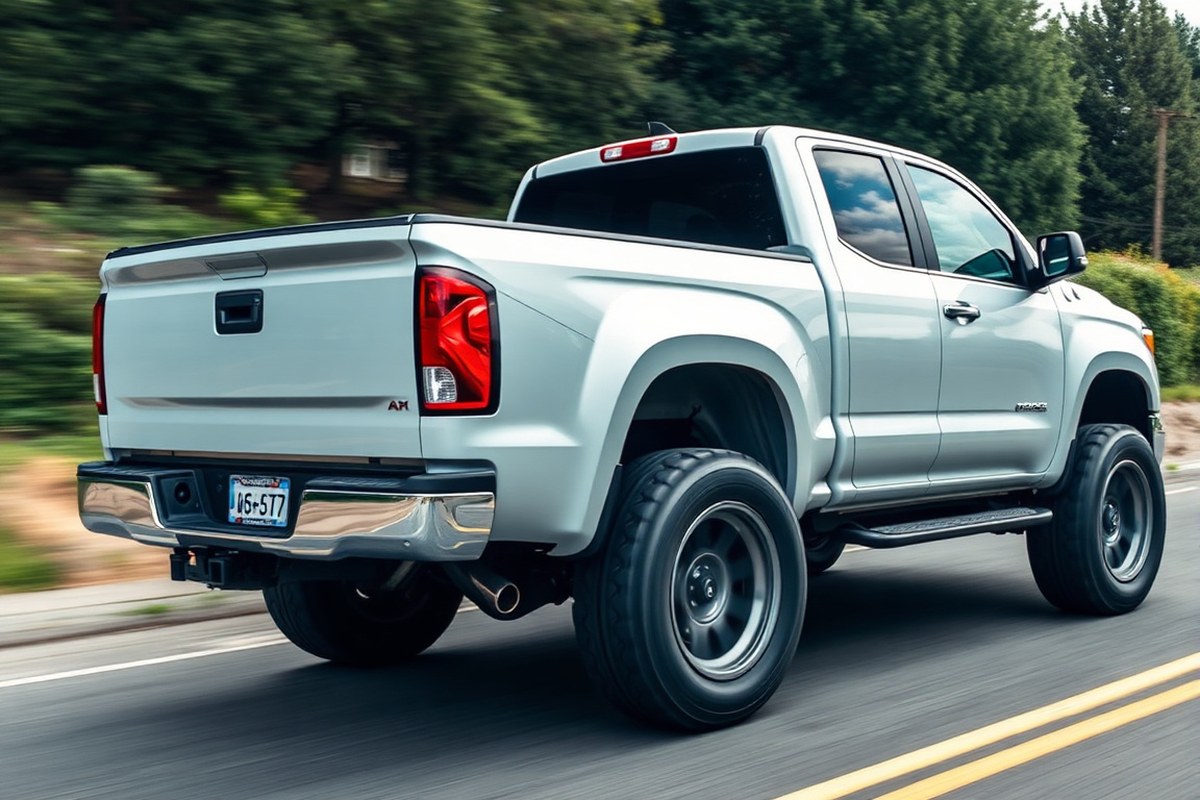
Bigger tires do affect your vehicle’s actual speed and the speedometer reading. When you install larger tires, their circumference increases.
This means each rotation covers more ground. But your speedometer still assumes the smaller, original tire size.
The speedometer measures speed using wheel rotations. It will show slower speed than your real speed. This happens because bigger tires rotate less often per mile.
A 5% bigger tire diameter lowers speedometer reading by about 5%. This means the speedometer shows less speed than you actually drive. The bigger the tire, the bigger the difference.
If your speedometer reads 60 mph, you could be driving 63 mph. Bigger tires make your real speed higher than the gauge shows. Always expect some difference with larger tires.
The size of the tire directly relates to speed error. The larger the diameter change, the bigger the difference between actual and displayed speed. Even changes as small as 1-2 inches can cause a 3-8% discrepancy.
This happens because fewer rotations per mile now occur. But the vehicle’s system doesn’t adjust for it automatically.
This mismatch matters because you could unintentionally exceed speed limits or misjudge braking distances. It’s also why your odometer records less distance than you’ve actually traveled. To fix this, recalibrate your speedometer for the new tire size.
You can also use a correction device for speed readings. This keeps your speedometer accurate after installing big tires.
Choosing tires close to the original size reduces speedometer errors. It also helps avoid problems with your vehicle’s systems. Small size changes keep things working better.
Some drivers accept small speed errors for bigger tires on trucks or 4x4s. These tires give a better look or off-road ability. They know their speed readout won’t be exact.
Big tire size changes often need professional speedometer recalibration. This keeps speed readings correct and can protect your warranty. It also prevents safety issues on the road.
How Tire Size Changes Speedometer and Odometer Accuracy
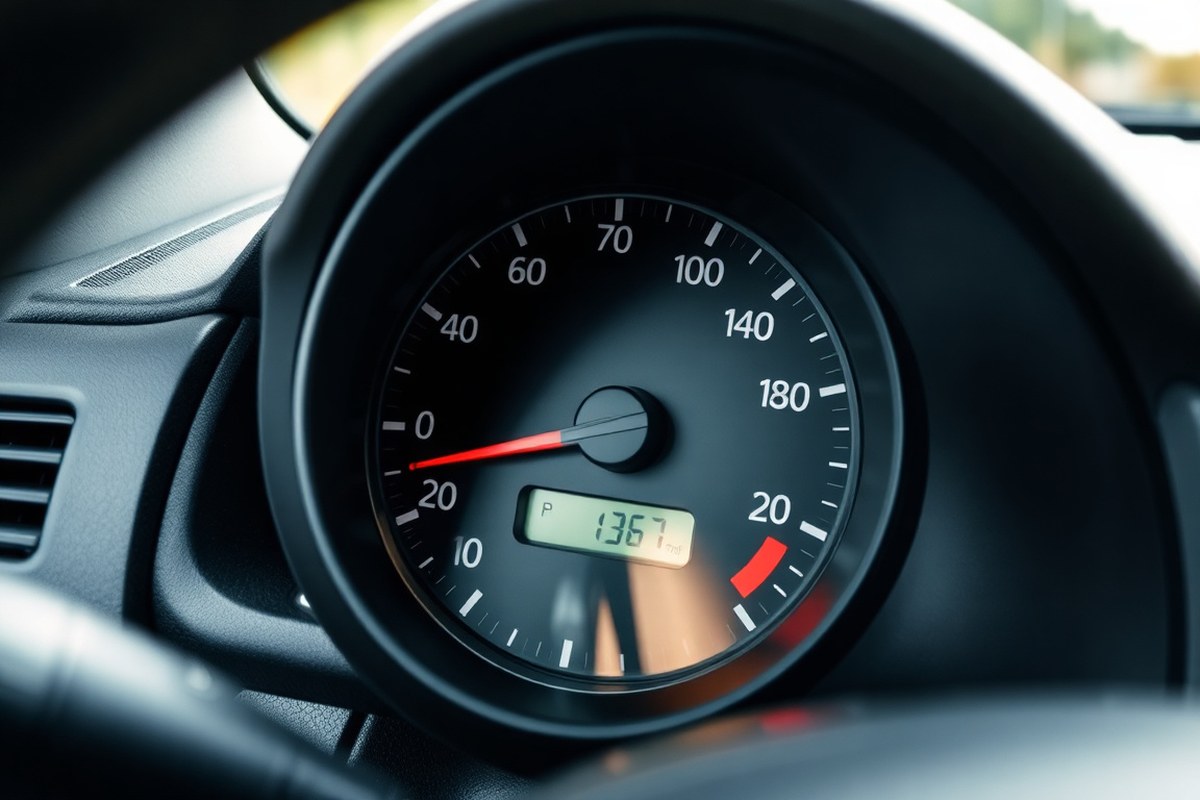
Installing bigger tires changes the tire’s rolling circumference. This change affects how often the tire rotates per mile, which shifts speedometer and odometer readings. Generally, a larger circumference causes your speedometer to underestimate your actual speed and distance traveled.
The Connection Between Tire Diameter and Sensor Signals
Your vehicle’s speedometer measures speed by counting how often the tires rotate. Larger tires cover more ground with each rotation. So, if your tires are bigger, they rotate fewer times over the same distance.
The speed sensor uses these rotations to calculate speed and distance. When rotations drop, the sensor sends slower signals. This makes your speedometer show a lower speed than you’re truly driving.
This mechanism applies equally to the odometer. It calculates distance based on rotations. Bigger tires reduce rotation counts, making the odometer display fewer miles than actual.
Typical Percentage Errors by Tire Size Increases
Speedometer error generally matches the percent increase in tire diameter. For example, a 3-inch increase on a 28-inch diameter tire equals about an 11% increase. This causes roughly an 11% speedometer error.
Here’s a quick example. Your original tire diameter is 28 inches. Upgrading to 31 inches means you divide 31 by 28 to get 1.107.
That equals a 10.7% increase, meaning your speedometer reads about 10.7% too slow. At an indicated 60 mph, your true speed is closer to 66.4 mph.
Experts suggest recalibrating when tire diameter changes exceed 3%. Even a small one-inch difference causes 3-4% speedometer error. This can lead to unintentional speeding or incorrect mileage tracking.
How Recalibration Restores Accuracy
Recalibration adjusts the vehicle’s speedometer settings to the new tire size. It involves inputting the exact tire diameter into the vehicle’s computer or speedometer module. This updates rotation-to-speed conversions.
Some vehicles allow you to do this through onboard menus or OBD-II tools. Others might need professional recalibration or a new speedometer gear. Costs vary: simple recalibrations can run $50 to $200, while replacements might cost more.
After recalibration, your speedometer and odometer reflect true speed and distance again. This helps avoid tickets and keeps cruise control functioning properly. Resetting tire pressure after installation also prevents minor diameter errors due to underinflation.
Always check your speed against GPS readings after installing bigger tires to catch errors early.
Impact of Bigger Tires on Vehicle Acceleration and Top Speed
Bigger tires usually weigh more, which slows down your vehicle’s acceleration. The extra weight adds to the rotating mass your engine must spin. This causes your vehicle to need more power and time to reach quicker speeds.
The mechanical systems also affect acceleration when you install larger tires. Larger tires raise the overall rolling circumference, causing your engine RPM to drop at low speeds. This lowers the initial torque sent to the wheels.
Your vehicle feels slower off the line. Changing the gear ratio can restore some lost acceleration. It better matches the tire size to engine output.
Top speed tends to drop with bigger tires unless you adjust other parts of the drivetrain. Bigger tires cover more ground with each rotation. This makes your vehicle hit a lower RPM before redline.
Your vehicle won’t reach the same top speed with bigger tires. This happens if you keep the same gear ratio.
Matching your gear ratio to bigger tires helps regain some top speed. It also improves acceleration. You can swap to shorter gears in the differential or transmission.
Changing gear ratios raises engine RPM at any speed. This balances the effects of bigger mass and size.
In practical terms, expect slower 0-60 mph times after upgrading to bigger tires. The difference can be 5 to 15 percent depending on the size increase and weight.
Without gear ratio changes or added power, top speed drops a few mph. You might not notice this in daily driving but will on highways.
Bigger tires boost traction and rolling resistance. This fights acceleration and might slightly lower top speed.
This added friction means your engine needs more energy to maintain speed. Upgrading your tires trades improved looks and off-road use for some loss in speed and acceleration.
Fuel Efficiency and Driving Range Changes with Bigger Tires
Bigger tires usually lower your fuel efficiency because they increase rolling resistance. Rolling resistance means the force needed to keep tires moving at steady speed.
Larger tires have more rubber on the road. So the engine has to work harder to turn them.
Driving with underinflated bigger tires makes fuel economy worse. Low tire pressure pushes more tire surface against the asphalt, which raises rolling resistance. Keeping tires inflated to the vehicle manufacturer’s recommended pressure helps limit this effect and saves gas.
Also, choosing tires designed for low rolling resistance can improve mileage. Those tires have tread and rubber compounds that reduce energy loss as the tire spins. However, even low resistance bigger tires often reduce fuel efficiency slightly compared to stock size.
The extra tire weight from bigger tires also affects gas mileage. Some bigger tires weigh 40 to 120 grams more each. This is due to extra belts and thicker rubber layers.
The added weight can affect your vehicle’s performance. Heavier tires raise rolling resistance, making your engine work harder.
This can lower fuel economy by as much as 8%. The effect depends on tire size and type.
Adjust your driving habits to help balance the tradeoff. Smooth acceleration and steady speeds reduce how much extra fuel bigger tires consume. Avoid rapid starts or heavy loads, which further increase rolling resistance and gas use.
Keep your tires properly inflated to help maintain fuel economy. Pick tire sizes close to your original wheel diameter. This reduces fuel efficiency loss from bigger tires.
Staying within 3% of your stock tire diameter limits speedometer errors and helps maintain better mileage. Going much larger usually impacts your driving range. So weigh if the benefits outmatch the fuel cost.
Tread Patterns, Tire Pressure, and Other Factors Affecting Speed
Bigger tires affect speed beyond just size, tread pattern and tire pressure play major roles. These factors change rolling resistance, which directly influences how fast and how well your vehicle moves. The type of tire also matters, especially between off-road and street designs.
Tire Tread Types and Their Rolling Resistance
Tread pattern affects your tires’ grip on the road. It also changes how much energy your tires lose when rolling. This impacts your vehicle’s overall performance.
Tires with deep, aggressive tread usually have higher rolling resistance, which slows the vehicle down. Smooth or low-profile treads roll easier, allowing better speed on paved roads.
Look at these tread types and their effects on speed:
- High-traction off-road treads increase grip but add rolling resistance
- All-terrain treads balance grip and rolling efficiency
- Slick or street tires minimize tread gaps, improving speed on pavement
- Chunky, knobby treads can cause vibration and noise, slightly reducing top speed
- Siping (small cuts) improves wet grip but may increase rolling drag
- Worn tires tend to roll faster but offer less traction and safety
Choosing the right tread depends on your common driving surface. More grip means slower speeds, but safer handling on loose or wet ground.
Optimal Tire Pressure Effects on Performance
Proper tire pressure reduces rolling resistance and helps maintain your vehicle’s designed speed. Under-inflated tires flatten more against the road, increasing friction and drag. Over-inflated tires reduce contact area, which can hurt traction and cause uneven wear.
To keep speed and safety balanced:
- Check tire pressure using a reliable gauge monthly
- Inflate tires to the vehicle manufacturer’s recommended PSI
- Adjust pressure based on load and road conditions if needed
- Monitor for pressure loss after installing bigger tires, as they may require different PSI
- Use tire pressure monitoring systems when available for alerts
Proper inflation keeps you rolling smoothly and helps avoid losing speed due to extra drag.
Never run bigger tires with the same PSI as smaller tires. Adjust for size and load to avoid handling issues.
Differences Between Off-Road and Street Tires
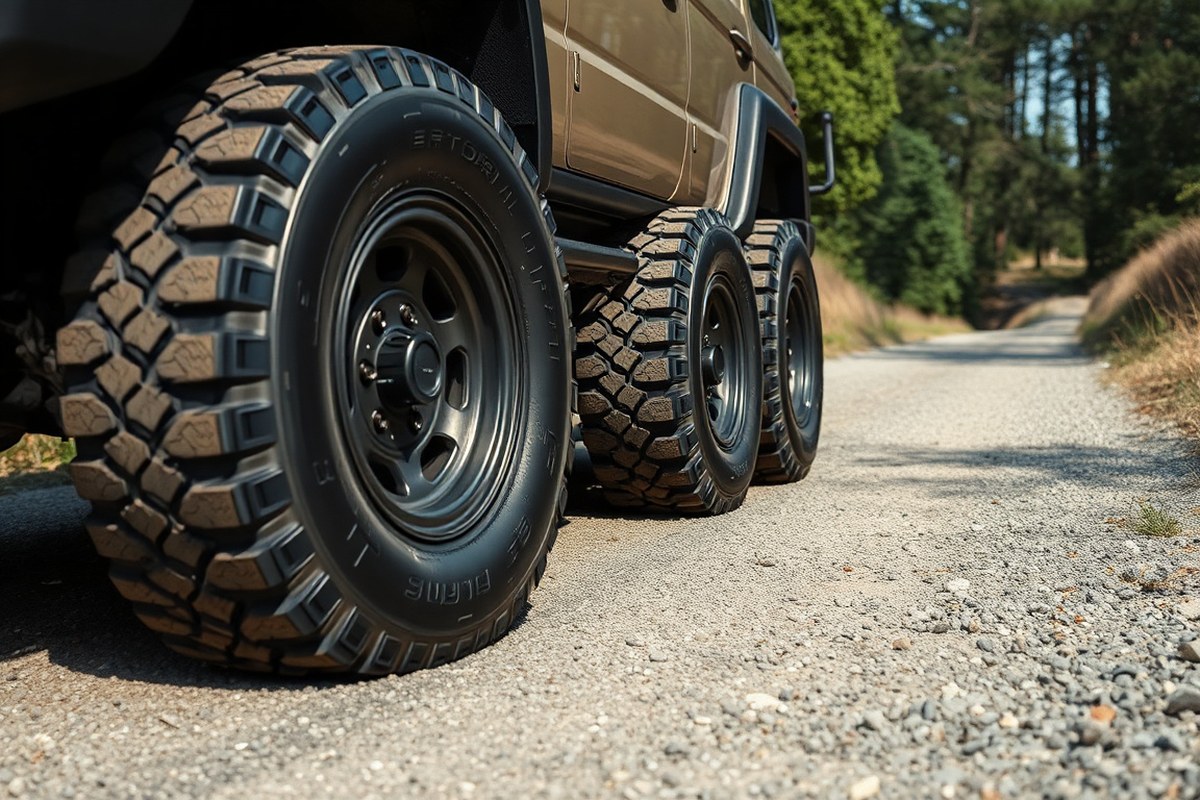
Off-road tires usually have bigger, blockier tread patterns for better grip in mud, dirt, or rocks. This added grip costs you speed and fuel efficiency on paved roads. Street tires, designed for smooth roads, use less aggressive tread patterns to reduce rolling resistance.
You’ll notice these differences when driving:
- Off-road tires create more road noise and vibration
- Street tires provide better acceleration and higher top speeds
- Bigger and heavier off-road tires increase rotational mass, slowing acceleration
- Off-road tires can handle rough terrain and improve safety off pavement
- Street tires wear faster in off-road conditions and lose traction on loose surfaces
Choosing between both depends on your regular driving. For mostly street use, less aggressive tires save speed and improve comfort.
Benefits and Drawbacks of Larger Tires on Safety and Performance
Bigger tires usually improve traction because they have a larger contact patch. That means they grip the road better in most conditions, helping with acceleration and cornering. However, this added grip can increase the strain on brakes and the drivetrain over time.
Brakes must work harder to stop heavier, bigger tires. Bigger tires can cause longer stopping distances. You need to upgrade your brakes.
Maintenance also helps keep stopping power strong. Bigger tires don’t directly damage the drivetrain. They do change your gear ratios.
This affects how your transmission works. This can increase shifting strain and wear, especially on significantly larger tires.
Handling improves with bigger tires because they add stability. But the extra weight can also make steering feel heavier and reduce responsiveness.
Suspension tuning sometimes becomes necessary to maintain safe and smooth handling. You also want to check tire pressure regularly to avoid uneven wear and poor traction.
| Aspect | Effect of Bigger Tires | How to Manage It |
|---|---|---|
| Traction | Increased grip for better handling and braking | Maintain correct tire pressure; choose tires fit for your driving |
| Braking | Longer stopping distances due to added mass | Upgrade brakes; inspect regularly |
| Drivetrain | More strain on transmission and gears | Consider a gear ratio change; schedule regular transmission checks |
| Handling | Improved stability but heavier steering | Adjust suspension; monitor steering feel closely |
| Safety | Risk of misjudged stopping and cornering | Drive cautiously until you know how your new tires respond |
Bigger tires touch the ground more, so they help your vehicle feel steadier. That said, heavier tires cost more power to turn and can loosen your wheel response.
You might notice this especially when parking or making fast turns. Regular checks of brakes, tire pressure, and suspension keep your ride safe and balanced.
Calculating and Estimating Speedometer Error from Tire Sizes
Bigger tires make your speedometer show a lower speed than you really drive. You can figure out the error using a simple math formula. This helps avoid speeding fines and keeps your driving safe.
Step 1: Measure Original and New Tire Diameters
Write down the diameter of your original tires. You can find this number in your tire size or measure the tire directly. Then, get the diameter of your new, bigger tires the same way.
Tire diameter means the total height of a tire from tread edge to edge. It measures the full tire height directly across the tread surface.
This number helps you know the actual size of your tires. For example, a 27-inch original tire versus a 31-inch new tire.
Step 2: Calculate Percent Difference in Diameter
Use this formula to find how much bigger your new tires are: Speedometer Error (%) = ((New Diameter − Original Diameter) ÷ Original Diameter) × 100 For instance, switching from 27 inches to 31 inches diameter means: ((31 – 27) ÷ 27) × 100 = (4 ÷ 27) × 100 ≈ 14.8% Your tires are about 15% bigger in diameter.
Step 3: Estimate Speedometer and Odometer Error
Your speedometer and odometer will be off by roughly the same percentage as the diameter increase. That means a 15% bigger tire causes about a 15% low reading on your speedometer. Driving at 65 mph, your speedometer’s reading will be around this speed:
65 mph × (1 – 0.15) = 55 mph You’re driving 10 mph faster than your dash says, which can lead to speeding tickets. Here’s how to calculate and estimate speedometer error yourself:
- Find the diameter of your current tires in inches.
- Find or measure the diameter of your new, larger tires.
- Subtract the original diameter from the new diameter.
- Divide the difference by the original diameter.
- Multiply the result by 100 to get a percentage.
- This gives your speedometer error percentage.
- Multiply your true speed by (1 − error decimal) to find what speed your gauge shows.
- Remember this error means your speedometer reads low. So you’re faster than the dial shows.
When and How to Recalibrate Your Speedometer After Upgrading Tires
Changing your tire diameter by more than 3% usually means you need to recalibrate your speedometer. Smaller changes might not cause big errors.
But bigger differences affect how your speed shows up. Recalibration keeps your readings accurate and ensures you follow speed laws properly.
You can recalibrate your speedometer in a few ways. Some vehicles let you enter new tire sizes in settings. You can also use a scan tool to update the info.
Other times, a professional technician has to adjust the speedometer with specialized equipment. This process updates how the speedometer counts rotations to match the new tire size.
- Measure old and new tire diameter, then calculate the percent difference
- Check your vehicle’s manual or infotainment system for recalibration options
- Use an OBD2 scanner or speedometer calibration tool if available
- Consult a tire shop or auto mechanic for professional recalibration
- Budget $50 to $150 for a professional speedometer recalibration
- Recalibrate anytime you swap between winter and summer tires with different sizes
- Double-check your speed readings on a GPS device after recalibration
Doing it yourself often costs nothing beyond basic tools and a bit of time. Professionals charge $50 to $150 depending on your vehicle and where you take it. Tire shops often handle this service and can advise on legal speedometer requirements in your region.
Don’t forget to recalibrate if you switch between tires with different diameters frequently. For instance, winter tires often vary in size from all-season tires, affecting accuracy.
A wrong speedometer reading can make you break speed limits. It can cause problems with mileage warranty claims too.
Always verify your recalibrated speed with a GPS device while driving in a safe area.
Common Mistakes with Bigger Tires and How to Avoid Them
Choosing the wrong tire size can mess up handling and wear down parts quicker. Make sure the new tires meet your vehicle’s approved size, load, and speed ratings. Bigger tires might not fit without rubbing your wheel wells or suspension parts.
Not recalibrating your speedometer leads to wrong speed readings. The speedometer calculates speed using the tire’s rolling diameter. When diameter changes, it shows a wrong speed, which could cause speeding tickets or unsafe driving.
Picking tires with aggressive tread or too much width can cause clearance and traction issues. Tires that are too wide may rub on fenders or suspension parts. Tread patterns meant for off-road can reduce traction on pavement and increase road noise.
- Check your vehicle’s manual for recommended tire sizes and speed/load ratings.
- Measure wheel well space and suspension travel before upgrading your tires.
- Pick tires with speed and load ratings equal to or above your original tires.
- Choose tread patterns based on your typical driving: highway, off-road, or mixed.
- After installation, have the speedometer recalibrated by a professional or with a handheld device.
- Test drive slowly in a safe area to spot rubbing or handling problems early.
- Keep tire pressures at the levels recommended for your new tire size. This helps prevent tire wear and poor handling. Checking air pressure often is also a good habit.
Choosing the right tire size costs about $100 to $200 extra. This cost protects your vehicle from damage over time. It also keeps your speedometer reading correctly.
Calibration takes roughly an hour and costs $50 to $150 depending on your vehicle and equipment. Fixing problems after installation can be much costlier and harder.
Getting these details right keeps your ride safe and smooth. Avoid guessing tire size or skipping calibration to steer clear of costly repairs. Handling problems or false speed readings often start with ignoring these basics.
Step-by-Step Action Plan for Handling Bigger Tires
Follow this simple plan to adjust to bigger tires and keep your vehicle running right. Check each step to make sure your speed and performance stay safe and accurate.
- Before you start: Measure your new tire’s diameter and compare it to stock tires. This helps predict speedometer changes and performance shifts.
- Day 1: Install the bigger tires professionally to ensure correct fit and balance. This avoids vibrations or uneven wear.
- Day 2: Check and reset your tire pressure to the recommended level for the new tires. Proper pressure improves fuel efficiency and handling.
- Week 1: Drive at a known speed using a GPS device to check your speedometer reading. Adjust if the speedometer shows more than 2-3 mph difference.
- Week 2: Watch your fuel economy and acceleration closely. Note any drops and consider adjustments to driving habits or gearing.
- Month 1: Inspect tires for uneven wear or damage. Bigger tires may need different rotation patterns or earlier replacement.
- Ongoing: If speedometer recalibration is needed, visit a professional shop that can recalibrate it. This keeps your readings accurate and legal.
- Every 6 months: Recheck tire pressure and tread depth. Maintaining these helps keep speed and safety on track.
Frequently Asked Questions
Can Bigger Tires Cause My Car to Use More Fuel?
Yes, bigger tires usually increase rolling resistance. This means your engine works harder, which can lower fuel economy. Expect a small drop in miles per gallon with larger tires.
Will Bigger Tires Damage My Transmission or Drivetrain?
Bigger tires add extra strain on drivetrain parts. This can cause wear if you drive often with oversized tires. Upgrading gears or components helps reduce damage risks in those cases.
Do Bigger Tires Affect My Vehicle’s Braking Distance?
Larger tires often increase braking distance. They weigh more and change the brake force needed to stop. Upgrading brakes may be necessary to keep safe stopping power.
How Do Bigger Tires Change My Vehicle’s Handling?
Bigger tires usually increase vehicle height and weight. This can raise the center of gravity, making handling feel less sharp. Steering response may soften with bigger, heavier tires.
Will Bigger Tires Fit in My Wheel Well Without Rubbing?
It depends on your vehicle and tire size. Measure clearance around suspension and fenders before buying. Some modifications like trimming or lifts might be needed for fitment.
Before You Go
Bigger tires do affect your actual vehicle speed and speedometer accuracy. The key is measuring, adjusting, and recalibrating as needed. Start by comparing your tire sizes and checking speedometer readings with a GPS right away.