Do 2 Cycle Engines Need Oil? A Complete Guide with Mixing & Maintenance Tips
Do 2 cycle engines need oil? Yes, they absolutely do. These engines run faster than others.
They depend on oil mixed with fuel. This mix lubricates the engine’s moving parts. Without oil, the engine parts get very hot.
They wear out fast. The engine can fail in under 30 minutes.
Unlike cars that have separate oil reservoirs, two-cycle engines mix oil directly with gasoline. This process keeps the engine’s pistons and crankshaft protected during operation. Remember, not using the right oil mix will lead to damaged parts and costly repairs.
Always check your engine manual for the correct oil-to-fuel ratio before starting. Mixing the right oil ensures smooth performance and prevents seizing. Using the wrong ratio or skipping oil will shorten your engine’s life significantly.
Key Takeaways
- Two-cycle engines need oil mixed in fuel for proper lubrication.
- Never run a two-stroke engine without the correct oil mix.
- Check the engine manual for your specific fuel-to-oil ratio.
- Use only high-quality two-stroke engine oil for best protection.
- Mix oil and fuel thoroughly before filling the engine tank.
- Running without oil leads to overheating and rapid engine failure.
Do 2 Cycle Engines Absolutely Need Oil?
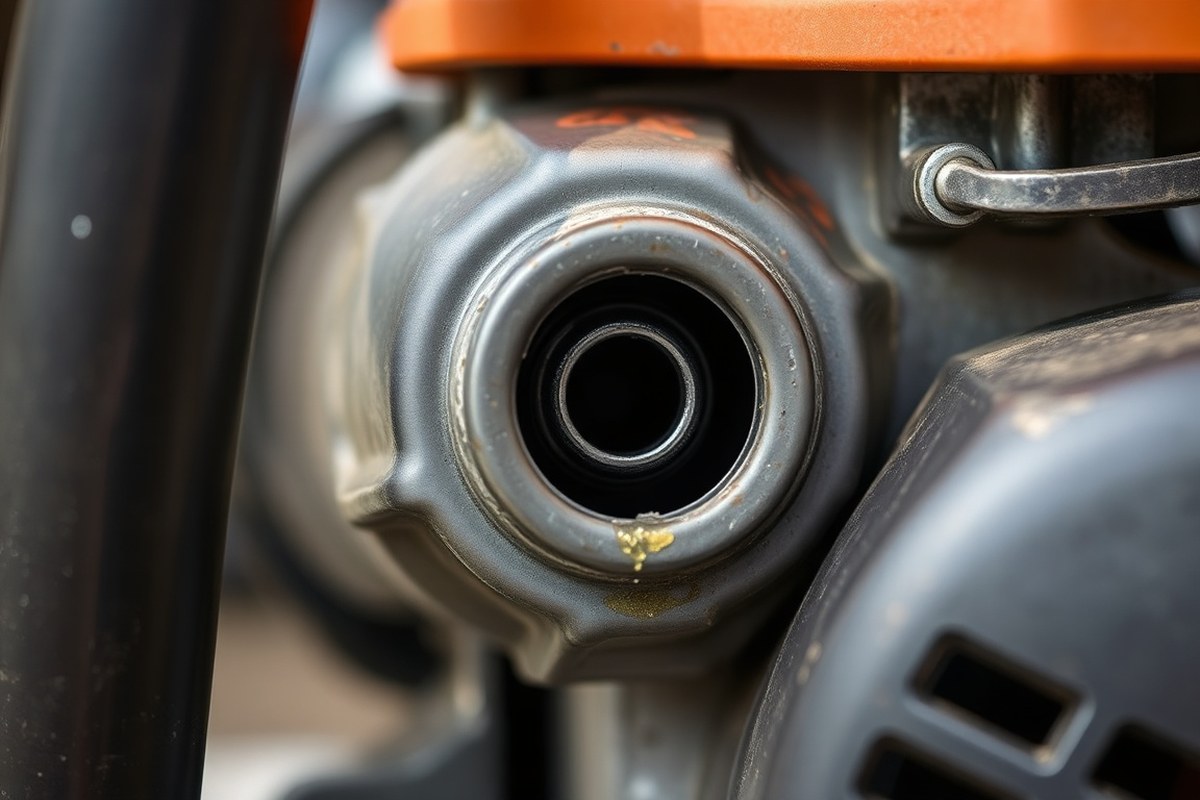
Two-cycle engines need oil mixed with gasoline to run properly. This oil lubricates critical engine parts like the piston and crankshaft. Without this lubrication, metal parts rub directly and quickly wear out.
A two-stroke engine cannot run on gasoline alone. Running without oil causes heat and friction that destroy the engine fast.
For example, an engine running dry might seize permanently within 10 to 30 minutes of use. This often leads to costly repairs or total replacement.
Unlike four-stroke engines that have separate oil reservoirs, two-stroke engines rely on a fuel-oil mix. Typical oil ratios go from 1:40 to 1:50.
That means one part oil for every 40 or 50 parts gas. Adding the right amount of oil ensures proper protection and prevents damage during operation.
How Lubrication Works in Two-Stroke Engines
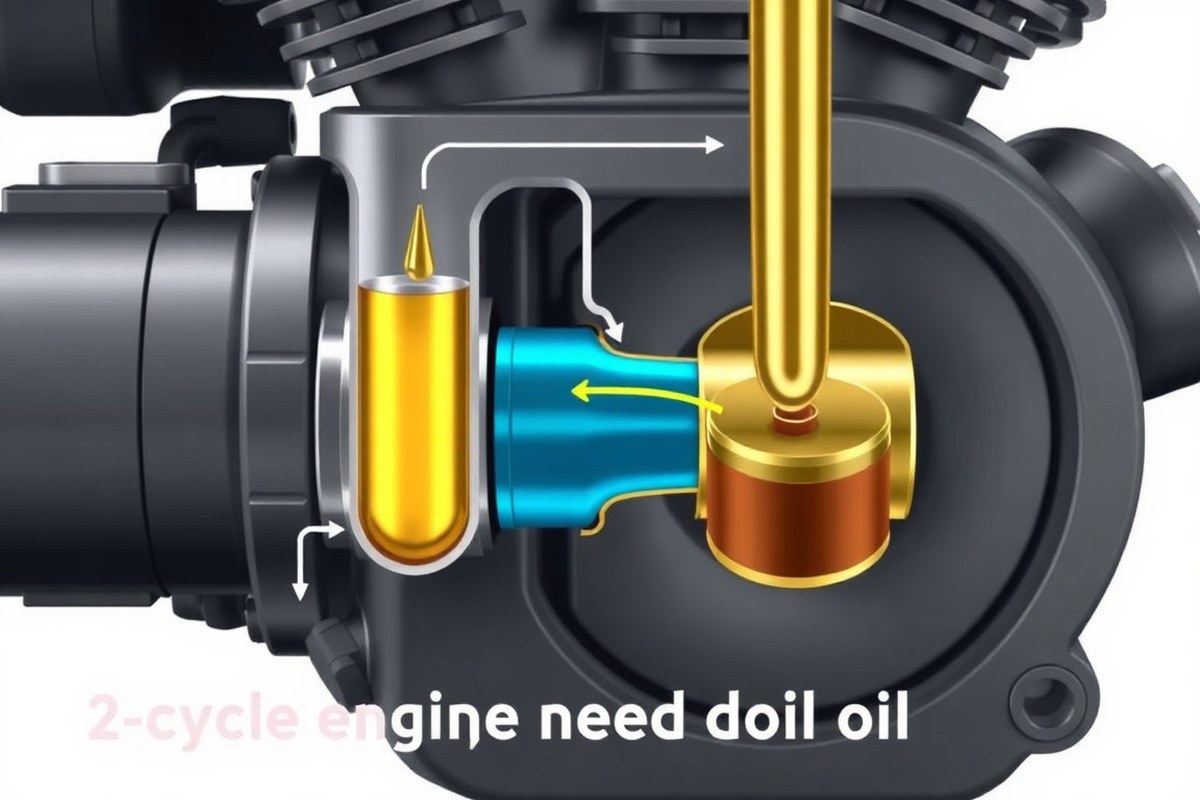
Two-stroke engines need oil mixed with gasoline because they lack a separate oil reservoir. The oil in the fuel lubricates the engine’s internal parts while it runs. This design keeps parts like the piston, cylinder walls, and crankshaft from wearing out quickly.
Here’s how lubrication works inside a two-stroke engine. When you start the engine, you pour in a mix of gas and two-stroke oil. As the piston moves down the cylinder, this mixture fills the combustion chamber.
The oil coats the cylinder walls and piston. This reduces friction. It helps the piston move smoothly up and down.
The crankcase is part of the air-fuel path. Oil travels with the fuel-air mix. This happens before combustion.
Unlike four-stroke engines, two-strokes don’t have an oil sump or pump to distribute oil. Instead, oil must be premixed carefully with fuel to reach every part that needs lubrication.
The oil burns along with gasoline. So it must be a special two-stroke oil, designed to burn clean without leaving damaging deposits.
Using regular motor oil can clog exhaust ports and foul spark plugs. Such mistakes cause poor engine performance and damage.
Mixing oil directly in the fuel tank avoids complicated oil lines or reservoirs. The ratio you mix matters because too little oil means poor lubrication and more wear.
Too much oil causes buildup and smoke. This constant mixing replenishes oil every cycle, often more than 15 times per second at idle.
Never run a two-stroke engine without mixing the recommended oil into the fuel. It can cause rapid engine failure.
Determining the Correct Oil-to-Fuel Ratio for Your Engine
Pick the right oil-to-fuel ratio based on your engine’s type and use. Most 2-stroke engines need ratios between 20:1 and 50:1. Follow the table below and your manufacturer’s advice for the ideal mix.
Standard Ratios Explained
The most common oil-to-fuel ratios range from 20:1 to 50:1. A 50:1 ratio means 2.6 ounces of oil per gallon of fuel.
Lower ratios, like 20:1, use more oil for thicker lubrication. They protect the engine better but create more smoke and deposits.
Higher ratios like 50:1 burn less oil and create less smoke. They fit newer engines or ones running cooler.
Using the wrong ratio can cause poor lubrication or excess smoke. Always check the ratio before mixing.
How Usage Affects Ratio Choice
Running your engine hard or in hot conditions calls for more oil. That means a lower ratio, such as 32:1 or 25:1.
Older engines or ones with more wear also benefit from richer oil mixtures. It helps reduce metal wear and overheating.
For light tasks or newer, efficient engines, a leaner mix like 50:1 works fine. It saves oil and reduces exhaust smoke. Racing or high-RPM use demands a safer side with extra oil.
Manufacturer Recommendations
Always check your engine’s manual for the recommended oil-to-fuel ratio. Manufacturers provide ratios based on engine design and cooling types. Many modern tools suggest 50:1, especially if you use synthetic 2-stroke oil.
Use the listed oil brand types and quality ratings like NMMA, ISO, or JASO. Mixing with the wrong oil type or ratio risks engine damage or warranty loss. If your manual says 40:1, don’t use 50:1 or 32:1 unless you know why.
Here’s a simple guide to common oil-to-fuel ratios and their best uses:
| Oil-to-Fuel Ratio | Oil per Gallon (oz) | Typical Engine/Use | Effects |
|---|---|---|---|
| 20:1 | 6.4 | Old/damaged engines, high-load work | Extra protection, more smoke, more deposits |
| 25:1 | 5.1 | High RPM or hot conditions | Better cooling, more wear protection |
| 32:1 | 4.0 | Moderate to heavy use, general purpose | Balanced oiling and smoke control |
| 40:1 | 3.2 | Average everyday engine use | Good protection, less smoke |
| 50:1 | 2.6 | Newer engines, synthetic oil, light-duty | Lowest oil use, less smoke, needs quality oil |
Matching your engine to the ratio in this table helps avoid damage. More oil keeps the engine cooler and lubricated.
Too little oil causes seizing and wear. Too much oil clogs the exhaust with residue.
Types of Two-Stroke Engine Oils and How to Choose
Two-stroke engines need special oil designed for their unique needs. You can pick from conventional (mineral), synthetic, or semi-synthetic oils made for two-cycle motors. Each type offers a mix of pros and cons depending on performance needs and budget.
Synthetic oils have come a long way and usually outperform mineral oils. They handle high temperatures and heavy loads better and leave fewer deposits inside the engine.
This helps keep your engine running clean and smooth for longer. However, synthetic oils cost more, sometimes twice as much as mineral types.
Never use regular car motor oil in a two-stroke engine. Motor oils for four-stroke engines have detergents and additives harmful to two-stroke engines.
They are also thicker and designed for an oil reservoir that two-stroke engines don’t have. Using the wrong oil can cause buildup, poor lubrication, and engine damage.
Choosing the right 2-stroke oil depends mainly on your engine’s workload and operating temperature. Lightweight oils burn cleaner but may provide less extreme pressure protection. For heavy loads or hot conditions, synthetic 2T oils suit better.
Check if your engine maker suggests specific oil types or brands. Many recommend Castrol 2T, which works for lots of two-stroke engines. Follow these guidelines to keep your engine running smooth.
| Oil Type | Advantages | Disadvantages | Typical Cost (per quart) |
|---|---|---|---|
| Conventional (Mineral) | Affordable, widely available | More deposits, less heat stable | $6 – $8 |
| Synthetic 2-Stroke Oil | Superior lubrication, less residue, high-temp stable | Higher price | $12 – $16 |
| Semi-Synthetic | Balance of cost and performance | Not as clean or stable as full synthetic | $8 – $12 |
| Regular Car Motor Oil | N/A for two-stroke use | Contains harmful additives, poor lubrication | Varies ($4 – $10) |
Use only oils labeled for two-stroke engines available in synthetic, mineral, or blends. Look for low-ash, lightweight oils to lessen combustion chamber deposits. Avoid car motor oils to prevent engine wear.
Run tough jobs or face high heat? Use synthetic oils for better protection. They hold up well under harsh conditions and keep your engine safer.
Step-by-Step Guide to Mixing Oil and Fuel Correctly
Mixing oil and fuel correctly keeps your 2-stroke engine running smooth and avoids damage. Use exact measurements and clean containers for the best mix. Store the mix carefully to keep it fresh and effective up to 30 days.
Measuring Oil Accurately
Accurate measurement is essential for your engine’s health. Use a special cup designed only for 2-stroke oil to avoid spills or errors. Follow the recommended oil-to-gasoline ratio, such as 50:1 or 40:1, based on your engine’s needs.
Measure gasoline with a separate, clean jug designed for fuel. Keeping oil and fuel measurement tools distinct avoids cross-contamination. Avoid guessing or estimating to protect engine parts from over- or under-lubrication.
Mixing Procedure
Mix oil and fuel in a well-ventilated area using a clean, sealable container. Use bottles with wide mouths to reduce mess and make stirring or shaking easier. Thorough mixing distributes oil evenly throughout the gasoline.
- Pour the measured gasoline into your mixing container first.
- Add the exact amount of 2-stroke oil using the dedicated measuring cup.
- Seal the container tightly to avoid any leaks or spills.
- Shake the container vigorously for at least 30 seconds to blend evenly.
- Check the mix visually to confirm uniform colour and consistency.
- Label the container with the mix ratio and date prepared.
Always shake the mixture well before each use to maintain oil distribution.
Storing Mixed Fuel Safely
Keep your mixed fuel in a sealed, approved container away from heat and flame. Store it in a cool, dry place to avoid breakdown and evaporation. Use the fuel-oil mix within 30 days to prevent loss of performance and engine clogging.
High-quality synthetic 2-stroke oils can include stabilizers, helping the mix last longer. Avoid storing mixed fuel too long; buy premixed gas from a trusted source instead. Those come ready to use and reduce storage risks.
Common Mistakes with 2-Stroke Oil and How to Avoid Them
Using the wrong type of oil or mixing fuel incorrectly causes common 2-stroke engine problems. Too much or too little oil often leads to excessive smoke or a fouled spark plug. These signs mean your engine isn’t burning fuel or oil properly, which hurts performance.
Mixing oil improperly is a frequent error. Older engines usually require a 40:1 ratio, meaning 3.2 ounces of oil for every gallon of fuel. Too much or too little oil leads to poor lubrication or clogs, shortening engine life and raising repair expenses.
Using 4-stroke oil in a 2-stroke engine causes problems. 4-stroke oil does not mix properly with the fuel. This can lead to poor engine performance and damage.
This prevents proper lubrication inside a 2-stroke design. It risks engine seizure or damage. Use only 2-stroke-specific oil listed on your fuel cap or manual.
These oils mix well with fuel and keep your engine safe. Avoid switching oils unless the guidelines say so.
- Check your engine’s manual or fuel cap for the correct oil-to-fuel ratio.
- Use fresh fuel mixed with the right amount of 2-stroke oil to avoid stale fuel problems.
- Never use 4-stroke oil in a 2-stroke engine; it won’t mix correctly.
- Avoid adding extra oil beyond the recommended ratio; more isn’t always better.
- Store mixed fuel properly to prevent it from going stale within 30 days.
- Clean or replace spark plugs regularly to spot early signs of oil mix issues.
Stale or old fuel reduces engine efficiency and increases wear. Most mixed fuel lasts about 30 days before quality drops. Engine damage from wrong oil mixes or stale fuel can cost $100 or more for repairs.
Always fill fuel with fresh oil and gas mixtures. Stick to the right oil-to-gas ratio each time you refuel. This helps your engine run well and last longer.
Understanding Blue Smoke and Other Engine Signals
Blue smoke from a 2-stroke engine usually means it’s burning too much oil. The oil mixes with fuel and air. Then it burns and causes blue exhaust.
This blue tint shows oil is burning too. This means the oil-to-fuel ratio is too rich.
Or worn engine parts let oil pass through. Both cause excess oil in the mixture.
It’s normal for 2-stroke engines to emit some blue smoke. But too much indicates a problem. Excessive smoking can foul spark plugs and reduce power.
Too little smoke might mean the engine lacks proper lubrication. Check the smoke color to see if oil mix is right.
It also shows if engine parts are wearing down. This helps catch trouble early.
To diagnose, first review your fuel and oil mixture. Ensure your ratio matches the manufacturer’s specs, usually between 32:1 and 50:1 for common 2-strokes.
Running richer oil mixtures often produces more blue smoke. Lean mixtures can cause engine knocking or overheating.
Next, inspect for worn piston rings or cylinder scoring. These let oil slip into the combustion chamber beyond what mixing alone causes.
Noise, poor starting, or power loss near smoke means engine wear likely happened. A compression test can confirm if ring sealing is down.
Watch for oil flooding signs like oily deposits on the spark plug tip. These are common when too much oil floods through. This happens if you use too much oil or old fuel.
Old fuel breaks down oil’s ability to protect the engine. Fresh, correct mixes burn cleaner without heavy blue smoke.
Fixing blue smoke issues starts with adjusting the fuel-to-oil mix precisely. Use a quality 2-stroke oil and measure carefully with a marked container or pump. Engine wear causing smoke may mean you need piston rings replaced.
Cylinder surfaces may need restoring too. Repairs cost about $100 to several hundred dollars.
Using the right mix and fresh fuel helps keep smoke low. Regular maintenance also stops excess smoke from forming. Pay attention to how your engine sounds and looks while running.
Spotting changes early avoids big repairs later. It keeps your 2-stroke running smooth and smoke-free.
Identifying Your Engine Type and Oil Filling Ports
Look for fill ports to figure out if your engine is 2-stroke or 4-stroke. A 4-stroke engine has two separate fill caps: one for gas and one for oil. A 2-stroke engine usually has just one fill port for the gas-oil mix.
A 2-stroke engine completes its power cycle in two piston strokes. So it needs oil mixed in with the fuel. This mix lubricates the engine parts, as there’s no separate oil reservoir.
A 4-stroke engine stores oil in a separate tank. You do not need to mix oil and gas for it. This keeps things simpler for you.
Check your engine’s side or back for more than one cap. Look for two different caps on the engine. One might say “engine oil” or be yellow.
That cap is for the oil, not the gas. The gas cap is usually larger and marked “fuel.” This helps you decide how to add oil or mix the fuel properly.
- One fuel cap only: likely a 2-stroke engine needing oil mixed with gas
- Two fill ports: separate oil tank means a 4-stroke engine
- Yellow or marked oil cap signals the oil reservoir in 4-stroke engines
- Refer to the engine manual for specific fill port locations and labels
- Photo: 2-stroke engines show a single fill port, usually on top or side
- 4-stroke engines often have a crankcase oil cap behind the cylinder
When you find only one fill port, avoid adding straight oil to the engine. Instead, mix the correct oil-to-fuel ratio before filling the tank. Using 4-stroke oil here will not lubricate the engine right.
The engine needs oil mixed with the fuel to work well. This type of oil won’t spread properly in fuel. Filling a 4-stroke oil reservoir directly with fuel or mixed oil damages the engine.
Always double-check fill port labels and your engine’s manual before adding oil or fuel.
Maintenance Tips to Prolong 2-Stroke Engine Life
Keeping a 2-stroke engine working well means regular maintenance, careful oil use, and proper off-season care. Avoiding carbon buildup protects engine parts and keeps power steady. Clean fuel and the right oil mix reduce wear and extend the engine’s life.
Daily and Weekly Checks
Check the oil-to-fuel mix every time you fill the tank. Stick to the manufacturer’s ratio to prevent damage or smoke. A bad mix causes overheating or fouled spark plugs.
Routine inspections help catch small problems early. Look at the spark plug, air filter, and fuel lines weekly. Replace parts that look dirty, worn, or cracked.
You need to stop poor running. It also helps avoid hard starts.
- Verify fuel mixture ratio each refill.
- Inspect spark plug for fouling and replace if blackened or oily.
- Clean or replace the air filter regularly.
- Check fuel lines for cracks or leaks.
- Examine the exhaust port for signs of clogging.
Check the muffler screen and exhaust port monthly. Carbon buildup can block airflow. Clear it out with a small brush or scraper to maintain smooth running.
Carbon Buildup Prevention
Use only quality 2-stroke oil designed to burn cleanly. This oil vaporizes well, reducing black soot and carbon inside the engine and exhaust. Avoid cheap oils that leave heavy deposits.
Don’t over-oil. Excess oil causes smokey exhaust and plugs that foul quickly.
Stick to the advised fuel-to-oil ratio, usually between 32:1 and 50:1 depending on your engine. This keeps combustion clean and prevents port clogging.
Running the engine at proper RPM also helps. Low speeds and short runs don’t burn all fuel and oil. This results in more deposits inside the combustion chamber and muffler, raising carbon buildup risks.
Storage and Off-Season Care
Empty the fuel tank or add a fuel stabilizer for storage longer than 30 days. Old gas breaks down and gums up the carburetor and fuel lines. Stabilizer extends fuel life and keeps it fresh.
Run the engine to use up fuel in the carburetor after adding stabilizer. Then clean the air filter and remove the spark plug. Spray a little 2-stroke oil into the cylinder.
This stops rust from forming. Then, put the plug back in place.
Store the engine in a dry place, away from extreme heat or cold. Cover it loosely to keep dust out. This stops corrosion and seals from drying out or cracking during long breaks.
Step-by-Step Action Plan for Using 2-Cycle Engine Oil Correctly
Follow this plan to keep your two-stroke engine running smooth and lasting longer.
- Before You Start: Check your engine manual for the required oil-to-fuel ratio. This guarantees proper mixing and prevents damage.
- Mixing Time: Use fresh fuel and the right two-stroke oil. Measure the oil carefully using a marked container to maintain the exact ratio.
- After Mixing: Shake the fuel and oil mixture well. This ensures even distribution and proper lubrication in the engine.
- Start-Up: Run your engine and watch for blue smoke or sputtering. Blue smoke usually means too much oil in the mix.
- During Use: Refuel with the same oil-to-fuel mix ratio every time. Consistency saves your engine from unnecessary wear.
- Weekly Check: Clean the spark plug and inspect for oil residue or carbon buildup. Replace the plug if it looks fouled.
- After Every Season: Drain old fuel and run the engine dry. This prevents sticky deposits and protects internal parts.
- When Storage Time Comes: Store your engine in a cool, dry place. Add a fuel stabilizer before storage if you plan for long gaps.
Frequently Asked Questions
Do 2 Cycle Engines Need Oil to Run Properly?
Yes, 2 cycle engines need oil for lubrication and engine protection. Without oil, engine parts wear out fast.
They don’t get lubrication in combustion. This leads to engine failure.
Can You Put Regular Motor Oil in a 2-stroke Engine?
No, you must never use conventional motor oil in a 2-stroke engine. It won’t mix properly with fuel and causes severe engine damage.
How Long Can a 2-stroke Engine Run Without Oil?
A 2-stroke engine runs very short without oil. Usually, it lasts under 30 minutes.
After that, damage happens quickly. Damage happens fast since the engine lacks necessary lubrication.
Do All 2-stroke Engines Require the Same Oil-To-Fuel Mix Ratio?
No, the oil-to-fuel ratio depends on your engine model and age, usually between 40:1 and 50:1. Check your manual to avoid over or under-lubrication.
Is Premium Gasoline Needed for 2-stroke Engines?
Most 2-stroke engines don’t require premium gas and run fine on regular unleaded. Use the fuel grade specified by your engine’s manufacturer for best performance.
Before You Go
Two-stroke engines absolutely need oil mixed with fuel to avoid serious damage. Using the right oil and ratio keeps parts moving smoothly. Check your manual now to mix fuel correctly before your next use.