Do Mercedes Need Premium Gas? Complete Guide to Fuel Choices & Costs
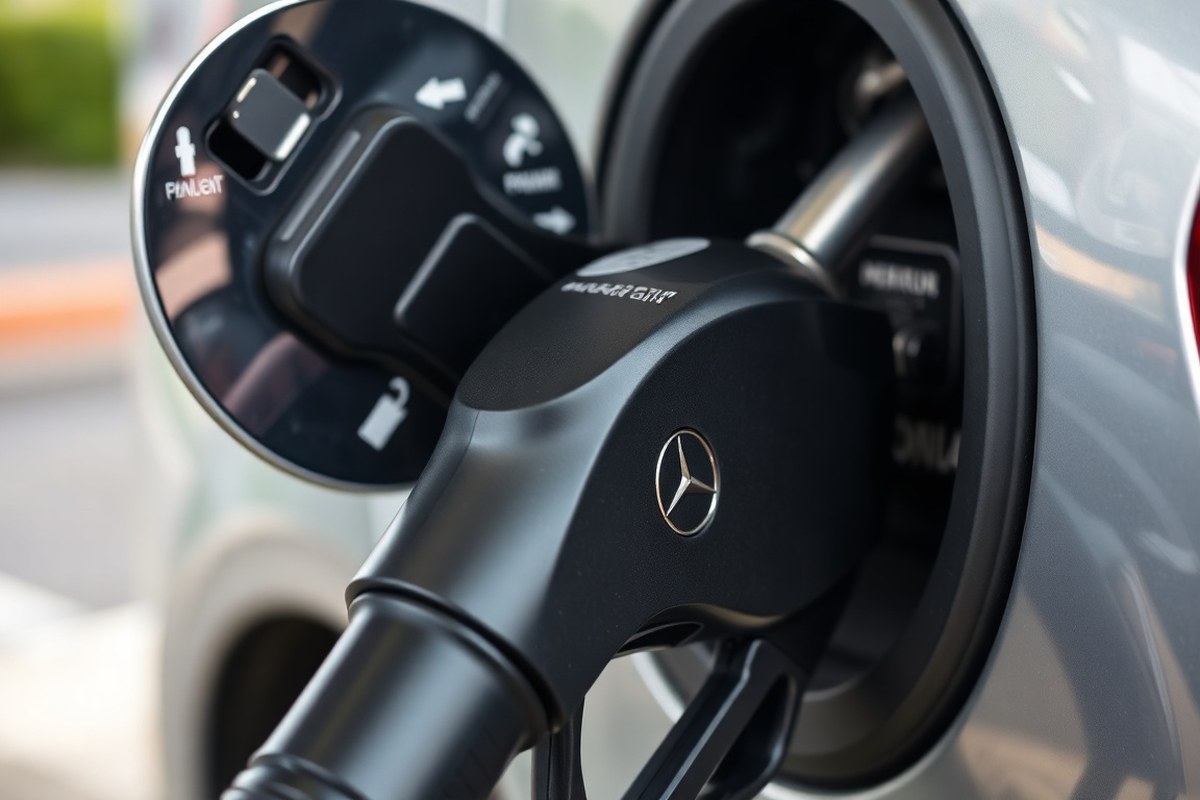
Do Mercedes need premium gas? Yes, all gasoline-fueled Mercedes-Benz vehicles require premium gas with an octane rating of 91 or higher.
This is necessary to keep their engines running smoothly and efficiently. Using the right fuel helps prevent engine knock and preserves optimal performance.
Mercedes engines are designed to work best with premium unleaded gas. That’s because their high-performance engines need the higher octane to avoid premature combustion. Using regular gas can make your engine lose power.
It might also cause damage over time. Avoid using it often.
Always check your owner’s manual to confirm the fuel requirements for your specific Mercedes model. Use regular gas in a pinch only.
Try to keep it under 20% of your fuel mix. Stick with premium whenever possible to keep your car running great.
Key Takeaways
- All Mercedes-Benz gasoline engines require premium gas rated 91 octane or higher.
- Using regular gas can reduce horsepower by up to 15% due to knock sensors.
- Check your owner’s manual to find the exact fuel recommendation for your model.
- Mix no more than 20% regular gas with 80% premium. This helps protect your engine from damage.
- Premium gas improves fuel economy by 1, 2 miles per gallon, offsetting some cost.
- The AMG 63 S E Performance needs the highest octane due to its power output.
Do All Mercedes-Benz Vehicles Require Premium Gas?
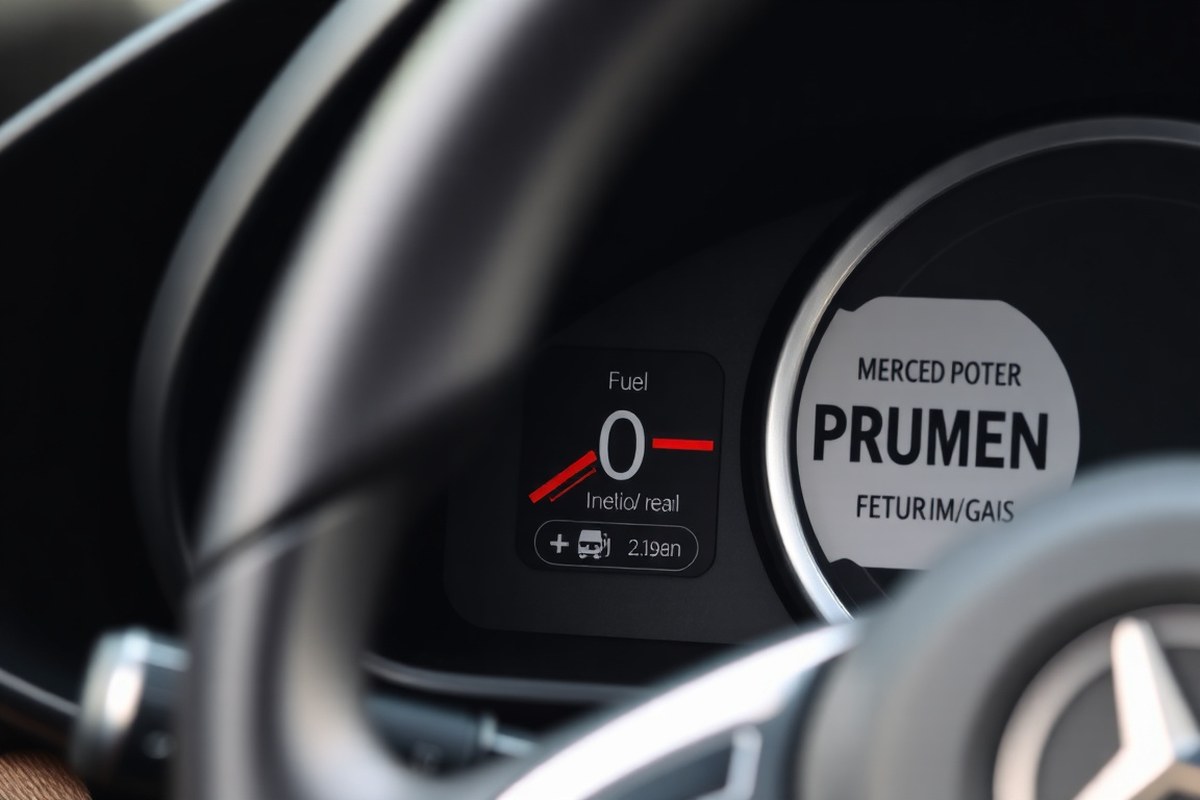
Most Mercedes-Benz vehicles need premium unleaded gasoline. This usually means an octane rating of 91 AKI or higher. This higher octane rating helps their engines run at peak performance and avoid knocking.
Using regular gas is only okay if the owner’s manual allows it. This should be a temporary fallback only.
Some exceptions exist, mainly for models with less powerful engines or older versions. For example, some A-Class compacts and older C-Class models might run on midgrade fuel. Others might handle regular fuel as well.
However, the exact fuel requirement depends on the model year and engine type. So you should always check your owner’s manual.
High-performance AMG models, especially the AMG 63 S E Performance, demand the highest octane fuel available. These cars produce up to 791 horsepower. They create extreme engine pressure that requires premium gas.
Premium gas helps prevent damage and keep power. Using lower-grade gas can reduce performance by up to 15%. It also risks long-term engine wear from knocking.
Your best move is to reference a decision guide according to engine type and model year. From roughly 2015 onward, most V8 and turbocharged engines strongly require premium fuel. Some four-cylinder engines before 2010 might tolerate midgrade without immediate issues.
Regular gas in cars made for premium causes the engine computer to change ignition timing. This reduces power and fuel economy.
Here’s a simple test: check inside your gas tank lid or owner’s manual. Look for fuel recommendations there. It usually says “premium unleaded required” or “premium recommended” with an octane number like 91 or 94.
Your manual says “premium recommended,” so midgrade might be okay in a pinch. Regular gas is still not advised.
If it says “premium required,” always use premium gas. This keeps your engine safe and performs well.
Fuel costs vary by grade. Premium gas typically costs 30 to 50 cents more per gallon than regular. Using premium where needed can improve fuel economy.
This might balance the higher fuel cost somewhat. Paying less with regular gas might save money short term. But it often leads to worse fuel efficiency and engine strain over time.
For older Mercedes-Benz models, the situation can vary more. Some early 2000s models allowed regular or midgrade, but most post-2010 vehicles recommend premium.
Engines with direct injection and turbocharging especially benefit from the higher octane. In short, skip guessing and always confirm your exact model and engine’s fuel needs.
Why Does Mercedes Benz Recommend Premium Gas?
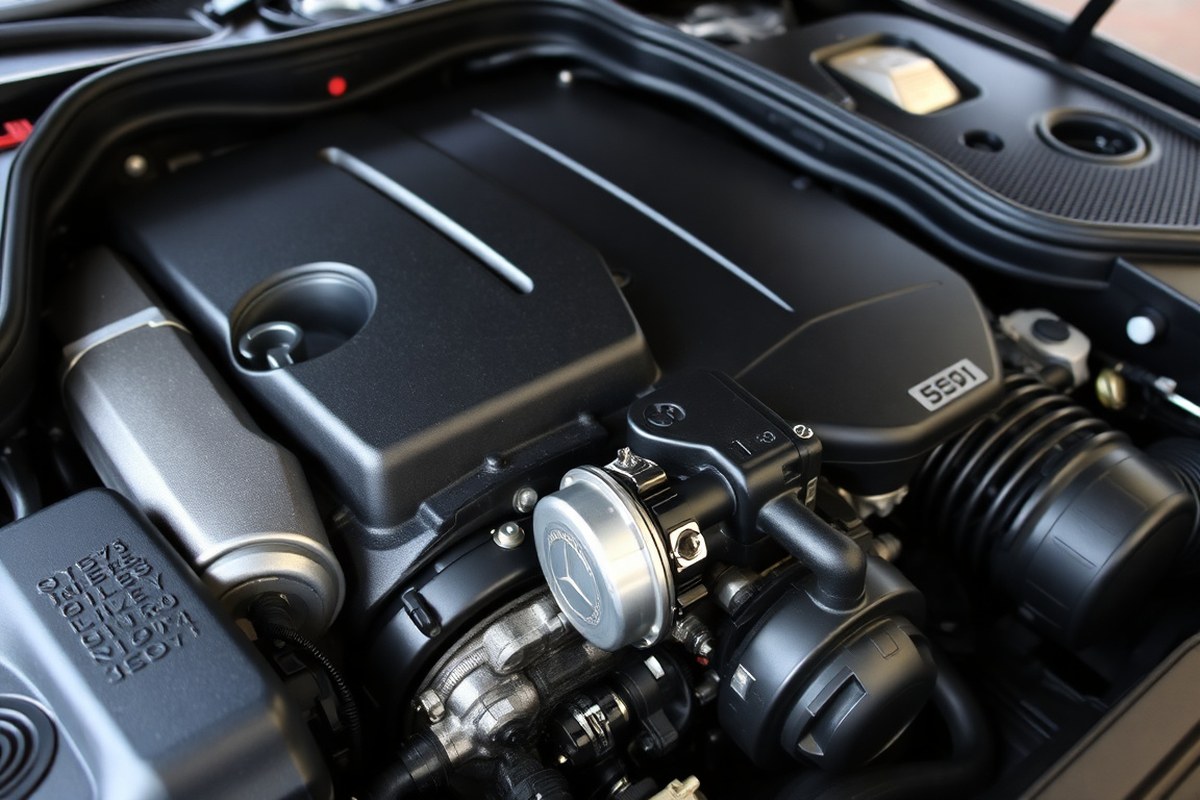
Mercedes engines need premium gas because they are built for high compression. High compression means the air-fuel mixture gets squeezed more tightly inside the cylinders. Premium gas has a higher octane rating, usually 91 or above.
It stops fuel from igniting too early. This helps under engine pressure.
The octane rating shows how much a fuel resists knocking or pinging. Knocking happens when the air and fuel ignite before the spark plug fires.
This causes vibrations that can damage pistons, valves, and other engine parts. Using premium gas reduces this risk, protecting your engine over time.
Premium gas allows your Mercedes to run at full power and efficiency. Lower octane fuels make the engine’s computer reduce performance to avoid knock. This lowers acceleration and hurts fuel economy.
Using regular gas often causes less smooth acceleration. You may also get higher fuel use. The engine isn’t running as it should.
Mercedes engines need stronger, more stable fuel. This keeps combustion controlled at high heat. The fuel handles high pressure better.
Proper combustion means the engine burns fuel thoroughly and consistently. That helps the car accelerate quickly, achieve better gas mileage, and avoid overheating or premature wear.
Your engine works best on 91 octane premium or higher. This follows your manual’s recommendation. Sticking to this fuel keeps performance strong.
What Happens If You Use Regular Gas in a Mercedes-Benz Engine?
Using regular gas in a Mercedes-Benz engine designed for premium typically won’t cause immediate serious damage. The engine might knock or ping at high speeds. Regular gas has a lower octane rating.
That can cause problems for your engine. Knocking happens when fuel burns too early inside the engine.
This early ignition can damage engine parts over time. It’s best to avoid it.
Some models, like the 2024 C-Class Sedan, allow 87 octane gas sometimes. Use it only if premium fuel isn’t available. Don’t rely on regular gas.
In those cases, it’s fine to fill up once or twice with regular gas. You’ll notice less power and worse fuel efficiency.
The engine timing changes to stop knocking. This adjustment hurts how well your car runs.
Use premium gas as soon as possible if you use regular by mistake. Drive gently and avoid hard acceleration to reduce knocking risk. A scan tool can read knock sensor data to check for damage.
Continued use of regular fuel may cause long-term damage like valve wear or other combustion-related issues. It can also decrease fuel economy since the engine can’t run at its most efficient timing. Your owner’s manual might say premium fuel is “recommended.”
Your car can use regular gas but won’t perform its best. Premium helps the engine reach full power.
Older naturally aspirated models tolerate regular gas with minor performance setbacks but prefer premium for smoothness. Turbocharged engines especially need premium to avoid knocking and damage. Staying with premium keeps your Mercedes running optimally and protects the engine from stress over time.
How to Check Your Mercedes Model’s Fuel Requirements
How to Check Your Mercedes Model’s Fuel Requirements
To see if your Mercedes needs premium gas, look inside the fuel flap. Check the owner’s manual too. These sources give the right fuel info.
These sources give you the exact fuel grade and minimum octane rating for your model. You can also use online tools with your vehicle identification number (VIN) for confirmation.
Owner’s Manual Fuel Section
The fuel section in your owner’s manual tells you which fuel to use. Look for notes about premium gas or a minimum 91 AKI rating. This info guides your fuel choice.
Look under chapters titled “Fuel Requirements” or “Vehicle Specifications.” They explain octane ratings and any temporary fallback options.
Read carefully if your manual says “premium recommended” versus “premium required.” The difference affects which fuels you safely can use.
Fuel Filler Flap Labels
The label inside the fuel filler flap shows your car’s fuel needs. It’s an easy spot to find fuel info quickly.
It usually states the minimum octane rating and the preferred fuel type. Always read it before filling up.
This label may also mention temporary fallback fuel grades if available. Some Mercedes models have stickers that specify 91 or 93 AKI premium gas.
Check the label for any warnings or special instructions. Missing or faded labels mean you should check the owner’s manual. You can also use a VIN lookup to find the correct fuel type.
- Minimum octane rating for your engine
- Premium fuel can be either recommended or required by your car. Your owner’s manual will show this clearly.
- Temporary fallback fuel grades if allowed
- Warnings against using lower octane fuel
- Instructions about additives or fuel types
VIN Lookup and Online Resources
Use your car’s 17-character VIN to confirm fuel requirements on official Mercedes-Benz websites. Enter your VIN on the owner portal for precise details. This helps if your manual is lost or unclear.
Several Mercedes dealer websites and third-party services can decode your VIN for fuel info. This tool matches your exact model, engine, and production year.
VIN checks are free online and take only a minute. They provide the same trusted data you’d find in the manual or on the fuel flap.
When to Contact Dealer or Service Center
Contact your Mercedes dealer if you can’t find clear fuel info or notice conflicting instructions. Dealers can verify requirements using factory records or software.
Ask a dealer if your owner’s manual is old or for unusual models. This helps if you own a rare or modified Mercedes. Fuel specs might differ from standard manuals.
Dealers can also advise if you recently had engine changes affecting fuel needs. Their advice ensures you avoid damage or poor performance from wrong fuel.
Differences Between Premium, Regular, and Midgrade Gasoline
Gasoline comes in three main types based on octane ratings: regular, midgrade, and premium. Regular gasoline usually has an octane rating of 87. Midgrade is around 89.
Premium is 91 or higher. Higher octane means the fuel resists engine knocking better. So premium fuels suit high-performance engines, including most Mercedes-Benz models.
Aside from octane, additives in gasoline help keep engines clean and stable. Premium gas usually contains more detergent additives that prevent deposits on engine parts.
Stabilizers in premium fuel also maintain fuel quality longer, especially in hot or humid conditions. Regular gas has fewer additives, which might affect engine cleanliness over time.
The cost of premium gas can be 15 to 20 cents more per gallon than regular. Midgrade often costs slightly less than premium, but more than regular.
Fuel economy may improve slightly with premium gas in high-performance Mercedes engines. However, using premium in engines designed for regular gas doesn’t boost mileage much.
| Gasoline Type | Octane Rating (RON/AKI) | Average Cost per Gallon (USD) | Performance Suitability | Additives & Stability |
|---|---|---|---|---|
| Regular | 87 | Typically baseline price | Basic engines, some Mercedes base models | Fewer detergents, less stable over time |
| Midgrade | 89 | ~5 to 10 cents higher than regular | Moderate engine demand | Moderate additives concentration |
| Premium | 91 or higher | 15 to 20 cents higher than regular | High-performance, most Mercedes-Benz engines | More detergents, higher fuel stability |
Using premium gas in a suitable Mercedes-Benz engine means smoother power and less knocking. Mixing regular gas in cars needing premium can reduce performance and damage engines over time.
Your Mercedes may suggest premium fuel. Check the owner’s manual before using regular.
Never ignore your Mercedes-Benz’s recommended fuel type to avoid engine problems and maintain performance.
Can You Mix Regular and Premium Gas in a Mercedes?
You can mix regular and premium gas in a Mercedes, but it’s not ideal. To protect your engine, keep the mix close to 80% premium and 20% regular. This blend helps maintain the octane level needed for high compression engines.
Engine Sensor Adaptations
Mercedes engines have sensors that detect knocking or pinging from low octane fuel. These sensors adjust timing to protect the engine from damage. However, relying too much on this can reduce engine power and fuel efficiency.
The sensors don’t change the octane requirement; they only manage symptoms. Using a fuel with too low an octane can cause persistent knocking, even with sensor adjustment. That’s why mixing must keep premium gas levels high enough.
Recommended Mix Ratios
Keep your fuel blend mostly premium when you mix. An 80% premium to 20% regular ratio works best to maintain engine protection. Use 93 octane premium if that is the recommended grade.
Your fuel tank holds 16 gallons. Add about 13 gallons of premium. Then add 3 gallons of regular gas.
This way, the overall octane stays close enough to avoid knocking. This mix won’t protect as well as full premium. But it helps in a pinch.
Here are tips when mixing fuel for your Mercedes:
- Always fill premium gas first, then add regular if needed.
- Don’t mix more than 20-25% regular gas.
- Use premium octane recommended in your manual, usually 91 or 93.
- Mix only when out of premium and no refill option is close.
- Refill with full premium gas as soon as possible to restore protection.
- Avoid mixing if you notice engine knocking or reduced power.
When Mixing Should Be Avoided
Avoid mixing if your Mercedes engine requires premium gas to run safely. Mixing dilutes the octane level, increasing the risk of knocking and damage. High compression engines in Mercedes need stable, high-octane fuel.
Using regular gas a lot can cause buildup in your engine. This buildup harms how well your car runs. Avoid mixing fuels for a long time.
You use mixed or regular gas often? Change your fuel type.
Or ask a mechanic for advice. Protecting the engine outweighs saving a few cents on gas.
Understanding ‘Premium Recommended’ vs ‘Premium Required’ Labels
‘Premium recommended’ means the carmaker suggests using premium gas for the best engine performance. You can use regular gas occasionally without immediate damage. But it may reduce fuel efficiency and engine smoothness.
The engine management system might adjust. But prolonged use of lower-octane fuel can cause knocking or reduced power.
“Premium required” means your car needs premium gas. This avoids engine damage. It also keeps your warranty valid.
Legally and practically, you must use premium gas for these engines. Using regular gas in a “premium required” car is risky.
It can void your warranty. This happens if damage results.
For ‘premium recommended’ models, using regular gas won’t usually void the warranty outright. If engine damage happens, the maker may check your fuel. Using regular gas might cause a claim denial.
You must prove you followed fuel rules. To protect your warranty, follow your owner’s manual instructions.
Always check the gas pump’s octane rating before fueling. Stick to the recommended fuel type.
Using premium fuel costs more, about 20 to 50 cents extra per gallon. It helps the engine run cleaner and last longer. Paying more for premium gas can save you money later.
It helps avoid costly engine repairs. It also keeps your car’s fuel efficiency strong.
You used regular gas by mistake in a premium car. Avoid hard acceleration until you can refill with premium. Get premium gas at your next stop.
Most modern Mercedes have knock sensors to protect the engine temporarily. Still, repeated use of lower octane may cause damage that affects warranty coverage.
How to Respond If You Accidentally Use Regular Gas in Your Mercedes
You do not need to drain the tank immediately after filling your Mercedes with regular gas. Instead, focus on careful driving and keep an eye out for any performance changes. Scheduling a service soon after can help catch issues early.
Immediate Actions at the Pump
Stop filling as soon as you realize your mistake. Avoid topping off the tank with more regular gas. Then, switch to premium gas at your very next fill-up to reduce engine stress.
- Stop pumping fuel immediately when you notice the wrong grade.
- Do not add more regular gas beyond this fill-up.
- Drive gently to your destination without pushing the engine hard.
- Plan to refill with premium gas as soon as possible.
- Check the fuel gauge so you know how much regular gas remains.
- Note the odometer reading to track miles driven on the wrong fuel.
Do not try to drain the fuel tank yourself. It can be tricky and costly if done wrong.
Driving Tips After Filling
Keep your driving calm and steady for the next few hundred miles. Avoid rapid acceleration, heavy loads, and high speeds, which strain your engine on lower-grade fuel. Use cruise control if possible to maintain smooth speeds.
Watch for knocking or unusual noises from the engine. When you hear these sounds, slow down and plan to stop soon. Your engine’s sensors may manage the wrong fuel but keeping strain low helps protect it.
Professional Service Recommendations
Schedule a service appointment within 300 to 500 miles of using regular gas. Let the technician check your ignition system and fuel injectors for early signs of damage. They can also run diagnostics to see if any error codes appeared.
When your car has rough idling, low power, or warning lights, have it checked right away. Avoid trying advanced repairs yourself. A licensed Mercedes service center can safely flush and clean fuel system components if needed.
Cost and Performance Impact of Using Premium Gas in Mercedes
Premium gas often costs about 30 to 50 cents more per gallon than regular. You drive about 12,000 miles yearly with 25 MPG fuel economy. That means you use around 480 gallons of fuel each year.
Paying 40 cents extra per gallon means an annual cost increase around $190. That adds up, but it may impact how your Mercedes runs.
Your Mercedes typically gets better fuel efficiency with premium gas. Performance and acceleration also improve thanks to higher octane, which reduces engine knocking. These gains can give you a few extra miles per gallon.
That helps offset some of the extra fuel cost you face. A 5% fuel economy boost from premium gas saves about 24 gallons each year. This cuts some of the $190 extra cost you pay.
Using premium gas regularly may support your engine’s health long term. High-performance engines are designed for it, so premium helps avoid knock and deposit buildup. Premium gas can protect engine parts and keep injectors cleaner.
This might save you repair costs and keep your car’s value high. Skipping premium too often could reduce these benefits and possibly lead to earlier maintenance.
Balancing cost and performance depends on your model and driving habits. You likely need premium if you own a newer Mercedes with turbo or high compression engines. It’s probably worth the extra cost.
Older or base models may tolerate regular gas occasionally without big issues. Monitoring your car’s reaction when using different fuels is key. Keep premium gas as your main fill-up to avoid performance drops.
To save money while using premium, consider filling up when prices dip below average. Some stations sell premium cheaper during sales or off-peak hours. Keep your tire pressure at the recommended level.
Drive smoothly to improve fuel economy. This helps make premium use more affordable.
Track your fuel costs and car performance over time. This info helps decide if premium gas suits your budget and needs.
Step-by-Step Action Plan for Choosing the Right Fuel for Your Mercedes
Follow these steps to ensure your Mercedes runs smoothly with the right fuel. Check the fuel needs before filling up and watch for engine changes after fueling.
- Before your next fill-up: Check your owner’s manual for the recommended fuel type. You’ll know it worked if you find a clear fuel octane rating noted.
- At the gas station: Locate the octane rating on the pump label. Pick premium if your model requires it, or midgrade if recommended.
- After fueling: Start your engine and listen for knocking sounds. No knocking means you used the correct fuel.
- Week 1: Monitor your car’s fuel efficiency and response. Keeping steady mileage and smooth acceleration means the fuel choice suits your engine.
- If you accidentally used regular gas: Drive gently and refuel with premium at your next fill-up. No extended knocking or warning lights means no harm done.
- After 1 month: Compare your maintenance alerts. No unusual service messages suggest your fuel habits are on track.
Frequently Asked Questions
What Are the Risks of Using Regular Gas Repeatedly in a Mercedes?
Using regular gas often in a Mercedes designed for premium can lower performance. It may reduce horsepower by up to 15% and harm fuel efficiency. Over time, this can cause extra wear on the engine’s components and shorten its life.
Can Using Premium Gas Improve My Mercedes’ Fuel Economy?
Premium gas can help your Mercedes run more efficiently, especially if it requires high octane fuel. It allows the engine to operate with optimal timing, which can improve gas mileage slightly. However, gains vary by model and driving habits.
Are There Specific Mercedes Models That Allow Regular Gas Safely?
Yes, a few Mercedes models can safely use regular gas. These typically have engines tuned for lower octane fuel. Check your owner’s manual to see what fuel your Mercedes needs.
Also, check the label on the fuel door. This will tell you if premium gas is required.
How Do I Know If My Mercedes Needs “Premium Required” Versus “Premium Recommended”?
“Premium required” means you must use high-octane gas to avoid damage. “Premium recommended” means premium gas improves performance but regular won’t cause immediate harm. Check your owner’s manual for your exact model’s rating and follow the advice there.
Is It Okay to Mix Regular and Premium Gas in My Mercedes Occasionally?
You can mix gas types in emergencies only. Make sure at least 80% of the fuel is premium. This helps prevent engine knocking.
Frequent mixing isn’t ideal since it can reduce performance and fuel economy. Use premium gas as soon as possible for the best results.
Key Points to Remember
Mercedes vehicles often perform best with premium gas, especially those with high-performance engines. Using the correct fuel helps protect your engine and maintain power. Double-check your manual, and fuel accordingly to keep your Mercedes running its best.