
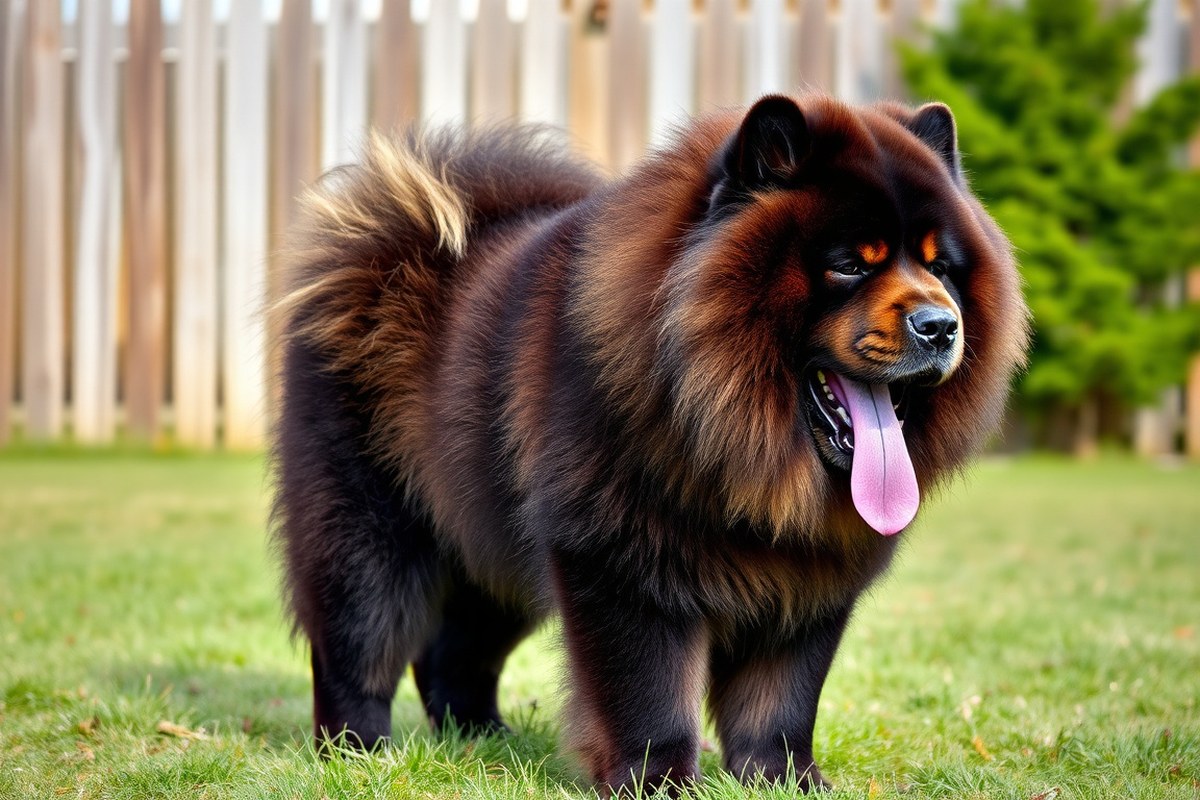
How Fast Can a Chow Chow Kill You? Clear Risks and Safety Tips
How fast can a Chow Chow kill you depends on the severity of the attack. A Chow Chow bite can cause serious harm very fast. It is worse if it hits a major artery.
A bite to the throat is also very dangerous. Immediate medical help is critical to prevent fatal outcomes.
The bite force of a Chow Chow is strong enough to cause deep wounds quickly. Their thick fur can hide injuries.
So look for bleeding, swelling, or trouble breathing after a bite. Quick action includes applying pressure to stop bleeding and calling 911 right away.
Not every Chow Chow attack leads to death, but timing is key. Watch for warning signs like growling, stiff posture, or raised hackles before a bite happens. Recognizing these signs early can stop an attack and save lives.
Key Takeaways
- A Chow Chow bite can become deadly within seconds if untreated.
- Apply firm pressure to bite wounds immediately to control bleeding.
- Call emergency services as soon as a severe bite occurs.
- Watch for warning signs such as growling or stiffening body language.
- The Chow Chow’s strong bite force makes quick injury assessment essential.
- A bite near the neck or important areas increases fatal risk rapidly.
How Fast Can a Chow Chow Kill You in an Attack?
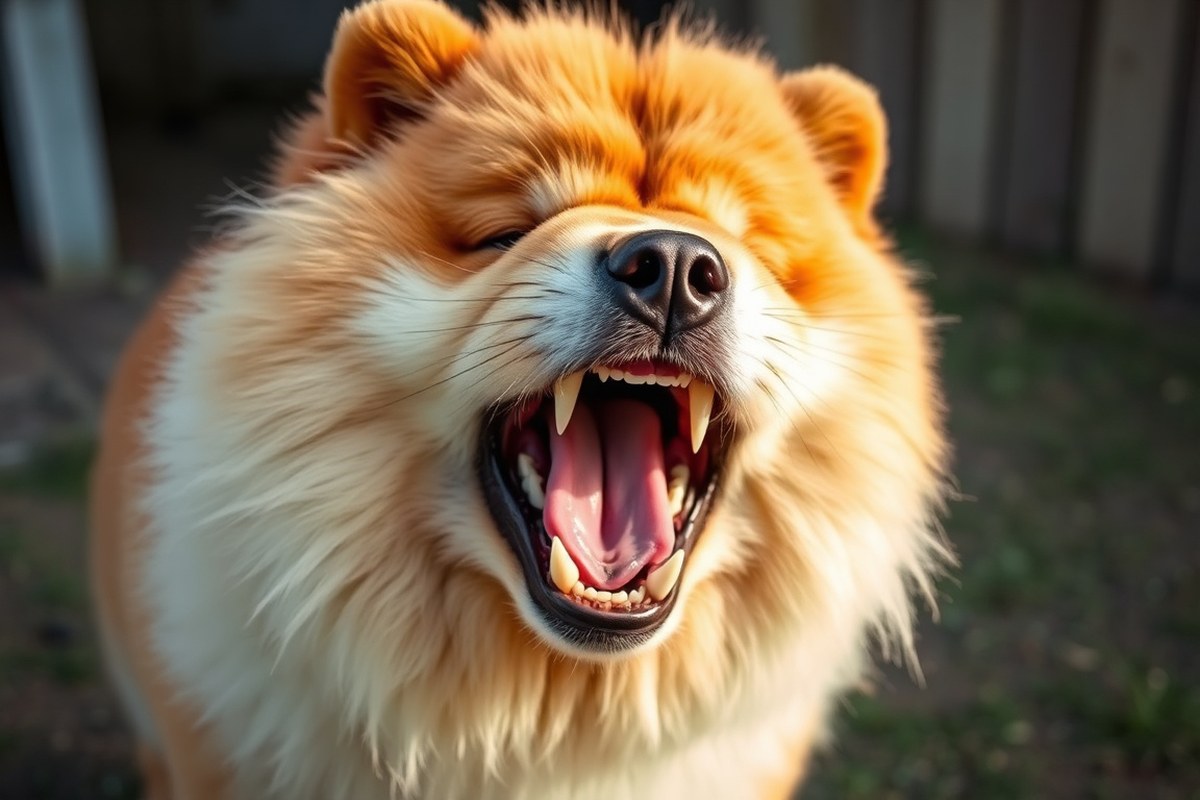
A Chow Chow can cause fatal injuries in a matter of minutes during an attack. Their strong jaws and powerful bite can seriously damage important areas like the neck or throat.
Death might not be immediate. But severe blood loss or airway blockage can quickly lead to unconsciousness and fatality.
Instant death from a Chow Chow attack is rare but not impossible. A dog bite to an artery or windpipe can stop blood flow. It can also stop breathing immediately.
This damage needs urgent attention. Death often happens in a few minutes without quick help.
Controlling bleeding or breathing quickly is critical. Delays can be deadly.
No clear records show the fastest fatal Chow Chow bite. Exact timing for these attacks isn’t well documented. Cases vary widely.
Chow Chows have a strong bite force over 200 psi. Their muscular bodies can cause serious injuries quickly.
This makes fast fatal wounds likely. An aggressive Chow Chow that feels threatened can end a life very fast without warning.
What Factors Influence How Dangerous a Chow Chow Bite Is?
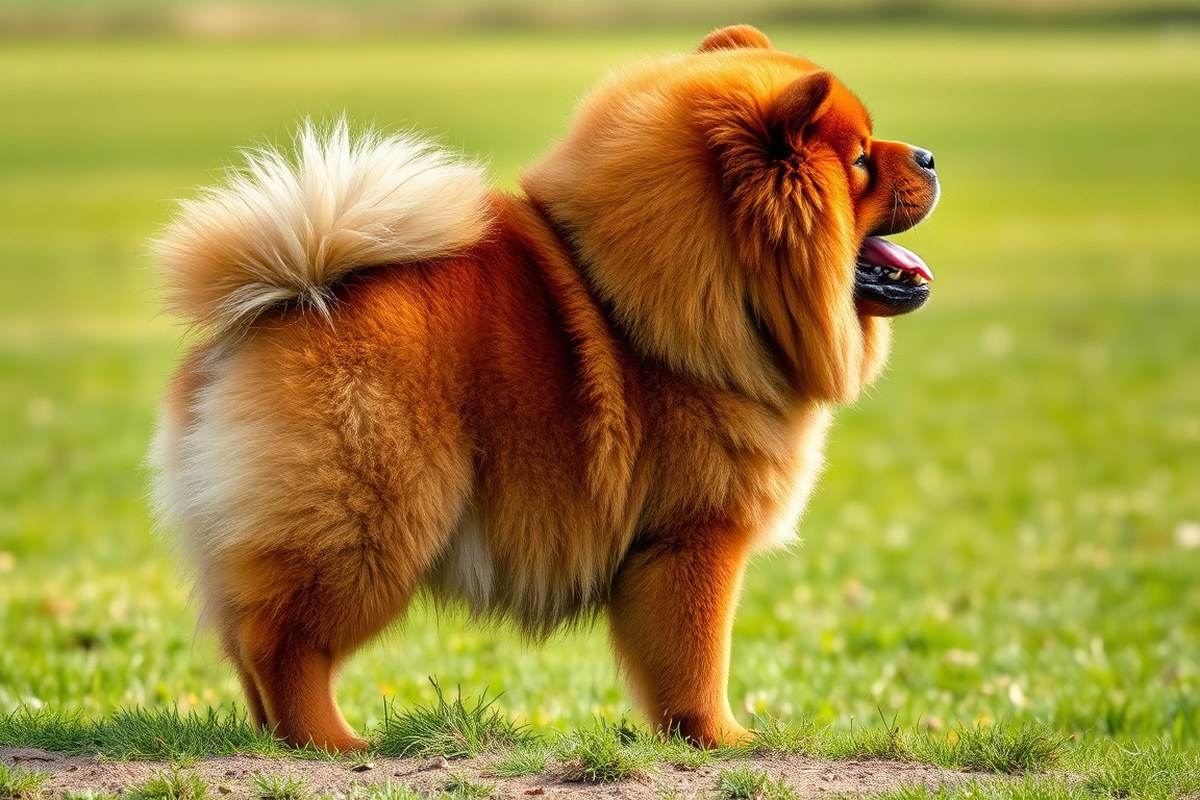
Chow Chows have a strong bite force like other powerful breeds. Estimates show it ranges from 220 to 300 pounds per square inch (psi). This is quite strong for a dog their size.
This range can cause serious injury because it can crush bone and tear tissue quickly. However, size, age, and health also affect bite impact and how fast injury occurs.
Young or elderly Chow Chows usually have less jaw strength than healthy adults. A bigger, well-fed adult Chow Chow naturally has more power in a bite.
Illness or dental problems can weaken their bite force. These physical factors influence how dangerous a bite is and how fast it can cause harm.
| Factor | Effect on Bite Danger | Details |
|---|---|---|
| Bite Force | High | 220, 300 psi can cause bone breaks or deep wounds |
| Size | Moderate | Larger Chow Chows usually pack more bite power |
| Age | Variable | Young and senior dogs have reduced bite strength |
| Health | Variable | Poor health or dental issues lower bite force |
| Behavioral Traits | High risk | Poor socialization increases aggression risk |
Chow Chows with poor socialization and training show higher aggression risks. Dogs feeling threatened or cornered are more likely to bite quickly and hard.
Some unscrupulous breeders worsen this by passing on aggressive traits. Good socialization from puppyhood helps the dog stay calm around people and animals.
Respecting a Chow Chow’s space is key. The dog may react aggressively when it feels stressed or trapped. This reaction is often a defense mechanism.
Parents should supervise kids interacting with Chow Chows and teach them to avoid sudden moves. This reduces situations where bites might escalate quickly.
Avoid forcing contact if your Chow seems uncomfortable; it can trigger a sudden bite.
How Does a Chow Chow’s Temperament Affect Attack Risk?
Chow Chows are often protective rather than openly aggressive by nature. Their temperament tends to be independent and loyal.
But they need early socialization to reduce aggression risk. Watching for certain personality signs helps predict how they may behave in stressful situations.
Temperament Characteristics of Chow Chows
Chow Chows have a strong protective instinct, making them wary of strangers. They usually do not seek out aggression but can become defensive quickly. This breed values loyalty and may prefer fewer close human relationships than some other dogs.
They are independent thinkers, so training requires patience and consistency. They don’t tolerate rough play well, especially from small children who might be too unpredictable. Their independence means they might ignore commands if they feel threatened or unsure.
Socialization Stages Affecting Aggression
Socialization plays a big role in whether a Chow Chow shows aggressive behavior. Puppies need exposure to different people, pets, and environments by 3 to 14 weeks old. Positive experiences during this time teach them to handle new situations calmly.
Lack of early socialization can lead to fear-based aggression later in life. It’s important to introduce stimuli gradually and reward calm responses with treats or praise. Regular, supervised interactions with children are especially helpful.
- Start socializing by 3 weeks old for best results
- Expose to various sights, sounds, and people daily
- Use treats to reward calm behavior during new experiences
- Avoid forcing interactions that scare the puppy
- Continue socialization through adolescence for 6 months or more
Keeping these stages consistent prevents many aggression problems. Socialization takes time but costs only effort and patience. Good socialization results in a more confident, less fearful adult dog.
Predicting Aggression from Early Behavior
Some early personality signs can hint at future aggression in Chow Chows. Watch for stiff body language, growling, or snapping when approached. These behaviors show the dog feels threatened or uncomfortable.
Dogs that avoid eye contact or freeze when stressed also need careful observation. Calm acceptance of handling and strangers is a good predictor of friendly behavior. If your dog shows repeated aggressive signals early on, get help.
You should seek professional advice. This rule helps prevent problems.
What Are the Warning Signs Before a Chow Chow Attacks?
Before a Chow Chow attacks, it often shows clear warning signs through body language and behavior. Watching for these cues helps you avoid danger by acting early. You should learn how to spot tension, fear, or aggression and know when to step away.
Common Visual Cues of Aggression
A Chow Chow getting ready to attack usually shows obvious signs like growling or snapping. Its head might lower, ears flatten, and eyes narrow. You might see the dog stare fixedly or lunge forward suddenly.
Other visual signals include raised hackles along the neck and back. The dog may bare its teeth or curl its lips. Pacing or stiffening its body also warns of aggression.
Behavioral Signs of Discomfort or Stress
A tense or scared Chow Chow might avoid eye contact or try to hide. It could pace nervously, shake, or whine quietly. The dog might also lick its lips or yawn repeatedly to show stress.
Recognizing discomfort helps prevent escalation. Signs like tail tucked low, ears back, or decreased movement mean the dog feels unsafe. These warnings often come before outright aggression.
- Growling or snapping
- Fixated, narrow eyes
- Flattened ears and lowered head
- Raised hackles and stiff body
- Tucked tail and lip licking
- Pacing or hiding
- Repeated yawning or whining
These behaviors often appear in combinations and may change quickly. Knowing them allows you to act before the dog reaches a breaking point.
Immediate Actions When Signs Appear
When you see any warning signals, keep calm and avoid sudden moves. Slowly put distance between yourself and the dog without turning your back. Avoid direct eye contact, which can challenge the dog.
When the dog is with someone, ask them to control or remove it. Move to a safe spot like behind a barrier or room door.
Don’t try to pet or grab the dog now. This could trigger an attack.
Always trust your instincts. When a Chow Chow acts scared or aggressive, walk away at once. Intervening too late puts you at risk for a serious bite or worse.
Immediate Steps to Take If Attacked by a Chow Chow
Reacting quickly and calmly helps you stay safer if a Chow Chow attacks. Protecting your head and neck lowers the chance of the dog causing lethal injuries. Avoid screaming or sudden moves, which might make the dog more aggressive.
You may want to use objects nearby to shield yourself, such as a backpack or jacket. You can try pushing the dog’s snout to distract it. Only do this carefully.
Make sure you feel safe before trying it. After the attack, getting medical help fast reduces serious harm from bites.
- Stay calm and avoid eye contact with the dog to lower aggression.
- Protect your face, neck, and chest by curling into a ball or using your arms.
- Use any item like a bag or coat to keep the dog’s mouth away from you.
- Try pushing the dog’s snout gently to create space. Only do this if it feels safe.
- Call for help loudly or from your phone once the dog backs off.
- Apply direct pressure with a clean cloth on bite wounds to stop bleeding.
- Clean bite wounds gently with soap and water if you can, without causing pain.
- See a doctor immediately to prevent infection and check for rabies risk.
Quickly covering your neck and face can save your life during an attack.
How Training and Socialization Reduce Fatal Attack Risks
Training and socializing a Chow Chow early and consistently lowers the risk of aggressive behavior. These dogs need clear guidance and regular exposure to people and other animals. You can reduce bad incidents by using positive methods and managing their natural stubbornness.
Socialization Phases and Milestones
Start socializing your Chow Chow puppy between 3 and 14 weeks old. This period is critical because their brains are more open to new experiences. You want to introduce them gently to different people, noises, and environments.
Keep the new experiences positive and short to avoid stress. Visit neighbors, parks, and pet-friendly stores regularly. A well-socialized Chow Chow feels less threatened and less likely to lash out.
- Introduce puppies to various ages and ethnicities of people
- Expose them to common sounds like traffic and vacuum cleaners
- Allow safe encounters with calm dogs and household pets
- Take them to different outdoor settings, weather conditions
- Practice gentle handling and grooming early
- Reward calm and curious behavior with treats
Socialization should continue through adulthood. Try new experiences regularly to maintain your dog’s confidence. Avoid forcing your Chow Chow into scary situations, which may cause fear or aggression.
Positive Reinforcement Training Strategies
Focus on rewarding good behavior instead of punishing bad habits. Use treats, praise, and toys to teach commands like sit, stay, and come. Short sessions of 10 to 15 minutes work best for Chow Chows, repeated daily.
A consistent routine helps your dog understand expectations. Avoid harsh corrections, which often lead to distrust or fear. Instead, redirect unwanted actions gently and reward alternative positive behavior.
Many owners find clicker training helpful for clear communication. This method marks good behavior instantly and encourages learning. Training costs mostly your time and a few dollars for treats or clicks.
Managing Dominant or Stubborn Tendencies
Chow Chows often act independent or dominant, so patience is key. Establish yourself as the leader with calm, confident commands and boundaries. Don’t let your dog dictate playtime or mealtime routines.
Consistency matters most when setting rules. Everyone in the household should apply the same commands and limits. Use the “if-then” rule to guide your Chow’s behavior.
If your Chow behaves well, then they get a treat. Or they get some playtime.
- Ignore attention-seeking bad behavior to avoid reward
- Set fixed times and places for feeding and resting
- Provide daily exercise and mental challenges to reduce boredom
- Use a firm but gentle tone without yelling
- Enroll in obedience classes for extra support if needed
Without consistent limits, a Chow Chow may become protective or stubborn. Training helps balance their personality, making them safe companions. Regular rules and rewards strengthen your relationship and lessen attack risks.
Differences in Attack Severity Based on Chow Chow’s Environment
Chow Chows living in urban areas often show more aggression. Tight spaces, noise, and crowds can stress them. This stress may increase attack severity.
Stressful environments trigger defensive behavior. Loud noises, traffic, or confined yards affect a Chow’s mood. Stress can cause unpredictable, harsher attacks.
Other pets and children play a big role too. Chow Chows can be territorial, especially with animals they don’t know. Kids may accidentally provoke a dog, raising attack risk.
Here’s a table comparing attack severity based on different environments:
| Environment | Common Stressors | Effect on Aggression | Attack Severity |
|---|---|---|---|
| Urban Apartment | Noise, limited space, strangers nearby | High stress, quick to react | Severe, sudden attacks possible |
| Suburban Home | Moderate noise, yard space, family pets | Lower stress, more socialization | Moderate severity, warning signs clearer |
| Rural Area | Quiet, large outdoor space, fewer strangers | Low stress, calmer behavior | Less severe attacks, slower to escalate |
To help reduce aggression in urban settings, give your Chow enough daily exercise. A tired dog manages stress better. Take at least one hour of walks daily, and add playtime.
If your Chow shares space with other pets or kids, watch their interactions closely. Never leave young children alone with your dog. Train your Chow to tolerate other animals gradually using treats and calm voice commands.
People in quieter, spacious environments usually report calmer Chows. More space lets the dog feel safe. This lowers the chances of sudden aggressive acts.
Stress signs like pacing, growling, or stiff posture warn of possible attacks. Spotting these early helps prevent severe bites. Training them to respond to commands even in tense situations reduces risk.
Common Myths and Mistakes About Chow Chow Aggression
Not all Chow Chows are dangerous. Some have calm and friendly temperaments. Labeling the whole breed aggressive based on a few dogs is unfair and misleading.
Punishing a Chow Chow for aggressive behavior often backfires. It can increase fear or anger, making the problem worse. Using harsh methods also damages trust between you and your dog.
Aggression is not unavoidable in Chow Chows. Many grow up well behaved with the right training and socialization. How you raise and interact with your dog plays a bigger role than breed alone.
- Teach basic obedience commands like “sit,” “stay,” and “come” early.
- Socialize your Chow Chow with people and other dogs gently and often.
- Avoid physical punishment or yelling to correct bad behavior.
- Watch your dog’s body language closely for early stress signs.
- Keep your dog’s routine consistent to reduce anxiety.
- Use positive reinforcement like treats and praise for good behavior.
- Ask a professional trainer for help if aggression appears.
Many owners mistake stubbornness or aloofness for aggression. Chow Chows can seem distant but often just prefer quiet time. Misreading these signs can lead to unnecessary force or harsh training.
Another common error is ignoring warning signals. Growling, stiff body posture, or raised hackles mean your dog is uncomfortable. Preventing attacks means acting early, not waiting for a bite.
React calmly to warning signs without punishment to lower attack risks effectively.
Some owners think aggression is a natural trait they must accept. However, neglecting training and socialization raises the chance of aggressive acts. A well-raised Chow Chow can behave safely around others.
When to Seek Professional Help with a Problematic Chow Chow
Watch for aggressive behaviors like growling without cause, lunging, or biting attempts. Your Chow Chow showing fear-based snapping needs professional help. 2 | Check for trainers with CPDT-KA credentials.
Also, look for AVSAB certification. These show they know how to handle your dog’s behavior. 3 | Aggression getting worse after training means more help is needed.
A veterinary behaviorist can check for medical issues or offer medication. These signs mean your dog may pose a serious risk to people or other pets.
Contact a certified dog trainer or a veterinary behaviorist experienced with Chow Chows. Look for credentials like Certified Professional Dog Trainer-Knowledge Assessed (CPDT-KA) or certification from the American Veterinary Society of Animal Behavior (AVSAB). Avoid trainers who use shock or harsh punishment methods, as they can worsen aggression.
- Repeated unprovoked biting or snapping
- Fear- or anxiety-driven aggression
- Growling that escalates when approached
- Resistance to normal handling or grooming
- Aggression triggered by food or toys
- Sudden aggression in a well-socialized dog
Professionals use behavior modification, desensitization, and counter-conditioning to change your dog’s responses. Training often includes controlled exposure to triggers while teaching calm behaviors. Treatment may take weeks or months and involves plenty of practice and patience.
The cost varies widely but expect $75 to $200 per session. Some vets offer behavior consultations starting around $150. You might need follow-ups.
So plan a budget and schedule that fits your dog’s needs. A good result means your dog reacts calmly in previously stressful situations without threatening anyone.
Do not delay if your dog bites or shows repeated aggression. Early intervention prevents incidents and improves your dog’s quality of life. If aggressive behavior worsens despite training, a veterinary behaviorist can evaluate medical causes or prescribe medication.
Step-by-Step Safety Plan for Living with a Chow Chow
Follow this plan to reduce risks and keep your Chow Chow safe and calm. Check each step’s result before moving on.
- Day 1: Watch your Chow Chow closely. Learn their normal behavior. Look for stress or discomfort signs. You’ll know this worked when you spot its normal mood and body language.
- Week 1: Start gentle socialization by introducing your dog to new people and places slowly. Success means your dog stays calm around strangers and new environments.
- Week 2: Practice basic commands like “sit” and “stay” daily. You’ll see progress when your Chow Chow obeys these commands without hesitation.
- Week 3: Set clear boundaries by not allowing rough handling or aggressive play. The dog should respond with calmness rather than excitement or fear.
- Month 1: Watch for any warning signs like growling or stiff posture. Step back and give your dog space if these show up. The goal is fewer signs over time.
- Month 2: Arrange supervised interactions with other calm dogs. A positive response means no growling, biting, or fear reactions during these meetings.
- Ongoing: Maintain regular vet check-ups to rule out pain or illness that may affect behaviour. Healthy dogs usually show fewer aggression problems.
- Anytime: Get help from a professional trainer or behaviourist if signs of aggression remain. You’ll know this step’s worth it when your dog shows safer, relaxed behaviour.
Frequently Asked Questions
How Quickly Can a Chow Chow Inflict Fatal Injuries During an Attack?
A Chow Chow could cause fatal injuries within minutes if severe bites hit critical areas. It depends mostly on where the dog bites and how fast medical help arrives.
Can a Chow Chow Kill with Just One Bite?
Yes, a single severe bite to a important area can be deadly. Immediate medical attention is important to prevent death in such cases.
Do Chow Chows Attack Faster Than Other Dog Breeds?
Chow Chows do not typically attack faster than other breeds. Their temperament and training heavily influence their likelihood to bite.
How Does the Victim’s Reaction Affect the Danger in a Chow Chow Attack?
Panic or sudden moves can escalate the dog’s aggression quickly. Staying calm and avoiding eye contact can reduce attack risks.
Is a Chow Chow More Likely to Kill an Adult or a Child?
Children are generally at higher risk due to their smaller size. Adults can defend themselves better and may survive attacks more often.
Final Thoughts
A Chow Chow can cause serious harm very quickly if it attacks. You need to watch for warning signs and act fast to stay safe. Start by observing your dog’s body language today to spot any risks early.





One Comment