
Does Gas and Diesel Mix or Separate: What Actually Happens and How to Handle It Safely
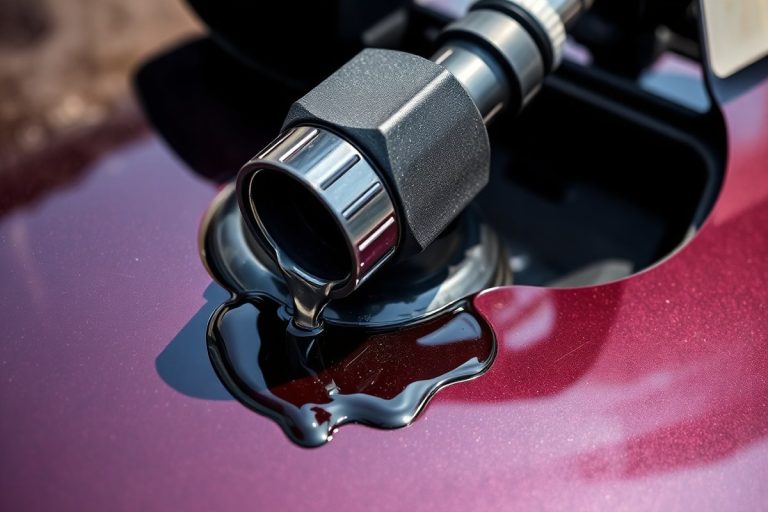
Does gas and diesel mix or separate when they get into the same tank? Yes, they do mix, but not very well. Diesel and gasoline don’t blend evenly because they have different chemical traits.
Diesel is heavier and thicker, so it tends to sit below the lighter gasoline. This uneven mix can cause trouble for your engine if the fuel runs through that way.
Diesel can clog spark plugs in gasoline engines, making it hard to start. Gasoline in a diesel engine reduces lubrication and can damage the fuel pump and injectors.
If you spot even a little mix-up, avoid running the engine too long. Check the fuel level.
Don’t fill up until you fix the problem or drain the tank. Watching for rough engine running is a simple, useful first step after contamination.
Key Takeaways
- Gasoline and diesel mix but separate quickly because of density differences.
- Diesel settles below gasoline due to its heavier, oilier nature.
- Small gasoline splashes under 1% usually don’t cause immediate engine damage.
- Contamination over 2% begins to lower fuel performance noticeably.
- Running engines with mixed fuel risks rough operation and component harm.
- Stop using the vehicle immediately if you suspect mixed fuel.
Do Gasoline and Diesel Mix or Separate in the Fuel Tank?
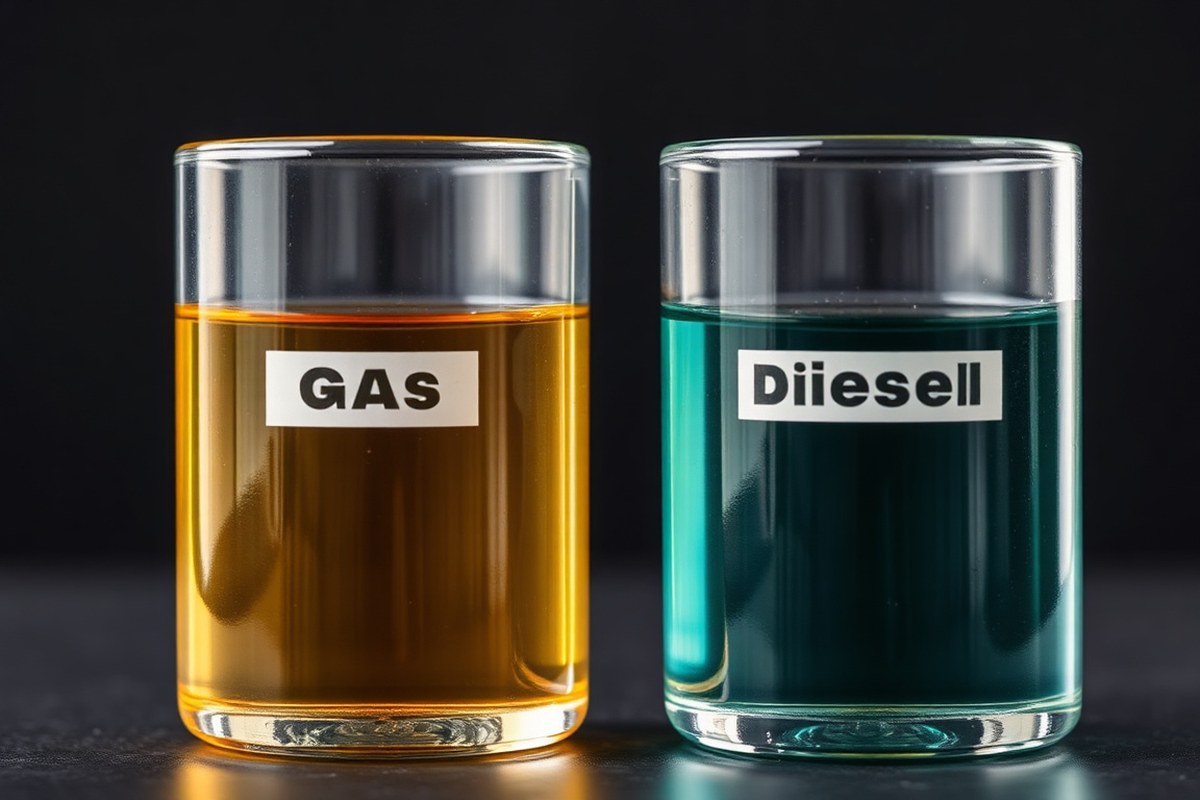
Gasoline and diesel do not fully mix into a stable, uniform blend inside a fuel tank. Instead, they make a temporary mix that looks combined at first. This mix will separate over time.
Diesel is denser and heavier than gasoline, so it settles. Over time, diesel tends to settle towards the bottom while gasoline remains on top.
Some people say diesel sinks or floats in gasoline based on its weight and density. Diesel’s higher density means it will settle below gasoline if left undisturbed. However, shaking or moving the fuel can remix the layers temporarily, making the mixture look homogeneous.
Gasoline and diesel have similar traits, unlike diesel and water. They still don’t mix well because of their chemical makeup. This stops a true blend from forming.
Diesel is a heavier hydrocarbon fuel, and gasoline is lighter and more volatile. These characteristics cause them to separate rather than form a true solution.
Modern fuel formulations don’t change this basic behavior. But additives and improved refining make their properties more distinct. Engines are tuned to burn specific fuel types.
So even small diesel traces in gasoline can lower the octane rating and harm performance. A diesel contamination of about 2% can drop gasoline’s octane rating by one point.
In practice, mixing gasoline and diesel in a tank causes uneven combustion and damages engine parts. The physical state after contamination is a layered mix rather than a complete blend. Treat any fuel contamination as a serious issue right away.
Gasoline and diesel engines need the right fuel to run well. Using the wrong fuel can cause damage.
Key Differences Between Gasoline and Diesel Fuels That Affect Mixing
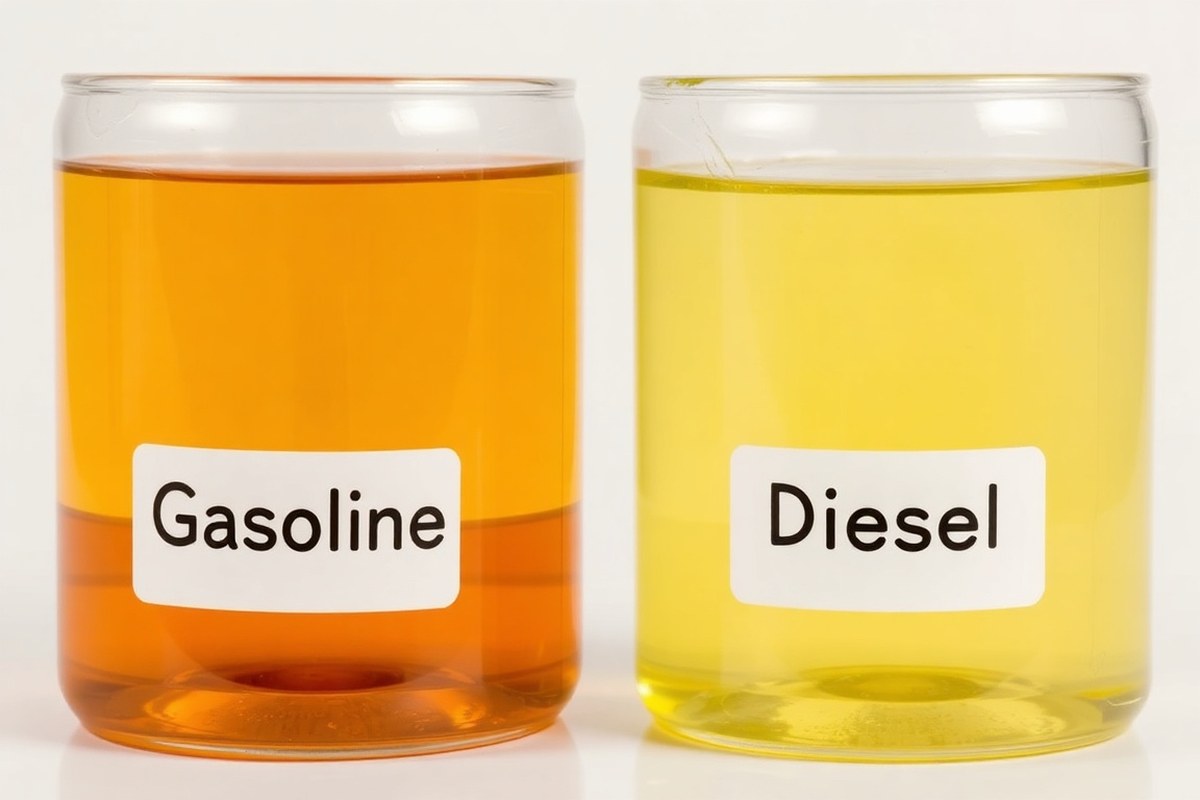
Gasoline and diesel differ in density, viscosity, and combustion traits. Diesel is denser and more viscous, making it heavier with a thicker texture. Gasoline is lighter and thinner, which affects how they behave when mixed or used in engines.
Density and viscosity influence how fuels flow and atomize in engine systems. Diesel’s thicker nature suits high-compression engines needing slow, steady fuel burn. Gasoline’s thin form vaporizes quickly, ideal for spark ignition engines needing rapid combustion cycles.
| Fuel Property | Gasoline | Diesel |
|---|---|---|
| Density (g/cm³) | ~0.74 to 0.77 | ~0.82 to 0.95 |
| Viscosity (mm²/s) | 0.44 to 0.60 | 2.0 to 4.0 |
| Flash Point | About -45°F (-43°C) | 126°F to 205°F (52°C to 96°C) |
| Ignition Method | Spark ignition | Compression ignition |
| Combustion Property | High volatility, faster burn | Lower volatility, slower, stable burn |
| Octane/Cetane | Octane rating (resists knocking) | Cetane number (ignites quicker) |
Flash point means the lowest temperature fuel vapours ignite. Gasoline vapours ignite at low temperatures, making it more volatile. Diesel’s higher flash point means it ignites only under compression, not sparks.
Molecular size and polarity vary. Diesel has bigger, less volatile molecules that resist easy evaporation.
Gasoline’s smaller molecules evaporate fast and mix well with air for spark ignition. This mismatch causes miscibility issues and impacts engine compatibility.
Never run a diesel engine with even 1% gasoline added. It lowers flash point and causes damage.
Cetane and octane ratings gauge ignition quality for each fuel. Diesel’s cetane number shows how fast it ignites under compression.
A drop in cetane from gasoline contamination delays ignition, causing rough performance. Gasoline depends on octane, which measures resistance to premature ignition.
Adding gasoline to diesel lowers the flash point by roughly 18°C with just 1% mix. This drops diesel’s ignition reliability, harming engine power and causing misfires or knocking. In contrast, diesel in gasoline may ignite too early, stressing spark ignition engines.
These chemical and physical differences mean blending gasoline and diesel hurts combustion processes. Mixing fuels interferes with correct ignition timing and fuel-air mixing. The result is lower engine efficiency, increased wear, and possible fuel system damage.
How Much Gasoline or Diesel Contamination Is Harmful?
Gasoline in diesel becomes a problem once it reaches about 10%. At this level, the diesel’s octane drops by five points, which harms fuel lubricity. This damage affects high-pressure pumps, injectors, and other diesel engine parts.
Diesel in gasoline reduces the fuel’s octane rating significantly, causing knocking and misfires. Around 10% diesel contamination in gas can drop octane by four to six points. This pushes many gasoline engines outside their safe operating range, risking catalytic converter damage.
Small accidental mixes, like less than 1%, usually don’t cause immediate damage. For example, spilling a cup of gasoline in a mostly full diesel tank is often tolerated. But this should never be repeated as repeated low-level contamination wears down parts over time.
Over weeks or months, even low-level contamination builds up deposits and causes harder starts. Diesel in gas won’t vaporize properly, causing rough running and reduced power. Gasoline in diesel quickly lowers lubricity, increasing wear and risking expensive failures.
Some exceptions apply, such as very carefully controlled small gasoline blends in diesel to adjust combustion. These are rare and require engine tuning and specific fuel management systems. For everyday drivers, no amount of mixing should be considered safe or intentional.
To decide if your fuel is contaminated, check the volume: below 1% may not need action. Above that, especially near or above 10%, stop using the fuel immediately. You should drain the tank and clean the system to avoid costly repairs.
Costs vary. Diesel engine repairs from contamination often start at hundreds. Sometimes, repairs can cost thousands of dollars.
Damage to fuel pumps and injectors is common after running contaminated fuels. The best approach is prevention and early detection to save money and engine life.
Symptoms of Mixing Gasoline and Diesel in Engines
Gasoline in a diesel engine can cause rough idling and engine shaking. You may hear unusual noises and find it harder to start the engine. Excessive white smoke from the exhaust is common, especially in older diesel engines.
Diesel in a gasoline engine leads to poor combustion since gas engines rely on spark plugs. Expect rough running, loss of power, and a misfire-like effect. Usually, this clogs the fuel filter quickly as diesel thickens and gums up the system.
Fuel filter clogging shows up as difficulty maintaining engine speed or stalling during acceleration. Your engine might hesitate or cut out when you try to step on the gas. This happens because contaminated fuel doesn’t flow properly through the injectors.
- Rough or vibrating idle
- Loss of power during acceleration
- Excessive white or black smoke from the exhaust
- Hard starting or failure to start
- Unusual knocking or metallic noises
- Fuel filter clogging signs like stalling or hesitation
- Check engine light triggered by diagnostic tools
Diagnostic scanners can detect contamination by reading trouble codes from the engine’s computer. Codes might relate to misfires or fuel system errors. Some advanced tools can also flag abnormal fuel trims tied to mixed fuel problems.
When gasoline contaminates diesel, injectors lose their lubrication and wear out faster. This can cost hundreds to replace and leads to more smoke and power loss. Diesel contamination in gas engines clogs the fuel system.
It can block fuel lines. This can damage your engine’s fuel pump and injectors.
What to Do Immediately After Discovering Mixed Fuel in Your Tank
The moment you realize gasoline and diesel fuels are mixed, do not start the engine. Stopping before running the engine can prevent costly damage. Follow key emergency steps to reduce risk and prepare for professional help.
Stop and Assess Contamination Amount
First, check how much mixed fuel is in the tank. Over 5% contamination requires you to drain the fuel. Any amount in a nearly empty tank means draining is needed.
Don’t risk damage by leaving wrong fuel inside. A splash under 1% in a full tank is usually okay.
Just top off later with the right fuel. This dilutes the wrong fuel enough to prevent issues.
Knowing how much contamination occurred guides your next steps. The tank being nearly empty makes any amount of wrong fuel critical. You must act fast to prevent damage.
Small contamination can cause big problems here. Larger tanks dilute the contamination, but do not ignore it.
Avoid Starting or Running the Engine
Do not try to start the engine once you suspect fuel mixing. Starting forces the wrong fuel through sensitive parts, causing serious problems. When you hear the engine running with wrong fuel, shut it off immediately.
This limits damage to components. Don’t delay turning off the engine.
Running gasoline in a diesel tank can harm pumps and injectors. It also hurts catalytic converters and other parts. The same goes for diesel in a gas tank.
Repair costs rise sharply if the engine runs. Early stopping lowers risks and costs.
Contact a Professional or Prepare for Drainage
Call a mechanic or roadside assistance before starting the engine or draining fuel yourself. Professionals have the right tools and disposal methods to handle contaminated fuel safely. They can also inspect for damage.
A professional should drain the tank if possible. If they can’t come soon, you must drain it safely yourself. Use correct tools and caution in this step.
Use a clean container to catch fuel. Dispose of it according to local laws. Topping off only works if contamination is under 1%.
The tank must be almost full for this method to help. Otherwise, draining is the safer choice.
Never use additives immediately to fix contamination. They can worsen damage if used too soon.
Follow these steps carefully to minimize harm if mixed fuel is detected:
- Stop the engine immediately if it’s running.
- Check the fuel gauge and estimate contamination level.
- Do not try to start or drive the vehicle.
- Contact a qualified mechanic or roadside assistance.
- Prepare to drain the fuel only when it is safe and needed. Use proper tools to avoid spills and injury. Take your time to do this correctly.
- Collect contaminated fuel in approved containers and label them.
- Dispose of contaminated fuel following local regulations.
- Have the mechanic flush the fuel system and inspect all components.
How Fuel Contamination Impacts Engine Components and Performance
Fuel pumps in diesel engines need proper lubrication to work smoothly. Diesel fuel has natural lubricants that protect these pumps. When gasoline gets in diesel, it removes its lubricity.
This causes the fuel pump to wear out faster. Eventually, the pump may fail completely. Replacing a high-pressure fuel pump can cost a lot of money.
Repair bills may reach hundreds or even thousands of dollars. This makes contamination an expensive issue.
Injectors are also vulnerable. Diesel injectors operate under very high pressure and rely on fuel lubricity to avoid friction damage. Gasoline contamination reduces this lubrication, causing injectors to stick or wear unevenly.
Over time, mixed fuels lead to poor fuel delivery. The engine may run rough and performance drops. Injector repairs can also raise your costs.
The combustion chambers face fuel quality issues too. Gasoline mixed with diesel ignites differently, leading to incomplete combustion. Engines then produce more smoke and soot, increasing emissions well beyond EPA limits.
Carbon builds up on valves and their seats. This causes valves to stick and lowers compression. The engine’s function and efficiency both suffer.
Losing diesel’s lubricity matters because it speeds up wear in many precision engine parts. This includes the fuel pump, injectors, and valve mechanisms. Without proper lubrication, metal parts grind against each other, causing premature failure and expensive repairs.
Emission systems like catalytic converters suffer from mixed fuels as well. Diesel particles help keep the converter clean by burning more completely.
When gasoline contamination causes poor combustion and excess soot, the catalytic converter clogs faster. Repairs or replacements often cost a few hundred dollars, depending on the vehicle.
Another issue is cetane dilution, which happens when gasoline lowers diesel’s ignition quality. Diesel catches fire at a precise time for smooth combustion.
But gasoline delays this process. This delay causes rough engine running, higher emissions, and even more stress on fuel system parts.
Driving even a short distance with mixed fuel can worsen damage. The longer contaminated fuel circulates, the more wear and deposits build up. Costly repairs usually follow, especially if you ignore early symptoms like rough idle or increased smoke.
You should fix the mix of gasoline and diesel right away. Catching it early can prevent bigger engine problems. Don’t wait to address the issue.
Safe Methods to Remove and Clean Mixed Fuel from Vehicles
Removing mixed gasoline and diesel safely means draining, flushing, and cleaning key parts. You must avoid spills and damage. Replacing filters and checking injectors follow the cleaning.
Draining the Tank Safely
Start by draining the fuel tank without spills or contamination. Use a pump or siphon that fits the tank’s fuel line. Seal any openings to stop diesel vapors from escaping.
Do the draining outside in a well-ventilated spot. Wear gloves and eye protection to avoid contact with fuel. Dispose of the drained fuel properly according to local rules.
- Park on level ground and turn off the engine completely.
- Attach a hand pump to the fuel tank via the fuel filler or drain valve.
- Place a clean container approved for fuel under the outlet.
- Slowly pump the mixed fuel out, watching for leaks or spills.
- Seal the tank opening immediately after draining.
- Store the contaminated fuel safely for disposal or recycling.
- Clean any spills with absorbent materials and dispose of them properly.
Flushing Fuel Lines and Components
Fuel lines and the tank hold residues that cause clogging and corrosion. Flush them using a solvent designed for diesel and gasoline mix cleanup. Use manufacturer-recommended cleaners to avoid damage.
Flush the lines by running the solvent through them until it runs clear. This removes sludge and particles that build up inside. It’s best done after draining to reach all areas.
Replacing Filters and Inspecting Injectors
Replace fuel filters immediately, as contamination clogs them quickly. Check injectors for wear or damage; mixed fuels reduce lubricity and cause injector failure. Replace any that show signs of corrosion or poor spray patterns.
You can restart the vehicle 1 to 2 hours after flushing and replacements. Confirm all leaks are fixed before fueling and starting. If the engine runs roughly, get a professional to check injectors and pumps.
Can Mixing Gas and Diesel Ever Be Used Intentionally?
Adding a small amount of gasoline to diesel to stop gelling is sometimes done. But it’s not a great fix. Diesel gelling happens when cold turns the wax in diesel into clumps.
Gasoline thins diesel slightly. But it can reduce lubrication and harm the injection system if overused.
Experts suggest keeping gasoline in diesel below 5%. This small percentage may ease cold flow problems but can cause engine wear.
Diesel engines rely on diesel’s properties. So cutting too much with gasoline reduces performance and damages parts.
| Mixing Ratio | Purpose | Effectiveness | Risk Level |
|---|---|---|---|
| Up to 5% Gasoline in Diesel | Anti-gel in winter | Mildly effective at thinning fuel | Low to moderate engine wear risk |
| More than 5% Gasoline in Diesel | Improved cold flow (attempted) | Less effective, harms fuel system | High risk of injector and pump damage |
| Experimental Blends (varied ratios) | Emission and power tests | Uncertain, varies by engine design | Can cause poor combustion and damage |
| Certified Blended Fuels | Stable fuel properties with additives | Tested for performance and emissions | Low risk when used as labeled |
Some experimental blends mix gasoline and diesel to lower emissions or improve power. These blends aren’t common because uneven combustion can cause problems.
Engines built for diesel might sputter or stall with gasoline mixed in. Manufacturers test blends before sale, but cheap mixes are unsafe.
Never mix gasoline and diesel unless using a certified blend approved by your engine maker.
Fuel retailers now label blended diesels clearly to avoid confusion. Commercial blends are tested for engine safety and emissions.
Trying to make your own mix at home risks damage and poor engine life. The few exceptions should follow strict rules, or engine failures can happen fast.
When to Call a Professional and Costs of Fixing Mixed Fuel Damage
Mixed gas and diesel damage should be evaluated by a professional as soon as possible. Minor contamination can be handled with fuel draining and flushing. Severe damage requires expert repairs to avoid costly engine failure.
Damage Severity and Repair Costs
Small amounts of mixed fuel usually mean draining the tank and flushing the system. This stops further damage and often costs between $200 and $500. Running your engine on the wrong fuel for some time causes pricey repairs.
Major engine damage may involve replacing injectors, pumps, or even pistons. Repair costs in these cases can range from $1,000 to over $5,000. Delaying repairs risks permanent engine damage and complete failure, which is far more expensive.
| Repair Step | Description | Typical Cost Range |
|---|---|---|
| Fuel System Draining | Emptying tank and flushing contaminated fuel | $200 – $500 |
| Injector/Cleaning Service | Cleaning or replacing fuel injectors | $300 – $700 |
| Fuel Pump Replacement | Replacing damaged fuel pump | $500 – $1,200 |
| Engine Overhaul | Fixing damage to pistons, valves, or cylinders | $2,000 – $5,000+ |
These costs can vary by vehicle make and repair shop rates. Fast action can save money and prevent deeper damage.
Checklist for Informing Your Mechanic
- Exact amount and type of the wrong fuel you put in
- How long the engine ran with the mixed fuel
- Symptoms you noticed, like rough running or stalling
- You stalled or saw warning lights on your dashboard recently
- Any attempts you made to drain or clean the fuel
Providing these details helps the mechanic judge damage severity. Clear info speeds diagnosis and prevents extra guesswork.
Signs You Can Handle and When to Escalate
You might drain the tank and refill if contamination is caught early. This usually takes a few hours and basic tools. Avoid running the engine after spotting mixed fuel.
Call a professional if the engine runs rough, stalls, or won’t start. Strange sounds, smoke, and warning lights mean you need expert help. Don’t delay since delayed fixes increase repair costs and risk total engine failure.
Step-by-Step Action Plan for Handling Gasoline and Diesel Mixing
Follow these simple steps right after you find mixed fuel in your tank. Acting fast helps prevent engine damage and costly repairs.
- Immediately after discovery: Do not start the engine. This prevents the contaminated fuel from circulating.
- Within the first hour: Call a tow truck to take your vehicle to a repair shop. Signs it worked: your vehicle is safely at a garage without further use.
- Day 1 at the shop: Have technicians drain and flush the fuel tank. Success means no fuel smell inside the car afterward.
- Day 2: Replace fuel filters and check fuel injectors. The engine should start smoothly with no warning lights.
- After repair: Use only the correct fuel and monitor for engine trouble. If no odd noises or stalls occur, the fix worked well.
- Week 2: Schedule an engine checkup to confirm no long-term damage. A clean bill means your engine is healthy again.
- Long term: Always double-check fuel type at the pump. Avoid future risk by keeping fuel tanks free of contamination.
Frequently Asked Questions
Will 1 Gallon of Gas Hurt a Diesel?
One gallon of gas in a diesel tank usually won’t cause big harm. It can still affect your engine’s performance. Watch for any changes when you start your vehicle.
Diesel engines need fuel that lubricates parts well. Gasoline lacks this lubricity. Running mixed fuel can wear engine parts if not fixed fast.
Is It Okay to Mix Diesel and Gasoline?
Mixing diesel and gasoline is generally not recommended because their chemical properties differ significantly. Gasoline and diesel mix temporarily but then separate over time.
This separation can cause poor engine performance and combustion. Avoid using them mixed by mistake.
How Can You Tell If Diesel Is Mixed with Gas?
You might notice engine knocking, reduced power, or rough idling if diesel is mixed with gasoline. A change in fuel color or smell can signal contamination.
Still, testing the fuel is the best way to be sure. Don’t rely on smell alone.
Will Diesel Sit on Top of Gasoline?
Diesel fuel is heavier and denser than gasoline. Because of this, it settles below gasoline in tanks and containers. This difference affects fuel layering.
Fuel layers in the tank can cause inconsistent fuel flow. Your fuel system might pull from different layers unevenly. This can damage engine parts over time.
What Happens When You Put Diesel in Gasoline?
Putting diesel in a gasoline engine usually leads to poor engine performance and difficulty starting. Diesel doesn’t vaporize like gasoline does.
This leads to incomplete combustion inside the engine. It can foul spark plugs and harm the catalytic converter.
Final Thoughts
Gasoline and diesel do not mix well and can cause serious engine problems. Always use the right fuel to avoid trouble. When you spot fuel confusion, act fast and call a professional.


2 Comments