How Hot Can an Engine Get: What Temperatures Are Safe and When to Worry
How hot can an engine get varies depending on its condition and use. Most engines run safely between 195°F and 220°F during normal driving. Temperatures above 230°F signal overheating and risk damaging parts like head gaskets and the engine block.
A typical engine head can reach up to 1200°F internally. But the coolant temperature is what matters for safe operation.
When your engine temperature nears 250°F or more, stop and check the cooling system. Modern cars often show engine temperature on a gauge that helps you spot trouble early.
Keeping an eye on your engine’s temperature gauge can prevent costly damage. Seeing the needle climb toward red?
Pull over safely and cool your engine. Ignoring high temps can cause warped parts or engine seizure, which leads to expensive repairs.
Key Takeaways
- Normal engine coolant temperature is between 195°F to 220°F during driving.
- Engine coolant temps above 230°F usually mean the engine is overheating.
- Stop and cool down the engine if the temp goes near or past 250°F.
- Check the cooling system if your temperature gauge shows high readings.
- Engine oil overheats above 250°F, losing its ability to lubricate properly.
- Engine heads can reach much higher temps internally, but coolant temp matters most.
How Hot Can a Car Engine Get Normally and When Overheated
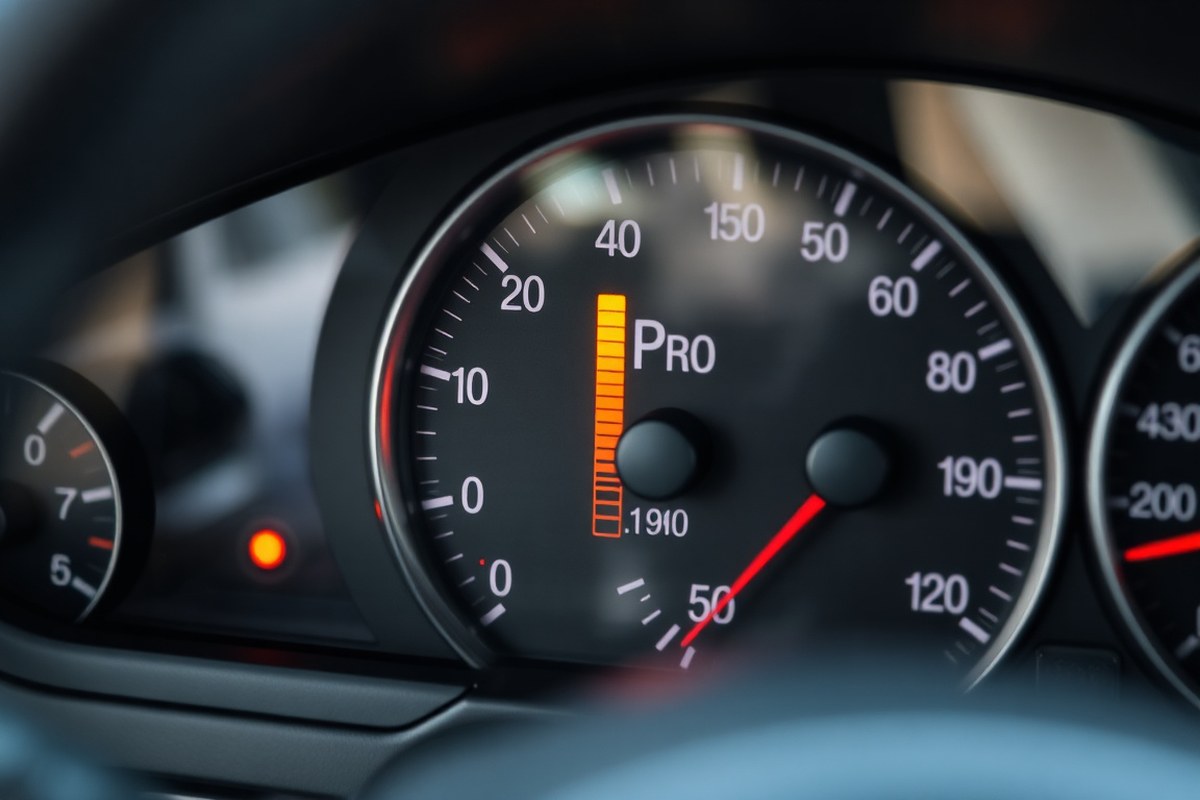
Most car engines operate between 195°F and 220°F (90°C to 104°C). This temperature keeps the oil and metal safe from damage. Your dashboard’s coolant gauge typically shows a reading near these values.
Engine parts like the cylinder head can get hotter than the engine block itself. The head can reach up to 200°F to 215°F under normal conditions. Some zones inside the engine head may hit around 1200°F. But that heat is contained and managed by cooling systems.
An engine is considered overheating when temperatures rise above 230°F (110°C). Above 250°F (121°C), engine parts might warp or get damaged. Head gaskets could blow, causing serious problems.
Oil also starts to break down at this heat. Temperatures hitting about 240°F (115°C) cause serious engine damage quickly. It’s best to avoid your engine getting this hot.
You should watch your temperature gauge closely and act before the engine passes 230°F. The temperature can climb quickly in heavy traffic or hot weather. Keeping coolant topped off and your cooling system maintained helps avoid unsafe high temperatures.
The engine block itself rarely exceeds 220°F during normal driving. When you notice temperatures climbing above 230°F, find a safe spot to stop. Continuing to drive at those temperatures risks cracking the block or damaging internal parts.
The cooling system keeps things stable by circulating coolant and air. Thermostats and fans help maintain safe limits.
Without them, engine temperatures can spike well past 250°F, causing costly repairs. Regular checks prevent overheating and keep your engine running in the optimal 195° to 220°F range.
Why Do Car Engines Get so Hot During Operation
How Engines Generate Heat
Car engines produce heat mainly from burning fuel inside the cylinders. This combustion creates rapid expansion of gases, pushing pistons down to make power. That process releases more heat than just power because of the chemical energy in fuel.
Only part of the fuel’s energy turns into useful movement. The rest becomes waste heat that the engine must handle. This heat comes from friction inside moving parts and combustion byproducts.
Heat Loss and Mechanical Energy
It’s impossible for an engine to convert all heat into mechanical work. About 75% to 80% of the heat is removed by the engine oil and cooling system. The oil also helps carry away heat from hot surfaces.
The leftover heat not turned into movement warms metal parts and gases inside the engine. This is normal but demands strong cooling to protect the engine’s metal and seals.
Temperature Differences Inside the Engine
Inside combustion chambers, temperatures can rise above 1,500°F (815°C) during ignition. This is many times hotter than the engine’s overall operating temperature. The heat is intense but short-lived within the small chamber.
Engine parts outside the combustion area run cooler during use. Cylinder heads often reach around 280°F (138°C). The cooling system maintains most metal parts at about 195°F to 220°F (90°C to 105°C) to prevent overheating.
Why Engines Run Hot Despite Cooling Systems
The cooling system manages temperature but can’t remove all heat instantly. The engine has high-pressure combustion events happening quickly and often.
Cooling parts need time and flow to absorb heat away. So the engine runs hot by design.
Cooling systems keep metal from warping or failing under heat stress. As engines rev higher or operate in heat, they generate even more heat. This makes cooling critical but not able to keep engine parts near ambient temperature.
Never ignore temperature warnings or signs of overheating, even if your gauge looks normal. Early cooling trouble can cause major engine damage fast.
How the Car Engine Cooling System Controls Temperature
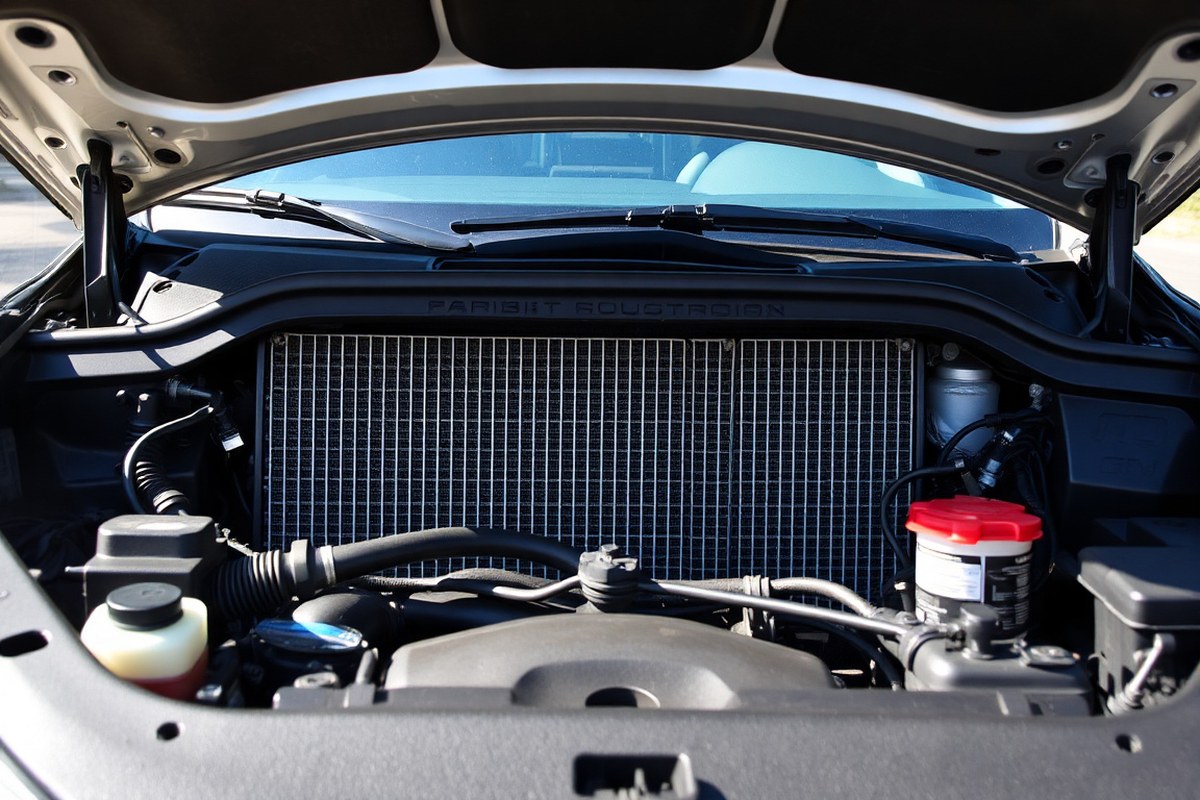
The engine cooling system keeps your engine temperature safe by moving heat away fast. It has parts like the radiator, thermostat, and water pump that work together. Each part has a job to keep your engine running near 195°F to 220°F.
Radiator’s Function and Importance
The radiator cools the hot engine coolant by passing air through thin tubes. Coolant carries heat from the engine and flows into the radiator where it cools down. Without the radiator, the coolant would stay hot, causing the engine to overheat quickly.
The radiator must be checked for leaks or blockages that stop airflow or coolant flow. Flushing the radiator every 30,000 miles removes deposits. Follow your manufacturer’s advice for timing.
This helps keep the radiator working well. A clogged radiator can cause the engine temperature to soar past the safe limit.
Thermostat Operation and Temperature Thresholds
The thermostat controls when coolant flows to the radiator based on temperature. It stays closed when the engine is cold, helping it warm up faster. At about 195°F, it opens to let coolant flow through the radiator for cooling.
This opening and closing keep the engine between 195°F and 220°F during normal driving. The thermostat sticking closed stops coolant flow.
This causes the engine to overheat. Regular checks can help spot thermostat problems before they cause damage.
Water Pump Role in Coolant Circulation
The water pump moves coolant through the engine and radiator continuously when the engine runs. The water pump usually runs on a belt from the engine. It moves engine motion to the pump.
This helps circulate coolant in the system. Without it, coolant won’t circulate and the engine will get dangerously hot.
Water pump failure shows signs like coolant leaks. Overheating can happen even if the radiator and thermostat are fine. Check the pump if these symptoms occur.
Replacing a bad water pump costs about $300 to $750. The price depends on your car and labor rates. Keeping belts tight and in good shape helps the pump work properly.
Normal Engine Temperature Ranges by Type and Driving Conditions
Engine heat varies by engine type and how you drive. Gas engines usually run between 195°F and 220°F (90°C to 104°C).
Diesel engines tend to get hotter and may reach slightly higher temperatures. Driving hard, towing, or stop-and-go traffic raises engine heat.
City driving makes your engine work harder. You spend more time idling and accelerating, which increases heat buildup. On highways, steady speeds let your engine cool more efficiently.
Pulling heavy trailers puts extra stress on your engine and cooling system. This stress can push temperatures close to 250°F (121°C) in tough conditions. That’s hotter than usual and needs caution.
| Engine Type | Normal Temp Range | City Driving | Highway Driving | Heavy Load/Towing | Hot Weather Impact |
|---|---|---|---|---|---|
| Gasoline | 195°F – 220°F (90°C – 104°C) | Up to 220°F | 195°F – 210°F | Up to 240°F (116°C) | Temps rise 10°F – 20°F |
| Diesel | 200°F – 230°F (93°C – 110°C) | Up to 230°F | 200°F – 220°F | Up to 250°F (121°C) | Temps rise 15°F – 25°F |
Coolant temperature regulates how hot the engine gets. Proper flow keeps engine heat steady near 190°F to 220°F (88°C to 104°C). If temperature climbs above 230°F (110°C), the engine may be under stress, especially in heat or when towing.
Check your temperature gauge regularly during different drives. Temperature in the hot zone means it’s time to stop safely. Let your engine cool down before driving again.
Avoid long, slow trips in heavy traffic on hot days to keep your engine from overheating. Proper maintenance keeps your cooling system ready for these stresses.
Early Signs Your Engine Is Running Too Hot
Your dashboard is the first place to notice if the engine is running too hot. Watch the temperature gauge needle for the red zone. Also, check if the engine warning light glows.
Both mean your engine is overheating. Some cars show a simple cold (C) or hot (H) range. So a steady move toward the hot side requires attention.
Physical signs like steam or smoke from under the hood signal overheating. You see white steam or smell something hot or burning? Pull over safely.
The engine might run rough or lose power. This means it struggles at high heat. Keep an eye on how it feels.
- Temperature gauge needle in the red zone or near “H”
- Engine temperature warning light on the dashboard
- Steam or white smoke coming from the engine compartment
- Loss of engine power during driving
- Rough idling or hesitation when accelerating
- Hot, burning smells near the front of the car
- Coolant level checking low after the engine cools for 30 to 60 minutes
Loss of power or rough idling means the engine is overheating enough to affect its performance. High heat disrupts combustion and makes the engine work harder. When you spot these signs, slow down first.
Then stop and check under the hood. This helps prevent serious damage.
Never open the radiator cap while the engine is hot. Wait at least 30 minutes for it to cool down.
How to Safely Respond If Your Engine Starts Overheating
Seeing your temperature gauge spike is stressful. You should stop driving safely as soon as the gauge nears or hits the red zone. Continuing to drive risks serious and costly engine damage.
The heater can actually help cool your engine. Turn your heater to the highest heat setting. Switch off the air conditioning.
This makes the heater core work like an extra radiator. This draws heat away from the engine bay, lowering temperature faster.
Follow these steps carefully to protect your engine and avoid damage.
- Pull over safely and switch off the engine. Find a spot away from traffic to avoid danger.
- Turn the heater to maximum heat and open all heater control valves if accessible. This helps pull heat away from the engine.
- Turn off the air conditioner immediately. Running AC adds load and heat to the engine.
- Let the engine idle with the heater on for 8 to 10 minutes. This lowers the temperature steadily.
- Check coolant and oil levels if you can do so safely. Low fluids make overheating worse.
- Do not open the hood immediately. Wait for the engine to cool for at least 15 minutes to avoid burns or steam.
- After cooling, open the hood cautiously to check for leaks or steam. Repair or call a mechanic before driving again.
- Call roadside assistance if unsure or if overheating continues after cooling. It’s safer than further damage.
Stopping right away prevents temperatures from exceeding 250°F (121°C), which prevents serious engine harm. Idling with the heater on helps cool down the engine quicker than waiting silently.
Avoid driving further until the issue is fixed. This saves you expensive repairs down the line.
Critical Cooling System Parts to Inspect and Maintain
Your engine cooling system relies on several parts to keep heat under control. The radiator moves heat away from the coolant. The water pump circulates coolant through the engine and radiator.
The thermostat controls coolant flow by opening at specific temperatures, usually around 195°F for most vehicles. Any failure in these parts can raise your engine’s temperature quickly.
Coolant is essential because it absorbs heat and prevents freezing or boiling. Check coolant levels at least once a month, especially before long drives or hot weather. Check for leaks near radiator hoses and the radiator.
Also inspect your radiator cap. A faulty cap can drop system pressure, leading to overheating.
- Check coolant level and quality monthly; top off with the right mix
- Look for leaks, steam, or discoloration around hoses, radiator, and pump
- Test the thermostat if your engine overheats or runs abnormally cold
- Inspect the water pump for noises or leaks during routine maintenance
- Flush coolant every 2 to 3 years to replace old fluid and inhibitors
- Clean dust and debris from radiator fins and condenser regularly
- Check engine belts driving the water pump for cracks or wear
A failing thermostat can cause either overheating or insufficient engine heat. One sign is your temperature gauge shooting past the normal range or stuck low. A worn water pump may leak coolant or produce a grinding noise, indicating bearing failure.
Radiator troubles show up as external damage, clogged tubes, or persistent leaks. Replacing these parts often costs between $100 and $400 depending on your vehicle.
Flushing coolant removes rust and buildup that lowers system efficiency and can cause pump damage. Old coolant loses its ability to prevent corrosion, which can pit radiator tubes.
This corrosion raises engine temperature and hurts the pump’s bearings. Staying on top of these checks helps avoid costly repairs caused by overheating.
Myths and Facts About Using Water vs Coolant in Emergencies
When Water Can Be a Temporary Coolant Substitute
You can use plain water in an emergency if your car overheats. Only do this if you don’t have any coolant on hand. This helps avoid engine damage until you get proper coolant.
Water helps lower engine temperature in a pinch but only for a short time. Avoid pouring cold water on a hot engine to prevent cracking the engine block.
Adding water temporarily means only putting in enough to protect the engine. Don’t fill the whole coolant reservoir with water. Replace the water with real coolant as soon as possible.
You should replace the water with the right antifreeze mix as soon as possible. Don’t rely on water alone for long drives or extended use.
Coolant Advantages over Water in Engine Protection
Coolant contains antifreeze that stops the liquid from freezing or boiling too soon. It also includes corrosion inhibitors that protect metal parts inside the cooling system. Water lacks this protection and can cause rust or damage over time.
The usual coolant mix keeps engine temps steady between -34°F (-37°C) and 265°F (129°C). This range covers cold winters and hot summer drives. It protects your engine from freezing and boiling.
Plain water boils at 212°F (100°C). This can cause your engine to overheat faster on hot days or under heavy use.
That’s why water alone isn’t a good long-term coolant. Coolant extends your engine’s operating range and protects it better in winter or summer.
Risks of Improper Coolant Mixing
Mixing different types of antifreeze can cause chemical reactions that harm your cooling system. This damage might include gelling, corrosion, or clogging the radiator and heater core. Follow the manufacturer’s recommendations on the exact coolant type for your vehicle.
Pouring the wrong coolant or mixing brands may lead to leaks or engine overheating. Use a single type of coolant and flush the system if changing products completely. This lets your cooling parts last longer and avoids costly repairs.
Never open the coolant cap while the engine is still hot. Hot coolant and steam can spray out and cause serious burns. Always wait for the engine to cool down first.
How Aftermarket Modifications Affect Engine Temperature
Turbocharged and performance engines usually run hotter than stock engines. Adding a turbocharger forces more air and fuel into the engine, producing more power.
This extra power raises combustion temperatures inside the engine. It pushes the engine’s usual operating heat above stock levels.
That heat can overwhelm the factory cooling system. Upgraded parts like bigger radiators or high-flow water pumps help remove extra heat.
You’ll often need a stronger cooling fan and thicker coolant lines too. Without these changes, your engine may run too hot during spirited driving, risking damage.
Performance driving raises engine heat by 50°F or more sometimes. Bubbling sounds from under the hood signal the cooling system is over-pressurized and struggling.
This means your engine is overheating right now. It could warp heads or valves if you don’t act fast.
Modifications that increase horsepower also raise heat output. So your cooling system has to keep up.
You can swap in an aluminum radiator, which cools faster than stock copper ones. Upgrading to a better thermostat opens the system at a lower temperature, letting coolant flow sooner.
High-performance coolant helps transfer heat better, but only if you flush old coolant first. A bigger electric fan helps keep air moving. It has adjustable speeds for when you idle or crawl.
Some drivers add an oil cooler to drop oil temperature. This also helps lower the engine’s overall heat.
These upgrades usually cost between $200 and $800 or more, depending on parts and labor. Quality kits include parts matched to your vehicle and engine type.
A bad or missing upgrade can let your engine reach unsafe temperatures for longer periods. That shortens engine life and hurts performance.
Monitoring your engine temperature closely after installing mods is key. Watch the gauge and listen for signs like bubbling or hissing. Adding cooling system upgrades before you race or track your car prevents overheating headaches later.
Step-by-Step Action Plan to Manage Your Engine Temperature
Keep your engine running at the right temperature by following these simple steps. These actions help you avoid costly repairs and stay safe on the road.
- Before driving: Check your coolant level every week to ensure it’s full. A full reservoir means your cooling system can do its job.
- Weekly: Inspect radiator and hoses for leaks or cracks. Fixing leaks early prevents overheating problems.
- Monthly: Look at your engine temperature gauge while driving. It should stay between 195°F and 220°F during normal use.
- Every 6 months: Flush and replace your coolant as recommended in your car’s manual. Fresh coolant protects the engine better.
- When you notice early signs: If your temperature gauge rises fast, pull over safely. Steam coming out means turn off the engine right away. Let the car cool before checking again.
- After any repair or modification: Monitor your engine temperature closely for a few drives. Changes can affect cooling performance.
- Once a year: Have a professional check your thermostat, water pump, and cooling fans. Keeping these parts in good shape keeps heat under control.
Frequently Asked Questions
How Hot Can a Car Engine Get Before It Causes Damage?
Car engines can run safely up to around 220°F (104°C). Beyond this, parts may warp or fail without quick action. Always watch your temperature gauge closely.
Can Engine Temperature Affect Fuel Efficiency?
Yes, engines running too hot can waste fuel. When hot, combustion gets less efficient, which hurts your mileage. Keeping the cooling system healthy helps avoid this.
Does Altitude Affect How Hot an Engine Runs?
Higher altitudes can make engines work harder and run hotter. Thinner air means less cooling effect and a leaner fuel mix. That’s why tuning or adjusting fuel systems helps.
Can Short Trips Cause Engine Overheating?
Short trips usually don’t heat your engine enough to overheat. But frequent stopping can keep the coolant from reaching optimal heat range. Longer drives help maintain a stable engine temperature.
How Does Engine Size Influence Operating Temperature?
Bigger engines often run cooler due to more coolant flow. Smaller engines heat up faster under stress. Each engine size needs different cooling capacity to stay safe.
Wrapping Up
Your engine’s heat is normal within certain ranges but can become dangerous fast. Watch your temperature gauge and respond quickly to avoid damage. Start today by checking your coolant level before your next drive.