How Much Are Semi Tires: Price Breakdown, Lifespan & Buying Tips
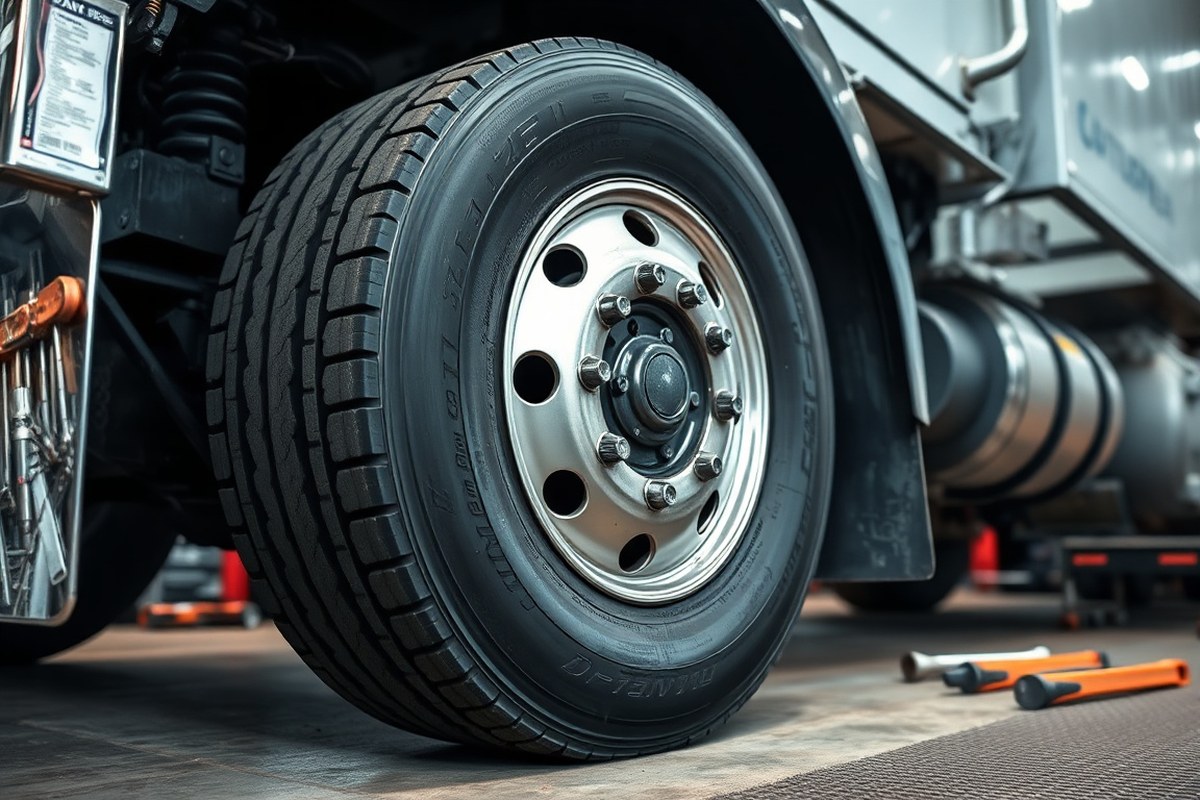
How much are semi tires? On average, new semi truck tires cost between $300 and $700 each.
Steer tires, which affect handling, range around $400 to $700. Drive tires might cost $300 to $600.
Prices vary by tire size, brand, tread design, and tire construction. High-quality tires with longer tread life usually cost more. Specialty tires, like those made for specific road conditions, also carry higher prices.
Replacing all 18 tires on a typical tractor-trailer can run $6,000 to $11,500 before tax. This total varies depending on tire choice and whether you buy new or retreaded tires. Retreads cost less but may have shorter lifespans and warranty limits.
Extra costs include mounting, balancing, valve stems, and disposal fees for old tires. These fees usually add $20 to $50 per tire. Planning for these expenses helps avoid surprises when budgeting for replacements.
Key Takeaways
- New semi truck tires average $300 to $700 each depending on type and brand.
- Steer tires cost more due to their precise handling role on the truck.
- Replacing all 18 tires on a rig can cost between $6,000 and $11,500.
- Budget tires save money upfront but may wear faster than premium ones.
- Expect extra fees for mounting, balancing, and old tire disposal.
- Choose tires that match your truck’s size and the routes you drive.
How Much Do Semi Truck Tires Cost on Average?
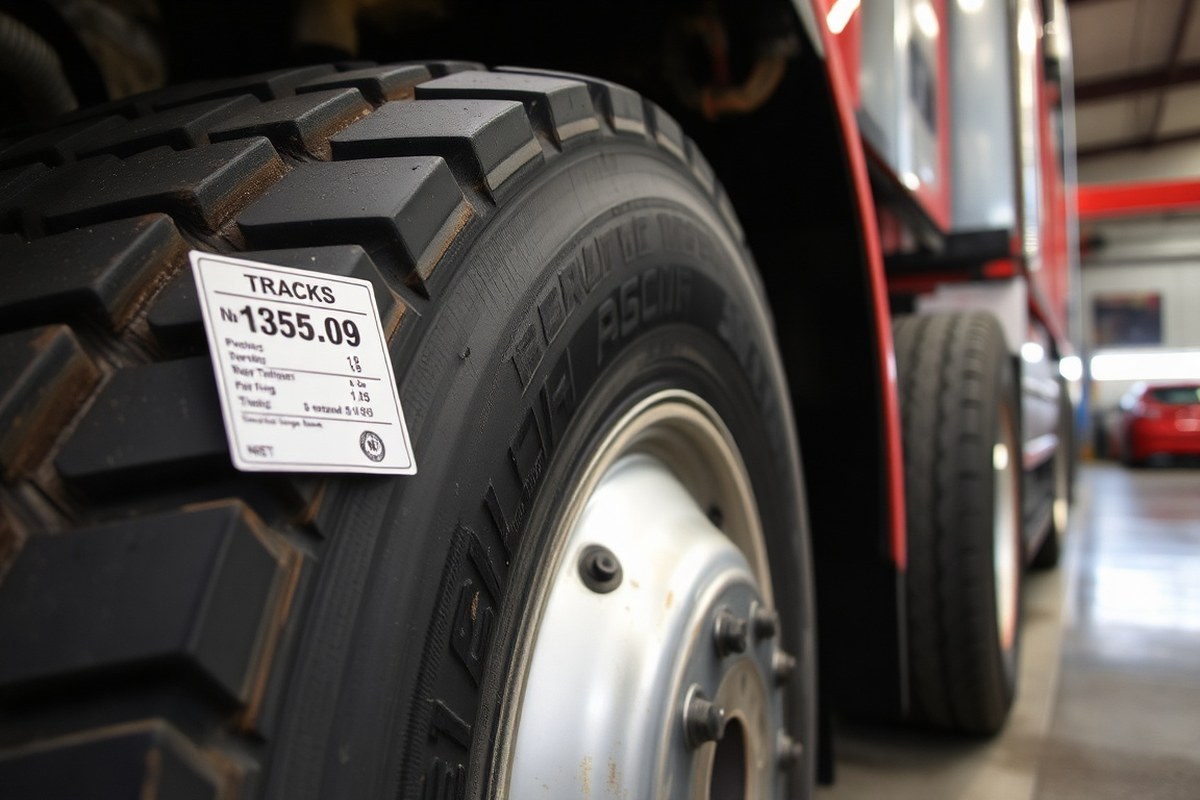
Semi truck tires vary by position and condition, so costs differ. New steer tires typically cost between $300 and $500 each. Drive and trailer tires often range from $400 to $600 due to their heavier designs.
Retreaded tires offer big savings, usually priced 30% to 50% less than new ones. Used tires fall even lower but bring risks like less reliability.
Retreaded and used tires usually cost between $200 and $400 each. Price depends on the tire’s wear and type.
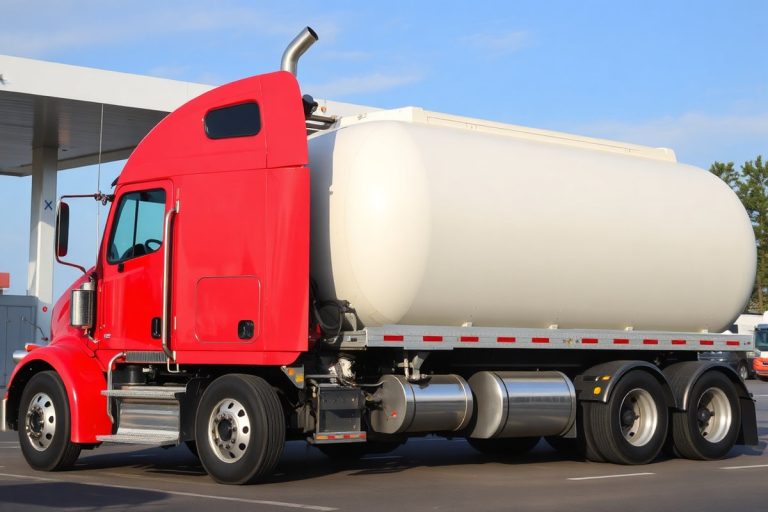
The overall cost varies by the number of tires replaced. A typical tractor-trailer runs on 18 tires total: 2 on the steer axle, 8 on the drive axles, and 8 on the trailer. The chart below lists tire prices plus extra charges for fitting.
| Replacement Scope | Tire Quantity | Typical Tire-Only Cost | Installed Budget |
|---|---|---|---|
| Two steer tires | 2 | $800, $1,600 | $900, $1,850 |
| Eight tractor drive tires | 8 | $2,800, $5,200 | $3,100, $5,800 |
| Eight trailer tires | 8 | $2,400, $4,000 | $2,700, $4,500 |
| Full tractor and trailer (18 tires) | 18 | $6,000, $10,800 | $6,600, $12,000+ |
Changing one axle with 4 tires costs $1,300 to $2,800 installed. This includes 2 steer tires and 2 drive tires. Picking the right tire type for your route helps budget accurately.
Long-haul trucks spend $8,000 to $11,500 on premium 18 tires. Budget owner-operators save with new steer and retreads elsewhere.
Knowing these price ranges makes it easier to plan tire expenses. You avoid surprises and can mix new and retread tires smartly. That keeps your costs manageable without sacrificing safety or performance.
What Factors Influence Semi Truck Tire Prices?
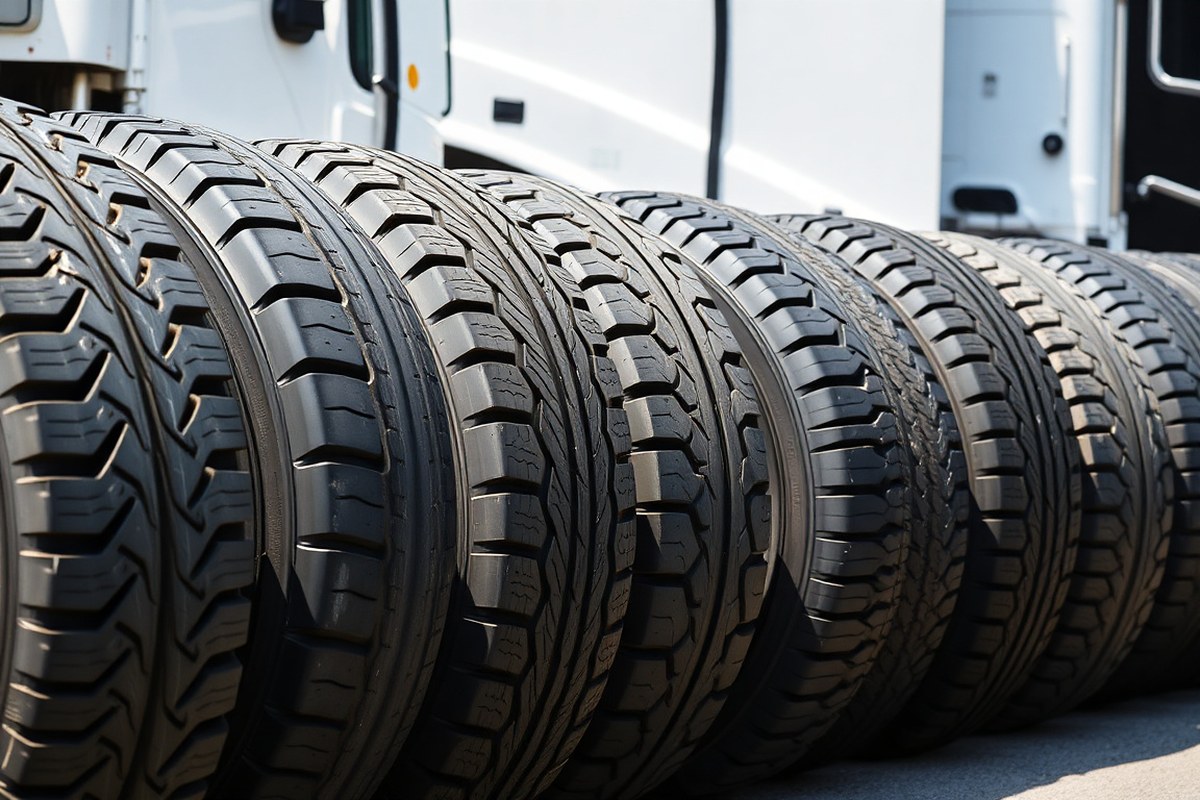
Brand plays a big role in semi truck tire prices. Premium brands like Michelin and Goodyear typically cost between $600 and $1,200 per tire. Mid-range brands such as Yokohama or Firestone fall between $400 and $600.
Budget options often range from $150 to $350. The quality and durability you get usually match the price. So picking a brand depends on your budget and how much wear you expect.
Tire size also affects cost significantly. Common sizes like 22.5 inches often carry a price of several hundred dollars each. Larger or specialized tires can cost $700 to over $1,100.
Wide-base super singles fall into this range. These tires cost more because of their size and type. Tire size changes the material used and how much it can carry.
This size controls the price a lot. Bigger tires usually cost more because they hold more weight.
The tread design and where the tire sits on the truck matter as well. Steer axle tires cost about $400 to $800. They need precise steering features.
Water evacuation also makes these tires pricey. Drive axle tires with more traction and casing protection range from $350 to $650.
Trailer tires, built for free rolling and scrub resistance, usually cost $300 to $500. Tires designed for different axles vary in price because their performance needs and construction differ.
Materials and casing also influence prices. Tires with stronger casings last longer but cost more upfront. A strong casing on drive tires resists damage.
This tough design raises the tire’s price. That’s why drive axle tires cost more.
Using high-quality rubber compounds can improve tread life and fuel efficiency but increases tire costs. Some fleets may get a credit for the casing when buying retreads, which helps reduce expenses.
Always ask if the price includes mounting and balancing. Valve stems might add to the cost. Checking this avoids surprise extra fees later.
Comparing Tire Brands and Types: Premium vs Budget Options
Semi truck tires come in three main groups. These are Tier 1 premium brands, mid-range, and budget brands. Each tier fits different budgets and needs.
Premium tires cost 10-20% more but offer better durability and fuel efficiency. Budget tires have lower upfront costs but may wear out faster or affect fuel economy.
Tier 1 Premium Brand Tires Explained
Premium tires cost between $550 and $800 or more per tire. They use advanced technology to boost mileage and improve fuel efficiency. These tires often come with strong casings, letting you retread them one or two more times.
Premium brands provide longer warranties and good service support. Their tread life and traction in varied conditions are generally better. This makes them a solid choice for trucks covering high mileage or long-haul routes.
Mid-Range Tires and Cost Benefits
Mid-range tires usually range from $180 to $350 per tire. They offer a balance of good value, decent tread life, and acceptable noise levels. Their warranties are shorter than premium brands but still cover typical wear issues.
Mid-range tires work well for fleets running moderate mileage or mixed routes. You get better traction and comfort compared to budget options. These tires suit drivers wanting reliable performance without paying premium prices.
Budget Brands: Savings and Risks
Budget tires cost roughly $120 to $250 per tire. They meet basic safety certifications but often lack advanced features. Warranty coverage is limited, usually covering only the first tread life.
Choosing budget tires can save money upfront but might cost more over time. They wear faster and may offer weaker traction in tough conditions. Budget tires may fit owners with low annual mileage or short ownership plans.
Here’s a comparison table to help pick tires based on your needs:
| Brand Tier | Price Range per Tire | What to Compare |
|---|---|---|
| Premium | $250 – $500+ | Application performance, warranty, service support, tread life |
| Mid-Range | $180 – $350+ | Value, warranty, traction, noise, tread life |
| Budget | $120 – $250+ | Correct fitment, safety certifications, warranty, expected use |
Tire choice depends on how many miles you drive and your budget. Higher mileage fleets benefit from premium tires’ longer service and fuel savings. Budget tires can work for low-mileage or short-term use but may increase tire-replacement frequency.
How Long Do Semi Truck Tires Typically Last?
Semi truck tires usually last between 80,000 and 300,000 miles, depending on axle position. Steer tires generally run 80,000 to 150,000 miles before needing replacement.
Drive tires tend to last longer, around 150,000 to 300,000 miles under good conditions. Trailer tires fall in between, often reaching 100,000 to 250,000 miles.
Steer tires wear faster because they handle steering and more precise control. Their main wear threats include alignment issues and shoulder scrub. Drive tires handle strong torque and uneven wear from spinning.
This causes the tread to wear down faster if you don’t keep up maintenance. Regular care helps extend tire life. Trailer tires often suffer underinflation damage and wear from sitting or side scrub.
The type of route and driving conditions strongly affect tire life. Highway driving helps tires last longer compared to stop-and-go or rough roads.
Carrying heavy loads regularly speeds up wear, especially on drive tires. Proper tire inflation is key, as underinflated tires wear unevenly and can fail prematurely.
Regular maintenance extends tire life significantly. Keeping tires inflated to recommended pressures, usually 90 to 110 PSI cold, prevents uneven wear. Alignments fix steer and drive tire scraping, reducing shoulder wear and vibration.
You can catch problems early by rotating tires. Also, inspect tires for damage often. This keeps tread loss and casing injury from getting worse.
Heat buildup and road hazards also impact tire longevity. Hot weather and aggressive acceleration raise tire temperature, degrading the casing faster.
Potholes and debris can cause cuts, punctures, or sidewall damage that shortens tire life. Prevention means slower speeds on rough patches and regular tire inspections for cuts and cracks.
Are Retreaded and Used Tires Worth the Savings?
Retreaded and used semi truck tires cost less but need careful inspection. Retreads usually range from $150 to $400, compared to $400 to $800 for new steer tires. Safety and legal rules also affect your decision to buy retreaded tires.
Price Savings with Retreaded Tires
Retreaded tires cost about half or less than new tires. A retreaded tire may run $150 to $400. New steer tires often cost $400 to $800 or more.
Specialty vocational tires can cost $800 to $1,500. So retreads save significant money on those too.
Retreads use the original tire casing but add new tread and rubber. This process lowers material costs and is more budget-friendly for fleets. You can reduce costs per mile by retreading a good casing two or more times.
Inspecting Retread Quality
Check retreaded tires closely before buying. Look for even tread wear, no cuts or cracks, and solid sidewalls. Good retreads should have consistent tread depth and no signs of separation.
- Verify tread depth is uniform and above 4/32 inch
- Look for any signs of sidewall damage or cracking
- Check for proper bead seating and no bulges
- Inspect the tread for even coverage and no chunks missing
- Review retread certification or quality assurance documents
- Confirm the casing origin and mileage history
- Ask about the retread process and curing method used
Use a tread depth gauge for precise measurement. Pay attention to casing history to avoid failures. Ask for proof that the tire passed federal safety standards.
Caution: Avoid tires with sidewall cracks or uneven tread depth, they’re unsafe.
Legal and Safety Considerations
Federal rules allow retreaded tires on truck steering axles but not bus steering axles. Truck laws generally require steer tires to meet high safety standards, often using virgin rubber. Retreads can be legal on drive and trailer axles if they meet standards.
Safety matters most on steer tires since they control your truck. Using retreaded tires there still follows federal commercial vehicle regulations. Confirm with local laws and fleet policies to avoid violations.
Consider retread quality along with legal rules. Retreads that don’t meet safety standards risk blowouts and fines. Always balance cost savings against risk for your truck and cargo.
What Additional Costs to Expect When Buying Semi Tires?
Mounting semi truck tires usually costs between $25 and $75 per tire. Shops include this fee for the equipment and time needed to fit your tires properly.
Balancing is often separate but essential. It prevents uneven wear and vibrations by making sure the tire spins smoothly on the rim.
Disposal fees range from $10 to $25 per tire. They cover the safe removal of old tires. This keeps your fleet compliant and the environment safe.
Taxes vary by state and can add a significant amount to your bill. Alignment charges vary by service type.
A standard check costs less than a full axle realignment. Proper alignment improves tire life and saves fuel.
- Mounting and valve stem replacement: $25, $50 per tire
- Tire disposal fee: $10, $25 per tire
- Balancing charges: $10, $25 per tire, sometimes included with mounting
- Wheel alignment: $75, $200+ depending on axle and service level
- Sales tax or use tax vary by state
- Roadside or mobile service labor: $150, $300 or more per call
- Potential hidden fees: shop supplies, environmental fees, or emergency service premiums
Mounting and disposal can cost $630 to $1,800 total. This applies to a full semi truck with 18 tires. Plan for these fees during tire replacement.
Adding balancing and alignment could push that higher. Roadside replacements or emergency service trips cost extra and may total $150 to $300 per visit. Hidden fees like shop supplies, taxes, or environmental surcharges also increase the final charge.
Always ask shops for a complete cost breakdown before buying tires. This helps you compare quotes honestly and avoid surprises on your invoice. Replacing tires during a regular visit lowers labor costs.
Emergency roadside tire changes cost more. Scheduling helps manage maintenance expenses better. Scheduled visits save money and ensure proper mounting.
Proper alignment extends tire life and improves fuel efficiency. You avoid extra costs from rushed repairs.
How to Calculate Total Tire Replacement Costs for Tractor-Trailers
A standard 18-wheeler has 18 tires. A semi truck has tires in three places. There are 2 steering tires up front.
The drive axles have 8 tires and the trailer axles also have 8 tires. Replacing all 18 tires at once costs between $4,500 and $10,000 or more.
You can break down tire costs by tire type and axle position. Steering tires usually cost more due to special tread and durability.
Drive tires handle traction and weight, so they also command a higher price. Trailer tires tend to be the least expensive.
Adding labor costs matters because each tire replacement typically costs $40 to $80 in labor. This cost depends on your region and shop rates. Higher cost areas like California and New York might push labor toward the upper end.
| Tire Position | Number of Tires | Cost per Tire ($) | Labor Cost per Tire ($) | Total Cost ($) |
|---|---|---|---|---|
| Steering Axle | 2 | 450 | 60 | 1,020 |
| Drive Axles | 8 | 400 | 60 | 3,680 |
| Trailer Axles | 8 | 350 | 50 | 3,200 |
| Total | 18 | 7,900 |
This example uses $450 tires for steering, $400 for drive, and $350 for trailer tires. Labor is $60 per steering and drive tire, $50 per trailer tire. Adding all parts and labor gives about $7,900 to replace the whole set.
To budget tire costs per mile, divide the total cost by the expected tire miles. Tires often last around 100,000 miles. For this example:
Cost per mile = Total cost ÷ Miles driven Plugging in $7,900 and 100,000 miles: Cost per mile = $7,900 ÷ 100,000 = $0.079 per mile.
That means you pay about 7.9 cents per mile for tires alone. Adjust this number if your tires last longer or less.
You can multiply cents per mile by your annual miles to estimate yearly tire expenses. This helps you plan budgets and compare tire options fairly.
What Impact Does Tire Choice Have on Fuel Efficiency and Safety?
Tire choice directly affects fuel efficiency through rolling resistance. Drive tires handle 30 to 40 percent of fuel-saving work. They use special rubber compounds to lower resistance.
This helps trucks use less fuel on the road. Premium compounds cost more upfront but save fuel over time.
They work well for long hauls with heavy miles. This makes them smart if you drive a lot.
Steer tires contribute less, around 15 to 20 percent. But their tread design still matters. Tires with deeper treads and proper compound handle wet or icy roads better, improving safety.
Different treads suit different conditions. So match tire tread to your route and weather needs for best grip and control.
Tread wear lowers traction as the rubber thins and the tread pattern fades. This can make stopping or cornering less reliable, especially in bad weather. Check tread depth often to keep your truck safe.
Replace worn tires to follow highway minimum tread rules. This helps avoid fines and accidents.
Axle position plays a big role in tire choice. Drive axles need tougher, more durable tires for traction and heavy loads. Steer axles use tires focused more on steering control and even wear.
Pick tires made for each axle to balance cost and safety. This also helps improve fuel economy effectively. Avoid buying tires that don’t fit your truck’s needs.
Balancing tire cost, performance, and fuel savings means looking beyond just the purchase price. A cheaper tire with higher rolling resistance can cost more in fuel. Pay attention to fuel economy ratings or tests, if available.
Spending an extra $100 or more per tire can save fuel costs. Each saved cent per mile adds up quickly on busy routes. This is often worth the upfront price.
Check tire size and load ratings when replacing tires. This keeps you safe and meets rules on the road. It also helps your truck use fuel efficiently.
How Alignment and Maintenance Influence Semi Truck Tire Expenses
Poor alignment and worn suspension parts cause uneven tire wear on semi trucks. This leads to replacing tires more often, which increases your overall tire expenses. Fixing alignment and suspension issues keeps tires lasting longer and cuts replacement costs.
Common Alignment Issues in Semi Trucks
Alignment affects tire wear because it controls how tires contact the road. Your truck may pull to one side or the steering wheel may not sit centered.
These can be signs of alignment problems. These problems cause uneven tread wear, like more wear on one shoulder of the tire.
Check alignment after suspension repairs or if you spot uneven tread wear. Adjusting toe, camber, and caster angles fixes alignment issues. A wheel alignment service typically costs $100 to $300 depending on your location.
Here are the common signs that show alignment problems:
- Truck pulls to left or right when driving straight
- Steering wheel is off-center while driving straight
- One shoulder of the tire wears more than the other
- Uneven tread patterns across tires
- Steering feels loose or wanders on the road
Signs of Suspension Wear Affecting Tires
Worn suspension parts cause tires to bounce or tilt and wear unevenly. Look for scalloped or cupped tread patterns, which often mean shocks or bearings need repair. These suspension faults increase tire wear speed, reducing tread life.
Suspension damage can cause steering issues and rough rides too. Common suspension parts to check include shocks, springs, bushings, and wheel bearings. You can detect problems by inspecting suspension movement or listening for clunks on bumps.
Ask your mechanic to inspect suspension parts regularly or when you notice poor ride quality. Fixing suspension issues early can protect your tires and avoid costly replacements.
Preventive Maintenance Steps
Maintaining proper tire inflation and alignment is an effective way to extend tire life. Use a tire pressure gauge when the tires are cold. Adjust the tires to the pressures the truck’s maker recommends.
Find the right values in your truck’s load tables. This prevents overinflation or underinflation patterns that accelerate wear.
Regularly inspecting tires for unusual wear patterns helps catch alignment or suspension problems early. Rotate tires as recommended to even out wear across axles. Follow a maintenance schedule that includes checking suspension, steering, and wheel components.
- Measure tire pressure every week with a cold gauge
- Rotate tires every 6,000 to 8,000 miles
- Schedule wheel alignments if you notice pulling or off-center steering
- Inspect shocks, springs, and bearings every 50,000 miles or after heavy use
- Clean tires and wheels to spot damage or uneven wear
- Replace worn suspension parts promptly to prevent tire damage
These steps take minutes but save you hundreds on premature tire replacement. Neglecting alignment and suspension repairs causes uneven wear needing costly early tire changes.
Your First Steps to Managing Semi Truck Tire Costs
Keep tire costs under control by following this simple, step-by-step plan. It helps you buy and maintain tires smartly.
- Before purchase: Research tire brands and types. Choose quality tires suited for your routes. Check reviews to confirm reliability.
- Day 1: Inspect tires before installation. Look for defects or damage. New tires should come with full tread depth and no sidewall cracks.
- Week 1: Set up a tire maintenance schedule. Include tire pressure checks and visual inspections. Proper inflation reduces wear and fuel use.
- Monthly: Rotate tires and check alignment. Consistent rotation extends tread life. Proper alignment improves steering and prevents uneven wear.
- Quarterly: Log tire mileage and condition. Track tire life to plan replacements before major wear occurs. Use this data to adjust maintenance frequency.
- Before long trips: Check all tires’ pressure and tread depth. Replace or retread as needed to avoid roadside failures. It saves costly downtime.
- After replacement: Record purchase costs and installation details. This helps calculate total tire expenses for your fleet or truck.
Frequently Asked Questions
How Much Do Semi Truck Tires Usually Cost Each?
New semi truck tires typically cost between $300 and $600 each. Prices vary by brand, size, and tread design. So expect some differences depending on your needs.
What Factors Cause Semi Truck Tire Prices to Vary the Most?
Tire brand, size, type, and intended use mainly affect prices. Premium brands cost more but often offer better durability and performance.
Is It Cheaper to Buy Retreaded Semi Truck Tires?
Retreaded tires cost less and can save you money. Make sure the casing is in good shape and properly inspected before choosing them.
How Long Does a Semi Truck Tire Last Before Replacement?
Semi truck tires often last between 100,000 and 200,000 miles before needing replacement. Regular maintenance extends their life and ensures safety.
What Additional Costs Come with Buying Semi Truck Tires?
Besides the tire price, expect costs for mounting, balancing, and disposal fees. These can add up, so ask for a complete quote from your dealer.
Wrapping Up
Semi truck tires cost vary, but smart choices save you money. Maintain your tires regularly to improve safety and efficiency. Start today by checking your current tire condition and pressure.