How Tight Do Spark Plugs Need to Be: A Complete Guide for Proper Torque
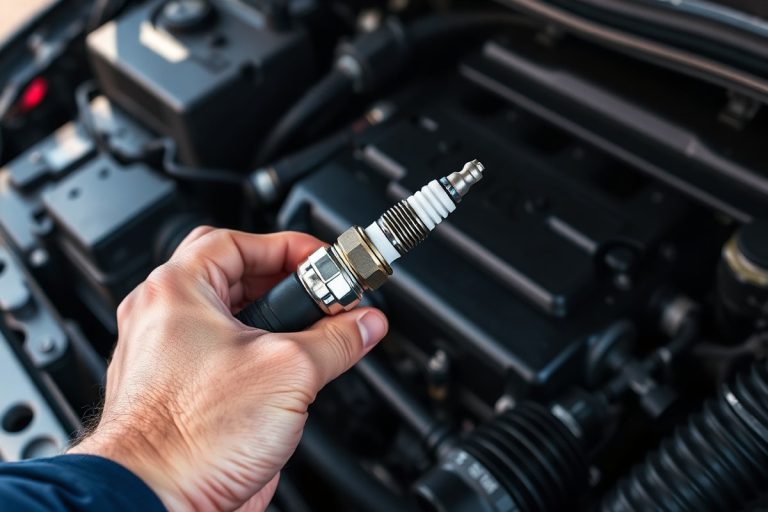
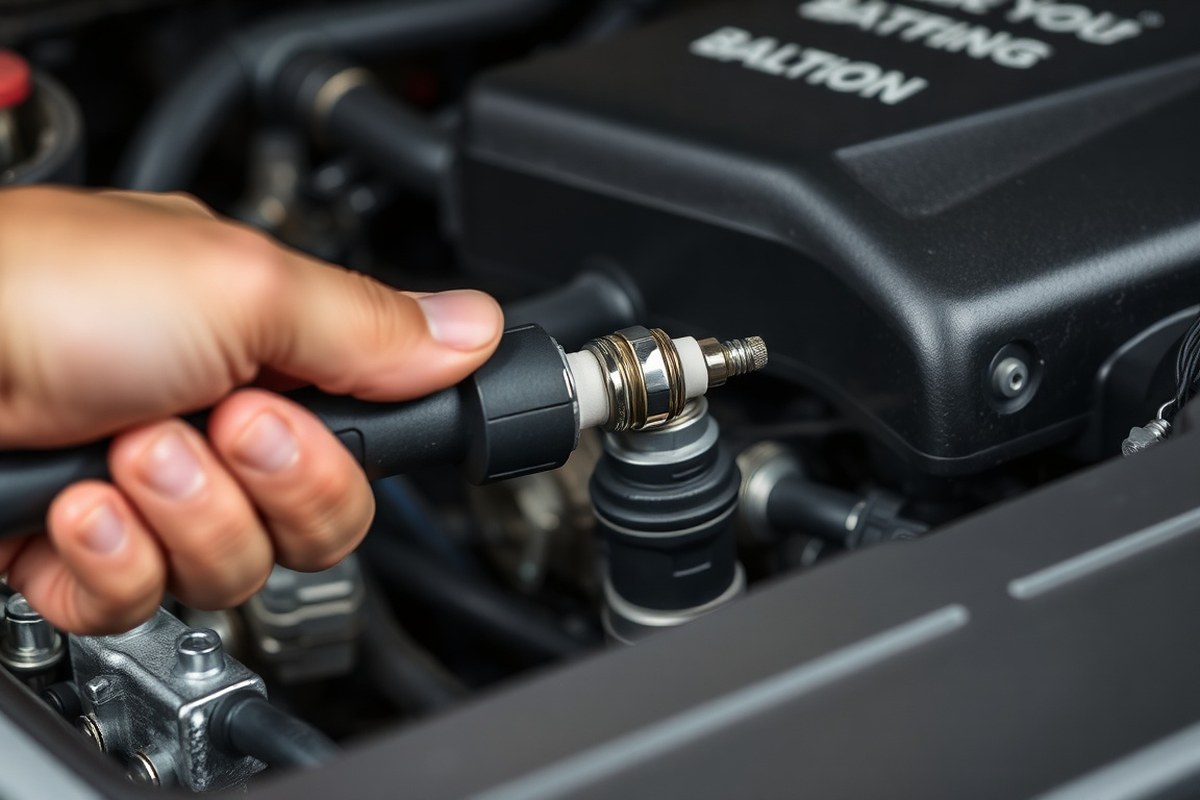
Spark plugs need to be tight enough to seal against combustion pressure. For most gasket seal plugs, hand-tighten first, then turn another 1/2 to 2/3 of a full turn. This compresses the gasket properly for a good seal without damage.
Tapered seat plugs require a 22.5-degree clockwise turn after hand-tightening. Use just enough torque to hold the plug firmly. Avoid overtightening to prevent thread stripping or breaking the plug.
A proper seal stops combustion gases from escaping. Loose plugs cause misfires, rough running, and poor fuel economy. Too much torque risks cracking the ceramic insulator or damaging cylinder head threads.
Check your vehicle’s manual for exact torque specs. A torque wrench helps apply the correct tightness every time. Over-tightening can cause damage, while under-tightening leads to leaks or misfires.
Key Takeaways
- Hand-tighten spark plugs before applying any torque specifications.
- Gasket seat plugs usually require an extra 1/2 to 2/3 turn after hand-tightening.
- Tapered seat plugs need about 22.5 degrees more turn after hand-tightening.
- Use a torque wrench to avoid over-tightening or under-tightening the plugs.
- Check your vehicle’s manual for exact torque values for your spark plug size.
- Reducing torque by 10-30% is needed if using an anti-seize compound.
How Tight Should Spark Plugs Be for Optimal Performance
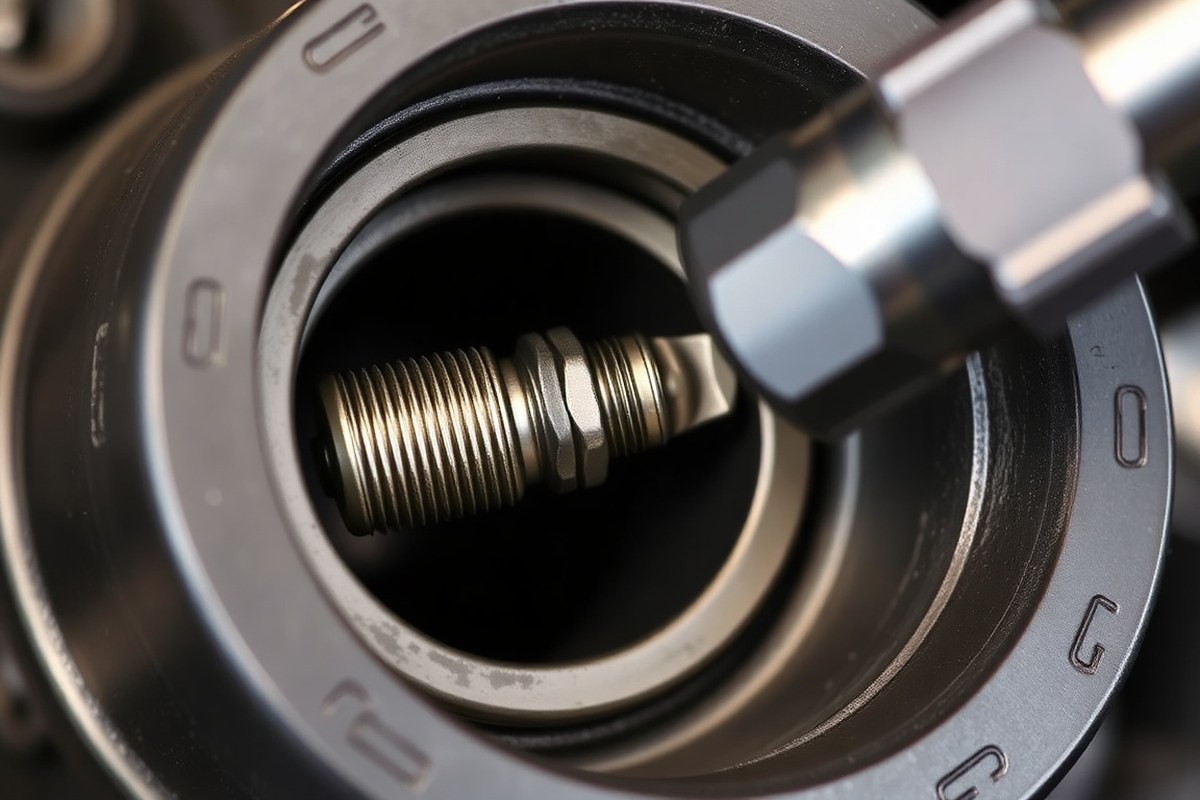
Proper spark plug tightness depends on thread size and seat type. Tightening specs vary by whether the plug is new or used. Using the right torque prevents damage and ensures engine performance.
Gasket seat plugs tighten differently than tapered seat plugs. After hand-tightening, gasket types generally require from half to three-quarters of a turn more. Tapered seat plugs typically need small turns, often less than a quarter turn, after hand-tight.
| Thread Size | Recommended Torque (N·m) | New Plug Turn Angle | Used Plug Turn Angle |
|---|---|---|---|
| M8 | 8-10 | About 1/3 turn (120°) | About 1/12 turn (30°) |
| M10 (Standard) | 10-15 | About 1/3 turn (120°) | About 1/12 turn (30°) |
| M10 (UFE, IUH, VUH, VNH types) | 10-15 | About 2/3 turn (240°) | About 1/12 turn (30°) |
| M10 (Stainless Gasket Type) | 10-15 | About 3/4 turn (270°) | About 1/12 turn (30°) |
| M12 (All Types) | 15-20 | About 1/3 turn (120°) | About 1/12 turn (30°) |
Checking your vehicle’s manual is key since some cars differ from these norms. Use a torque wrench to hit exact specs. A spark plug socket and ratchet help with smooth rotation and proper angle control.
New spark plugs often need more turning past hand-tight. That means 120° to 270° depending on type.
Used spark plugs need just a small turn of about 30°. Their seats are already compressed.
Turning too far risks stripping threads or breaking the plug, especially with aluminum cylinder heads. Too little tightness causes misfires or rough running. The table helps decide how tight to get spark plugs for most common cases.
Differences Between Gasket and Tapered Seat Spark Plugs When Tightening
Basic Sealing Designs of Spark Plugs
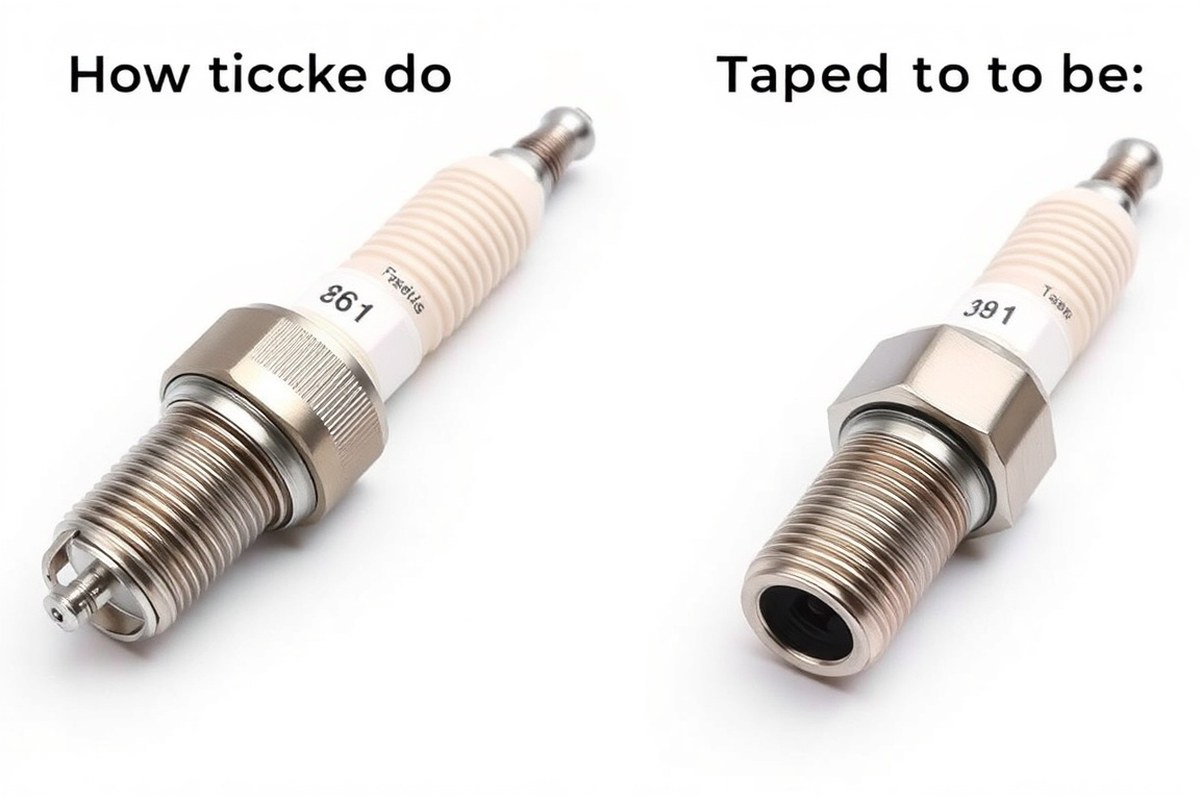
Spark plugs seal the combustion chamber using one of two designs: gasket seat or tapered seat. Gasket seat plugs have a crushable metal ring, called the gasket, that seals tightly when compressed. Tapered seat plugs have a cone-shaped metal end.
It fits tightly into the cylinder head. This fit seals the plug without needing a gasket.
The sealing design affects how you tighten the plug. Gasket plugs require enough torque to crush the ring and seal the chamber. Tapered plugs need less torque because the metal-to-metal fit forms the seal.
Tightening Procedures for Gasket Seat Plugs
For gasket seat plugs, you first thread them by hand until snug to avoid cross-threading. Then use a torque wrench to tighten them to the exact torque specified by the manufacturer. This usually ranges from 20 to 40 N·m depending on plug size and engine type.
The torque crushes the gasket, forming a gas-tight seal. Overtightening risks damaging the gasket or threads. Undertightening can cause leaks or plug loosening.
Tightening Steps for Tapered Seat Plugs
Tapered plugs also start with hand threading to avoid damaging the threads or seat. Once seated, you tighten by torque.
But the values are generally lower compared to gasket plugs. For example, M8 tapered plugs torque between 8 and 10 N·m, much less than gasket plugs.
You tighten the plug until it feels firmly seated without forcing more torque. The metal-to-metal fit provides a seal, so extra torque is unnecessary.
Why Tapered Seat Plugs Require Less Torque
The tapered design creates a tight press fit between the plug and cylinder head. This metal surface wedge seals the chamber effectively. Unlike gasket plugs, there’s no gasket to compress, so the torque needed is less.
Applying too much torque on tapered plugs can deform the seat or damage threads. Using the manufacturer’s torque specs and a quality torque wrench helps avoid these issues.
Adjusting Torque by Situation
Use the lower torque range for engines with aftermarket parts. Also, low torque works with softer cylinder head materials. For factory engines with standard materials, stick to exact torque values for the plug size.
Always start by hand threading the plug for all types. Use a torque wrench set to the right range. The range is usually 5+ ft-lbs or 7 to 30 N·m.
It depends on the plug size and type. This prevents damage and ensures a reliable seal.
Never skip hand threading or guess torque; both can cause costly engine damage.
Tools Needed for Correct Spark Plug Tightening
You need a few key tools to tighten spark plugs correctly. A torque wrench is the main tool.
It helps you apply the exact twist the spark plug needs. Using it avoids over- or under-tightening, which can damage the threads or cause leaks.
Some spark plugs are easy to reach. Others are deep inside the engine. For those, an extension bar is handy.
It attaches to your torque wrench and reaches into tight spots. A spark plug socket fits your plug size snugly.
It attaches to the wrench. The socket grips the spark plug firmly.
- Torque wrench, calibrated for precision tightening
- Sized spark plug socket, usually 5/8 or 13/16 inch
- Extension bar for deep or tricky locations
- Universal joint socket adapter for angled access
- Ratchet or breaker bar for initial loosening
- Optional spark plug gap gauge for checking gap size
A torque wrench costs between $20 and $100 depending on quality. Basic models work fine for spark plugs. Having the right socket size saves you from stripping the plug’s hex nut.
You can finish tightening by hand when you lack a torque wrench. But it’s harder to get it perfect.
Using just a ratchet wrench risks twisting the plugs too tight or loose. This affects engine performance and can cause expensive damage. When deep plugs need an extension bar, you should add one carefully to your torque wrench.
Make sure you know the spark plug’s torque specs from the manual or packaging. That’s the exact number you want to reach with your wrench.
Step-by-Step Guide to Tightening Spark Plugs Correctly
Start by preparing your work area and the parts before tightening spark plugs. A clean engine and the right spark plug ensure a smooth installation. Next, hand-thread the plug to avoid damaging the threads.
Preparing the Engine and Spark Plug
Clean around the spark plug hole with compressed air or a brush. Dirt or debris can fall into the cylinder and cause damage. Check the new spark plug to make sure it matches the type your engine needs.
Inspect the spark plug electrode and threads for damage or dirt. Make sure the spark plug gap is set according to your vehicle’s specifications. Apply a thin coat of anti-seize only if recommended by the spark plug maker or manual.
Hand-Threading and Initial Tightening
Start the spark plug by hand before using any tools. Hand-threading helps avoid cross-threading, which can damage the cylinder head. Turn the spark plug gently until it’s finger tight.
Once finger tight, use a spark plug socket and ratchet to snug the plug. Turn it an extra 1/4 to 1/2 turn if it’s a tapered seat plug.
Follow your vehicle’s manual if it has a gasket seat. Avoid forcing the plug to prevent stripping threads.
Using a Torque Wrench for Final Tightness
Use a torque wrench to tighten the spark plug. Check the torque on the spark plug packaging. Also, look in your vehicle’s manual for the right amount.
The torque usually ranges from 10 to 30 ft-lbs. It depends on the plug type.
The engine type also affects this number. Tightening beyond this can crack the plug or strip the threads.
Set your torque wrench precisely to the recommended number. Slowly tighten the spark plug until the wrench clicks or signals the correct torque. Avoid tightening too fast, which can cause uneven pressure or damage.
Reattaching Spark Plug Wires and Inspecting
After tightening, reconnect the spark plug wires or ignition coils carefully. Make sure they snap on firmly to avoid misfires or poor engine performance. Inspect the area for any loose tools or debris before closing the hood.
Check that all plugs in the engine are securely tightened to the same proper torque. Start the engine and listen for smooth running, which signals correct installation.
Double-check the spark plug tightness if you hear knocking. Also check if you hear misfire sounds.
Safety Tips During Installation
Disconnect the battery before working on spark plugs to avoid electrical shocks. Work in a well-lit, ventilated space to see clearly and stay safe. Avoid over-tightening; this can cause expensive engine damage or hard-to-remove broken plugs.
Wear gloves to protect your hands from hot engine parts or sharp tools. Use a reliable torque wrench instead of guessing by feel. Follow your vehicle’s manual closely, since torque requirements vary by engine and spark plug types.
- Clean the spark plug hole and check the new plug for damage.
- Set the spark plug gap to the correct measurement.
- Hand-thread the spark plug to finger tight.
- Use a socket to snug the plug following the seat type instructions.
- Set the torque wrench to manufacturer specs and tighten until it clicks.
- Reconnect spark plug wires or coils securely.
- Inspect the engine bay and start the engine to check for smooth running.
What Happens If Spark Plugs Are Too Tight or Too Loose
Over-tightening spark plugs can strip the cylinder head threads. It might also crack the ceramic insulator inside the spark plug. This damage can lead to costly repairs, especially if the cylinder head gets damaged.
Besides physical damage, overtightening can deform the spark plug and cause it to fail prematurely. You might notice the plug resisting when you try to remove it. This usually means it’s too tight and could be causing hidden damage.
Under-tightening causes different problems. A loose plug can vibrate and eventually come undone. Loose plugs allow combustion gases to leak, which reduces engine compression and causes misfires.
Loose spark plugs may also make the engine run hotter. This heat can cause pre-ignition and detonation, which damage pistons, valves, and the cylinder head. Your engine light might turn on.
You may see codes for lean conditions. Misfires could also appear in diagnostics.
Both overtightening and undertightening disrupt the spark plug’s seal and heat transfer function. This seal is important for maintaining the right combustion pressure and temperature.
Failing can damage the cylinder head. It may also cause poor engine performance.
Loose spark plugs mainly affect that one cylinder’s performance. But the damage can spread over time. Loose spark plugs can damage valve seats.
They also harm head gaskets. Even spark plug electrodes risk damage from this. It’s a slow process but costly if ignored.
Comparing the risks, overtightening risks physical damage to parts. Undertightening more often leads to performance problems and ongoing engine damage. Both can cause misfires and spark plug failure at different stages.
Check the spark plug torque slowly and carefully to avoid cracking or loosening it later.
How to Identify If Spark Plugs Are Too Loose or Too Tight
You can tell a spark plug isn’t tight enough if your engine struggles to start. A loose spark plug won’t create enough power to ignite the fuel. You might also notice rough idling or poor acceleration because the spark plug isn’t firing properly.
During installation, if the spark plug turns easily with little resistance, it’s likely too loose. You should tighten it until it feels snug but not forced. Using a torque wrench can help you reach the exact torque recommended by your vehicle’s manual.
An over-tightened spark plug often shows signs like cracked insulators or stripped threads. You might feel strong resistance before the plug is fully seated. When that happens, stop immediately to avoid damaging the plug or the engine cylinder head.
Engine symptoms of incorrect spark plug torque include misfiring or sudden stalling. Over-tightened plugs can cause compression leaks that reduce engine performance. Loose plugs can cause poor fuel economy and increased emissions due to incomplete combustion.
Feel the resistance as you tighten the plug. Stop turning when it stops before the specified torque. Don’t force it.
It spins too freely after seating. That means it’s too loose. Tighten it more with torque.
In some situations, spark plugs with tapered seats tighten differently than gasket-seat plugs. For tapered seats, screw the plug in until it fits snug.
Next, tighten it about half a turn more. For gasket plugs, use the exact torque figure from your manual for best results.
To check spark plug tightness after installation, use a torque wrench set to your vehicle’s specs. Without a wrench, tighten until firm.
Then add a quarter turn. Avoid guessing or overtightening, which causes damage and costly repairs.
Should You Use Anti-Seize on Spark Plug Threads?
Using anti-seize on spark plug threads is common, especially with aluminum cylinder heads. It helps prevent corrosion and makes future removal easier.
However, many spark plugs today come with a special coating that already prevents seizing. So anti-seize might not be necessary.
Use only a small amount of anti-seize when you apply it. Too much can cause problems with torque accuracy. Anti-seize acts like a lubricant.
It helps the plug reach torque easier. This can cause overtightening if you don’t lower the torque setting.
To prevent overtightening, reduce the torque by 10 to 20 percent. This depends on the anti-seize product and your vehicle.
Check your vehicle’s manual or spark plug manufacturer’s instructions. Over-tightening risks thread damage or cracking aluminum heads, which can cause expensive repairs.
Apply anti-seize sparingly by coating only the last few threads that go inside the cylinder head. Avoid getting any on the spark plug’s gasket or electrode. Improper use can interfere with the plug’s sealing surface, leading to combustion gas leaks or misfires.
Sometimes anti-seize is not needed. Steel cylinder heads or plugs with coatings often don’t need it.
Following your vehicle’s recommendations helps you decide if you should use it. When in doubt, skip anti-seize to avoid torque problems and potential damage.
Common Mistakes When Tightening Spark Plugs and How to Fix Them
Tightening spark plugs too loosely is a common mistake that harms engine performance. Loose plugs can cause misfires and reduce fuel efficiency. Avoid this by tightening plugs to the right torque specs.
Most cars need 13 to 20 ft-lbs. Use the manufacturer’s specs for best results.
Cross-threading spark plugs damages both the plug and the cylinder head threads. This happens when the spark plug isn’t started by hand first. Always begin threading spark plugs by hand to prevent cross-threading.
Feel resistance or the plug won’t screw in smoothly? Back it out. Then start screwing it in again carefully.
Over-tightening spark plugs risks stripping threads or breaking the plug. Use a torque wrench for precise tightening. Don’t have a torque wrench?
Tighten the plug until firm. Then turn it another quarter to half turn. The exact turn depends on the plug type.
- Start threading plugs by hand before using tools
- Use a torque wrench to tighten to the recommended ft-lbs
- Avoid over-tightening by stopping once the torque spec is reached
- Nuts and bolts do not equal spark plugs, plugs require less torque
- Don’t use anti-seize unless the manufacturer says so
- Plug feels stuck? Spray it with penetrating oil. Let it soak before trying again.
- Replace damaged spark plugs or threaded heads to avoid leaks
Got a stuck spark plug when removing? Don’t force it. Forcing can damage threads or the plug.
Spray penetrating oil on the threads. Wait 15 to 30 minutes before trying again. This helps loosen stuck plugs.
For cross-threaded plugs, you might need a professional to repair the cylinder head threads. Damaged threads?
Use a thread repair kit or helicoil insert. These kits usually cost $20 to $50.
Never force a stuck spark plug. Use penetrating oil and patience to avoid thread damage.
When to Call a Professional for Spark Plug Installation
Call a professional if you face tight engine spaces or damage signs. Mechanics handle complex repairs that can harm your engine if done wrong. Expect to pay about $40 to $150 for installation, excluding the spark plugs themselves.
Complicated Engine Layouts or Tight Spaces
Some engines have spark plugs in hard-to-reach spots, making DIY work risky. Tight spaces can lead to stripped threads or broken spark plugs if you force the tool. Professionals use special tools and experience to prevent damage in cramped areas.
Modern engines often have coil packs that need careful removal before accessing plugs. A mechanic knows how to avoid damaging ignition coils or wiring harnesses during installation. Your time and engine safety benefit from letting a pro handle these tricky jobs.
Signs of Thread or Head Damage
If your engine misfires or performance drops after plug tightening, the threads might be damaged. Over-tightening can strip threads in the cylinder head or crack the plug’s insulator. A professional can inspect, repair, or replace damaged parts to avoid worse engine issues.
Look for oil or coolant leaks around the spark plug area. That’s a red flag.
Damage inside the head may need retapping threads or replacing the cylinder head insert. Don’t ignore these signs, or you risk costly engine damage down the road.
Typical Costs and Services from Professionals
Professional spark plug installation costs usually range from $40 to $150 depending on labor rates. This price excludes the cost of new spark plugs, which vary by vehicle make and model. Mechanics also clean spark plug wells and check ignition components during service.
Additional charges may apply if the mechanic must repair thread damage or replace ignition coils. Engines with more cylinders or complex layouts tend to cost more to service. Getting professional help can save you money by preventing thread stripping or engine damage.
Step-by-Step Action Plan for Perfect Spark Plug Tightening
Follow these clear steps to tighten your spark plugs correctly and avoid common problems.
- Before you start: Gather your tools, including a torque wrench and the right spark plug socket. Check your car manual for the right torque specs.
- During installation: Thread the spark plug by hand first. It should turn smoothly at least three full rotations to avoid cross-threading.
- Using the torque wrench: Set the torque wrench to the recommended ft-lb or Nm value. Tighten slowly and evenly until you reach that setting.
- Right after tightening: Double-check the torque wrench reading to confirm accurate pressure without over-tightening.
- After installation: Start the engine and listen for any misfires or rough idling. This tells you the plugs seat properly and function well.
- Within a week: Inspect for oil or coolant leaks near the plugs. Leaks can mean damaged seals or loose plugs.
- After a month: Check spark plugs for signs of wear or damage. Replace if you notice cracked insulators or heavy deposits.
Frequently Asked Questions
How Do I Know the Right Torque for My Spark Plugs?
Check your car’s service manual for the exact torque spec. Using the correct torque prevents damage to threads and ensures proper sealing.
Can Overtightening Spark Plugs Cause Engine Problems?
Yes, too-tight spark plugs can damage threads and cylinder heads. This may cause costly engine repairs and make spark plugs hard to remove.
Why Do Some Spark Plugs Require a Half Turn and Others Less?
The tightening angle depends on the seat type: gasket or tapered. Gasket plugs usually need a half turn; tapered ones require about 22.5°.
Is It Safe to Reuse Spark Plugs After Removal?
You can reuse spark plugs if they’re clean and undamaged. Always follow torque specs when reinstalling to avoid sealing or thread issues.
What Does a Loose Spark Plug Sound Like When Running?
Loose spark plugs can cause a ticking noise from escaping combustion gases. This sound signals a poor seal and risks engine performance.
Before You Go
Spark plugs need the right torque to work well and avoid engine damage. Use a torque wrench and follow your manual’s specs for the best results. Now, pick up the correct tools and give your spark plugs a proper tightening soon.