
Does the Heat in a Car Use Gas? What Actually Affects Fuel Efficiency
Does the heat in a car use gas? Not directly. The heater uses heat from your engine’s waste energy.
So it doesn’t burn extra fuel. This means the cabin heats up without additional gas consumption.
However, cold weather still lowers your fuel economy by up to 30%. That’s because of longer warm-ups, cold starts, and using features like defrost, which do cost fuel. Keep this in mind as you warm your car in winter.
Also, the blower fan that pushes warm air runs on electricity. This draws power from the alternator and slightly increases fuel use.
But the impact is very small. You’ll see only a tiny increase in gas consumption per hour.
Key Takeaways
- The car heater mainly uses engine waste heat, not extra gas.
- Cold weather cuts fuel economy by 10% to 30% due to other factors.
- Running the blower fan uses some electricity, slightly boosting gas use.
- Defrosting windows uses some fuel but generally adds only a 1% to 5% fuel cost.
- Warming the car with the heater does not increase gas use by temperature setting.
- Proper vehicle maintenance can improve fuel economy by about 4%.
Does Using Heat in a Car Actually Use Gas?
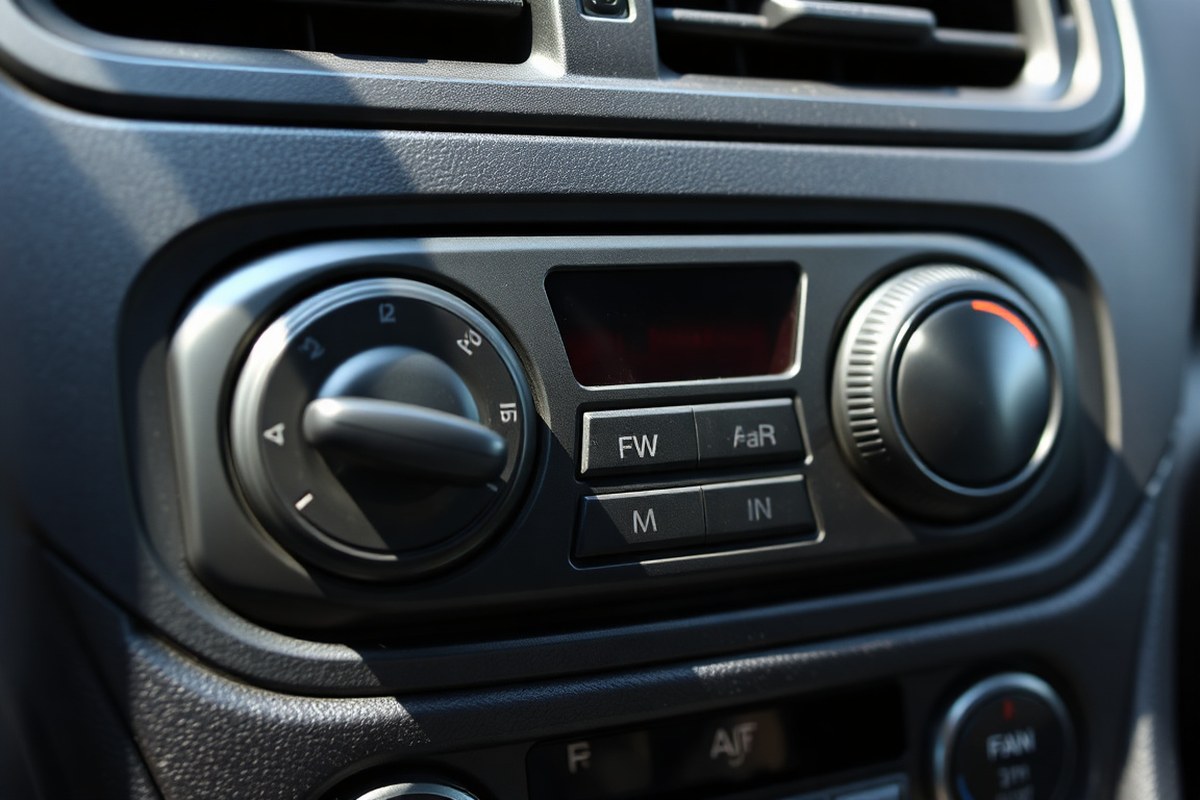
Using the heater in your car does not directly use extra gasoline. The heater pulls heat from the engine’s coolant, which already gets hot as the engine runs. This heat would otherwise escape through the radiator.
The gas engine produces waste heat during normal use. Your car’s heating system takes this heat and moves it into the cabin. This means the heater itself doesn’t burn more fuel to create warmth.
You might feel your fuel economy drop when using heat. But it’s mostly due to other factors.
Cold weather causes your engine to run less efficiently at startup. Engines take longer to warm up, so they use more gas initially.
Running the blower fan, defrost, and electrical systems uses more power. The engine has to work a bit harder because of this. This raises the electrical load on your car.
This can cause a minor fuel increase. Still, the extra gas used is small and often not noticeable.
Idling with the heater on does burn gas since the engine runs without moving. The heater relies on the engine’s heat, so you need the engine to run. This idle fuel burn is separate from heater use itself.
The heater’s impact on gas mileage is low compared to winter driving conditions. Cold air and longer warm-up times reduce your miles per gallon. Defrosting also lowers fuel efficiency more than just heat on.
These cause a bigger drop than simply turning the heat on. Don’t blame the heater alone.
Modern cars manage heating efficiently by using already produced engine heat. Your heater just redirects this heat inside your car. That makes heating economical and saves fuel compared to using separate fuel for cabin warmth.
How the Car Heater System Uses Engine Waste Heat
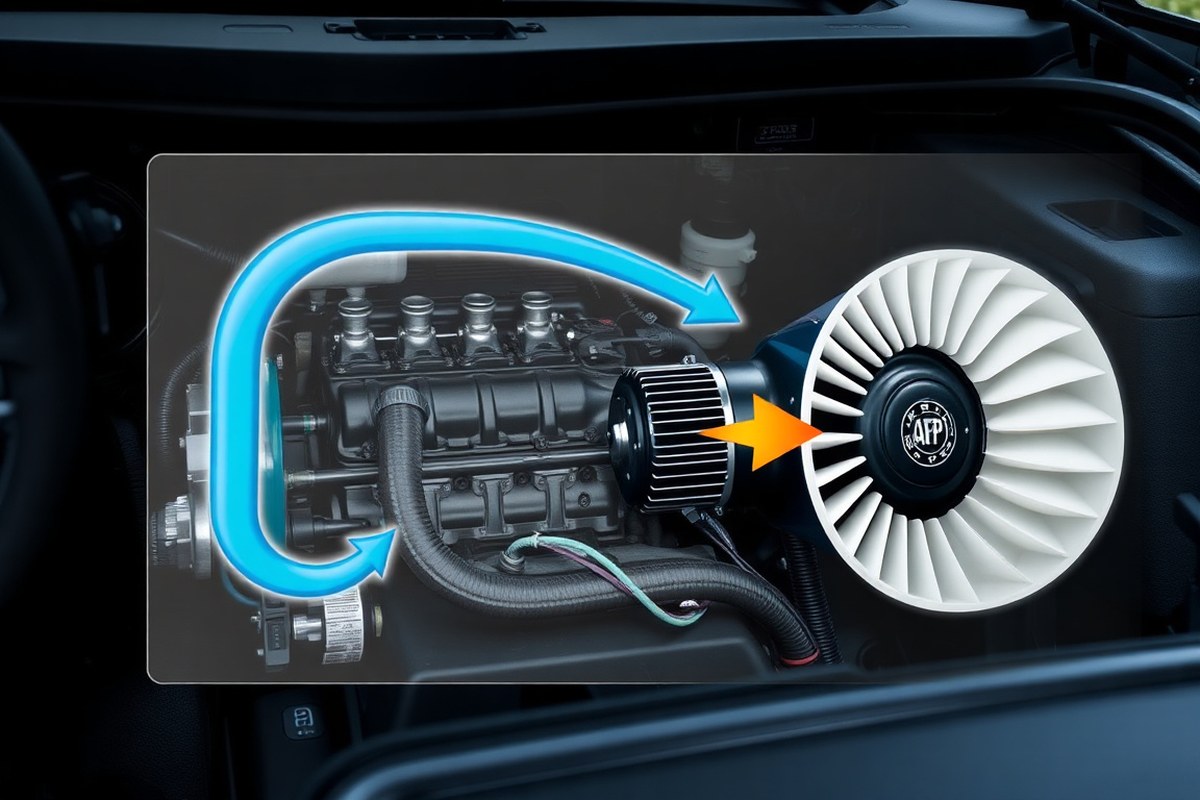
Your car’s heater warms the cabin by using heat produced by the engine. Hot coolant circulates from the engine to a heater core inside the dashboard. A blower motor then pushes air over that heater core, sending warm air into the cabin.
How Engine Heat Powers the Heater Core
The car engine always produces heat while running. This heat warms the engine coolant, which absorbs it to keep the engine from overheating. Instead of wasting this heat, the coolant flows into a small radiator.
This radiator is called the heater core. It uses engine heat to warm the cabin.
The heater core sits behind your dashboard. When hot coolant flows through it, the metal fins heat up.
This setup transfers engine waste heat into the heater core. So it acts like a tiny radiator inside your car.
The Role of Coolant in Heating
Coolant is a liquid mixture designed to absorb and move heat efficiently. It pumps through the engine and then the heater core. The water pump moves the coolant through the system.
It keeps the heat flowing from the engine to the heater core. This flow happens constantly while the engine runs.
When you turn the heater on, valves open to let hot coolant into the heater core. The system uses the heat already made by the engine. So it doesn’t create new heat just for warming the cabin.
Blower Motor Pushes Warm Air into the Cabin
The blower motor is an electric fan inside your ventilation system. Air blows over the heater core to warm it up. A blower motor pushes this warm air through the vents.
Then the air enters the cabin to heat it. Air that passes over the heater core picks up warmth very quickly.
Using the blower motor uses a small amount of electrical power from the alternator. That power indirectly causes a minor increase in fuel use.
But it’s very hard to measure. The main heat source remains the engine’s waste heat.
How Air Travels Through the Heating System
When the heater fan is off, cabin air moves slowly and cools quickly. Turning on the fan increases airflow across the heater core. Faster air flow pushes more warm air into the cabin.
This stronger airflow feels like the heater turning on fully. You notice it warms up the car quickly.
The heat goes through the heater core’s metal fins, then into the ventilation ducts. These ducts distribute the warm air evenly into the cabin. You can control fan speed to adjust how quickly the air moves and heats your car.
Why Engine Waste Heat Is Key to Cabin Comfort
Without engine heat, the car would need an electric heating element, which uses more fuel. The heater core uses heat the engine creates anyway and would lose to the environment. This process recycles energy to warm your cabin efficiently.
In cold weather, the engine takes time to reach operating temperature. That’s why the heater warms slowly after a cold start. The engine heats the coolant soon after starting.
The heater core gets hot fast once the engine is warm. Warm air comes out of the vents in minutes.
Keep your coolant levels checked regularly. Low coolant can reduce heater performance and cause engine overheating.
Why Winter Driving Lowers Fuel Economy Beyond Heater Use
Cold weather reduces your car’s miles per gallon even without using heat. The main reason is the cold start.
When the engine is cold, it burns more fuel to warm up. The engine needs more fuel to reach its best operating temperature.
This cold-start fuel penalty can lower your fuel economy by about 10% to 15%. The engine runs less efficiently. So it wastes more gas in the first several minutes of driving.
Short trips make this worse because the engine stays cold longer. It never gets to its ideal heat.
Idling consumes fuel even though the car remains stationary. The engine runs at low RPMs during idle, producing limited heat. This causes the heater to work weakly while burning gas without any movement.
Using a remote starter to preheat your vehicle increases fuel consumption. Idling always wastes fuel before driving begins.
Winter driving habits, like aggressive throttle or frequent stops, further cut fuel economy. The Department of Energy says this can cut gas mileage by 15% to 30%.
This loss happens mostly at highway speeds. Cold tires and thicker oil make the engine work harder, adding to gas consumption during winter.
Defrosting the windshield often runs the air conditioning compressor, which draws extra power and reduces MPG. These extra loads come from the compressor and electrical systems, not the heat itself.
Fuel costs in winter rise due to cold starts, idling, and extra electrical use. It’s not just from running the heater.
How Blower Fans, Defrosting, and Electrical Loads Affect Gas Usage
The blower fan and defrost A/C compressor add small, extra fuel loads. The fan’s electrical draw is minor but measurable. The defrost compressor uses more gas because it puts a bigger engine load on.
Fuel Impact by HVAC Mode
The heater mostly uses engine waste heat, so it doesn’t burn extra gas directly. But running the blower fan and defrost compressor increases fuel use slightly. Defrost mode switches on the A/C compressor.
This adds load to the engine. It also raises fuel consumption more than heat alone.
For most gasoline engines, the extra fuel use from blower and defrost ranges from 0.01 to 0.02 gallons per hour. The exact cost depends on idle time, ambient temperature, and fan speed. At steady highway speeds, these loads usually don’t add noticeable fuel use.
Electrical Load of Blower Motor at Various Fan Speeds
The blower fan runs on electric power from the alternator. The higher the fan speed, the more electricity it draws. That makes the alternator work harder and causes a small increase in fuel consumption.
You can lower gas use slightly by choosing a medium fan speed instead of the highest. The difference is small, about 0.01 to 0.02 gallons of gas per hour at high speed. Dropping from max to medium saves only a few cents an hour.
| Blower Fan Speed | Extra Gas Used (gallons/hour) | Estimated Cost ($/hour) |
|---|---|---|
| Off | 0 | 0 |
| Low | 0.005 – 0.01 | 0.02 – 0.04 |
| Medium | 0.008 – 0.015 | 0.03 – 0.06 |
| High | 0.01 – 0.02 | 0.04 – 0.08 |
This table shows the modest impact of fan speed on fuel use. Lowering fan speed slightly reduces electrical draw and fuel consumption. There’s no need for drastic changes unless you want to save every cent.
Defrost vs Heat-Only Fuel Consumption Comparison
Defrost mode triggers the A/C compressor, which draws significant engine power. This makes defrost use more fuel than just running the heater or blower. The compressor’s load noticeably bumps gasoline use while active.
Heat-only mode mainly draws electricity for the blower fan, adding little to fuel use. Defrost mode’s compressor increases consumption, sometimes by a similar small margin as high blower speeds combined. This difference matters more during long idle or cold starts.
Comparing Fuel Use in Gasoline, Hybrid, and Electric Cars
Gasoline, hybrid, and electric cars heat their cabins differently. These differences affect fuel or battery use for heating. Many drivers notice how this changes their ride, especially in cold weather.
Gasoline Cars Heating Source and Fuel Effect
Gasoline cars use engine waste heat to warm the cabin. The engine produces excess heat as it runs, which the heater core uses. This process doesn’t directly consume extra gas once the engine is warm.
During short trips or cold starts, the engine runs less efficiently. This can cause slightly higher fuel use, partly due to heater demand. Still, the heater mainly uses what engine waste heat is available.
Hybrid Heating Methods and Fuel Impact
Hybrids combine electric motors and gasoline engines, so heating varies by design. Some hybrids use engine heat just like gasoline cars. Others turn the engine off and on.
They run it only when heating is needed. This helps save fuel.
Many hybrids add electric heaters to supplement engine heat. This cuts down engine run time. It uses more battery power than usual.
The engine then uses more fuel to recharge. Cycling the engine helps keep emissions and fuel use lower.
Electric Vehicle Heater Use and Battery Range Effect
Electric cars use electric heating, not waste engine heat, drawing directly from the battery. They rely on resistive heaters or heat pumps to warm the cabin. This increases electricity use and reduces driving range.
Using the heater in an EV can cut range noticeably, sometimes over 10%. Heat pumps are more efficient than resistive heaters and reduce energy drain. Electric heater load is steady whether driving or idle, not using extra gas.
Heat uses in different powertrain types vary in source and energy cost. Here’s a simple comparison of how heating affects fuel or battery consumption.
| Powertrain Type | Heat Source | Fuel/Battery Impact | Efficiency Notes |
|---|---|---|---|
| Gasoline | Engine waste heat | Minimal extra gas after engine warms | Higher fuel use on cold starts |
| Hybrid | Engine heat + electric heater | Engine cycling lowers fuel use | Electric heating costs battery power |
| Electric Vehicle | Electric heater or heat pump | Battery range reduced by heating load | Heat pumps improve efficiency |
You can see electric and hybrid vehicles handle heating with more reliance on electricity. Battery power use for heat directly reduces range in EVs. Hybrids try to balance engine and electric heating to save fuel.
Using seat warmers instead of full cabin heat in an EV can save battery range.
Practical Steps to Minimize Fuel Use When Using Car Heat
Regular maintenance reduces wasted fuel when you run your car’s heater. Check the coolant level often since the heater uses engine heat circulating through it. Low coolant leads to less effective heating and longer warm-up times, which burns more gas.
Fluid top-offs usually cost less than $20 at parts stores. You can do them yourself or have a mechanic handle it. The job only takes a few minutes.
Timing your heater use also helps save fuel. Avoid running the heat at full blast right after starting cold. Instead, drive gently for the first few minutes as the engine warms.
This uses less gas than idling to warm up in the driveway. Letting your engine reach normal temperature naturally improves heater output and lowers fuel use.
- Keep coolant and thermostat handles working well.
- Replace air filters every 12,000 to 15,000 miles or per your manual.
- Avoid running heat while idling for long periods.
- Drive smoothly and avoid heavy acceleration during engine warm-up.
- Use recirculate mode to keep warm air inside and boost efficiency.
- Remove extra weight and roof racks to reduce overall fuel use.
- Keep tires inflated to recommended levels for better mileage.
Fixing heater core leaks or thermostat problems early avoids costly repairs and poor gas mileage. Modern cars use electric heaters or heat pumps. Their fuel use changes with your local climate.
Some cities have colder winters, which affects this more. In very cold areas, these systems may need backup heat, slightly raising fuel use.
Using the recirculate air setting warms the cabin faster. This shortens the time your heater uses extra energy. It helps save fuel when it’s cold.
This saves fuel since cold outside air demands more work from the engine. Keep your car tuned for better fuel economy in winter.
Fresh parts make your engine run smoothly and save you gas money. Regular care helps avoid costly repairs.
Common Myths About Car Heater Fuel Consumption Debunked
Your car’s heater does not burn gas directly like the air conditioner does. It uses heat from the engine’s coolant, which warms up as the engine runs. The heater uses leftover engine heat.
It does not burn extra fuel. That heat warms the cabin.
Idling with the heat on can actually waste a lot of fuel. A typical gasoline car burns about one to two liters while idling each hour. Running the heater means the engine stays on longer.
That uses more fuel. The engine must generate heat. Sitting still with the engine running and heater on wastes gas.
Driving uses fuel more efficiently. You pay more gas sitting still.
Turning the car’s heat higher doesn’t make the engine burn significantly more gas. The heater only uses waste heat from the engine. Turning the temperature higher changes your comfort.
It does not increase fuel use. Fuel economy depends more on how you drive and engine load.
Heater settings do not affect gas much. Your driving style matters more.
Some believe turning off the heater cuts fuel use. But it doesn’t save the most gas. Parking inside a garage or employing a block heater warms the engine faster.
This shortens the time the engine needs to heat up and reduces fuel consumption. An engine that reaches operating temperature quickly burns less fuel, even when the heater runs.
Letting your car warm up by idling with the heater on wastes fuel. It uses more gas than needed. Better ways exist to warm the engine.
It’s better to start driving gently after a short warm-up. The moving engine warms faster. You get heat in the cabin more quickly without burning extra fuel by idling long.
How Driving Habits and Idling Affect Heater Fuel Consumption
Idling with the heater on uses more fuel than heating while driving. When the engine runs but the car doesn’t move, it burns gas without producing useful work.
The heater still draws heat from the engine. But since the engine workload is low, fuel consumption doesn’t translate into movement.
In contrast, when you drive, the heater mainly uses waste heat from the engine. The engine produces heat as a byproduct when burning gas to move the car. The heat heats the coolant inside your car.
The heater core uses this to warm the air. It blows the warm air inside your cabin.
The main fuel cost happens because the engine runs. Using the heater itself doesn’t add much cost. Fuel burns mostly to keep the engine going.
So turning on the heater while driving barely increases gas usage. Driving steadily without excessive idling helps keep fuel use efficient even with the heat on.
Frequent stops and idling with the heater on waste more fuel. Sitting with the engine on for ten minutes at idle can consume 0.2 to 0.5 gallons of gas depending on the engine size and outside temperature. Using the heater then raises fuel use a little.
The engine needs to work harder to make heat. So, it burns more fuel during heating.
To reduce waste, avoid long idling when you want heat. Instead, start driving soon after the engine warms up. Driving warms the engine quickly without extra gas.
The heat goes to the heater core fast. This gives you warm air without burning more fuel.
Quick acceleration and high speeds in winter raise fuel use with heat on. This happens as the engine works harder overall.
You might hear the engine rev higher or see lower miles per gallon on your dashboard. Keeping speeds moderate and steady reduces extra gas needed for heating while driving.
Idling for heat wastes fuel and creates unnecessary emissions. Plan trips to minimize stop time with the engine running.
Estimating How Much Extra Gas Car Heater Use Consumes
Estimating how much extra gas your car heater uses starts with understanding the engine’s heat sources. Your engine produces heat naturally from burning fuel.
This heat warms the coolant, which then heats the air blowing into your cabin. The heater itself doesn’t use gas directly.
The blower fan uses electricity from the alternator. The alternator takes power from the engine, which can add a tiny fuel load.
The higher the fan speed, the more electrical power it uses. This causes a slight increase in gas use.
You can estimate extra gasoline consumption caused by using the heater’s blower. This involves calculating the electrical power needed and converting it into fuel energy equivalent. The typical blower fan might draw around 100 watts on a medium speed setting.
- Find the blower fan’s power draw. Check your vehicle manual or estimate about 100 watts (0.1 kW) for medium speed.
- Convert watts to fuel energy. Gasoline energy content is roughly 33 kilowatt-hours (kWh) per gallon.
- Estimate engine efficiency. Average engines convert about 25% of fuel’s energy into usable output.
- Calculate fuel consumed per hour. Divide blower power by engine efficiency and gasoline energy content: (0.1 kW) ÷ 0.25 ÷ 33 kWh/gal ≈ 0.012 gal/hour.
- Adjust for blower speed. Higher speeds draw more power, which increases fuel use proportionally.
- Consider heater core heat. Since it reuses engine waste heat, the heat itself adds no measurable fuel use.
- Sum total additional use. Blower power is the main fuel impact when heat is on, usually under 0.02 gallons per hour.
Running the heater blower at medium speed for an hour uses about one-hundredth of a gallon extra gas. This translates to about half a mile less mileage if your car gets 25 mpg. The blower fan’s electricity demand is the main fuel cost, not the heat.
If your blower runs on high, power use can double or triple. This raises your gas consumption a little. Cold winter air means your engine works a bit harder overall.
But the heater’s gas impact remains small. This simple math shows heater fuel use is small compared to idling. Cold starts also use much more fuel.
Step-by-Step Action Plan to Cut Gas Use When Heating Your Car
Follow these simple steps to warm your car without wasting much fuel. Each step helps you see the change in your fuel use or comfort.
- Before your trip: Use a block heater if available. So your engine warms up faster. You’ll know it worked if your engine temperature reaches normal more quickly.
- First 5 minutes driving: Keep the fan speed low. Use recirculate mode to trap warm air inside. This helps heat the car quicker. Check if your windows stay fog-free without blasting heat.
- After engine warms up: Turn off recirculate and increase fan speed for quicker heating. You’ll feel warmer air sooner than before.
- During long stops: Avoid idling with the heat on. Instead, turn off heat or keep it low. Notice if your gas mileage stays steady over time.
- Once every week: Clean or replace your cabin air filter to improve heater efficiency. A less dusty filter makes air flow better and heat stronger.
- Monthly checking: Inspect your car’s coolant level and top off if needed. Stable coolant level helps your engine and heater work properly.
- Seasonal prep: Before winter, check your tires and brakes to avoid extra drag and energy use. Your car will feel safer and get better mileage.
Frequently Asked Questions
Does Using Heat in a Car Directly Burn More Gas?
No, the heater mainly uses waste heat from the engine. The blower fan and defroster add a small load that uses slightly more gas.
Can the Car Heater Cause Noticeably Worse Gas Mileage?
Not by itself. Winter driving has cold starts and defrost use.
These factors hurt your mileage more. The heater alone doesn’t reduce mileage as much.
Why Does Idling with the Heater on Use More Gas?
Idling means the engine runs at low RPMs, producing less heat. It needs to work harder to warm the cabin, using extra fuel.
Do Electric Cars Use Less Energy When Heating Compared to Gas Cars?
Yes, EVs rely on battery power for heat, which can reduce driving range. Gas cars use engine heat, which doesn’t add extra fuel use.
Is Using the Heater Safer Than Rolling Down Windows to Warm Up?
Yes, heating keeps windows clear without wasting fuel from open windows. Rolling windows loses heat and can use more gas to keep warm.
Wrapping Up
Using your car’s heater mostly uses engine heat, so it doesn’t directly waste gas. Still, fan power and extra idling can raise fuel use slightly. Start your car smartly to save fuel.
Use heat efficiently in cold weather. This way, your fuel costs stay lower.
One Comment