
How Fast Do Geese Fly? A Complete Guide to Their Speed and Migration
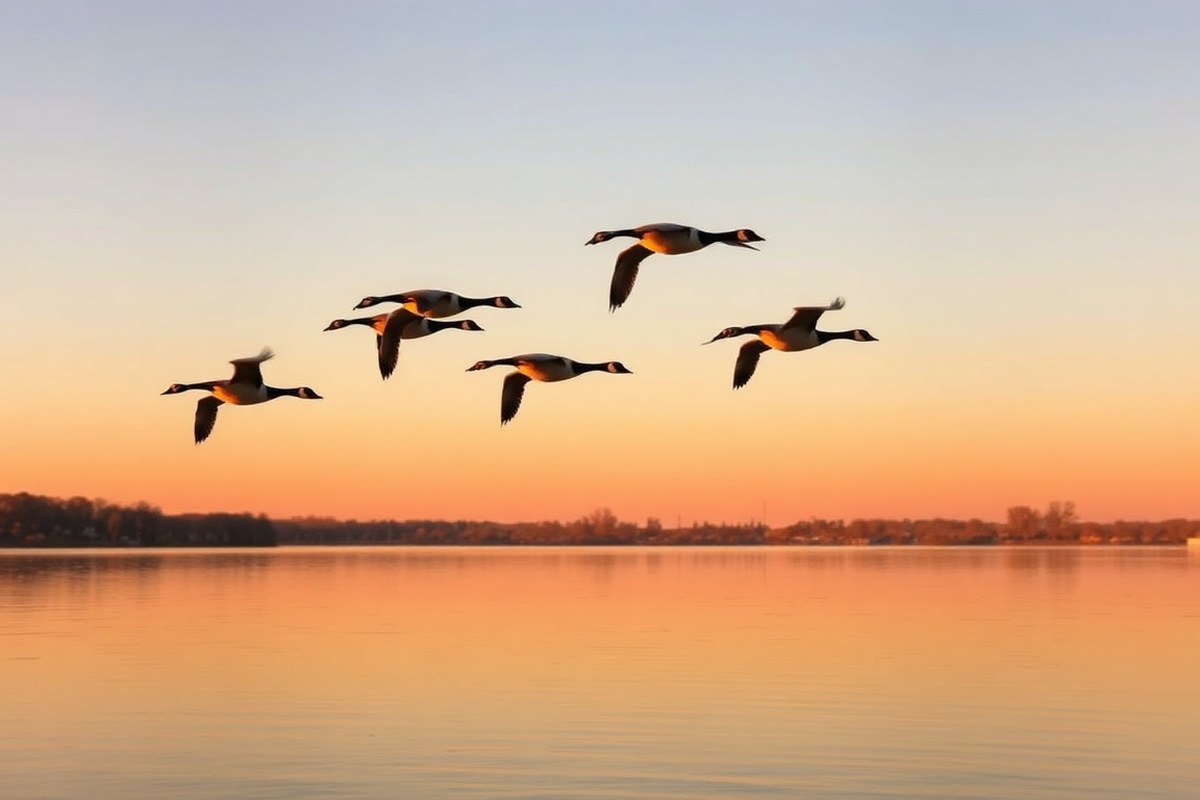
How fast do geese fly? Most geese travel between 30 and 50 miles per hour.
They use strong wing beats instead of just gliding to keep their speed up. This power helps them cover long distances during migration.
Geese can fly up to 24 hours without stopping. Their tough muscles help them. They keep a steady wing beat to last long in the air.
They also fly in tight V formations that cut wind resistance and save energy. Watching their flight speed and patterns can tell you a lot about their migration habits.
You’ll often see geese flying at altitudes from 1,500 to 10,000 feet during migration. These heights keep them safe from predators and help them avoid bad weather. Altitude and speed work together for efficient, long journeys.
Key Takeaways
- Geese generally fly at speeds between 30 and 50 mph during migration.
- They maintain flight for up to 24 hours without stopping on good days.
- Flying in V formations helps geese save energy and fly farther.
- Migrating geese often reach altitudes from 1,500 to 10,000 feet.
- Strong wing beats, not gliding, power geese flight speed.
- Higher altitudes help geese avoid predators and weather challenges.
How Fast Do Geese Fly During Migration?
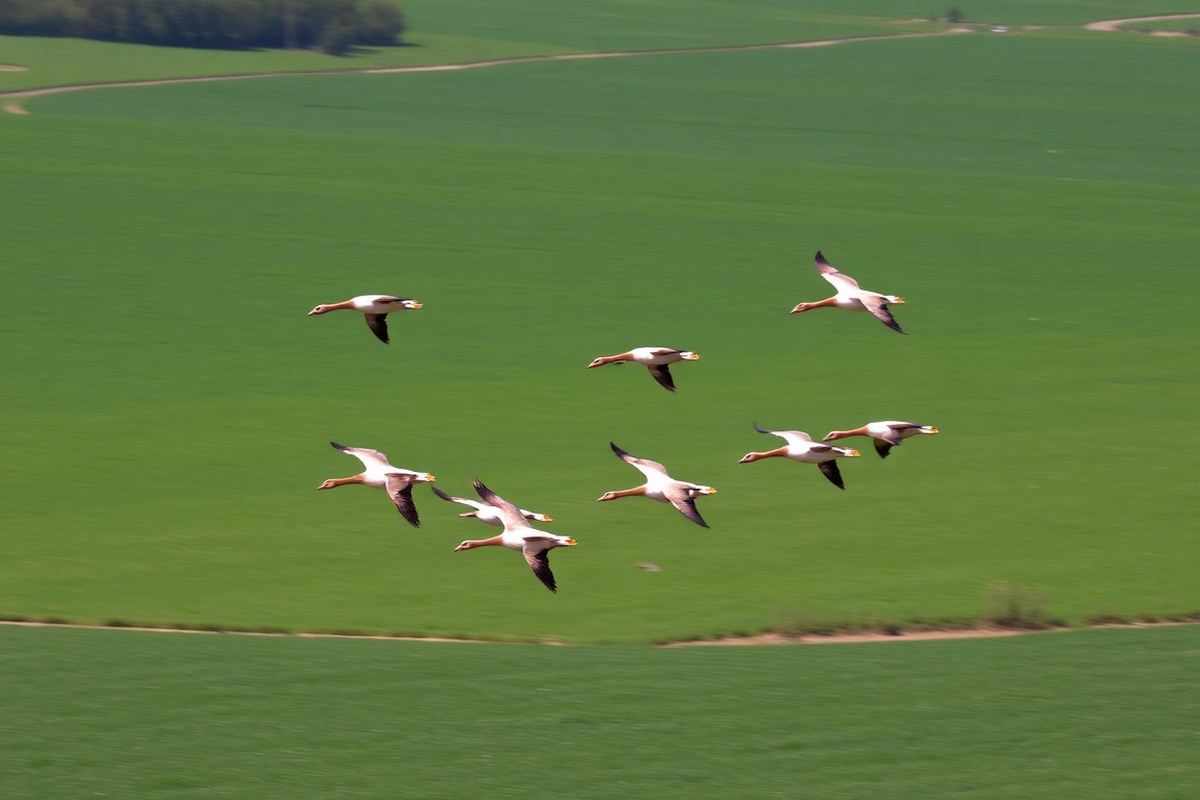
Geese usually fly between 30 and 50 miles per hour during migration. Canada geese often cruise at 40 to 50 miles per hour while covering long distances. This speed helps them cut down travel time but still conserves energy.
When startled, Canada geese can reach speeds of up to 70 miles per hour. This quick flight helps them avoid predators effectively. Their fast bursts rely on powerful wing beats but cannot last long.
Typical cruising speeds are lower to maintain endurance over long flights. Around 30 to 40 miles per hour is common for steady migration. Flying too fast would tire them out and force more frequent stops.
Differences in speed also depend on wind and weather. Tailwinds can push their speed above 50 miles per hour.
Headwinds slow them down. Geese adjust their pace to balance safety and travel efficiency.
Large studies show geese are fast flyers. They fly between 34 and 45 miles per hour. This speed is common during migration times.
This is impressive, given their heavy bodies compared to smaller birds. Their power comes from constant, forceful wing strokes rather than gliding.
What Altitudes Do Geese Reach While Flying?
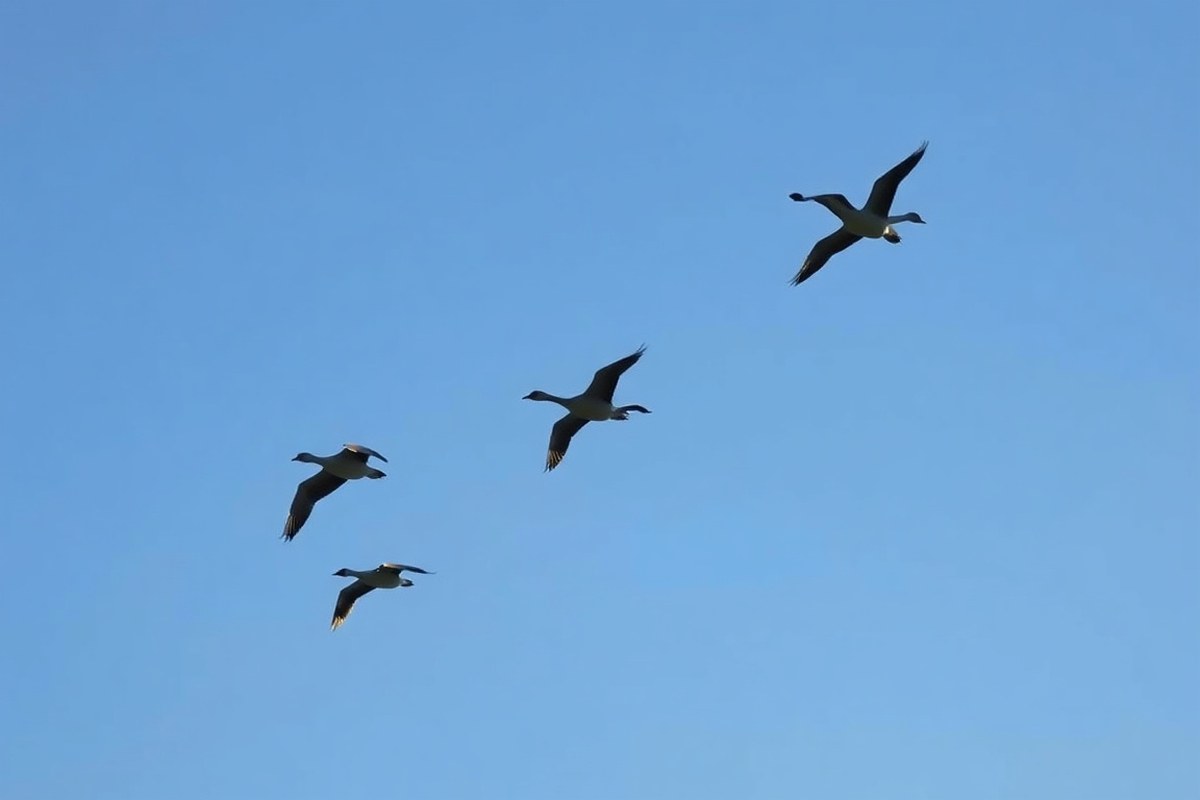
Geese migrate by flying mostly between 1,000 and 3,000 feet high. This height helps them stay clear of obstacles on the ground. Sometimes, Canada geese reach almost 29,000 feet, but that is unusual.
Bar-headed geese are known for flying far higher, up to nearly 30,000 feet. They cross the Himalayas at this altitude where the air is thin and oxygen is scarce. Their blood holds oxygen better than most birds’ blood.
This helps them stay active during long flights. It also stops them from getting tired too fast.
Flying at higher altitudes affects speed and endurance differently. Thin air means less oxygen. So geese need special adaptations to keep muscles working well.
At very high heights, geese may slow their speed. They can still fly far without stopping. Lower air resistance and fewer obstacles help with this.
Geese balance altitude to use less energy and maintain steady speeds. Lower altitudes have denser air, which makes flying harder but provides more oxygen. Thin air at higher altitudes means less energy is needed to lift.
But geese need to use oxygen well to keep going. Not using oxygen well would make them tire quickly.
To fly very high, geese must have strong lungs. Their blood also needs to hold oxygen really well. This combination keeps them from getting exhausted.
How Does Flying in Formation Affect Geese Speed and Endurance?
Geese fly in a V-formation mainly to save energy and improve endurance. This formation reduces air resistance, making it easier for trailing birds to fly. It also allows the flock to maintain faster speeds over long distances by sharing the workload.
Energy Savings from Wingtip Vortices
The main benefit of flying in a V-shape is using less energy. Each goose flies in the air rise from the bird in front. This helps them save effort when they flap their wings.
The air rise comes from wingtip whirlwinds called vortices. Birds behind catch this air and get pushed up a bit.
This push lowers how hard they must flap. That’s why geese can fly longer and with less effort.
A study found birds flying in groups have heart rates 11.4 to 14.5 percent lower than solo flyers. This means flying together lowers their energy use. For this benefit, the follower must time its wingbeat just right after the leader’s.
- Trailing birds catch lift from wingtip vortices
- Wingbeat timing needs to be slightly off-phase with leader
- Energy savings reduce fatigue over long flights
- Can lower heart rate by up to 14.5%
- Saves enough energy to fly farther without resting
- Helps balance speed and stamina during migration
This energy saving matters more for endurance than increasing top speed. Still, it indirectly helps flocks keep a steady pace for many hours.
Rotation of the Lead Goose Role
The lead goose uses the most energy because it faces the full wind resistance. Other geese fly behind it in the best position to save energy. To avoid tiring quickly, geese take turns in the front role.
This rotation keeps the flock moving at a steady pace. Birds take turns leading when the front goose gets tired. A fresh bird then flies at the front to help.
This switch keeps all geese from getting too tired. This balances energy use and helps the whole group fly longer.
Changing the lead is an easy way to share tough flying work. This strategy helps keep the whole group flying longer. It protects the flock’s strength.
Fatigue sets in less quickly this way. Everyone gets a rest during the journey.
Heart Rate and Endurance Benefits
Wild geese flying together show lower heart rates compared to those flying alone. Reduced heart rate means less energy spent on muscle work and better stamina. This matches findings from heart-monitor studies on pelicans flying in formation.
Geese flying in the V-formation can keep their heart rates 11 to 15 percent lower. This helps them endure longer flights, sometimes lasting up to 24 hours nonstop when conditions allow. Lower heart rates also reduce overall fatigue during migration.
These endurance benefits depend on the bird’s ability to match wingbeats and position within the formation. Birds that don’t flap in sync lose some energy savings.
They tire quicker without the right timing. That’s why formation flying requires coordination but pays off in endurance.
How Far and How Long Can Geese Fly Without Stopping?
Geese can fly nonstop for up to 16 hours. They cover hundreds of miles in one trip. In some cases, they fly continuously for as long as 24 hours.
Still, flights over 1,000 miles without stopping are unusual. Most geese migrate by flying hard for 4 to 8 hours before landing to rest.
During migration, geese usually cover 300 to 600 miles a day. They depend on stopover sites such as wetlands to rest and regain energy. These rest stops help them rebuild fat stores needed for the next stage of their journey.
Geese rarely fly continuously from their breeding grounds to wintering spots. Instead, they travel in stages, pausing for anywhere from 12 to 72 hours. This behavioral pattern helps maintain their endurance and supports their long annual migrations.
You can learn how geese manage nonstop flights. They follow some key steps during migration.
- Build fat reserves: Before migrating, geese eat a lot to store energy. This fat fuels their long flights.
- Fly several hours nonstop: Geese soar for 4 to 8 hours without pausing. Rarely, they fly up to 16 hours straight.
- Use favorable winds: Geese take advantage of tailwinds that help conserve energy and extend flight time.
- Stop at key wetlands: They land to rest and regain their strength. Geese may stay 12 to 72 hours there.
- Resume migrating in stages: After resting, geese repeat this cycle every day. They travel 300 to 600 miles daily.
- Adjust based on conditions: Weather and tiredness affect their flying time. They also decide when to rest based on this.
What Factors Influence the Flight Speed of Geese?
Wind affects ground speed because geese get a push or drag depending on its direction. A tailwind can add several miles per hour to their speed. This boost sometimes lets geese cover 700 to 1,000 miles in one day.
They take advantage of favorable winds to travel far. Geese avoid flying straight into strong headwinds.
Headwinds force them to work harder and slow down. They choose routes to minimize flying against the wind.
Weather conditions like rain or fog also influence their speed and flight choices. Poor visibility or wet feathers make flying harder. So geese may slow down or fly lower to stay safe.
On clear, calm days, geese often cruise faster. They can fly around 34 to 45 mph during these days. Less wind means they use less energy when flying.
Body condition changes speed too. Adult Canada geese usually fly faster and more efficiently than juveniles.
Larger or heavier geese don’t always fly faster because extra weight uses more energy. But strong, healthy birds tend to sustain higher speeds during migration.
The season matters because geese speed up during migration to reach breeding or winter grounds quickly. During breeding or local flights, they fly slower and shorter distances. This shift helps them save energy for feeding or protecting young.
Different species have varying flight speeds based on build and habits. For example, Canada geese typically cruise between 34 and 45 mph. Smaller species or those on short trips may fly slower.
They don’t cover long distances like big migrants do. This leads to slower average flying speeds.
Flight behavior, like escaping predators or joining a V-formation, changes how fast a goose flies. Escape bursts are quick and fast but brief. Formation flying usually helps maintain a steady, efficient cruise speed without tiring the birds.
Avoid relying on geese flying speed in strong headwinds; it often slows them drastically.
What Physical Adaptations Allow Geese to Sustain Fast, Long-Distance Flights?
Geese have strong chest muscles that power their wingbeats. These muscles let them flap steadily for hours during migration. Their wings are large and shaped to provide lift while reducing air resistance.
The wing structure includes long primaries that help with thrust and broad secondaries for gliding. This combo lets geese glide more between flaps, saving energy over long trips. Their wings also have a locking mechanism that helps hold a shape for better aerodynamics.
Fat reserves play a big role in endurance. Geese build up layers of fat before they head out. This fat holds fuel the body uses for energy.
Besides energy, fat helps keep body heat. Maintaining warmth during cold, high-altitude flights is critical to avoid hypothermia. Birds burning fat produce more heat compared to using carbohydrates or protein.
Flying at high altitudes, like over the Himalayas, presents low oxygen challenges. Geese that fly here have special respiratory adaptations. Their lungs extract oxygen efficiently even when the air is thin.
Their blood carries oxygen more effectively thanks to special hemoglobin types. This keeps muscles working hard despite reduced oxygen outside. These features allow them to sustain rapid wingbeats and keep up altitude without tiring quickly.
Geese also have a strong cardiovascular system to pump oxygen-rich blood to muscles. This combo of efficient lungs and powerful hearts supports flight durations of up to 24 hours. It’s why bar-headed geese can cross mountain peaks over 20,000 feet high.
How Do Wind and Weather Conditions Impact Geese Flight Speed and Routes?
Geese change their flying speed and routes based on wind and weather. They use tailwinds to speed up and avoid headwinds that slow them down. They also time their flights to miss storms and bad weather.
Using Tailwinds to Increase Ground Speed
Tailwinds push geese forward, helping them cover more ground with less effort. This means they fly faster and save energy during long migrations. Favorable winds can let geese fly as far as 600 miles in a day.
Geese look for tailwinds by adjusting their timing and choosing routes with helpful winds. They rely on wind direction forecasts and natural cues to catch these boosts. Tailwinds can increase their ground speed by several miles per hour.
Avoiding Flight in Bad Weather
Strong headwinds and storms make flying much harder for geese. They slow down or stop migration to avoid these tough conditions.
Flying in bad weather risks injury and uses more energy. So geese wait for better days.
Geese often delay or pause their migration during storms or when winds blow against them. These pauses can last hours or days until conditions improve. The best times to fly are usually clear, calm mornings or afternoons.
- Avoid flying during storms or heavy rain
- Wait out strong headwinds before migrating
- Fly during daylight when weather is stable
- Rest more on windy or harsh weather days
- Use tailwinds to reduce flight time
Stopping to rest during bad weather helps geese rebuild energy for the next flight stage. Waiting also reduces the risk of exhaustion or getting lost. They choose clear days to maximize flight efficiency.
Altitude Adjustments for Wind Conditions
Geese change their flight altitude to find better wind conditions. They might fly higher to catch a stronger tailwind or lower to avoid headwinds. Altitude shifts help them maintain speed and control against changing winds.
This adjustment also affects how fast they fly. Winds can be stronger or weaker at different heights.
So geese feel for the best layer. Flying too high or low can waste energy or slow them down.
What Are Common Myths and Surprising Facts About How Fast Geese Fly?
Geese don’t usually fly as fast as some stories claim. While they can reach 70 miles per hour in a quick burst, they usually fly slower. Most of the time, geese cruise at 40 to 60 mph during migration.
This helps them save energy on long trips. Geese don’t fly nonstop for thousands of miles.
They usually cover 100 to 200 miles before they rest. Resting is important for their long journeys.
Common Speed Myths vs. Verified Data
People say geese can fly faster than cars on highways. They can reach speeds up to 70 mph or more. This makes them surprisingly fast in short bursts.
It’s true they can briefly reach that speed. However, sustained flight at 70 mph or above isn’t well documented and seems unlikely.
On long trips, geese usually fly at 40 to 60 mph. Tailwinds often help push them along in migration. This keeps their speed steady over long distances.
This pace matches what most bird watchers and scientists report. It’s slow compared to commercial jets that cruise near 500 mph.
| Flight Speed | Speed Range (mph) | Notes |
|---|---|---|
| Typical Migration Speed | 40 to 60 | With favorable winds, common cruising speed |
| Maximum Burst Speed | Up to 70 | Short bursts, not sustained flight |
| Commercial Airliner Speed | 500 to 560 | For comparison, shows how slow geese fly |
Knowing these numbers helps stop exaggerations you hear in stories or online posts. Geese are fast flyers but not supersonic.
Nonstop Flight Limits Explained
Geese can fly nonstop for about 100 to 200 miles. This ability lets them cross rivers or cities in one go. They don’t fly thousands of miles nonstop like some myths say.
After flying their longest stretch, geese often rest to regain energy. Sometimes, good conditions let geese fly a second 100 to 200 miles.
Then they stop for the day to rest. This happens only if weather and wind stay favorable.
This pattern repeats during migration. Rest stops are important to avoid exhaustion and keep muscles working well.
Why Geese Honk During Flight
Not all geese honk loudly while flying. But Canada geese are famously noisy and obvious. Their honking helps them communicate and keep the flock together.
The calls coordinate changes in speed, direction, and warn of dangers ahead. It also helps strengthen bonds during long trips.
Don’t try to use honking as a sign to track all goose flights. Many are quieter depending on species and situation.
How Fast Do Different Goose Species Fly and Migrate?
Different goose species vary in flight speeds, altitudes, and migration distances. Canada geese and Bar-headed geese show some of the clearest differences in these areas. Size, behavior, and environmental demands shape how fast they fly and how far they go.
During migration, Canada geese usually fly at speeds between 30 and 40 mph. They typically cruise at altitudes from 1,000 to 3,000 feet. To clear obstacles like mountains, they sometimes fly even higher during their long North American journeys.
Bar-headed geese, on the other hand, are famous for their nonstop flights over the Himalayas. They fly at altitudes exceeding 20,000 feet, where oxygen levels are low.
These geese fly at about 40 mph at high altitudes. They show strong endurance to keep up this speed.
| Species | Typical Migration Speed (mph) | Common Flight Altitude (feet) | Maximum Recorded Altitude (feet) | Typical Migration Distance (miles) |
|---|---|---|---|---|
| Canada Goose | 30-40 | 1,000-3,000 | Up to 5,000 | Up to 3,000 |
| Bar-headed Goose | ~40 | 5,000-15,000 | Over 21,000 | Over 1,500 (nonstop Himalayan crossing) |
| Snow Goose | Up to 50 | 1,000-3,000 | 5,000+ | Up to 3,000 |
Smaller species like Bar-headed geese adapt to flying higher and faster over mountains. Their size and physiology give them better stamina at low oxygen. Heavier species like Canada geese balance speed with longer stamina using slower, staged flights.
Migration distance also differs. Canada and snow geese travel long distances with breaks.
Bar-headed geese fly shorter, extreme nonstop legs to cross the Himalayas. These strategies show how species choices affect speed and endurance needs during migration.
Step-by-Step Action Plan to Observe and Understand Goose Flight
Follow these steps to see how fast geese fly and learn about their flight habits. You will notice changes in speed and behavior along the way.
- Before migration season: Read about the main goose species in your area. This helps you identify their typical flight speeds and routes.
- Week 1 of migration: Find a clear open space where geese fly above trees or fields. Use binoculars to watch their altitude and formation flying.
- Week 2 of migration: Watch for flocks as they fly by. Record the times they pass a spot. Use timing and distance to estimate their speed. Note wind or weather conditions.
- Week 3: Look at the goose groups and their V-shapes. Notice how the formations change. See how often they change their leader in flight. This shows endurance strategies.
- Week 4: Use a smartphone app or GPS device to track goose flight if possible. Compare data with your earlier speed estimates to check accuracy.
- After migration ends: Review your notes and photos. Look for patterns in flight speed, altitude, and distance relative to weather changes.
- Next migration season: Try spotting different goose species to compare their flight speeds and behaviors firsthand.
Frequently Asked Questions
Do Geese Sleep While Flying?
Geese do not sleep fully when they are flying. They rest half of their brain at a time. This helps them stay alert while flying.
This lets them stay alert and maintain flight over long distances. They need to land eventually for full rest and sleep cycles.
How Long Can a Goose Fly Without Stopping?
Some geese can fly nonstop for up to 16 hours, covering great distances. Bar-headed geese have even been recorded flying nearly 24 hours during migration. They rely on strong wing beats and feeding before flights to sustain energy.
Why Do Geese Honk While Flying?
Geese honk to communicate and keep the flock together during flight. Their calls help coordinate changes in speed and direction. Honking also boosts group morale on long, tiring migrations.
How Intelligent Is a Goose?
Geese have moderate intelligence with good memory and problem-solving skills. They recognize faces and remember safe feeding spots. Their social behavior shows they can learn and adapt to changing environments.
How Fast Can Geese Fly in a Hunting Dive?
Geese do not perform hunting dives like raptors. They mainly fly steady at 30+ miles per hour using powerful wing beats. Their flight suits long distances rather than sudden speed bursts.
Final Thoughts
Geese fly fast, steady, and far by using smart flying techniques and their strong bodies. Watching them during migration helps you see these facts in action. Start by spotting geese near open fields or lakes to notice their flight speed yourself.





2 Comments