Is e10 Gas Regular Gas a Complete Guide to Fuel Types and Vehicle Use
E10 gas is often called regular fuel in the U.S. It contains up to 10% ethanol mixed with standard gasoline. You will usually find E10 under the regular or 87 octane label at gas stations.
E10 holds about 98.5% of the energy found in pure gasoline. This means your car runs well on E10 without losing much power or efficiency. Most conventional cars are designed to handle E10 safely.
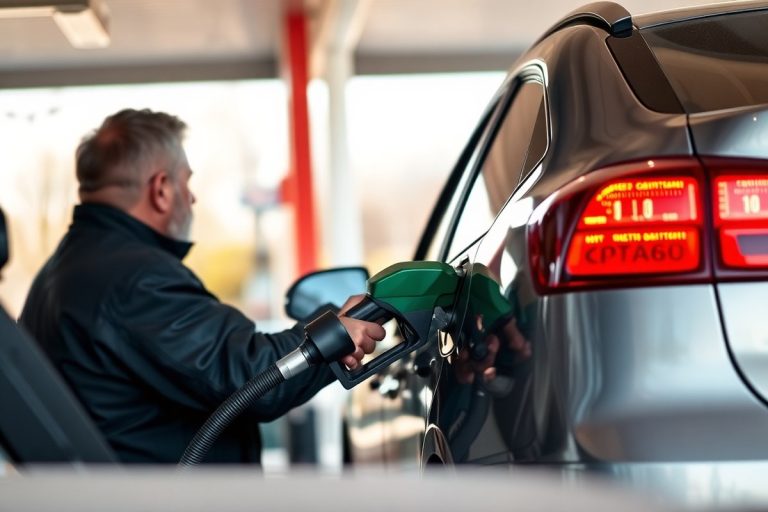
Look for a pump label that says “may contain up to 10% ethanol.” This confirms the regular gas you use is actually E10. It helps ensure your engine gets the right fuel without issues.
Using E10 also slightly reduces air pollution compared to pure gasoline. It performs like regular gas in everyday driving conditions.
Key Takeaways
- E10 gas is regular gasoline with up to 10% ethanol added for blending.
- Almost all regular 87 octane gas in the US is E10 by default.
- E10’s energy content is close enough to pure gasoline to preserve engine performance.
- Most gasoline cars built since the 1980s run safely on E10 without adjustments.
- Check for “up to 10% ethanol” labeling to identify E10 gas at the pump.
- Using E10 instead of ethanol-free fuel typically costs about the same per gallon.
Is E10 Gas the Same as Regular Gasoline?
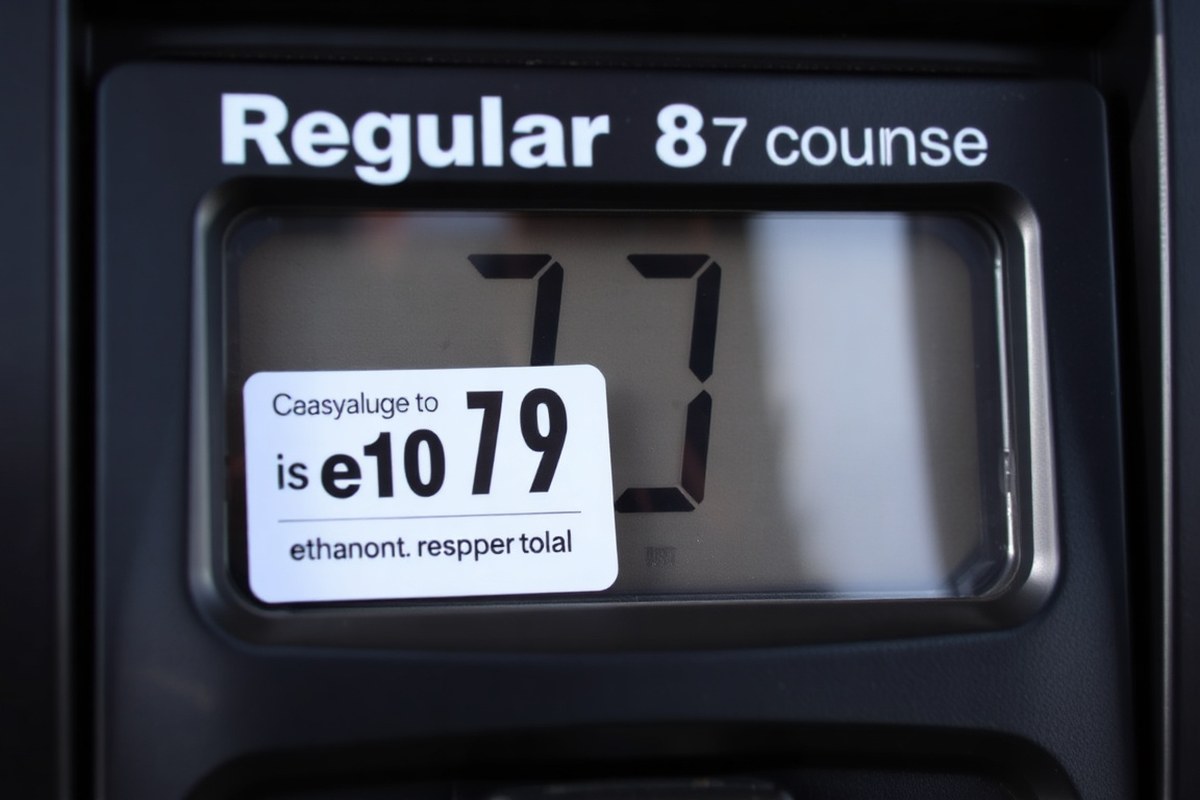
E10 gas is generally the same as regular gasoline at most U.S. Pumps. It means the fuel contains up to 10% ethanol mixed with regular gasoline. Almost every station’s 87 octane regular unleaded is actually E10.
The word “regular” on the pump describes the octane rating, usually 87 in the U.S. The term E10 refers to the ethanol percentage, not the fuel grade. So, E10 is regular gas with up to 10% ethanol added for cleaner burning.
Most U.S. Gasoline contains about 10% ethanol, according to the Energy Information Administration. This means most of the regular 87 octane gas you buy is E10 without special labels. A sticker stating “may contain up to 10% ethanol” means it’s E10.
Ethanol lowers the energy in fuel a bit. Pure gasoline has about 114,000 BTUs per gallon. E10 fuel contains about 112,000 BTUs per gallon.
It also raises the octane rating slightly, helping the fuel burn more smoothly. This is why you can find 87 octane regular gas that is also E10.
You can recognize E10 by reading the pump label or the fuel door on your vehicle. Labels usually state ethanol content clearly to comply with federal rules. However, if a pump lacks specific labeling, the regular 87 octane fuel is most likely E10.
Regular gasoline without ethanol, often called E0, is less common and usually costs more. It’s used mostly in boats or small engines that can have issues with ethanol. For everyday cars, you’re almost always using E10 when you buy regular gas.
What Is E10 Gasoline Made of and How Does It Work?
E10 gasoline is regular gasoline mixed with up to 10% ethanol by volume. Ethanol is a renewable alcohol fuel made mostly from corn or sugarcane. Adding ethanol helps reduce reliance on pure petroleum fuels and lowers greenhouse gas emissions.
Ethanol carries about 33% less energy per gallon than gasoline. This means E10 fuel has roughly 98.5% of the energy content of pure gasoline. E10 has less energy than pure gasoline.
This can lower fuel efficiency by about 3%. Vehicles might use more fuel with E10.
Ethanol also has a higher octane rating than pure gasoline. This can improve the fuel’s ability to resist engine knocking or pinging. Ethanol causes more corrosion than gasoline.
It also absorbs water easily. This can damage fuel parts if the car isn’t made for it.
Keep in mind that ethanol blends like E10 attract moisture. So avoid storing fuel for long periods to prevent fuel system issues.
Most modern cars are built to run on E10 without problems. It is the common fuel type sold for everyday driving in the US. E10 meets legal rules for mixing renewable fuel into gas.
It helps support energy diversity. E10 works fine in most engines.
How Does E10 Affect Vehicle Compatibility and Safety?
Most modern cars, trucks, and SUVs can safely use E10 gasoline. The Environmental Protection Agency approves E10 for all conventional gas-powered vehicles.
Automakers have certified their models for E10 use for over 40 years. So if your vehicle was made after 2001, you should be fine filling up with E10.
Older cars, especially those built before 2001, often have restrictions on E10 use. These vehicles might experience engine problems or reduced performance when using E10. The ethanol in E10 can cause corrosion and damage fuel systems in these older engines.
So check your owner’s manual carefully. Ask a trusted mechanic to confirm if your car is compatible.
Small engines like those in lawn mowers, chainsaws, boats, and generators usually aren’t designed for E10. Using E10 in these engines can cause corrosion, damage fuel parts, and reduce performance.
For these, it’s better to use ethanol-free gasoline, often labeled E0. This fuel costs a bit more but protects small engines from harm.
E10 contains up to 10% ethanol, which can be more corrosive than pure gasoline. Ethanol soaks up water over time. It can cause rust inside fuel tanks.
This is a bigger risk in older or unused equipment. Run a pre-2001 vehicle or small engine?
Store it with fresh E0 gasoline. Or use a fuel stabilizer made for ethanol blends to protect it.
When filling up a classic or older car, always consult the owner’s manual first. Avoid E10 if your manual warns against it, and seek ethanol-free gas if possible.
For everyday driving, E10 is usually the safest and most economical choice for newer vehicles. Using the right fuel stops corrosion and keeps your engine running well without costly repairs.
How Does E10 Impact Fuel Economy and Cost per Mile?
E10 gasoline contains about 10% ethanol, which has less energy than pure gasoline. Ethanol delivers roughly one-third less energy per gallon than gasoline does. So, E10 fuel provides around 98.5% of the energy that regular gasoline (E0) offers.
This energy difference means you’ll see a small drop in fuel economy with E10. You usually lose about 3 to 4 percent of your MPG. This happens when you use E10 instead of pure gasoline.
The mileage drops slightly but it’s normal. If your car gets 30 MPG on E10, expect about 31 MPG without ethanol.
The extra MPG comes from using ethanol-free gasoline. This difference affects your fuel efficiency.
This drop in MPG means you’ll burn a bit more fuel to travel the same distance. However, E10 usually costs about the same per gallon as regular gas.
Sometimes E10 is even a little cheaper per gallon. So the overall cost per mile stays close to regular gas.
Here’s a table with prices, MPG, and cost per mile for fuels. It compares E10 and other ethanol blends clearly.
You can use this to check your fuel costs. This example uses a vehicle that gets 30 MPG on E10:
| Fuel Type | Price per Gallon | MPG | Cost per Mile |
|---|---|---|---|
| E10 Regular | $2.86 | 30.0 | $0.0953 |
| E85 (27% MPG Loss) | $2.49 | 21.9 | $0.1137 |
| E10 Regular | $4.43 | 30.0 | $0.1477 |
| E85 (27% MPG Loss) | $3.45 | 21.9 | $0.1575 |
To estimate your cost per mile, divide the price per gallon by your MPG. For example, paying $2.86 per gallon with 30 MPG results in about 9.5 cents per mile.
Pay attention to price differences at your local station. Sometimes slightly lower prices for E10 can offset the small drop in MPG.
In short, E10 reduces fuel economy slightly due to ethanol’s lower energy content. You’ll burn around 3 to 4 percent more fuel for the same range. Pricing changes a little across regions and time.
Watch the pump labels and prices carefully before you choose gas. That helps you find the best deal for your budget. Picking right saves money over time.
Differences Between E10, E15, and Higher Ethanol Blends
E10 contains up to 10% ethanol, while E15 has up to 15%. E85 has a much higher ethanol content, usually 51% to 83%. These differences affect octane ratings, vehicle compatibility, and how you should use them.
E10 Ethanol and Octane Content
E10 blends gasoline with 10% ethanol and usually has an octane rating of 87. E15 contains 10.5% to 15% ethanol and carries about 88 octane, slightly higher than regular gas.
E85 varies from 51% to 83% ethanol and often has an octane rating near 100. But this can change based on ethanol percentage.
Octane rating shows fuel’s ability to resist knocking during combustion. Ethanol raises the octane number but reduces the energy content per gallon. Because of this, fuels with higher ethanol usually have less miles per gallon.
| Fuel Type | Ethanol Content (%) | Typical Octane Rating (AKI) | MPG Impact |
|---|---|---|---|
| E10 | Up to 10% | 87 | Minimal MPG loss |
| E15 | 10.5, 15% | 88 | Small MPG loss |
| E85 | 51, 83% | Approx. 100 | 15, 27% MPG loss |
Many stations offer E10 at the 87 octane grade. Some sell E15 for cars made after 2001 with an 88 octane grade. E85 is sold mainly for flex fuel vehicles (FFVs) and often has a higher octane rating.
Vehicle Requirements for E15 and E85
E15 is approved only for cars and light trucks from model year 2001 onward. Using E15 in older cars can cause engine damage and void warranties. E10 is generally safe for most vehicles built after the 1980s.
E85 is for flex fuel vehicles (FFVs) only. These vehicles have ethanol sensors and software that adjust fuel delivery. Using E85 in a non-FFV can lead to poor performance and engine issues.
Check your owner’s manual before using E15 or E85 to protect your engine and warranty.
Environmental and Performance Differences
Using E10 or E15 reduces emissions compared to straight gasoline. The added ethanol burns cleaner and lowers carbon output. E85 burns even cleaner but reduces fuel economy by 15 to 27 percent.
E15 provides a slight boost in octane but only a small drop in miles per gallon. E85’s higher ethanol content means you use more fuel per mile driven. It only saves money if priced at least 20% lower than regular gasoline.
How to Identify E10 Gas at the Pump and Find Ethanol-Free Fuel
You can tell E10 gas by checking labels and stickers on the pump. Ethanol-free fuel, or E0, is less common but still available at select stations. Labels vary, so it helps to look carefully and use apps to find the right fuel.
Spotting Ethanol Content Stickers
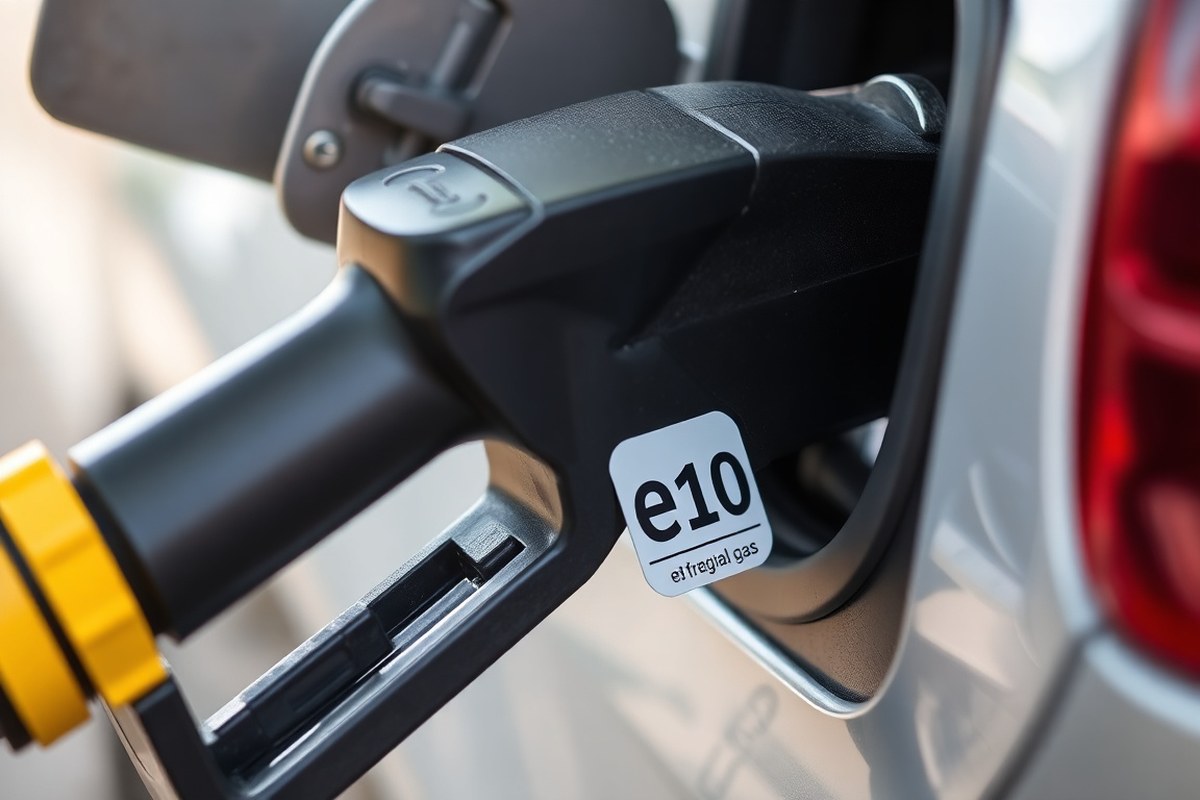
Most pumps show ethanol content near the fuel grade or on the nozzle. Look for labels like “E10” or “contains up to 10% ethanol.”
Sometimes, the label is small or hard to spot. So check carefully before you start pumping.
Pumps selling ethanol-free gasoline usually say “E0” or “ethanol-free.” These can be on the pump face or a sticker near the handle.
Not every station labels fuel clearly. So feel free to ask the station attendant if you’re not sure.
Using Apps to Find E0 Gasoline
Apps dedicated to fuel locations help you find ethanol-free gasoline nearby. They list stations by fuel type and price, saving you time and gas. Using these apps is useful if your area has few options for E0 gas.
Regular gas stations often list only E10. Ethanol-free versions show separately in the app. Prices for E0 tend to be higher by as much as 56 cents per gallon.
So you can compare before driving out of your way. These apps update frequently to match station inventories.
Best Practices When Buying Fuel
Always check the pump carefully before filling your tank, especially if you want to avoid ethanol. Don’t see a clear label? Ask the station worker.
Or use a station that shows fuel details. Buy E0 fuel only if your vehicle needs it or you want to avoid ethanol-related issues.
- Check the sticker near fuel grade or nozzle for ethanol content.
- Use fuel locator apps to find ethanol-free gas stations.
- Confirm fuel type with staff if labels are unclear.
- Expect to pay more for ethanol-free gasoline than E10.
- Know your vehicle’s ethanol tolerance before choosing fuel.
- Compare prices and locations using apps before you fill up.
Know how to spot E10 gas. Find E0 fuel too. This helps you buy what suits your needs.
Some stations only offer E10 on regular pumps. Premium pumps often show other blends clearly. It’s worth taking a bit of extra time to avoid surprises in your tank.
Common Myths and Facts About E10 Gasoline
Common Myths and Facts About E10 Gasoline
One common myth is that E10 gas wrecks engine seals or fuel lines. Modern flexible-fuel vehicles (FFVs) have materials built to handle up to 85% ethanol. This means seals, lines, pumps, and injectors won’t break down just because you use E10.
Another worry is that ethanol attracts water and causes corrosion. Ethanol can draw moisture from the air. This usually causes issues only if water separates in the tank.
Water then pools at the tank’s bottom, causing problems. This phase separation is rare and more common in high-ethanol blends or very humid conditions.
People often say E10 causes cold start problems. Ethanol has a lower vapor pressure than regular gasoline. This can make starting your car in cold weather harder.
For most drivers and climates, the difference is small. It usually goes away once the engine warms up.
- E10 uses ethanol-compatible materials in the fuel system
- Water attraction by ethanol mainly risks phase separation
- Phase separation can cause engine stalling if untreated
- Cold starts may be slightly tougher below freezing temperatures
- Most cars run fine on E10 without damage or extra care
- Regular maintenance prevents ethanol-related fuel system issues
- Using ethanol-free fuel can avoid these concerns in classic cars
To avoid phase separation, keep your gas tank at least half full in humid climates. Regularly fill up to avoid long storage times. In cold weather, using fuel additives designed for winter can help if you notice starting troubles.
Classic or antique car owners might prefer ethanol-free gas. Their fuel system parts don’t always resist ethanol well.
E10 does not harm modern engines or fuel systems. Proper care and following your vehicle manufacturer’s recommendations is enough.
Ethanol problems mostly happen in extreme cases or with older cars. Older vehicles may not be designed for ethanol fuel.
Environmental and Regulatory Reasons Behind E10 Prevalence
The US government requires ethanol blending in gasoline through the Renewable Fuel Standard (RFS). This program aims to cut greenhouse gas emissions by increasing renewable fuel use.
Nearly all US gasoline contains 10% ethanol, called E10. This is partly due to a government mandate.
The RFS sets yearly targets for renewable fuel volume in transportation fuel. Ethanol comes mainly from corn in the US and replaces some petroleum gasoline.
Using E10 or E15 lowers carbon dioxide emissions by about 3 to 7%. These blends substitute some pure gasoline.
E10 burns cleaner than traditional gasoline. It lowers tailpipe emissions and air pollution, contributing to better air quality.
Cleaner fuels help states and the EPA meet air quality rules. These rules fight smog and greenhouse gases.
Costs to produce ethanol have been lowered by government subsidies and advances in technology. Blending ethanol adds a renewable component without drastically changing fuel prices at the pump.
Ethanol has less energy per gallon than gasoline. This might cause a small drop in fuel economy.
Filling stations must offer E10 to comply with these standards, so it’s widely available. This availability supports the RFS goals and helps automakers meet stricter emissions regulations. Some states promote ethanol fuel further during events or months like Nebraska Renewable Fuels Month.
Increasing the ethanol share beyond 10% requires careful adjustment to vehicles and fuel infrastructure. Still, the current mandate balances emissions reduction, vehicle needs, and fuel supply.
The Renewable Fuel Standard boosts renewable fuel use. This helps reduce emissions from transportation fuels.
Remember that E10 blends produce fewer emissions. But may slightly lower your car’s fuel economy.
How Octane Ratings Relate to Ethanol Content in Gasoline
E10 gas usually has an octane rating around 87, the same as regular gas. Ethanol in E10 raises the octane rating without changing the fuel type. This means you can use E10 in cars rated for 87 octane fuel.
Octane Rating Explained
Octane rating measures how much a fuel resists knocking during combustion. Knocking happens when fuel ignites too early, which can damage the engine. Regular gas typically has an octane of 87, which suits most cars on the road.
Higher octane fuels like 91 or 93 resist knocking better. They work well in engines made for high compression. These fuels help prevent engine damage from knocking sounds.
Using higher octane than your car needs usually doesn’t improve performance. Your owner’s manual shows the minimum octane required for your vehicle.
Ethanol’s Effect on Octane
Ethanol has a high octane rating near 100. So blending it into gasoline raises overall octane.
Gasoline producers add ethanol to increase octane cheaply compared to refining higher-grade fuels. Ethanol also adds oxygen, helping the fuel burn cleaner and stretch gasoline supply.
Adding 10% ethanol to gasoline typically boosts the octane rating by 1 to 3 points. That is why E10 fuel sold as regular usually matches 87 octane standards. Without ethanol, the base gasoline might have a lower octane rating.
Choosing Between Regular and Premium Fuels
Most premium gasoline blends like 91 or 93 octane also contain ethanol, often as E10. The ethanol raises their octane enough to meet premium standards at a lower cost. Always follow your vehicle manual’s recommended octane level for best engine health.
Using regular E10 gas in a car requiring premium can cause knocking and reduce performance. Using premium E10 in a car needing only regular usually won’t harm your engine.
But it adds extra fuel cost. You pay more for higher octane, not necessarily more ethanol.
Your Quick-Start Plan for Using and Recognizing E10 Gas
Follow these steps to confidently use E10 gasoline and choose the right fuel for your car. This plan helps you spot E10, check compatibility, and monitor its effects.
- Before your next refill: Check your car’s owner manual for E10 compatibility. Confirm your vehicle supports it to avoid damage.
- At the pump: Look for the E10 label on the gas pump. It’s usually marked clearly or has an ethanol content sticker.
- Right after refueling: Use a note or app to track fuel type and mileage. Watch for any unusual engine behavior in the first few drives.
- First tank of E10: Observe if your fuel economy changes. Mild drops are normal. But big drops could mean your car isn’t handling E10 well.
- Within the first month: Compare your fuel expenses per mile with previous months. This helps you see if E10 affects your costs.
- After about two months: If your vehicle reacts poorly, switch to ethanol-free gas if available. This avoids long-term engine issues.
- Ongoing: Stay updated on local gas station options. Ethanol-free fuel appears seasonally or regionally and might be worth the extra mile.
Frequently Asked Questions
Are E10 and 87 Gas the Same?
Yes, E10 is usually the 87-octane regular gas you buy. It means the fuel has up to 10% ethanol mixed with regular gasoline.
Can I Use Regular Gas on an E10?
Regular gas at most U.S. Stations already contains E10. So, when you buy regular, you’re filling with gasoline that likely has 10% ethanol.
Are E10 and 91 Interchangeable?
No, 91 octane gas is higher grade than typical E10 used in 87 octane. Both may contain ethanol, but their octane ratings differ.
Is 93 Premium Gas E10?
Sometimes, yes. Many premium fuels labeled 93 octane contain up to 10% ethanol.
This means they can be considered E10 blends. Check the pump label.
Does Using E10 Gas Affect Engine Warranties?
Most car warranties cover fuels with up to 10% ethanol. So E10 is generally safe. Always check your manual to be sure.
Wrapping Up
E10 is a type of gas with up to 10% ethanol, often classified as regular gasoline. Your vehicle likely can use it safely if your manual says so. Next, check the pump label before filling up to know exactly what you’re buying.