
How Often Should You Get Tires Rotated: A Complete Guide with Expert Tips
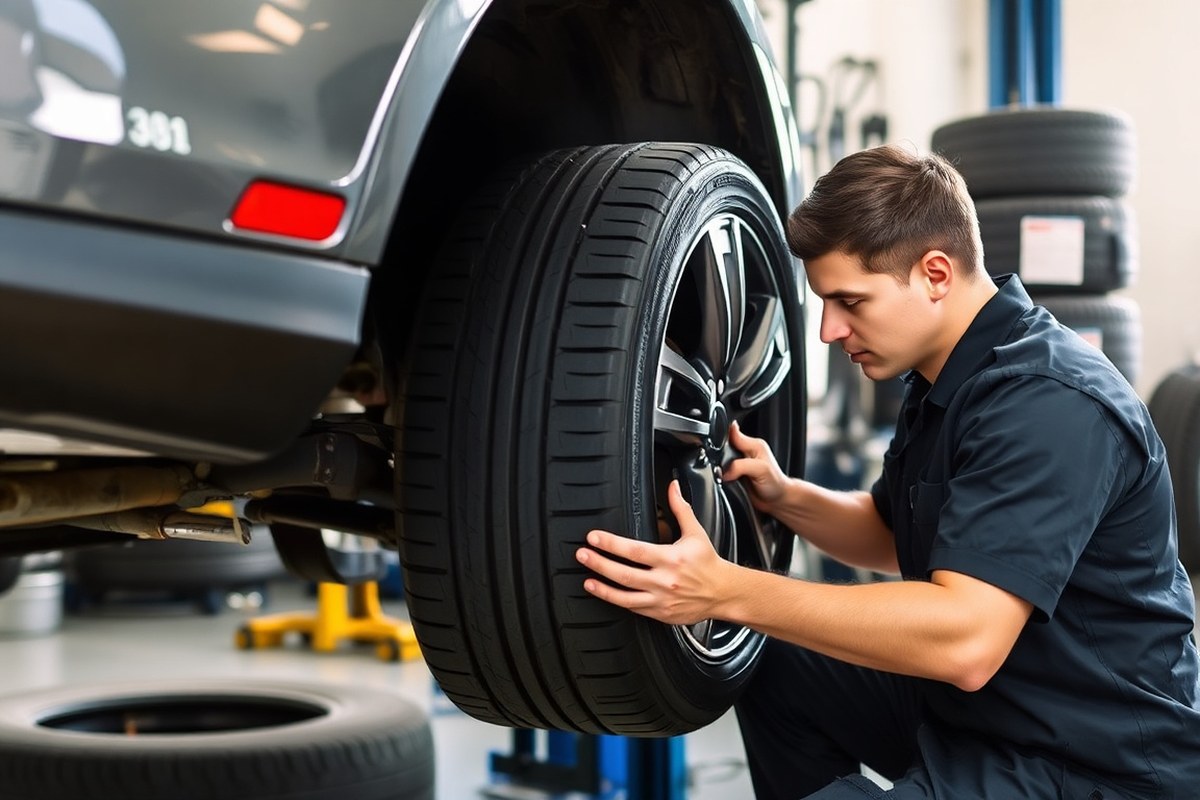
Wondering how often should you get tires rotated? The best rule is every 5,000 to 7,000 miles or about every six months. Sticking to this keeps your tires wearing evenly and lasting longer.
This schedule suits most cars, but check your owner’s manual for specific recommendations. Tires wear differently depending on whether you drive front-wheel, rear-wheel, or all-wheel drive vehicles.
Rotating tires regularly improves driving safety and saves you money by preventing early tire replacement. Getting this done during routine maintenance, like oil changes, makes it easy to stay on track.
Remember, new tires especially need rotation by 5,000 miles since fresh tread can wear unevenly fast. Keeping up with rotations helps your tires perform better in all conditions.
Key Takeaways
- Rotate tires every 5,000 to 7,000 miles or every six months.
- Follow your vehicle’s manual for specific tire rotation intervals.
- Rotate new tires by 5,000 miles to prevent uneven wear.
- Front-wheel drive tires usually wear faster, so rotate on time.
- All-wheel and four-wheel drives need more frequent rotations.
- Combine tire rotation with other maintenance, like oil changes.
How Often Should You Get Your Tires Rotated?
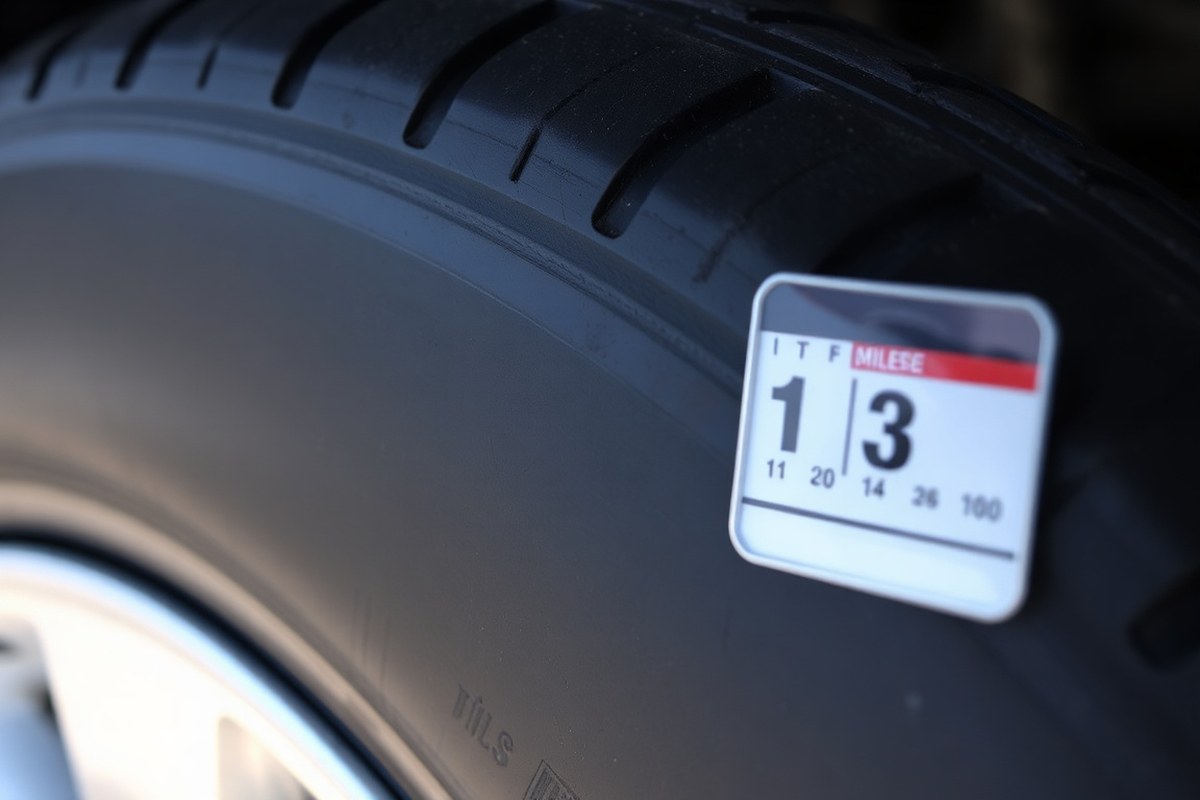
Most passenger cars and SUVs need tire rotation every 5,000 to 7,500 miles. This schedule often matches oil change intervals, making tire care simpler.
Drive less than average? Rotate your tires about every six months instead.
Tire rotation frequency shifts slightly based on your vehicle’s drivetrain. Front-wheel-drive (FWD) and rear-wheel-drive (RWD) vehicles usually stick to the same 5,000 to 7,500-mile range. But wear tends to differ between drive and non-drive axles.
AWD and 4WD vehicles require special tire rotation schedules. These come from the manufacturer. Following them helps keep tire wear even.
Electric vehicles (EVs) have unique tire wear issues. Their weight and instant torque cause this. Check your vehicle maker’s recommendations for rotations.
You can plan tire rotations as part of scheduled maintenance, like oil changes. Rotate tires every other oil change. This means about every 5,000 to 7,000 miles.
It fits into most regular service plans. Doing tire rotations with oil changes saves time and trips.
It helps keep your vehicle performing well. This way, you avoid extra hassle.
Why Is Tire Rotation Important for Vehicle Safety and Costs?
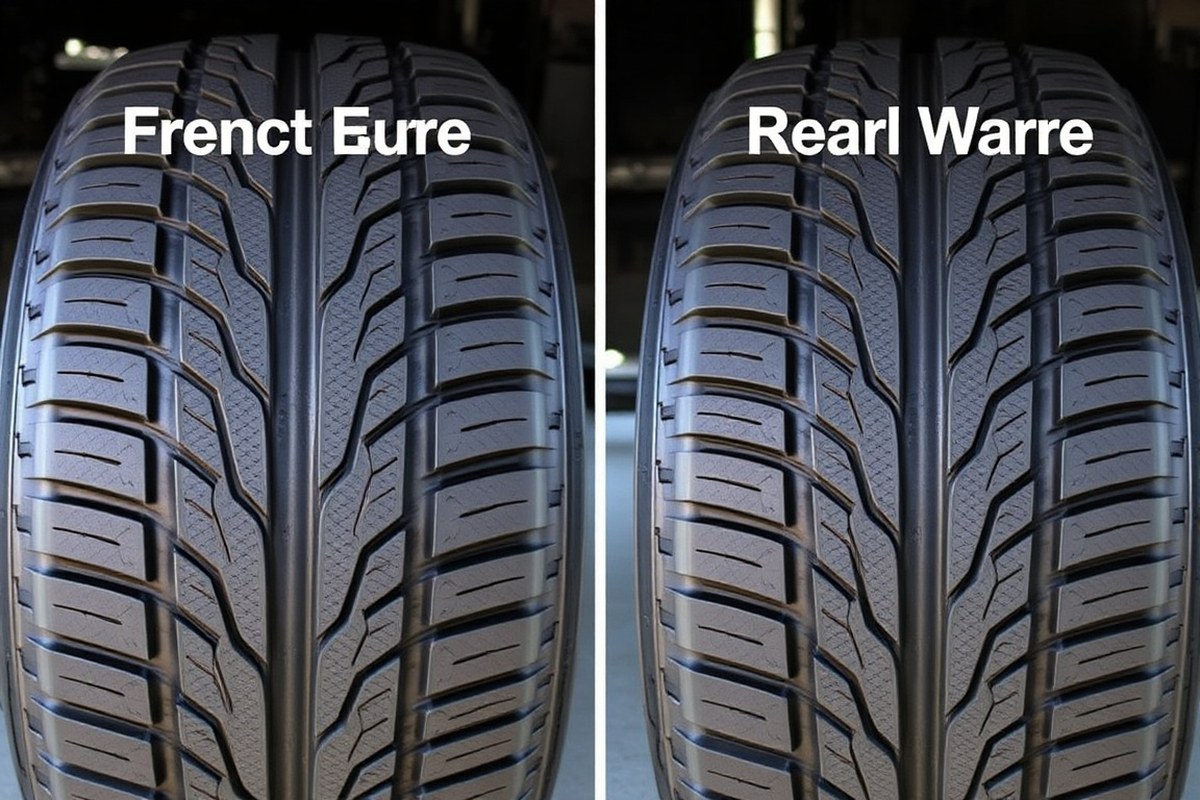
Rotating your tires keeps wear even across all four tires, which boosts safety and saves money. It helps your car handle better, improves fuel efficiency, and extends tire life by about 30%. Regular rotation means safer driving and fewer tire replacements in the long run.
How Tire Wear Affects Handling and Safety
Tires wear unevenly because front and rear tires bear weight and stress differently. Uneven wear makes your car handle unpredictably, which can affect braking and steering. When one tire grips less, your car may pull to one side.
It can lose traction on wet roads. This raises your crash risk.
Worn or uneven tires lower your braking power, especially in emergencies. Consistent tread depth across all tires ensures better traction.
So your car responds more smoothly. That’s why rotating tires to spread out wear helps maintain reliable control over time.
Fuel Efficiency and Performance Benefits
Tires that wear unevenly create more rolling resistance. This forces your engine to work harder and drink more gas. Rotating tires helps their wear stay even.
This can boost fuel economy by up to 3%. Your driving and tire condition affect the gain.
Even wear also helps your vehicle run smoother and reduces vibrations. This means less stress on suspension parts and powertrain components. Proper tire rotation contributes to a more comfortable ride and better gas mileage.
How Rotation Extends Tire Lifespan
Front tires often wear faster because they handle steering and more braking force. By switching tire positions, you spread the wear across all four tires. This can add around 30% more miles to your tire’s life, saving you money on replacements.
For example, if tires normally last 40,000 miles, rotation can extend that to about 52,000 miles. Avoiding premature replacement means fewer trips to the tire shop and lower yearly maintenance costs.
Combining Rotation with Other Tire Care
Rotating tires works best when paired with proper air pressure, wheel alignment, and balancing. These keep tires in good shape and prevent uneven wear from developing in the first place. Checking and correcting these at each rotation helps maintain safety and efficiency.
Skipping rotation or neglecting basic tire care risks irregular wear patterns. This leads to rough rides, quicker tire failure, and more frequent replacements. Cost-wise, it’s cheaper to rotate every 5,000 to 7,500 miles and check pressures regularly.
Adjusting Rotation for Different Tire Types and Driving Habits
New tires need rotation early, around 5,000 miles, because their deep tread wears unevenly fast. For daily commuting on smooth roads, rotations every 7,500 miles work well. Rough roads or aggressive driving might mean you rotate closer to every 5,000 miles.
Cars with directional or staggered tires may have special rotation rules to avoid damage. Electric vehicles’ heavier weight can wear tires faster, so rotation may be more frequent. Always follow your vehicle’s manual and consult a pro if unsure.
Rotate tires regularly for the best results. Check tire inflation and wheel alignment too. This keeps your tires safer and lasting longer.
Common Tire Rotation Patterns and Which to Choose
Choosing the right tire rotation pattern depends on your vehicle’s drivetrain and tire type. The common patterns include X-pattern, front-to-back, and a special cross for rear-wheel drive. Directional and staggered tires limit your rotation options to protect performance and safety.
X-Pattern and Its Uses
The X-pattern trades front tires with the opposite rear corners. Front tires go to the opposite rear corners. Rear tires move to opposite front corners.
This spreads wear evenly for front-wheel-drive and all-wheel-drive vehicles with equal tire sizes. It works well when tires are non-directional and the same size all around.
This pattern helps tires wear uniformly, extending their lifespan and saving money. The right front tire moves to the left rear spot. This swap balances wear from power and steering.
It helps even out tread wear. It’s a good choice for most sedans and crossovers with symmetric tires.
Front-to-Back Rotation for Special Tires
Front-to-back rotation shifts tires straight from front to rear on the same side. This method suits rear-wheel-drive and four-wheel-drive vehicles that have equal-size tires. This pattern works well with directional tires.
Directional tires must stay on the same side. The X-pattern keeps tires mounted correctly.
For front-wheel-drive cars, start by moving front tires straight back. Then cross the rear tires to opposite front corners. This rotation helps balance tread wear.
These approaches avoid mixing rotations that could damage directional tread designs. This pattern reduces uneven wear caused by typical driving forces.
Restrictions with Directional and Staggered Tires
Directional tires only roll safely in one direction. So they rotate front to back on the same side.
You cannot cross these tires diagonally without risking tread damage and poor traction. Always check your tires for arrows or labels indicating their direction.
Staggered tires are wider on the rear than the front. You usually can’t rotate them without remounting on different rims. This setup limits rotation options.
This setup is common on sports cars and limits rotation to front-to-back moves only. Some cars with staggered tires skip rotation altogether.
Others need a professional to swap tires correctly. It’s best to check the owner’s guide.
Tools and Steps for a Safe DIY Tire Rotation at Home
Rotating your tires yourself takes the right tools and careful steps. It’s important to work methodically and safely to avoid mistakes. Using the proper torque on the lug nuts keeps your wheels secure without damage.
Essential Tools and Safety Gear
You need a car jack and jack stands that fit your vehicle’s weight. A lug wrench or breaker bar is necessary to loosen and tighten lug nuts. A torque wrench helps you tighten lug nuts to the right specification.
Wear gloves and safety glasses to protect your hands and eyes from dirt and debris. Wheel chocks keep the vehicle from rolling.
So use them on the wheels that stay on the ground. A good flashlight or work light can help you see better under the car.
Preparing and Lifting the Vehicle
Park on a flat, solid surface and apply the parking brake before you start. Loosen the lug nuts a bit while the wheels touch the ground. This helps stop the wheel from spinning.
Start by loosening them slightly. Place wheel chocks behind the wheels opposite the ones you raise first for extra safety.
Use the jack to lift the car from one corner or side. Check your vehicle’s manual for the right lifting points. Then, lift carefully.
Then set the jack stands under secure frame locations. Never rely on the jack alone to hold up the car while working under it.
Step-by-Step Tire Rotation Process
Follow your vehicle’s manual for the tire rotation pattern. If all tires are non-directional, use a common rotation pattern. This keeps your tires wearing evenly.
Take your time to keep track of each tire’s new position. Keep tools organized and test lug nuts carefully before lowering the car.
- Loosen all lug nuts slightly before lifting the wheels.
- Raise the vehicle and place jack stands securely.
- Remove the tires, noting their original positions.
- Swap tires according to the chosen rotation pattern.
- Put tires back on the hubs and hand-tighten lug nuts.
- Lower the vehicle carefully and remove the jack stands.
- Tighten lug nuts in a star or crisscross pattern. Use a torque wrench and follow your car’s torque specs. Usually, this is 80 to 100 ft-lbs.
- Check all lug nuts again after driving 25, 50 miles to ensure they are secure.
When to Have Your Tires Balanced and Checked During Rotations
You should get your tires balanced every 5,000 to 7,500 miles. This usually happens when you rotate them. Balancing helps your tires wear evenly.
Balancing adjusts the tire and wheel weight so they spin smoothly without vibrations. It helps prevent uneven tread wear and keeps your ride comfortable.
Signs you need balancing include vibration in the steering wheel. You may also feel shaking in the floorboard at highway speeds. Uneven tire wear is another sign.
You might notice your car pulling to one side. A humming noise near the wheels is also common.
These signs show your tires may be unbalanced. Feeling a wobble or shimmy when driving signals it’s time to check balancing.
Tire balancing requires special machines, so it’s best left to professionals. A tire shop or service center can do it during your rotation in about 30 minutes. Mechanics attach small wheel weights to fix imbalances.
This task needs special tools you usually don’t have at home. Proper balancing requires professional equipment.
Check tire pressures when balancing and rotating. Inflate tires when cold for accurate readings. Don’t forget the spare tire.
It should be checked regularly, though not as often as the main tires. Uneven pressure can cause faster wear or handling issues.
Ask the technician to check for uneven wear patterns during balancing, signaling alignment may be needed.
Balancing together with rotation at recommended intervals maximizes tire life and ride quality. Ignoring signs of imbalance can cause faster tire damage. It also puts more stress on your suspension parts.
Fixing balance issues early can save money later. Professionals handle both services efficiently, ensuring safety and saving money long-term.
Signs That Indicate You Need an Immediate Tire Rotation
Uneven tire wear is a strong sign you need to rotate your tires right away. One side of the tread may look shallower than the other. Bald spots could also form on the tire.
Pay close attention to uneven tread depth. These patterns hurt your car’s handling and promote early tire failure.
Sometimes your car pulls to one side while driving. This can mean uneven wear or a poor wheel alignment.
Vibrations felt through the steering wheel, seat, or floor are warning signals, too. They often result from tire imbalance or wear problems that rotation can help fix.
Check your tire pressure regularly. Low or inconsistent pressure causes uneven wear. So misshapen tires might need rotation to even things out.
Unequal pressure can cause tires to make a humming sound. This noise shows uneven tread wear is starting. Listen closely while driving.
- Tread depth differs noticeably between the inner and outer edges
- Vibrations or shaking through the steering wheel or floorboard
- Car drifts or pulls to one side during normal driving
- Bald or worn spots appearing faster on certain tires
- Noise like a steady hum coming from the tires
- Visible tire damage, such as cupping or feathering on the tread
- Tires with uneven pressure despite regular inflation checks
Watch your tires for these signs every few weeks. Use a tread depth gauge or the penny test to check depth.
A penny inserted with Lincoln’s head upside down shows depth. The tire tread is shallow when the top of the head shows.
Tire rotation usually costs $20 to $50 at shops. But rotating tires earlier prevents costly issues.
Catch uneven wear early by inspecting your tires after every 1,000 to 2,000 miles. That avoids problems that could lead to replacing tires sooner or paying for alignment repairs.
How Driving Habits and Conditions Affect Tire Rotation Frequency
Aggressive driving wears tires faster and unevenly. Brake hard, accelerate fast, or corner sharply? Rotate tires more often.
Aim to rotate your tires every 4,000 to 6,000 miles. That helps even out wear. Avoid waiting until 6,000 to 8,000 miles.
Rough roads and potholes cause more tire damage than smooth pavement. Driving on gravel, broken pavement, or through potholes pressures tire tread and sidewalls. Rotate tires after heavy driving on rough roads.
Or do it every 5,000 miles. This helps catch and fix uneven wear early.
Climate also changes when to rotate. Winter tires face cold, snow, and salt, affecting their rubber and grip. Switch to winter tires and rotate them every 6 months or 6,000 miles.
This keeps tread even. It helps with safety in slippery winter months.
Your vehicle’s drivetrain affects tire wear and rotation timing. Front-wheel-drive cars wear front tires faster due to steering and power delivery.
Rotate tires more frequently on front-wheel-drive vehicles, closer to every 5,000 miles. Rear- or all-wheel-drive cars follow general recommendations unless driving conditions differ.
Checking your tires often helps spot uneven wear early on. Look for bald spots, uneven tread depth, or cupping. Spot these signs early to adjust your tire rotation schedule.
Fix problems before buying new tires. This saves you money over time.
Follow tire manufacturer guidelines for rotations to keep warranties intact. Some require rotations every 6,000 to 8,000 miles. Skipping rotations may void warranties, costing you more if tires wear out early or fail.
Special Cases: Directional, Staggered Tires, and Electric Vehicles
Directional tires have a specific tread pattern made to roll in one direction. You can only swap them front to back on the same side of the car. Crossing them over or flipping tires side to side can hurt grip and wear.
Staggered tires differ in size between front and rear axles. This means you can’t rotate them in a typical crisscross pattern. Front tires usually stay in front.
Rear tires stay in back. You only switch tires side to side if they’re the same size on that axle.
Electric vehicles (EVs) weigh more and get power instantly, which wears tires faster. They need rotations every 5,000 miles or about every six months. Gasoline cars usually rotate every 5,000 to 7,000 miles.
Because EVs stress tires more, frequent rotations help avoid uneven wear and keep the ride smooth. Most manufacturers give rotation instructions specific to EVs, so check your owner’s manual.
| Type | Rotation Pattern | Notes |
|---|---|---|
| Directional Tires | Front-to-back, same side only | Keep tread direction to avoid slip |
| Staggered Tires | Side-to-side only, no front-back swap | Match axle sizes, avoid crossing sizes |
| Electric Vehicles | More frequent rotations, every 5,000 miles | Heavier weight, instant torque wears tires faster |
Always rebalance tires during rotations, especially with directional or staggered sets. Unbalanced tires cause vibrations and uneven patterns. Price for professional rotation is usually $20 to $50, higher if balancing or alignment is needed.
Poor balancing speeds tire wear, so don’t skip it. Following your manufacturer’s guide ensures safe rotation intervals and patterns. Some EV makers require extra checks or specific rotation orders to protect battery and motor performance.
Check your tire sidewall for directional arrows before rotating. Installing tires incorrectly can lead to poor handling and faster wear.
When to Call a Professional and Typical Tire Rotation Costs
Getting a professional to rotate your tires usually costs between $25 and $50. This price covers moving tires to their new spots using the correct pattern. Shops often include a quick inspection for uneven wear or damage during the service.
You should call a pro if you’re unsure about your vehicle’s rotation pattern. Some cars need special handling, like all-wheel drive, directional tires, or staggered setups. Professionals have the tools and know-how to avoid mistakes that could harm your tires or drivetrain.
DIY rotation isn’t a good idea when tires are hard to reach. You also need the right tools. Without them, it can be risky and tricky.
Say your car is low or has run-flat tires. Using a lift and balanced tools is safer.
Professionals handle these jobs best. Also, many shops check tire pressure, tread depth, and alignment, which helps catch issues early.
Getting tires rotated professionally can save money in the long run. It keeps tires wearing evenly, which extends their life.
Shops may also spot suspension or brake problems during rotation. So you avoid bigger repairs later.
Typically, a professional rotates tires every 5,000 to 7,500 miles. This fits most manufacturers’ recommendations and works well with oil changes. You drive a lot on rough roads or carry heavy loads.
Rotating your tires more often can help. This keeps your tires wearing evenly.
When choosing a shop, ask if tire balancing or alignment checks come with the rotation. These services cost extra but improve ride smoothness and tire life.
Balancing usually costs around $15 extra per wheel. Alignment can run between $50 and $100.
You can save by bundling tire rotation with other routine maintenance. Many dealers and quick-lube places offer package deals. Just check if they follow your vehicle manufacturer’s tire rotation pattern so the work lasts.
Step-by-Step Action Plan for Tire Rotation
Rotate your tires on a regular schedule to keep them wearing evenly and safely. Here’s how to keep on track with your tire rotations.
You’ll also learn when your tires need the next rotation. This way, your tires last longer and stay safer.
- Every 5,000 to 7,000 miles: Check your owner’s manual for the recommended rotation interval.
- Before you start: Inspect your tires for uneven wear or damage. This tells you if rotation is urgent.
- At your next oil change: Rotate tires following the proper pattern for your vehicle type. This matches routine maintenance.
- After rotation: Balance all tires and check alignment if your car pulls or vibrates. Balanced tires last longer and ride better.
- Every 10,000 miles: Have a professional inspect tire wear and alignment. This helps catch hidden problems early.
- Watch for signs anytime: If you notice uneven wear, steering issues, or vibrations, rotate tires sooner. Don’t wait for scheduled mileage.
- Special cases: For directional or staggered tires, follow specific patterns or get professional help. Incorrect rotation can cause damage.
- Regularly: Adjust rotation intervals if you drive off-road or in harsh conditions more often. More wear means more frequent rotations.
Frequently Asked Questions
How Often Should You Rotate Tires on a New Car?
Rotate new car tires every 5,000 to 7,000 miles to promote even wear. New tires need regular attention to prevent early uneven wear and extend their life.
Do Winter Tires Need More Frequent Rotations?
Yes, rotate winter tires about every 5,000 miles for safety and longevity. Harsh winter driving causes faster tread wear, so stick to a tighter rotation schedule.
Can Poor Tire Rotation Affect Fuel Efficiency?
Yes, uneven tire wear can reduce fuel efficiency by causing drag. Proper rotation keeps tires balanced and rolling smoothly, helping you save on gas.
Is Tire Rotation Necessary for Tires with Run-Flat Technology?
Yes, run-flat tires still need regular rotation, every 5,000 to 7,000 miles. Ignoring rotation can still cause uneven wear and reduce their replacement interval.
Does Tire Rotation Help with Vehicle Alignment Issues?
No, rotation doesn’t fix alignment problems but can reveal uneven wear signs. Have an alignment check if tire wear looks uneven after rotation.
Wrapping Up
Regular tire rotation keeps your car safe and saves money on replacements. Pay attention to wear signs and stick to the schedule. Book a rotation or check your tires today to avoid problems tomorrow.




One Comment