Why Does My House Smell Like Gas? 9 Clear Causes and Safety Steps
Why does my house smell like gas? Often, it means there’s a leak or a buildup nearby.
Gas companies add a strong rotten egg smell to warn you quickly. That smell is usually from natural gas or propane, both flammable and risky.
Smelling gas demands fast action. First, don’t turn on lights or use electronics, they could spark a fire.
Open doors and windows to air out the house. Then, leave immediately and call 9-1-1 and your gas company once outside.
Sometimes the smell comes from leftover gas inside appliances. It can also come from a nearly empty propane tank. This doesn’t always mean there is a leak.
Still, never ignore new gas odors. Taking a quick safety step can protect your home from serious hazards.
Key Takeaways
- Natural gas smells like rotten eggs due to added ethyl mercaptan.
- Don’t operate electrical switches if you smell gas indoors.
- Open windows and doors to increase ventilation immediately.
- Leave your home once you detect the smell of gas.
- Call 9-1-1 and your local gas company after safely leaving.
- Check propane tanks if you smell gas but find no leak.
1. What Causes a Gas Smell Inside Your House?
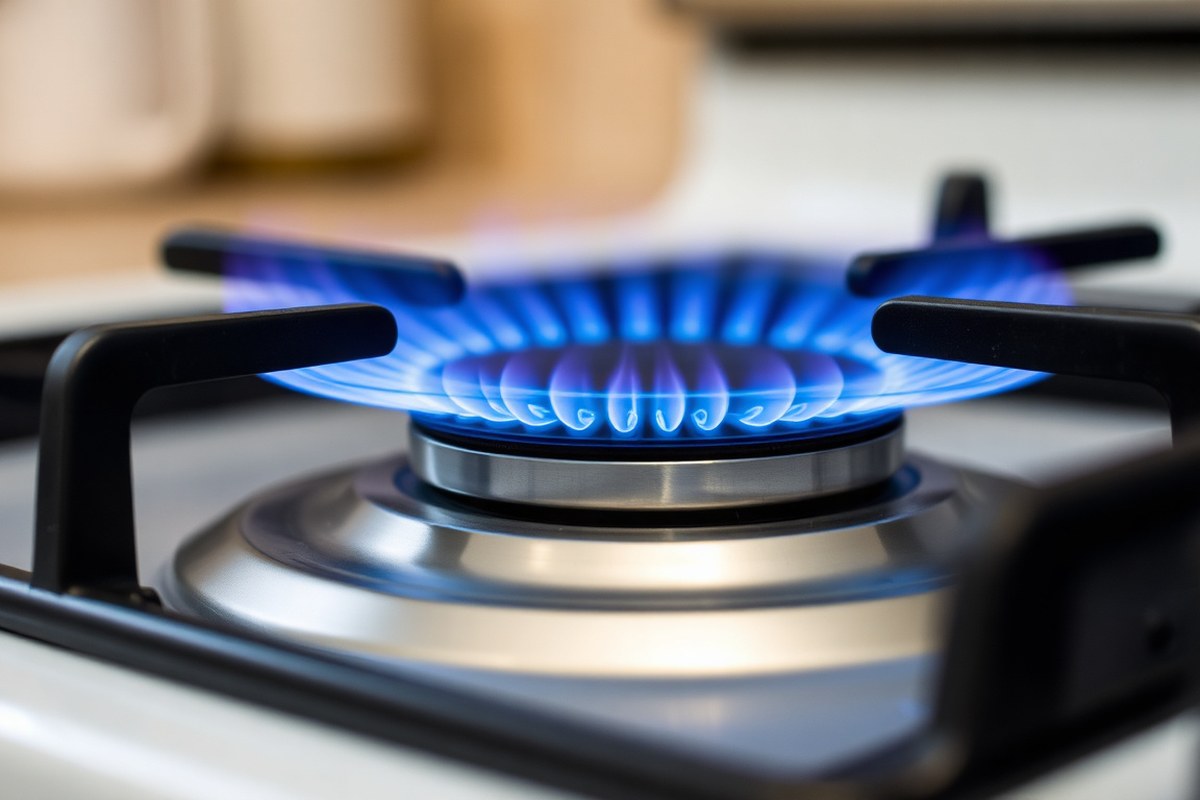
A gas smell inside your house usually means a gas leak. It could come from your gas line or your appliances. Check both right away.
Small cracks in pipe joints or worn-out equipment can release natural gas or propane. These leaks are serious because gas is highly flammable and poses an explosion risk.
Sometimes the odor is not from a direct leak. Some appliances, like water heaters, can give off a faint gas smell. This happens when their pilot lights go out.
Watch for this sign. You might also notice the smell near a nearly empty propane tank, where leftover chemicals concentrate.
External sources can bring gas odors indoors, too. A broken gas line outside your home can cause a gas smell. Your neighbor’s leaking appliance might cause it too.
Your system might still be fine. Sewer gas is another common offender. It smells like rotten eggs and can seep in through dry plumbing traps.
- Gas leaks from pipes, connectors, or appliances
- Faint odors from pilot lights or empty propane tanks
- Nearby gas lines leaking outside your home
- Neighbor’s gas leaks or malfunctioning equipment
- Sewer gas entering through dry traps or damaged pipes
- Storage of gasoline or solvents in basements or garages
- Wet spots or oil stains around laundry or utility rooms
Appliance leaks happen if seals or valves wear down. Checking behind your stove or water heater for moisture or odors helps spot problems early. Smell the air near vents and the appliance base.
You notice gas smell mostly on one side of your house. This often means an outdoor leak or your neighbor’s gas problem. Check outside carefully.
Gasoline stored indoors can also cause smells. Look in your garage or basement for spills or containers that might leak fumes.
Standing water mixed with oil stains often shows there’s a hidden source emitting vapors. Addressing these signs fast helps avoid health risks and fire hazards.
2. How to Identify a Dangerous Gas Leak Versus Other Odors
Natural gas itself has no smell. But companies add mercaptan to give it a rotten egg scent. This sulfur-like odor helps you detect leaks fast.
Notice a faint sulfur smell when using your heater? It usually comes from burning mercaptan, not a gas leak.
To tell a real gas leak from other smells, focus on these clues. A persistent rotten egg odor that gets stronger in certain rooms or near appliances is suspicious.
You may also feel lightheaded, dizzy, or notice a hissing sound near gas lines or appliances. These signs mean you should act quickly.
Other odors can be confusing. Sewage gas also smells like rotten eggs but usually comes from drains or damp areas. Burning plastic or wiring has a sharper, acrid smell, not sulfur.
Check if the smell changes when appliances run or after storms. Ozone from electrical sources might create a chemical scent. This helps narrow down the cause.
Use this simple rule: A rotten egg smell near gas connections means a leak. The smell stays constant or gets stronger. In that case, do not ignore it.
Leave the house right away and call emergency services from a safe location. The smell near drains without other signs means sewage or water problems. It requires different care than a gas leak.
Never try to find or fix a gas leak yourself. Evacuate immediately and call the gas company.
3. Differences Between Natural Gas and Propane Smells and Hazards
Natural gas and propane both have added odors to help you detect leaks. Natural gas smells like rotten eggs, while propane’s odor is similar but less familiar. They also behave differently in air, which affects where leaks collect and how you detect them.
Natural Gas Odor and Behavior
Natural gas has a distinct rotten egg smell because of an added chemical called mercaptan. This smell alerts you quickly to any leak. The gas is lighter than air and tends to rise and spread throughout your house.
Natural gas can fill rooms near a leak. This raises the risk of explosion. It also causes breathing problems.
It’s colorless and typically odorless without mercaptan. So the smell is your first warning sign.
Propane Odor and Behavior
Propane also contains mercaptan for odor. But its smell is usually less sharp and not exactly like natural gas. People often find propane’s odor less familiar and sometimes harder to notice.
It’s heavier than air. So propane leaks settle near the floor or low spots, like basements.
Propane stays close to the ground because it pools there. It builds up in lower spaces.
This makes leaks harder to detect without checking low areas. Propane can also cause health problems and fire risks similar to natural gas.
Safety Differences and Detector Tips
Both gases are flammable and dangerous with leaks. You should never ignore a gas smell inside your home.
Propane’s heaviness means you need detectors placed low near appliances. Natural gas detectors can be higher up.
Some people might struggle to smell propane well. So using detectors specifically placed at floor level helps catch its presence early.
Electrical sparks can ignite either gas. So leave the house and call emergency services immediately if you smell gas.
The table shows how natural gas and propane compare on several points. It covers smell, behavior, and safety tips.
You can see key differences at a glance. Use this to understand where each gas collects and how to set up detectors correctly.
| Characteristic | Natural Gas | Propane |
|---|---|---|
| Added Smell | Rotten egg (mercaptan) | Similar odor (mercaptan), less sharp |
| Density Compared to Air | Lighter than air, rises | Heavier than air, sinks |
| Leak Behavior | Spreads upward into rooms | Pools near floors and basements |
| Detector Placement | Higher level detectors | Low level detectors near ground |
| Health Risks | Respiratory issues, dizziness | Respiratory issues, dizziness |
| Fire/Explosion Risk | High risk from sparks/arcs | High risk from sparks/arcs |
Knowing the differences lets you identify the gas faster. It also helps place detectors better.
You catch leaks sooner this way. Proper placement also prevents missing propane because its odor can seem weaker.
4. What to Do Immediately When You Smell Gas Indoors
Smelling gas inside your home is an emergency. Acting quickly and correctly can keep you safe and prevent a disaster. Avoid turning on electrical switches or appliances because they can spark and ignite the gas.
Open windows and doors carefully to start ventilating the area. But don’t delay leaving the house.
When the smell is strong near a 120-gallon tank, leave right away. Do not try to turn off the gas yourself.
- Leave your home right away. Don’t use any devices that create sparks or flames. Grab your family and pets and go outside immediately.
- Do not open or close any electrical switches. Avoid using phones, light switches, or appliances inside the house to stop sparks.
- Open windows and doors if you can do so safely. This helps air out the gas but only if it won’t slow your exit.
- Call 911 and your local gas emergency number once outside. Report the gas smell and follow their instructions carefully.
- Stay away from the house until professionals say it’s safe. Gas leaks can be invisible and dangerous; only experts can fix them safely.
- Get medical help immediately if anyone has trouble breathing or feels dizzy. Call 911 for medical emergencies related to gas exposure.
- Notice gas near outlets or appliances? Turn off that circuit breaker first. Then call a licensed electrician for inspection and repair.
Doing these steps right away can lower fire risk and protect your health. Gas companies and emergency responders have tools to find leaks quickly.
A technician will check your gas lines and appliances. Then they will say when it’s safe to go back home.
5. Common Household Appliances That Can Leak Gas
Gas-powered furnaces and heat pumps often cause gas smells inside homes. These appliances use natural gas or propane to heat your house. Leaking gas can build up if seals or connections on your furnace wear out or crack.
Water heaters that run on gas or oil also leak if vents or pipes crack. Gas ovens and stoves bring another risk.
Their gas connections or burners can fail over time. These leaks might smell faint but grow stronger with continuous use.
Checking these appliances regularly helps you catch leaks early. Look for rust, corrosion, or damaged pipes near the appliance.
You can also sniff around joints where pipes join and appliance vents. When you smell rotten eggs or fuel, turn off the appliance right away.
- Check gas furnace or heat pump ducts and vents for damage.
- Inspect water heater’s exhaust pipe and connections every 6 months.
- Look under and behind gas stoves for loose or cracked gas hoses.
- Listen for hissing sounds which might mean escaping gas.
- Check nearby plants or grass for yellowing as gas kills vegetation.
- Test with a soapy water solution on pipe joints; bubbles show leaks.
- Schedule annual professional appliance inspections for safety.
Keep your appliances clean and rust-free to avoid leaks. Tighten loose fittings with the proper wrench.
Replacing old hoses every 5 years also prevents breaks. Your gas company or licensed plumber can find leaks that you might miss.
Never use open flames or electrical switches when you smell gas. It could trigger an explosion.
6. How Ventilation and HVAC Systems Affect Gas Odors
Your HVAC system can spread gas odors if there’s a leak or a malfunctioning appliance. Gas fumes can enter ductwork and circulate throughout your home. Poor ventilation traps these odors, making them linger longer inside.
Bad ventilation also fails to remove gas smells efficiently. Exhaust fans should vent outside, not into an attic or crawl space. Make sure bathroom and kitchen fans work properly and direct air outdoors.
An electrical fault in the HVAC or furnace can create an ozone smell. This sometimes smells like gas but is caused by damaged wiring or components inside the unit. A sharp bleach-like smell near vents needs a technician’s quick check.
Ventilation helps reduce gas smell buildup by moving fresh air inside and pushing bad air out. Open windows and doors when safe, especially after cooking or using gas appliances. Run exhaust fans and portable air purifiers to speed up the fresh air flow.
Sealing gas cans tightly is important. Leaking fumes easily seep indoors through doors or shared HVAC ducts. The Consumer Product Safety Commission says store gasoline cans outside.
Keep them in well-ventilated sheds away from ignition sources. Avoid keeping fuel containers inside basements or homes.
To improve your ventilation system, check and replace air filters every three months. Dirty filters reduce airflow and trap pollutants.
Inspect ducts for leaks or blockages. Reroute any vents that blow air into enclosed spaces where odors can build up.
Some gas smells come from appliances like gas stoves or water heaters with leaks. The HVAC can spread odors quickly if it pulls air from leaky rooms.
Check and maintain gas appliances often. Leaks can stay in your indoor air.
7. When and How to Shut Off Your Gas Supply Safely
Turn off your gas supply only when you can do so without risk. Locate the main valve and rotate it clockwise to close. After shutting off the gas, leave the area and call for help from a safe spot.
Locating Your Main Gas Valve
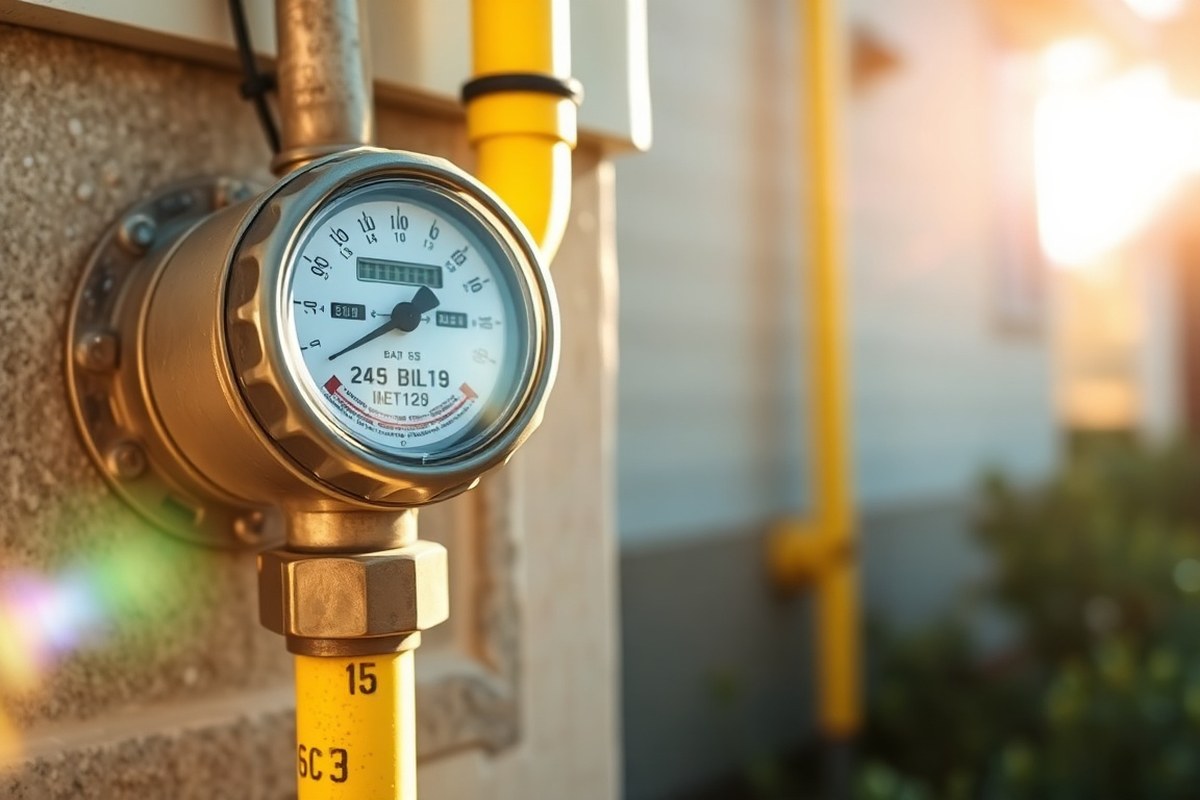
Find the main gas valve near where the gas line enters your home. It is usually a round or lever-style valve placed outside or in a basement. Knowing its location saves important time during an emergency.
Check near your gas meter or propane tank for the valve. It controls the flow of gas into your entire house. Familiarize yourself now, so you won’t struggle if a leak happens.
Safe Valve Operation Procedures
Only turn the gas valve if you’re sure it’s safe. Avoid doing it if strong gas odors are nearby. Always check for smells before operating the valve.
Wearing protective gloves can help if the valve is stiff or hard to turn. Turn the valve clockwise until it stops to shut off gas flow completely.
Follow these steps to safely close your gas valve:
- Locate the main gas valve close to the meter or tank.
- Clear away any obstacles that block access to the valve.
- Check that the area is safe enough to approach.
- Place your hand on the valve handle firmly.
- Turn the valve clockwise slowly until it stops.
- Confirm the valve is fully closed by checking the handle position.
- Leave the area promptly once the valve is closed.
- Call emergency services from a safe distance to report the problem.
When to Avoid Shutting Off Gas Yourself
Do not try to shut off the gas if the leak is strong. Avoid it if you smell gas inside your home. Call a professional in these cases instead.
Moving around could ignite the gas if you don’t act with care. In such cases, evacuate your home immediately and call 911 or the fire department.
Avoid using any electrical switches or flames when a gas smell is present. Let trained professionals handle the shutoff if the situation feels dangerous. Your safety is more important than trying to fix the issue yourself.
8. Why Nearby Sources and Building Materials Might Cause Gas-Like Odors
Gas-like odors can come from outside your house or even your neighbors. A gas leak from a garage or yard can enter through cracks. It can come in through open windows too.
Watch for smells near these areas. Check outside your house for strange smells.
Pay special attention near garages or storage areas. These places might store gas or fuel.
Sulfur-like smells might not come from a gas leak at all. Sewage systems sometimes cause these odors because bacteria produce sulfur compounds that smell like rotten eggs.
This happens if the sewage lines are old, dirty, or blocked. A plumber can inspect and clean your sewage system to stop the smell.
Drywall from 2003 to 2007 can cause sulfur smells. This happens if there are high sulfur levels inside it. The smell might come from the walls.
This is common with certain imported drywall, known as Chinese drywall. Watch for yellowing walls or rusty metal fixtures. These signs may mean drywall affects your air.
It could be causing the bad smell. Fixing this can be expensive since it often means replacing the drywall.
You can tell these sources apart by looking for clues. A real gas leak usually smells sharp and noticeable near gas appliances or meters. Check sewage vents or wall spaces if the smell stays strong.
This is true even when appliances are off. Trapped gases could be the problem. A smell that worsens on damp days may come from sewage.
Rainfall can make these odors stronger. Gas leaks usually don’t change with weather.
Try sealing window cracks and door gaps to reduce outside odors. Also, use a fan to increase airflow when you suspect outside gases entering your home. Look at floor drains and toilets if you think of sewage gases.
Dry traps are often the cause. They let smells into your home. Pour water into drains to refill traps, which block sewer gas from entering your home.
Turn off any ignition sources if you smell gas right away. Call professionals to check all strange odors. Do this quickly for your safety.
9. How to Use and Place Gas Detectors Effectively at Home
Pick the right gas detector for your home. Install it where leaks show best. That helps catch gas early and keep you safe.
Keep it working with regular testing and maintenance. This helps you spot gas leaks early and protects your household from danger.
Types of Gas Detectors Available
There are detectors made specifically for natural gas and propane. Some devices also sense carbon monoxide since both gases can produce it. Choose detectors with a clear digital display.
They also need loud alarms. This way you get quick alerts anytime.
Smart detectors connect to your home network for monitoring through your phone or smart TV. Prices range from $20 to $80 per unit depending on features. Pick models that meet safety certifications like UL, especially if you have children or pets.
Ideal Detector Placement by Gas Type
Natural gas is lighter than air and rises. So install its detector near the ceiling or high on a wall.
Place it close to gas appliances like stoves, furnaces, or water heaters to catch leaks early. Avoid corners and vents where air doesn’t circulate well.
Propane is heavier than air and settles low. Put propane detectors near the floor, usually within 6 to 12 inches off the ground.
Again, install it near propane-powered equipment and check gas line entry points to your home. This ensures you catch leaks before the gas spreads.
Try to put detectors in main living spaces and hallways. Place detectors on every floor in your home. This covers all levels well.
You won’t miss any leaks upstairs or down. Avoid areas with high humidity or dust, which can interfere with sensors.
Regular Testing and Maintenance
Test your gas detectors once a month by pressing the test button. It should beep loudly to confirm the alarm works. Replace batteries at least once a year or sooner if the unit signals low power.
Clean detectors by gently wiping the surface with a dry cloth every few months. Do not use cleaners or sprays on the sensors. Follow the manufacturer’s instructions for replacing the unit, typically every 5 to 7 years.
Monitor your detectors through connected apps if available. They can alert you to sensor or battery issues in real time. Keeping them maintained prevents false alarms and ensures safety when you really need it.
Step-by-Step Action Plan for Gas Smell Safety
Follow these steps right away if you smell gas at home. Each step helps you stay safe and check the problem.
- Immediately: Leave your house right after smelling gas. Don’t use electronics or switches inside. You’ll know it worked if you feel safe outside your home.
- Within 10 minutes: Call your local gas company or emergency services from a safe distance. Help is on the way when they answer and confirm your report.
- As soon as you can: Do not try to find the leak yourself unless trained. Wait for professionals who have the right tools and knowledge.
- After the gas company arrives: Follow their instructions fully, including shutting off your supply if told. The smell should disappear when they fix or stop the leak.
- Once cleared: Open windows and turn on fans to clear any remaining odor. You’ll know this worked when the air feels fresh and safe indoors.
- Next day: Test your gas detectors to ensure they work properly. A beep or alarm sound means you’re ready for future safety.
- Within a week: Have a licensed professional inspect your appliances and connections. This prevents future leaks and keeps your home safe.
Frequently Asked Questions
Why Does My House Smell Like Gas but There’s No Leak?
Your house might smell like gas for other reasons. Nearby gas lines or sulfur in your water can cause this.
Old appliances might also emit gas-like odors inside. Check around your home for these possible causes before assuming a leak.
Can Old Gas Appliances Cause a Gas Smell Without Leaking?
Yes, old or malfunctioning gas appliances can emit gas-like odors even if they don’t leak. Regular maintenance helps prevent these smells and keeps appliances safe.
Can Sewer Gas Make My House Smell Like Gas?
Yes, sewer gas can smell like rotten eggs or gas inside your house. This often happens due to dry traps or plumbing issues, not an actual gas leak.
Could Outside Gas Lines or Neighbors Cause the Smell in My Home?
Gas smells can come from nearby gas lines, neighbors’ houses, or outdoor leaks. Smell gas but no leak inside? Check outside sources.
Can Ventilation Issues Spread Gas Odors Inside the House?
Poor ventilation can trap gas odors or related smells inside your home. Improving airflow helps reduce persistent gas-like odors and improves indoor air quality.
Key Points to Remember
Gas smells indoors are serious and need quick action to protect your home. Leave immediately and call your gas company for help. Check your detectors often to stay safe moving forward.