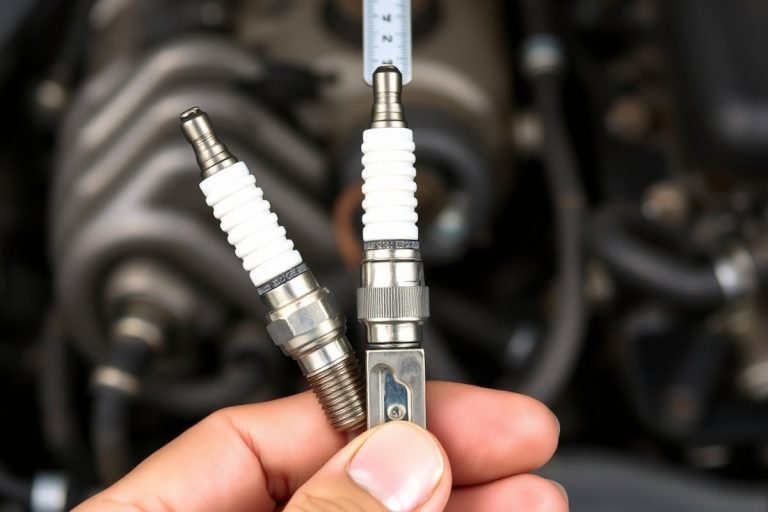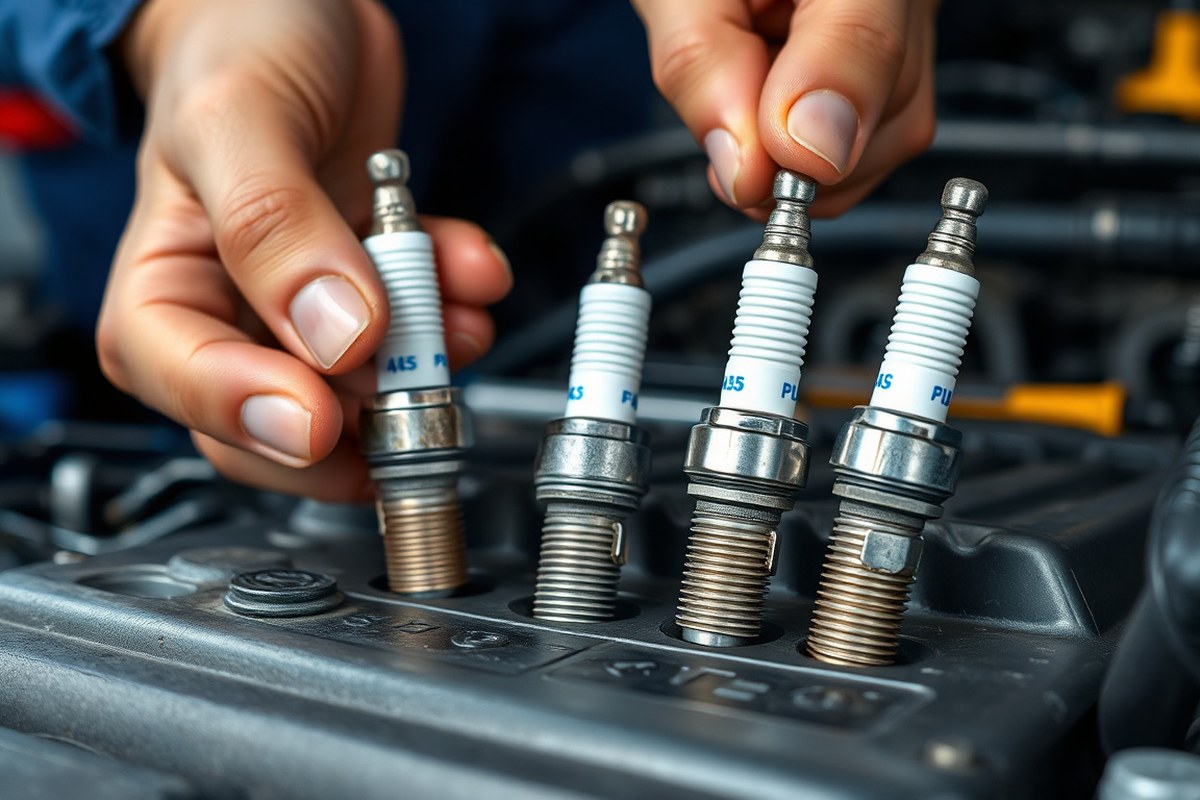
How to Know When to Change Spark Plugs: 9 Key Signs and Steps Explained
Knowing when to change spark plugs depends on their wear. Check how your car runs for signs of trouble. This helps decide if plugs need replacement.
The quickest way is to watch for rough idling, trouble starting, or poor fuel economy. These signs usually mean the plugs aren’t firing properly and need replacement.
Checking your owner’s manual gives a solid ballpark for spark plug life, often around 60,000 miles. Copper plugs wear out faster, so swap them every 20,000 to 30,000 miles. Iridium plugs last longer, up to 100,000 miles.
Start by listening to your engine and watching fuel use. Visual inspection can confirm if the plugs are dirty or damaged. This approach saves time and prevents engine problems from worn plugs.
Key Takeaways
- Change copper spark plugs every 20,000 to 30,000 miles for best performance.
- Iridium plugs last 80,000 to 120,000 miles and hold spark gaps well.
- Watch for engine roughness or hard starts as signs of worn plugs.
- Refer to your owner’s manual for your specific spark plug replacement interval.
- Fuel inefficiency increase of 20, 30% can indicate bad spark plugs.
- A quick visual check can show fouling or electrode wear on plugs.
1. How to Know When to Change Spark Plugs Quickly
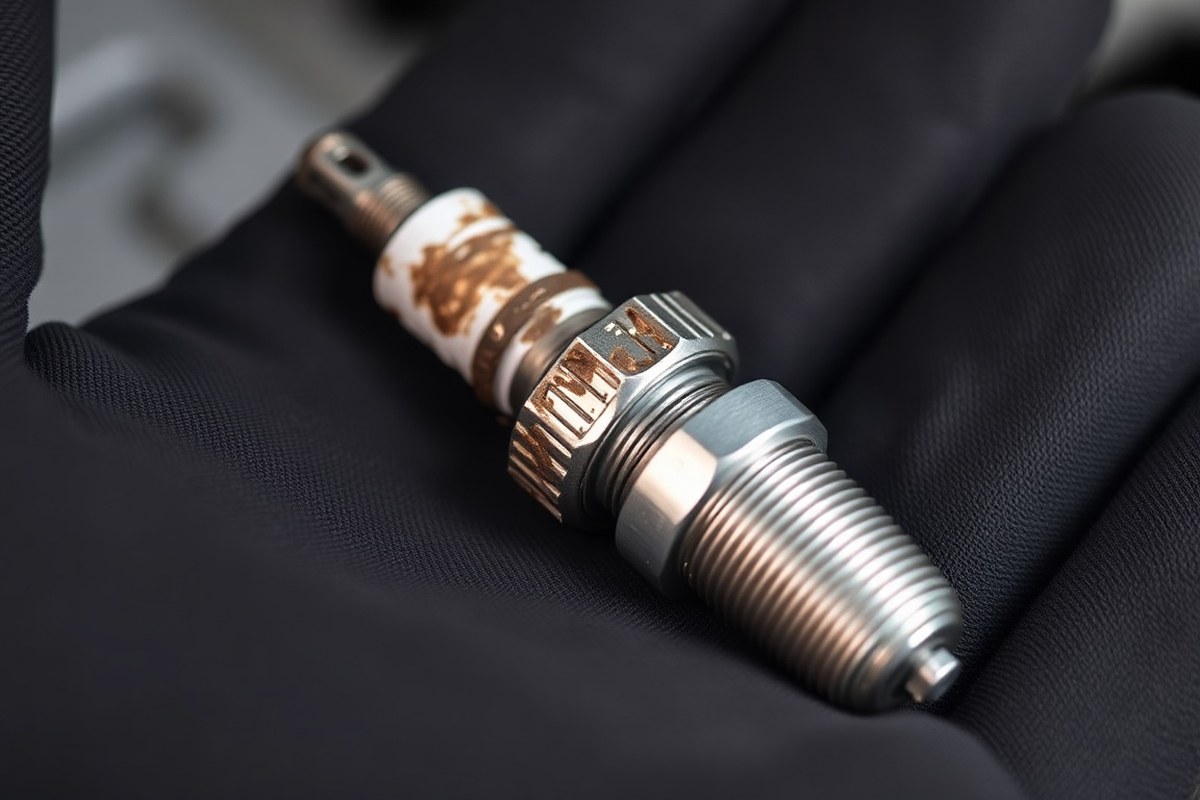
Watch for rough idling, engine misfires, and poor acceleration. These are clear signs your spark plugs might need replacing right away. Difficulty starting the engine can mean spark plug problems.
A sudden drop in fuel efficiency also signals trouble. Both symptoms should not be ignored.
The check engine light often signals spark plug problems but could mean other engine faults too. Pull the codes to confirm if plugs are the cause. Notice these symptoms?
Don’t just wait for your next maintenance. Take action sooner to avoid bigger issues. Replace the spark plugs promptly to avoid more damage.
Sometimes mileage won’t tell the whole story. For example, if your engine stumbles or stalls under load, change the spark plugs right away.
Waiting can cause more damage. Spark plugs that look worn, have cracked insulators, or show heavy deposits usually need quick replacement.
You can remove and inspect spark plugs if you’re unsure. Look for burnt electrodes or oily and soot-covered tips. These signs mean the plugs aren’t firing properly, hurting engine performance.
Plugs with light deposits but no wear can sometimes be cleaned. But replacement is often cheaper and more reliable.
Replacing spark plugs promptly costs less than fixing engine parts damaged by poor ignition. Copper plugs cost $2 to $8 each but last only about 30,000 miles. Iridium plugs last up to 120,000 miles but still need changing when symptoms appear.
Watch your engine’s performance to know when to change plugs. Don’t only depend on mileage to decide.
2. How Often to Replace Spark Plugs Based on Type and Usage
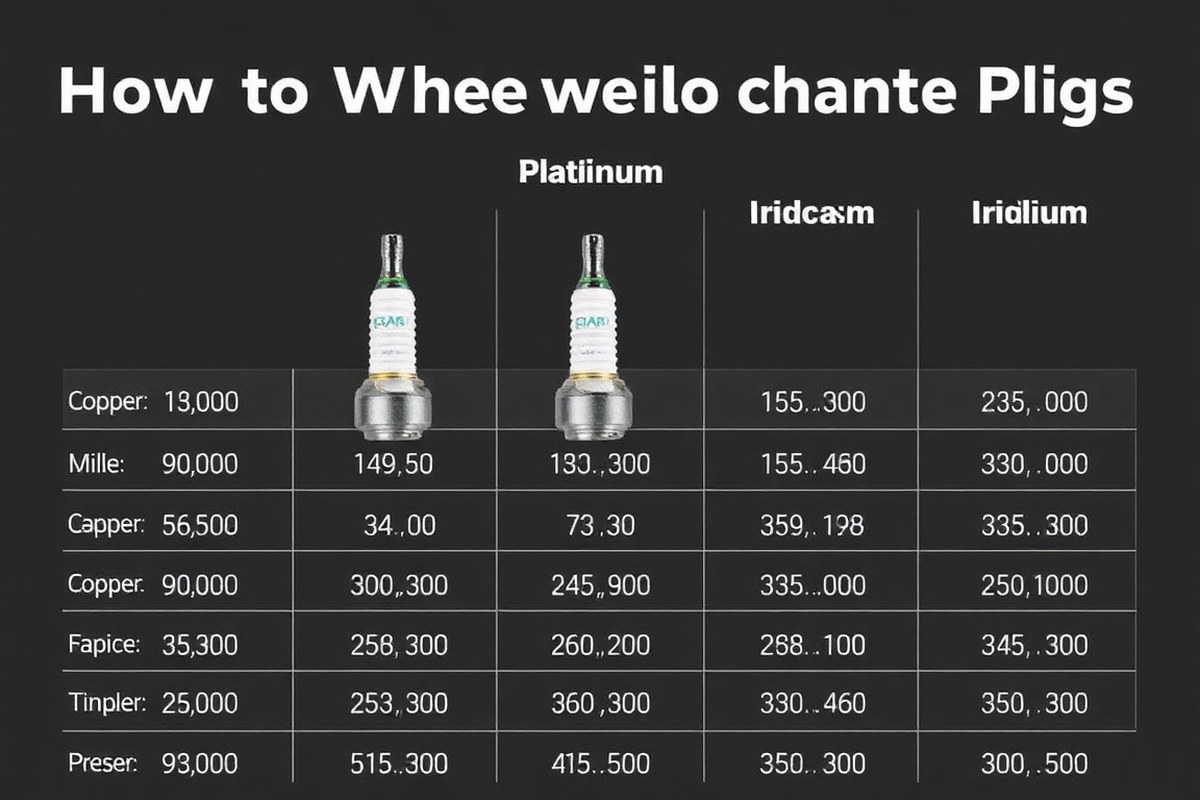
How often you change spark plugs depends mainly on the type and how you drive. Copper plugs typically last less than platinum or iridium ones because copper wears faster. Aggressive driving or stop-and-go traffic makes plugs wear out faster.
They can lose about 20 to 30 percent of their lifespan. This wears them out sooner than usual.
Manufacturers offer different mileage guidelines mainly because engines and plug designs vary so much. They consider heat, materials, and your vehicle’s ignition system. Official advice says basic copper plugs last about 20,000 miles.
Iridium plugs can go up to 100,000 miles on newer cars. The range depends on the type of plug.
| Spark Plug Type | Typical Lifespan (miles) | Notes |
|---|---|---|
| Copper (Conventional) | 20,000, 30,000 | Often replaced sooner with heavy city or aggressive driving |
| Platinum | 60,000, 100,000 | Some double platinum plugs vary by engine and application |
| Iridium | Up to 100,000+ | Not all iridium plugs last equally long; depends on model |
| OEM Precious Metal (Long-Life) | ~100,000 | Usually comes OEM on newer vehicles for planned replacements |
Using a timeline to plan replacements helps. Drive mostly on highways? Then check your plugs at the max mileage.
It helps keep your engine running well. For city drivers, check and replace them 10,000 to 15,000 miles earlier than the table suggests. That prevents misfires and poor fuel economy that worn plugs often cause.
Checking your owner’s manual is always best since recommended intervals suit your engine’s design. A plug may last longer on paper but need earlier replacing. Rough idling or falling mileage are signs to check it sooner.
Don’t just follow the numbers alone. This approach keeps your engine running smoothly without wasting money on premature or late replacements.
Check your spark plugs more often if you drive often in stop-and-go traffic or dusty areas.
3. Understanding How Worn Spark Plugs Affect Engine Performance
How Misfires and Rough Idle Connect to Spark Plug Wear
Worn spark plugs cause incomplete combustion inside the engine’s cylinders. This leads to misfires, where the air-fuel mix doesn’t ignite fully or on time.
Misfires make the engine shake at idle. Some cylinders fire weakly or not at all.
This causes the engine to run roughly. This is why rough idle or engine stalling often points to spark plug issues.
Fuel Economy Drops When Plugs Don’t Ignite Properly
Bad spark plugs need the engine to work harder to keep running. This means the fuel burns less efficiently and your car uses more gas.
Fuel economy usually drops noticeably if plugs are worn out. It’s common to see a decline of several miles per gallon before the plugs fail completely.
Knocking and Backfiring from Poor Combustion Timing
Worn plugs can cause uneven combustion, leading to engine knocking or pinging sounds. These noises happen when fuel ignites too early or unevenly.
Backfiring happens through the intake or exhaust. Unburned fuel ignites late.
Old spark plugs don’t burn fuel fully. This can harm your exhaust components over time.
How Spark Plug Problems Stress Engine Components
Bad spark plugs make ignition coils and wires work overtime to produce a spark. Over time, this extra strain can cause these parts to fail prematurely.
Misfires also send unburned fuel into the exhaust, which can damage the catalytic converter. This results in costly repairs if the spark plugs aren’t replaced in time.
Signs You Should Check or Replace Your Spark Plugs
A rough idle, slow acceleration, or engine hesitation might happen. The check engine light can show a misfire code. Other problems can cause these same problems.
Still, replacing plugs is an easy first step. New spark plugs bring smooth combustion back.
They improve fuel economy by a few miles per gallon. They also reduce rough running.
4. How to Visually Inspect Spark Plugs for Wear and Damage
Check the spark plug tips for wear and damage. Look for fouling too. These signs mean you might need to change the plugs.
Look closely at the electrodes, color, and ceramic insulator. These signs tell you if the plugs are still good or need replacing.
Checking Electrode Wear and Gap
Electrodes wear down over time from constant sparks and heat. The center or ground electrode is rounded or eroded. This causes poor sparking.
Also, check the gap between them. The gap is wider than your car’s specs. This can cause weak or misfiring sparks.
Electrode wear reduces engine power and fuel efficiency. A worn electrode can increase fuel use by up to 30%.
So spotting this early helps you save money. The right gap is usually between 0.028 and 0.060 inches but check your owner’s manual for exact specs.
Use a feeler gauge to measure the gap. Avoid plugs with a visibly larger or uneven gap since that means it’s worn out. Iridium plugs last longer than others.
They wear out after 60,000 to 100,000 miles. Replace them when they get worn.
Identifying Carbon and Oil Fouling
Carbon fouling appears as dry, black soot on the plug tip. This usually comes from a rich fuel mixture, excessive idling, or ignition problems.
Black soot means your engine isn’t burning fuel cleanly. This can cause problems.
Oil fouling leaves oily, wet deposits on the spark plug. This means oil is leaking into the combustion chamber and fouling the plug. Oily plugs can cause misfires and rough running and should be replaced immediately.
Fuel fouling looks wet and smells like gasoline. That indicates no spark or a severe misfire.
Wet plugs with unburned fuel show a bigger engine issue. It’s not just worn plugs.
Spotting Physical Damage and Cracks
Cracks or chips on the ceramic insulator ruin the spark plug’s ability to fire properly. Even small cracks expose the plug to moisture and cause misfires. Always toss plugs with any visible damage.
Look for deposits that seem melted or burned on the electrodes. Overheated plugs have these signs from wrong plug heat range or engine detonation. This can damage the engine if ignored.
Finally, check if the electrode or insulator is physically broken or severely worn. A broken plug will cause rough engine running and waste fuel. Replace any plugs showing physical damage right away.
Follow these steps to do a thorough visual inspection of your spark plugs:
- Remove the spark plugs carefully using a proper spark plug socket.
- Wipe away any loose dirt before examination.
- Inspect the electrode for rounding, erosion, or uneven wear.
- Measure the spark plug gap with a feeler gauge to compare to specs.
- Look for dry black carbon deposits on the tip indicating fouling.
- Check for wet oily deposits signaling oil fouling or leaks.
- Examine the ceramic insulator for cracks, chips, or discoloration.
- Replace any plug with damage, heavy fouling, or a gap out of spec.
5. How to Replace Spark Plugs Safely and Correctly
Preparing the Engine and Tools
Work on your car only after the engine cools down. Hot engines can burn you or damage new parts.
Gather these tools before starting. You’ll need a ratchet wrench, spark plug socket, and an extension bar.
Also grab a torque wrench and spark plug gap gauge. Have dielectric grease and a thread chaser handy for best results.
Removing Old Spark Plugs and Handling Ignition Coils
Remove the engine cover if it blocks access to the plugs. On many 4-cylinder engines, ignition coils sit atop the plugs and need removal first.
Unplug each ignition coil gently to avoid brake clips or damaging wiring. Do not toss out good coils when replacing plugs; inspect them carefully.
Turn the spark plug socket counterclockwise to loosen and remove each old plug. Keep plugs in order to spot engine wear patterns later.
Take pictures before removal to remember coil and wire positions. It speeds reinstallation and prevents errors.
Installing and Gapping New Spark Plugs
Use a gap gauge to check each new plug’s electrode gap. Make sure it matches your owner’s manual specifications. Incorrect gaps cause misfires or poor fuel economy.
Apply a small dab of dielectric grease on the inside of each ignition coil boot. It prevents moisture and ensures a firm electrical connection.
Thread plugs by hand to avoid cross-threading, then tighten with a torque wrench. Most spark plugs need 10 to 20 ft-lbs of torque, but check your manual.
- Disconnect the negative battery terminal for safety.
- Remove engine covers and ignition coils to expose spark plugs.
- Carefully unplug ignition wiring connectors.
- Use a spark plug socket to loosen and remove the old plugs.
- Check and adjust the electrode gap on new plugs with a gap gauge.
- Apply dielectric grease to ignition coil boots.
- Hand-thread new plugs into cylinders, then torque to spec.
- Reinstall ignition coils and engine covers, then reconnect battery.
6. Choosing the Right Spark Plugs for Your Vehicle
Start by checking your vehicle’s owner manual for the exact spark plug model. The manual lists the OEM part number, gap size, and torque settings. Using the wrong plug can cause misfires or damage, so stick to what’s specified.
Spark plugs come in metals like copper, platinum, and iridium. Copper plugs heat up fast but wear out sooner.
Iridium plugs last longer and work well in high-compression or turbo engines. Choose iridium if your engine runs hot or you want fewer replacements.
Heat range matters. A plug that’s too hot may cause pre-ignition or engine knocking.
One that’s too cold won’t burn off deposits effectively. Match the heat range in your manual or choose aftermarket plugs recommended for your engine type.
You can find aftermarket plugs that match or improve on OEM specs. They often cost less and last longer.
Just make sure the gap and torque recommendations match your original plugs. For example, the 2020 Toyota Camry XLE uses NGK ILKAR7B11 plugs, 0.044 inch gap, torqued to 13 ft-lbs.
Heavy-duty engines, like a Ford F-150 5.0L Coyote, need plugs designed for high stress. Ford recommends Bosch YR4TS with a 0.050-inch gap and 15 ft-lbs torque. Using weaker plugs in these engines can cause quicker wear or engine trouble.
Consider your driving style too. Turbocharged or high-performance cars put more stress on plugs. Smooth driving can help plugs last longer.
Also, replace plugs on schedule. Ford’s interval here is 60,000 miles versus Toyota’s 120,000 miles.
To pick the right plug, start with OEM specs. Choose the correct metal for your engine.
Check the heat range and make sure it fits right. Don’t mix and match gaps or torque settings, as this can cause poor engine performance.
7. Factors That Affect Spark Plug Lifespan and Replacement Timing
Stop-and-go driving wears spark plugs faster because the engine doesn’t reach full operating temperature. This leaves more carbon and deposits on the plug’s electrode. These deposits cause misfires.
They also shorten spark plug life to 20,000, 30,000 miles. Highway driving usually extends plug life to 60,000, 100,000 miles.
Engine deposits come from oil leaks or poor combustion. Oil leaking into the combustion chamber coats the spark plug with oily residue. This fouls the plug and makes it harder to spark the air-fuel mix.
Carbon buildup on plugs also creates hot spots. These hot spots may cause pre-ignition, damaging engine parts and shortening plug life.
Fuel quality impacts how long spark plugs last. Low-grade fuel adds impurities that leave deposits on the electrode.
Using cleaner, higher-octane fuel helps reduce buildup and keeps plugs in good shape longer. Cleaning the plugs during routine checks removes some deposits but won’t fix heavy fouling.
Cold climates can strain plugs by causing incomplete fuel burn and frequent cold starts. This deposits more carbon on the electrodes.
Hot climates cause the plugs to work harder at dissipating heat. Extreme heat can erode the electrode material faster, especially if your engine runs hotter than normal.
To make spark plugs last longer, drive at steady speeds. This helps your engine warm up fully. Avoid excessive idling or short trips under 10 minutes.
Regularly check your engine for oil leaks and fix them quickly. Use the fuel grade recommended for your car to limit carbon buildup.
Cleaning plugs with a wire brush during maintenance helps remove mild deposits. Replace plugs if you see heavy fouling, eroded electrodes, or if your engine misfires often. New spark plugs help fuel burn better.
They boost engine power and gas mileage. These benefits go down as spark plugs wear out.
8. When to Replace Spark Plug Wires and Ignition Coils
Faulty ignition coils or spark plug wires often cause misfires that feel like bad spark plugs. Poor sparks reduce engine power and fuel efficiency, making your car run rough or stall. Ignition coils create high voltage.
They send it to spark plugs. This happens through wires or directly in coil-on-plug setups.
Look for symptoms like rough idling, slow acceleration, or the check engine light coming on. These often happen with spark plug wear. Check your wires and coils too.
Worn wires may have cracks or burn marks. Coils can fail internally but look fine outside.
Test spark plug wires using an ohmmeter to check resistance. Typical resistance ranges from 1,000 to 15,000 ohms per foot. Higher resistance means the wire is weak.
Use a digital multimeter to check coil resistance. Measure primary and secondary coils.
Follow your vehicle’s specs for proper values. Some auto shops also use coil-on-plug test tools or an oscilloscope.
Replace spark plug wires every 60,000 miles or if physical damage appears. Ignition coils don’t need changing with every plug job unless they fail. Coils usually last 100,000 to 150,000 miles.
Look at them if you have misfires. Also check if the engine runs poorly. Swapping coils is usually more expensive, about $100 to $200 each, depending on the car.
Always disconnect the battery before testing or replacing ignition coils to avoid shocks.
When changing plugs, inspect nearby wires and coils visually and with tests. Good spark plug wires should have no cracks and steady resistance within specs. Coils should show consistent readings and no burn smell.
Replace bad wires and coils with spark plugs. This prevents future misfires. It also helps your engine run better.
9. Common Mistakes to Avoid When Changing Spark Plugs
Failing to set the correct spark plug gap causes poor engine performance. Each vehicle needs a specific gap size listed in the owner’s manual. Use a spark plug gap tool to measure and adjust the gap to avoid misfires.
Over-tightening spark plugs can strip the threads or break the plug. Hand-start each plug first. Then, use a torque wrench.
Set it to the manufacturer’s spec, usually between 13 and 22 foot-pounds. This prevents damage to the cylinder head and ensures a good seal.
Reusing old spark plugs leads to uneven wear and engine issues. Old plugs often have worn electrodes and carbon build-up, causing weak sparks. Installing new plugs every recommended interval saves money over costly repairs down the line.
- Check spark plug gap before installation with a tool, adjust if needed
- Hand-thread plugs to avoid cross-threading before tightening with a torque wrench
- Never reuse old spark plugs; replace all plugs at once for uniform wear
- Inspect spark plugs for carbon build-up or fouling during replacement
- Use anti-seize compound sparingly on threads only if manufacturer advises
- Wear gloves to keep oils off the spark plug electrodes
- Record mileage when you replace plugs to track the next change
Skipping diagnostics or not inspecting plugs wastes the chance to catch engine problems early. Spark plugs tell you a lot about engine health by their color and deposits. Ignoring these clues might lead to poor fuel economy and engine misfire, costing more to fix.
Careful spark plug replacement takes about 30 minutes. Parts cost between $10 and $20 per plug. Professional labor adds extra cost.
Doing it right protects your engine from damage. It prevents thread damage and misfires. These issues can lead to costly repairs.
Using the correct gap and threading is important. Fresh plugs keep your engine firing strong. This lasts for many miles.
Step-by-Step Action Plan to Manage Your Spark Plugs
Follow this simple plan to keep your spark plugs in good shape. Check progress at each step to avoid engine problems.
- Before You Begin: Gather the right spark plugs and tools for your car’s make and model. Make sure they match to avoid damage or poor performance.
- Every 10,000 Miles: Inspect spark plugs visually for signs of wear like deposits or cracked insulators. Replace any that look damaged to keep your engine running smoothly.
- At 30,000 to 60,000 Miles: Change standard copper spark plugs according to your car’s schedule. This helps prevent misfires and reduces fuel use.
- At 60,000 to 100,000 Miles: Change iridium or platinum spark plugs then. Even if they look okay, replace them. They wear out over time regardless of appearance. They wear down slowly but affect engine performance over time.
- Every Year: Check ignition wires and coils along with the plugs. Replace cracked wires or weak coils to avoid startup troubles or rough idling.
- After Installation: Tighten spark plugs to the correct torque with a wrench. Start the engine and check for smooth running and no unusual noises.
- Every 3,000 to 5,000 Miles: Check for engine misfires or hesitation sounds. Notice any drop in your fuel economy. These can signal it’s time to inspect spark plugs. Act early to save money and avoid bigger repairs.
Frequently Asked Questions
Can Cold Starts Signal It’s Time to Change Spark Plugs?
Yes, frequent hard starts can mean worn plugs. Hard starts waste fuel and strain your battery. So check spark plugs if this happens often.
Can Poor Fuel Economy Hint at Spark Plug Problems?
Yes, dropping miles per gallon can indicate failing plugs. Worn plugs reduce engine efficiency, causing gas to burn less completely and lowering fuel economy.
Is Engine Misfiring Always a Spark Plug Issue?
Not always, but it’s a common sign of bad plugs. Misfires can come from ignition coils or fuel problems too.
Test the spark plugs first. Then check other possible causes.
Does My Vehicle’s Warning Light Relate to Spark Plugs?
Sometimes, engine trouble lights can signal spark plug issues. A diagnostic scan often shows cylinder misfire codes linked to spark plug wear or fault.
Can I Extend Spark Plug Life with Better Driving Habits?
Yes, smooth acceleration and avoiding short trips help plugs last longer. Aggressive driving and lots of short trips cause incomplete combustion, which wears plugs out faster.
The Bottom Line
Changing spark plugs on time keeps your engine healthy and efficient. Watch for wear and listen to your engine’s sounds. Take action today to keep your car running at its best.