Is the Brake on the Left or Right? A Complete Guide for Beginners
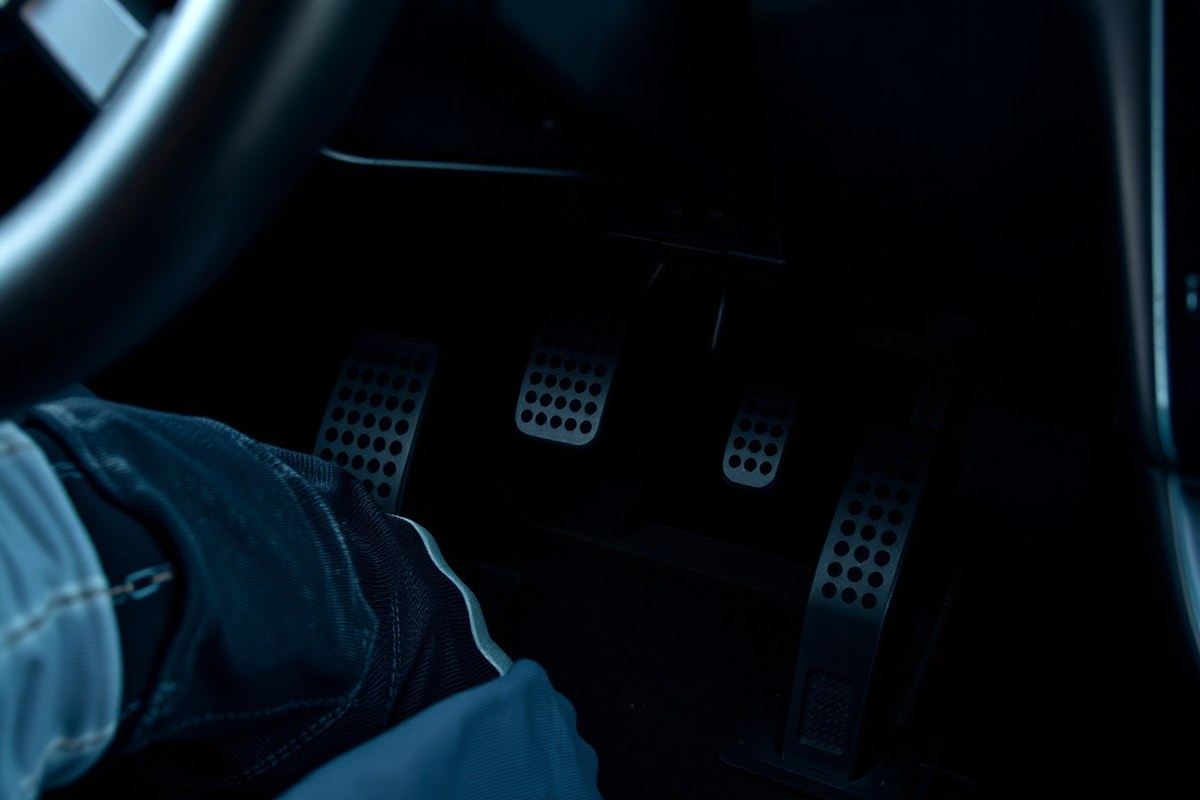
Automatic vehicles have the brake pedal placed to the left of the gas pedal. Manual vehicles feature three pedals: the clutch on the far left, the brake in the middle, and the gas on the right. Each pedal serves a unique purpose during driving.
Most cars have used this layout since the 1930s for safety and consistency. Knowing the brake pedal position helps prevent mistakes and improves reaction time. Always check your car’s pedals before driving to avoid confusion.
Adjust your seat to reach the brake and gas pedals comfortably without stretching. Proper seat setup reduces fatigue and improves your control while driving.
Practice pressing each pedal gently at first to build muscle memory. This helps you stop quickly and shift gears smoothly in manual cars.
Key Takeaways
- In automatic cars, the brake is always the left pedal of the two main pedals.
- Manual cars come with three pedals. The clutch is on the left. The brake is in the middle. The accelerator sits on the right.
- Most modern cars follow the 1930s standard pedal layout for safety.
- Adjust your seat to reach pedals comfortably without leaning forward.
- Use your right foot for both brake and accelerator in automatic cars.
- Practice looking down briefly before driving to memorize pedal positions.
Is the Brake Pedal on the Left or Right Side?
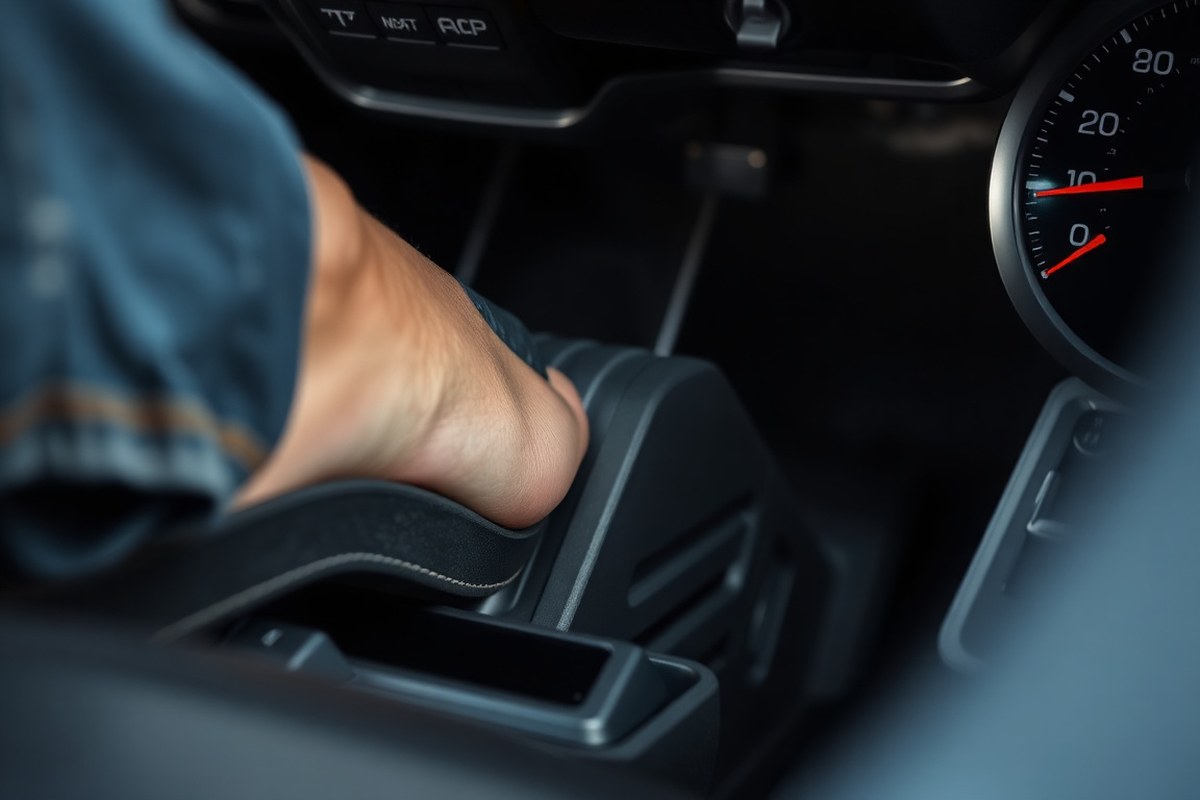
In automatic cars, the brake pedal sits on the left side of the footwell. These vehicles have two pedals: the brake on the left and the gas on the right. You control both pedals using your right foot, pressing the left pedal to slow or stop.
Manual cars have three pedals. From left to right, the layout is clutch, brake, and accelerator. The brake pedal is in the middle.
Your right foot can reach it easily. Meanwhile, your left foot works the clutch.
The brake pedal is almost always bigger than the accelerator to help you find it quickly. It usually has a textured surface for better grip and requires firmer pressure. Its size and feel help prevent accidental pressing of the wrong pedal.
Driving a left-hand or right-hand drive car does not change the brake pedal’s spot. In automatic cars, the brake pedal stays on the left side for the driver.
In manual cars, the brake remains in the middle regardless of the vehicle’s steering wheel position. This consistency helps drivers adjust easily between different cars.
Some vintage or unusual vehicles might have different pedal setups. But nearly all modern cars follow the same layout. You should know where the brake pedal is.
This stops confusion and keeps you safe. It helps a lot when switching cars or driving in other countries. Take time to look down and confirm pedal positions before driving an unfamiliar car.
How to Identify Brake and Accelerator Pedals Quickly
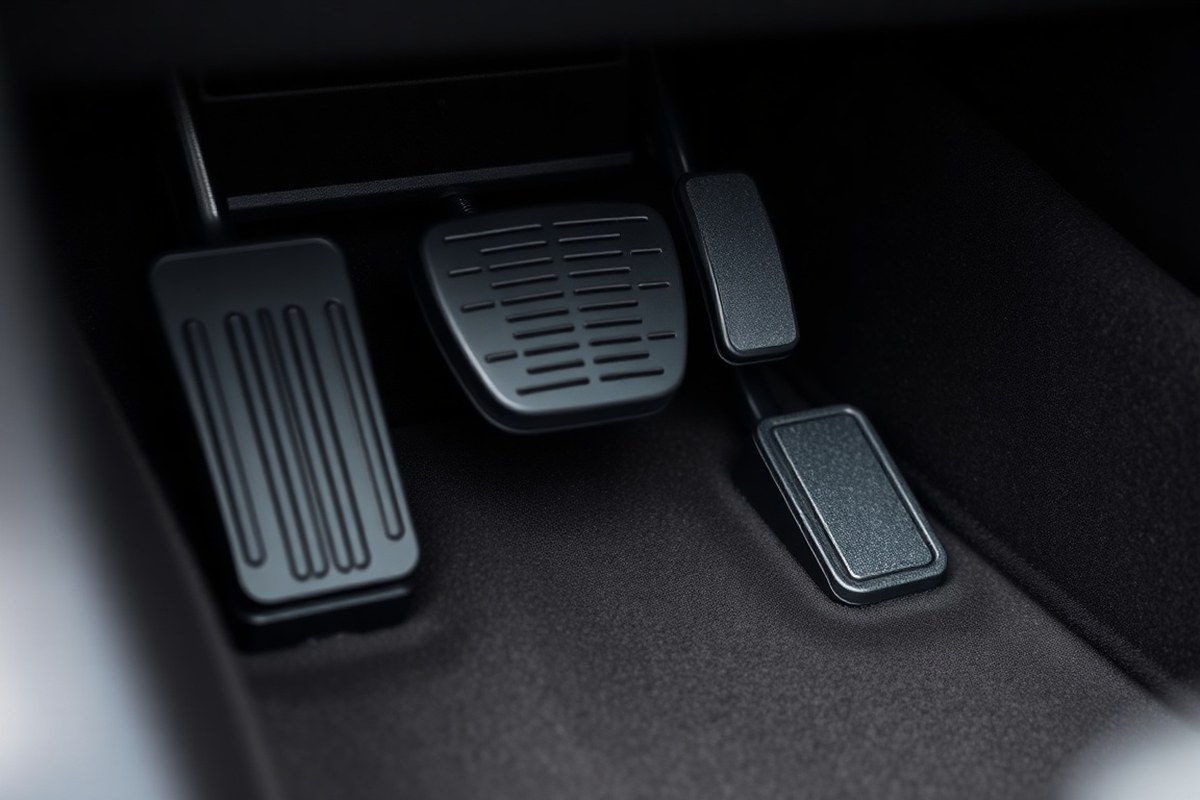
Spotting the brake pedal is simple once you know the layout. In automatic cars, the brake is the left pedal of the two available. For manual vehicles, the brake sits between the clutch on the far left and the gas pedal on the right.
The brake pedal is usually larger and wider than the accelerator. It’s often textured or ribbed to help your foot grip it, especially when you’re stopping quickly. Feeling the size and texture with your foot helps you find the brake without looking down.
Here’s a quick checklist to identify the brake pedal fast:
- Count the pedals: two means brake is left, three means brake is middle
- Remember size: brake pedal is wider than the accelerator
- Feel texture: brake often has a rough or ribbed surface
- Note foot position: right foot controls brake and accelerator in manuals
- Practice pressing pedals with eyes closed to build muscle memory
Touching pedals when stopped helps build confidence. Press the clutch, brake, and accelerator separately.
Notice how the brake pedal feels bigger and firmer. This exercise makes it easier to find the brake during driving without looking down.
Don’t guess which pedal is which before you drive. Always check and identify them first. This helps you avoid mistakes while driving.
In manual cars, the middle pedal is the brake. Your left foot handles the clutch pedal far left.
You’ll use the right foot for both brake and gas pedals. Practice this foot switch slowly in a safe, parked car to form the right habits.
Brake Pedal Position Differences in Manual vs Automatic Cars
The brake pedal is on the left side in both manual and automatic cars. In manuals, it sits between the clutch and accelerator pedals. Automatic cars have two pedals.
The brake is on the left. The accelerator sits on the right.
Layout in Automatic Cars
Automatic cars have two pedals: brake on the left and accelerator on the right. This setup reduces driver workload by removing the clutch pedal. It also helps new drivers focus on braking and accelerating without extra foot coordination.
With no clutch, the brake takes the left foot’s position exclusively. This layout is common in the US, Canada, and much of Europe. It simplifies the footwell, making pedal location easier to remember.
Layout in Manual Cars
Manual cars have three pedals arranged left to right as clutch, brake, and accelerator. The brake pedal sits in the center, between clutch and gas pedals. This takes slightly more getting used to for new drivers than automatics.
This three-pedal arrangement is standard in most countries with left-hand drive vehicles. It ensures you can coordinate stopping and gear shifting efficiently. The brake’s central spot means your right foot controls acceleration alone.
| Transmission Type | Number of Pedals | Leftmost Pedal | Middle Pedal | Rightmost Pedal |
|---|---|---|---|---|
| Automatic | 2 | Brake | N/A | Accelerator |
| Manual | 3 | Clutch | Brake | Accelerator |
The simplified layout in automatic cars helps beginners avoid foot confusion. Manual cars require more coordination because of the clutch pedal’s presence. Pedal layout has stayed consistent for decades for safety and driver comfort.
Clutch Pedal’s Role and Position
The clutch pedal is on the far left in manual cars. It disconnects the engine from the wheels to change gears smoothly. You press it fully before shifting and release it gradually to engage the new gear.
Automatic cars do not have a clutch pedal since the car shifts gears automatically. The absence of the clutch pedal changes the brake’s position to the far left. This shift reduces pedal clutter and simplifies driving technique.
Why Drivers Often Get Confused About the Brake Pedal
Many new drivers get confused by pedal placement. They expect the brake to be on the right side. This causes mix-ups when starting to drive.
The common pedal setup has the brake on the left. The accelerator is on the far right.
This layout is standard in most cars. This difference can surprise drivers moving between cars or regions with different layouts.
Beginners often press the accelerator by mistake when trying to brake. This happens because both pedals sit close together and look similar in size. Using the right foot for both pedals helps avoid accidentally hitting both at once.
The brake pedal is wider and usually nearer the middle than the accelerator. The accelerator is the narrower pedal on the far right. Keep your right foot over the pedals.
Rest your heel on the floor. This makes sliding from gas to brake easier and smoother.
Some drivers try using their left foot for braking, which can cause delays or confusion. The left foot should rest near the dead pedal or clutch, not the brake. This prevents mixed signals to your feet and reduces reaction time when stopping.
Confusion also happens in countries with right-hand drive cars, like the UK. In those cars, pedal positions stay the same. The accelerator is on the right.
The brake is just to its left. But the driver sits on the opposite side of the car. Staying aware of this layout when switching cars avoids mistakes.
Practising pedal use while stationary helps you learn pedal feel and position. Press each pedal lightly to sense their resistance and the distance you move your foot. Practice pressing the brake repeatedly.
This helps build muscle memory. You avoid mixing up pedals while driving.
Proper Foot Usage for Braking and Accelerating
You should use your right foot for both the brake and gas pedals in automatic cars. Using the left foot for the brake is common only with manual cars. This helps keep control simple and safe while driving.
Use of Right Foot in Automatic Cars
Automatic cars have two pedals. The gas pedal is on the right. The brake pedal is on the left.
Use your right foot for both pedals. This helps you react faster.
It prevents pressing both at the same time. This setup suits most drivers since many people are right-foot dominant.
Follow these steps for using the right foot properly:
- Keep your right foot resting over the brake pedal when stopped.
- Move your foot sideways to the gas pedal to accelerate smoothly.
- Press the brake firmly but gently to slow or stop.
- Release the brake and press gas for steady acceleration.
- Keep your left foot resting away from the pedals.
This keeps your footwork simple and avoids confusion or accidents. It takes practice to move your right foot quickly between pedals.
Left Foot Role in Manual Cars
Manual cars add a clutch pedal to the left of the brake. Use your left foot for the clutch. Use your right foot for brake and gas.
This helps you control the car better. Your left foot should not press the brake.
This foot arrangement avoids mixing up pedals during gear changes. The brake sits in the center, making it easy to reach by the right foot.
Risks of Using Both Feet
Using both feet in automatic cars can cause accidental simultaneous braking and accelerating. This risks jerky stops or unintended moves and damages the car. It also can confuse your muscle memory and reaction times.
Keeping to one foot prevents these problems. Practicing the right-foot-only method improves smoothness and safety. Some newer drivers try two-foot braking but this is not recommended for automatics.
Always keep your left foot off the pedals in an automatic to avoid accidental braking.
Seat Positioning to Reach Brake and Accelerator Pedals Comfortably
Adjust your seat so your feet reach the pedals comfortably. Sit far enough back that you can press the brake fully without stretching. Your knees should stay slightly bent when you push the brake or accelerator.
Raise or lower the seat to keep a clear view over the dashboard and mirrors. Your hips should be level or slightly higher than your knees. This helps keep good control and reduces fatigue during driving.
Before driving, test pedal reach carefully. Press the brake with your right foot. Make sure you can press fully.
Avoid locking your ankle. Try easing the accelerator after pressing the brake to check comfort without shifting your seat again.
- Adjust the seat forward to allow full brake pedal press without stretching
- Set seat height for a clear view over the dashboard and mirrors
- Keep knees slightly bent when your foot is on the pedals
- Rest your right heel on the floor to pivot between brake and accelerator
- Ensure the seat back supports your lower back without forcing you forward
- Use manual seat adjustments or electric controls, depending on your car
- Double-check pedal reach and vision before driving off
Move the seat back if your legs get tired or block pedals. Sitting too far back reduces your control over pedal pressure. This can cause delayed braking or accidentally hitting the accelerator.
Cars with adjustable pedals let you move the brake and accelerator nearer or further from you. Use this feature if your seat can’t find a good position. Adjust following the same comfort and safety steps, then secure the controls.
Understanding Pedal Differences by Car Type and Region
The brake pedal stays in the same place no matter the car. It does not change for left or right-hand drive cars. In countries like the UK, Australia, and Japan, drivers sit on the right.
Their brake pedal is still on the car’s left side. This uniform design helps drivers switch between cars without confusion.
Car manufacturers worldwide follow this pattern. The brake pedal is always between the clutch and the accelerator. This is true no matter where the driver’s seat is.
This pedal layout started long ago to improve driver safety. Early cars used this setup for better control.
| Region | Drive Side | Brake Pedal Position |
|---|---|---|
| United States | Left-hand drive (LHD) | Right side of footwell |
| United Kingdom | Right-hand drive (RHD) | Left side of footwell |
| Japan | Right-hand drive (RHD) | Left side of footwell |
| Australia | Right-hand drive (RHD) | Left side of footwell |
| Most European countries | Left-hand drive (LHD) | Right side of footwell |
This standard setup supports safer driving. Drivers get used to stepping on the brake with their dominant or stronger foot. It also minimizes accidents caused by stepping on the wrong pedal in a new car.
Some rare historic or special vehicles may have different setups. But modern cars stick to this layout.
The brake pedal’s fixed place relates to how cars developed over time. Early models chose this spot to give fast access and clear control.
Keeping brake pedal placement the same helps drivers stay focused. They don’t have to look down at pedals while driving.
What to Do If Your Car Has an Extra Pedal or Unusual Setup
Some cars have an extra pedal on the far left side of the footwell. This pedal usually acts as a foot parking brake.
You press it down to set the brake. Then pull a separate handle or push the pedal again to release it.
This setup is less common in new cars. It still appears in many older models. You may also find it in some trucks and SUVs.
It helps keep your foot off the main brake pedal when parked. Knowing this prevents you from accidentally pressing it while driving.
To avoid confusing this pedal with the brake or clutch, first identify its position. The foot parking brake pedal sits farthest left, separate from the main brake pedal. It won’t feel like the normal brake since it locks rather than slows the car.
Practice pressing this pedal while parked to get its feel. You should hear or feel a click as it engages.
Keep your left foot away from this pedal while driving your car. Use your right foot only on the accelerator and main brake pedals.
Some cars may have unique pedal layouts, especially in older or imported models. Always check your vehicle’s manual to spot special setups. Knowing these differences avoids panic and unsafe reactions when switching cars.
A common mistake is pressing the foot parking brake pedal by accident during driving. This can cause emergency braking or loss of control. Stay alert and place your left foot on the dead pedal or resting pad if available.
Test the brakes in a safe spot before you start driving. This helps you feel how any extra pedals work.
Practice Techniques for Mastering Pedal Use Safely
You can get confident with brake and accelerator pedals by practicing safely and calmly. Knowing which pedal is which helps you avoid mistakes.
For example, you might push the gas when you want to stop. Simple exercises before driving build your muscle memory and calm your nerves.
Practice with Engine Off
Start by sitting in the driver’s seat with the engine off. Press each pedal lightly to feel its resistance.
The brake pedal usually has more resistance than the accelerator. So you can tell them apart by touch.
This low-pressure practice keeps mistakes safe. Moving your foot from accelerator to brake and back helps train your brain. Practice this a few minutes a day until it feels natural.
Checking Pedal Size and Position
Look down and notice the brake pedal’s size and position right before driving. The brake is usually wider and sits to the left of the accelerator. This difference helps prevent your foot from sliding onto the wrong pedal.
Understanding pedal placement works for both manual and automatic cars. Manuals add a clutch pedal on the far left.
So get to know that space. Take a moment to check before you start the engine to reduce confusion.
Calm Counting and Recognition
Count the pedals silently before driving to identify each one. Automatic cars usually have two pedals. The bigger brake pedal is on the left.
The accelerator is on the right. Manuals have three, with the clutch on the far left.
Use this mental checklist every time you sit down. It lowers stress and builds awareness. Over time, you’ll stop needing to count because your foot knows where to go.
- Place your right heel on the car floor to pivot between pedals
- Keep your foot ready over the brake when stopped
- Practice moving your foot slowly between pedals without looking
- Try pedal exercises with the engine off to build confidence
- Use the wide shape of the brake pedal to avoid hitting accelerator
- Before driving, calmly verify pedals’ position and size
- Repeat foot movements until they feel natural and smooth
Taking these small steps helps keep you safe behind the wheel. They improve your reaction time and reduce slip-ups. Avoid pressing the accelerator by mistake by focusing on slow, deliberate pedal motion until you’re sure.
Quick-Start Action Plan for Identifying and Using the Brake Pedal
Use this plan to learn which pedal is the brake and how to use it safely. It helps you get comfortable with your car’s setup fast.
- Before you start: Sit in the driver’s seat and locate all pedals. Identify the brake pedal by its size and position in the middle or left.
- Day 1: Press each pedal with your foot while the car is off. Notice the brake pedal feels wider and firmer than the accelerator.
- Day 2: Practice pressing the brake pedal gently while resting your foot on the floor. Confirm you can stop smoothly without jerking.
- Week 1: Start driving in a quiet, safe area. Focus on finding the brake pedal quickly. Practice stopping smoothly each time. See how you switch feet from accelerator to brake.
- Week 2: Try different cars if possible (manual and automatic) to note brake position changes. This builds your awareness.
- After 2 weeks: Add seat adjustments for better pedal reach. Ensure you can fully press the brake without stretching or shifting.
- Ongoing: Use your right foot for both pedals in automatics. Practice clutch-brake coordination in manuals. Check your confidence level regularly.
Frequently Asked Questions
Is the Brake Pedal on the Left or Right?
The brake pedal is on the left in automatic cars. In manual cars, it’s the middle pedal, with the clutch on the far left.
Why Do Some Drivers Confuse the Brake Pedal with the Clutch?
Because in manuals, the brake sits between the clutch and accelerator. This layout can trip up new manual drivers.
How Should Your Foot Be Positioned on the Brake for Quick Response?
Keep your right foot over the brake pedal for easy access. This helps you brake faster in emergencies.
What Changes in Pedal Layout Should I Expect When Switching Between Manual and Automatic?
Manuals have three pedals: clutch left, brake middle, accelerator right. Automatics only have brake left and accelerator right.
Can Seat Positioning Affect Your Ability to Use the Brake Pedal Properly?
Yes, sitting too close or far can reduce brake control. Adjust your seat for a comfortable reach without stretching.
The Bottom Line
The brake pedal sits on the left side of the footwell. The accelerator is on the right. Use your right foot for both pedals.
Knowing which is which helps you stop safely and quickly. Try testing pedal positions in your car today to gain confidence behind the wheel.