What Happens If You Put Water in a Gas Tank? Complete Guide for Fast Fixes
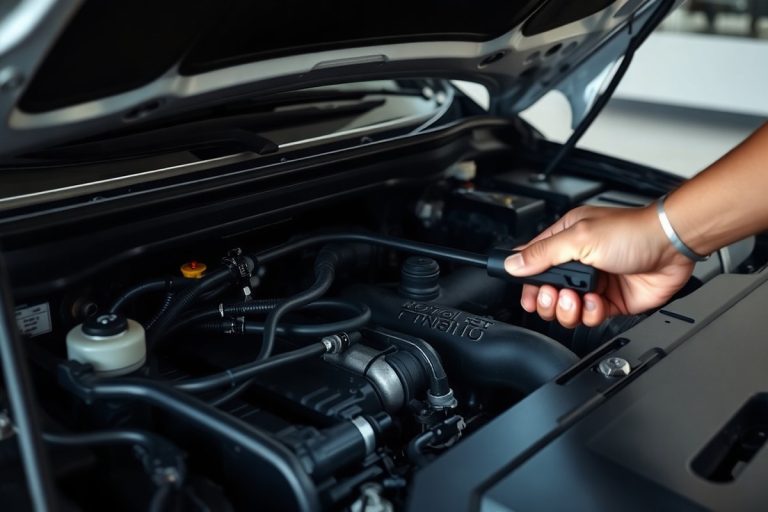
What happens if you put water in a gas tank? Water does not mix with gasoline, so it causes major problems for your engine.
It can stop fuel from burning properly and lead to stalling or no start at all. The water can also corrode fuel system parts and clog filters, leading to costly repairs.
First, don’t try to start the car if you suspect water in the tank. Running the engine with water in the fuel will spread damage. Instead, safely get the car checked or drained before attempting to drive it.
Water enters gas tanks through condensation, dirty fuel, or bad gas pumps. You’ll often notice symptoms like rough idling or hard starts before major damage builds. Catching water contamination early saves time and money on repairs.
Key Takeaways
- Water in gas tanks causes engine stalling and fuel system corrosion.
- Never run your engine if you suspect water in the fuel.
- Water contamination often comes from condensation or faulty fuel sources.
- Watch for rough idling and engine hesitation as early warning signs.
- Drain or treat the tank quickly to avoid costly repairs.
- Use fuel additives designed to remove water if the contamination is minor.
What Happens If Water Is Put in a Gas Tank?
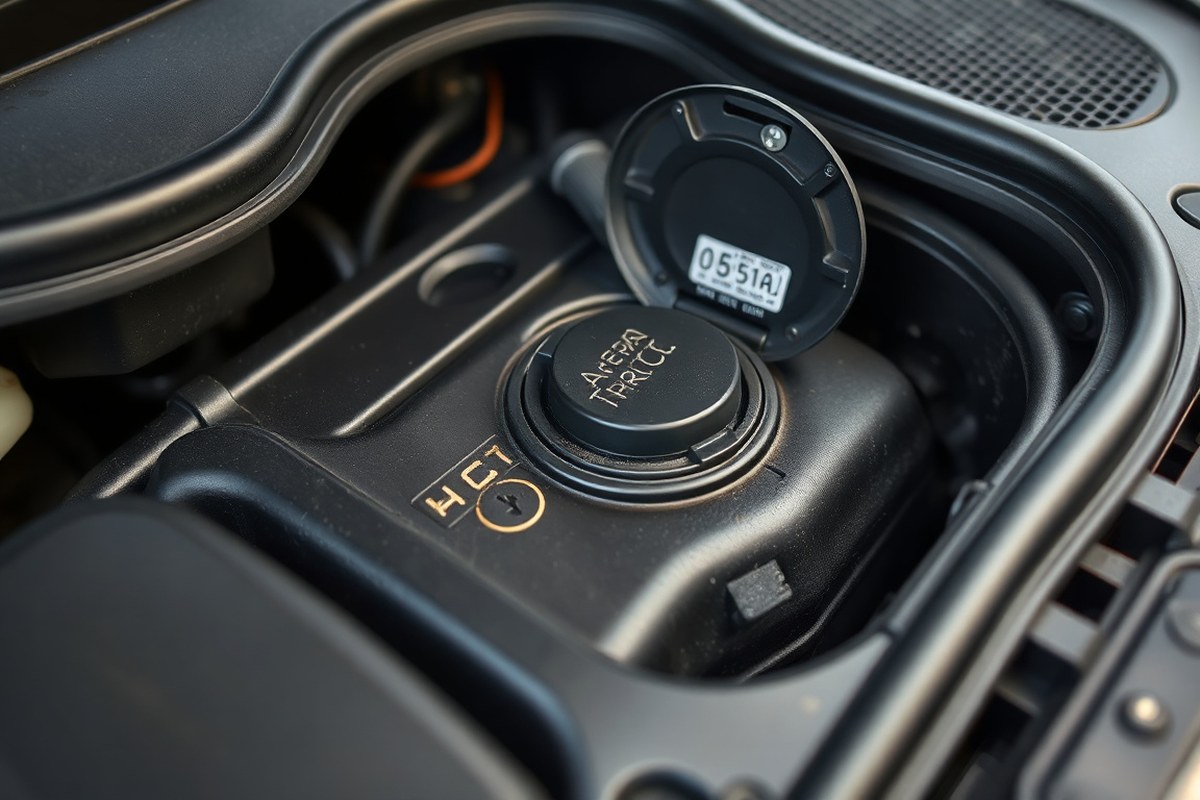
Water and gasoline don’t mix. So when water gets into your gas tank, it settles at the bottom. Gasoline floats because it is lighter than water.
Your engine may suck in water instead of fuel. This can cause problems when starting or running. Water doesn’t burn, so it stops the engine from firing right.
This causes misfires or rough idling. The engine might stall too.
Even a tiny amount of water can cause trouble. Your engine tries to burn a mix of fuel and water. But water disrupts the combustion process.
Water in fuel can make your car hard to start. The engine may sputter or stall soon after you start it.
The fuel system parts like injectors and pumps are built to handle gasoline only. Water can corrode them or cause blockages, leading to costly repairs. More water in the tank makes problems worse.
The engine might shut off completely. Sometimes it won’t start at all.
How Does Water Get into Your Gas Tank?
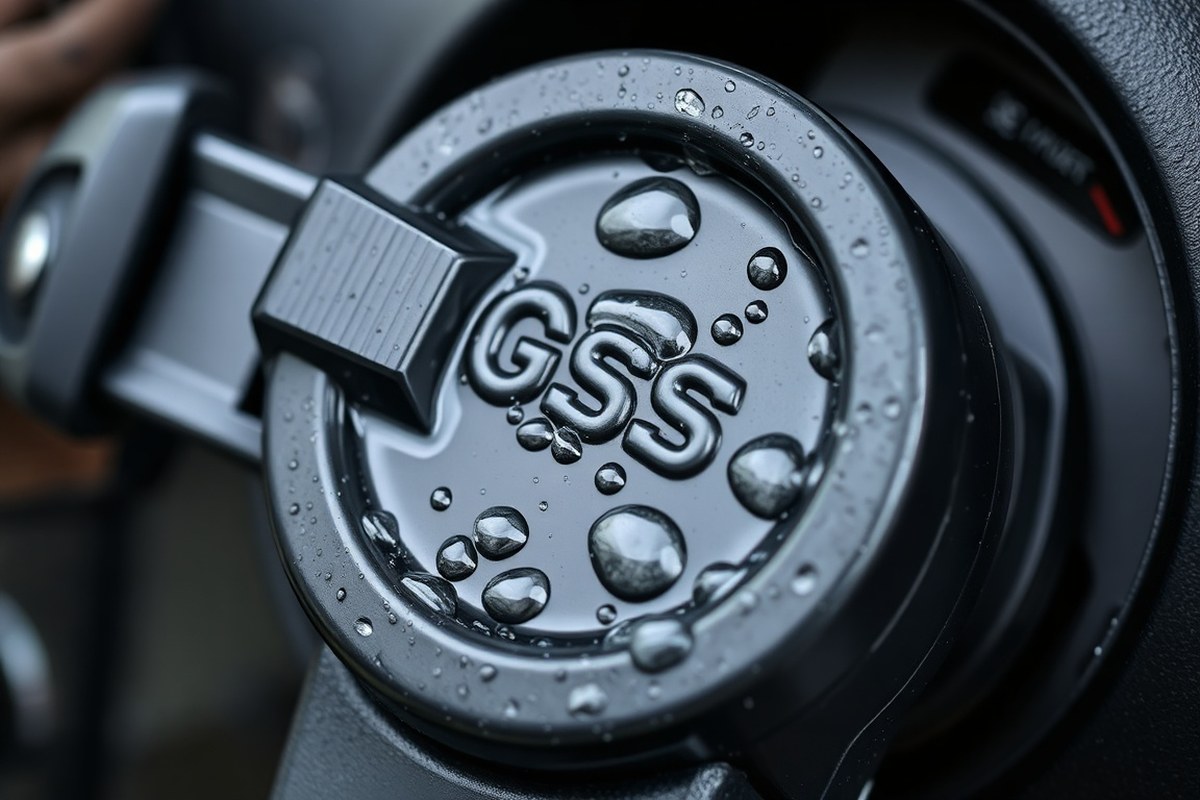
Water can get into your gas tank in several ways, both by accident and on purpose. Knowing these causes helps you spot vulnerabilities and keep your car safe. Some issues happen inside the tank, while others come from outside sources.
Condensation Inside the Fuel Tank
Condensation forms when temperature changes cause moisture to collect inside the gas tank. This happens most on cool nights or in humid areas. Over time, water droplets build up and settle at the bottom of the tank.
This moisture can mix with gasoline and reduce engine performance. Check older tanks for rust spots inside. Remove the gas cap early and sniff for strange smells.
These signs can show condensation. Keeping the tank mostly full reduces air space where moisture forms.
Leaks and Faulty Gas Caps
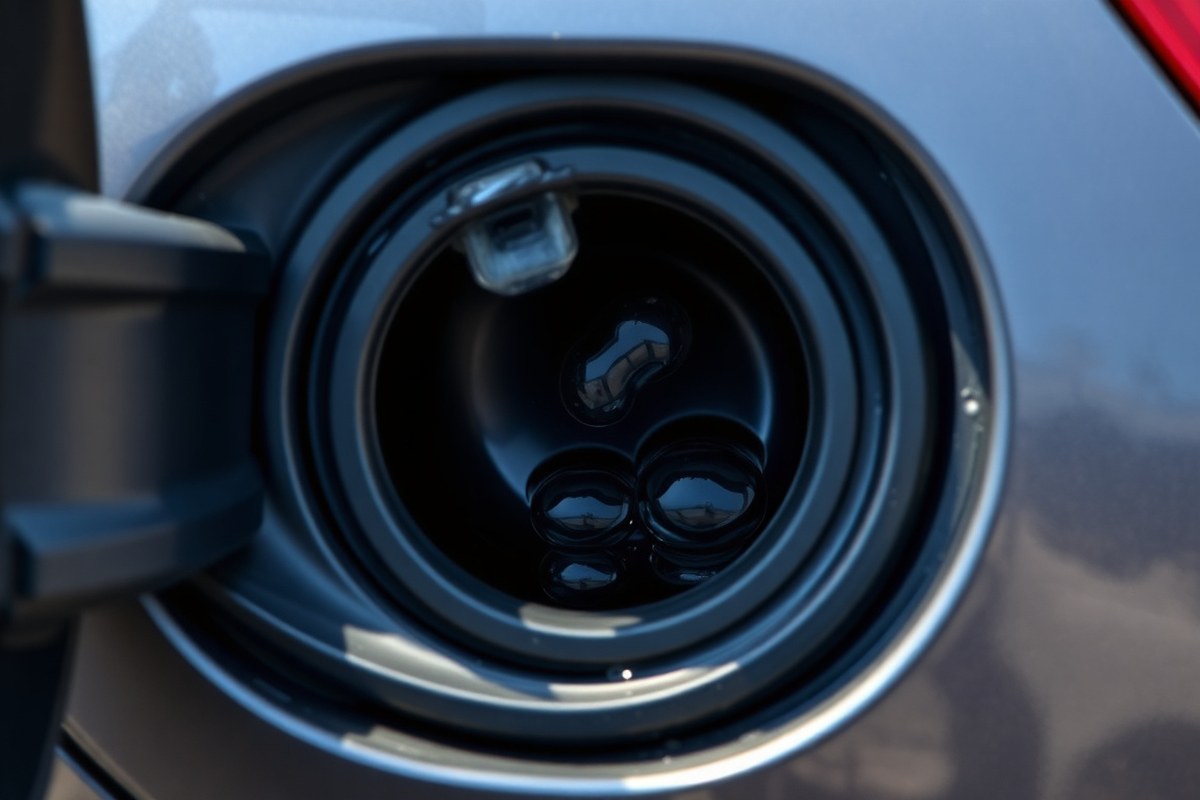
A loose, cracked, or missing gas cap lets rainwater or washing water into the tank. Even a small crack can let enough water inside to cause problems. It also lets dirt and debris enter, worsening fuel contamination.
Regularly inspect your gas cap for cracks and wear. Replace it every few years or if damaged.
When checking, make sure the seal fits tight and the cap clicks securely after closing. This helps seal out moisture and contaminants.
Flooding and External Water Sources
Floods can cover your car. Water can enter the gas tank through vents or the filler neck. This risks fuel system damage.
Even heavy rain dripping while refueling with the gas cap off adds small amounts of water. This water mixes with fuel and causes engine issues.
Avoid driving through deep water and always close your gas cap tightly after refueling. After a car floods, have a professional check the fuel system quickly. This prevents further damage.
Contaminated Fuel from the Gas Station
Fuel can contain water if storage tanks at gas stations leak or are poorly maintained. Sometimes water collects at the bottom of underground tanks and mixes with fuel during pumping. Gasoline contaminated this way can lower your engine’s efficiency.
Try to buy fuel from reputable stations known for good maintenance. Smelling fuel or having engine problems after filling up might mean fuel contamination.
Look out for these signs. Stop driving and have the fuel tested or drained.
Intentional Contamination and Vandalism
Unfortunately, some cases of water in the gas tank are deliberate. Someone might pour water into your tank as an act of vandalism. This contamination causes the car to stall, not start, or suffer engine damage.
Signs to watch for include sudden fuel problems after parking your car in an unsecured area. Look for wet residue around the fuel cap or unusual smells from the filler opening.
Spot vandalism? Take photos of the damage and tell local police right away.
- Check gas caps for cracks or missing seals regularly.
- Keep your fuel tank mostly full to reduce condensation.
- Avoid filling up during or just before heavy rain.
- Inspect older tanks for rust and leaks higher than twice a year.
- Buy fuel from trusted, well-maintained gas stations only.
- Secure your car to prevent vandalism around fuel openings.
Always tighten your gas cap until you hear a click. This small step keeps water and dirt out.
Common Symptoms of Water Contamination in Gasoline
Water in the gas tank causes clear problems fast. You might notice your engine struggling soon after contamination. Gasoline floats above water.
Water stays at the bottom of the tank. It enters the fuel system through the pump.
Symptoms often start when water reaches the fuel injectors or engine cylinders. Rough idling and misfires happen because water doesn’t burn like fuel. The engine may stall or hesitate during acceleration as fuel flow is interrupted.
Other signs include hard starting, especially when the engine is cold. Steam or white smoke from the exhaust signals water turning to vapor in the combustion chamber. Fuel efficiency usually drops because your engine runs poorly.
- Rough idling and misfires
- Hard starting, particularly on cold mornings
- Stalling while driving or at idle
- Hesitation or jerking during acceleration
- Steam or white smoke from exhaust
- Decrease in fuel efficiency
- Unusual noises from the engine
- Poor overall engine performance
Water swelling on the injector tips can damage them if not fixed soon. Corrosion in the fuel system may develop with longer exposure. These symptoms usually appear within hours to a few days after water contamination.
Problems from water can feel like other fuel issues such as bad gasoline or clogged filters. Fuel additives may not fix the problem.
Water in the gas tank probably causes it. Symptoms getting worse fast show water spread in the fuel lines.
Check your fuel system carefully if your car acts up suddenly without another obvious cause. Early action prevents expensive repairs to the injectors or fuel pump. Paying attention to symptoms and timing helps you decide when to get professional help.
What Is Phase Separation and Why Is It Important?
Phase separation happens when water mixes with ethanol-blended fuels like E10 or E15. Ethanol absorbs some water initially. But if enough water gets in, it causes the fuel to separate into layers.
The heavier water and ethanol mixture sinks to the bottom. Pure gasoline rises above.
This separation matters because your engine only runs on the gasoline layer. When phase separation happens, fuel in your tank mostly has water and ethanol. Gasoline isn’t enough in this mix.
Your engine draws the wrong fuel from the tank. Engines can run badly or stall if phase separation happens.
Water and ethanol burn differently than gasoline does. That causes poor engine performance.
During phase separation, the ethanol-water layer can hold corrosive compounds and damage fuel lines and injectors. The gasoline layer loses its proper fuel blend, leading to uneven combustion and engine hesitation. Driving with phase-separated fuel can cause rough idling and power loss, damaging your engine over time.
Ethanol sticks to water molecules but gasoline does not. This is why phase separation happens. The chemicals just don’t mix well together.
Once water content exceeds about 0.5% volume in the fuel, ethanol will pull it out of the gasoline. This forms two separate liquids, disrupting fuel quality and flow.
Phase separation gets worse in colder temperatures, where water and ethanol mix more easily. It can take hours or days until enough water enters the tank for layers to form.
Signs include sputtering, engine misfires, and increased emissions. Ignoring this can lead to costly fuel system repairs.
Fixing phase separation means removing all fuel and water from the tank to start fresh. Adding additives like rubbing alcohol can help absorb minor water contamination early on. Fixing phase separation means draining the tank and changing the fuel filter.
This repair can cost between $100 and $300. The price depends on your car model.
How to Tell If There Is Water in Your Gas Tank Safely
Checking for water in your gas tank can be done without harm to your vehicle. Use simple testing tools and safe steps to collect and analyze fuel. Avoid using anything that could contaminate or damage the tank during inspection.
Fuel Test Strips and Their Use
Fuel test strips are a quick way to detect water contamination. These strips change color when dipped into a fuel sample containing water. You can buy them for about $10 to $20 online or at automotive stores.
To use, dip the strip in the fuel sample and wait 10 to 30 seconds. Compare the strip’s color to the guide included with the strips. This shows how much water is present, if any.
How to Collect a Fuel Sample Safely
Collect a fuel sample from your gas tank to test for water without spills or risks. Using appropriate tools makes the process cleaner and safer for you and your vehicle.
- Turn off your vehicle and let it cool to avoid fire hazards.
- Find the fuel tank’s access point under the rear seat or trunk liner. If it’s safe, use the fuel filler neck instead.
- Wear gloves and eye protection to keep skin and eyes safe.
- Use a clean, clear plastic container with a tight lid to hold the fuel sample.
- Put a small, clear plastic tube or syringe into the filler neck or access port. Then, draw some fuel with it.
- Draw about 2 ounces of fuel slowly to avoid splashing or introducing air bubbles.
- Seal the container tightly and label it with the date and vehicle info.
- Do the test right away or keep the sample in a cool, dark place. Do not store it for more than a day.
Never open the fuel tank in a windy or hot place. Gasoline fumes pose serious fire risks.
Using Portable Water-Finding Additives
Some additives help find water by causing a visible reaction in the fuel. They mix safely with gasoline and highlight water presence by cloudiness or color change. Always follow the product instructions closely.
Add a small amount of the additive to the fuel sample in a clear container. Shake it gently and watch for signs of water. A cloudy layer or separation usually means water is in your gas.
| Method | Cost | Time to Test | Ease of Use | Accuracy |
|---|---|---|---|---|
| Fuel Test Strips | $10, $20 | Under 1 minute | Very easy | Good for low to moderate water |
| Fuel Sample + Visual Additive | $15, $25 | 2 to 5 minutes | Easy with care | Detects small amounts, shows separation |
How to Remove Water from a Gas Tank: DIY Fixes vs Professional Help
Removing water from your gas tank quickly depends on how much water is inside. Additives can fix small amounts of water. But large contamination usually needs draining or flushing.
A professional mechanic can safely fix severe water problems. They’ll make sure no water stays in the fuel system. This helps avoid engine damage.
Using Fuel Additives Safely and Effectively
Fuel additives designed to remove water can work well if the contamination is minor. These additives typically contain alcohol that mixes with gasoline, helping water evaporate through combustion. Pour the recommended amount directly into the gas tank, usually before filling up.
Additives won’t be effective if a large amount of water is present. Additives for light water contamination cost around $10 to $20. You need to drive a few hundred miles to clear water out.
This method takes time but is affordable. Avoid relying on additives alone for serious water problems.
Steps for Draining and Flushing the Fuel Tank
Draining your gas tank removes water physically, making it the best option for heavy contamination. This process involves emptying all fuel, then letting the tank dry before adding fresh, premium gasoline. Flushing cleans fuel lines as well and helps reduce leftover water in the system.
You’ll need tools like a siphon pump or mechanic’s help for safe draining. Draining a tank yourself may risk spills and fuel system damage if done incorrectly. Flushing and draining usually take a few hours when done by a mechanic.
Expect to pay between $300 and $800 for the service. The price depends on the damage level.
When to Call a Professional Mechanic
Choose professional help if there’s a lot of water in the tank. Also seek help if you notice engine problems afterward. This prevents bigger repairs later.
Mechanics use special tools to drain the tank safely. They flush fuel lines and check for ongoing problems.
This keeps your engine running well. They can also spot damage early, saving you money on future repairs.
Professional service ensures that your fuel system is free of water and safe to use again. Always ask before paying for service, as costs vary by vehicle type and location. Getting timely professional help prevents more serious engine damage from water contamination.
Here’s a quick method comparison for water problems. It shows when to use each method based on severity. You’ll see cost and time estimates too.
| Method | Best For | How It Works | Time Required | Estimated Cost |
|---|---|---|---|---|
| Fuel Additives | Minor water contamination | Additive mixes with fuel, evaporates water during running | Several hundred miles of driving | $10, $20 |
| Fuel Dilution (adding premium gas) | Small water traces | Adding extra fuel shields water concentration | Immediate, with driving | Cost of fuel |
| Drain and Dry Fuel Tank | Heavy water contamination | Empty tank, let dry, refill with premium fuel | 1, 3 hours | $300, $800 (professional) |
| Fuel System Flushing | Suspected water in fuel lines or engine | Flush system to clean lines and tank | 1, 3 hours | $300, $800 (professional) |
Use fuel additives only for small amounts of water to avoid damage. Large water volume requires draining and drying, which is best done by a mechanic. Flushing helps when water spreads to fuel lines, often needing specialized tools.
Common Mistakes and How to Fix Them When Removing Water
Rushing the water removal process is a big mistake. The longer water stays in the gas tank, the more damage it causes.
That leads to pricey repairs in the fuel system or engine. Take your time but act quickly to avoid extra costs.
Many people mix incompatible fuel additives while trying to fix water contamination. Not all fuel treatments work against water or phase separation.
Using the wrong product can worsen the problem or clog your filters. Always check the additive’s label and match it to your situation.
Another common error is ignoring the fuel filters. Water and sludge often clog these filters, reducing fuel flow.
If you don’t change or clean the filters, symptoms will stay or come back. Replacing filters costs about $20 to $50 but helps prevent engine damage.
- Don’t wait too long to start water removal or risk damage.
- Avoid mixing different fuel additives; use one recommended for water issues.
- Always replace or clean fuel filters after water contamination.
- Don’t try DIY fixes without the right tools to detect water levels.
- Skip flushing the entire fuel system at home unless experienced.
Using the wrong additives can cause fuel separation or extra corrosion inside the tank. You want a product designed for gasoline and water removal.
A reliable additive helps combine water with the fuel so it burns off safely. It usually costs between $10 and $30 at auto stores.
Trying to flush or drain the entire fuel tank yourself can backfire. Without proper tools and knowledge, you might spill fuel or leave water behind.
Professional help costs more but ensures a full cleanup and protects your car. Also, testing for water with a clean glass container is safer than guessing during DIY fixes.
Potential Damage Water Causes to Your Fuel System and Engine
Water in your gas tank settles at the bottom where the fuel pump pulls liquid. This causes the fuel pump to suck water instead of gasoline. Water can corrode metal parts inside the fuel system, including the fuel pump and fuel injectors.
Corrosion wears down these parts fast. It causes fuel leaks or pump failure. Replacing them can cost hundreds.
Water also causes injector clogging. Fuel injectors spray gasoline into the engine, but water doesn’t burn like fuel. Water here can cause poor spray patterns or block injectors, leading to rough idling or stalling.
Over time, clogging makes the engine run poorly. This can damage engine parts. It also lowers fuel economy.
In the combustion chamber, water causes serious engine problems. Water doesn’t ignite correctly, causing knocking or pinging sounds under load. This knocking damages pistons and cylinders over time, potentially causing engine failure.
Water in fuel messes up lean burn conditions. This causes incomplete combustion. More carbon builds up in the engine.
Removing water quickly is important because corrosion starts almost immediately once water contacts metal surfaces. Using additives like STP Water Remover can help remove water and rust from gas tanks. Fixing the problem may need draining the gas tank.
You might need to clean or replace parts. Corrosion and clogging cause these issues. This repair usually costs between $200 and $500.
The price depends on your vehicle. Damage severity also affects the cost.
Never wait to remove water from your gas tank. Even small amounts can cause costly engine damage quickly.
How to Prevent Water Contamination in Your Gas Tank
Water can get into your gas tank through the gas cap. Fuel might also have water mixed in. Both cause contamination problems.
Sealing your gas cap tightly after each fill-up blocks water and dirt from getting inside. Buy fuel from trusted stations for better quality.
High-quality fuel lowers risk of water in your gas. It reduces contaminants, too.
Newer cars have more sensitive fuel systems than old ones. Water contamination affects them more seriously. Older cars handle it better.
They use fuel injectors and electronics that don’t tolerate water well. That’s why keeping water out matters even more if you drive a newer vehicle.
Moisture can form inside a gas tank when air and temperature changes cause condensation. Park your car in a garage or covered place. This helps in humid or rainy weather.
It keeps moisture away. Don’t leave your gas tank half full for long.
More air inside lets water condense on tank walls. This increases contamination risk.
- Check and replace your gas cap if it’s cracked or loose.
- Fill up your tank before it gets very low to reduce air space.
- Buy fuel from busy stations with high turnover for fresher gas.
- Use fuel additives with water absorbers during wet seasons.
- Store gasoline in clean, sealed containers away from moisture.
- Keep your vehicle parked under cover during rain or snow.
These simple habits cost little but make a big difference in preventing water issues. Fuel additives with water absorbers usually cost under $15 for a treatment.
A new gas cap might run $10 to $30 depending on your car. Both investments help avoid repairs that can cost hundreds or even thousands.
Seasonal steps help too. In winter or humid months, add a water-removing fuel additive every few fuel fill-ups. Also, check your gas cap seal more often.
This method stops moisture from damaging your engine. It keeps your fuel system safe from water harm. Use it for better car health.
Step-by-Step Action Plan to Handle Water in Your Gas Tank
Follow these steps to remove water and protect your vehicle. This plan helps you act quickly and safely.
- Before you start: Park on level ground and work in a well-ventilated area. Know that gasoline is flammable, so avoid sparks or flames.
- Day 1: Use a fuel water remover additive. Add it according to label instructions and run the engine. When the engine smooths out, water may be breaking down.
- Day 2: Check for remaining symptoms like sputtering or rough idling. Should symptoms stick around, you probably need a stronger fix.
- Day 3: Drain the gas tank to remove water and contaminated fuel. Use a siphon pump made for gasoline and dispose of fuel safely. Success means clear fuel and no water draining.
- Day 4: Replace the fuel filter. A clogged filter often follows water contamination. Your engine’s performance should improve or return to normal.
- Day 5: Fill up with fresh, high-quality gasoline and add a fuel stabilizer. This helps prevent future water buildup and phase separation.
- Week 2: Monitor your engine while driving. No rough starts or stalls indicate the water issue is resolved.
Frequently Asked Questions
Can Water in a Gas Tank Cause Engine Corrosion?
Yes, water in the gas tank can cause corrosion inside the fuel system. This can lead to rust buildup, which may damage fuel lines and injectors over time.
Will Water in the Gas Tank Damage a Catalytic Converter?
Water usually won’t damage the catalytic converter. Water in the fuel causes poor combustion.
Poor combustion can increase emissions. Over time, these issues can stress the converter and reduce its lifespan.
Can Water in Gasoline Cause the Check Engine Light to Come On?
Yes, water in gasoline can cause the check engine light to come on. The engine may misfire or run poorly, which triggers sensors to alert you.
Does Ethanol Fuel Attract More Water to the Gas Tank?
Yes, ethanol-blended fuels attract more water because ethanol absorbs moisture from the air. This can increase the chances of water contamination and phase separation.
Can Water in the Gas Tank Cause a Car to Stall Suddenly?
Yes, water in the gas can cause the engine to stall without warning. Water disrupts fuel combustion, leading to power loss and stalled engine.
The Bottom Line
Water in a gas tank can ruin your engine if ignored. Take quick action by using the right tools and steps. Start by adding a fuel water remover today and see how your engine runs.