How Fast Was It: The Fastest Speeds Ever Recorded and Accurate Measurement Explained
Ever wondered how fast the fastest car ever recorded really was? The top speed reached by the quickest car hits about 305 mph (490 km/h). These speeds are officially tested under controlled conditions to avoid errors.
Knowing how speed is measured helps you trust the numbers. GPS devices give a true reading, unlike car dashboards that often show 3-10% higher speeds. Checking GPS data helps you find your real speed more reliably.
It is more accurate than many other methods. You can trust GPS for speed measurement.
Human speed limits are also impressive with top sprinters running just over 27 mph (43 km/h). Speed varies widely depending on conditions and how measurements are taken.
So accuracy matters a lot. Start by understanding the context and tools behind speed readings.
Key Takeaways
- The fastest car speed recorded is about 305 mph (490 km/h).
- GPS speed readings are more accurate than car dashboards.
- Human sprinting top speed barely exceeds 27 mph (43 km/h).
- Speed measurements need controlled environments for accuracy.
- Car dashboards tend to over-read speed by 3-10%.
- Choice of tool affects how precisely speed is measured.
How Fast Was the Fastest Car Ever Recorded?
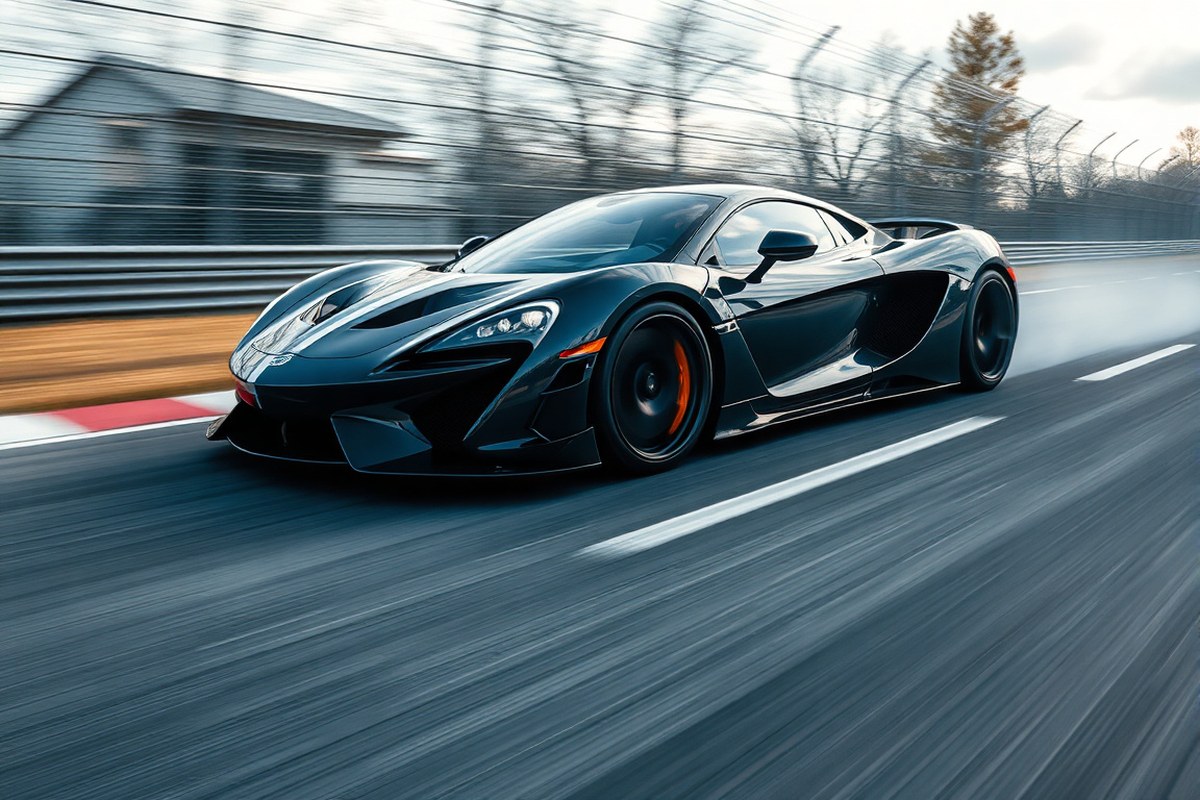
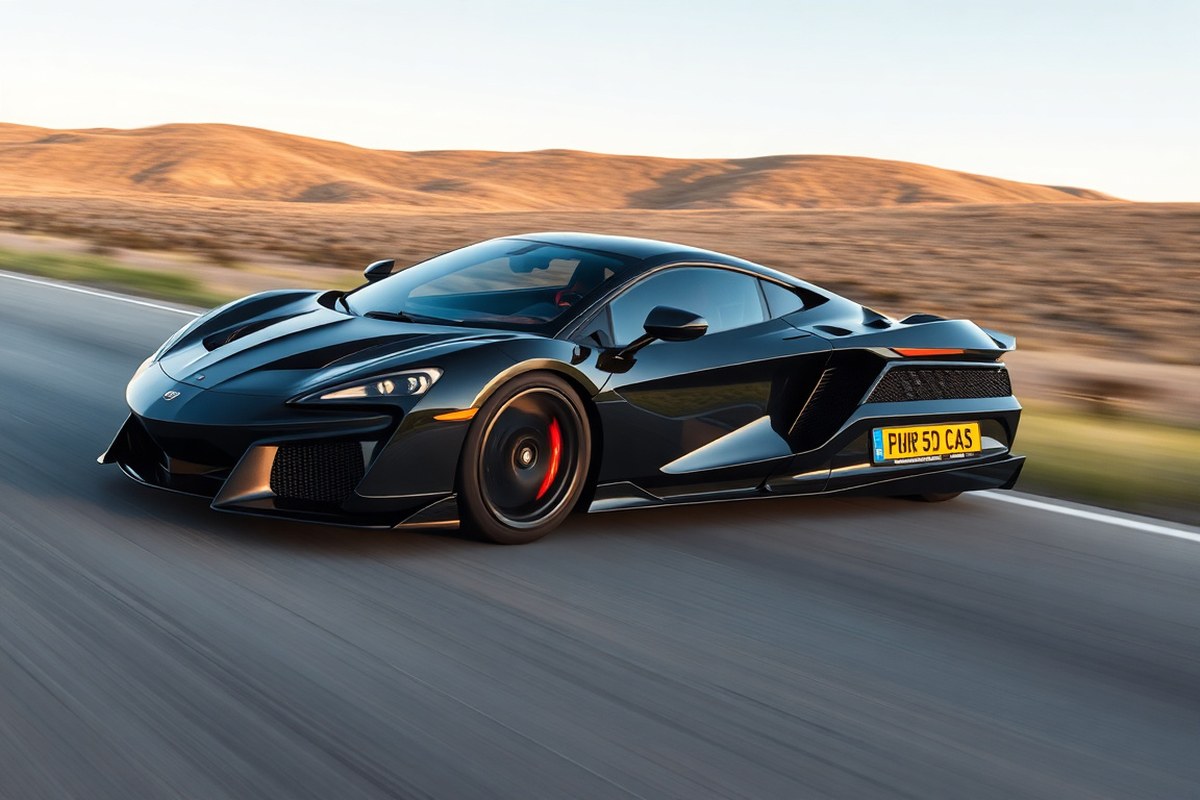
The fastest car ever recorded is the Thrust SSC, driven by Andy Green in the UK. It broke the sound barrier with a speed of 763 mph (1,227.9 km/h). This car differs greatly from production cars, which top out under 300 mph.
Electric and combustion-engine hypercars offer amazing acceleration and high top speeds. The Rimac Nevera leads electric cars with a 256 mph top speed. It can go from 0 to 100 km/h almost instantly.
This makes it one of the fastest electric vehicles today. Other fast cars like the Koenigsegg Regera and SSC Tuatara reach over 270 mph.
They are among the fastest cars in the world. These speeds push the limits of engineering.
These cars feature advanced aerodynamics and powerful engines. For example, the Thrust SSC used jet engines and was designed to handle supersonic airflow. Production hypercars use lightweight materials and aerodynamic shapes, with drag coefficients between 0.279 and 0.35, which still produce noticeable air resistance at high speeds.
| Car | Top Speed (mph) | Acceleration 0-100 km/h (seconds) | Price (USD) | Drag Coefficient (Cd) |
|---|---|---|---|---|
| Thrust SSC | 763 | Not applicable | Classified | Not applicable |
| Rimac Nevera (Electric) | 256 | About 1.85 (0-62 mph) | About 2 million | Not specified |
| Koenigsegg Regera | 249 (electronically limited) | Not officially listed | About 2 million | Not specified |
| SSC Tuatara | 283* | 2.5 | About 1.9 million | 0.279 |
| Bugatti Chiron Super Sport 300+ | 304.77 | 2.4 | 3.5 million | Not specified |
| Hennessey Venom F5 | 301 | 2.0 | About 2.1 million | Not specified |
The numbers show acceleration times between 2.0 and 2.9 seconds to reach 100 km/h. Top speeds vary from about 250 to over 300 mph for street-legal cars. The Thrust SSC stands apart with its supersonic speed but isn’t a production vehicle.
These speeds come from powerful engines with thousands of horsepower. Cars also use aerodynamic shapes to reduce drag. Advanced materials like carbon fiber help keep weight low.
Electronic speed limiters control some hypercars, balancing safety and performance. Some cars accelerate faster but have lower top speeds.
Aerodynamic limits or electronic controls cause this difference. This tradeoff affects how you experience speed.
What Are the Limits of Human Speed Performance?
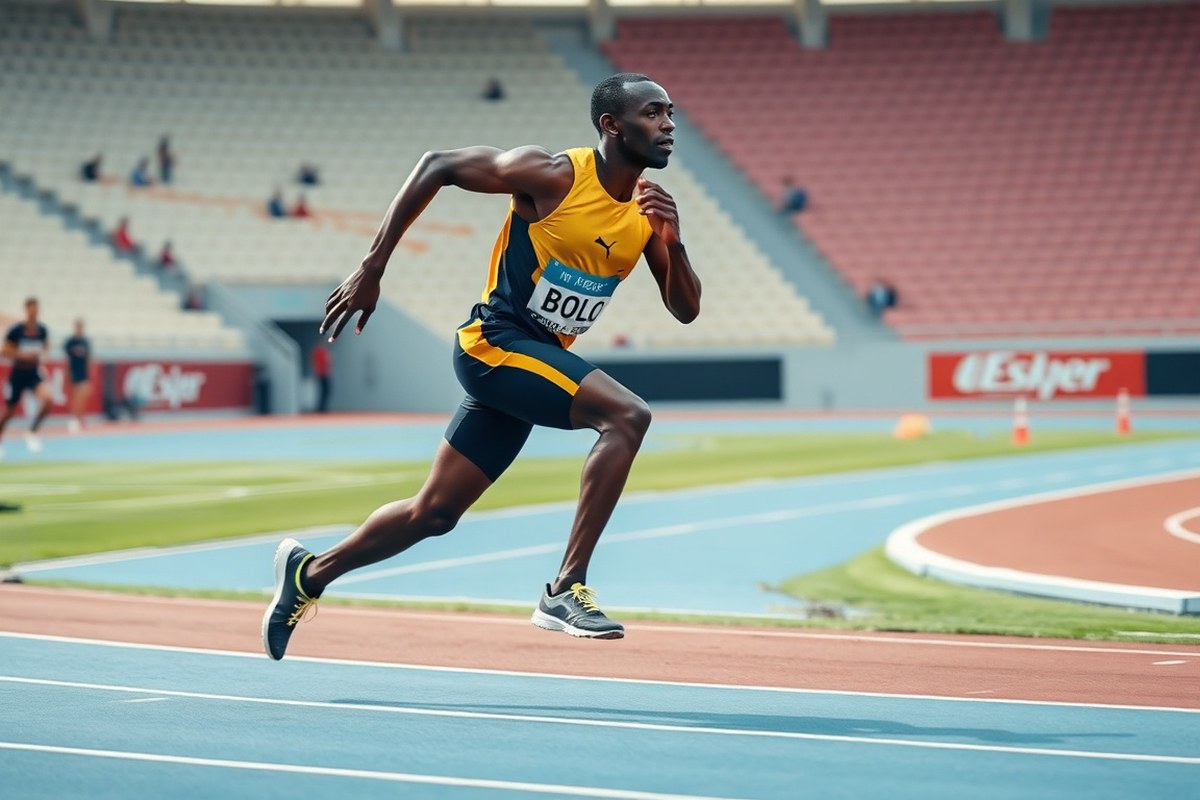
Humans have reached top running speeds just over 27 mph (43 km/h) in short sprints. These speeds show what elite sprinters can achieve in the 100 to 200 meter events. Various physical and environmental factors set limits on how fast a person can run.
World Records in 100m, 150m and 200m
Usain Bolt holds the fastest recorded human speeds in sprinting. He ran 100 meters in 9.58 seconds, reaching about 27.8 mph (44.7 km/h) at peak speed.
He also recorded 14.35 seconds for 150 meters and 19.19 seconds for 200 meters. These times show sprinters run fastest over shorter distances then slow gradually.
- 100m sprint top speed around 27.8 mph.
- 150m and 200m slightly slower average speeds.
- Acceleration phase lasts about 30 to 60 meters.
- Peak speed usually hit between 60 and 80 meters.
- Longer sprints require more speed endurance.
- World records set under official track conditions.
- Wind and altitude can affect sprint times.
Shorter sprint distances allow athletes to focus purely on explosive speed. Longer events require careful energy management and stamina.
Physiology Behind Maximum Human Speed
Muscle composition largely controls how fast you can run. Sprinters have more fast-twitch muscle fibers, which contract quickly and forcefully.
Efficient stride mechanics also matter. Longer leg length and proper foot position help generate more ground force during each step.
Other factors include oxygen use and energy systems. Sprinters rely on anaerobic metabolism to supply quick bursts of power without using oxygen.
Conditions Affecting Sprint Performance
Track surface and weather can influence how fast a runner goes. A well-maintained synthetic track offers better grip than grass or dirt.
Wind assistance below 2.0 m/s can help sprint times but above this invalidates records. Temperature and humidity also affect muscle function and fatigue.
- Track quality and material.
- Wind speed and direction.
- Altitude due to air density changes.
- Temperature and humidity levels.
- Proper footwear and gear.
- Athlete’s warm-up and mental state.
- Nutrition and hydration before the race.
Never start a sprint without proper warm-up to avoid injuries and poor performance.
Sprint distances also influence how long you can maintain top speed. The shorter the distance, the higher the peak speed. But sustaining it becomes harder beyond 60 to 80 meters due to fatigue.
How Is Speed Measured Accurately in Different Contexts?
Speed is measured differently depending on the context, like cars, humans, or freefall. GPS is often used because it tracks position over time to calculate speed. However, vehicle speedometers and freefall measurements need other reliable methods to get accurate speed data.
GPS Speed Measurement Principles
GPS devices find speed by measuring changes in your location over time. They calculate speed by comparing position data points several times per second.
GPS is usually accurate within a few meters. But tall buildings or tunnels can reduce its reliability.
You can check GPS accuracy by looking for under 10 meters error, which means good reliability. A weak GPS signal causes errors in speed calculations. GPS speed works best outdoors with clear sky views and in open areas.
To use GPS for speed tracking:
- Turn on your GPS-enabled device.
- Wait for the device to get a strong satellite signal.
- Start moving, and let the GPS update your location multiple times per second.
- View the speed reading, which is distance over time calculated by the device.
- Check GPS accuracy indicators, aiming for less than 10-meter error.
Limitations of Vehicle Speedometers
Car speedometers often show speeds slightly higher than actual to keep drivers safer legally. This happens because manufacturers want to avoid fines for under-reporting speed. Tire wear or incorrect tire size can also cause speedometer errors.
Speedometers use the rotation of the wheels. So changes in tire size affect their accuracy.
GPS readings are usually closer to real speed than speedometers. For example, a vehicle’s speedometer might show 62 mph when GPS records 60 mph.
Methods in Measuring Freefall Speed
Freefall speed is often measured using radar guns or timing systems between two points. Skydivers sometimes use GPS watches to track their vertical speed. These tools need calibration and testing to confirm accuracy during fast drops.
Radar guns send radio waves that bounce off the falling object. They measure speed using the Doppler shift. This shows how fast the object moves.
Timing systems use known distances and time intervals to calculate speed precisely. Together, they help verify the high speeds reached in freefall safely and reliably.
What Are the Fastest Speeds Recorded in Aircraft and Space?
The fastest manned aircraft recorded is the NASA X-15 rocket plane. It reached speeds up to 4,520 mph (7,274 km/h).
This speed is about Mach 6, six times the speed of sound. Pilots in these missions experienced extreme heat and required special suits to survive.
In freefall, skydivers can reach speeds of about 180 mph (290 km/h) in a belly-to-earth position. Specialized jumps like Felix Baumgartner’s Red Bull Stratos reached speeds up to 843 mph (1,357 km/h). This was possible from the edge of space, where air resistance is very low.
Stars and planets move at astonishing speeds within our galaxy. For example, the star S4714 orbits close to the Milky Way’s black hole.
It speeds up to 17,000 mph (27,300 km/h), the fastest star ever observed in our galaxy. Planets, like Earth, orbit the Sun at about 67,000 mph (108,000 km/h).
| Object | Speed (mph) | Speed (km/h) | Context |
|---|---|---|---|
| NASA X-15 (Aircraft) | 4,520 | 7,274 | Highest manned jet speed |
| Felix Baumgartner (Freefall) | 843 | 1,357 | Freefall from edge of space |
| Typical Skydiver (Freefall) | 180 | 290 | Freefall in belly-to-earth position |
| Star S4714 | 17,000 | 27,300 | Fastest known star orbiting Milky Way black hole |
| Earth’s Orbit | 67,000 | 108,000 | Speed around the Sun |
| Bugatti Chiron Super Sport 300+ (Ground Vehicle) | 295* | 475* | Land speed in recent recorded attempt |
These speeds matter because they show the extremes our technology and nature can reach. Measuring aircraft speeds uses instruments like radar and GPS tracking.
Freefall speeds vary depending on body position and altitude. So jumps must be planned carefully to measure them right.
Cosmic speeds are measured by astronomers using telescopes and shifts in light. Distances and velocities in space require calculations based on gravity and time. These measurements help us understand movements in galaxies and how objects interact with black holes.
How Does Internet Speed Compare and How Is It Measured?
Internet speed shows how fast data moves between your device and the web. Download speed means how fast you get data, like movies or music. Upload speed measures how quickly you send data, useful for calls or backups.
Ping measures the delay between your device and a server. Lower ping means quicker responses, which is key in online gaming.
Jitter shows how much the ping varies over time. High jitter causes lag and choppy calls.
Packet loss happens when some data packets don’t reach their destination. Even a small packet loss, say 5 percent, can ruin video calls or games. Good internet connections aim for zero packet loss to keep data steady and smooth.
Download speeds differ by activities. For web browsing, even 1 to 5 Mbps works fine. Streaming HD video needs about 5 to 10 Mbps.
4K video requires at least 15 to 25 Mbps. Uploads should also match your needs. Video calls and gaming ask for 3 Mbps or more upload.
Different connection types offer different speeds and reliability. Fiber optic internet offers the same speed for uploading and downloading. Speeds often range from 100 Mbps to 10,000 Mbps.
This means you get fast and steady performance both ways. Cable and DSL usually have slower uploads compared to downloads, which can impact sending large files.
Internet speed tests check multiple factors. They start by measuring ping and jitter to get a stable baseline.
Then the test downloads and uploads data to show actual speeds. These tests usually transfer tens to hundreds of megabytes on fast connections.
Speed tests work best on wired connections. No other apps should use the internet during the test. This helps show a clearer result of your true speed.
Tests done over Wi-Fi or with active downloads can show lower speeds. Ping measures the delay in your connection.
Jitter shows how much the ping changes over time. Packet loss means data gets dropped, causing lag even if speeds look good.
Always test your internet speed during peak and off-peak hours to spot differences and issues.
What Factors Affect the Accuracy of Speed Measurements?
Speed measurements vary a lot based on the device used and its environment. Radar guns measure vehicle speed well on a clear day. Similarly, WiFi speed tests usually show slower results than Ethernet because of wireless interference.
Outdated equipment often distorts results. Older routers can bottleneck your internet speed, making fast connections seem slow. Using devices that support the latest protocols like HTTP/3 often gives more reliable measurements.
- Choose a measuring device suited to your context (radar, GPS, speedometer, speed test apps).
- Make sure the device’s firmware or software is up to date for accurate results.
- Measure speed in good weather or interference-free settings to reduce error.
- For internet speed, run tests close to your router with a wired Ethernet cable if possible.
- Limit the number of active devices on the network during speed tests to avoid congestion.
- Repeat tests multiple times at different times of day to spot variations and average your results.
Wireless internet signals are prone to interruptions from walls, appliances, and storms. Older wireless standards can slow speed and increase latency. Wired connections avoid many of these problems but depend on cable quality.
In heavy rain or storms, satellite or fixed wireless speeds may drop considerably. When measuring speed in vehicles, uneven ground or obstacles may affect radar accuracy. Knowing these factors helps you pick the right tools and settings for reliable speed data.
How Long Does It Take to Reach Top Speed in Vehicles and Humans?
Supercars typically reach 60 mph from a stop in about 2 to 3 seconds. For example, a common supercar can go from 0 to 60 mph in roughly 2.5 seconds, showing very rapid acceleration. This fast speed gain is mostly due to powerful engines and lightweight materials.
Humans hit their top running speed differently. Sprinters usually reach maximum speed around 30 to 60 meters after starting to run.
It takes approximately 4 to 6 seconds for elite sprinters to get there. Conditions like track surface and weather can affect how quickly this happens.
Acceleration times vary with the environment. A supercar won’t reach its top speed quickly on rough or short roads. Similarly, athletes run slower in windy, wet, or uneven conditions.
Measuring real acceleration needs space like a 400-meter running track. This also applies to a long straight road for cars. Both help get accurate results over a set distance.
To test a car’s acceleration, you need a flat, straight road of at least 1,000 feet. Begin at a full stop. Use a calibrated GPS device to time the run.
Record the time it takes to reach 60 mph. This method only needs the GPS tool and a safe road.
It costs little beyond these basics. That’s why hobbyists often use it.
For human acceleration, use a stopwatch and measure over a 50-meter distance. Start timing as the runner leaves the starting line.
Good results for runners are 6 seconds or less over 50 meters. Errors happen if the timer reacts slowly or the distance isn’t exact.
What Are Common Misconceptions About Speed and How to Avoid Them?
GPS isn’t always the most accurate way to measure speed. Satellite signals can bounce off buildings or trees, causing errors or delays in location updates. This error means your speed reading could jump around.
It might show higher or lower than your true speed. These changes make your speed unclear.
Speedometers in cars often show a speed slightly higher than reality. Manufacturers do this to stop you from speeding by mistake. A speedometer that reads low can cause tickets.
So, they make it a bit higher. Your car’s tire size also affects speedometer accuracy.
Putting on bigger or smaller tires changes your speedometer reading. It can make your speedometer show wrong numbers.
People often make mistakes interpreting speed data by not considering signal delays or calibration. People might only use one tool like a GPS app. They forget these tools have limits and flaws.
This can cause wrong speed readings. Combining results from multiple devices or recalibrating your speedometer helps avoid false readings.
- Check your GPS signal strength for the best accuracy.
- Calibrate your speedometer when changing tire size.
- Use a trusted app designed for speed measurement outdoors.
- Avoid relying on speed data near tall buildings or tunnels.
- Test speed measurements on a known distance, like a measured track.
Internet speed tests can also mislead you because they don’t show real-time speed all the time. VPNs slow down data and older modems can’t handle faster plans. Networks can have “bufferbloat,” where upload speed looks fine but your connection still feels slow.
Don’t trust a single speed reading, especially from just one device or app. Check multiple sources and conditions.
Simple errors often cause the biggest confusion. Knowing your tools’ limits helps you get a good idea of your real speed. Double-check results, adjust settings, and avoid tricky spots for the clearest readings.
Tips for Measuring Your Own Speed Accurately Anywhere
Measuring your speed accurately depends on choosing the right tools and paying attention to your environment. You can use GPS devices, smartphone apps, or radar guns for different situations. Make sure to check device settings and environmental factors to get reliable results every time.
Best Devices and Apps for Speed Measurement
Smartphones with GPS are the easiest way to measure speed. Apps like Strava or Speedometer use GPS signals to calculate your speed in real time. Dedicated GPS watches offer even better accuracy for running or cycling.
For vehicle speed, radar guns or car dashboard apps linked with the speedometer work well. Internet speed tests, like FAST.com, give quick and reliable results for your connection speed.
- Smartphone GPS apps (Strava, Speedometer)
- GPS watches for outdoor activities
- Radar guns for vehicle speed
- Car speedometer and dashboard apps
- FAST.com for internet speed
Costs range from free phone apps to over $100 for GPS watches. Some devices use radar and cost even more.
Your choice depends on budget and features you want. Make sure your chosen device suits your measuring context to avoid inaccurate readings.
Ensuring Accuracy in Different Environments
Device accuracy needs a strong GPS signal to work well. Tall buildings or thick trees can cause problems. This leads to less reliable or slower speed readings.
Outdoor open spaces offer the best GPS accuracy for speed measurements. Stay still for a few seconds before starting your recording to let the GPS lock.
Temperature extremes under 32°F or above 95°F might affect some devices temporarily. Environmental conditions like rain or heavy fog can interfere with radar guns or GPS precision. Use the same device for repeated tests to compare results fairly.
Interpreting Your Speed Measurements Correctly
GPS speed readings often have a margin of error around 3 to 5 percent. Small speed changes under 1 mph might fall within this error range. Use averaged values over a few seconds for smoother and more accurate estimates.
Watch for sudden spikes or drops in readings that usually mean signal loss or errors. Cross-check with another device or manual timing for verification if possible. Knowing typical speed ranges for your activity helps spot unusual measurements.
Step-by-Step Action Plan to Measure and Understand Speed Accurately
Start tracking speeds around you by using simple tools and clear methods. Follow these steps to get reliable results and better judgment about speed.
- Before you start: Choose your object to measure, your running, car, or internet speed. Pick a clear distance or test method that matches your goal.
- Day 1: Use a stopwatch or a phone app with a timer for time tracking. Record your first measurement and note the exact conditions like weather or traffic.
- Day 3: Repeat your test three times under similar conditions. Compare times for consistency; they should be close if measured correctly.
- Week 1: Try a different method or tool, like a GPS or speedometer app for vehicles. Check if results match your stopwatch tests.
- Week 2: Adjust for factors like wind, slope, or internet congestion. Estimate their impact on your readings and retest.
- After 2 weeks: Track your personal best or fastest reliable speed. Log data with date, time, and conditions for reference.
- Month 1: Share your data with friends or online groups for feedback. See if your methods and results align with others.
- Ongoing: Keep refining your methods and tools to improve accuracy. Watch how changes in environment affect your speed measurements.
Frequently Asked Questions
How Fast Can Animals Run Compared to Humans?
Cheetahs run up to 60-70 mph, much faster than humans. The fastest human sprinters reach about 27 mph in short bursts.
What Is the Speed of Sound, and How Is It Relevant?
The speed of sound is about 767 mph at sea level. It matters in aviation and when measuring speeds using sonic booms.
How Fast Do Planets Orbit the Sun?
Earth orbits the Sun at about 67,000 mph. Orbital speed varies widely between planets because of their distance.
How Does Weather Affect Speed Measurements Outdoors?
Weather like wind or rain can change speed readings. For example, a strong tailwind boosts running or cycling speed.
Can Speed Measurements Be Affected by Device Type?
Yes, some devices vary in accuracy due to sensors or GPS quality. Using a dedicated speedometer or app often gives better results.
Wrapping Up
Speed varies widely across cars, humans, aircraft, and internet. But you can measure it well.
The key is using reliable tools and testing regularly. Start measuring something fast today to see how speed feels in your world.