
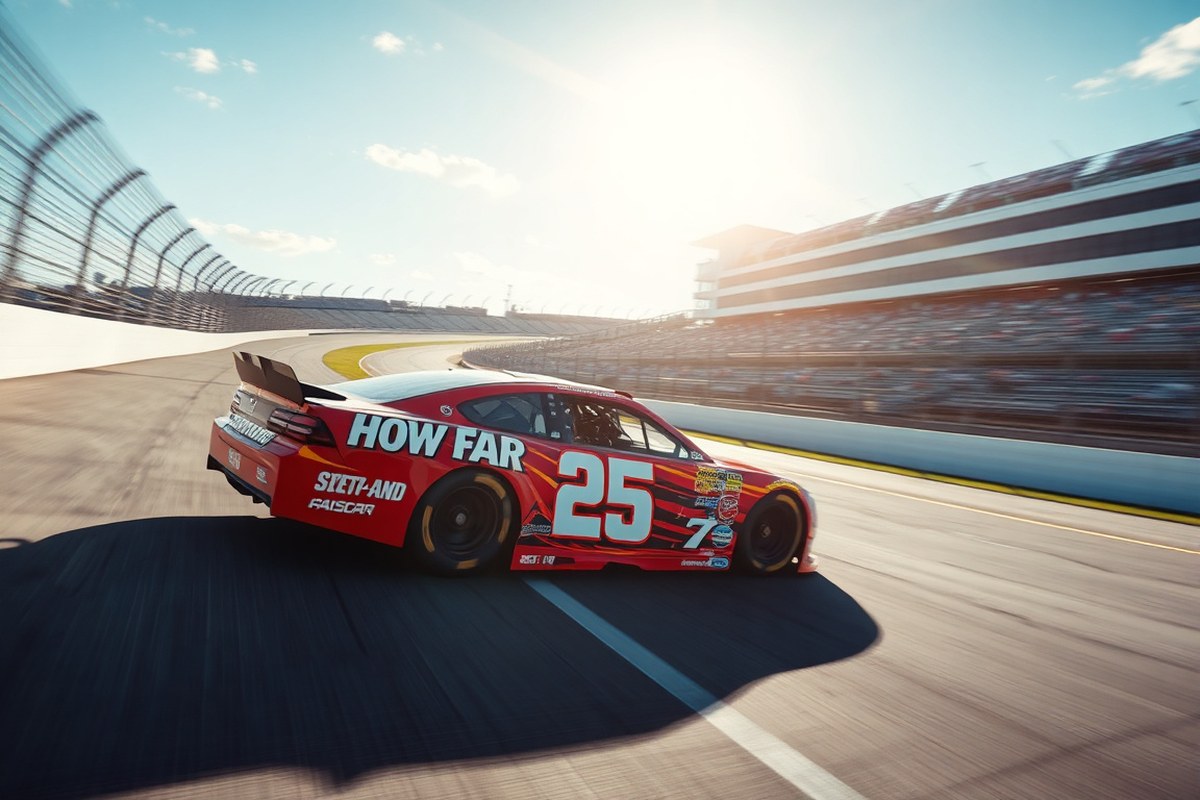
How Fast Do Race Cars Go in NASCAR? Track Speeds, Records & Comparisons
Wondering how fast do race cars go in NASCAR? These cars regularly hit speeds between 190 and 200 miles per hour on the fastest tracks. The top speed depends on track type, car setup, and race conditions.
On short tracks, cars slow to around 90 to 130 mph in tight turns. Talladega and Michigan are the fastest tracks in NASCAR. Drivers reach close to 200 mph on the long straightaways.
These speeds make the races thrilling to watch. Watch how track layout shapes speed more than anything else.
Restrictor plates once limited speed on superspeedways like Daytona. But today’s cars have gotten faster on intermediate ovals.
Expect different speeds depending on the race and track length. Understanding these factors can clear up why NASCAR speeds vary so much.
Key Takeaways
- Top NASCAR speeds reach almost 200 mph at the fastest oval tracks.
- Short tracks slow cars to 90-130 mph because of tight turns.
- Track layout is the biggest factor affecting car speeds in NASCAR.
- Restrictor plates once capped speeds at Daytona and Talladega superspeedways.
- Intermediate ovals now see rising speeds despite past restrictions.
- Race length and track type influence average racing speeds significantly.
How Fast Do NASCAR Cars Go Today on Different Tracks
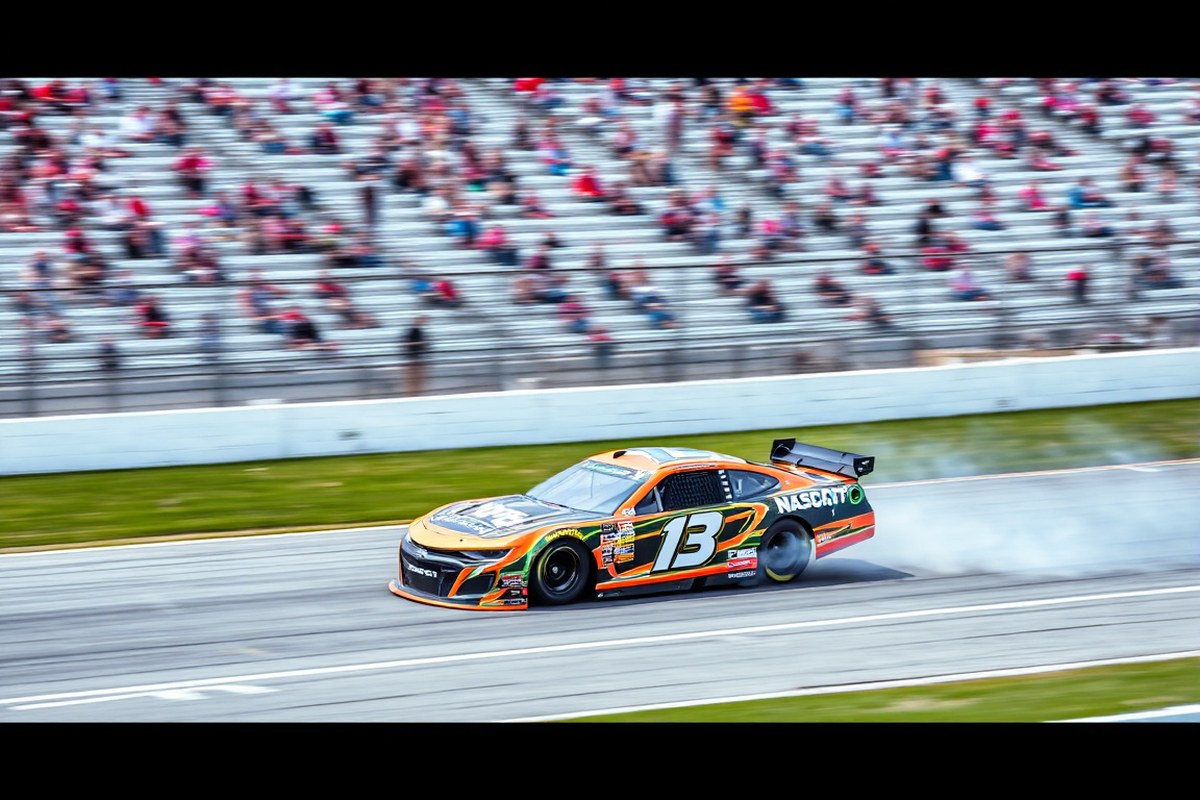
On superspeedways like Daytona and Talladega, NASCAR cars reach top speeds over 210 mph. Their average race speeds are near 188 mph. Powerful engines reach 510 horsepower.
Aerodynamic draft effects help maintain these speeds. These tracks allow the fastest racing because of their long straightaways and wide, high-banked turns.
Intermediate tracks, usually about 1.5 miles long like Charlotte or Texas, have top qualifying speeds between 180 and 190 mph. Average race speeds on these tracks fall between 115 and 130 mph. Engines here run up to 670 horsepower.
The turns are tighter on the track. Drivers must brake more often than usual.
| Track Type | Example Tracks | Top Speed (mph) | Average Race Speed (mph) |
|---|---|---|---|
| Superspeedway | Daytona, Talladega | 212.8 | 188.3 |
| Intermediate (1.5 mi) | Charlotte, Texas | 184-189 | 115-130 |
| Short Track | Bristol, Martinsville | 100.2 | 82.2 |
| Road Course | Watkins Glen, COTA | 92.7 | 70.2 |
Road courses like Watkins Glen or the Charlotte Roval usually see top speeds below 100 mph. These tracks have many sharp turns and elevation changes that slow cars significantly. Drivers focus on handling and braking instead of straight-line speed on these circuits.
Short tracks such as Martinsville are the slowest NASCAR tracks. Top speeds reach about 100 mph, with average speeds around 80 mph during races. The tight corners and short straight sections force drivers to brake frequently, reducing overall speed.
What Determines the Top Speed of a NASCAR Car
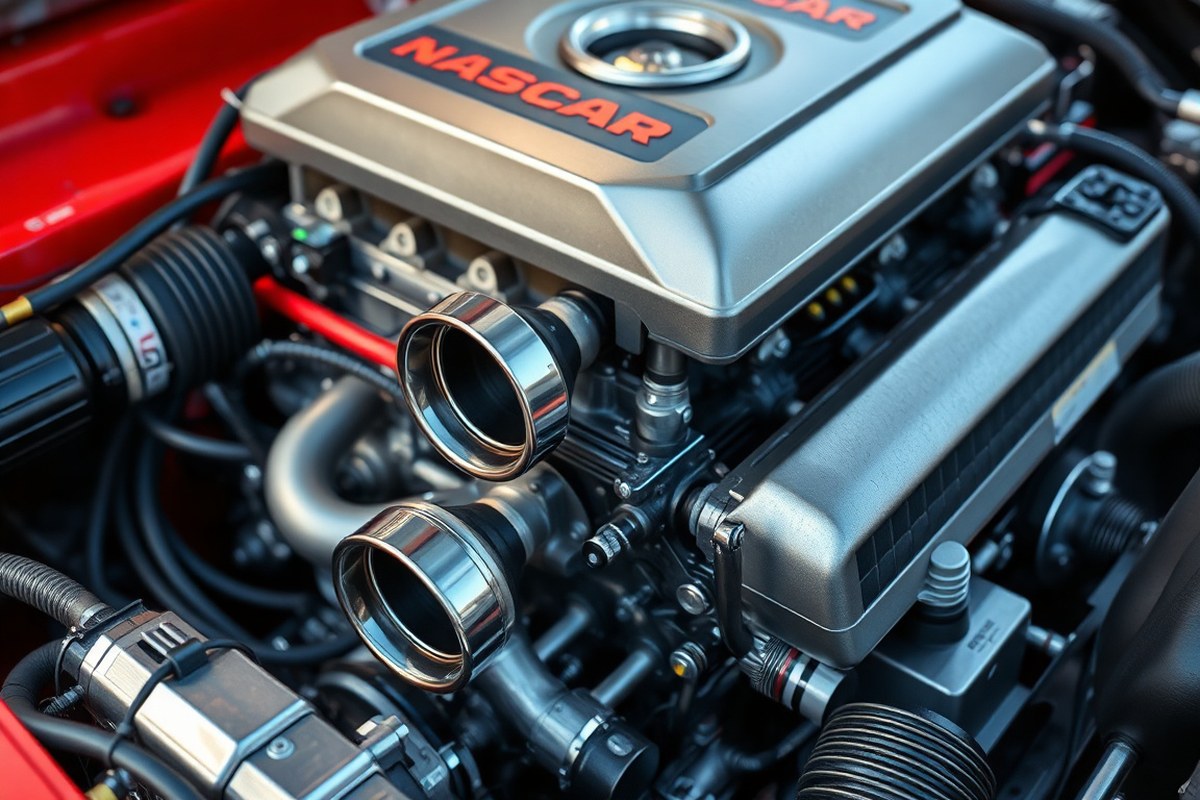
Engine horsepower has a huge impact on NASCAR car speed. Today’s Cup Series cars make around 750 horsepower, letting them reach nearly 200 mph on superspeedways.
Devices like tapered spacers limit airflow to the engine. This reduces horsepower and keeps top speeds lower to ensure safer pack racing.
Aerodynamics shape how fast a NASCAR car can go. They balance downforce and drag to help cars stay stable at high speeds.
More downforce means better grip but also more drag, which slows a car. Teams adjust wings and spoilers to find the right balance for each track.
Tires affect speed through grip and wear. Sticky tires hold the track well, allowing faster cornering and acceleration.
But too much grip increases rolling resistance and slows straight-line speed. Drivers and crews watch tire temperature and wear closely to keep speeds high across a run.
NASCAR cars weigh a minimum of 3,300 pounds excluding driver and fuel. Weight influences acceleration and braking more than top speed. Lighter cars get up to speed faster but must still meet minimum weight rules.
Fuel load also changes weight. Cars are heaviest at the start, which can reduce speed slightly.
- Engine horsepower sets the maximum power available for speed
- Aerodynamic tweaks control downforce versus drag
- Tires balance grip with rolling resistance
- Weight affects acceleration and handling, with strict minimums
- Restrictor-like devices limit air to the engine and top speed
- Fuel load adds weight and reduces speed at the start
- Teams adjust parts depending on track type and race strategy
Keep in mind: too much downforce improves control but cuts top speed.
Speed changes greatly with small aerodynamic or mechanical adjustments. Teams spend hours testing to get setups right. Too much engine power can make a car hard to control.
Without the right aero or tires, it gets even harder. This can cause the car to spin or slide. This lowers average speed despite a high peak speed.
How NASCAR Track Types Affect Car Speed
Track type directly shapes NASCAR car speeds. Superspeedways let cars reach close to 200 mph thanks to their length and banking. Short tracks and road courses slow cars down due to their tight turns and surface differences.
Banking and Its Impact on Speed
Steep banking allows NASCAR cars to maintain higher corner speeds. Talladega Superspeedway’s turns have 33-degree banking.
This lets drivers go faster through curves. Flat tracks don’t allow this much speed.
Lower banking means slower corner speeds because cars must brake more to safely navigate turns. Bristol Motor Speedway has 24 to 28-degree banking. This is less steep than Talladega’s banking.
The difference changes how fast cars can take turns. This makes corner exit speeds lower, reducing overall average race speeds.
Banking also affects tire grip and car stability. Steeper banks push cars into the track surface, improving traction to handle the high lateral forces. This means drivers can accelerate earlier and keep more speed through corners.
Track Length and Straightaway Effects
Longer tracks with extended straightaways let NASCAR cars build up top speed. Superspeedways like Daytona (2.5 miles) and Talladega (2.66 miles) have wide, long straight sections that help cars approach 200 mph.
Short tracks are under a mile and feature many tight corners that force slowing down. Bristol, for example, measures just 0.533 miles, with seven or eight tight turns per lap. Average speeds here drop to about 125 mph.
Road courses add complexity with both left and right turns. They usually have short straights and elevation changes, so speeds stay even lower. Sonoma Raceway averages between 90 and 100 mph because of this layout.
Surface Conditions and Speed Variations
Track surface smoothness and material influence how fast cars can go. New pavement on tracks like Texas Motor Speedway improves grip.
Cars feel less vibration on smooth surfaces. This helps drivers reach higher speeds.
Rough or worn surfaces create more tire wear and reduce traction. Drivers must slow down in corners to keep control.
Going too fast risks losing grip or hurting tires. Slowing reduces chances of accidents or damage.
Weather also plays a role. Warmer track temperatures can soften the asphalt, sometimes reducing grip and slowing lap times. Cooler surfaces tend to hold rubber better, helping with cornering speed.
To understand how track features affect NASCAR car speed, follow these steps:
- Check the track length to gauge overall speed potential.
- Note the banking angle, which shows how fast cars can corner.
- Look at the number and sharpness of turns; more turns mean lower speeds.
- Assess whether the track is an oval or road course with mixed turns.
- Evaluate the surface condition, whether it’s freshly paved or worn.
- Consider recent weather that might impact track grip and temperature.
- Match these factors with average lap speeds from past races for context.
How Fast Are NASCAR Next Gen Cars Compared to Older Models
NASCAR’s Next Gen cars can reach speeds like some older models. However, they are slower than other older cars. They hit about 193 mph in practice and exceed 200 mph on big tracks.
Next Gen cars use newer tech but are slower than Gen 6 and Gen 3. Safety rules and design changes cause this.
Top Speeds of Next Gen Cars
Next Gen cars top out around 193 mph during practice at superspeedways like Daytona. Their peak speed often crosses 200 mph, especially with tapered spacers controlling engine power. For example, the pole-winning speed at Michigan in 2026 was 195.117 mph, one of the highest recorded for these cars.
On restrictor-plate style tracks, speeds can go above 210 mph in practice. These limits keep cars from going too fast and losing control.
NASCAR designs cars to stop unsafe speeds during drafts or crashes. They also prevent cars from going airborne.
Speed Comparison with Gen 6 and Earlier
Gen 6 cars raced from 2013 to 2021. They were faster than the Next Gen cars.
Their top qualifying speeds topped 200 mph more easily. Going further back, Gen 3 cars (1981-1991) were even quicker under looser rules and different aerodynamics.
The first NASCAR race in 1949 saw speeds around 70 mph, much slower than today. The 1959 Daytona 500 pole speed was about 140 mph, still slower compared to modern cars. This shows how much racing has progressed even with today’s safety regulations.
The table below shows average and top speeds for Next Gen, Gen 6, and Gen 3 cars. It also lists historic speed records.
| Car Model | Years Used | Average Speed (mph) | Top Speed (mph) | Notes |
|---|---|---|---|---|
| Next Gen (Gen 7) | 2022, Present | ~193 (practice) | 200+ (superspeedways) | Safety tech limits speeds above 210 mph |
| Generation 6 | 2013, 2021 | ~200 (pole and race pace) | 210+ | Faster but less restrictive tech than Next Gen |
| Generation 3 | 1981, 1991 | N/A | 210-215 | Less aero control, higher top speeds |
| 1959 Daytona 500 Pole | 1959 | N/A | 140 | Early NASCAR speed benchmark |
| First NASCAR Race (Est.) | 1949 | 70 Avg. | N/A | Very basic stock cars |
Comparing these numbers shows how NASCAR balanced speed with safety over the decades. Next Gen cars are built to be durable while still fast enough for exciting races.
Technological Changes Affecting Speeds
Next Gen cars include new safety features that slow top speeds. Designs use tapered spacers instead of restrictor plates to limit airflow and engine power. These rules help keep cars below 210 mph to prevent dangerous crashes.
Other changes include a more durable chassis and standardized parts. While these promote fairness, they slightly reduce overall speed. The Gen 6 car had fewer restrictions, allowing higher speeds on certain tracks.
Next Gen cars went slower than earlier models. But their durability and safety protect drivers better. You might notice the racing looks less blistering fast but feels safer and more competitive.
NASCAR Speed Records and Historic Fastest Cars
The fastest official NASCAR speed belongs to Bill Elliott, who reached 212.809 mph in 1987. This record-setting qualifying lap happened at Talladega Superspeedway. Other key moments include the first 200 mph lap in the early 70s.
Several speed milestones also happened at Talladega and other tracks. These events marked big steps in NASCAR speed history.
Bill Elliott’s 1987 Talladega Record
Bill Elliott set the fastest official NASCAR qualifying lap ever recorded. He reached 212.809 mph in the 1987 Winston 500 at Talladega. Elliott drove his No. 9 Ford Thunderbird during this top-speed event.
This record still stands and is often called the benchmark for NASCAR speed. Elliott broke his own earlier records with this lap. The 2.66-mile Talladega Superspeedway’s long straights helped drivers reach such speeds.
First Official 200 Mph NASCAR Lap
The first NASCAR car to reach 200 mph on an official lap did so at Talladega. This happened in 1970. It set a new speed benchmark for the sport.
This happened a year after drivers boycotted the new track due to safety concerns. It marked a new era where stock cars started hitting real high speeds on superspeedways.
Buddy Baker was among the early drivers to top 200 mph, driving a Dodge Charger Daytona. Breaking 200 mph became a key milestone showing how the cars and tracks evolved. It pushed NASCAR to upgrade safety rules while chasing speed.
Other Notable Speed Milestones
Besides Elliott and Baker, Rusty Wallace unofficially reached 228 mph during a 2004 test at Talladega. This was not an official lap but showed what cars could do when unrestricted. Jamie McMurray set the fastest official practice speed at 210.5 mph in 2014 at Talladega.
Qualifying records keep climbing at tracks like Michigan and Daytona. None have surpassed Elliott’s fastest lap, though. Teams keep chasing those top qualifying speeds.
As of 2026, Denny Hamlin’s 195.117 mph at Michigan ranks among the fastest recent poles. These top speeds matter for qualifying performance and race strategy.
Teams use specific steps to reach top qualifying speeds in NASCAR. These focus on precision and optimization. Drivers and crews work closely to get every advantage.
- Optimize the car’s aerodynamics for low drag on superspeedways.
- Adjust engine tuning to maximize power output within NASCAR rules.
- Choose the right tires and pressure to balance grip with speed.
- Perfect the driver’s racing line to maintain momentum through turns.
- Manage throttle control to avoid wheel spin on acceleration.
- Perform multiple warm-up laps so the engine and tires reach ideal temperature.
- Time the qualifying run to avoid drafting or traffic interference.
Always follow NASCAR safety rules, the quest for speed should never ignore safety protocols.
Why Do NASCAR Cars Not Reach the Speeds of F1 or IndyCar
NASCAR cars are much heavier and less streamlined than F1 or IndyCar vehicles. This limits their top speed and acceleration.
NASCAR vehicles weigh around 3,200 pounds. F1 cars typically weigh close to 1,600 pounds.
Aerodynamic differences also play a huge role in speed gaps. NASCAR cars use more drag-inducing features to boost stability on ovals and during pack racing. Open-wheel cars use slick, low-profile wings to reduce drag.
Their bodywork is shaped to slice cleanly through the air. This helps them go faster on straightaways.
The lighter weight and better aerodynamics let F1 and IndyCars reach speeds over 220 mph regularly. NASCAR cars can reach speeds near 200 mph. Their rules include restrictor plates to limit speed.
Software controls also help enforce these limits. These keep speeds in check for safety on superspeedways.
| Car Type | Weight (lbs) | Top Speed (mph) | Aerodynamics | Powertrain |
|---|---|---|---|---|
| NASCAR | ~3,200 | 180-200 | High drag, stock car shape | V8, no hybrid |
| IndyCar | ~1,600 | 220-230+ | Low drag, open wheel | Turbocharged V6 |
| Formula 1 | ~1,600 | 220+ | Advanced aero, wings | Hybrid V6 turbo |
Open-wheel cars have sharper wings and slicker bodies. That improve downforce and reduces drag so they can accelerate quickly out of turns. NASCAR cars rely more on weight and mechanical grip, favoring durability over pure speed.
Racing styles matter, too. NASCAR events often involve close pack racing and drafting, which call for stable, heavier cars.
F1 and IndyCar races emphasize cornering speed and quick acceleration. So their cars must be lighter and more agile.
Safety Measures That Limit NASCAR Car Speeds
Restrictor plates were NASCAR’s early answer to dangerously high speeds on superspeedways. Introduced after the 1987 season, they limit airflow into the engine by narrowing the carburetor’s opening. This reduces horsepower, slowing cars down from over 210 mph to safer speeds.
Tapered spacers replaced restrictor plates in 2019. Unlike restrictor plates, these spacers control airflow more smoothly. They do this by tapering the diameter of engine intake.
This helps regulate air better and keeps the engine balanced. This change keeps top speeds from getting too high.
It also lets engines perform better overall. That leads to more exciting races and closer competition.
Safety regulations have continuously evolved to stop speeds from reaching unsafe levels. The 1987 rule changes came after Bobby Allison’s crash. His high-speed accident showed the sport had grown risky.
NASCAR had to act to make racing safer. Since then, NASCAR kept changing engine and safety rules.
Those adjustments covered aerodynamics and protective gear too. The aim was to protect drivers and fans alike.
- Restrictor plates limit air entering the engine to cut horsepower.
- Tapered spacers narrow and smooth airflow, balancing speed and safety.
- Aerodynamic tweaks reduce downforce to prevent runaway speeds.
- Rules now regulate engine size, boost, and fuel delivery.
- Safety barriers and fencing keep cars from leaving the track.
NASCAR relies on a mix of tech and rules to manage speed. The sport’s engines can make about 750 to 900 horsepower and reach 240 mph without limits. Safety devices keep speeds mostly below 200 mph on superspeedways like Daytona and Talladega.
These measures do more than slow cars, they help keep racing competitive and safer. The 2019 switch improved airflow by using tapered spacers. Cars could race closer without dangerously high speeds.
This change balanced safety with fast, close racing action. NASCAR keeps adjusting rules to limit speeds but still keep the excitement up.
How Acceleration and Race Length Affect NASCAR Speeds
NASCAR cars take just about 3 to 4 seconds to reach 60 mph from a standstill. Then, they keep building speed quickly as they enter the race track. Acceleration happens in phases: first off the line, then through straightaways, and finally exiting turns.
During a race, drivers can’t use full throttle every second. They slow down for corners, traffic, and pit stops. This keeps their speed from being constant.
This means the average race pace is lower than a qualifying lap. Qualifying laps focus on max speed with no traffic.
The track is clear for the best possible lap time. For example, qualifying laps show peak speeds higher than overall race averages.
| Track Type | Average Race Speed (mph) | Top Average Qualifying Lap Speed (mph) |
|---|---|---|
| Half-oval | 82.2 | 100.2 |
| Mile-long oval | 136.7 | 166.9 |
| Texas Motor Speedway (qualifying record) | N/A | 200.9 |
The length of NASCAR races varies widely. Typical races often run 400 to 600 miles, taking about 3 to 4 hours to finish.
Longer races mean drivers must balance speed with tire wear, fuel, and car mechanics. This management affects average speeds across the entire event.
Short races or sprint events allow drivers to push harder throughout. They usually have fewer pit stops and more aggressive acceleration between corners. In longer races, drivers pace themselves more conservatively to avoid mistakes and mechanical trouble.
Never underestimate how pit stop timing affects your race pace over long distances.
NASCAR Speed Differences Across Series and Car Types
Speeds vary across NASCAR’s three main series because of differences in engine power, weight, and aerodynamics. Cup Series cars have the highest horsepower and best aerodynamics. This helps them reach top speeds faster.
They typically beat Xfinity and Truck Series cars. The Trucks have less power and different body shapes, making them slower overall.
| Series | Engine Horsepower | Car Type | Typical Top Speed (mph) | Acceleration (0-60 mph) |
|---|---|---|---|---|
| Cup Series | 670, 750 hp (varies by track) | Purpose-built stock car | 190, 200 mph+ | 3, 4 seconds |
| Xfinity Series | Less than Cup, roughly 650 hp | Stock car slightly lighter | 5, 10 mph slower than Cup | Approximately 4 seconds |
| Truck Series | About 450 hp | Pickup-truck body style | Lower than Xfinity, often below 180 mph | Slower than Xfinity and Cup |
Cup Series cars ramp up faster with more horsepower and better aerodynamics. These cars weigh about 3,200 pounds. Their engines produce 670 to 750 horsepower.
This lets them hit top speed quickly. Xfinity cars have less power and weigh slightly less.
They usually run 5 to 10 mph slower on the same track. This makes them slower than Cup cars.
The Truck Series uses pickup-style bodies that change airflow around the vehicle, creating more drag. They also have less power, around 450 hp, almost half the Cup’s output for some tracks.
These trucks often top out below 180 mph, making them the slowest NASCAR national series. But still fast compared to regular road vehicles.
Quick-Start Action Plan to Understand NASCAR Car Speeds
Follow these simple steps to get a clear picture of NASCAR speeds and what affects them.
- Today: Watch a NASCAR race online or on TV to see car speeds in action. Notice the track type and how fast cars look.
- Day 1: Look up basic track layouts like short tracks, superspeedways, and road courses. See how track shape influences speed.
- Week 1: Read about NASCAR Next Gen cars and compare their specs with older models. Check their typical top speeds.
- After Week 2: Review safety rules that limit speed, like restrictor plates and aerodynamic changes. Understand why they exist.
- Week 3: Explore speed records in NASCAR history to see how speeds evolved. Note key milestones and record tracks.
- Week 4: Compare NASCAR speeds to those in F1 and IndyCar. Identify the main reasons NASCAR cars run slower.
- After a Month: Follow different NASCAR series and car types. Watch races to spot speed differences across categories.
- Ongoing: Check updates from NASCAR official sources for rule changes that affect car speeds. Stay current with the latest info.
Frequently Asked Questions
How Fast Do NASCAR Cars Typically Go on Road Courses?
NASCAR cars usually reach 120 to 140 mph on road courses. These tracks have tighter turns, so speeds are lower than on ovals. Drivers adjust their brakes and steering to handle the corners safely and quickly.
What Speed Do NASCAR Trucks Reach Compared to Cup Cars?
NASCAR trucks top out around 180 mph, slightly slower than Cup cars. The trucks’ shape creates more drag, lowering their top speed on most tracks. They still deliver exciting, high-speed racing but won’t match the highest Cup speeds.
How Much Does the Weather Affect NASCAR Car Speeds?
Weather like wind, rain, or heat can slow NASCAR cars significantly. Wind resistance changes and track conditions vary, forcing drivers to adapt. Rain usually means slower speeds or delayed races since NASCAR doesn’t run on wet ovals.
Are NASCAR Qualifying Speeds Generally Faster Than Race Speeds?
Yes, qualifying runs are typically faster because cars run alone on the track. They can push their limits without traffic or race strategy. During the race, drivers manage tire wear and fuel, often slowing the pace.
Do NASCAR Cars Use Different Gears for Different Track Speeds?
NASCAR cars have a few gear options tailored to the track’s length and layout. Changing gears helps drivers find the best speed and acceleration. Crews select the right gear ratios during setup to fit the race conditions.
Key Points to Remember
NASCAR cars reach high speeds. But many factors keep them below Formula 1 or IndyCar speeds. Track type, car design, and safety rules all matter.
Try watching a race closely. Notice how these elements affect speed. See how they change racing style.

2 Comments