Will Oil Change Help Gas Mileage? 9 Key Insights to Save Fuel and Money
Yes, changing your oil can noticeably improve your fuel economy. Fresh oil reduces engine friction, letting your car run smoother and use less gas. Some people see up to a 12% boost in gas mileage right after an oil change.
To get the best results, follow the oil type and change schedule your vehicle’s maker recommends. Switching from thicker oil like 10W-40 to lighter oil such as 0W-20 may increase mileage by up to 3%. Lighter oils cut engine friction for better fuel efficiency.
Remember, oil ages even without many miles on it. Change your oil twice a year if you don’t drive much to keep the engine clean. Regular oil changes help your car run efficiently and save you money on gas.
Key Takeaways
- Change your oil regularly to reduce engine friction and boost fuel efficiency.
- Use lighter oil grades like 0W-20 for potential mileage improvements up to 3%.
- Follow your vehicle’s recommended oil change intervals, usually 5,000 to 7,500 miles.
- Synthetic oil can improve fuel economy by 2-3% compared to conventional oil.
- Change oil at least twice a year, even if you drive fewer miles annually.
- Old oil lowers mileage by up to 4% by increasing engine drag and inefficiency.
Can an Oil Change Really Improve Your Gas Mileage?
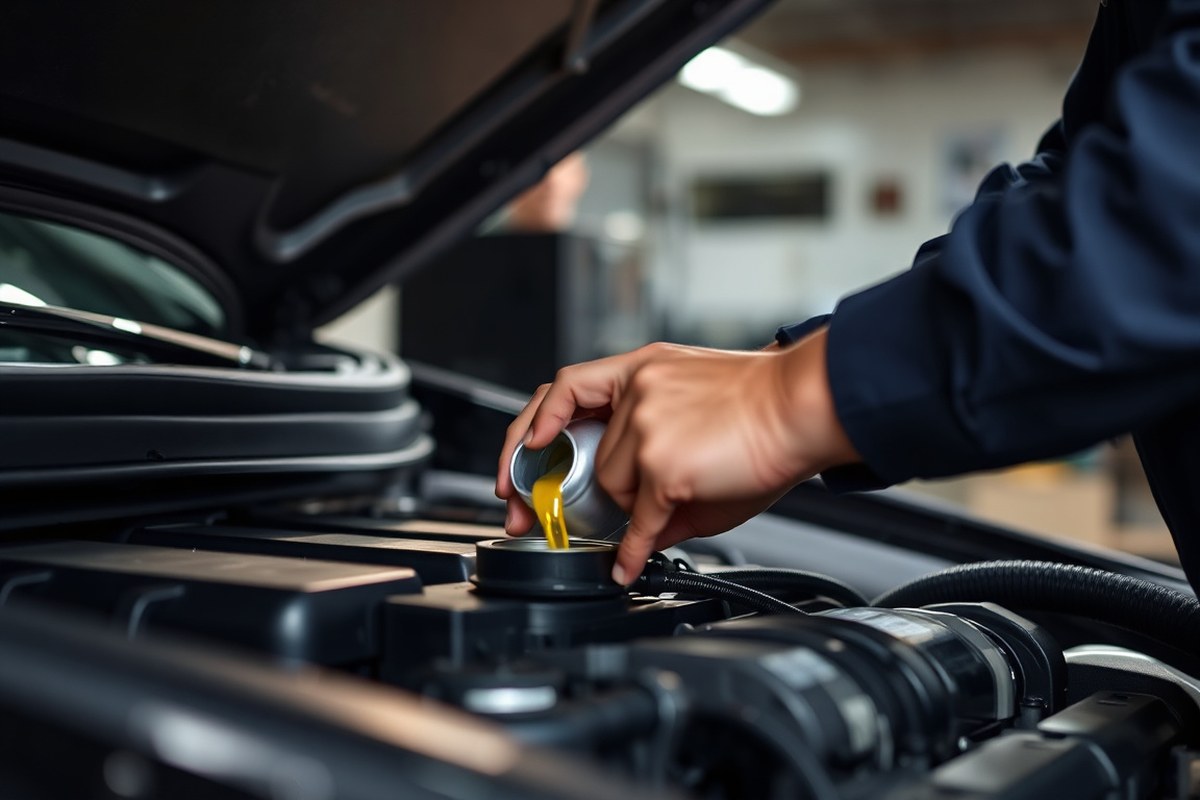
Yes, an oil change can improve your gas mileage by reducing engine friction. Fresh oil coats moving parts. This helps the engine run smooth.
It also uses fuel more efficiently. Dirty oil thickens and collects grime, which raises friction and lowers fuel economy.
Engine friction means rubbing between metal parts inside your engine. The more friction there is, the harder your engine works. That extra effort burns more fuel.
Changing oil puts a slippery layer back on. This lowers friction. It helps the engine cool and stay clean.
Here is a simple example to show how much your gas mileage could improve. Suppose your car averages 25 miles per gallon and you drive 12,000 miles yearly. A 3% boost in gas mileage from fresh oil means you’d get 25.75 miles per gallon.
Over 12,000 miles, you save about 18 gallons of gas. That cuts fuel costs by around $54. This is if gas costs $3 per gallon.
Fresh oil also helps by reducing engine deposits that can hurt combustion efficiency. Clean oil takes away dirt and metal bits. This lets fuel and air mix better in the cylinders.
This leads to smoother combustion and better mileage. Over time, a cleaner engine avoids power loss that older, dirty oil can cause.
The benefit depends on your car’s make and engine health. It also changes depending on how old the oil is before you change it. Very dirty or thick oil can give you a bigger boost in efficiency.
For newer engines or already clean oil, the difference might be smaller but still noticeable. That’s why regular oil changes, according to your owner’s manual, are key.
Oil changes are fairly easy to do at home or a quick stop at a shop. They usually cost between $30 and $70, depending on oil type and vehicle. Regular oil changes save money.
They improve fuel efficiency. They also keep your engine running well over time.
How Oil Viscosity Affects Fuel Economy
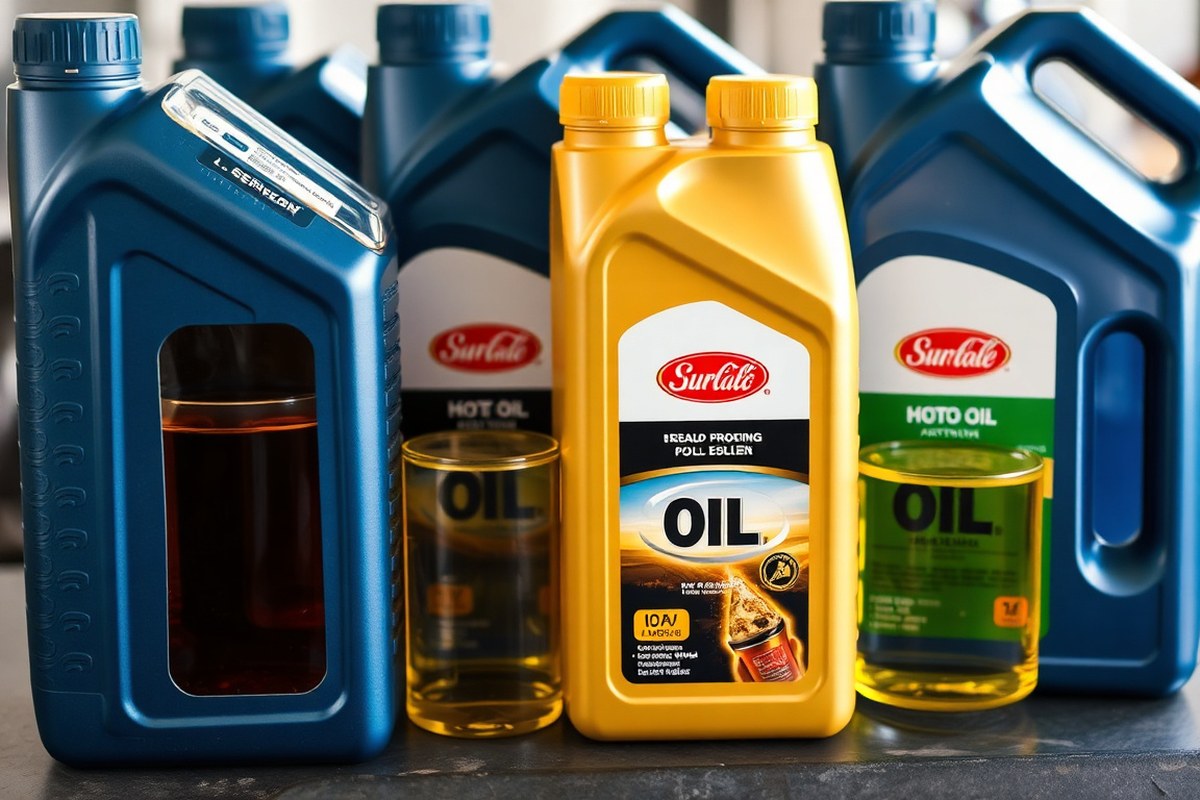
Oil viscosity refers to how thick or thin the oil is at certain temperatures. Thicker oil (higher viscosity) creates more drag inside the engine, making it work harder. Using a lower-viscosity oil cuts engine drag.
This helps your engine save fuel. It also improves your car’s mileage.
Viscosity grades like 5W-30 or 0W-20 explain oil’s flow rate at cold and hot temperatures. The first number with “W” (winter) shows cold flow. The second number shows thickness at running temperature.
You choose grades based on engine needs and climate. This avoids engine wear. It also helps you get better gas mileage.
| Oil Viscosity Grade | Typical Use Climate | Approximate MPG Impact |
|---|---|---|
| 0W-20 | Cold to moderate | Improves MPG by 2-3% |
| 5W-30 | Moderate to warm | Neutral MPG effect |
| 10W-40 | Warm to hot | May reduce MPG by 1-2% |
To get better gas mileage, match your oil viscosity to the climate and your engine’s specs. In colder areas, a 0W-20 oil flows easier at start-up and cuts engine drag. Warmer places usually need thicker oil like 5W-30 or 10W-40.
Thicker oil protects engine parts at high heat. It may lower MPG a little.
Check your owner’s manual for the recommended viscosity. Wrong oil causes more wear or sludge. This raises engine friction.
It also lowers your fuel economy. Regular oil changes with the right viscosity keep your engine clean.
A clean engine runs smoothly. That uses fuel well.
Don’t switch oil grades without reading your owner’s manual. Using wrong oil risks engine damage. It can also hurt gas mileage.
Why Synthetic Oil Can Boost Your Vehicle’s MPG
Synthetic oil reduces friction better than conventional oils. This means your engine works less hard to move. You can often see fuel savings up to 12% just by switching to synthetic oil.
Synthetic oils last longer and keep working effectively for more miles. Typical synthetic oil lasts about 5,000 to 7,500 miles before needing a change. Conventional oils might require changes more often, around every 3,000 to 5,000 miles.
Using synthetic oil keeps your engine well lubricated. This reduces wear and tear, helping your engine run smoother and improving gas mileage. You’ll also avoid issues like sludge buildup that can occur with conventional oils.
| Feature | Synthetic Oil | Conventional Oil |
|---|---|---|
| Friction Reduction | More effective, reduces engine workload | Less effective, more engine drag |
| Oil Change Interval | 5,000-7,500 miles | 3,000-5,000 miles |
| Fuel Economy Improvement | Up to 12% boost | Minimal to none |
| Engine Protection | Better, prevents sludge buildup | Less protection, sludge risk |
| Cost per Oil Change | Higher ($50-$70) | Lower ($30-$50) |
Synthetic oil is best for newer cars, high-performance engines, or vehicles used in extreme temperatures. It’s also smart if you want fewer oil changes and better long-term engine protection. That said, synthetic oil costs more upfront.
If your vehicle’s fuel economy is dropping, switching to synthetic oil could be a quick fix. Follow your car’s manufacturer recommendations. Use the right oil weight and change it at the advised intervals for best results.
How Driving Habits and Conditions Influence Oil Change Frequency
Oil Breakdown from Driving Style and Conditions
Dirty oil and sludge cause more friction inside the engine. This friction lowers gas mileage because the engine works harder. Harsh driving with quick accelerations breaks down oil faster, causing sludge to form sooner.
Slow city driving creates more heat and stops, which also degrade the oil more quickly. Long highway drives keep oil cleaner for more time.
The engine runs at steady speeds and temperatures. This helps oil last longer inside the engine.
Signs Your Oil Needs Changing Based on How You Drive
Check your oil level and color if you drive a lot in stop-and-go traffic. Dark, thick oil means it’s time to change it. Frequent short trips make engines prone to moisture buildup, which dirties oil faster.
Highway drivers can usually wait closer to the car’s recommended oil change interval. Aggressive driving, towing, or mountain roads need more frequent oil changes.
You may need to change every 3,000 to 5,000 miles. These conditions stress the engine more than usual.
Extreme Climates and Oil Change Timing
Cold climates cause oil to thicken, which makes the engine work harder during start-up. You should change oil more often if temperatures drop below freezing regularly. Use oil with a lower “W” rating, like 0W-30, in freezing weather.
Hot climates break down oil faster because heat speeds up chemical reactions inside the engine. In very hot areas, check and change oil every 3,000 to 5,000 miles. Using the right oil viscosity helps fight this extra wear.
How Driving Patterns Affect Oil Change Intervals
Short trips under 5 miles stop oil from heating fully and let moisture build up. This moisture mixes with fuel and dirt, causing sludge to form early. Change oil every 3,000 miles or 3 months with mostly short drives.
Consistent highway driving heats oil properly and burns off moisture. Follow your manufacturer’s oil change interval, usually every 5,000 to 7,500 miles. But if you tow heavy loads or drive in dusty areas, check oil more often.
Factors That Accelerate Oil Degradation
- Frequent stop-and-go driving or idling
- Short trips below 5 miles that keep oil cool
- Aggressive driving and quick accelerations
- Extreme temperatures, either hot or cold
- Towing trailers or carrying heavy loads
- Driving on dusty or dirty roads
Pay attention to these factors. They decide how often you change your oil to keep gas mileage steady. Changing oil more often costs $30 to $70 each time.
It helps your engine run better and last longer. This improves your car’s fuel efficiency too.
Steps to Perform or Verify an Effective Oil Change
Doing an oil change right helps your engine run smoothly and can improve your gas mileage. Skipping key steps or ignoring the oil filter reduces these benefits. Follow clear steps to improve fuel economy after an oil change.
Take your time and do each step carefully. This helps your car run better and save gas.
Draining Old Oil Properly
Draining old oil fully is the first step to a good oil change. Old oil holds dirt and loses viscosity, which can hurt fuel economy by increasing engine friction. Let the engine cool for 15 to 30 minutes first.
This prevents burns and keeps you safe. Only then, start draining the oil.
- Warm up the engine for 5 minutes, then turn it off.
- Lift your car with a jack and secure it with stands for access.
- Place an oil drain pan under the drain plug, then loosen the plug with a wrench.
- Allow all old oil to drain completely, this can take 5 to 10 minutes.
- Inspect the drain plug and replace its washer if worn or damaged.
- Tighten the drain plug securely without over-tightening to avoid stripping.
Fully draining old oil helps prevent mixing with new oil. This keeps your engine cleaner and more efficient.
Always let the oil drain completely, or old oil will mix and reduce efficiency.
Replacing the Oil Filter
The oil filter traps dirt and debris. So replacing it is critical for maintaining clean oil.
A clogged filter can increase engine strain and hurt fuel economy. Change the oil filter every time you do an oil change for best results.
Remove the old filter carefully to avoid spills. Check that the rubber gasket comes off with the old filter.
A double gasket can cause leaks. Lubricate the new filter’s gasket with fresh oil before installing.
- Locate the oil filter; it’s usually near the oil pan.
- Use an oil filter wrench to turn it counterclockwise and remove it.
- Inspect the old filter’s rubber seal and remove it if stuck.
- Apply a thin layer of new oil on the new filter’s gasket for a tight seal.
- Install the new filter by hand, tightening it ¾ turn after gasket contact.
Changing the filter fully prevents contaminants from reducing oil quality and engine efficiency. This helps keep your gas mileage steady.
Don’t forget to check the old filter’s seal; leftover gaskets cause leaks.
Refilling with Correct Oil Type
Using the right oil type is key for fuel economy and engine health. Follow your vehicle’s manual for oil viscosity. The correct oil flows better, reducing engine drag and improving MPG.
Check the oil level with the dipstick after refilling. Overfilling or underfilling can harm your engine’s performance and fuel efficiency. Fill slowly to avoid spills and air pockets.
- Locate and remove the oil filler cap on top of the engine.
- Pour the recommended oil type and amount slowly into the engine.
- Replace the filler cap tightly and start the engine for 30 seconds.
- Turn off the engine and wait 5 minutes to let the oil settle.
- Check oil level using the dipstick and add more if necessary.
Regular use of correct oil supports lower engine friction and better fuel economy. It may cost $20 to $50. But it saves fuel expenses in the long run.
Use the oil type recommended in your manual; the wrong choice can reduce MPG.
Signs Your Vehicle Needs an Oil Change to Maintain Mileage
Oil loses its ability to flow smoothly after time and use. When oil gets thick or dirty, your engine works harder and burns more fuel. You’ll notice worse gas mileage and sometimes rough engine running.
Bad oil can also trigger warning signs on your dash or in how the engine feels. A “check engine” light or oil pressure warning could mean your oil needs changing urgently. Engine noise, stalling, or hesitation show your oil may be failing.
The oil isn’t protecting parts well anymore. This can also lower your fuel efficiency.
- Drop in fuel economy compared to usual mileage
- Oil change or check engine warning light on dashboard
- Engine runs rough, stalls, or hesitates
- Oil looks dark and gritty on the dipstick
- Engine noise increases, like knocking or ticking sounds
- Long time or mileage since last oil change
Old advice said every 3,000 miles or three months was the limit for oil changes. Modern engines and oils can often go 5,000 to 10,000 miles or more between changes. Check your owner’s manual for your recommended interval.
Driving 400 miles past your oil change interval might reduce fuel mileage slightly. But it isn’t usually dangerous if the oil still looks healthy.
Going far beyond that risks engine wear and efficiency loss. It’s best to change oil around recommended intervals to stay efficient.
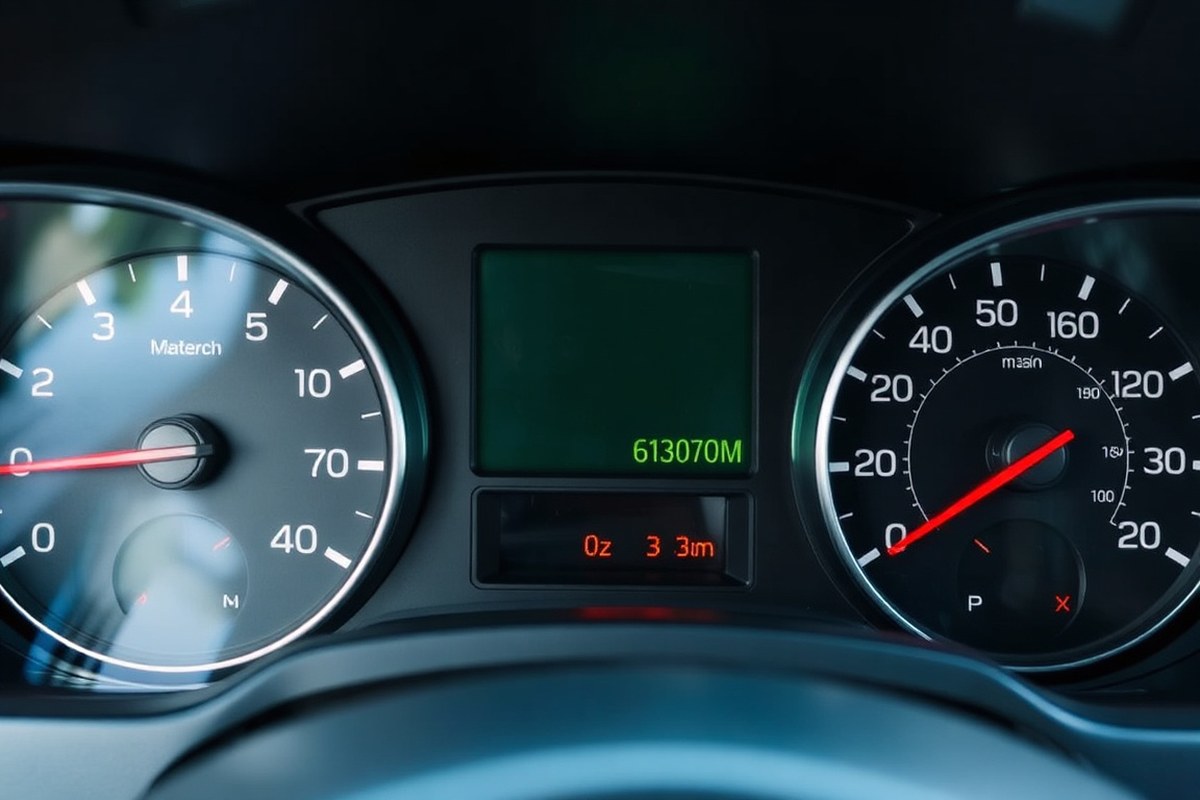
Resetting your trip meter right after you change the oil helps track mileage improvements. Track fuel use for a few tanks to compare mpg before and after. Changes in driving conditions can affect your numbers, so watch over time.
The Cost-Benefit of Regular Oil Changes vs. Fuel Savings
Regular oil changes range from $30 to $70, based on oil type and location. Fresh oil cuts engine friction and can boost fuel economy by up to 12%. This improvement helps reduce fuel costs, offsetting the oil change price over time.
Suppose your car normally gets 25 miles per gallon (mpg). You drive about 12,000 miles every year. That means using around 480 gallons of gas.
At $3.50 per gallon, that’s $1,680 annually. A 10% boost in fuel efficiency raises your mpg to about 27.5, cutting fuel use to approximately 436 gallons. This saves you around $154 in gas each year.
| Oil Change Interval | Potential Fuel Efficiency Gain | Annual Fuel Savings ($) | Typical Oil Change Cost ($) | Time to Recoup Cost (months) |
|---|---|---|---|---|
| Every 3,000 miles | Up to 12% | About $180 | 50 | 3 to 4 |
| Every 5,000 miles | Around 8% | About $120 | 40 | 4 to 5 |
| Every 7,500 miles | About 5% | About $75 | 35 | 5 to 6 |
| Overdue (10,000+ miles) | 0% to negative impact | 0 or more fuel cost | 30 | Not recouped |
The chart shows that more frequent oil changes lead to higher fuel savings. You usually recover the oil change cost in under half a year. Skipping oil changes or stretching intervals too long risks losing these savings and adds repair costs.
Fuel price fluctuations affect these numbers. When gas prices go up, the savings from oil changes grow bigger. This makes getting those oil changes more worth your money.
Synthetic oil costs more at first but can improve your mileage. It also lets you wait longer between oil changes. These factors can change whether synthetic oil saves more money.
Regular oil changes cost little compared to what they save. You’ll see gains faster if your engine is older or hasn’t been well-maintained.
Waiting too long wears your engine, increasing fuel use and repair expenses. So regular oil changes help both fuel economy and your wallet.
How to Choose the Right Oil for Optimal Gas Mileage
Choose engine oil that fits your car’s manual and driving style for best mileage. The right oil type and viscosity cut friction and help your engine run smoothly. Stick to what your vehicle needs to get the most fuel efficiency.
Matching Oil to Manufacturer Recommendations
Your car’s owner manual states the required oil viscosity and grade. Using the recommended grade prevents engine strain and maintains fuel economy. For example, a 0W-20 oil often flows better in cold, normal driving.
Switching to a lower viscosity oil within specs can save up to 3% on gas. But don’t go thinner than your manual allows; that can cause excessive engine wear. Check the oil label to match your engine’s needs exactly.
- Read the vehicle manual for oil type and viscosity
- Choose between single-grade or multi-grade oil based on climate
- Use oil that meets API and ILSAC standards listed in your manual
- Adjust oil grade seasonally only if your manual says you can
- Follow manufacturer’s oil change interval to maintain flow and cleanliness
Never use a lighter oil than recommended just to try saving gas. It risks engine damage.
Considering Synthetic Versus Conventional
Newer vehicles often need synthetic oil to lower engine wear and increase efficiency. Mileage can improve by 2-3% when using synthetic oil. This type of oil usually costs two to four times more than regular oil.
Your car might not save enough gas to justify synthetic oil if it uses conventional oil. Use synthetic only when your manual specifies it. Older models with conventional oil often don’t benefit enough.
Evaluating Brand and Additives
Brand alone usually doesn’t change fuel economy much, but quality matters. High-quality oils have additives that reduce wear and improve flow. Brands like Mobil 1, Castrol, and Valvoline offer formulas designed for cleaner, smoother engine operation.
Stick with well-known brands that meet your engine’s specs. Don’t switch brands frequently; sudden changes may affect oil effectiveness. Look for oils labeled with energy-conserving or fuel economy claims if your manual approves.
| Brand | Price per Quart (Approx.) | Fuel Economy Effect | Notes |
|---|---|---|---|
| Mobil 1 Synthetic | $7, $9 | +2-3% | High-quality synthetic, widely recommended |
| Castrol GTX Magnatec | $5, $7 | +1-2% | Good additives, conventional and synthetic options |
| Valvoline SynPower | $6, $8 | +2% | Strong anti-wear additives, synthetic |
| Generic Conventional Oil | $3, $4 | Baseline | Meets specs but fewer additives |
Preventing Engine Damage and Maintaining Efficiency Beyond Oil Changes
Regular oil changes help prevent sludge build-up in your engine. Sludge forms when old oil breaks down and collects dirt and debris. This buildup blocks oil flow.
It makes the engine work harder. This lowers fuel efficiency and risks costly repairs.
Fresh oil also cools engine parts by reducing friction and heat. When oil gets too hot, it thins out and loses its lubricating power. Changing oil before it ages keeps the engine cooler.
It helps maintain fuel economy. It also ensures emissions compliance.
Beyond oil changes, checking air filters and tire pressure boosts gas mileage. Dirty filters reduce airflow and waste fuel, while underinflated tires increase rolling resistance. Combine oil care with these simple steps for better overall performance and lower fuel costs.
Depending on your vehicle, expect oil change costs between $30 and $70. Change oil about every 5,000 miles. This protects your engine better.
Especially if you drive in stop-and-go traffic or extreme heat. Using the right oil type also makes a difference in preventing wear and maintaining efficiency.
Step-by-Step Action Plan for Better Gas Mileage with Oil Changes
Follow these steps to improve your car’s fuel economy by managing oil changes the right way.
- Before your next oil change: Look at your owner’s manual first. Find the right oil type. Check how often to change the oil. This ensures you choose the right oil for your engine.
- At the oil change: Use synthetic oil if your car supports it. It reduces engine friction and can boost MPG. Confirm the mechanic uses the correct viscosity grade.
- After the oil change: Reset the oil change reminder. Or keep track of the miles. Know when the next change is due. This keeps your maintenance on track.
- Weekly: Check the oil level yourself using the dipstick. Low oil hurts engine efficiency and fuel economy.
- Every 3 months or 3,000-5,000 miles: Inspect for any oil leaks or unusual engine noises. Fixing leaks maintains proper oil pressure and saves fuel.
- Monthly: Keep tire pressure at the recommended level. Proper pressure lowers rolling resistance and complements your oil’s effect on mileage.
- Noticing rough idling or poor acceleration? Schedule a quick engine diagnostic as soon as possible. It might indicate oil or engine problems hurting gas mileage.
Frequently Asked Questions
Will I Get Better MPG After an Oil Change?
Yes, fresh oil can improve your gas mileage by up to 12%. Changing oil keeps engine parts lubricated, reducing friction and helping your car run more efficiently.
Should I Change My Oil Every 3000 Miles or 5000 Miles?
Newer cars typically need oil changes between 5,000 and 7,500 miles. Check your owner’s manual for the correct timing since synthetic oils last longer.
Do You Get Bad Gas Mileage When You Need an Oil Change?
Yes, old oil thickens and causes extra engine drag, which lowers fuel efficiency. Changing your oil and filter helps maintain smoother engine performance.
How Bad Is a 400 Miles over Oil Change?
Going 400 miles past your oil change isn’t usually harmful if the oil was fresh. However, it’s best not to delay too long, as contaminants build up and hurt mileage.
Can Changing Oil Brand Improve Gas Mileage?
Switching oil brands can help if the new oil matches your car’s specs better. Using the right viscosity and quality oil matters more than the brand name.
Key Points to Remember
Changing your oil regularly and using the right type can improve your gas mileage. Keep an eye on oil levels and condition between changes. Start by checking your owner’s manual and scheduling your next oil change with the right oil.