How Often Should Spark Plugs Be Changed? A Complete Guide That Saves You Time and Money
Wondering how often should spark plugs be changed? Most spark plugs last between 30,000 and 100,000 miles depending on their material. Change copper spark plugs every 30,000 miles.
Platinum or iridium plugs last up to 100,000 miles. Stick to these intervals for best results.
Check your vehicle’s maintenance schedule first since it often includes spark plug replacement. Your car runs smoothly. So you can wait up to 80,000 miles to change plugs.
This depends on how you drive and your vehicle’s condition. Still, keep an eye on engine performance signs that suggest worn plugs.
Replacing spark plugs too late can cause ignition problems and lower fuel efficiency. On the other hand, swapping them too early costs money and wastes parts. The key is balancing mileage, plug type, and your car’s specific needs.
Key Takeaways
- Copper spark plugs usually need replacement every 20,000 to 30,000 miles.
- Platinum and iridium plugs can last 60,000 to 100,000 miles or more.
- Refer to your car manufacturer’s maintenance schedule for exact intervals.
- Replace spark plugs sooner if you notice engine misfires or rough idling.
- High mileage cars might require spark plug replacement around 80,000 miles.
- Check spark plug condition if you experience reduced fuel economy.
How Often Should Spark Plugs Be Changed for Different Vehicles?
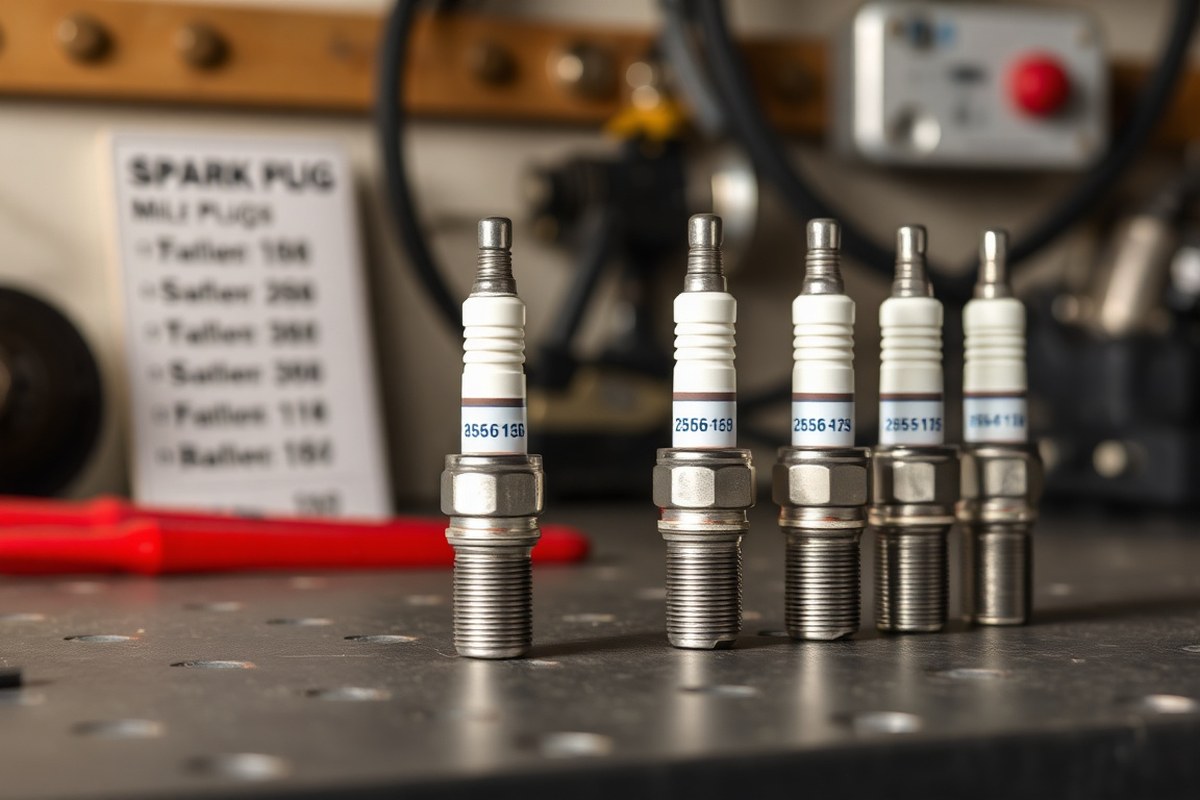
Spark plug replacement intervals vary depending on the plug type and vehicle age. Copper spark plugs usually last about 20,000 to 30,000 miles before needing a change. Platinum plugs have a longer lifespan, generally around 60,000 to 100,000 miles.
Iridium spark plugs offer the longest service life, often lasting over 100,000 miles. Newer cars mostly use platinum or iridium plugs. They last longer under tougher conditions.
These plugs resist wear better than copper ones. Older cars or budget repairs may still use copper plugs, meaning more frequent replacements.
| Spark Plug Type | Typical Lifespan (Miles) | Best For |
|---|---|---|
| Copper | 20,000 – 30,000 | Older vehicles or budget replacements |
| Platinum | 60,000 – 100,000 | Most regular vehicles, better durability |
| Iridium | 90,000 – 120,000+ | High-performance or newer vehicles |
Vehicle age also affects when you should swap spark plugs. Your car’s over 10 years old and uses copper plugs? Replace them every 30,000 miles at least.
For newer cars with iridium or platinum plugs, follow the manufacturer’s guide. Usually, change them between 60,000 and 100,000 miles.
Engines that run hotter or under heavier loads might need earlier spark plug changes. For example, if you’re towing often or driving in extreme heat, check plugs more frequently.
Bad plugs can cause misfires and poor fuel economy. So changing them before they fail helps your engine run smoothly.
Follow your vehicle’s handbook for exact mileage guidelines. No symptoms like rough idling or lower power? Wait until you hit the recommended mileage.
But don’t wait too long. Worn plugs might go undetected until they cause more serious engine issues.
What Factors Affect How Long Spark Plugs Last?
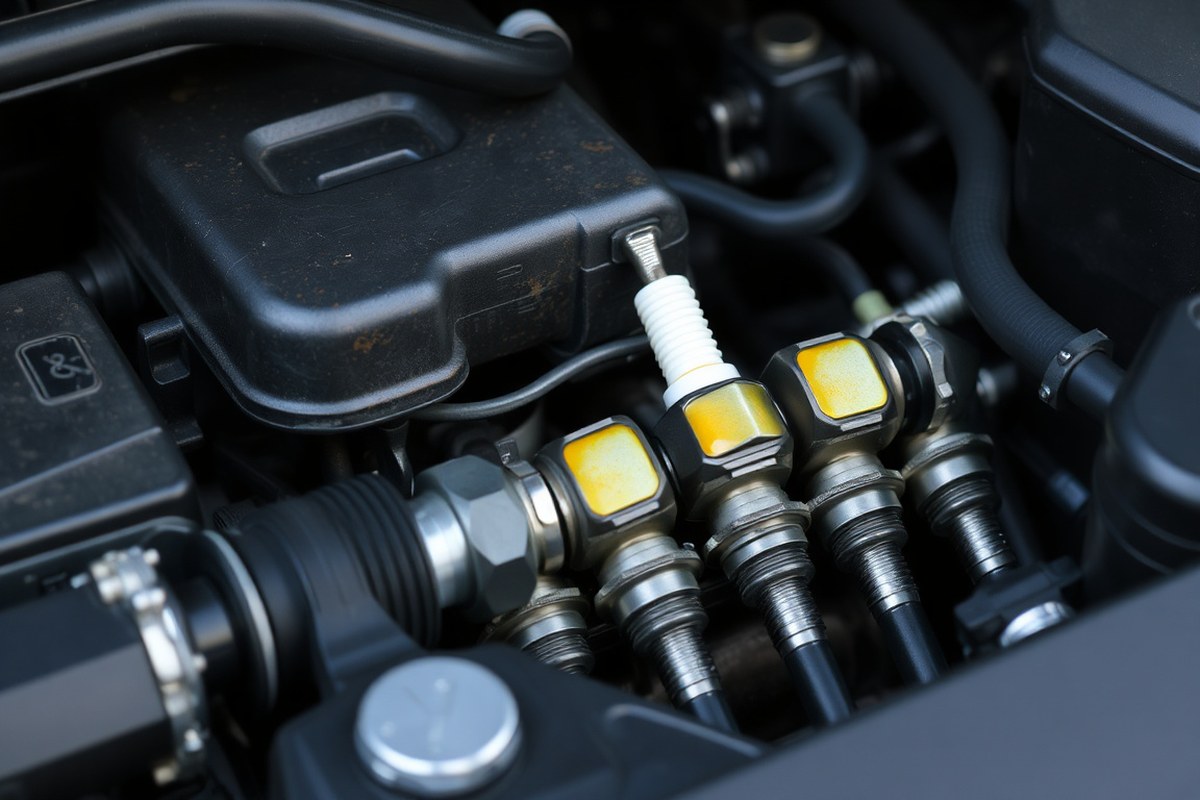
Spark plug life depends on your driving style and engine health. Oil leaks or contamination also affect it. These things change how long spark plugs last.
These things speed up or slow wear on spark plugs. They do this by changing the spark plug gap.
Deposits can also build up on the plugs. Knowing what affects spark plugs helps you spot trouble early and maintain your engine well.
How Driving Habits Speed Up Spark Plug Wear
Hard acceleration and frequent stop-and-go traffic strain your engine. This stress heats up spark plugs more, causing their electrodes to wear down faster. Smooth, steady driving reduces wear by keeping engine temperatures and sparks stable.
Short trips that don’t let your engine reach normal running temperature also shorten spark plug life. Moisture and fuel deposits collect on plugs if the engine stays cold.
This causes fouling and engine misfires. Cold running makes plugs dirty faster.
Impact of Oil Leaks and Engine Contamination
Engine oil leaking into the combustion chamber dirties spark plugs quickly. Oil coats the plug tips, interfering with the spark, leading to misfires and poor fuel economy. Carbon deposits then form, causing corrosion and quicker plug failure.
Other issues like bad fuel or carbon build-up from incomplete combustion also foul spark plugs. Dirt and soot reduce spark strength and cause rough engine running or starting problems.
Engine Conditions That Affect Spark Plug Life
High engine temperatures wear plugs faster by eroding their metal parts. A well-maintained engine protects spark plugs by avoiding overheating and keeping combustion clean. Mechanical problems like ignition system faults increase electrical load on spark plugs, causing premature wear.
Incorrect spark plug gap stresses the electrode tip during firing, wearing it down sooner. Regular inspections can catch gap changes before they harm the plug’s performance or lifespan.
Spark Plug Quality and Type Matter
Higher quality plugs use materials like iridium or platinum, lasting around 60,000 to 100,000 miles. Cheaper copper plugs wear out sooner, sometimes after 30,000 miles. Using the correct type for your engine ensures better performance and longer life.
Changing a worn spark plug costs between $10 and $30 each. Prices vary based on quality and plug type.
Proper replacement helps keep engines running well. Investing in quality helps reduce frequent replacements and engine trouble.
A gap that’s too small or large stresses the spark plug tip. This stress shortens the plug’s lifespan. Keeping the right gap is important.
Common Signs Your Spark Plugs Need Changing
Spark plugs wear down over time, causing your engine to lose power. This happens because old spark plugs don’t ignite the fuel-air mix well. You might notice your car hesitating or jerking when you press the gas pedal.
Another clear sign is difficulty starting your car. Worn plugs need a stronger spark, so cold mornings can be tougher.
Listening closely, you may hear unusual engine noises too. Popping, pinging, or knocking sounds often point to spark plugs or misfires.
- Engine misfires or jerks during acceleration
- Harder engine starts, especially in cold weather
- Check engine light turns on without other clear causes
- Unusual engine noises like knocking or popping
- Poor fuel economy or reduced engine performance
Sometimes a check engine light appears when a plug misfires. But spark plug problems can also hide from your car’s sensors.
Ignoring these warnings can cause worse engine damage and higher repair costs. Overheating in the combustion chamber can also make plugs fail faster.
If you see these symptoms, have a mechanic check your plugs early. Fixing bad spark plugs keeps your engine running smoothly and saves money. Waiting too long can lead to rough idling, poor fuel use, and more engine wear.
Choosing the Right Replacement Spark Plugs for Your Vehicle
Not every spark plug fits all vehicles. Each engine needs a certain spark plug size, heat range, and construction. Check your owner’s manual or a reliable parts guide.
They list the exact spark plugs made for your car model. Using the wrong plug might cause rough running, poor fuel economy, or engine damage.
Copper spark plugs usually cost less and conduct electricity well. However, they wear out faster, often needing replacement every 20,000 to 30,000 miles. You can use copper plugs for cheap, short-term use.
They wear out faster and need quicker replacement. Platinum plugs last longer, typically up to 60,000 miles. They resist wear better because platinum is harder and hotter than copper.
Iridium plugs outlast both, sometimes reaching 100,000 miles. Iridium tips are thinner, which helps start combustion faster and improves fuel efficiency gradually.
| Spark Plug Type | Material | Typical Lifespan (miles) | Cost per Plug (USD) | Best Use |
|---|---|---|---|---|
| Copper | Copper Core with Nickel | 20,000-30,000 | $2-$5 | Older cars, budget repairs |
| Platinum | Platinum Tip | 60,000 | $5-$10 | Modern, daily driven cars |
| Iridium | Iridium Tip | 100,000 | $10-$20 | High performance, long lasting |
Manufacturer recommendations vary. Some cars only run well with iridium plugs to meet tuning and emissions rules. Others might accept copper or platinum options.
Automakers consider engine design, combustion temperature, and emission standards when recommending plugs. Bosch’s ZGR6STE2 copper plug fits older cars.
Newer engines often need iridium plugs. Iridium plugs give better performance.
Start by finding the exact plug part numbers your car’s manual lists. Then cross-reference them with brand catalogs online or at auto parts stores. Don’t pick a plug just by shape or thread size alone.
Improper plugs can overheat, foul, or cause misfires. Spending a bit more on the right plug helps avoid problems. It stops engine issues before they begin.
How to Change Spark Plugs Yourself Safely and Efficiently
You can replace spark plugs yourself if you follow clear steps and safety rules. It usually takes 30 to 60 minutes for a typical car. Having the right tools and working method helps avoid common problems.
Gather Essential Tools and Materials
Get the right tools before you start. You’ll need a ratchet wrench, spark plug socket, extension bar, and a gap gauge. Also grab some anti-seize compound and a torque wrench to tighten plugs correctly.
Wear gloves to protect your hands from grease and sharp parts. Keep a container ready to hold old plugs so they don’t roll away.
Removing Old Spark Plugs Safely
Wait until the engine cools down completely before touching the spark plugs. Hot engines can cause burns and damage the threads. Remove any engine covers or air intake parts blocking the plugs using screwdrivers or socket wrenches.
Use the spark plug socket and ratchet to loosen plugs. Turn counterclockwise slowly to avoid breaking the plug or damaging the hole.
- Disconnect the negative battery terminal to stop electrical shock risks.
- Locate spark plugs by following the ignition wires or coil packs.
- Remove coil packs or ignition wires gently, twisting slightly to avoid damage.
- Use the spark plug socket with an extension and ratchet to loosen the plugs.
- Pull out each spark plug carefully by hand after loosening.
- Inspect each old plug for damage or fouling as you remove them.
Work slowly when loosening plugs; sudden force might strip threads or break the plug.
Installing and Gapping New Spark Plugs
Check the spark plug gap with a feeler gauge before installing. Adjust the gap to the specs in your vehicle manual. Proper gapping ensures the spark fires correctly and keeps your engine running well.
Put a little anti-seize on the plug threads. This stops them from sticking. It helps prevent seizing in the cylinder head.
Start by installing new plugs by hand. Then use a torque wrench to tighten. The torque should be between 13 and 22 lb-ft.
- Confirm new plugs match your car’s specifications, including size and heat range.
- Measure and adjust each spark plug gap using a gauge tool.
- Apply a tiny bit of anti-seize on plug threads to ease future removal.
- Thread the plug into the cylinder by hand to avoid cross-threading.
- Tighten plugs with a torque wrench, following your vehicle’s exact torque specs.
- Reconnect ignition wires or coil packs securely.
- Reattach any engine covers or parts you removed before.
Always use a torque wrench for installation; overtightening can crack the plug or head.
How to Check and Adjust Spark Plug Gap Correctly
Check your spark plug gap before installing the plugs. Gap size affects engine performance and fuel efficiency. Measuring and adjusting the gap ensures proper ignition without damage.
Understanding Spark Plug Gap
The spark plug gap is the space between the center and side electrodes. This gap controls the spark that ignites the air-fuel mix. A gap that is too wide or narrow can cause engine misfire or power loss.
The right gap varies by vehicle and engine type. Your owner’s manual or spark plug package lists the exact gap, usually between 0.028 and 0.060 inches. Using the wrong gap can cause hard starts, rough idling, or poor fuel mileage.
Measuring Spark Plug Gap Accurately
Use a spark plug gap tool to measure the gap properly. Many tools have wire or feeler gauges that slide between the electrodes. The gap should match your vehicle’s specifications exactly, neither loose nor forced.
Follow these steps to check the gap:
- Hold the spark plug by its ceramic insulator, not the electrode.
- Select the correct gauge size from the tool for your gap spec.
- Slide the gauge wire gently between the electrodes.
- The gauge fits easily when the gap is set just right.
- A gap that’s too tight or won’t fit means you need to adjust it.
Adjusting Gap Without Damage
Adjust the gap by gently bending the side electrode, not the center. Use a gap tool or a small flat screwdriver carefully to avoid breaking the ceramic. Bending the center electrode or forcing the gap can ruin the plug.
Check the gap again after adjusting to avoid over-correction. For iridium or platinum plugs, avoid bending; buy the correct pre-gapped plugs instead. Correctly gapped plugs help you avoid engine misfires and reduce wear.
What Spark Plug Replacement Costs to Expect by Vehicle Brand
Replacing spark plugs costs change a lot by car brand and model. On average, the parts and labor together can cost around $150 for each plug. Labor might vary because some engines are harder to reach and take more time.
Here is a cost comparison for some popular brands based on typical repair shop prices. These prices include the parts and the work to swap out the plugs.
| Car Brand | Average Cost per Spark Plug | Reason for Cost Difference |
|---|---|---|
| Ford | $100-$140 | Easier engine access, common plug types |
| Toyota | $130-$170 | Higher quality plugs or labor costs |
| BMW | $180-$220 | Complex engine layouts, premium parts |
| Honda | $110-$150 | Average labor, moderately priced parts |
| Chevrolet | $120-$160 | Typical parts cost, labor varies |
Old or worn spark plugs can cause poor engine performance. If the plug misfires, it might harm your engine over time. Running a car with bad plugs risks damage from extra strain on ignition and fuel systems.
Paying for timely spark plug replacement helps avoid bigger repairs later. Shops charge for both the plugs themselves and the labor to remove old ones. Choosing quality plugs for your specific car can reduce costs by lasting longer and running smoother.
When to Call a Professional Mechanic for Spark Plug Replacement
Replacing spark plugs yourself is possible if they are easy to reach. You also need a basic tool set. You should be comfortable removing old plugs.
Screw in new ones gently. Don’t force any parts.
Most cars need a spark plug socket and ratchet. You also need a proper gap gauge.
Never force spark plugs that are stuck or hard to turn inside their holes. Leaving spark plugs too long, near 200,000 kilometers, can make them seize. They might also snap off.
Stop if you feel stiff resistance when unscrewing. Call a mechanic to avoid engine damage.
It’s best to let a pro handle spark plugs in tight spots. Especially if you don’t know the engine well. Some vehicles have plugs deep under the intake manifold.
Trying to replace these plugs without the right knowledge or tools can cause costly damage. Mechanics have special tools and experience to deal with tricky cases safely and efficiently.
Also consider calling a mechanic if your engine runs rough or misfires after a plug change. Sometimes, other parts like ignition coils or wiring cause problems. A shop can diagnose the full system, which saves time and keeps your engine healthy.
Always use the correct spark plug type and gap size recommended in your car’s manual.
Here’s a checklist to decide on calling a pro: Are spark plugs hard to reach or buried? Call a mechanic. Do the plugs resist turning or feel stuck?
Stop and ask for help. Unsure about setting the gap correctly? Better to get expert advice.
Visit a shop if the engine has over 100,000 miles. Or if it runs rough after a plug swap.
Professional replacement can cost between $100 and $300 depending on vehicle make and labor rates. The price covers parts, removing tricky plugs, inspecting ignition components, and resetting gaps precisely.
You’ll save time and avoid broken plugs or stripped threads. These problems can cause costly repairs.
Changing plugs sooner than the maximum recommended interval also helps avoid difficult removal. Regular tune-ups and air filter changes keep plugs cleaner and easier to remove. Hard driving habits may require more frequent plug changes.
So adjust plans based on your use. Taking early action helps prevent surprises during plug replacement.
How to Maximize Spark Plug Life and Avoid Common Problems
Spark plugs wear over time and can cause your engine to run poorly. Keeping them clean helps your car use less fuel. It also lowers harmful pollutants.
Good maintenance keeps your system working well. Regular checks and smart driving habits contribute a lot to spark plug life.
Fuel quality affects spark plugs a lot. Cheap or additive-heavy fuel can leave extra carbon deposits on the plugs.
This buildup lowers their ability to create sparks and makes your engine burn fuel less efficiently. Using good fuel helps avoid early spark plug problems.
- Use the right fuel grade recommended by your car’s manual.
- Follow the scheduled maintenance for your spark plugs and engine.
- Check the spark plugs during oil changes or every 30,000 miles.
- Drive smoothly, avoid short trips that don’t warm up the engine.
- Keep the ignition system parts clean and dry.
- Avoid over-tightening spark plugs to prevent damage.
- Replace spark plugs on time before they wear out completely.
Changing spark plugs at the right time keeps your engine running clean and efficient. Old, worn plugs make your engine misfire or hesitate.
You might notice worse gas mileage and worse emissions from your car. You can save money by fixing plugs before they cause bigger issues.
When you remove old spark plugs, don’t throw them in the trash. They contain metals that can harm the environment.
Take them to scrap metal recycling centers or hazardous waste facilities. Some auto shops accept used spark plugs for safe disposal at no cost.
Step-by-Step Action Plan for Replacing Spark Plugs
Follow these steps to replace your spark plugs safely and make sure your engine runs smoothly.
- Before you start: Check your owner’s manual for the right spark plug type and replacement interval.
- Day 1: Gather tools: spark plug socket, ratchet, gap gauge, and anti-seize lubricant if needed.
- Day 1: Let the engine cool completely to avoid burns when working on the plugs.
- Day 1: Remove the old spark plugs carefully, noting their condition for any engine issues.
- Day 1: Use a gap tool to check the spark plug gap. Adjust it to match the exact spec in your manual.
- Day 1: Apply a small amount of anti-seize paste on the new plug threads if recommended.
- Day 1: Screw in new spark plugs by hand first. Then tighten them with a torque wrench to the manual’s exact setting.
- After installation: Start the engine and listen for smooth running without misfires or rough idling.
Frequently Asked Questions
How Often Should Spark Plugs Be Changed for Cars Used Mostly in the City?
City driving causes more wear on spark plugs. So check them every 30,000 to 50,000 miles. Frequent stops and starts make plugs heat up faster.
Watch for early signs of wear. Check for misfires too.
Can I Drive with Bad Spark Plugs Until I Hear a Noise or See the Check Engine Light?
No, driving with bad spark plugs can worsen engine damage before symptoms show. It’s safer to check or replace plugs when the engine runs rough.
Don’t wait for warning lights. Don’t wait for unusual sounds either.
Do Different Spark Plug Brands Affect How Often They Need Changing?
Brand quality can affect lifespan but not drastically for most users. Stick to plugs recommended by your vehicle manufacturer for best intervals and engine performance.
Should I Replace Spark Plugs Even If My Car Runs Fine After Many Miles?
Yes, worn plugs reduce fuel efficiency and engine life even without clear issues. Changing plugs at recommended intervals helps keep your engine running optimally.
Can Old Spark Plugs Cause Damage to Other Engine Parts?
Yes, bad plugs may lead to misfires, which stress the catalytic converter and ignition coils. Replace plugs on time to help protect these expensive parts.
Before You Go
Changing spark plugs regularly keeps your engine firing properly. It reduces fuel waste and limits engine strain.
First, look at your vehicle’s manual to find the right plugs. Plan your next spark plug change based on that.