
How Fast Does a Cruise Ship Go? A Complete Guide with Speed Factors
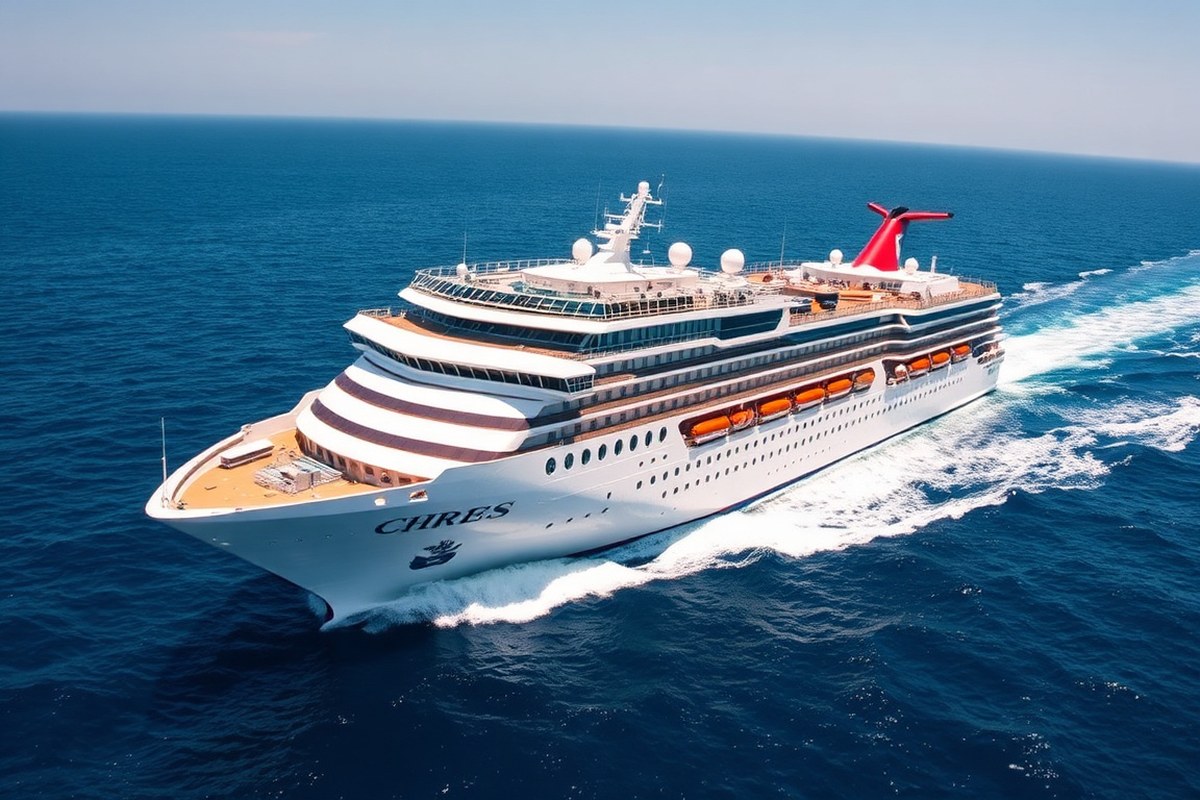
How fast does a cruise ship go? Most cruise ships travel between 20 and 24 knots.
That’s about 23 to 28 miles per hour, depending on the ship. This speed balances fuel use, comfort, and arrival times perfectly.
Some newer or smaller ships can go faster, up to 30 knots or about 35 mph. But cruising too fast wastes a lot of fuel and makes the ride rough. That’s why most cruise lines keep speeds moderate for comfort and cost control.
Speed can change based on weather, sea conditions, and route rules. Ships slow down near ports or in busy waters to stay safe and follow local limits. So typical cruise speed is really an average that varies with many factors.
Key Takeaways
- Cruise ships usually cruise between 20 and 24 knots for best balance.
- Speeds over 30 knots waste fuel and make the ride less smooth.
- Weather and sea state often force ships to slow down or alter course.
- Ports and harbors set speed limits that ships must follow for safety.
- Modern ships use propulsion systems designed for steady, efficient cruising speeds.
- Slower speeds improve passenger comfort and reduce fuel expenses significantly.
Typical Speeds of Cruise Ships and How Fast They Go
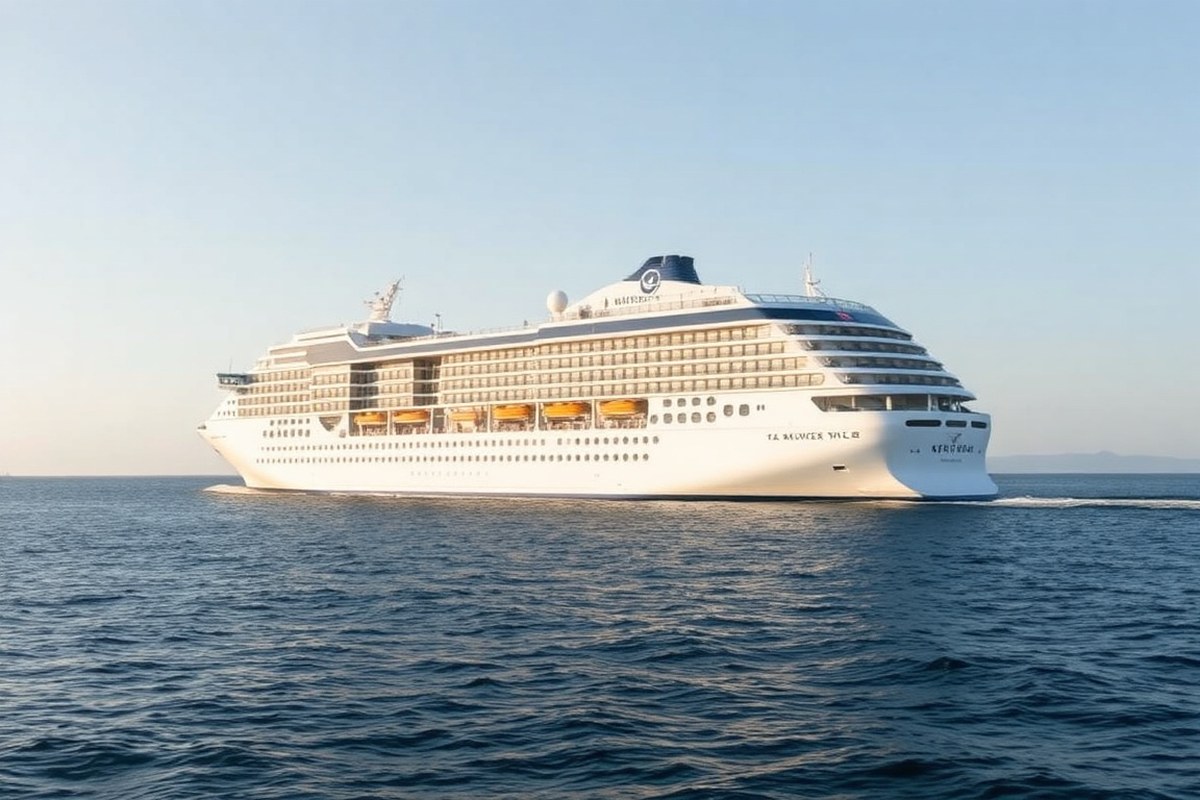
Cruise ships generally travel between 18 and 22 knots when underway. This range suits passenger comfort and fuel efficiency, avoiding sudden jolts or excessive fuel use. At these speeds, a typical 7-day cruise covers roughly 1,500 nautical miles over several days.
The fastest cruise ships can reach speeds up to about 30 knots. But this is rare during regular service. Some older vessels built for speed reached over 30 knots.
The SS United States is one example from the mid-20th century. It could sail faster than many modern ships.
Modern cruise ships prioritize size and amenities over top speed. So they rarely operate near maximum speed limits.
Newer ships tend to be slower than some older liners designed for quick ocean crossings. Today’s large cruise ships focus more on passenger space and features instead of speed. Top speeds for most cruise ships have stayed about the same.
Modern cruisers usually travel around 20 knots. This speed fits today’s design and routes.
| Ship Type | Average Speed (knots) | Top Speed (knots) |
|---|---|---|
| Typical Modern Cruise Ship | 18, 22 | ~24 |
| Older Fast Ocean Liners | 22, 25 | 30+ |
| Large Newest Cruise Ships | 20 | 24, 25 |
Driving cruise ships at about 20 knots balances travel time with fuel use and passenger comfort. Going faster uses a lot more fuel than normal speeds. It also makes the ship move more, which can disturb passengers.
This might make the trip less comfortable. Most cruises plan itineraries based on these speeds to offer smooth and timely journeys.
Factors That Affect Cruise Ship Speed
Size and Weight of the Ship
Weight and size play a big role in cruise ship speed. Larger ships like the Icon-class weigh over 248,000 gross tons. These big ships move slower.
They face more water resistance because of their size. Smaller, lighter ships face less drag and can reach higher speeds more easily.
Ships above 150,000 gross tons, like the Meraviglia class, cruise at 20-22 knots. They keep this speed comfortably.
This speed suits their design. Trying to push them faster usually wastes fuel and puts strain on engines.
Ship Design and Hull Shape
The hull’s shape affects how easily the ship cuts through water. Modern cruise ships often have wider hulls for stability and space.
But this can slow them down. Narrower hulls reduce drag but offer less room for passengers.
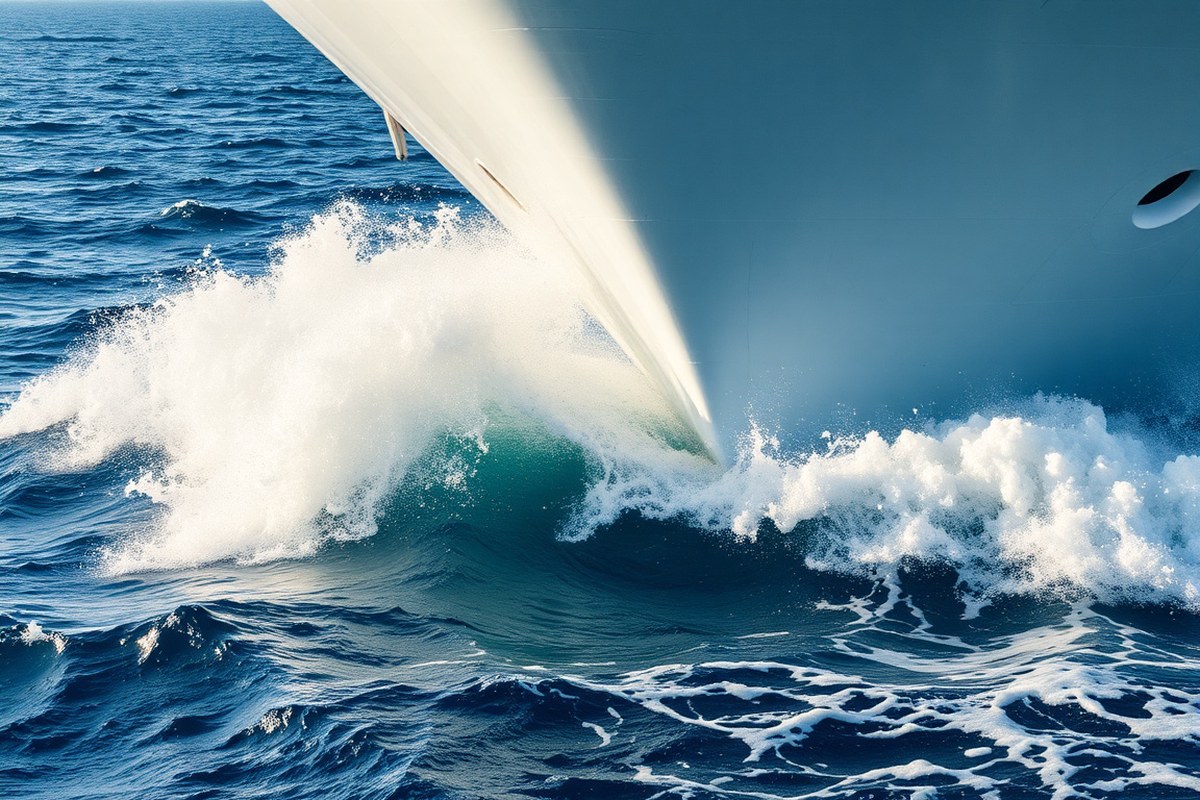
Design elements like a bulbous bow below water can improve speed by smoothing water flow. Oasis class ships use hull designs that balance speed and luxury.
They feature wide decks. These features affect how fast they can move.
Weather and Sea Conditions
Weather and sea states can slow ships considerably. Strong headwinds, rough seas, and high waves increase resistance on ships. Captains slow down for safety.
This helps protect passengers and crew. Calm seas and tailwinds allow ships to maintain or exceed normal speeds.
Storms and cold weather can force ships to change routes or slow down. These changes help keep passengers safe and comfortable.
Captains adjust plans as needed. Fog or poor visibility also require slower travel and more careful navigation.
Operational Decisions and Fuel Efficiency
Cruise lines often adjust speed to save fuel and optimize schedules. Going slower saves fuel but makes the trip longer. Passengers might be less happy if delays aren’t planned.
Good planning helps keep satisfaction high. Faster speeds consume more fuel and increase costs.
Captains balance speed with passenger comfort, avoiding rough motions that come with higher speeds. They also consider docking times, port limits, and planned activities when choosing speeds.
- Smaller ships accelerate and maneuver faster than large vessels
- Wide hulls improve stability but add water resistance
- Bulbous bows help reduce wave resistance at cruising speed
- Calm weather allows higher speeds; storms reduce them
- Cruise lines may slow ships to save fuel during long trips
- Speed adjustments happen to meet port schedules and passenger comfort
Always consider sea state and weather forecasts before planning higher speeds.
Passenger Load and Onboard Weight
The number of passengers and their belongings affect ship speed slightly. Full ships with maximum guests and heavy provisions are heavier and may cruise slower. Empty or partially full cruises can generally go faster with less fuel.
Loading cargo, fuel, and supplies also matters. Balanced loading prevents strain on the engines and maintains the hull’s optimal shape in water.
How Cruise Ship Propulsion Systems Influence Speed
Cruise ships use three main propulsion systems: diesel engines, gas turbines, and electric or hybrid setups. Each type affects how fast the ship goes and how much fuel it uses. Your ship’s speed and fuel costs depend strongly on the propulsion system chosen.
Diesel Engines and Their Speed Impact
Most cruise ships rely on large diesel engines powered by heavy fuel oil or LNG. Diesel engines make electricity for electric motors. These motors turn the ship’s propellers.
This method is called diesel-electric propulsion. This system gives reliable speed control.
It also helps save fuel. It works best at cruise speeds between 20 and 25 knots.
Diesel propulsion systems vary in size and power, influencing maximum speed. Bigger engines produce more power but burn more fuel, especially at high speeds. Ships running on heavy fuel oil must balance speed and emissions control to meet environmental rules.
Gas Turbines and Combined Systems
Some modern cruise ships use gas turbines. They sometimes combine turbines with diesel engines. This creates a hybrid power system.
Gas turbines produce high power with a lighter, more compact setup ideal for high-speed bursts. However, they burn fuel faster and cost more to operate at continuous cruising speeds.
Combined diesel and gas turbine systems let ships adjust power sources based on speed needs. Diesel engines cover normal cruising to save fuel, while turbines provide extra speed. This flexibility improves efficiency and allows cruise lines to tailor power use to changing conditions.
Emerging Electric and Hybrid Propulsion Technologies
Newer ships are testing hybrid systems combining LNG-fueled generators, batteries, and electric motors. These setups reduce harmful emissions and improve fuel efficiency. LNG power lowers sulphur dioxide emissions a lot.
It is much cleaner than using heavy fuel oil. This makes LNG a better choice.
Electric propulsion lets ships run quieter and smoother, especially in port areas. Some vessels use battery power to reduce emissions during low-speed cruising or when docking. These technologies need upfront investment but can lower fuel costs and environmental impact over time.
Differences Between Cruise Ships and Ocean Liners in Speed
Ocean liners are built for fast, reliable transport across oceans. They can reach speeds between 28 and 35 knots. These ships need to maintain higher speeds to keep tight schedules between continents.
Cruise ships usually travel slower, around 18 to 22 knots. Their focus is on comfort and sightseeing, not speed.
They make stops at multiple ports. So speed isn’t as critical as on ocean liners.
Ocean liners have stronger hulls and hull shapes designed for rough seas and high speeds. Cruise ships prioritize space and amenities, with wider decks and large cabins. This design reduces their top speed compared to ocean liners.
Historically, ocean liners were the main way to cross the Atlantic and others oceans quickly. They pushed speed to attract passengers and mail contracts. Over time, as air travel became more popular, ocean liners declined.
Speed became less important for cruise ships, which focus more on the journey than the destination. Cruise ships evolved with slower speeds to improve fuel efficiency and passenger comfort. That also lowers engine wear and operational costs.
The tradeoff between speed and comfort affects how these ships are used. Ocean liners operate on fixed schedules requiring faster transit times. Cruise ships offer leisurely trips with time in port, making slower speeds more practical.
How Weather and Sea Conditions Affect Cruise Speeds
Cruise ships often slow down when weather or sea conditions get tough. Strong wind, big waves, or currents can push a ship off course. These conditions also make the ride unsafe for everyone onboard.
Captains must adjust their route to keep the ship steady. Captains watch these conditions closely to keep passengers safe and avoid damage.
In storms or rough seas, speed adjustments depend on the situation. Captains lower speed to reduce stress on the ship and make sure it handles waves safely.
Cutting speed from 20 knots to 12-15 knots during bad weather is common. Slowing also helps reduce fuel use when waves push against the ship.
When seas get rough, captains follow a few key rules. They check weather reports and radar, monitor wave heights, and adjust speed accordingly. Keeping speed below 15 knots helps in strong storms.
This prevents hull damage to the ship. It also makes passengers more comfortable during rough weather. Currents pushing against the ship’s direction might force slowing by several knots.
- Reduce speed gradually to avoid sudden jolts or steering issues
- Use weather forecasts and onboard sensors to anticipate rough spots
- Maintain communication with port control for up-to-date safety info
- Adjust speed to balance fuel efficiency and passenger comfort
- Slow down extra when near shorelines with tricky currents or tides
- Increase speed only once conditions improve and navigation is clear
Speed cuts during storms save fuel and prevent damage but can add travel time.
Strong winds blowing from the side force slower speeds to keep the ship steady. When waves reach 10 feet or more, slowing past 12 knots keeps motion manageable. Captains might also steer a course to face waves head-on, lessening rolling side to side.
Adverse conditions cost time and some fuel but protect safety. A cruise ship going 15 knots in rough seas takes longer. It can add several hours to the trip.
This slower speed reduces injury risk and mechanical strain. Captains use careful speed changes to reach ports safely.
They balance safety and comfort for passengers. This approach keeps the trip smooth despite bad weather.
Speed Restrictions and Regulations Affecting Cruise Ships
Ports set speed limits for cruise ships to ensure safety and protect marine life. Speed limits near docks can be as low as 10 to 15 knots. These rules keep boat traffic safe.
They help prevent accidents close to shore. Cruise ships slow down when entering or leaving ports.
This avoids accidents and reduces harmful waves. It also protects nearby boats and shorelines.
Speed regulations vary widely by region and port authority. Some places enforce strict depth restrictions and speed zones, especially near protected waters or busy harbours.
For example, U.S. Ports often have clear speed limits enforced by local coast guards. Other countries may control speeds to lower noise and emissions around populated coastal areas.
Authorities use radar, AIS (Automatic Identification Systems), and patrol boats to monitor ship speeds near ports. Breaking these rules risks fines and delays for cruise ships. The ship might also be refused entry to the port.
Repeat offenders might face larger penalties or temporary bans. The fines depend on the country and range from thousands to tens of thousands of dollars.
Environmental rules also impact cruise ship speeds. Some ports require ships to slow down to reduce fuel burn and harmful emissions.
These slow zones help protect air quality and marine habitats. Cruise lines follow these rules closely to avoid disrupting port operations and harming local ecosystems.
Cruise operators usually plan sailings with speed limits in mind. They calculate how fast the ship can travel between ports while respecting restrictions. This planning helps keep schedules and avoid costly penalties.
Ships sometimes cruise slower to meet legal speed limits. This can increase fuel use during the trip. However, it helps avoid speeding penalties and damage.
Each port has its own system for speed enforcement and penalties. Some rely on warnings at first, while others impose fines immediately.
Cruise lines coordinate with port authorities to ensure compliance. This cooperation helps prevent delays and maintains good relations between ships and port communities.
How Cruise Lines Balance Speed, Fuel Efficiency, and Passenger Comfort
Cruise lines carefully balance speed, fuel use, and passenger comfort to keep trips smooth and efficient. Higher speeds increase fuel consumption sharply, often doubling costs if speed rises by just 10%.
Cruising too fast raises ticket prices quickly. It also cuts into onboard service budgets.
Moving too fast makes the ship less stable. This causes more motion and can lead to seasickness.
Ships slow down in rough weather or near shore to reduce rolling and pitching. This helps passengers enjoy their time and prevents discomfort or injuries during activities and meals.
Many cruise operators use variable speed settings during a trip. Ships run at economical speeds on open water.
They speed up near ports to keep schedules. This approach keeps cruises on time without wasting fuel the whole way.
Some cruise lines design itineraries with flexible arrival windows. This lets captains adjust speeds based on weather or passenger needs.
Ships slow near scenic spots so guests can enjoy views. Later, they increase speed to reach ports on time.
In fuel cost-sensitive situations, like long ocean crossings, ships prioritize steady, moderate speeds. This avoids engine strain and reduces fuel burn while keeping passenger comfort high.
On short or luxury cruises, lines may pay more fuel costs. They do this to spend more time at ports or improve the trip.
Captains and operations teams use weather data and sea condition reports actively. They slow or speed up based on these inputs to protect passengers and equipment.
Cruise plans balance speed, comfort, and efficiency. This helps manage trade-offs during each trip.
Expect the ship to move at a gentle, steady pace most times on a cruise. The crew keeps rides smooth and relaxing. They avoid pushing engines to full speed.
This helps you avoid seasickness. It lets you enjoy dining, entertainment, and activities without interruptions.
How Passenger Experience Changes with Cruise Ship Speed
Faster cruising speeds shorten your trip between ports, giving you more time onboard. When ships sail faster, they might spend less time docked. This tight schedule can limit how long you explore each port.
Slower speeds, however, lengthen travel time but allow longer stops to enjoy places. It also means you spend more time relaxing on the ship’s deck or joining onboard activities.
Passengers usually notice changes in cruising speed when the ship slows down in scenic areas. Ships cruise at 8 to 12 knots on special nature or wildlife trips. This slower speed lets you enjoy the views better.
It’s common on tours focused on the outdoors. This slower pace lets you watch the surroundings and take photos without rushing. Normal cruising speeds often range from 16 to 22 knots, which feels steady without being jarring.
Sudden speed shifts can cause some discomfort or disrupt meal times. So cruise lines manage changes carefully.
Cruise lines balance speed with keeping you happy and comfortable. Going faster uses more fuel and raises ticket prices. Slower sailing reduces fuel use but extends the trip length and total cost.
Some ships offer “scenic cruising” portions where speed drops to about half the normal rate. When this happens, crews plan extra entertainment or informal gatherings to fill your time. This slow pace works if you want a calm trip.
You can soak up the scenery at each stop. It’s better than rushing to each new port.
Pay attention to announcements about speed changes, they often signal scenic viewing or upcoming port arrivals.
Safety Considerations Related to Cruise Ship Speed
Cruise ship speed affects many safety risks, like collisions and man-overboard events. Crews must adjust speed carefully to handle emergencies or rough waters. Proper training and technology help keep speed changes smooth and safe for everyone.
Key Safety Protocols When Adjusting Speed
Changing a cruise ship’s speed requires clear communication among the bridge team. They follow checklists that include checking navigational charts and warning nearby vessels. Slowing down early allows more time to react to unexpected obstacles or hazards.
The crew plans speed changes based on weather and traffic conditions. They consider the ship’s size carefully. Stopping distance can exceed half a mile.
This distance matters most at full speed. Safe speed adjustments often mean slowing in small steps, especially in busy or narrow waterways.
- Confirm orders clearly before changing speed
- Watch radar and AIS systems for nearby vessels
- Notify crew about speed changes ahead of time
- Maintain lookout with binoculars and visual scans
- Adjust speed gradually to avoid sudden maneuvers
- Use sound signals where required to alert traffic
- Keep navigation lights on in low visibility
Following these steps reduces collision risks and helps the ship respond safely to changing conditions. Speed changes are never rushed to avoid overshooting or instability.
Man-Overboard Speed Procedures
When someone falls overboard, the ship immediately slows and turns to return. Stopping the ship fast is very important. It takes several minutes to slow down.
The ship’s large size and speed cause this delay. The crew also launches rescue boats or lifebuoys during this time.
The bridge team activates a man-overboard alarm and marks the GPS position. They alert the crew to keep watch and prepare for recovery. The captain keeps the ship’s speed controlled.
This helps keep everyone safe. It also avoids hurting the person in the water.
Teams on deck and the bridge talk constantly. They work together to keep rescue safe. This avoids collisions and keeps the ship on course.
Technology Aiding Safe Speed Control
Modern cruise ships use advanced systems to monitor and control speed precisely. GPS provides exact location data, helping crews adjust speed based on real-time position. Radar systems reveal other vessels or obstacles, allowing early speed changes.
Electronic engine controls enable smooth acceleration or deceleration to avoid sudden jolts. Bridge teams use integrated navigation consoles to see speed, heading, and traffic all on one screen. This tech reduces human error and improves response times during emergencies or tight maneuvers.
Automation also helps maintain safe speeds when entering ports or passing through speed-restricted zones. Crew members train to use the tools well.
They learn to read data properly. This helps them adjust speed safely.
Your Quick-Start Plan to Understand Cruise Ship Speed
Follow these easy steps to learn about cruise ship speeds. You will see what affects them. This helps you understand how ships move.
- Today: Look up the average speeds of popular cruise ships online. Check if they match the typical 20 to 25 knots range.
- Within 2 days: Read about how propulsion systems affect speed. Note differences between diesel engines and gas turbines.
- Within 1 week: Study how weather and sea conditions change cruising speed. See real event updates or news reports.
- Within 2 weeks: Explore speed limits and maritime regulations. Verify restrictions on your home country or common cruise routes.
- Within 3 weeks: Identify how cruise lines balance speed with fuel and comfort. Check company policies or ship specifications.
- Within 1 month: Learn how passenger experience shifts with speed changes. Read reviews or travel blogs for practical insights.
- Ongoing: Pay attention to safety notices related to ship speed. Follow cruise instructions and official advice during trips.
Frequently Asked Questions
How Fast Is the Fastest Cruise Ship Ever Built?
The fastest cruise ships have reached speeds over 30 knots. These ships use powerful engines but sacrifice fuel efficiency and comfort.
Do Cruise Ships Adjust Speed During Emergencies?
Cruise ships reduce speed or stop if emergencies occur on board. This lets crew manage the situation and coordinate help safely.
Can Cruise Ship Speed Affect Wildlife in the Ocean?
Yes, high speeds may disturb marine animals and increase collision risk. Some cruise lines limit speed in sensitive areas to protect wildlife.
How Long Does It Take a Cruise Ship to Accelerate to Cruising Speed?
It usually takes 20 to 30 minutes to reach cruising speed. Acceleration is gradual to avoid discomfort for passengers.
Do Cruise Ships Run at Full Speed the Entire Journey?
Cruise ships often run below full speed to save fuel and reduce wear. Near ports, they sail slower for safety and docking procedures.
Final Thoughts
Cruise ships generally travel between 20 and 25 knots, but many factors tweak that. Understanding speed helps you pick the right cruise and stay safe. Start by checking speeds and conditions for your next voyage.

One Comment