How Fast Do Icbms Travel the Complete Guide to Speeds, Phases, and Models
How fast do ICBMs travel? These missiles can reach speeds up to 18,000 miles per hour. In space, they slow a bit but still hit about 10,000 miles per hour.
ICBMs move incredibly fast to cover vast distances quickly. This speed helps them evade many defenses and reach targets thousands of miles away. You can’t compare them to cruise missiles.
Cruise missiles travel slower. They go under 1,000 miles per hour.
Speed varies during different flight phases. But the midcourse phase can see speeds around 15,000 miles per hour.
Their high velocity is key to their role as long-range strategic weapons. Understanding these speeds gives insight into how complex and quick ICBM flights really are.
Key Takeaways
- ICBMs reach speeds up to 18,000 miles per hour during re-entry.
- They travel about 10,000 miles per hour in space before re-entry.
- Midcourse speeds typically hover around 15,000 miles per hour.
- Speeds help ICBMs cover 6,000 to 9,300 miles in about 20 minutes.
- ICBMs are much faster than cruise missiles, which max out near 1,000 mph.
- High speed aids in evading missile defense systems effectively.
How Fast Do Intercontinental Ballistic Missiles Travel?
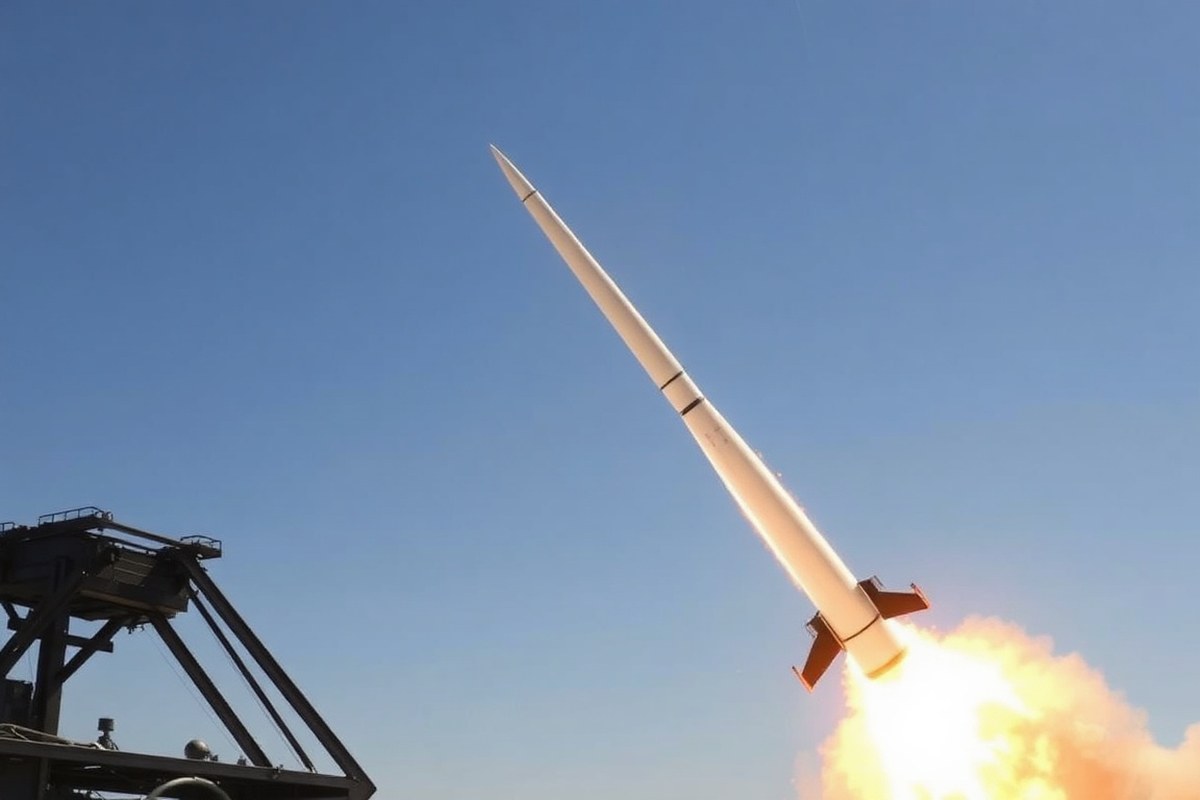
Intercontinental ballistic missiles usually fly between 9,300 and 15,500 mph. That equals 15,000 to 25,000 kilometers per hour. This speed is typical for these missiles.
These speeds vary depending on the flight phase and missile design. During the boost phase, ICBMs can reach up to 15,000 mph.
Their rocket engines provide this power. This speed happens early in flight.
In the midcourse phase, ICBMs can reach speeds near 15,000 miles per hour (24,000 km/h). This phase occurs outside Earth’s atmosphere, where the missile coasts in space along a ballistic trajectory. The missile maintains high speed but relies less on propulsion than during boost.
ICBMs slow down to about 4,000 to 6,000 mph when re-entering the atmosphere. Air resistance and design help control the descent. Even at this speed, missiles move faster than sound.
The fastest ICBMs reach nearly 15,000 mph in space. This speed is close to Mach 20. These are the highest speeds in operation.
Such speeds require advanced rocket fuels and engineering to achieve. Solid-propellant rockets usually handle deployment, offering quicker readiness than liquid propellant types.
ICBM speed depends on how long and powerful the boost phase lasts. The missile needs to reach a high velocity quickly before coasting. Designs balance speed and range, as reaching farther targets needs more fuel and efficient engines.
Some ICBMs, especially those with multiple warheads, maintain steady speeds during midcourse for precise targeting. The missile’s shape and heat shielding help it survive re-entry while slowing down safely. Speed changes during each phase alter how fast missiles reach targets.
These changes also affect missile accuracy. Different phases impact timing and precision.
What Are the Phases of an ICBM’s Flight and Their Speed Ranges?
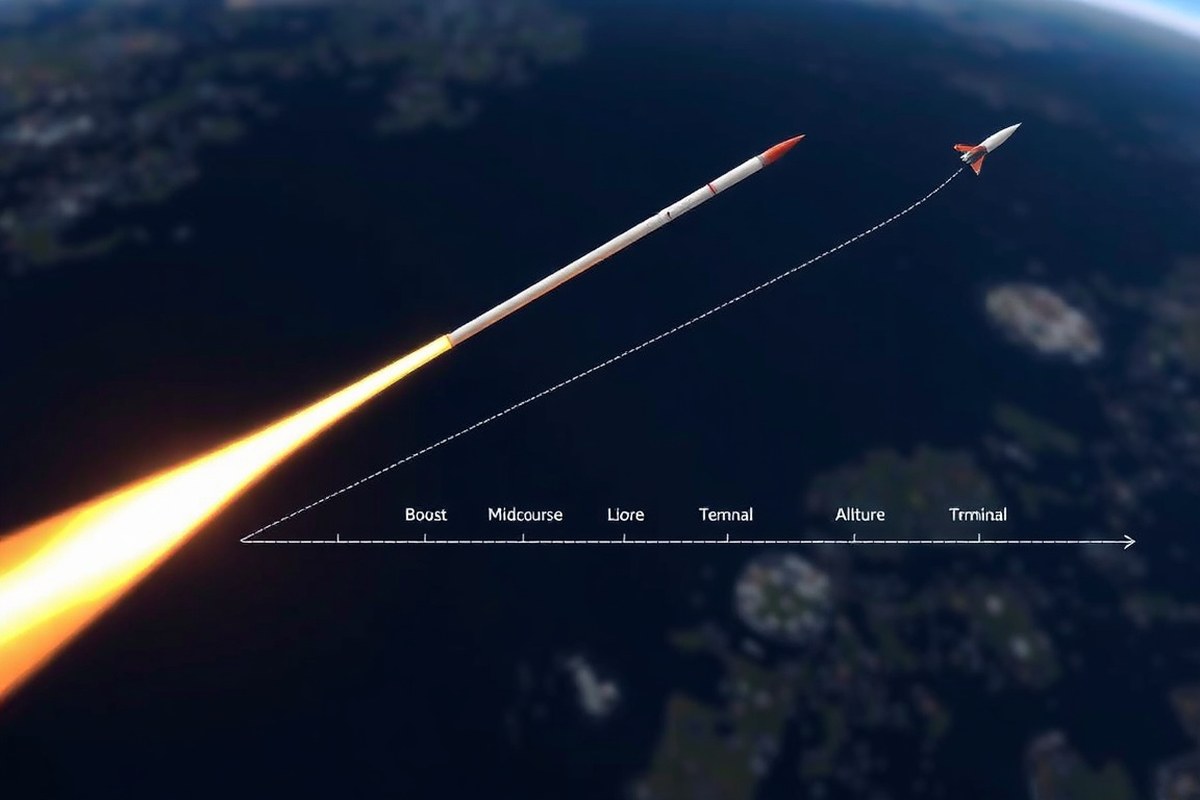
Intercontinental ballistic missiles (ICBMs) fly in three main phases: boost, midcourse, and terminal. Each phase has different speeds based on altitude. The speeds change if the missile is inside or outside the atmosphere.
These variations affect the missile’s overall speed during flight. Speeds range from about 3,000 mph during boost to over 15,000 mph during re-entry.
Boost Phase Acceleration and Speed
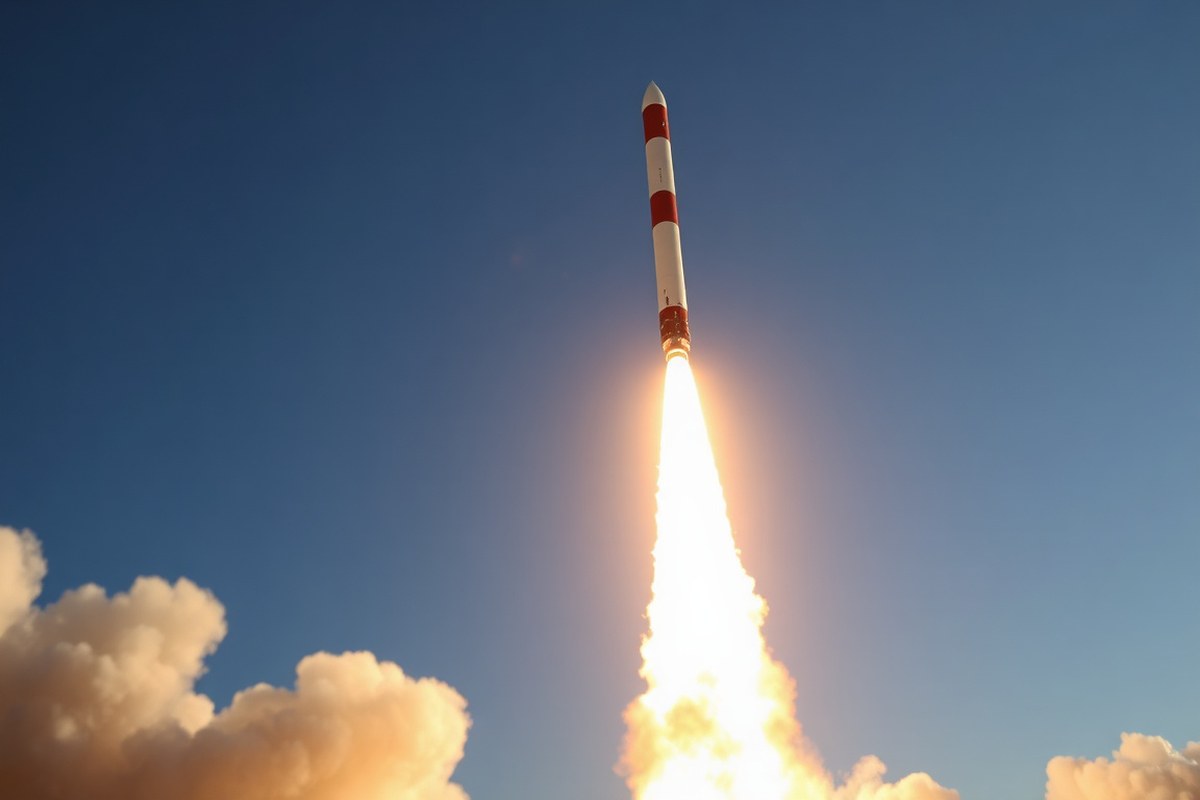
The boost phase happens right after launch and lasts around three to five minutes. Rocket engines fire during this phase to speed up the missile. They push the missile above the atmosphere.
This phase lasts until the engines stop. Speeds rapidly increase from zero to roughly 15,000 mph as the missile climbs.
Acceleration is highest at this stage because the engines apply continuous thrust. The missile starts slow but speeds up quickly. It reaches about 18,000 mph before engine cutoff.
This marks the end of acceleration. This phase also sheds spent rocket stages, lightening the missile for the next segment.
Midcourse Phase Velocity and Trajectory
After the boost phase, the missile enters midcourse. It coasts through space in a high arc. This phase lasts until reentry begins.
The missile moves outside Earth’s atmosphere at high speed. It travels about 13,000 to 18,000 mph in space.
This speed is close to orbital velocity. This segment can last up to 20 minutes, covering thousands of miles.
Midcourse is the longest phase, and speeds hold steady because there’s no air resistance. The missile’s warheads can maneuver slightly during this time to improve accuracy or evade defenses. Flying this far above Earth avoids drag but leaves the missile vulnerable to space-based interceptors.
Terminal Phase Speed and Atmospheric Re-Entry
The terminal phase begins when warheads re-enter the atmosphere, typically around 100 km altitude. Earth’s air causes drag that slows the missile. Speed drops from about 18,000 mph to around 13,000, 15,000 mph.
This happens during reentry in the atmosphere. Despite slowing, re-entry speeds remain extremely high.
This phase lasts just a few minutes as warheads descend rapidly toward their targets. Atmospheric heating requires heat shielding on warheads, or they would burn up. Precision navigation is critical now because small changes affect where the warhead lands.
Boost phase engines must shut off at the right time to avoid losing speed and range.
How Long Do ICBMs Take to Reach Their Targets?
ICBMs usually take about 15 to 30 minutes to reach their targets. For distances around 2,500 kilometers, the flight time is closer to 15 minutes. A missile flying from London to Moscow travels about 2,500 kilometers.
It covers this distance in roughly 15 minutes. This shows how fast these missiles move.
The travel time increases with longer distances. For targets about 7,500 kilometers away, such as from the US to Moscow, the missile may take around 30 minutes. This distance is three times farther than London to Moscow.
The missile speed covers the greater range in that time. Some missiles going from Europe to the U.S. Can even take up to 40 minutes depending on the flight path.
Flight duration varies with missile range and trajectory. Longer ranges and high arcing trajectories usually increase flight time. Submarine-launched missiles sometimes take only 10 to 15 minutes to reach targets.
They have shorter ranges or more direct routes. This quick time depends on their launch location.
Typical ICBM flight also depends on acceleration and deceleration during different flight phases. Most of the 15 to 30 minutes is spent speeding up and slowing down. After launch, the missile accelerates quickly.
It then slows down before hitting the target. Precise timing matters because defense systems have limited time to react.
They need to detect threats quickly. Then they track and respond before impact.
Shorter-range ICBMs reach their targets quicker but cover fewer miles. Longer-range ones take more time but can strike almost anywhere worldwide. The need to prepare for any of these scenarios drives defense strategies and early warning measures.
Which Factors Influence the Speed of ICBMs?
The propulsion system and fuel type play a big role in ICBM speed. Solid-fuel rockets deliver quick, high thrust, while liquid-fuel rockets can adjust thrust mid-flight. Using multiple booster stages helps the missile gain speed.
It sheds weight as it climbs. This method reaches around 6 to 7 kilometers per second.
Missile weight also affects velocity. Heavier missiles have bigger payloads. This creates more drag.
More thrust is needed to reach the same speed. Designers use lightweight materials to cut missile weight.
They also streamline the airframe. This improves aerodynamics and lowers air resistance.
Atmospheric conditions can change how fast an ICBM travels. Different air pressures and temperatures at various altitudes affect drag and engine efficiency.
For example, dense lower atmosphere slows the missile more than the thin air up high. So ICBMs speed up as they leave the atmosphere during boost phase.
Operational factors matter too. Tailoring the flight path for a target can change acceleration and speed.
Adjusting the trajectory helps the missile move better through air and space. It balances speed with accuracy and range.
Among design choices, the number of stages influences power delivery and top speed. Each stage jettisoned lowers weight, letting the missile accelerate faster. Better engine tech and fuels improve thrust, cutting flight time but raising complexity and cost.
Putting all these factors together, missile engineers balance speed, payload, and range. Changes that boost speed might limit payload or accuracy.
Slower missiles might carry heavier warheads. These tradeoffs define how ICBMs perform for strategic needs.
Comparison of ICBM Speeds by Country and Model
Intercontinental ballistic missiles (ICBMs) differ in speed and range. Their flight time changes by country and model. These factors affect how they perform in tests.
Some of the fastest ICBMs travel at speeds exceeding 22,000 kilometers per hour (about 13,670 mph). Their long ranges allow strikes across continents within minutes.
| Model | Country | Top Speed (km/h) | Range (km) | Flight Time (min) |
|---|---|---|---|---|
| Minuteman III | USA | ~21,000 | 13,000 | 30-35 |
| RS-24 Yars | Russia | ~20,000 | 12,000 | 30-35 |
| Hwasong-15 | North Korea | ~22,000 | 13,000 | 30-40 |
US ICBM Speed and Range Specs
The US Minuteman III is a well-known ICBM traveling close to 21,000 km/h. It can reach about 13,000 km, enough for intercontinental strikes. Flight time typically falls between 30 and 35 minutes, ensuring rapid global reach.
This missile flies at roughly 13,000 miles per hour. That speed places it in the long-range missile category.
It keeps this speed during boost and midcourse phases. Precise targeting depends on both speed and navigation systems working well together.
Russian ICBM Capabilities Overview
Russian RS-24 Yars missiles achieve speeds near 20,000 km/h with ranges close to 12,000 km. This combination hits most global targets within roughly 30 to 35 minutes after launch. Russia focuses on speed and penetration of missile defenses.
The Yars system can carry multiple warheads and adjusts trajectory for evasive maneuvers at hypersonic speeds. It showcases Russia’s aim for a missile that balances speed with accuracy and survivability.
North Korean ICBM Speed and Range Estimates
The Hwasong-15 missile is North Korea’s most capable, flying at speeds near 22,000 km/h. Its range of roughly 13,000 km is enough to threaten the continental United States. Flight duration is estimated between 30 and 40 minutes.
This missile moves a bit faster than US and Russian versions. However, its accuracy and reliability are not always steady.
These traits can affect its overall effectiveness. Its development signals North Korea’s focus on improving both speed and range.
Missile speed doesn’t guarantee success; radar detection and defenses complicate interception efforts.
How Does ICBM Propulsion Generate Hypersonic Speeds?
ICBMs reach hypersonic speeds using two main propulsion systems: solid-fuel and liquid-fuel rocket motors. Both systems burn fuel rapidly, creating thrust that pushes the missile to extremely high velocities. Their designs and fuel types impact how quickly and efficiently they hit those speeds.
Solid-Fuel Rocket Motors Explained
Solid-fuel rocket motors combine fuel and oxidizer into a single solid mass. This setup makes the motor simpler, more compact, and ready to launch quickly. The LGM-30 Minuteman III uses solid propellant for launch.
Solid fuel provides strong thrust. It helps the missile speed up fast.
Solid motors ignite and burn in a controlled way, generating thrust that builds very fast. They produce less thrust than liquid engines but are more reliable and require less maintenance. This reliability helps ICBMs launch at short notice without complex preparation.
Liquid-Fuel Propulsion Mechanics
Liquid-fuel rocket motors store fuel and oxidizer separately, mixing them in combustion chambers. This allows better control over the burn rate and higher efficiency during flight. Early ICBMs used liquid propulsion for its power, although it required more complex handling.
These engines can generate greater thrust levels than solid-fuel motors, pushing missiles to even higher speeds. The downside is longer prep before launching. More pumps and valves add mechanical risks.
These extra parts can fail more often. Still, liquid engines have historically reached the fastest velocities.
Achieving Mach 5+ Hypersonic Speeds
ICBMs get to Mach 5 with huge thrust in seconds. They burn a lot of fuel fast. This force propels them quickly upward.
Their small engines burn fuel very fast. This pushes them through thick lower air.
Then they move into near space quickly. The combination of advance fuel chemistry and engine design is key.
Hypersonic speeds generate extreme heat and pressure. So engines and missile bodies use special materials to survive. The solid motors’ simplicity helps achieve high speeds quickly.
Liquid motors offer higher peak velocity. Together, these propulsion types let ICBMs cover thousands of miles in under 30 minutes.
Do ICBMs Reach Space or Orbit During Their Flight?
Intercontinental ballistic missiles (ICBMs) do fly through space during their flight. Their path goes high above Earth’s surface. They often reach tens or hundreds of miles high.
This height is well beyond usual flight altitudes. Their height often passes 30 kilometers.
It usually goes beyond 100 kilometers. Experts agree this is the lower edge of space.
Despite reaching space, ICBMs do not achieve orbital velocity. They speed up to 10 kilometers per second. But they don’t keep the speed needed to orbit.
Their speed is fast but not orbital. Orbiting involves reaching around 7.8 kilometers per second horizontally, a speed beyond what ICBMs use on their ballistic arcs.
ICBMs follow ballistic trajectories that are high and arcing rather than circular paths around Earth. Their flight starts with powered boost phase. Then they coast through space.
Finally, they fall back to their target. They fly up into space then fall back down.
Gravity pulls them back to Earth’s surface. Unlike satellites, they don’t stay in orbit.
The difference between ballistic flight and orbit lies mainly in speed and direction. Ballistic missiles ascend steeply, slow down as gravity pulls them down, then drop towards their targets.
Orbit demands a horizontal speed high enough to counteract gravity’s pull. So the object keeps circling.
ICBMs reach speeds near 15,000 miles per hour. This speed helps them travel thousands of kilometers. They move fast enough to cross continents in minutes.
They usually reach altitudes of several hundred kilometers before descending. However, they never escape Earth’s gravity completely as orbital vehicles do.
Updating an ICBM’s computer can change its flight. It could fly a flatter path. This allows it to enter orbit around Earth.
That would require increasing horizontal velocity and powering the missile differently. However, current missile designs focus on rapid, direct ballistic paths, not stable orbits.
How Does Re-Entry Affect ICBM Speed and Accuracy?
Warheads reach speeds up to 15,000 miles per hour during re-entry. At this velocity, they face intense heat and drag as they hit the denser atmosphere. These conditions slow the warhead from its peak speeds reached in space.
Atmospheric drag strongly affects velocity and trajectory precision. Drag causes the warhead to lose speed rapidly.
Uneven forces can shift its flight path. Designers counter this by shaping warheads with heat-resistant materials and streamlined contours to reduce turbulence.
Maintaining accuracy at hypersonic speeds takes advanced guidance systems. Modern ICBMs use inertial navigation combined with radar and satellite updates. This technology adjusts the warhead’s path in real time to compensate for atmospheric disturbances.
Precision guidance improves strike accuracy by about 30%. This is better than older missile models. The 2021 National Defense report confirms this gain.
Designers also include heat shielding that withstands thousands of degrees Fahrenheit to protect sensitive electronics. This lets guidance components function correctly during the fiery re-entry.
Damage to heat shields during re-entry lowers accuracy significantly. Faulty guidance systems add risk of failure. Handle these parts carefully to avoid mission loss.
What Advancements Have Improved ICBM Speed and Flight Time?
Improvements in propulsion systems have pushed ICBM speeds higher and cut flight times. Modern engines burn more efficient fuels and use staged rockets to add power.
This reduces time to target while maintaining or increasing missile range. For example, new solid-fuel technologies burn cleaner and longer, letting missiles reach hypersonic speeds faster.
Advanced materials also play a key role. Lightweight composites and heat-resistant alloys lower missile weight and handle intense re-entry heat better.
Lighter missiles accelerate quicker and maintain speed through the atmosphere. Heat-resistant materials prevent damage that can slow missiles or reduce accuracy near the target.
Guidance technology upgrades have changed how speed translates to accuracy. Today’s ICBMs use inertial navigation combined with GPS to adjust their course during flight.
This lets missiles correct for earlier deviations and improves strike precision even at high speeds. A common setup includes multiple redundant systems that stay active throughout the flight phases.
Precision guidance reduces the need to rely solely on sheer speed. It maximizes the speed’s effectiveness by ensuring the missile hits its intended target. This reduces overall flight time because corrections happen mid-course, not just before impact.
These technological steps require precise engineering and testing, increasing costs but delivering better performance. Propulsion upgrades call for advanced fuel and engine design, which raises production complexity. Using newer materials demands rigorous heat and stress testing to avoid failures under extreme conditions.
GPS-based guidance depends on secure and resistant satellite signals. Any interference can degrade accuracy, so systems often include backup navigational methods. This balance ensures missiles remain effective in real combat scenarios, even with jamming efforts.
Ongoing research aims to integrate hypersonic boost technologies to reduce time for an adversary’s reaction further. Faster missile speeds paired with smart guidance shorten flight time while keeping low error margins. These developments represent the cutting edge of missile performance improvements today.
Step-by-Step Action Plan to Understand ICBM Speeds
Use this plan to learn how ICBMs reach their high speeds and what factors affect them. Follow the steps in order to grasp their flight details.
- Before you start: Review basic missile terms and flight phases to get familiar with the topic.
- Step 1: Study key speeds during launch and cruise phases to see how velocity changes.
- Step 2: Examine how propulsion systems push ICBMs into hypersonic speed ranges.
- Step 3: Look at re-entry effects on speed and missile accuracy in detail.
- Step 4: Compare speeds of different ICBM models from various countries for context.
- Step 5: Consider external factors like payload weight and atmosphere on flight time.
- Step 6: Explore recent tech advances that shave seconds off missile flight duration.
- Final step: Summarize your findings by explaining why ICBM speeds matter in defense strategy.
Frequently Asked Questions
How Fast Do ICBMs Travel During Re-Entry?
ICBMs travel between 13,000 and 18,000 miles per hour during re-entry. This speed is important for penetrating anti-missile defenses and minimizing time exposed in the atmosphere.
How Long Does the Midcourse Phase of an ICBM Flight Last?
The midcourse phase can last around 20 minutes for many ICBMs. This is the missile’s longest flight stage.
It coasts through space. Then it descends toward the target.
What Types of Propulsion Help ICBMs Reach Hypersonic Speeds?
Solid-propellant rockets are most common in ICBMs for quick launches and high speeds. Some large missiles use liquid fuel.
Solid rockets are more reliable. They allow for faster deployment.
How Does Earth’s Atmosphere Affect ICBM Speed on Re-Entry?
Earth’s atmosphere slows the ICBM but the missile still travels at 13,000 to 18,000 mph. The heat and pressure during re-entry create challenges for accuracy and missile design.
What Impact Does Missile Weight Have on ICBM Speeds?
Heavier ICBMs may travel slightly slower or require more powerful rockets. However, propulsion advancements help maintain high speeds regardless of missile size or payload weight.
Key Points to Remember
ICBMs move very fast to hit their targets in minutes. They use strong engines and smart flight design. These features let them cover large distances quickly.
Knowing their speed and flight phases helps you understand missile threats better. Look up real ICBM models and their flight times.
This helps you learn how fast they travel. Knowing this gives you a clearer picture.