How Many Engine Does Aeroplane Have: A Complete Guide to Engine Numbers and Safety
Most airplanes have one to four engines, based on their size and purpose. Smaller planes like the Cessna 172 usually have just one propeller engine.
Larger commercial jets, such as the Airbus A380, often have four engines. They need more power and safety to carry heavy loads.
Two engines are common on many commercial jets today, including the Boeing 737. More engines add safety by allowing flight even if one stops working. This reduces the risk of accidents during long flights over oceans or remote areas.
Engine type affects cost and efficiency too. Propeller engines are cheaper but slower, while jet engines cost millions but fly faster. Understanding engine count and type shows a plane’s safety, design, and performance.
Key Takeaways
- Small planes usually have one propeller engine, suitable for short trips.
- Most commercial airliners have two or more jet engines for safety and power.
- Four-engine planes like the Airbus A380 serve high passenger capacities.
- Multi-engine planes can keep flying safely even if one engine stops.
- Jet engines cost between $10 million and $40 million each.
- Engine count impacts fuel efficiency, performance, and plane design.
How Many Engines Do Airplanes Typically Have?

Most small planes usually have just one engine. These single engines keep the cost down, which helps owners maintain them easily. You’ll find this setup in personal planes and many training aircraft.
Commercial airplanes almost always have two or more engines. Medium-sized jets often use two engines.
Big wide-body planes like the Airbus A380 have four. Having multiple engines gives extra power and safety during long flights.
Military planes vary widely. But many also have two or more engines for performance and backup. Some rare small planes have two engines.
But single-engine light aircraft remain the most common for private use. Multiple engines allow planes to fly safely even if one engine stops working mid-flight.
Types of Aircraft Engines and Their Roles
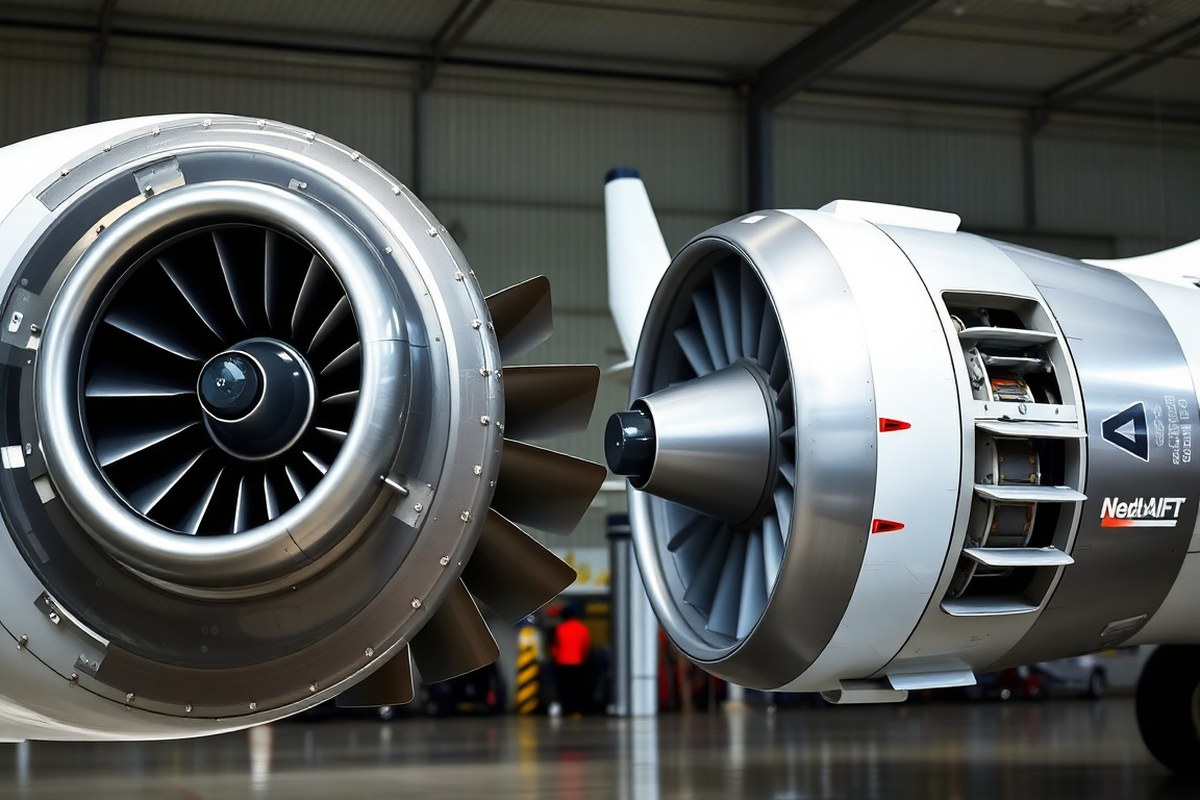
Airplanes use several engine types depending on size and mission. The main categories include turbofan, turboprop, and piston engines. Each has distinct features suited for different kinds of aircraft.
Turbofan Engines
Turbofan engines dominate in modern commercial airliners like the Boeing 787 and Airbus A320. They generate thrust by pulling air through a fan and compressing it before combustion. This design offers higher fuel efficiency and quieter operation compared to older engines.
This engine type allows large planes to carry more passengers while using less fuel. Turbofans balance power and efficiency, making them ideal for longer flights and heavy loads. Airlines favor them for their performance and cost benefits in commercial service.
Turboprop Engines
Turboprop engines power smaller regional planes and some military aircraft. They combine a gas turbine with a propeller, producing thrust mostly from the propeller’s rotation. This setup is efficient at lower speeds and shorter distances.
These engines cost less than turbofans, ranging around $500,000 to a few million dollars each. Their fuel efficiency makes them practical for flights under 500 miles. You’ll find turboprops on routes where noise restrictions and fuel savings matter.
Piston Engines
Small general aviation planes often use piston engines, similar to those in cars. These engines burn fuel to move pistons, which power a propeller. They provide adequate power for light aircraft flying slower and shorter trips.
Private pilots like this engine because it costs less. Flight schools also choose it for easier upkeep. This engine fits well for training and personal use.
Piston engines usually offer horsepower rather than thrust measurements. Their reliability relies on routine upkeep and careful operation.
Maintain proper engine checks, especially with piston engines, to avoid in-flight malfunctions.
Why Do Commercial Airliners Usually Have Two or More Engines?
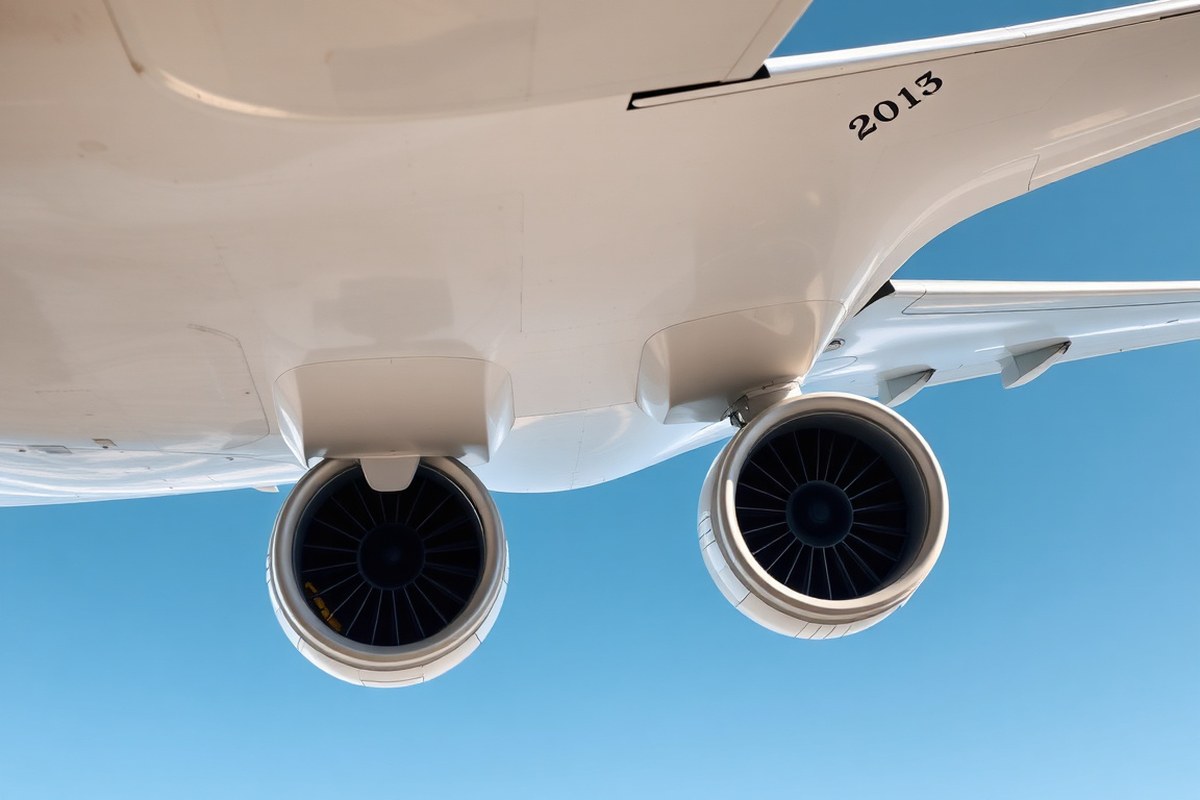
Commercial airliners usually have two or more engines because of power and safety needs. Large planes need high engine power to take off, climb, and cruise efficiently. You need several engines to carry heavy loads and fly long distances.
These engines keep the plane strong during important moments. Multiple engines help maintain great performance when it counts most.
Two engines balance safety with cost. Each jet engine costs between $10 million to $40 million. So airlines want enough power but not extra expense.
Running three engines is rare since it raises fuel costs without clear benefits. Four-engine planes are made for very big or heavy cargo jets.
They provide extra safety if one engine stops working in flight. These planes keep flying safely with backup engines.
Regulations affect engine number choices too. Aviation authorities usually require multi-engine planes for passenger flights to improve safety. Two or more engines let planes keep flying safely if one engine quits.
Multi-engine planes often have extra parts like starter generators. These parts help fix engine problems quickly. This setup makes flights safer for passengers and crew.
Older commercial jets sometimes had three or four engines because engines then produced less thrust. More engines were needed for enough power.
Advances in engine technology mean newer twin-engine planes can safely power big airliners today. This shift saves fuel and lowers maintenance while meeting strict safety rules for long-distance travel.
Understanding Engine Redundancy and Flight Safety
Engine redundancy means an airplane has multiple engines to keep flying if one fails. This setup greatly improves safety by allowing the aircraft to keep flying and land safely. Pilots follow strict procedures to handle engine failure and protect everyone onboard.
Pilot Actions During Engine Failure
Pilots immediately follow the emergency landing checklist when an engine fails. They adjust throttle and flight controls to keep the plane stable on the remaining engine(s). Communication with air traffic control happens quickly to report the situation and get clearance to land.
The pilot also identifies the nearest suitable airport or landing strip. They work to maintain altitude and airspeed within safe limits. These steps help make the emergency landing as controlled and smooth as possible.
Systems That Monitor Engine Health
Modern aircraft have sensors that constantly check engine performance parameters like temperature and pressure. If something goes wrong, alert systems notify the pilots immediately. This early warning gives pilots time to react before a complete failure.
These systems track vibrations and fuel flow too, helping detect issues early. Continuous engine health monitoring plays a key role in preventing accidents. It ensures pilots can respond before a critical malfunction occurs.
Examples of Engine Failure Incidents
US Airways flight 1549 lost both engines after hitting birds shortly after takeoff. The pilot safely glided the plane down to the Hudson River, saving everyone. This event showed how redundant systems and pilot training can save lives under pressure.
Planes with multiple engines rarely have accidents because they can keep flying if one engine fails. Even two engines failing is survivable for some planes with four engines. Passengers benefit from this extra safety margin when flying over remote or ocean areas.
How Engine Count Affects Aircraft Performance and Efficiency
The number of engines directly affects an airplane’s thrust and takeoff power. More engines give more thrust. This helps big planes lift off faster.
That’s important for heavy or large aircraft on runways. Four-engine planes make more thrust.
This suits long flights with more passengers or cargo. They handle bigger loads well.
Having fewer engines often improves fuel efficiency because each engine adds weight and drag. Twin-engine planes benefit from recent technology that offers strong thrust with much lower fuel use. These improvements reduce operating costs and emissions, allowing airlines to save money and meet environmental goals.
There are trade-offs between power and efficiency when choosing engine count. More engines add weight and require more fuel, increasing maintenance costs. Multi-engine planes can fly if one engine stops working.
This adds safety on long trips. Pilots rely on this backup. Meanwhile, efficient twin-engine planes balance enough thrust with lower fuel burn to serve many routes economically.
Modern engines let two-engine planes fly long distances. These used to need more engines before. New engines give them better performance.
The Boeing 777X uses big engines with high thrust. They match older four-engine planes.
This change improves efficiency and power. These engines reduce fuel consumption without sacrificing takeoff or cruising power.
Operational expenses go up with each added engine. Engines are costly to buy and maintain. So airlines often buy them in packages for repair savings.
Less fuel used and fewer engines also mean lower costs for daily operations. However, large airplanes still choose more engines if they need extra lift and range.
Choose fewer engines for better fuel efficiency on shorter routes. But consider more engines if you need high thrust or extra safety for long-haul flights.
Cost Comparison of Different Aircraft Engines
Aircraft engines vary widely in cost, and this greatly affects total expenses. Propeller engines are the least costly, making them common on small planes with one engine. Jet engines are much more expensive, mainly due to advanced technology and materials.
Maintenance costs rise with more engines because each engine requires regular inspection, repairs, and parts replacement. Single-engine planes have simple operating and maintenance needs. But when a plane has two or four engines, maintenance doubles or quadruples, raising costs significantly.
| Engine Type | Typical Cost (USD) | Maintenance Cost Impact | Common Use |
|---|---|---|---|
| Propeller (Piston) | $20,000 to $100,000 | Low; simple parts, easy upkeep | Single-engine trainers, small planes |
| Turboprop | $200,000 to $1 million | Medium; more complex, but reliable | Twin-engine regional aircraft |
| Jet Engine | $3 million to $15 million | High; complex systems, frequent checks | Commercial airliners, business jets |
Higher engine counts also affect fuel use and flight costs. Four-engine jets offer redundancy but eat more fuel and require more work to maintain. Twin-engine planes hit a balance between safety and cost today.
Single-engine aircraft keep operation simple and cheap, ideal for flight schools or local trips. Turboprops deliver better speed and reliability at medium cost. Jets bring the highest price but provide speed, range, and power for bigger planes.
Engine Placement and Its Impact on Plane Design
Engines on commercial planes are usually mounted under the wings or at the rear fuselage. Private planes often have engines on the nose or wings, depending on their size and type. Engine placement affects how the aircraft balances and handles during flight.
Mounting engines under the wings helps keep the plane stable and improves lift. This setup spreads the weight evenly, which aids pilots in controlling the aircraft. When engines hang below the wings, they also act as shock absorbers during landings.
Rear fuselage-mounted engines, common in private jets, allow cleaner airflow over the wings. This improves aerodynamics and reduces drag, helping the plane fly more efficiently. It also keeps engines farther from the cabin, which can lower noise inside.
From a safety view, placing engines under wings uses wing strength. It helps support engine weight if the engine fails. Engine failure or fire is less risky with engines under wings.
This setup shields the fuselage better. Rear placements can make maintenance easier but might be less ideal in engine emergency cases.
During design, engineers carefully pick engine placement to balance thrust, control, and safety. The exact place depends on mission goals, aircraft size, and cost limits.
Wide-body jets with four engines place them evenly under the wings. This spreads out thrust and adds safety backups.
Good engine placement achieves smooth airflow and stable center of gravity without too much extra weight. Poor placement can cause vibrations, uneven drag, or risky flight behavior if an engine quits. Manufacturers test designs extensively to avoid these issues before the plane is certified.
Regulations and Special Rules for Multi-Engine Aircraft (ETOPS)
Twin-engine planes follow special rules called ETOPS to fly long overwater routes safely. ETOPS lets these planes fly far from airports, even with only two engines. This changes how airlines plan flights and maintain engines compared to planes with more engines.
Basics of ETOPS Certification
ETOPS certification requires both the plane and airline to meet strict standards. The certification process checks that the engines and systems are highly reliable. Airlines must prove they can handle engine failures and diversions safely before flying ETOPS routes.
This involves detailed inspections and testing of engine components and backup systems. Airlines also train pilots for emergency procedures related to engine loss.
Meeting these requirements can take months and adds operating costs. But it allows safe, efficient twin-engine flights on long routes.
Operational Procedures Under ETOPS
Flight plans for ETOPS put limits on distance from safe airports. These limits keep planes within reach of emergency landing spots. Pilots must always follow these plans during flight.
The maximum ETOPS time sets the distance limit. It can range from 60 to 180 minutes or more.
This depends on the airplane’s certification. Pilots must have approved diversion airports ready along the route.
In flight, crews monitor engine performance closely and are prepared to divert immediately if needed. Flights track weather and airport status to ensure diversion options remain open. Pilots follow procedures when an engine issue happens.
They land at the nearest safe airport within ETOPS time. The time limit guides their decision.
Impact on Aircraft Design and Engine Choice
ETOPS drives aircraft makers to design twin-engine planes with very reliable engines and systems. These planes often have redundant systems to keep flying if one part fails. Developers pick engines with proven durability and low failure rates.
The increased ETOPS limits modern engines allow reduce the need for three or four engines. This saves fuel and lowers maintenance costs, making twin-engine jets more common on longer routes. However, the design must still meet ETOPS standards to ensure safety over oceans and remote areas.
Careful pre-flight checks and up-to-date pilot ETOPS training are essential to prevent route diversions.
Future Trends in Aircraft Engine Numbers and Technology
Aircraft engine technology advances with new materials, better aerodynamics, and fuel efficiency. Manufacturers are focusing on engines that burn less fuel and emit fewer pollutants. These innovations aim to keep planes fast while reducing environmental impact.
Environmental rules push engine designs to become cleaner and quieter. Airlines and manufacturers work together to meet emissions targets set by global agreements. Using fewer engines with higher thrust and efficiency lowers fuel use and noise near airports.
Engine numbers might shift in the future as electric and hybrid powertrains develop. Some future planes could use fewer, more powerful engines or multiple smaller electric motors.
Large cargo planes have used up to 8 engines. Concepts for future aircraft even suggest 16 engines might be possible for certain designs.
More engines may add complexity and weight but could support new technologies like distributed propulsion. This spreads thrust across many smaller engines, which can improve safety and reduce emissions. However, managing multiple engines increases maintenance costs and design challenges.
Fewer engines usually mean simpler maintenance and better fuel economy. Modern passenger jets mostly have two engines now. Safety rules support long flights between airports with just two engines.
These rules allow planes to fly farther safely. Advancing technology and environmental needs will likely keep pushing designs toward fewer high-efficiency engines.
Changing engine numbers relies on balancing technology progress, safety, and environmental pressure. Engine makers invest billions to test new materials and designs. Airlines must also consider operating costs and maintenance before choosing aircraft with novel engine arrangements.
Quick-Start Action Plan to Understand Airplane Engines
Get a clear idea about airplane engines and their roles with this simple plan. Follow each step and check your understanding along the way.
- Day 1: Identify how many engines different airplanes have by looking up common models. Confirm your list includes single-engine, twin-engine, and four-engine planes.
- Day 2: Learn the main types of aircraft engines: piston, turboprop, and jet engines. Check by matching engine types to specific aircraft examples.
- Week 1: Study why airliners use multiple engines for safety and performance. Test your grasp by explaining engine redundancy in your own words.
- Week 2: Explore how engine placement affects plane design and fuel efficiency. Sketch or note examples of wing-mounted and rear-mounted engines.
- Week 3: Understand rules like ETOPS and their impact on multi-engine planes flying long routes. Verify knowledge by listing ETOPS time limits for twinjets.
- Week 4: Review new engine technology trends and how they might change engine counts. Follow aviation news sources for updates and innovations.
Frequently Asked Questions
Why Do Some Airplanes Have Four Engines Instead of Two?
Some large commercial planes use four engines for extra power and safety. They often carry heavier loads and fly longer flights. These flights can go over remote areas.
Engine failure risks are higher there. This helps them maintain better performance and backup options in emergencies.
Can a Single-Engine Plane Perform as Fast as Multi-Engine Planes?
Some single-engine planes can reach good speeds but usually not as fast as multi-engine planes. They are mostly used for personal and training flights where lower speed and costs matter more. Single engines keep these planes simpler and cheaper.
Do Propeller Engines Cost Less Than Jet Engines?
Yes, propeller engines typically cost between half a million to a few million dollars each. Jet engines usually cost more due to advanced technology and higher performance capabilities. Propeller engines suit smaller planes needing affordable power.
What Is the Role of Engine Placement on Small Aircraft?
Engine placement affects balance, aerodynamics, and performance on small aircraft. For example, engines mounted on the wings reduce vibration in the cabin. Placement choices also help with maintenance access and cooling efficiency.
How Does Engine Number Impact Pilot Training Requirements?
More engines usually mean more complex systems to manage during flight. Pilots require additional training and certifications for multi-engine aircraft. This prepares them for handling engine failures and managing heavier planes safely.
The Bottom Line
Most airplanes have two or more engines for safety and efficiency. Knowing how engine numbers impact flying helps you appreciate aircraft design. Start by observing local planes and identifying their engine types today.