How Long Does It Take to Replace 4 Tires: A Complete Guide for DIYers and Professionals
How much time is needed to change four tires? Most places complete this in 45 to 90 minutes after lifting your car.
It normally takes 10 to 15 minutes to swap a single tire. Doing four tires adds up to that total time.
Planning to replace the tires yourself? Set aside 1 to 3 hours, based on your experience and tools.
You can speed things up if the tires are already mounted on rims. Mounting new tires onto rims is best left to tire professionals with the right tools.
Remember, factors like run-flat tires or complex vehicle suspensions can increase the time. Starting with a clean, organized workspace helps avoid delays and mistakes.
Key Takeaways
- Professional tire replacement usually takes 45 to 90 minutes for four tires.
- Changing mounted wheel-and-tire assemblies DIY can take 1 to 3 hours for beginners.
- Mounting tires onto rims requires specialized equipment; hire a pro for that.
- Run-flat tires add about 30 to 60 minutes per tire to the service time.
- Proper tire pressure setup requires cold tires and can affect overall job time.
- Road force balancing is essential for expensive tires or cars with active suspension.
How Long Does It Take to Replace 4 Tires on a Car?

Changing four tires usually takes between 30 and 90 minutes at a professional shop. The timeline changes based on the shop’s services. Some shops only mount and balance tires.
Others also check pressure and do extra tasks. DIY tire changes take longer, especially if you don’t have proper tools.
A pro can replace four tires on a regular car in about 45 minutes on average. They use machines that speed up mounting and balancing, so the process is smoother. At home, beginners can spend 1 to 3 hours changing four tires.
It takes longer if mounting tires on rims is needed. Mounting is best done by professionals.
Here’s a breakdown comparing typical times for different tire services:
| Service | Typical Time | What It Usually Includes |
|---|---|---|
| One tire replacement at a shop | 10, 15 minutes of bay time | Remove wheel, mount, balance, reinstall, torque lug nuts |
| Four tire replacement at a shop | 45, 90 minutes once service starts | Mount, balance, check valve and pressure, reinstall wheels |
| Four tires plus alignment | Longer than tire installation alone | Tire install plus separate alignment measurement and adjustment |
| DIY spare tire change | 15, 30 minutes | Install spare tire, tighten lug nuts, lower car |
Replacing all four tires at once matters most with all-wheel drive vehicles. It keeps drivetrain components balanced and protects the car. Swapping one or two tires might take more time.
Special tires or wheels with stiff beads slow the process. Hard metals also add to the difficulty.
Mounting and balancing stand out as two steps that affect time. Professionals usually speed these up using equipment. DIY jobs can drag because these tasks are tricky without experience.
Good results mean tires are well seated and balanced. So the ride is smooth and safe.
What Factors Influence the Time Required to Replace Four Tires?

Several key factors influence how long it takes to replace four tires. Your vehicle type, the tire type, available equipment, and the person’s experience all affect the timing. More complex cars or tires generally take longer to handle.
Vehicle Type and Size Impact
Compact cars usually take less time to change tires. Their wheels and tires are smaller and lighter. This makes the job quicker overall.
Expect most compact cars to be near the fast side of 45 to 90 minutes. They often take less time because parts are smaller. This speeds up the tire change.
Sedan tire changes usually fall in the middle of that 45 to 90 minute range. The wheel’s condition and tire design affect the time. Both can add or cut minutes.
For SUVs, trucks, or vans, changing four tires often requires extra time. Sedans tend to have larger tires and heavier wheels. These parts are harder to lift and mount.
That adds extra work to the process. Run-flat tires or trucks with higher lift points can take longer.
Sometimes, a shop needs up to 2 hours to finish. These features make tire changes more complex.
Tire Type Effects on Timing
Standard all-season tires take the least amount of time to replace. Run-flat tires are special because their reinforced sidewalls make them harder to remove and mount. Shops may take 30 to 60 minutes just per run-flat tire, which greatly extends total time.
Performance or specialty tires also add time. They require extra care to break the bead and mount safely due to stiffer sidewalls. This process raises mounting time by about 14% compared to standard tires.
You need a bit more patience during the change. It takes longer but is manageable.
Equipment and Tools Availability
Using the right equipment speeds the job significantly. Professional shops have hydraulic lifts, power wrenches, and automated tire changers. These tools help a tech finish a full tire set quickly.
They can do it in about 30 to 60 minutes. The right tools save valuable time.
Without these tools, like in most DIY cases, the process takes longer. Manual tools require more physical effort and time to break beads and balance wheels. Mobile tire services usually take between 1 and 2 hours.
Their setup is less efficient than a shop’s. This increases the time needed for tire changes.
Experience Level of the Person
An experienced professional technician completes four-tire changes in less than an hour. They follow precise steps and use tools correctly. A beginner DIYer might spend 30 to 45 minutes per tire.
Changing all four tires could take several hours. Practice and experience can reduce this time.
Errors or slow procedures often add time. For example, not loosening lug nuts properly or struggling with stuck wheels can delay the job. Practice and understanding the process help cut down these delays quickly.
For run-flat tires, check with your tire shop beforehand. Ask if they have the right equipment to handle them. This avoids delays and ensures proper service.
Step-By-Step Process of Replacing Four Tires Professionally and DIY
Replacing four tires involves several clear steps, whether done by a pro or at home. Pros typically complete the job in under 90 minutes, using specialized gear. DIYers can expect 2 to 3 hours, including prep and safety checks.
Tools and Equipment Needed
Professionals use advanced tire mounting and balancing machines for quick, precise work. DIY tire changes need a car jack, jack stands, a lug wrench, and a torque wrench. Safety gear like gloves and eye protection helps you stay safe during the process.
Having the right tools lets you avoid common mistakes like damaged lug nuts or unbalanced tires. A torque wrench ensures lug nuts tighten to the exact specs to prevent wheel issues. For vehicles with TPMS, a reset tool may also be necessary.
Removing Old Tires Safely
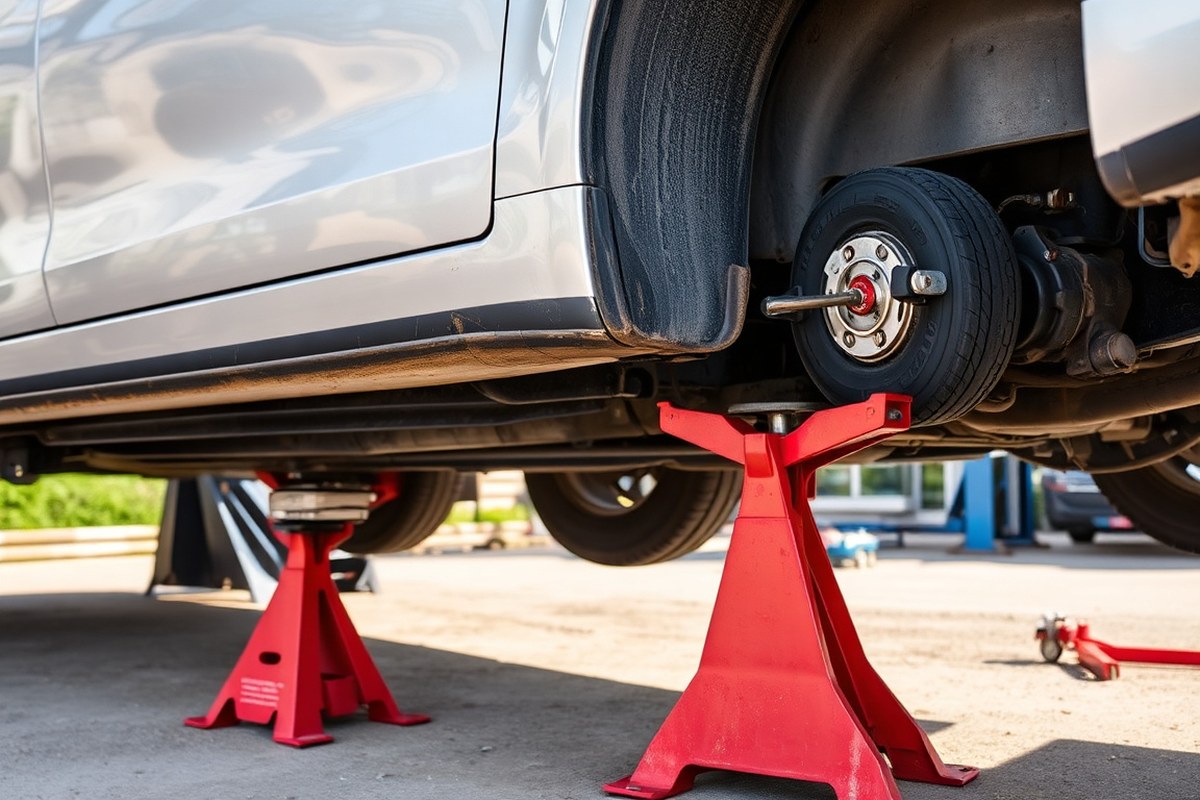
Start with the car on a flat surface and the parking brake engaged. Use the jack and stands to lift the car safely. Removing all four tires takes 30 to 50 minutes for a DIYer.
Rusted or stuck lug nuts can slow you down. You might need penetrating oil or extra force. Take care to avoid damage.
After lifting, loosen lug nuts evenly to avoid bending the wheel. Remove the tires carefully and inspect the wheels for damage or rust.
Your vehicle may have TPMS sensors in the wheels. Handle them carefully to prevent faults.
Installing and Balancing New Tires
Mounting new tires on rims yourself is not recommended without proper equipment or experience. Most DIYers swap out pre-mounted tires on wheels, which takes longer but is safer. Professionals mount and balance new tires using machines that spin wheels rapidly to detect weight imbalances.
Balanced tires prevent vibration and uneven wear, which helps your car handle smoothly. Your tires may be pre-mounted on wheels. Simply put the wheels back on.
Then torque lug nuts to your car’s specs. This step usually takes pros 30 to 60 minutes. DIYers may take longer, especially first-timers.
Checking Tire Pressure and TPMS Reset
Fill all tires to the recommended pressure listed on your driver’s door jamb or owner’s manual. Check tire pressure right after mounting new tires. Do it again before your first drive.
New tires may lose some pressure. Resetting TPMS may take 10 to 20 minutes, depending on the vehicle and sensor system.
Some cars require special tools or software. This helps reset the TPMS warning light. Use it after changing tires.
Make sure valve stems aren’t cracked or old to prevent future leaks. This final check keeps your tires functional and helps avoid roadside trouble.
- Park the car on a flat surface and engage the parking brake.
- Loosen lug nuts slightly before lifting the vehicle with a jack.
- Secure the car with jack stands for safety.
- Remove all four tires carefully after fully loosening lug nuts.
- Inspect wheels and replace old or damaged valve stems if needed.
- Mount the new tires, or swap pre-mounted wheels on the car.
- Tighten lug nuts with a torque wrench in the correct pattern.
- Check and adjust tire pressure; reset the TPMS sensor system.
How Does Vehicle and Tire Type Affect Replacement Time?
How Vehicle Size Impacts Tire Change Time
Trucks and SUVs usually take longer to change tires than sedans or compact cars. Their tires are larger and heavier, requiring more effort to remove and install. Handling these can add 15 to 30 extra minutes compared to standard passenger vehicles.
Heavier vehicles often need special lifts or equipment, which also slows the process. For example, a standard car might get all four tires changed in 15 to 30 minutes. A pickup truck could take 45 minutes to over an hour.
Effect of Tire Type on Replacement Duration
Specialty tires like off-road, winter, or high-performance models often require more care during removal and mounting. They tend to be stiffer or have unique tread patterns, which makes balancing and fitting slower. Expect 10 to 20 minutes extra per tire with these types.
Mixing tire types on a vehicle can lead to extra checks or adjustments during installation. Mechanics might spend more time verifying compatibility and ensuring proper handling after switchovers.
How Wheel Size Changes the Process
Larger wheels, common on trucks and luxury SUVs, make the job tougher. Handling the heavy rims takes more time and strength during both removal and reinstallation. This can increase overall time by about 20 to 30 minutes for four tires.
Plus, bigger wheels sometimes need specialized tools or torque settings. Professionals carefully adjust these to avoid damage, which adds to the total job time.
Comparing Typical Time Ranges by Vehicle and Tire Type
For a standard car with normal tires, pros take about 15 to 30 minutes. They usually finish all four tires within that time. This is common for most passenger cars.
For trucks or SUVs with larger, heavier tires, this can stretch to 45 minutes or more. Specialty tires or mixed sets add 10 to 20 minutes per tire.
For example, changing four all-season tires on a sedan might take 20 minutes. Changing four off-road tires on a full-size truck takes longer.
It can easily last 60 to 90 minutes or more. The size and weight make the job slower.
Worked Example: Timing for Different Vehicles
Picture this: a mechanic changes four standard tires on a midsize sedan within 25 minutes. They take about 3 minutes to remove each tire. Installing new tires takes roughly the same amount of time.
This quick pace helps speed the whole process. Balancing and torque checks take up the rest.
Now, the same mechanic works on a crew cab pickup with heavy all-terrain tires. Each tire can need 7 to 10 minutes to remove and install. The larger size and extra weight cause this time.
Bigger trucks require more effort for each tire. Balancing and alignment checks add an additional 20 minutes, bringing the total to about 75 minutes.
How Do Alignment and TPMS Impact Total Tire Replacement Time?
Alignment checks add 30 to 60 minutes to your tire replacement appointment. This happens because the mechanic measures and adjusts wheel angles. Proper alignment means your new tires wear evenly and your car handles safely on the road.
You’ll need an alignment if tires wear unevenly. Or if your car pulls to one side.
Shops usually recommend it every 12,000 to 15,000 miles or when replacing all four tires. Skipping alignment saves time now but can cause uneven wear and handling issues later.
TPMS (Tire Pressure Monitoring System) resets take around 10 to 20 minutes after changing tires. Each tire’s sensor must be checked or reprogrammed to communicate accurately with your vehicle. A damaged sensor or valve stem adds 15 to 30 minutes per tire.
Without a proper TPMS reset, your dashboard light stays on. You also won’t get low pressure alerts. A reset uses a scan tool or vehicle-specific relearn steps.
Shops can do this quickly. You need the right scanner and instructions for your model. Otherwise, the system won’t reset properly.
Both alignment and TPMS work add time beyond just mounting and balancing tires. Busy shops or stuck hardware can stretch visits past two hours, especially with these extra steps.
Mobile services often take one to two hours total. They skip waiting, so they focus just on your car.
Always check whether an alignment is scheduled during your tire replacement to avoid unexpected delays.
Common Delays and Mistakes That Prolong Tire Replacement
Common delays during tire replacement often come from skipped steps or poor tools. Using a non-rated jack or missing torque checks can slow you down or risk safety. At shops, high volume means wait times, even if the actual swap is quick.
Some mistakes cause the biggest slowdowns. Forgetting to check tread depth causes problems later. Ignoring tire size rules leads to uneven wear.
You may have to redo the work. Not balancing tires properly, or skipping alignment checks, leads to extra trips and faster tire damage.
- Under-torquing lug nuts, use a torque wrench to reach manufacturer specs, usually 80-100 ft-lbs.
- Skipping balance, always get tires balanced. It takes about 15-20 extra minutes but stops vibration.
- Ignoring tread depth, replace tires below 2/32 inch to avoid safety risks and quicker damage.
- Not checking tire size, follow the 3% rule. Mismatched sizes cause poor handling and wear.
- Using wrong jack stands, choose ASME P30.1 rated stands ≥3 tons for safety and speed.
- Delaying valve stem or TPMS sensor checks, replace or reset sensors to keep monitoring working.
- Rushing removal, letting the tire bead settle or lightly cleaning rims saves time on mounting.
Fix these by having the right tools ready and working methodically. Clean your wheel rims before mounting to avoid leaks and improve seal. Replacing valve stems while mounting new tires stops slow leaks.
It also saves extra trips later. Always drive a short distance after installation to feel for vibrations or noises. Catching problems early avoids repeat visits that add hours or days.
Tips to Speed Up Changing Four Tires at Home or at a Shop
Having everything ready before you start can cut a lot of time. Lay out your new tires, jack, lug wrench, and air compressor in one spot.
This way, you won’t stop midway to find tools. Also, check that your jack fits your car model to avoid surprises.
Park the car on a flat, level surface. Engage the parking brake. Ensure the car won’t move during the tire change.
Loosen the lug nuts slightly before lifting the car. Doing this prevents the wheels from spinning when you try to turn the nuts.
- Gather all tools and tires in one workspace
- Check tire pressure before mounting
- Loosen lug nuts while car is on the ground
- Use a torque wrench to tighten nuts evenly
- Keep a magnet or tray for nuts and small parts
- Have a flashlight ready for low light conditions
- Keep protective gloves and a clean cloth nearby
At a tire shop, the crew uses lifts and air guns that speed the job. A professional team can replace four tires in 30 to 45 minutes.
For home use, an impact wrench can replace a lug wrench to save time. But it often costs over $100.
Pay attention when tightening lug nuts. Tighten them in a star or crisscross pattern to keep the wheel even.
Under-tightened or uneven nuts can cause vibrations or worse damage. Follow the car’s manual for the right torque, usually between 80 and 100 foot-pounds.
Last, double-check your work. After driving a few miles, re-tighten the lug nuts.
This small step helps you avoid loose wheels or unsafe driving conditions. Taking these steps saves time and avoids mistakes that cause costly delays.
When Should You Call a Professional for Tire Replacement?
Call a professional if your tires require special tools or equipment. For example, some vehicles have locking lug nuts that need a key only a shop has. Also, trucks or SUVs often need bigger tools, making a DIY tire change harder and slower.
Tire pressure monitoring systems (TPMS) need careful handling. Your vehicle’s TPMS sensors can be safely removed and reinstalled by pros.
They handle sensors inside tires without causing damage. Mishandling these sensors may cause costly repairs or inaccurate pressure readings.
A professional can handle tire types like run-flat, all-terrain, or specialty tires better. These tires may need specific mounting machines and balancing equipment. Attempting to change these at home risks improper installation and uneven wear.
Wear or damage can mean you need a professional’s help. Tires with bulges, cuts, or uneven wear need a tech’s careful check.
They decide if the tires can stay or need replacing. Badly damaged tires often require expert inspection to avoid accidents after replacement.
When your car needs an alignment check or balancing after changing tires, consider professionals. Proper alignment prevents uneven tire wear and pulling while driving. Shops have computerized wheel alignment machines that you won’t find in a home garage.
You should also call a pro if you don’t have the right safety gear. Lifting a vehicle without a proper jack stand is risky. Pros use the right lifts to safely raise your vehicle off the ground.
They tighten lug nuts with torque tools to the set specs. This makes sure your vehicle is safe to drive again.
Always double-check that your lug nuts are tightened to the correct torque specs. Overtightening or undertightening can cause serious safety issues.
Replacing four tires at a shop usually costs between $100 and $300. This price covers mounting, balancing, and getting rid of old tires.
Shops complete the job in under 30 minutes. Professionals avoid common DIY mistakes that can add hours to the job or cause expensive damage.
Comparing Tire Replacement Times and Costs Across Different Service Providers
Changing four tires takes different times at a chain store and a local garage. Large chains often have more staff and equipment ready, so they can finish faster. Local garages might take longer but offer more personal service and sometimes lower prices.
Labor costs vary widely depending on the type of shop and location. Most places charge between $20 and $50 per tire for mounting and balancing. This means the labor for four tires can range from $80 to $200.
Here’s a simple table comparing the typical time and cost situations you might find:
| Service Type | Time Required | Labor Cost per Tire | Total Labor Cost for 4 Tires |
|---|---|---|---|
| Large Chain Store | 30 to 60 minutes | $25 to $40 | $100 to $160 |
| Local Garage | 45 to 90 minutes | $20 to $50 | $80 to $200 |
| DIY (Experienced) | 45 to 60 minutes | $0 (No labor cost) | $0 |
| DIY (Beginner) | 1 to 2 hours | $0 (No labor cost) | $0 |
If you use a big chain with $30 labor per tire, it takes about an hour total. The labor cost adds up to $120 for four tires. A local garage charges $35 per tire.
It may take longer than a chain store. But costs about the same or a bit more. DIY saves money but takes more time.
A skilled DIYer can change all four tires in about one hour. A beginner might need two hours or more.
Choosing between these options depends on your budget, time, and comfort. A chain store is usually quickest.
But local garages can offer friendly guidance and may handle vehicles chains do not. DIY works if you have time, tools, and some know-how.
Step-by-Step Action Plan for Replacing 4 Tires Efficiently
Follow these steps to replace your tires smoothly and save time at home or the shop.
- Before you start: Check your car’s tire size and buy matching tires. This ensures the new tires fit properly and speeds up installation.
- Day of replacement: Gather tools like a jack, lug wrench, and torque wrench if DIY. Having tools ready prevents delays during the job.
- First 30 minutes: Lift the car and remove old tires carefully. Removing tires properly avoids damage and prepares the car for new tires.
- Next 20 minutes: Mount and balance the new tires on the wheels. Balanced tires reduce vibrations and improve driving safety.
- Following 15 minutes: Reinstall the new tires, tighten lug nuts to spec, and lower the car. Properly tightened lug nuts keep tires secure while driving.
- Immediately after: Check or reset the TPMS sensors if your car has them. This helps prevent warning lights and keeps your safety features active.
- Within 1 hour: Get a wheel alignment if needed. Watch for uneven tire wear. Also, check for handling problems. Proper alignment improves tire life and vehicle control.
Frequently Asked Questions
How Long Does It Take to Remove Old Tires Before Installing New Ones?
Removing old tires usually takes 10 to 20 minutes extra. This happens because tires sometimes stick tightly to the rims.
Professionals use special tools to break the bead fast. DIYers might take longer loosening the old tires carefully.
How Soon Should You Drive After Getting New Tires Installed?
You can drive right after new tires go on. It’s better to stay at low speeds for 20 miles.
This helps the tires seat properly on the rim. You can also check for balance or pressure issues.
Does Tire Brand or Quality Affect Replacement Speed?
Yes, tire brand and quality can change how long mounting takes. Some tires have stiffer beads or unusual construction that slow the mounting process. Budget tires often mount faster than premium ones with extra features.
Can Weather Affect How Fast You Can Replace Four Tires?
Weather plays a role mainly if you’re doing it at home outside. Cold or wet conditions can slow down the process a lot. Shops usually have controlled environments, so weather is less of a concern there.
How Often Do Shops Balance Tires When Replacing All Four?
Most shops include balancing with the full tire replacement. Balancing takes an extra 10 to 15 minutes.
Balancing prevents vibrations and uneven wear. So professionals never skip this step during a four-tire change.
Final Thoughts
Replacing four tires usually takes about an hour, depending on your tools and car type. Knowing what affects the timing helps you plan better. Check your tire info and tools now to be ready when the time comes.