What Does Gallon of Gas Weigh: A Complete Guide with Weight Comparisons and Tips
A single gallon of gasoline weighs about 6.1 pounds on average. This number can change slightly depending on the gas blend and temperature. Knowing the weight helps with managing fuel loads and vehicle performance.
Regular unleaded gas usually weighs between 5.8 and 6.3 pounds per gallon. Diesel fuel is heavier, falling between 7.0 and 7.3 pounds per gallon. These differences affect fuel efficiency and load calculations.
Gasoline weight changes with temperature. It weighs about 6.1 pounds at 60°F but gets lighter as it warms. This matters if you’re storing or transporting fuel in different climates.
Fuel weight impacts vehicle range and handling, especially with large fuel tanks. Truckers must consider fuel weight when calculating cargo loads. Even small changes affect fuel economy and vehicle balance.
Key Takeaways
- A gallon of regular gasoline weighs roughly 6.1 pounds at 60°F.
- Diesel fuel weighs about 7.0 to 7.3 pounds per gallon, heavier than gas.
- Gasoline weight varies with temperature, becoming lighter when warm.
- Fuel blends affect weight; ethanol blends weigh less than pure gasoline.
- For multiple gallons, multiply gallons by approx. 6.1 pounds for gas weight.
- Weight affects fuel tank load and vehicle handling; factor it when full.
What Does a Gallon of Gas Weigh on Average?
A gallon of gasoline weighs about 6.1 pounds on average. This weight is measured at a standard reference temperature of 60°F (15.5°C). The reference temperature helps keep the weight figure consistent across the fuel industry.
Gasoline is lighter than water, which weighs around 8.34 pounds per gallon. The 6.1 pounds per gallon includes common blends with ethanol and variations in hydrocarbon content. This number works well for most everyday calculations involving fuel.
You might hear that a gallon of gas weighs 6 pounds. This is a good rough estimate.
However, the exact weight usually ranges between about 5.76 and 6.35 pounds per gallon. This difference depends on temperature, fuel type, and additives.
Here is a simple reference table showing average gasoline weight at 60°F:
| Fuel Type or Condition | Average Weight (pounds per gallon) |
|---|---|
| Regular Unleaded Gasoline | 6.1 |
| Pure Gasoline (no ethanol) | 6.2 |
| Diesel Fuel | 7.1 |
The 60°F temperature is a standard used to compare densities and weights fairly. Gasoline weighs slightly less in warmer temperatures and slightly more in colder ones. Despite this, the 6.1-pound figure remains reliable for planning and safety calculations.
Using 6 pounds per gallon as your estimate is okay if you want a quick number. For better accuracy, especially in large fuel quantities or precise work, use 6.1 pounds at 60°F or adjust for your local temperature. This approach avoids surprises from fuel weight changes.
How Fuel Type and Blend Affect Gasoline Weight
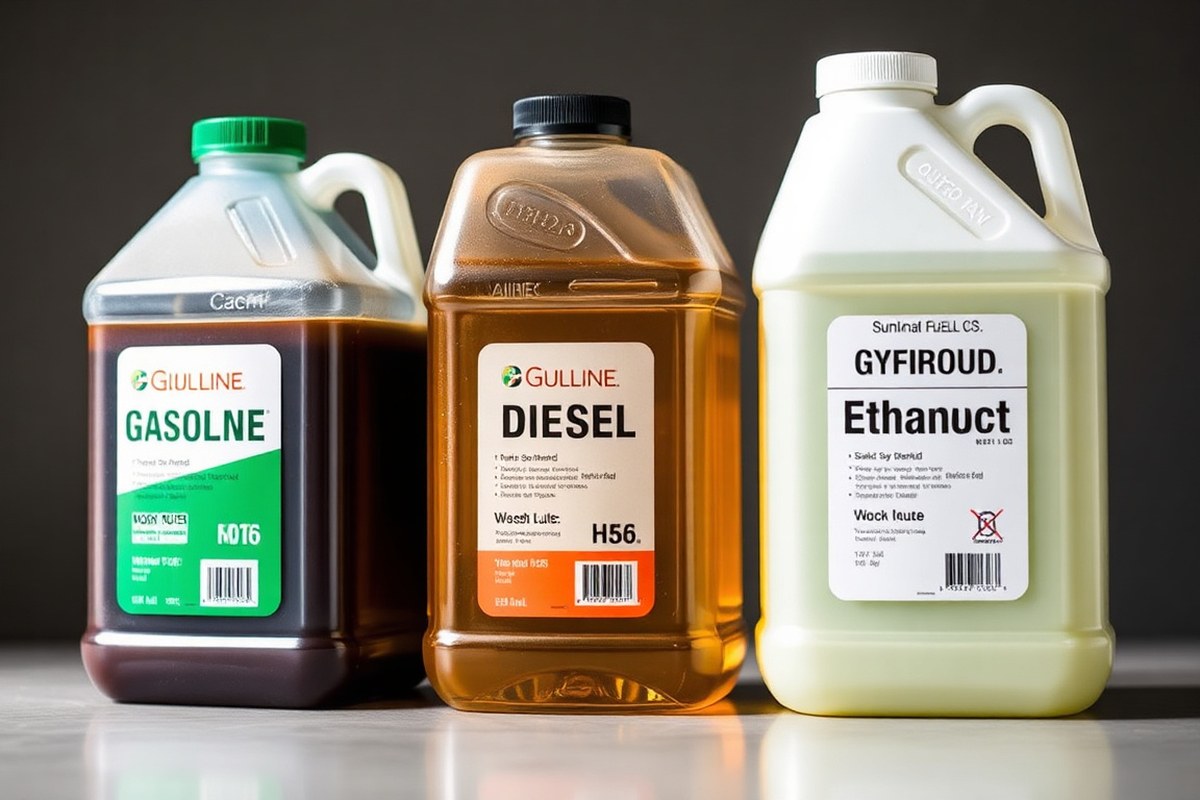
Gasoline weight varies with octane rating and ethanol content. Diesel fuel is noticeably heavier than gasoline. E85 fuel blends weigh more than regular gas due to ethanol content.
Gasoline Weight by Octane Grade
Octane grades affect gasoline weight slightly, with premium gas usually weighing more. Regular gasoline typically weighs about 6.1 pounds (2.77 kg) per gallon. Premium grades weigh around 6.2 to 6.3 pounds (2.81 to 2.86 kg) per gallon.
This difference occurs because higher octane fuels contain additives and hydrocarbons that add to the density. The weight increase might seem small but can affect total fuel weight in a filled tank. Knowing the exact weight helps with precise fuel calculations and engine tuning.
Ethanol Content and Its Impact
Ethanol content changes gasoline’s weight depending on the blend. Pure ethanol weighs about 6.6 pounds per gallon, but ethanol blend fuels vary. E85, with up to 85% ethanol, weighs around 6.5 to 6.6 pounds (2.95 to 2.99 kg) per gallon.
Regular gas with 10% ethanol (E10) weighs slightly less than pure gasoline. Ethanol is less dense than gasoline, so blending it reduces the weight per gallon. However, ethanol contains less energy per gallon, which affects fuel economy.
Comparing Diesel and Gasoline Weight
Diesel fuel is heavier than gasoline because of its chemical makeup. Diesel weighs about 7.0 to 7.3 pounds per gallon (3.17 to 3.31 kg), roughly 15-20% more than gasoline. This heavier weight means diesel vehicles carry more weight when tanks are full.
Diesel’s longer hydrocarbon chains make it heavier than gasoline. A 30-gallon diesel tank weighs roughly 213 pounds. Gasoline’s weight for the same 30 gallons is around 183 pounds, about 30 pounds less.
Here’s a quick comparison of fuel weights per gallon:
| Fuel Type | Weight per Gallon (lbs) | Weight per Gallon (kg) |
|---|---|---|
| Regular Gasoline (E10) | 6.1 | 2.77 |
| Mid-Grade Gasoline | 6.1, 6.2 | 2.77, 2.81 |
| Premium Gasoline | 6.1, 6.3 | 2.77, 2.86 |
| E85 Ethanol Blend | 6.5, 6.6 | 2.95, 2.99 |
| Diesel Fuel | 7.0, 7.3 | 3.17, 3.31 |
These weights apply around 60°F, with temperature changes affecting density slightly. Cooler fuels weigh more per gallon, while warmer fuels weigh less. Accurate knowledge of fuel type and blend helps estimate weight more precisely.
Always use fuel weights for calculations based on 60°F, unless you account for temperature changes.
How Temperature Influences the Weight of a Gallon of Gas
Gasoline’s weight per gallon changes as temperature shifts because the fuel expands or contracts. Warm gasoline takes up more space but weighs less per gallon. Colder gasoline is denser, so it weighs more in the same volume.
Standard Reference Temperature for Gasoline
The petroleum sector sets 60°F (15.5°C) as the baseline for gasoline weight. One gallon of gasoline weighs about 6.1 pounds at that temperature. This standard helps keep fuel volume consistent across various temperatures and places.
Gas pumps deliver gallons measured by volume, not weight. But the 60°F reference helps compare fuel quality. Temperature changes can cause gas volume to stay constant while density shifts.
But the actual mass of gasoline in a gallon varies. That’s why weight calculations always refer back to this baseline temperature.
Density Change with Temperature
Gasoline gets less dense as it heats, dropping about 0.06% per degree above 60°F. At 90°F, one gallon weighs nearly 3% less than it does at 60°F. For example, at 90°F a gallon weighs around 5.9 to 6.0 pounds, compared to 6.1 pounds at 60°F. At colder temperatures near freezing, gasoline can weigh up to 6.3 pounds or more per gallon. These changes happen because molecules spread out when heated.
Calculating Adjusted Gas Weight
To find the weight of gasoline at a temperature other than 60°F, multiply 6.1 pounds by the density adjustment. For each degree above 60°F, reduce the weight by 0.06%. For instance, at 80°F, the weight adjusts as 6.1 × [1, (0.06% × 20)] = 6.1 × 0.988 = about 6.03 pounds per gallon.
On colder days, add 0.06% per degree below 60°F for a rough estimate. At 40°F, the weight is about 6.1 × [1 + (0.06% × 20)] = 6.1 × 1.012 = roughly 6.17 pounds per gallon. This quick math helps predict how much gasoline actually weighs based on temperature.
How Much Do Multiple Gallons of Gas Weigh?
Five gallons of gasoline weigh about 30 to 33 pounds. This includes the fuel plus the container’s weight. The gas can adds a few pounds.
The weight depends on the can’s material. Knowing this helps with carrying and storing fuel safely.
Ten gallons of gas roughly double that weight, coming to around 61 to 65 pounds. Twenty gallons weigh near 122 to 130 pounds, which is quite heavy to move manually. This weight impacts how you handle fuel cans and plan fuel storage.
- 5 gallons: about 33 pounds with container
- 10 gallons: around 62 pounds total
- 15 gallons: roughly 93 pounds total
- 20 gallons: near 124 pounds total
- Weight affects how much you can carry safely
- Heavier loads require stronger storage shelves or racks
- Gas weight contributes to overall vehicle loading and fuel efficiency
These weights explain why full 5-gallon cans feel heavy. Carrying them is tough over long distances. It’s harder on uneven ground.
For storage, ensure your shelves or fuel cabinets support this load. The total weight also matters when calculating a vehicle’s full load before trips or transport.
For quick estimates, multiply gallons by about 6.1 pounds to find just the fuel weight. Add a few pounds for the container to get the total. This helps you judge how much fuel is safe and practical for your needs.
Weight of Gasoline in Vehicle Fuel Tanks
Fuel weight adds extra pounds to your vehicle. Most passenger cars hold between 15 and 20 gallons.
That adds about 90 to 120 pounds of gasoline. This weight matters for daily driving, towing, and payload calculations.
For trucks and commercial vehicles, fuel tanks are often much larger. Diesel trucks use about 7.1 pounds per gallon.
So a full 300-gallon load can weigh over 2,100 pounds. That can significantly affect their payload and towing capacities.
Manufacturers include a full tank of fuel in curb weight ratings. When you load cargo or passengers, subtract fuel weight from your payload.
This keeps you within your vehicle’s limits. Ignoring this leads to overloading, which can cause handling issues or damage.
| Vehicle Type | Fuel Capacity (Gallons) | Fuel Weight per Gallon (lbs) | Approximate Full Tank Fuel Weight (lbs) |
|---|---|---|---|
| Passenger Car | 15, 20 | 6.0 | 90, 120 |
| Diesel Truck or SUV | 20, 50 | 7.1 | 142, 355 |
| Commercial Truck | 100, 300 | 7.1 | 710, 2,130 |
Start towing or payload plans by weighing your vehicle with a full tank. Or use the factory curb weight.
Then add all passengers, cargo, and trailer tongue weight for total load. Use a commercial scale for accurate measurements on modified or loaded vehicles.
Fuel weight doesn’t just add mass. Heavier vehicles need more energy to operate, reducing fuel economy slightly.
A small dip in fuel economy adds up over time. This is true on long trips or heavy towing.
Remember: payload limits assume the tank is full. So subtract fuel weight first before loading cargo.
Practical Implications of Gas Weight on Vehicle Performance
Fuel weight affects how much your vehicle can carry safely. A full tank can add 50 to 100 pounds depending on the size. This added weight decreases payload, which is critical if you carry heavy cargo or tow trailers.
Every extra 100 pounds lowers fuel economy by about 1 to 2 percent. Carrying heavy fuel containers worsens this effect.
Filling your tank fully before a long trip helps avoid running out. It can slightly reduce miles per gallon.
Handling changes as the fuel load varies. A full tank shifts weight toward the rear, which can affect traction and ride quality. Using fuel changes your vehicle’s weight distribution.
This can make it feel lighter. It may feel less stable in corners.
Check your vehicle’s payload limits before loading heavy items and fuel. Balance loads evenly to keep handling predictable. Avoid carrying unnecessary extra fuel containers unless needed, since they add weight and reduce fuel efficiency.
Use fuel weight knowledge when planning long trips or hauling loads. This helps estimate fuel stops better and keeps your vehicle safer.
Don’t ignore the half empty tank effect after burning fuel. It might change how your ride feels.
Why Gas Stations Measure Fuel by Volume, Not Weight
Fuel is sold by volume because it is simple and fast to measure at the pump. Gas stations use calibrated meters that track how many gallons pass through in real time. Measuring by weight would need extra equipment and slow down sales.
Temperature affects gasoline’s volume more than its weight. Warm gas expands, so a gallon can weigh less on hot days. Gas pumps assume a standard temperature, usually around 60°F, to keep measurements consistent for consumers.
This standard temperature lets stations charge fairly without adjusting for every weather change. A gallon always shows the same volume on the label. Weight and energy content can change a little.
These changes usually don’t affect how much you get. This system works well enough for everyday driving needs.
Commercial fuel buyers, like airlines, measure fuel by weight to get exact energy amounts. Weighing ensures accurate load planning and fuel consumption calculations. These industries use tables to change volume into weight.
Weight is more exact but harder to calculate. These tables help them be precise.
For most drivers, the volume-based system at gas stations is reliable. Weight changes from temperature are very small. They don’t affect how your vehicle runs or your fuel cost.
This means small changes aren’t a big deal. That’s why the industry sticks with selling gas by the gallon instead of by the pound.
Safe Handling and Weight Considerations for Gas Cans
A filled 5-gallon gas can weighs about 30 to 32 pounds. That includes the weight of the gas itself, between 5.8 and 6.3 pounds per gallon, plus the empty can, which can add 2 to 4 pounds. The total weight affects how you carry the gas can.
It matters for longer trips or when carrying many cans. Carrying too much can get tiring quickly.
Weight matters for safety during transport and storage. Overloaded cans can burst if dropped or mishandled. Plus, extra weight raises the risk of spills or accidents if you lose grip or balance.
Planning your fuel load stops problems before they start. It keeps lifting easy and strain low. Carrying just enough fuel makes a big difference.
- Use a sturdy, approved gas can made for transportation.
- Carry no more than 5 gallons per can to keep them manageable.
- Secure cans upright in a well-ventilated area during transport.
- Keep cans away from heat, sparks, or open flames when storing.
- Use a funnel to avoid spills when filling or pouring fuel.
- Store gas in cool, shaded places to reduce pressure buildup.
- Check your vehicle’s payload limit to prevent overloading.
Put gas cans on the vehicle floor when driving. Avoid placing them on seats to prevent spills. The floor keeps cans stable and secure during trips.
Tie them down if possible. Avoid carrying fuel in the passenger compartment to prevent fumes spreading. Towing a trailer or carrying heavy loads adds stress.
Each 5-gallon gas can weighs over 30 pounds. Remember to include this extra weight in your plans. Exceeding your vehicle’s weight ratings risks mechanical damage and makes driving unsafe.
Never fill a gas can completely to the top; leave some space for expansion.
Store extra fuel in an outdoor shed or garage away from living spaces. Gasoline vapors can ignite easily and cause health problems. Check your local rules on how much fuel you can store safely at home.
Rotate stored fuel every six months to keep it fresh and reduce risk of damage. Taking time to follow these tips keeps fuel handling safer and easier.
How to Calculate Gas Weight from Volume and Density
You can find gasoline weight using its volume and density. The key is multiplying the volume by the density value. Adjust for temperature if you want a more precise result.
Basic Weight Calculation Formula
The basic formula is simple: weight equals volume times density. Density shows how much mass fits inside a specific volume, like pounds per gallon. Gasoline density usually ranges around 6.1 to 6.3 pounds per gallon.
Knowing this formula helps you estimate fuel weight for storage, transport, or vehicle load calculations. The formula is:
Weight (lb) = Volume (gal) × Density (lb/gal)
Adjusting for Temperature
Gasoline density changes with temperature, usually decreasing as it warms. Colder gasoline is denser and weighs more per gallon. For accurate weight, adjust density based on the fuel temperature compared to a standard.
One rough method is to look up the density at 60 °F, a common reference temperature. Use this standard density for your calculation. Or adjust your measured density with a temperature correction factor from a fuel density chart.
Sample Weight Calculation Example
Let’s calculate the weight of 5 gallons of gasoline at 60 °F. Assume the density at this temperature is 6.2 pounds per gallon. Multiply the volume by the density to get the total weight. Follow these steps to work it out:
- Measure or find the gasoline volume, in this case, 5 gallons.
- Find the density value for gasoline at your temperature, usually 6.2 lb/gal at 60 °F.
- Multiply the volume by the density: 5 gal × 6.2 lb/gal.
- Get the total weight: 31 pounds.
- Your temperature differs? Apply a density correction first. Then multiply.
- Use this weight to plan storage or transport safely.
Step-by-Step Action Plan to Manage Gasoline Weight and Handling
Follow these steps to measure, handle, and consider gasoline weight for your vehicle or fuel storage.
- Before you fill up: Check your vehicle’s fuel tank capacity in gallons. Knowing this helps you estimate the total gas weight easily.
- During fueling: Observe the temperature if possible. Remember, warmer gas weighs less, so volume won’t translate exactly to weight.
- After filling: Use the average weight of about 6.3 pounds per gallon for standard gasoline to calculate total fuel weight. Multiply tank capacity by 6.3 to get an estimate.
- Weekly: Monitor any changes in vehicle performance or mileage. Gas weight and fuel quality can affect engine output and efficiency.
- Before storing gas in cans: Confirm the can’s weight limit and fill level. Avoid overfilling to stay within safe weight handling guidelines.
- Monthly: Reassess your fuel type choice if you notice performance issues. Different blends have slightly different weights and impacts.
- Anytime you transport gas: Use proper containers. Know the total weight to avoid overloading. Handle it safely.
Frequently Asked Questions
How Much Does 15 Gallons of Gasoline Weigh?
Fifteen gallons of gasoline weigh about 94.5 pounds. The weight varies slightly with temperature and type of fuel blend.
Does Gasoline Weigh More in Winter or Summer?
Gasoline weighs a bit more in winter due to cooler temperatures. Cold fuel molecules pack closer, increasing density slightly.
Is Ethanol-Blended Gas Lighter Than Pure Gasoline?
Yes, ethanol-blended gas is lighter than pure gasoline. Ethanol weighs about 6.6 pounds per gallon, less dense than gasoline.
How Does Diesel Fuel Weight Compare to Gasoline?
Diesel fuel weighs about 7.0 to 7.3 pounds per gallon. It’s heavier than gasoline because of longer hydrocarbon chains.
Can the Weight of Fuel Affect Vehicle Handling?
Yes, heavier fuel can impact vehicle handling and fuel efficiency. More weight means the engine and suspension work harder.
Wrapping Up
A gallon of gasoline weighs about 6.3 pounds. But this can shift with temperature and fuel blend.
Knowing this helps you handle fuel safely and understand vehicle impacts. Check your fuel tank size today and calculate the total fuel weight you carry.