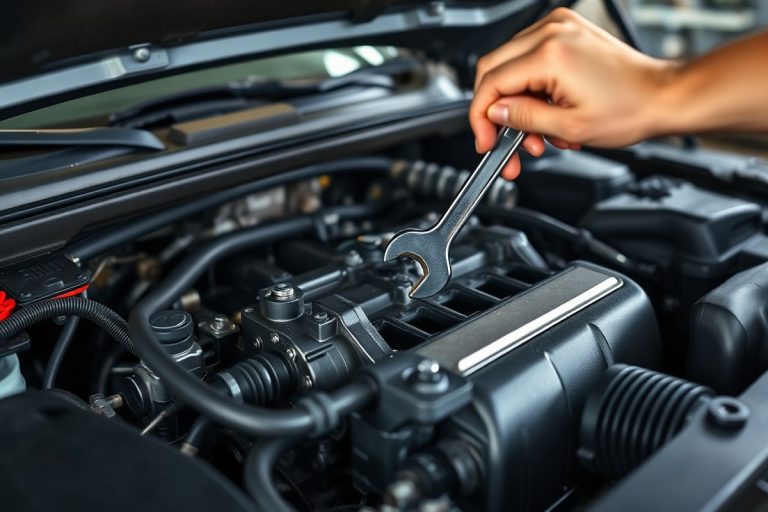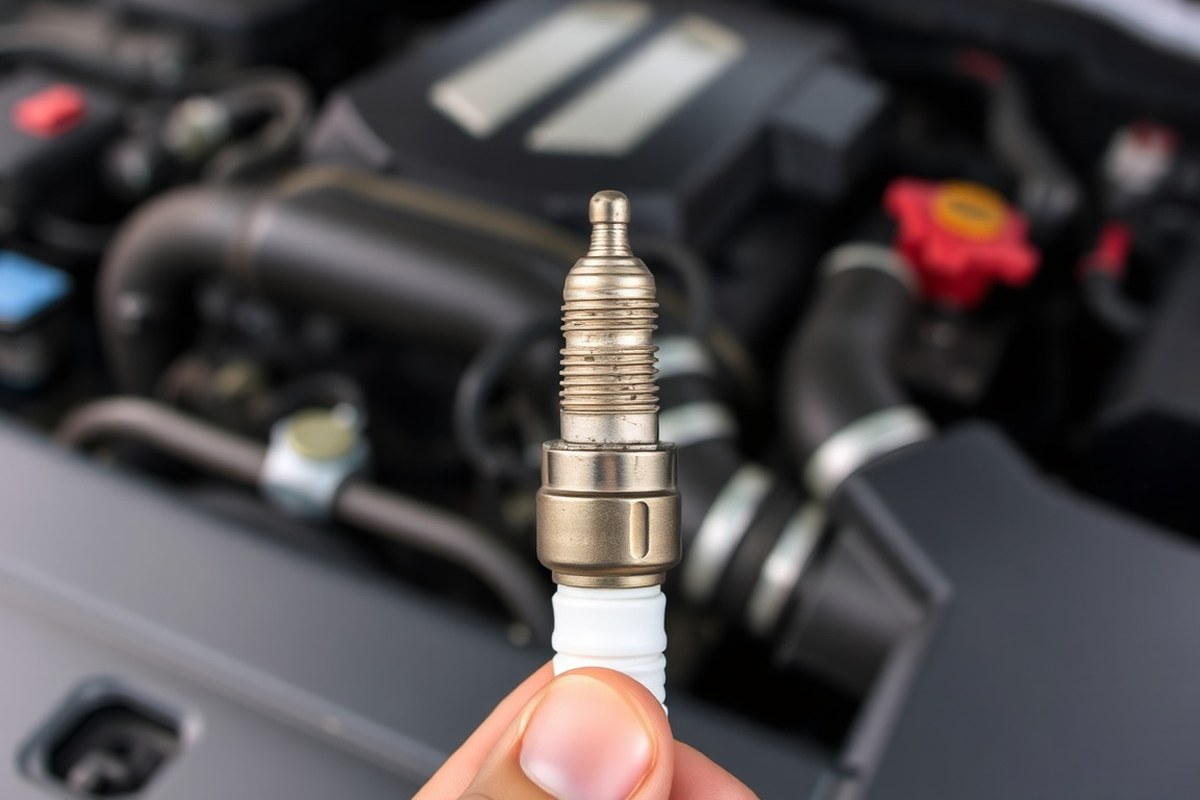
How to Know If You Need Spark Plugs: Key Signs and Replacement Guide
Knowing if you need spark plugs can save you money. It also helps prevent car trouble. Checking them regularly is a smart move.
The easiest way is to watch for rough idling, slow acceleration, or trouble starting your engine. These signs often mean your spark plugs are worn or damaged and need replacement.
Another quick check is a drop in fuel efficiency. Bad spark plugs can waste gas and strain your engine. First, check your owner’s manual for replacement intervals.
These vary by your car’s spark plug type. Follow the manual to keep your car running well.
Pay attention to how you drive, too. Stop-and-go city trips wear plugs faster than steady highway driving. Regular inspection every 30,000 miles helps catch problems early before they cause bigger issues.
Key Takeaways
- Listen for engine misfires or hesitation during acceleration.
- Check your vehicle manual for the recommended spark plug replacement interval.
- Inspect spark plugs every 30,000 miles to catch early wear.
- Watch for increased fuel consumption as a sign of bad plugs.
- Consider driving habits since frequent stops wear spark plugs faster.
- Look for rough idling or difficulty starting as red flags.
How to Tell If Your Spark Plugs Need Replacing
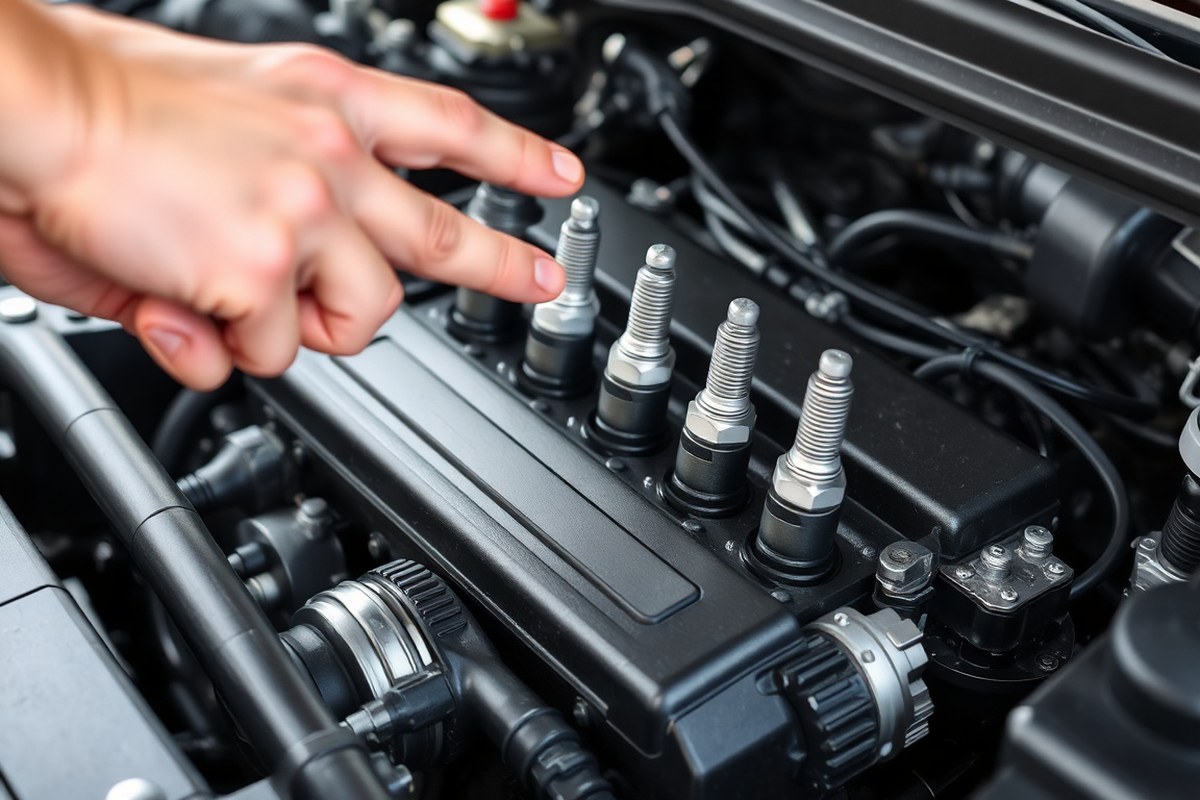
Check your spark plugs if your engine misfires or struggles to start. Rough idling, sluggish acceleration, and poor fuel economy often point to worn plugs. These symptoms appear because old plugs can’t ignite fuel efficiently.
Mileage gives an idea for spark plug replacement but shouldn’t be your only guide. Different spark plugs typically last from 30,000 up to 100,000 miles depending on their design. Look up your car’s manual for the manufacturer’s advice and the plug type your engine uses.
Here’s how to decide if the plugs need replacing:
1. Review your mileage since the last change. When the mileage is close to the suggested interval, get ready to check the plugs.
2.
Notice any new engine troubles like misfires, poor gas mileage, or hard starts.
3. Remove and visually inspect the plugs if you feel comfortable doing so.
When inspecting, look for worn electrodes or heavy deposits covering the plug tip. A healthy plug has a light tan or gray color and sharp edges. Black soot or oily residue means plugs aren’t working properly.
Replacing worn plugs costs $100 to $500 depending on your car model and plug type. Labor costs for professionals range from $50 to $250. Some engines require more time due to their design, making labor pricier.
Knowing symptoms and mileage helps avoid expensive repairs later. Don’t ignore signs like power loss or increasing fuel consumption. Check or replace plugs regularly to keep your engine running smoothly and efficiently.
Common Symptoms of Bad Spark Plugs to Watch For
Worn or faulty spark plugs cause rough engine idling. They also cause misfires. This happens because the air-fuel mix doesn’t ignite right.
This leads to uneven combustion, making the engine run roughly or stall at low speeds. You might notice the engine shaking or hesitating when stopped or idling.
Poor acceleration happens with bad spark plugs. Fuel economy also drops. This is due to inconsistent sparks.
When the spark weakens, the fuel burns inefficiently, wasting gas and lowering your car’s power. Bad spark plugs may increase fuel use up to 30%.
You will visit the gas station more. The car will accelerate slower when you press the pedal.
The check engine light may turn on if spark plugs cause misfires or timing issues. The check engine light isn’t always on with worn plugs.
It usually appears for codes like P0300 or cylinder-specific errors. The onboard computer notices incomplete burning in the cylinders and triggers the warning.
- Rough idle or shaking engine at low speed
- Hard or slow engine start
- Engine misfires causing jerking or hesitation
- Poor acceleration or sluggish response
- Noticeable drop in fuel economy
- Check engine light illuminated
- Engine knocking or unusual sounds during running
Misfiring is the most reported symptom, seen in about 40% of cases with bad plugs. It’s often a sign the spark plugs need replacing before serious issues crop up. Hard starting happens in about 25% of these cases.
Startup delays occur too. This is caused by weak or uneven sparks.
Keeping an eye on these symptoms helps you avoid engine damage caused by failed combustion. Long-term misfires can wear out other engine parts, leading to costly repairs. Ensure any rough running or check engine lights get checked soon to avoid bigger problems.
Always confirm the cause of a check engine light using a scanner before replacing spark plugs.
How Often Should Spark Plugs Be Replaced for Different Types
Spark plug lifespans vary by their type and construction. Copper spark plugs typically last between 20,000 and 30,000 miles.
Platinum and iridium plugs often go much longer, up to 100,000 miles or more. Manufacturer recommendations usually reflect these differences, so checking your owner’s manual is important.
| Type of Spark Plug | Average Lifespan |
|---|---|
| Copper | 20,000 – 30,000 miles |
| Platinum | 60,000 – 100,000 miles |
| Iridium | Up to 120,000 miles |
Copper Spark Plugs Lifespan and Uses
Copper plugs wear out faster because their electrodes are softer than others. They usually need replacement between 20,000 and 30,000 miles. Some copper plugs wear out even sooner, near 10,000 miles, especially in older or tough engines.
They cost less but require more frequent replacement to prevent engine issues. Copper’s melting point is much lower than iridium’s.
So it wears quickly under high heat. These plugs work well in older cars or those that don’t demand long-life plugs.
Platinum and Double Platinum Differences
Platinum plugs last much longer than copper, often reaching 60,000 to 100,000 miles. Double platinum types have platinum on both electrodes, improving durability. That reduces wear on both the center and ground electrodes.
These plugs cost more but save time and hassle thanks to their longer life. Manufacturer schedules often recommend replacing them around 100,000 miles for newer engines. They degrade through slow electrochemical wear instead of just physical erosion.
Iridium Spark Plugs and Extended Life
Iridium plugs generally last the longest, with some rated up to 120,000 or even 150,000 miles. Iridium’s much higher melting point and hardness help resist wear and corrosion. This lets them handle high temperatures better and maintain a stable spark gap longer.
Iridium plugs last a long time. Many car makers say to replace them after 60,000 miles. Some recommend replacing them even later.
They cost more upfront, usually $10 to $20 per plug. But you replace them less often. Their durability makes them popular in modern vehicles seeking longer service intervals.
How Driving Conditions Affect Spark Plug Wear and Replacement Timing
Driving habits like frequent short trips, towing, and stop-and-go traffic speed up spark plug wear. Cold starts cause incomplete combustion that leaves deposits on the plugs, leading to quicker carbon buildup. Over time, buildup lowers spark plug efficiency.
This makes plugs work harder. They wear out sooner than normal.
In colder climates, spark plugs face extra stress during winter months. Engines take longer to reach operating temperature. This keeps plugs cooler than usual.
Cooler plugs collect moisture and fuel deposits. This can result in misfires and rough running, which shortens plug life. You might want to replace spark plugs before winter if your vehicle sees many cold starts.
Hot weather and high engine temperatures can cause spark plugs to overheat. Overheating melts electrode material, distorting the gap and reducing spark quality. Driving in hot weather or towing heavy loads requires more spark plug changes.
Change them more often than usual. This helps prevent plugs from failing early.
Using copper spark plugs in harsh conditions may require replacement every 20,000 to 30,000 miles. Single platinum plugs last longer, about 60,000 miles under normal use but less in tough driving. Check your owner’s manual for recommended intervals and adjust based on how hard your engine works.
Regularly inspect your spark plugs if you drive mainly short trips or in stop-and-go traffic. You’ll save on fuel and avoid rough running by catching wear early. Clean or replace spark plugs every 20,000 to 30,000 miles.
This stops buildup that causes misfires. It also prevents slow engine starts.
Towing adds heavy load and more heat, accelerating spark plug wear. You might notice sluggish acceleration or higher fuel use sooner. Check spark plugs every 15,000 to 20,000 miles if towing a lot.
Tough driving conditions also call for more checks. This helps keep your engine running well.
Seasonal changes mean adjusting spark plug care. In winter, warm up your engine without revving it hard to reduce deposits.
Avoid frequent short trips that prevent full engine heat. In summer, ensure your cooling system works well to keep plugs from overheating.
What Worn or Damaged Spark Plugs Look Like When Inspected
The first sign of a worn spark plug is usually visible on the ceramic insulator. Look carefully for cracks or chips in the white ceramic part around the electrode.
Cracked ceramic lets electricity leak, causing misfires and poor engine performance. Replace the plug if the insulator looks damaged.
Next, check the electrode and the gap between the center and side electrodes. The gap should match your engine’s specs, usually between 0.028 and 0.060 inches. You can measure it with a simple spark plug gap tool.
These tools cost just a few dollars at auto stores. The gap might be too wide or narrow to adjust. When that happens, you need new plugs.
Look for black soot or oily deposits on the plug, which shows fouling. This happens when the engine burns oil or runs too rich. Carbon fouling looks like heavy black buildup on the electrodes and insulator.
It can stop the spark, which leads to rough running and poor mileage. Cleaning won’t fix severe fouling, so replacement is best.
A worn electrode appears rounded, eroded, or pitted. This wears down the spark plug’s ability to ignite fuel properly.
A broken or bent electrode means the plug was damaged or incorrectly installed before. You’ll want to replace such a plug immediately.
Remove the spark plug with a spark plug socket and ratchet. Clean it gently with a wire brush to inspect clearly.
Hold the plug up to a strong light to see deposits and cracks better. Comparing the plug to a new one helps spot wear and damage.
Always check the manufacturer’s gap specs for your vehicle before adjusting or replacing spark plugs.
Different driving conditions and non-OEM plugs affect wear patterns. Using a colder heat range plug on your stock engine can cause carbon buildup faster.
For best results, stick with OEM specifications. Typical spark plugs last around 30,000 miles, but checking visually helps catch damage sooner.
How to Safely Inspect and Test Spark Plugs Yourself
Start by disconnecting your battery to avoid shocks or shorts. Use the right tools to remove, check, and test plugs carefully. Follow steps for safety and accuracy to avoid damaging components.
Tools Needed for Spark Plug Inspection
You’ll need a spark plug socket that matches your plugs’ size. Also, get a ratchet or wrench that fits the socket head. These tools make removing and installing plugs easier.
An extension helps reach deep or tight spaces around the engine. A torque wrench lets you tighten plugs properly after inspection.
Also grab a gap gauge to measure spark plug gaps correctly. A multimeter will test electrical resistance on the plug’s insulator and wires. Keep gloves and safety glasses handy to protect your hands and eyes.
Step-by-Step Removal and Cleaning Tips
Remove one spark plug at a time to avoid mixing up wires. Clean the area around the plug before removal to stop dirt from falling inside the cylinder. Handle plugs gently to avoid cracking the ceramic insulator.
- Disconnect the negative battery cable to cut power.
- Locate the spark plugs and remove the ignition coil or wire boot.
- Use the spark plug socket on a ratchet, with an extension if needed.
- Turn counterclockwise to loosen and pull out the spark plug carefully.
- Check the plug for black soot, oil, or cracks as part of inspection.
- Clean around the plug hole with compressed air or a brush if dirty.
- Inspect the spark plug gap using a gap gauge and adjust if necessary.
- Put the spark plug back or replace it with a new one. Tighten the plug using a torque wrench to the right torque. Usually, this is around 13 to 15 ft-lbs.
Using a Multimeter to Test Spark Plug Resistance
Testing spark plug resistance confirms if the plug’s internal insulator is good or damaged. Set the multimeter to the ohms (Ω) setting to measure resistance. This test helps find plugs that may misfire under load.
Place one probe on the plug’s terminal and the other on the metal base. Good spark plugs usually show low resistance between 5,000 and 15,000 ohms. A reading much higher or infinite means the plug is failing and needs replacement.
When to Replace Spark Plugs and Other Ignition Components Together
Replacing spark plugs doesn’t always mean changing ignition coils or wires too. Coils last longer but can fail and cause engine misfires that mimic bad plugs.
Trouble codes P0301 to P0304 at RPMs above 4,500? Replace plugs first, not coils.
Check all spark plugs at once. They wear evenly and replacing a single plug won’t fix all issues. Ignition coils, however, fail one at a time and cost $185 to $320 each.
So only swap the bad ones. Worn spark plugs raise firing voltage beyond 18 kV, which stresses coils and speeds failure.
Start by inspecting spark plugs for wear or damage using correct tools and torque specs. Plugs look fine but rough running or misfires continue? Test coils next.
Watch out for sudden misfires or rough idling that aren’t solved by new plugs. Those hint at coil problems.
Swapping plugs out first is cheaper and easier. You avoid paying for coils you don’t need.
Common Mistakes and Safety Tips During Spark Plug Replacement
Too much or too little torque can damage the spark plug or the engine. Over-tightening causes the plug’s threads to strip or the shell to crack. Under-tightening can let combustion gases leak, causing misfires or engine damage.
Use a torque wrench to tighten the plug. Follow your vehicle’s specs. Usually, that is between 15 and 30 ft-lbs.
Tighten the plug finger-tight first, then use the wrench to reach the proper torque. Avoid guessing; hand tools alone rarely get it right.
Cross-threading happens when the plug goes in crooked and damages the cylinder head threads. It feels like the plug won’t screw in smoothly. You can prevent this by starting the plug by hand and turning it slowly.
When you feel resistance early, back the plug out. Then realign it carefully. Don’t force it with a ratchet.
Using a thread chaser tool before installation clears old debris and helps the plug thread smoothly. That tool usually costs less than $20, a cheap investment.
When a plug gets stuck, don’t try to loosen it with brute force. Apply a penetrating oil around the plug and wait 15 to 30 minutes. Gently work it back and forth with a proper spark plug socket.
When the plug still won’t budge, call a professional for help. Trying to force it can break the plug or damage the cylinder head, causing expensive repairs.
- Never use anti-seize on plugs unless the manufacturer says it’s okay
- Inspect and gap the plugs before installation using a feeler gauge
- Keep the plug/socket aligned straight to avoid angled pressure
- Use dielectric grease on the boot to prevent corrosion and sticking
- Replace damaged washers or gaskets that seal around the plug
NGK warns that anti-seize on some plugs alters torque calibration and risks thread galling.
Applying the correct gap before installation matters too. Gaps vary by engine, so check your car’s manual or repair guide. A wrong gap can cause poor performance and fuel waste.
Use a thickness gauge, sliding the feeler blade between electrodes. Tighten the plug enough to hold the gap steady, then install properly.
When to Call a Professional for Spark Plug Issues
Call a professional when engine issues go beyond simple spark plug wear. Complex symptoms or hard-to-reach plugs need expert tools. Expect to pay $100 to $300 for proper replacement, depending on your vehicle.
Diagnostic Codes Related to Spark Plugs
Codes in the P0300 series often point toward spark plug misfires. These codes reveal multiple cylinder issues that your engine control unit can’t fix on its own. When you see these codes, the problem may need more than just swapping plugs.
Professionals use scanners that show detailed codes and live data. This method lets them isolate spark plug problems from issues like ignition coils. DIY tools often don’t offer this level of detail, which can lead to incorrect repairs.
Symptoms Beyond Spark Plug Failures
Rough idling or vibrations can hint at bigger problems than worn plugs. Faulty powertrain control modules (PCM) can mimic bad spark plug symptoms. If your car’s engine warns of misfires but plugs look fine, expert help can find the real cause.
Some symptoms need close attention, like continuous engine misfire or a sudden drop in fuel efficiency. A professional tests spark plugs with tools that measure gap size and firing performance. These tests reveal subtle failures you can’t detect visually.
Typical Costs of Professional Service
Expect to pay $15 to $30 per spark plug, depending on the brand and type. Labor costs vary widely; easy-to-access plugs keep labor under an hour. Difficult designs or multiple plugs can push service costs to $200 or more.
High-performance or iridium plugs cost more but last longer, changing the total bill. Shops usually give a full service quote including parts and labor. Getting this quote in writing helps avoid surprises when you pick up your car.
Step-by-Step Action Plan for Checking and Replacing Spark Plugs
Follow this plan to spot worn spark plugs and replace them safely. Each step helps you confirm the plugs’ condition and fix issues promptly.
- Before you start: Gather tools like a spark plug socket, gap gauge, and a ratchet. Check your owner’s manual for the right spark plug type and gap size.
- Day 1: Locate your spark plugs and remove one carefully. Inspect its color and wear to see if it looks damaged or dirty.
- Day 2: Use a spark plug tester or multimeter to check the plug’s spark. A strong spark means the plug is still good.
- Day 3: Use a gauge to measure the spark plug gap. Check it against your car manual. Make sure it matches the recommended size. Adjust the gap or replace the plug if it’s off.
- Day 4: Inspect other ignition parts like wires and coils for damage. Replace worn parts to avoid future engine problems.
- Day 5: Replace any bad spark plugs with new ones of the correct type. Hand-tighten them first, then use a torque wrench to avoid overtightening.
- Day 6: Start your engine and check for smooth running and no misfires. Fixes work if your engine runs steady without hesitation or noise.
- After 1 month: Monitor your vehicle’s performance during regular drives. Note any hesitations, rough idling, or poor fuel economy.
Frequently Asked Questions
Can a Rough Idle Mean Spark Plugs Need Replacing?
Yes, a rough idle often signals bad spark plugs. They cause uneven firing, so the engine runs rough or stalls. Check the plugs if your car idles unevenly or vibrates more than usual.
Does Poor Acceleration Point to Spark Plug Trouble?
Poor acceleration can mean your spark plugs are worn out. They can’t ignite fuel well, reducing power. If your car feels sluggish, test the plugs or replace them as a simple fix.
Can Spark Plugs Cause an Engine Misfire Warning Light?
Yes, worn spark plugs can trigger the misfire light on your dashboard. The light means cylinders aren’t firing properly, often due to spark plug failure. Don’t ignore this warning to avoid engine damage.
Will Bad Spark Plugs Increase Your Fuel Bills?
Yes, faulty spark plugs can lower fuel efficiency by up to 30%. They cause incomplete burning and waste fuel. Replace plugs regularly to save money on gas over time.
Is It Normal for Spark Plugs to Last Beyond 100,000 Miles?
Some modern iridium spark plugs last close to 100,000 miles reliably. Many manufacturers recommend replacing plugs between 30,000 and 100,000 miles. Follow your owner’s manual for the best timing.
Final Thoughts
Knowing when to replace spark plugs helps your engine run better and saves fuel. Start by checking one spark plug for damage or deposits. Notice any issues?
Replace the plugs or ask a mechanic. This helps avoid bigger problems later.