How to Tell If Tire Is Flat: 9 Proven Signs and Safety Steps
Knowing how to tell a tire is flat can save you trouble. It helps avoid problems on the road. You stay safer by spotting a flat early.
A flat tire usually looks visibly deflated. It may have a squished spot on the ground. You can often see it without touching the tire.
The tire is likely flat when the pressure is below half. This means it is unsafe to drive on. Check your tire pressure to be sure.
Check your tire’s sidewall for any punctures, cuts, or bulges that might cause a flat. Using a tire pressure gauge can confirm if the pressure is too low to drive safely.
Keep an eye on your vehicle’s tire pressure monitoring system. But don’t rely on it alone to spot a slow leak.
Key Takeaways
- A flat tire often looks visibly squished or misshapen near the ground.
- Tire pressure below 50% of the recommended PSI means the tire is flat.
- Use a tire pressure gauge to get an exact reading, not just a guess.
- Check tire sidewalls for cuts, punctures, or unusual bulges regularly.
- Tire pressure lights may not show until pressure drops around 25%.
- Run-flat tires let you drive 50 miles at 50 mph even when flat.
1. How to Visually Identify a Flat Tire
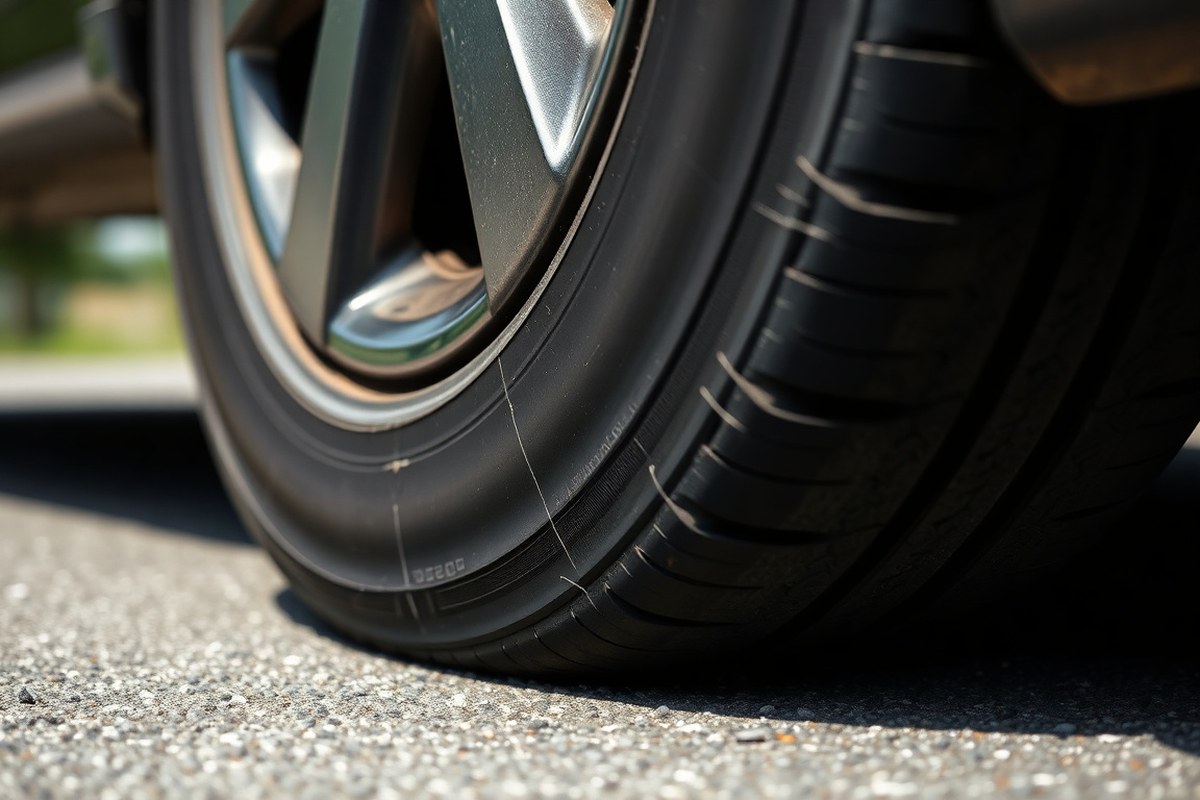
A flat tire usually looks visibly different from a properly inflated one. One clear sign is that the tire sits noticeably lower where it contacts the ground.
The sidewall may look pushed out or squished near the base. This bulge happens when air pressure is low or missing.
The tread on a flat tire looks uneven or squashed. It loses its normal round shape against the ground.
You might spot a puncture, cut, or tear on the tire surface or sidewall. A flat tire usually shows damage more clearly than a tire with just low air.
- Tire looks visibly lower or deflated on one corner
- Sidewall bulges or is pushed outward near ground contact
- Tread appears flattened or uneven against the road
- Visible punctures, nails, cuts, or tears on tread or sidewall
- Sidewall bubbles or blisters, indicating serious damage
- One tire looks noticeably different from others on the same vehicle
A tire that is simply low on air looks less extreme in these ways. It may appear slightly flatter, but not totally squished. The sidewall bulge is smaller or missing.
Low tires hold some shape and pressure. Flat tires lose most or all air. Check carefully for these signs before driving to avoid further damage.
2. Using Tire Pressure Gauges and TPMS to Confirm a Flat
How to Measure Tire Pressure Accurately
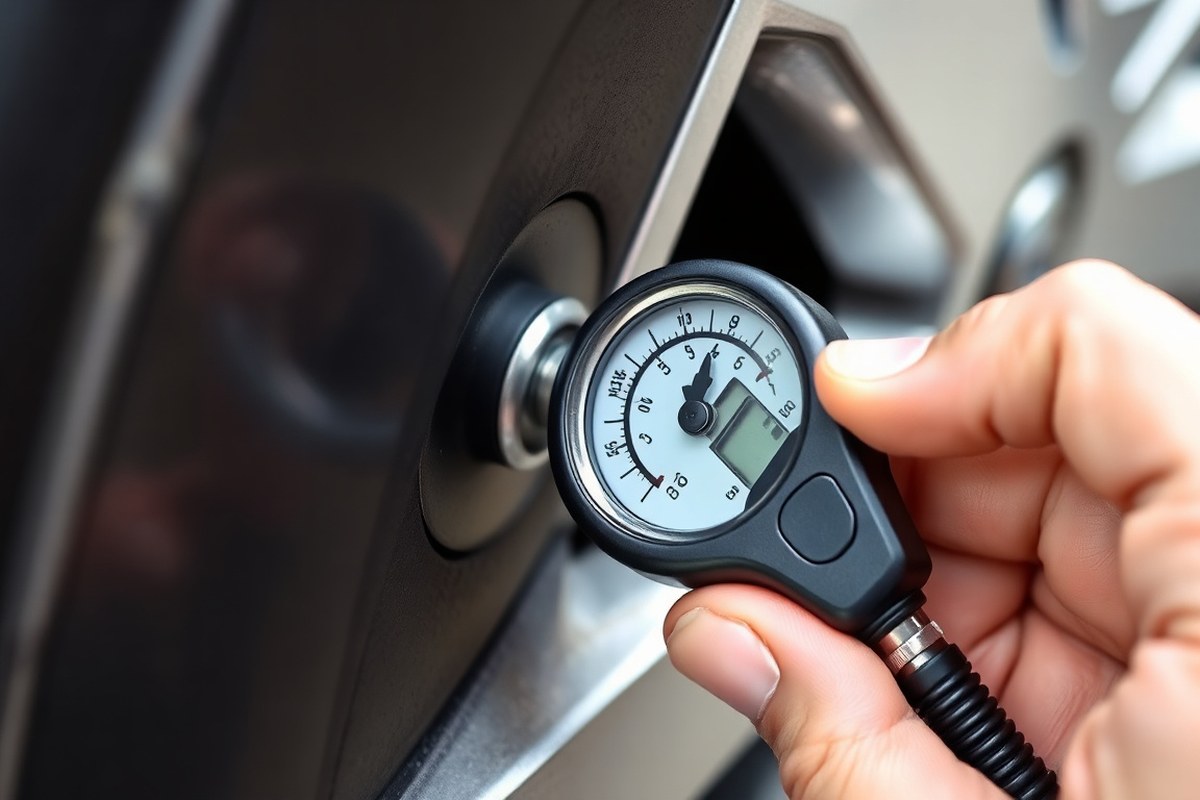
A tire pressure gauge is the best tool to check if your tire is flat. You check the air pressure inside the tire. Then compare it to the recommended psi.
The recommended psi is on your tire or car door. A tire is flat if pressure is less than half.
Half means below about 16 psi if normal is 32 psi. Low pressure makes your tire flat.
Here’s how to get a correct tire pressure reading:
- Take the tire pressure gauge with you to each tire you want to check.
- Press the gauge’s nozzle down firmly on the tire’s valve stem to get a seal.
- Hold it steady until the gauge needle or digital number stops moving.
- Read the pressure number from the gauge or digital screen.
- Compare that number to your tire’s recommended pressure.
- Repeat for every tire, including the spare if your car has one.
Check tires when they’re cold for the most accurate reading.
Understanding the TPMS Warning Light
The TPMS warning light shows on your dashboard. It means one or more tires have low air. This light alerts you to check your tires.
It turns on if a tire loses 25% or more of its air pressure. The light helps you catch low pressure early before you get a fully flat tire.
This light does not always mean the tire is completely flat. It could mean a slow leak, temperature changes, or even a sensor problem. You still need to use a gauge to confirm the tire’s exact pressure.
When the light turns on, stop safely soon. You should check your tires as quickly as possible.
Do not ignore this warning light. Low tire pressure can affect your car’s safety and fuel efficiency.
Interpreting Gauge and TPMS Results Together
Use your tire pressure gauge to confirm the TPMS warning light result. The gauge reads 0 psi or well below half. That means you have a flat tire.
You need to fix or replace it right away. The gauge shows a small drop in pressure.
The TPMS light may warn about slow leaks. Temperature changes can also cause small air loss.
When TPMS light is on but pressure seems normal, check again after driving. You might also have a sensor problem. Have a professional look at it.
Run-flat tires let you drive about 50 miles at 50 mph after a low pressure warning. But don’t ignore the light.
Always fill your tires if pressure is low. Watch both the gauge and the TPMS light. Keeping tires properly inflated helps your car perform better.
Pressure falls quickly again after filling. You may have a puncture or bead leak. Get it repaired promptly to avoid more damage.
3. How a Flat Tire Affects Driving Feel and Vehicle Handling
A flat tire changes how your car feels and handles on the road. You might notice the steering pulls to one side or feels heavier than usual. This happens because the tire loses pressure and can no longer support the vehicle evenly.
A flat tire causes more vibration. This shakes the steering wheel. It also makes the ride uncomfortable.
Sometimes a slow leak develops before the tire goes completely flat. You may feel a slight change in handling with less sharp steering response or subtle pulling. This happens when pressure drops 3 PSI or more overnight.
The tire might still look fine. But the slow leak can lead to unsafe control. Paying attention to these signs helps you catch the problem early.
- Steering becomes harder to turn or feels uneven
- Vehicle pulls to one side, not staying straight
- Noticeable vibration or shaking in the steering wheel
- Braking feels less stable or the car sways more
- Repeatedly adding air to the same tire
- Thumping noises or feedback from the wheel area
- Warning lights on the dashboard linked to tire pressure
A flat tire also impacts braking and stability. The tire can’t grip the road as well, which lengthens your stopping distance. It may make the car feel loose or unstable during turns.
This raises your chance of losing control, especially in wet or emergency braking situations. Driving on a flat risks bending the rim or further damaging the tire’s inside structure.
You can test how a potential flat feels by driving slowly in a safe area. When the steering feels heavy or uneven, stop immediately. Check your tires right away.
Also watch for vibration that won’t settle after driving a few minutes. Getting a professional look at the tire helps prevent bigger problems. Slow down when you notice a problem.
Pull off the road safely. This keeps you and others safe.
4. Differences Between a Flat Tire and a Deflated Tire
A tire is flat when its air pressure falls near zero. It may also look like it’s sagging a lot. This happens when the tire has very little air inside.
A tire sitting 5 to 15 PSI below the recommended pressure is usually underinflated. This means it’s not fully flat but needs more air.
Underinflated tires still affect driving. It still holds shape and can often be refilled with air to restore proper pressure.
Low air pressure alone poses risks. If a tire looks fine but has low PSI, it can still affect your steering. It can also make braking less safe.
Keep the tire pressure at the recommended level. Underinflated tires wear out faster because they heat up more.
This makes them more likely to blow out unexpectedly or go flat. Check your tire pressure often to avoid this.
Driving on a tire that’s truly flat causes more damage. The tire’s structure crumples without air, and the rim can scrape the road surface.
This damages the rim and often ruins the tire beyond repair. Avoid driving even a short distance when flat.
You can often tell the difference by checking the pressure with a gauge. A tire needing just air will show pressure that’s low but not near zero. A flat tire shows very low or no pressure on a gauge.
This proves air is leaking from a hole or puncture. The tire needs immediate repair or replacement.
Some tires, like Michelin Pilot Sport with a ZP (Zero Pressure) label, are run-flats. They can still operate safely with low or no air for a limited distance. Normal tires don’t have this and must be repaired quickly to avoid damage or accidents.
Monitoring tire pressure regularly helps detect underinflation before it turns into a flat. A tire pressure monitoring system (TPMS) light often signals when pressure drops dangerously low. Filling air promptly reduces hazards and extends tire life.
5. How to Identify Run-Flat Tires on Your Vehicle
To check if your tires are run-flat, look at the sidewalls. You need to find specific markings there. These markings tell you the tire type.
You can also confirm this by looking in your vehicle’s owner’s manual or calling your dealer. Run-flat tires let you keep driving for a limited distance even after losing air pressure.
Common Run-Flat Tire Markings and Codes
Run-flat tires usually have specific codes on their sidewalls. Run-flat tires have markings that prove reinforced sidewalls are present.
These sidewalls hold your car up even without air. This keeps the vehicle safe to drive.
Look for codes like “RFT,” “Run Flat,” “SSR,” “DSSR,” “ROF,” “EMT,” or “ZP.” They may be stamped near the tire size or on the shoulder area.
- Run Flat
- RFT (Run-Flat Tire)
- SSR (Self-Supporting Runflat)
- DSSR (Double Self-Supporting Runflat)
- ROF (Run On Flat)
- EMT (Extended Mobility Tire)
- ZP (Zero Pressure, used by Michelin)
Checking these marks is a quick way to spot run-flat tires yourself. Tires without these marks are usually standard and don’t handle flats the same way.
Checking the Owner’s Manual and Vehicle Specs
Your owner’s manual tells you if your factory tires are run-flat. The tire specification or “Emergency Information” section often includes this detail. It also notes any speed and distance limits for driving on a flat.
Some vehicles don’t come with a spare tire but with a repair kit instead. This can mean the car has run-flat tires designed to keep you moving after a puncture. Don’t find wheel specs in the manual?
Call your dealer or service center. They can confirm the right information for you.
Manufacturers like BMW frequently use run-flat tires as original equipment. Cross-checking your manual can save you from buying the wrong replacements.
Driving Limits and Safety on Run-Flat Tires
Run-flat tires let you drive up to 50 miles after losing air pressure. You must keep your speed below 50 mph during this time. This helps protect your rims and lets you reach a repair shop safely.
Driving on a deflated run-flat tire for longer or faster can cause damage. The reinforced sidewalls only support the vehicle temporarily. Promptly fixing or replacing the tire costs less than risking further damage.
Don’t ignore the max speed and mileage limits; driving beyond them risks wheel damage.
Knowing these limits keeps you safe and minimizes repair costs. Avoid driving long distances on a run-flat tire without air, even if it still feels okay.
6. Types of Tire Damage That Cause Flats and How to Spot Them
You can tell a tire is flat by the type of damage it has. Punctures, sidewall damage, and worn tread are common reasons. Each type looks different and raises your flat tire risk in different ways.
Punctures are holes in the tire, often from sharp objects like nails. You’ll sometimes see the object stuck or an obvious hole with air escaping.
Sidewall damage appears as bulges or cuts along the tire’s outer edge. Bulges mean the internal structure is weakened, which can cause sudden flats.
Worn tread might not cause an instant flat, but it greatly raises the chance. As the tread wears down, the tire loses much of its grip. This makes the tire more vulnerable to punctures and road debris.
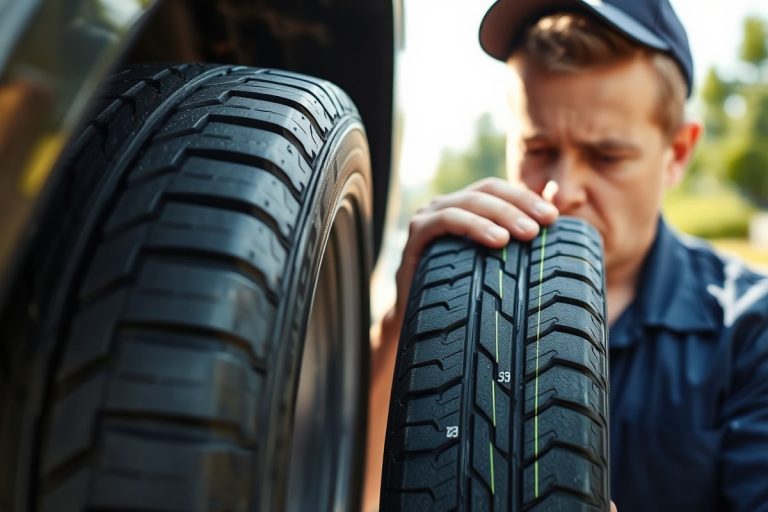
2 | You can tell the tread is too low when all of Lincoln’s head shows. Look for shallow tread depth or smooth patches, which means replacement is needed.
Here’s a simple table to help you spot the difference between common tire damage:
| Damage Type | What It Looks Like | Why It Matters |
|---|---|---|
| Puncture | Small hole or embedded object in tread | Causes air leaks, risk of sudden flat |
| Sidewall Bulge | Outward bubble or lump on tire sidewall | Signals weak tire structure, unsafe to drive |
| Cut | Visible slice or gash on sidewall or tread | Can lead to air loss and flat tire |
| Worn Tread | Tread depth below 2/32 inch, smooth spots | Higher puncture risk and less road grip |
Checking tread depth is easy. Use a penny and stick it upside down in the grooves.
If you see all of Lincoln’s head, the tread is too low. Replacing tires before they hit this level can prevent flats and improve safety.
Noticing sidewall bulges or cuts means you should replace the tire immediately. Driving on these damages can cause sudden tire failure.
Punctures in the tread might be repairable. But sidewall damage is not safe to fix.
7. When and How to Safely Drive on a Flat or Low Tire
You should avoid driving on a flat tire except in emergencies. Drive very slowly and only for a short distance when necessary. Run-flat tires give you some extra safety but still need caution.
Driving Limits on Run-Flat Tires
Run-flat tires let you drive up to 50 miles after a puncture. You must keep your speed below 50 mph. This limit prevents further tire damage and keeps you safer on the road.
Check your car’s manual for exact run-flat specs. Not all tires are run-flat.
So know your tire type before relying on this feature. Driving faster or farther risks damaging the tire and wheel.
Precautions for Low Pressure Before Repair
Avoid long trips if your tire pressure drops below half the recommended level. Fill the tire enough to hold air for 30 minutes or more.
Drive under 35 mph to reach a repair shop safely. This distance should be under 5 miles.
Drive slowly, avoid sharp turns, and keep your steering steady. Accelerate and brake gently to reduce stress on the tire. These steps help protect the tire, wheel rim, and suspension.
- Slow speeds under 35 mph
- Short distance under 5 miles
- Use a properly inflated spare if available
- Avoid sharp turns or sudden stops
- Watch for sounds or vibrations from the tire
- Check tire pressure again before driving
Taking these precautions lowers damage risk and helps maintain control. Drive only to the nearest service point for repair or replacement.
Knowing When to Stop Driving
Stop driving immediately if the tire can’t hold pressure for 30 minutes. Also, avoid driving on tires with visible damage or large cuts. Driving further risks ruining the wheel and braking system.
Switch to your spare tire or call roadside assistance. Running on a flat tire without support leads to costly repairs and unsafe handling. Never push beyond safe distance or speed just to reach a shop.
8. Common Mistakes in Diagnosing Flat Tires and How to Avoid Them
Many confuse a flat tire with just low tire pressure. Low air shows as a dim or slow loss on a gauge. But a flat means the tire is nearly or fully deflated.
This mistake leads to unnecessary panic or delayed action. Checking pressure with a gauge helps. Errors happen if the tire is warm.
Relying only on the TPMS light is risky. It might not show the right pressure.
TPMS alerts you when pressure drops, but the system doesn’t tell the exact pressure. A slow leak may keep the pressure above the TPMS trigger level. This keeps the warning off, yet the tire loses air steadily.
A cold drop of 4 to 5 PSI can trigger the TPMS. This can happen without a real leak.
The warning light does not always mean a problem. Always verify with a manual gauge after getting a TPMS alert.
- Use a quality tire pressure gauge to get accurate readings.
- Check pressure when tires are cold, before driving for the day.
- Look for cuts or nails that might cause slow leaks.
- Don’t assume a tire is scrap when it can be repaired safely.
- Keep a record of tire pressures to spot unusual changes over weeks.
You may think your tire needs replacing. But often it can be patched or plugged. Professionals can repair punctures in the tread area if they are smaller than 1/4 inch.
Sidewall damage usually means the tire needs replacement. Missing these details wastes money on new tires and ignores simple repairs.
Failing to notice gradual leaks only worsens tire damage and can cause unexpected flats. Check tires regularly; a small, almost invisible hole can cause slow deflation over days. You won’t feel this until the tire is dangerously low.
Catching a tire issue early saves money. You may only need a fill-up or patch. This cost is less than a full tire change.
Don’t rely solely on your car’s dashboard. Always cross-check tire pressure with a physical gauge.
9. Practical Steps to Take Immediately When You Suspect a Flat Tire
When you think you have a flat tire, your first move should be to slow down. Gradually reduce speed to keep control and avoid sudden jolts. Find a safe spot to pull over.
Choose a wide shoulder. An empty parking lot works well too.
Once stopped, keep your hazard lights on to warn other drivers. Avoid standing close to traffic, and only check the tire when it’s safe. Get a tire pressure gauge, jack, lug wrench, and spare tire.
Have these ready before you start. They help if you change the tire yourself.
Don’t have a spare or the right tools? Call roadside assistance.
Driving on a flat tire can damage your wheel and make your vehicle unsafe. Knowing when to call for help can save money and keep you safer on the road.
- Slow down safely. Ease off the gas to reduce speed without abrupt braking.
- Pull over to a safe spot. Use a flat, firm surface away from traffic for your own safety.
- Turn on your hazard lights. This alerts other drivers that you are stopped and need caution.
- Check the tire visually. Look for obvious flattening or damage like bulges or holes.
- Use a tire pressure gauge.Measure the tire’s air pressure. Compare it to your vehicle’s recommended psi. This number is usually on the driver’s door frame.
- Decide your next step based on tools and conditions.Have a spare, jack, and wrench? Get ready to change your tire. Confirm the spare’s pressure first. It should be fully inflated (around 60 psi for a compact spare).
- Call roadside assistance if unsure.Don’t have the tools or feel unsafe? Call for help. Don’t risk driving on a flat tire.
Step-by-Step Action Plan to Handle a Flat Tire
You should act fast as soon as you notice a flat tire. Staying safe and fixing it quickly is important. Follow these simple steps to do both right away.
- Immediately, Pull over safely to a flat, stable spot away from traffic.
- After that, switch on your hazard lights. This warns other drivers that your car has a problem.
- Within 5 minutes, Check your tire pressure with a gauge or look for obvious damage.
- When the tire shows damage or pressure drops, use your spare. Or call for roadside help to get safe assistance.
- Before driving off, Make sure the spare tire is fully inflated and properly installed.
- Same day, Visit a tire shop to repair or replace the damaged tire.
Frequently Asked Questions
How Do I Know If My Tire Is Losing Air Slowly?
Measure your tire pressure often using a pressure gauge at home. A drop of more than 3 PSI overnight means a slow leak may be present. This leak might not cause a flat tire right away.
Can a Tire Look Fine but Still Be Flat?
Yes, a tire may look okay but be below half its proper pressure. This can cause poor handling and damage, even if it’s not visibly flat.
What Should I Listen for to Spot a Flat Tire While Driving?
Listen for a thumping or flapping sound when driving. It often means a flat or severely low tire, requiring immediate inspection and repair.
Are All Run-Flat Tires Marked Clearly on the Sidewall?
No, run-flat tires sometimes have codes like RFT, SSR, or DSST on the sidewall. You can also check your vehicle’s tire size online to verify if it’s run-flat.
Is It Safe to Keep Driving on a Slightly Low Tire?
It’s usually safe to drive short distances with slightly low pressure. But top up air soon. Driving long on low tires can cause damage or blowouts.
Wrapping Up
You can tell a flat tire quickly using both sight and pressure checks. Acting fast keeps you safer and prevents more damage. Check your tires regularly to avoid surprises on the road.