Are Tire Plugs Permanent? What Really Works and When to Replace Your Tire
Are tire plugs permanent? Not really.
They act as a quick, temporary fix, lasting around three to six months at best. Plugs can seal small holes fast but won’t provide a long-term safe solution.
Plugs don’t restore the tire’s full strength. Driving on a plugged tire for too long risks slow leaks or sudden failure. It’s best to get a professional inspection and patch when possible.
Plug kits cost from $10 to $25 and handle small punctures only. They work on holes up to about a quarter inch wide. Larger or sidewall damage won’t stay sealed with plugs alone.
Keep an eye on your tire pressure after plugging. A slow leak can go unnoticed without regular checks. Proper repair or replacement is often the safest choice down the road.
Key Takeaways
- Tire plugs last about 3 to 6 months; plan for a better fix soon.
- Use plugs only on small punctures up to 6 millimeters wide.
- Check tire pressure often after plugging to catch slow leaks early.
- A professional patch plus plug lasts longer, near 12 to 18 months.
- Replace tires instead of plugging if holes are near each other.
- DIY plugs cost $10-$25 but are less reliable than professional repairs.
Are Tire Plugs a Permanent Fix?

Tire plugs are not a permanent fix. They fill the hole from the outside but don’t seal the tire’s inner liner. This means air can slowly leak through over time.
Because plugs don’t create an airtight barrier, they only offer a temporary repair. They help you get safely to a shop but shouldn’t be the final solution. A proper permanent fix involves sealing the inner liner.
A lasting repair means taking the tire off and patching inside it. The patch covers the inner liner and the damage channel. This method keeps air in more securely and outlasts just a plug.
Plugs alone work best for small tread punctures 3/16 inch or less. Bigger holes or sidewall damage can’t be safely sealed by plugs. Tire manufacturers and professional shops don’t approve plugs as permanent repairs.
You can buy a tire plug kit for $10 to $25 and use it quickly roadside. But this method doesn’t lock out moisture or maintain air pressure for the tire’s full life. Over time, the plug may loosen or air may seep.
To make a repair safe and lasting, a patch or a patch/plug combo is necessary. While plugs are helpful in emergencies, plan to visit a professional for a lasting fix. Otherwise, you risk blowouts or tire failure from incomplete sealing.
How Do Tire Plugs and Patches Differ?
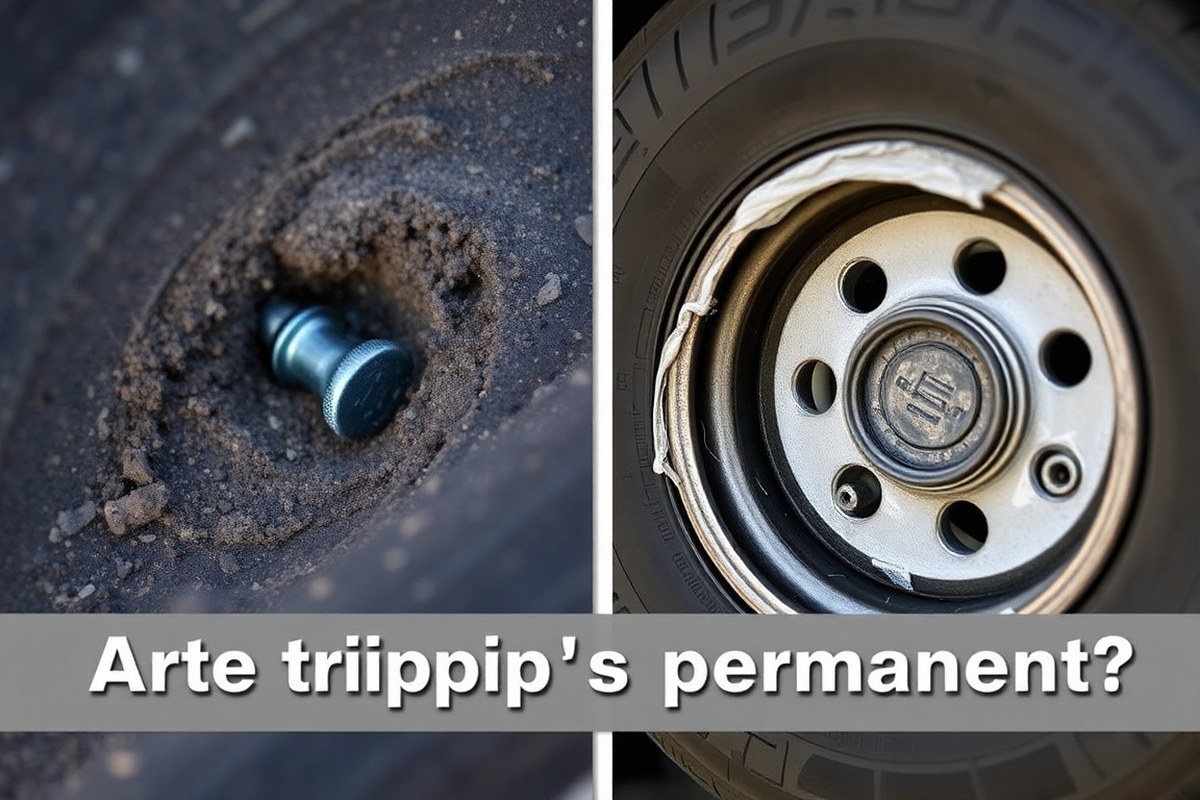
Tire plugs and patches repair punctures differently. A plug is a rubber piece pushed into the hole from outside the tire.
It does not require removing the tire from the wheel. A patch, placed on the tire’s inside, needs the tire off the rim for installation.
Plugs seal the puncture channel but only temporarily. Patches cover and seal the damaged inner liner, stopping air leaks better. Professionals often combine a plug and patch for a stronger, longer-lasting fix.
| Repair Type | Installation Method | Sealing Capability | Durability | Typical Cost | Use Cases |
|---|---|---|---|---|---|
| Tire Plug | Inserted from outside, tire remains on wheel | Seals puncture channel externally | Temporary, 3, 6 months | Low, DIY kits under $20 | Emergency or quick fix on short trips |
| Tire Patch | Applied inside after tire removal | Seals innerliner fully | Longer-lasting, months to years | Moderate, $15, 40 professionally | Permanent repair for appropriate punctures |
| Plug + Patch Combo | Tire off wheel, both inside and plug filled | Dual sealing; channel and innerliner | Most durable; lasts tire’s remaining life | Higher, £30, £60 or $40, 80 | Permanent fix recommended by pros |
Removing the tire from the wheel is essential for patches and plug-patch combos. The tire off the rim lets technicians inspect and repair the damage safely. This process prevents hidden damage and gives a more secure and reliable seal.
Plug-only repairs may seem convenient, but they don’t seal the innerliner. This leaves the tire prone to leaks and possible failure. Professionals treat plugs as temporary stops until you get a proper patch or replacement.
Always have your punctured tire removed and inspected before a permanent repair.
Which Tire Punctures Can Safely Be Plugged?
Acceptable Puncture Locations
Tire plugs work only for punctures found in the tread area. This is the middle part of the tire where the rubber is thickest. Punctures at the sidewall or shoulder are unsafe to plug.
These areas flex a lot. This flexing can cause plug failure.
Sidewall and shoulder damage often lead to blowouts. Repair rules from the Tire Industry Association and the U.S. Tire Manufacturers Association say don’t plug these places. Damage at the shoulder or belt edge means you must replace the tire.
Maximum Puncture Size for Plugs
The hole should be no larger than ¼ inch, about 6 millimeters, to plug safely. This size fits the plug material and prevents leaks. Any puncture larger than this can’t be reliably sealed with a plug.
Small punctures, usually from nails or screws, fit within this size limit. A hole bigger than 6 mm usually means the tire structure is too damaged. That calls for a patch-patch combo or tire replacement.
Multiple Punctures and Spacing
You can plug more than one puncture if they are spaced far enough apart. The safe distance is about 16 inches between repairs. Closer punctures weaken the tire and the repair zone.
Punctures too near each other make the tire less safe to drive on. Multiple plugs in a small area raise the risk of air leaks and tire failure. Tires with many close punctures usually need replacing.
Condition of the Tire
The tire must be in good shape besides the puncture. Check for any sidewall cracks, tread wear, or internal damage. Tires with casing separation or impact damage are unsafe to repair with plugs.
Also, the tire should not be severely underinflated before repair. Low pressure weakens the rubber and may cause the plug to fail under driving stress. A healthy tire keeps the plug working longer.
Decision Guide for Repair Options
| Factor | Repairable (Plug Allowed) | Not Repairable (Plug Not Allowed) |
|---|---|---|
| Puncture Location | Within tread area (center of the tire) | Sidewall or shoulder damage |
| Puncture Size | Up to ¼ inch (6 mm) | Above ¼ inch (6 mm) |
| Puncture Quantity & Spacing | Single or spaced >16 inches apart | Multiple punctures <16 inches apart |
| Tire Condition | Good overall, no sidewall or internal damage | Damaged casing, excessive wear, or impact harm |
How Long Can Tire Plugs Last Under Real Driving Conditions?
Tire plugs can last anywhere from a few months to over a year. City driving at steady speeds helps a plug last longer. Check tire pressure often.
This can extend a plug’s life to 6 to 12 months. Driving on highways or towing heavy loads shortens plug life.
Heat and flex cause stress on the plug. This usually limits its life to 1 to 4 months.
Driving conditions matter a lot. A plug used for city driving might last 18 to 24 months. Keep the tire pressure correct.
Avoid driving on rough roads to help it last. Driving on highways at 60 to 70 mph causes fast wear.
Vibration and heat buildup are the main causes. Expect a plug to last only 1 to 3 months here.
Common mistakes reduce plug life. A poor-quality plug or one installed in a large or oddly shaped puncture often fails quickly. Also, plugs near tire sidewalls or close to previous repairs increase blowout risks and shorten durability.
Driving in mixed conditions around 40 mph affects plug life. A good-quality plug must be installed in the tread area. This setup helps the plug last better.
You might see 4 to 6 months of safe driving before needing another check. During that time, check air pressure weekly and inspect the plug and tread for damage.
Multiple plugs can be used on one tire if spaced properly and placed within the tread. Avoid plugging the same tire more than once without professional advice. Damage builds up, weakening the tire and reducing the plug’s effectiveness.
A long-lasting plug needs a proper repair in the right place. Careful driving also keeps the plug working longer. Both are key to a durable fix.
Avoid sharp turns, high speeds, or heavy loads. For peace of mind, consider a plug-and-patch combo. It costs more but usually lasts 12 to 18 months under most driving conditions.
What Does a Proper Tire Plug Repair Involve?
Proper tire plug repair means a few steps. First, clean and enlarge the puncture. Then, insert the plug correctly.
Finally, inspect the fix closely. You need a reamer tool and a plug insertion tool. Also get a tire pressure gauge.
A tire iron or jack helps you access the tire safely. Following these steps helps the repair seal air tightly and last longer under driving conditions.
Reaming the Puncture Channel
Start by cleaning the hole with a reamer. The reamer looks like a rough or spiral rasp. Use it to prepare the puncture hole.
The reamer scrapes and widens the hole inside the tire. This creates space for the plug’s rubber strip. It makes the channel ready for the plug.
This step removes debris and shapes the hole well. A snug fit stops slow leaks. Proper shaping helps the plug hold tight.
Use steady pressure and twist the reamer back and forth. Do this for 3 to 5 seconds each turn. Repeat several times until the hole is ready.
Avoid twisting unevenly, which could enlarge the hole irregularly and weaken the repair. Keep a rag to wipe rubber shavings away.
Use a flashlight to check inside the hole if you can. This helps spot leftover debris or damage.
Inserting the Plug Correctly
Thread the rubber plug onto the insertion tool. Leave about half an inch sticking out past the eyelet. This length helps push the plug fully in.
Push the tool and plug firmly into the puncture hole. Don’t force it past resistance but apply enough pressure so the plug snugly fills the channel.
Push the plug completely into the hole. Then pull the insertion tool straight back out. Leave the rubber strip inside the tire.
The plug should remain in place, with a bit sticking outside the tire tread. This extra length helps seal the hole.
But trim it later flush with the tire surface if needed. Using plug kits priced $10 to $20 usually gives you everything needed for these steps.
Inspecting and Testing Inflation
Inflate the tire to the recommended pressure. Check the tire sidewall or car door jamb for the right number. Use a tire gauge to do this.
Use a pressure gauge to confirm the air level is accurate and steady. Watch the tire for air loss over a few minutes.
Early leaks can mean the plug is not sealing well. Check again if you see any drop in pressure.
Checking both outside and inside surfaces is ideal. But inside inspection requires removing the tire from the rim. This step uncovers hidden damage or internal separation.
The tire likely lasts if it holds pressure well. Also check for dry rot or cracks around the plug. These signs mean the repair is still good.
Always avoid driving far or fast before confirming the plug holds air well. Rechecking after 24 hours is wise.
When Is a Plug-Patch Combination or Replacement Necessary?
Tire repairs need to match the damage to be safe and long-lasting. A plug alone is usually fine for small punctures up to a quarter inch (6 mm). Bigger or oddly shaped holes need a plug plus a patch.
The patch goes inside and seals better. This combo holds up stronger over time.
For the plug-patch method, take the tire off the rim first. Clean the damaged spot and put a patch inside. Then insert the plug from the outside.
This method seals the hole fully and prevents water or air leaks. Professionals recommend this for nail or screw punctures that go through both tread and inner layers.
Some damages mean you can’t repair the tire safely. Sidewall punctures or cuts are one example. Driving even a short time on a flat can damage the tire.
It can ruin the sidewall or internal cords. After that, you’ll need to replace the tire.
| Damage Type | Repair Method | Notes |
|---|---|---|
| Small puncture (≤ 6 mm) | Plug or plug-patch combo | Plug alone lasts 3-6 months; combo lasts 12-18 months |
| Large or irregular puncture | Plug-patch combo | Stronger seal for unusual hole shapes |
| Sidewall damage | Replacement | Sidewalls can’t be safely repaired |
| Multiple punctures close together | Replacement | Repair integrity compromised |
| Internal structural or tread damage | Replacement | Unsafe to patch or plug |
Generally, plugging is a quick fix but patching inside plus plugging extends tire life longer. A proper repair costs about $20 to $40 and takes around 30 minutes at a shop.
Ignoring the right technique risks leaks and blowouts, which can lead to accidents. Remember, tires with sidewall damage or too many close punctures should be replaced rather than repaired.
How to Tell If Your Tire Plug Is Still Safe to Use
Check your plugged tire for air loss regularly, at least once a week. Use a tire pressure gauge to compare to the recommended pressure on your door jamb. Any steady drop signals the plug may be failing or the puncture worsened.
Look closely at the plug and the surrounding tread for cracks, cuts, or bulges. Uneven wear or visible damage means the tire needs professional inspection or replacement. Avoid reusing a plugged tire if you spot any such signs.
Right after plugging a tire, drive slowly for a short distance and listen for hissing sounds. Pull over and recheck pressure with a gauge. When air leaks or the tire feels soft, avoid highway speeds.
Plugged tires handle slow city driving better than highway speeds. High speeds place more strain on the plug and tire, increasing failure risk. For highway driving, a professionally patched tire or replacement is safer.
Never repair a tire from the outside or plug a puncture on the sidewall or shoulder. These areas do not hold plugs well. After plugging the shoulder to reach home, use the tire only for slow driving.
Routine safety checks matter. Check tire pressure weekly, inspect the plug and tread visually, and confirm no bulges or cracks.
Driving on a plugged tire without issues for several months may seem okay. But a plug is not a permanent fix.
When the plugged tire leaks air, has tread damage, or you will drive fast often, get it checked. Professional shops often use a patch and plug combo to seal the inner tire surface properly. This approach costs $25 to $50 depending on location and restores better safety.
Using a plugged tire repeatedly risks sudden air loss or blowouts, especially at high speeds. The safest course is to replace a plugged tire or get a professional internal patch. The Tire Manufacturers Association and NHTSA agree these offer the only fully safe, permanent repairs.
DIY Tire Plug Kits vs Professional Repairs: Pros and Cons
DIY tire plug kits usually cost between $10 and $20 for a basic set. Professional repairs are more expensive, ranging from $20 to $50 per tire.
Choosing a professional service helps avoid damage to the tire. This reduces risks of costly replacements from $150 to $400 or more.
DIY kits are easy to use and save time. But they don’t last as long as professional repairs. Many drivers struggle with getting the plug deep enough or cleaning the hole properly.
Professionals clean and check the tire carefully inside and out. They patch it properly for a stronger seal.
Durability varies greatly between the two methods. A professional repair often combines patch and plug techniques, creating a stronger, more permanent fix.
A DIY plug alone can fail under heavy driving conditions or if it wasn’t installed correctly. Your tire’s safety depends on the quality of the repair and how the repair is done.
| Factor | DIY Plug Kit | Professional Repair |
|---|---|---|
| Cost | $10, $20 per kit | $20, $50 per tire |
| Reliability | Lower, risks leaking or losing plug | Higher, industry-standard procedures |
| Ease of Use | Simple but requires care and some skill | Handled by technicians, no effort for you |
| Durability | Short to medium term, varies by skill | Long-lasting with patch-plug combo |
DIY kits make you find the hole and pull out the object. Then, you must clean and tightly plug the hole.
Your success depends on following the steps and using the tools correctly. Professionals remove the tire, patch the inside, and then add the plug, ensuring a thorough repair.
A DIY fix costs less at first. But it often means a later visit to a professional.
Screwing up the plug can cause leaks, tire imbalance, or unsafe conditions while driving. Professionals have the equipment and experience to reduce these risks and extend tire life.
Always make sure the plug covers only proper puncture areas. Sidewall plugs aren’t safe and need pro evaluation.
Common Tire Plug Mistakes and How to Avoid Them
Tire plug mistakes often cause failures like air leaks and quick wear. Most problems come from not preparing the tire right. Using the wrong plug size causes issues too.
Also, ignoring damage limits or missing pressure checks can cause trouble. Fixing these avoids unsafe situations and keeps your tire lasting longer after repair.
Not Reaming the Hole Properly
Using the reamer tool incorrectly means the plug won’t stick well. The hole needs roughening and cleaning to remove debris and widen it just enough. Skipping this step leads to a poor seal and possible air loss on the road.
Rushing the reaming can damage the tire or leave residue inside the hole. Take time, twist gradually, and make the hole uniform for the plug to grip. Practicing with the kit on an old tire helps build this skill before roadside use.
Using Plugs Too Large or Too Small
A plug too small can’t fill the hole fully and lets air escape. Too large can tear the puncture or stretch the tire rubber unnaturally. Both increase risk of quick failure or blowouts during driving.
Use a plug size that matches the hole’s diameter. Small nails need thinner plugs. Big screws call for thicker plugs.
Check the kit instructions or consult a pro to find the right fit. Using the right size gives better grip and a durable seal.
Ignoring Puncture Location or Size Limits
Plugs only fix small, straight holes in the tread. They don’t work on sidewalls. Also, avoid plugging tire shoulders.
These locations flex too much, and damage there grows larger fast. Plugging such spots can cause sudden tire failure at highway speeds.
Also, holes larger than about 1/4 inch (6 mm) usually need patches, not just plugs. Do not plug cuts, tears, or multiple punctures close together. When unsure, have a mechanic inspect your tire to avoid unsafe repairs.
Failing to Check Tire Pressure After Plugging
Ignoring pressure checks means you may miss early leaks and false security. After plugging, check tire pressure every day for one week. Then check weekly for a month.
After that, check monthly. Monitoring detects slow leaks before they become dangerous.
Pressure dropping fast or often means the plug failed. You should get professional repair or replace the tire.
Treat plugs as temporary fixes only. Don’t drive long distances or fast speeds until the tire is fixed properly.
Step-by-Step Action Plan for Safe Tire Plug Use
Follow these steps to fix your tire safely and keep driving with confidence.
- Before you start: Inspect the puncture carefully. Make sure it’s a small hole in the tread, not the sidewall.
- Day 1: Clean the puncture area by removing any debris. This improves plug adhesion and sealing.
- Day 1: Use a proper tire plug kit or visit a shop. A professional repair gives the best chance of a lasting fix.
- After repair: Check for leaks by applying soapy water on the repair. No bubbles means the plug is holding air.
- Week 1: Monitor tire pressure daily. Steady pressure means the repair is still good.
- Month 1: Inspect the plug area for visible damage or movement. Stop driving if you notice any signs of failure.
- Every 3 months: Have your tire checked by a professional. They can spot problems you might miss.
Frequently Asked Questions
Are Tire Plugs a Permanent Fix?
Tire plugs are not permanent fixes. They stop leaks temporarily by filling the hole from outside. For permanent repair, a plug-patch combo installed from inside the tire is needed.
How Long Will a Tire Plug Last?
A tire plug might last a day or several months. It depends on the plug quality, puncture size, and driving conditions. Good installation can help plugs hold longer.
How Long Can You Drive on a Tire That Has a Plug?
You can drive until the tread wears out if the plug holds well. But plugs can fail anytime, so monitor pressure often. Replace or repair properly at the first sign of trouble.
Can I Use a Tire Plug Permanently?
No, plugs alone shouldn’t be permanent. The Tire Manufacturers Association does not approve plugs alone as safe, permanent repairs. A plug-patch combo or tire replacement is safer long-term.
What Is the Average Cost of Plugging a Tire?
A DIY tire plug kit costs between $10 and $25. Professional repairs might cost more but follow safer, industry-standard methods. Always consider cost versus safety when fixing tires.
The Bottom Line
Tire plugs can be a reliable temporary or medium-term fix. But not always a permanent one.
Always inspect your tire after a plug repair and watch tire pressure closely. Getting a professional check or replacement when needed keeps you safe on the road.