What Problems Can a Loose Gas Cap Cause? Complete Guide to Symptoms and Fixes
What problems can a loose gas cap cause? It can trigger your check engine light and waste fuel.
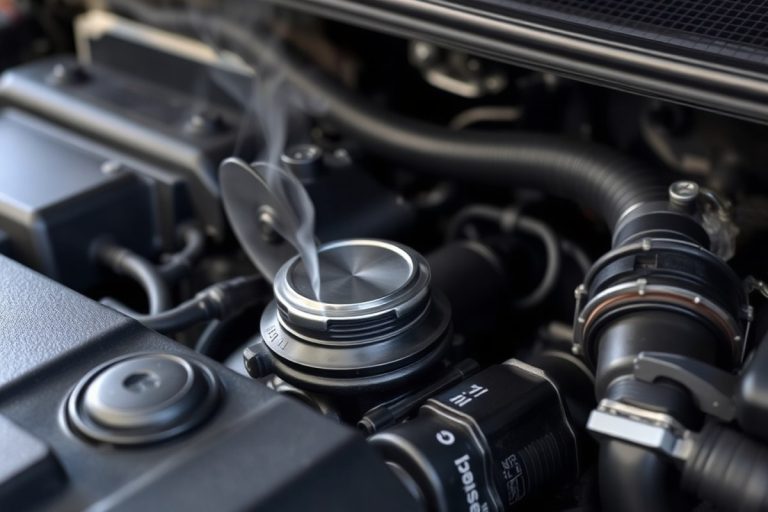
A loose gas cap lets gas vapors escape, which affects your vehicle’s emissions system. These vapors are part of the evaporative emissions control system, designed to keep harmful gases from leaking into the air.
This escape often causes EVAP leak codes such as P0442 or P0455. Fixing or replacing the gas cap usually resolves these issues quickly. You should check your gas cap first if the check engine light comes on, especially after refueling.
A loose gas cap can also cause engine rough idling or even stalling. These happen because the fuel system is not sealed properly, which can alter fuel pressure. Tightening or swapping the gas cap helps restore proper engine performance and prevents these drivability problems.
Key Takeaways
- Check your gas cap for tightness after every fill-up.
- Replace faulty gas caps every 2 to 3 years or about 50,000 miles.
- A loose gas cap can waste up to 30 gallons of gas annually.
- Tighten the gas cap until you hear two clicks for a proper seal.
- Watch for check engine codes like P0442, P0455, or P0456.
- Replacing the gas cap usually costs under $10 and takes less than 20 minutes.
What Problems Does a Loose Gas Cap Cause in Your Vehicle?
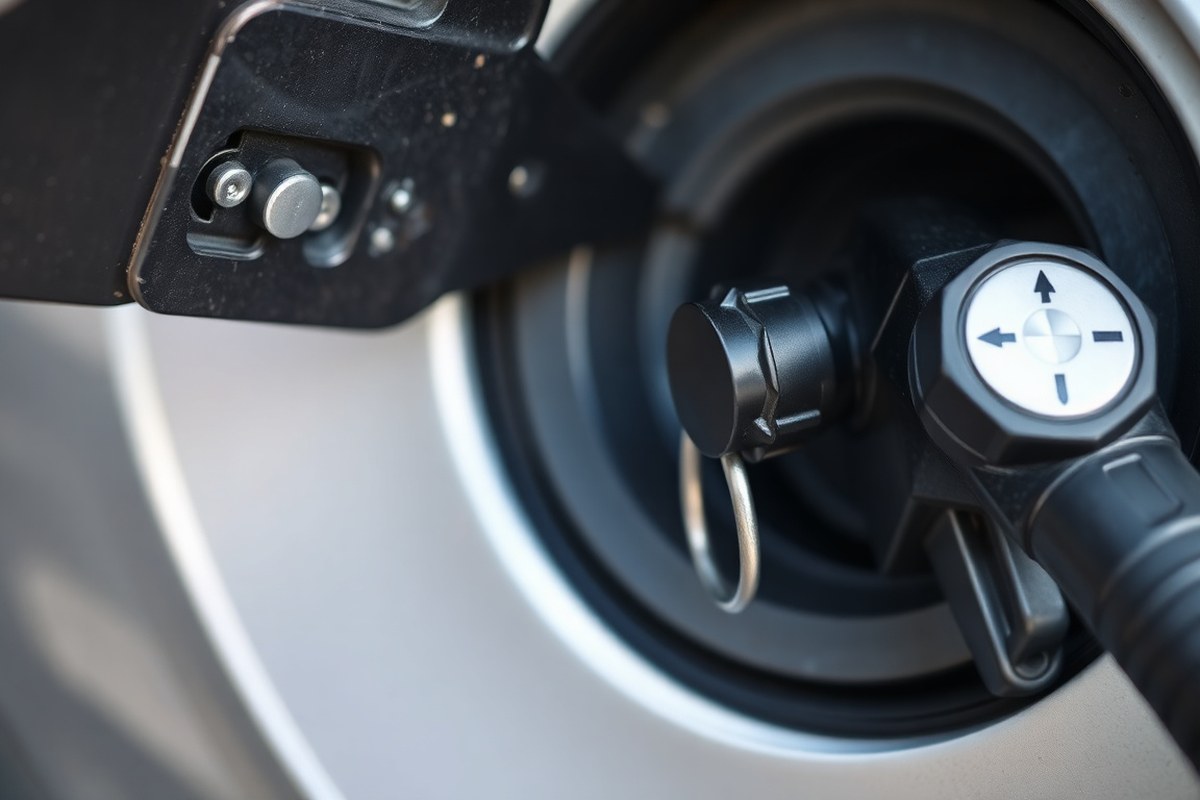
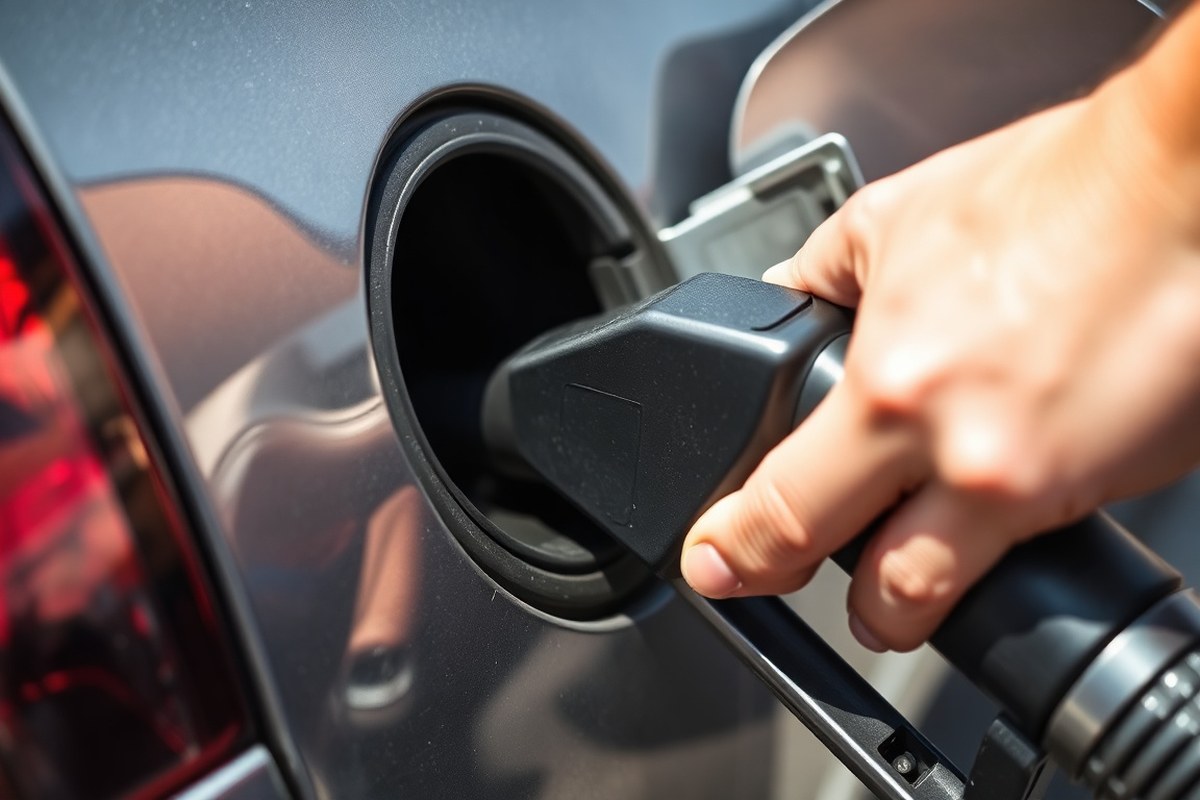
A loose gas cap can lead to fuel loss by allowing gasoline vapors to escape. These vapors are part of your fuel system’s sealed environment. Losing these vapors reduces your car’s fuel efficiency and wastes gas.
The check engine light might come on. A loose gas cap lets air inside the fuel tank. This causes the warning light to appear.
A loose gas cap changes the fuel tank pressure. Sensors detect this change as a leak.
This triggers the check engine light. The light usually appears soon after refueling if the cap isn’t sealed properly.
When vapors escape from the fuel system, your vehicle can fail emissions tests. Escaping gasoline vapors increase evaporative emissions, which contribute to air pollution.
Some regions require strict tests. A loose gas cap often leads to automatic failure.
Drivability problems can also happen with a loose gas cap. The disrupted pressure balance can cause rough idling or even engine stalling in some cases. Dirt and moisture might enter the tank, leading to engine misfires or poor performance.
Fuel vapors escape when the gas cap is loose. These vapors cause a bad fuel smell. You’ll notice the smell around your car.
A strong fuel smell can warn you of a problem. It might also cause a small safety risk.
Don’t ignore these fuel odors. It means gasoline vapors are leaking instead of being contained.
Why Does a Loose Gas Cap Trigger the Check Engine Light?
The EVAP system keeps fuel vapors from escaping your gas tank. It seals the system and checks for leaks by creating pressure. A loose gas cap breaks that seal, letting vapors leak and triggering trouble codes.
The gas cap’s rubber seal is the key to holding pressure in the fuel tank. When the seal breaks or the cap is loose, vapors leak out. The EVAP system notices a pressure drop inside the fuel tank.
It sees this as a leak. Then it turns on the check engine light.
Common EVAP trouble codes linked to a loose gas cap include P0440, P0442, P0455, and P0456. These codes point to a small or large leak in the system. Carmakers may also use manufacturer-specific codes to show similar leaks caused by gas cap issues.
After tightening your gas cap, the check engine light may take some time to reset. Most vehicles need three to five driving cycles, or about a few days of normal use.
The light might stay on if the gas cap hurts. You may need a new gas cap.
A damaged or faulty gas cap won’t seal properly even when tightened. It can cause the same EVAP codes and keep the check engine light on. Buying a new gas cap from your car’s make and model usually solves this problem.
Look for cracks or damage on your gas cap. This matters if the check engine light stays on. Tightening it may not fix the problem.
How to Identify If Your Gas Cap Is Loose, Damaged, or Faulty
Check your gas cap’s fit first. See if the seal looks damaged or loose. This helps you know if the cap is faulty.
Look closely for cracks and dirt that might stop it from sealing right. Small tests can show if the cap is working properly or needs replacement.
Check for Looseness and Proper Clicking
The gas cap should fit snugly and click when tightened. A loose cap won’t catch the sealing threads fully. That can let fuel vapors escape and cause a check engine light.
Try turning the gas cap clockwise until you hear one or two clicks. That clicking sound means the cap is sealed correctly.
It spins without a click. That usually means it’s loose or worn out.
Inspect the Rubber Seal for Cracks or Deformation
Look closely at the rubber ring on the inside of the cap. It should be supple and smooth without cracks or gouges. A worn or damaged seal lets air and vapors leak from the tank.
Press the seal gently to check for deformation or hardness. Dirty or dried-out seals lose flexibility and don’t form a tight seal. Dirt or moisture can also cause the seal to deteriorate over time.
Examine Gas Tank Filler Neck for Dirt or Damage
Check the filler neck where the gas cap screws on. Dirt, rust, or dents can block a proper seal. A heavily damaged neck should be inspected by a mechanic.
Wipe the filler neck clean before replacing the cap. Dirt or debris on the sealing surface can keep the cap from shutting securely. This lets fuel vapors leak and can cause engine troubles.
- Remove the gas cap after fueling your car.
- Turn the cap clockwise to check if it clicks once or twice.
- Look closely at the rubber seal on the cap’s inner side.
- Press and feel the seal for cracks, hardness, or irregular shapes.
- Inspect the gas tank filler neck for rust, dents, or dirt buildup.
- Clean the filler neck with a soft cloth if dirty or dusty.
- Replace the gas cap if it won’t tighten properly. Do this if the seal is broken or it feels loose after clicking.
Can a Loose Gas Cap Cause Engine Performance Issues Like Rough Idling or Stalling?
A loose gas cap can upset the fuel system pressure. This pressure keeps fuel flowing properly to the engine. When it drops, your engine may idle roughly or misfire.
Rough idling feels like the engine is shaking or running unevenly. Misfires happen when fuel and air don’t ignite well. A loose cap breaks the system’s vacuum seal, affecting fuel delivery and causing these issues.
Stalling can also occur, especially if the pressure imbalance gets worse. But a loose gas cap usually won’t stop your car from starting. Problems are more about how smoothly the engine runs once it’s on.
Fixing these issues is simple. Tighten the gas cap until you hear it click. Your cap might be cracked or not sealing well.
Replace it for about $10 to $20. After that, the pressure system returns to normal, and engine performance improves.
Sometimes the engine idles rough after tightening the cap. This could mean the fuel system has other problems.
A mechanic can check for leaks or damaged parts. It helps avoid costly repairs and keeps your car running steady.
Step-By-Step Guide to Properly Tightening and Replacing a Gas Cap
Properly tightening your gas cap means turning it until you hear clicks. The cap needs replacing when it won’t click or feels loose. Using the right type of gas cap helps keep your car safe and running smoothly.
How to Tighten the Gas Cap Correctly
Tighten your gas cap by turning it clockwise until it clicks. Most gas caps click two or three times to confirm a secure fit. Avoid over-tightening since it can damage the seal or threads.
Here are the precise steps to tighten your gas cap:
- Open your fuel door fully to access the gas cap.
- Place the gas cap onto the fuel neck and turn clockwise gently.
- Listen for the first click to ensure the cap has sealed.
- Continue turning until you hear a total of two or three clicks.
- Stop turning as soon as the final click happens. The cap is secure.
- Close the fuel door securely.
Never force the cap beyond the final click; it’s a sign of proper seal.
When and How to Replace the Gas Cap
Replace your gas cap if it doesn’t tighten properly or you don’t hear clicking. Check for cracked plastic, worn seals, or a ratcheting mechanism that fails to hold. Damage or poor fit causes fuel leakage and check engine lights.
When replacing, get a cap made for your vehicle or a universal fit. A typical gas cap costs under $10. Replacing it is usually a simple DIY task that takes less than five minutes.
Replace the gas cap every 2 to 3 years if you drive long distances regularly.
Choosing the Right Gas Cap Type for Your Vehicle
Gas caps come in plastic, aluminum, stainless steel, and carbon fiber versions. Plastic caps are common and affordable, while metal caps offer added durability.
Stainless steel lasts longer but costs more. Carbon fiber is very strong but pricey.
Universal gas caps often work but must match your fuel system specs. Old cars may suit metal caps better.
But check if the seal is in good shape. Always pick a cap designed or approved for your vehicle to avoid leaks or warning lights.
| Cap Type | Material | Durability | Compatibility | Typical Cost |
|---|---|---|---|---|
| Standard | Plastic | Moderate | Vehicle-specific | $5, $10 |
| Metal | Aluminum or Steel | High | Vehicle-specific or Universal | $10, $20 |
| Premium | Stainless Steel or Carbon Fiber | Very High | Universal (check fit) | $20, $50+ |
How to Safely Drive and What Risks Exist with a Loose Gas Cap
You can drive with a loose gas cap. But it’s best to fix it soon. A loose cap lets fuel vapors escape, which can harm the environment.
This leakage can make your car use more gas. It lowers your miles per gallon too.
The fuel system watches for vapor leaks. When the gas cap isn’t sealed, the car’s computer sees a problem.
It then turns on the check engine light to warn you. That light doesn’t mean you need to stop immediately, but you shouldn’t ignore it.
Keep an eye out for fuel smells near your car. Notice if the cap looks damaged or won’t tighten properly. Driving a short distance to fix this won’t usually cause engine damage.
Driving with this problem for a long time can cause damage. It may stress other emission system parts.
Tighten the gas cap by turning it clockwise until it clicks at least three times. Some caps click fewer or more times. So check yours by trying to turn further once it clicks.
Check the gas cap tightness. Replace it if it still feels loose.
A new gas cap costs between $10 and $25. It screws on just like the old cap.
Tightening the cap might not fix the check engine light. It could mean a bigger problem if it stays on for days. Your system could have a leak somewhere else, or the gas cap sensor might be faulty.
In that case, visit a mechanic. They can use a diagnostic tool to read codes and find the exact problem.
Until you fix the gas cap issue, avoid parking in hot sun. Heat raises fuel pressure and can make vapor leaks worse.
Also, avoid topping off your tank, stop at the first click of the pump nozzle. Overfilling can push fuel into the vent system and cause more trouble.
Common Mistakes When Dealing with a Loose Gas Cap and How to Avoid Them
People often make simple mistakes when dealing with a loose gas cap. One common error is over-tightening, which may damage the cap’s seal or threads. To fix this, tighten the cap until you hear two or three clicks, then stop.
Cross-threading the gas cap is another frequent problem. This happens when you force the cap on at the wrong angle.
You may feel resistance. Unscrew and try again carefully to avoid damage.
Ignoring dirt or debris on the seal can cause leaks and trigger a check engine light. Always wipe the gas cap with a clean cloth. Wipe the fill neck too.
Then close the cap. Dirt can prevent a good seal and allow fuel vapors to escape.
- Don’t tighten the gas cap beyond 2-3 clicks to prevent seal damage.
- Align the gas cap properly to avoid cross-threading.
- Clean dirt or debris from the cap’s seal and filler neck.
- Replace the gas cap if the rubber seal looks cracked or worn.
- Check EVAP system codes if the check engine light remains after cap replacement.
- Confirm other EVAP components aren’t leaking by using a scan tool or professional diagnosis.
- Use the correct gas cap model for your vehicle to ensure proper sealing.
Sometimes, a faulty gas cap isn’t the whole problem. Your check engine light may stay on after replacing the gas cap.
The EVAP system might have other leaks. These could include faulty hoses, valves, or the charcoal canister.
A code reader or mechanic can help identify if other parts cause the EVAP leak. They do a smoke test to find leaks beyond the gas cap. This means replacing the gas cap alone might not fix your car if other parts fail.
How Mechanics Diagnose and Repair Loose Gas Cap Related Issues
Technicians start by reading the vehicle’s diagnostic trouble codes with a scan tool. They look for EVAP system codes, which often point to gas cap leaks though not always. The scan tool shows fuel system pressure data.
It helps find if the problem is the gas cap or something else. This saves time diagnosing fuel system issues.
Next, the mechanic inspects the gas cap for physical damage like cracked threads or worn seals. They then check if the cap tightens properly and creates a firm seal. Leaks often happen when the gas cap doesn’t click tightly.
Sometimes, the gas cap shows visible damage. Both can cause fuel system problems.
The technician replaces the gas cap with one made for your vehicle. This ensures proper fit and seals the system correctly.
Gas caps usually cost between $10 and $30 at auto parts stores. Most replacements take less than 15 minutes when done by a professional.
After installation, the technician clears the trouble codes using the scan tool. After replacing the cap, the vehicle goes through a specific driving routine. This lets the onboard computer perform self-checks.
It makes sure the fuel system works well. Passing these tests confirms the repair was successful.
If the code comes back after a new cap, mechanics inspect more. They check the EVAP system for leaks or part failures. This deeper check finds other potential issues.
Finding leaks beyond the gas cap needs extra time. Repair costs can go up if hoses or valves require fixing. This often means more parts and labor.
Don’t ignore recurring EVAP codes after replacing the cap. It could signal a bigger leak problem.
Timeline and Expected Outcomes After Fixing a Loose Gas Cap Problem
The check engine light usually turns off after some driving. This happens once you tighten the gas cap. It may take a few drive cycles.
Fuel efficiency usually starts to improve shortly after fixing the cap. Problems that don’t go away need a mechanic’s check. They look for other issues in the system.
Typical Check Engine Light Reset Times
The check engine light doesn’t go off immediately after tightening the gas cap. The vehicle’s computer needs to detect normal pressure over several drive cycles. Typically, this takes about one to three days of normal driving.
The light on for more than a week means other problems exist. It usually isn’t just the gas cap.
It’s a sign you should have a professional inspect the car for other faults. Continuing to drive without fixing the issue may cause emissions system damage.
| Step | Time Frame |
|---|---|
| Tighten the gas cap | Immediate |
| Drive cycles for ECU reset | 1 to 3 days |
| Check engine light Off | Within 3 days |
| Seek professional help if light stays on | After 7 days |
This table shows the common timeline for the check engine light reset. Follow it closely to know when to take further steps.
Fuel Efficiency Recovery Timeline
Fuel economy often improves quickly after fixing a loose gas cap. The cap helps maintain the right pressure in the fuel system. Once sealed, the fuel tank loses less vapour, reducing waste.
Expect noticeable improvements within a week of driving normally. You might see a small boost in gas mileage. This depends on your car and how you drive.
It could be a few miles per gallon. Longer-term gains depend on if the gas cap solved the entire problem or not.
Your emissions will also stabilize and meet environmental standards again. Keeping a tight gas cap helps avoid costly repairs related to the evaporative emission system. Inspect your cap regularly to maintain efficiency.
Signs You Need Professional Diagnostics
Check engine light stays on even after you tighten or replace the gas cap. This means the problem could be deeper, involving sensors or the evaporative system. A licensed mechanic can use diagnostic tools to identify the exact cause.
Other signs include continued fuel smell near the tank or poor engine performance. Symptoms like rough idling or stalling might need expert attention. Don’t ignore these signs to prevent further damage or higher repair costs.
Getting a professional diagnosis usually costs $50 to $100, depending on your location. Fixing a faulty gas cap is cheaper, but complex repairs can add up. Take early action to save time and money in the long run.
Step-by-Step Action Plan to Fix a Loose Gas Cap
Follow these steps to make sure your gas cap is secure and your car runs right. You’ll avoid check engine lights and prevent gas leaks.
- Before You Drive: Check the gas cap by twisting it until you hear clicking. That means it’s tight enough.
- Day 1: Inspect the gas cap’s rubber seal for cracks or damage. Replace the cap if you spot any wear.
- Day 2: Watch for a check engine light after a drive. When the light stays off, the gas cap was likely the issue.
- After 3 Days: Use a code reader if the light stays on. Visit a mechanic for a full check if needed.
- Week 1: Replace the gas cap with a proper fit if problems persist. Test drive and check the lights again.
- After 2 Weeks: Monitor your engine’s performance, noting any rough idling or stalling. Call a mechanic if issues continue.
- Monthly: Regularly inspect and tighten your gas cap after refueling to avoid future problems.
- Annually: Change your gas cap during yearly vehicle check-ups. Replace it when you see signs of wear.
Frequently Asked Questions
Can You Drive with a Loose Gas Cap?
Yes, you can drive, but it’s not ideal. A loose gas cap can let fuel vapors escape.
This lowers your fuel efficiency. It might also harm the environment over time.
Can a Loose Gas Cap Cause a Rough Idle?
Yes, it can cause rough idling due to uneven fuel system pressure. This imbalance affects how the engine runs, making it less smooth.
Is It Easy to Fix a Loose Gas Cap?
Yes, fixing a loose gas cap is very simple. Just tighten it until you hear a click, or replace it if damaged.
Can a Loose Gas Cap Cause Starting Problems?
It rarely causes starting problems. While it can affect performance, the engine usually still starts fine.
Can a Loose Gas Cap Cause a Gas Smell Inside the Car?
Yes, gas vapors can leak and cause a noticeable smell inside your vehicle.
Final Thoughts
A loose gas cap can lead to a check engine light. It may also cause fuel loss and engine problems. Tightening or replacing it usually fixes these problems fast.
Take a minute to check your gas cap right now. Your car will thank you.