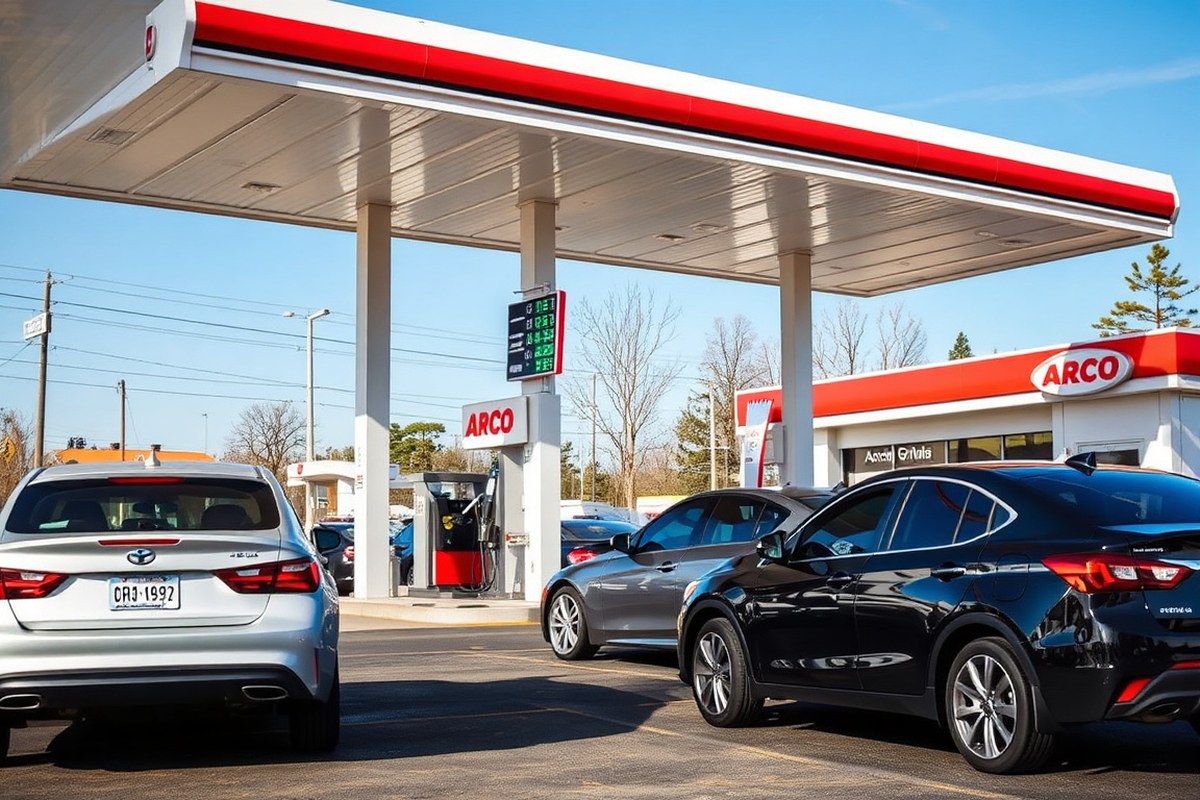
Why Is Arco Gas Cheaper? How It Saves You Money Without Sacrificing Quality
Why is Arco gas cheaper than other brands? The main reason is its business model that cuts costs on marketing and overhead.
Arco passes these savings directly to you. So prices often run $0.05 to $0.15 less per gallon.
Their stations focus on volume sales, not fancy extras or loyalty programs. Paying with debit cards, though, might add a $0.45 fee per transaction, which can eat into your savings. Keep an eye on that if you use debit often.
Besides pricing tactics, Arco’s fuel-grade standards also play a big role. They use lower-detergent formulas which cost less but might slightly reduce fuel efficiency. Knowing these details helps you decide if Arco fits your needs without surprises.
Key Takeaways
- Arco prices are lower because they spend less on marketing and station upkeep.
- They focus on selling more gas, not charging for extras or loyalty perks.
- Expect to pay a $0.45 debit card fee per transaction at Arco stations.
- Arco gas contains lower detergent levels, which can reduce fuel economy by 2% to 4%.
- Fuel grades at Arco meet minimum standards for most vehicles, usually 87 octane.
- Saving about $0.05 to $0.15 per gallon can add up to $5, $10 over 1,000 miles.
Why Is ARCO Gas Typically Cheaper Than Other Brands?
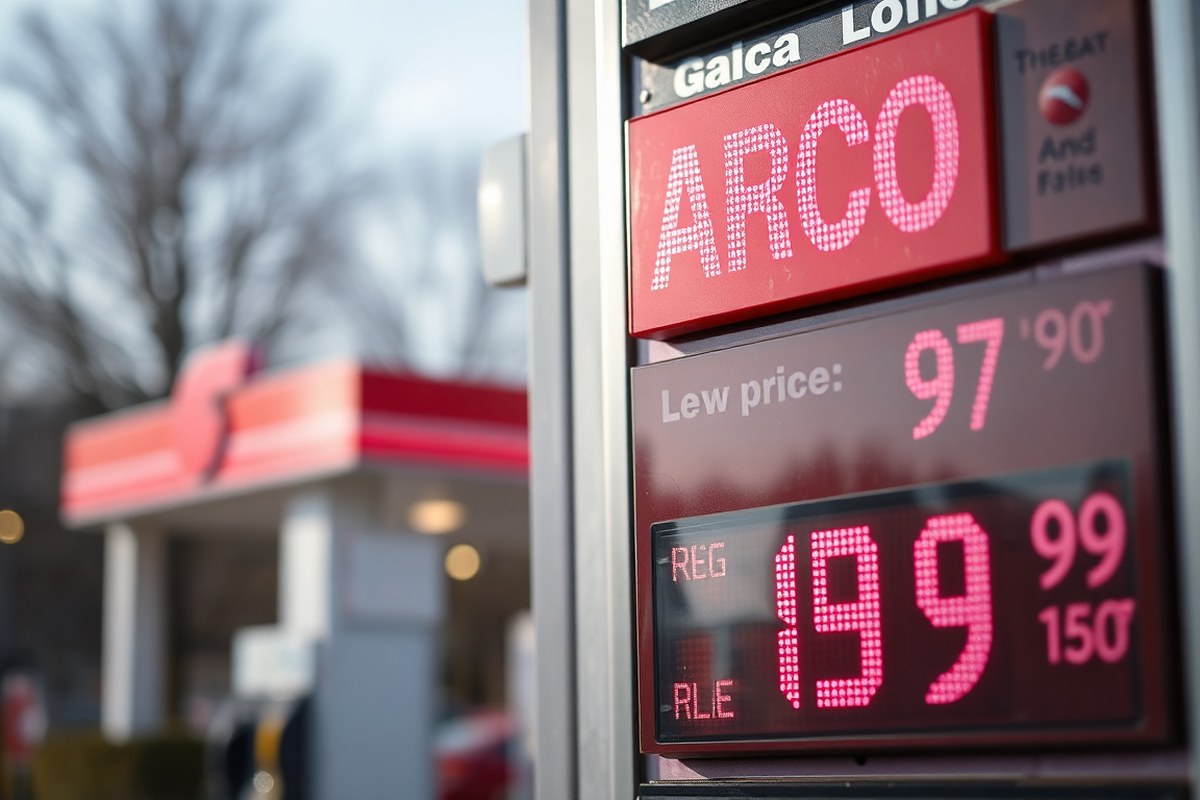
ARCO gas is cheaper mainly because of its business model and payment policies. They avoid credit card fees by not accepting credit cards, which cuts their costs. Lower fees let them sell gas cheaper.
They price it about 5 to 15 cents less per gallon. Many competitors charge more.
The company sells fuel at high volumes, roughly twice the sales of an average gas station. This bulk turnover lets ARCO buy fuel cheaper and pass the savings to you. Higher volume also means they can profit from smaller margins per gallon.
ARCO accepts debit cards, cash, and gift cards but not credit cards. Credit card companies charge stations 1-3% per sale.
By avoiding this cost, ARCO keeps prices down. Paying with cash or debit at ARCO typically gets you the best deal.
How ARCO’s Business Model and Payment Policies Affect Prices

ARCO keeps gas prices low partly by limiting its payment options. It does not accept credit cards but allows debit cards with a small fee. Using cash avoids extra charges and helps lower operating costs.
Payment Methods ARCO Accepts and Fees
ARCO does not accept credit cards at most locations to avoid credit card surcharges. They do accept debit cards.
But each debit card transaction comes with a $0.45 fee. This fee covers processing costs and helps ARCO avoid raising gas prices.
Many customers pay with cash to skip the $0.45 fee altogether. Cash payments also reduce the station’s credit processing costs, which keeps prices lower for everyone.
How Payment Restrictions Cut Operating Costs
By not taking credit cards, ARCO avoids paying fees credit companies charge on each sale. This can add up to a few cents per gallon on their end, squeezing profits. Skipping these fees lets ARCO price gas lower than stations that accept all card types.
Also, ARCO runs lean convenience stores or car washes, lowering overhead. These combined savings on fees and facilities pass directly to you.
Ways to Avoid Fees and Save on Gas
Paying with cash is the easiest way to avoid ARCO’s debit card fees. If you prefer cards, some stations started matching debit card prices to cash prices. But the $0.45 transaction fee may still apply.
Here’s how to save payment-wise:
- Bring cash to pay at the pump or inside the store.
- Use a debit card only if you don’t mind paying the $0.45 fee.
- Confirm with the station if debit and credit card pricing matches.
- Check for local stations that might offer fee-free card options.
- Avoid credit cards since they are generally not accepted or incur more fees.
Smart payment choices make ARCO’s already cheaper gas even more affordable.
How High Volume Sales Help Offset Lower Prices
Lower prices bring many customers to ARCO stations. High sales volume spreads fixed costs over many gallons of gas sold. This strategy lets ARCO maintain profitability despite low prices and debit card fees.
Thanks to these volume sales, ARCO can keep the $0.45 fee and low gas prices without cutting quality or service.
Tip: Always ask a station attendant about the latest payment options and fees before filling up. It saves money and avoids surprises.
Is ARCO Gas Quality Comparable to More Expensive Brands?
ARCO gas meets the Top Tier detergent standard, matching quality with more expensive brands. Its detergent package and additives are designed to keep engines clean. This means ARCO gas can perform similarly in engine care despite a lower price.
Top Tier Standard Explained
Top Tier is an industry standard for gasoline cleanliness. Gasoline that meets this standard contains more effective detergents. These detergents help reduce deposits on fuel injectors and intake valves.
ARCO’s gasoline is certified to this Top Tier standard. This certification means it handles engine deposits as well as Shell or Chevron. It’s a reliable choice for maintaining engine health on regular use.
Detergent Levels and Additive Comparison
ARCO uses the PROclean additive package, which aligns with Top Tier requirements. This package contains detergents that help prevent carbon build-up. Brands like Shell and Chevron also use high-quality detergent blends but with slightly different formulas.
Though ARCO’s additives are different, they deliver similar cleaning power. All Top Tier brands, including ARCO, help keep engines running smoothly. This means you get good fuel quality without paying premium prices.
Ethanol Content Differences by State
Ethanol content in gasoline can affect fuel efficiency and engine care. ARCO adjusts its ethanol blends depending on local regulations and climate. This means the gas you get may vary slightly if you cross state lines.
Most ARCO gas contains up to 10% ethanol, which is standard for regular fuel. For vehicles needing higher octane, ARCO’s premium fuel meets the necessary rating while using similar additives. Always check your vehicle’s requirements before switching to new fuel blends.
Different vehicles need fuel that matches their engine design and use:
| Vehicle Type | Best Fuel Call | Why It Matters |
|---|---|---|
| Regular-fuel commuter | ARCO Regular | Detergent quality protects common engine types |
| Modern GDI daily driver | ARCO Regular or Premium | Top Tier detergents control injector deposits |
| Premium-required stock turbo car | ARCO Premium | Octane protects timing and knock control |
| Tuned or hard-driven build | Case-by-case | Depends on local blend consistency and octane needs |
This table helps you pick fuel based on your vehicle’s needs. ARCO’s matching detergent standards make it competitive with pricier gas brands. Just pick the right ARCO grade and you maintain your engine’s health.
How Ethanol Content in ARCO Gas Affects Fuel Efficiency and Engine Care
ARCO gas usually has ethanol mixed in, but amounts differ by state. In California, it can have up to 10% ethanol.
Oregon and Washington use up to 5%. These levels follow U.S. Gasoline rules.
Ethanol can affect fuel efficiency because it has less energy per gallon than pure gasoline. Using gasoline with 10% ethanol may reduce fuel economy by about 2% to 4% over time. The difference in ethanol levels is small for most drivers.
You likely won’t notice it on short trips. Daily drives stay much the same.
ARCO adds special detergents to its gasoline, which helps protect your engine. These additives reduce deposit buildup on fuel injectors and intake valves, supporting smooth engine performance. That means ethanol’s potential downsides get balanced by the engine-cleaning effects of ARCO’s formula.
Some drivers have reported engine knocking or slightly lower fuel efficiency after using ARCO gas. This might happen if your vehicle is sensitive to ethanol or older than ten years.
Newer cars usually handle 5% to 10% ethanol blends without trouble. But you should check your owner’s manual for ethanol limits.
The ethanol level in ARCO gas depends on local laws and supply chain factors. For instance, California requires up to 10%, while other states have lower limits. Use trusted gas stations to protect your engine.
Avoid ethanol blends that go over your car’s advice. This keeps your engine healthy.
ARCO gas has detergents to help keep your engine clean. Using it often supports good engine care. The ethanol content does not stop this.
Ethanol blends might lower your miles per gallon a bit. They won’t cause engine damage if you use the right amounts.
Stick to recommended levels for safety. Always consult your vehicle’s manual for the maximum ethanol blend it can safely handle.
How ARCO’s Volume Sales and Marketing Strategy Enables Lower Prices
ARCO sells huge amounts of gasoline compared to most other brands. This high volume helps ARCO negotiate better prices with fuel suppliers. Buying and selling fuel in large quantities means ARCO can lower its overall costs per gallon.
ARCO also avoids spending much on marketing and advertising. Unlike many gas station chains, ARCO rarely runs flashy promotions or invests in big branding campaigns. This reduction in overhead allows the company to keep its gas prices lower for you.
ARCO sells a lot of gas every day. They spend little on advertising. This helps ARCO give drivers real savings.
Their stations focus on quick turnover and competitive pricing rather than premium services. This setup works especially well where many drivers just want affordable fuel without extras.
Some bigger gas brands spend millions each year on ads and brand image. That cost usually appears in higher gas prices.
ARCO’s approach cuts those expenses drastically. So you see lower prices but still get fuel that meets industry standards.
ARCO’s strategy also means stations can move fuel fast. Keeping inventory turnover high helps reduce storage expenses. ARCO sells fuel quickly and often.
This fast selling helps keep prices low. Low costs stay steady even when markets change.
Watch for occasional local price changes. High volume lets ARCO adjust prices quickly but they may vary city to city.
What Real Savings Can Drivers Expect Using ARCO Gas?
You can save about 5 to 10 cents per gallon. This is compared to other gas brands. That adds up over several fill-ups.
The normal gas price in other places is $3 per gallon.50 a gallon, you might pay around $3.40 at ARCO. That difference might not sound like much at first. But it adds up over time.
Let’s break down actual savings over common driving distances. Your car uses 1 gallon every 25 miles. Driving 1,000 miles means 40 gallons used.
Saving 5 to 10 cents per gallon means about $2 to $4 off. That’s for the full 1,000-mile trip.
Drive 5,000 miles, and you use 200 gallons. That could save you $10 to $20 in fuel costs alone.
The debit card transaction fee ARCO charges typically sits around 35 to 45 cents each use. This fee can reduce your net savings if you fill up often with smaller amounts. For example, if you buy 10 gallons at $3.40 ($34) plus a 45-cent fee, the fee adds about 1.3 cents per gallon.
To avoid eating into savings, fill your tank more each visit. Paying a 45-cent fee for 15 gallons lowers the fee per gallon. It becomes about 3 cents each.
Over frequent trips, those few cents make a big difference. For longer hauls or full tanks, the fee’s impact shrinks.
To find your savings, multiply miles driven by gallons used per mile. This gives you total gallons used. Then multiply gallons by your savings per gallon.
Subtract any debit card fees per fill-up multiplied by your number of tank fills. This gives you your estimated dollar savings.
These savings are real and add up for people who drive a lot. Paying attention to debit card fees and buying larger amounts helps keep those savings steady. ARCO lets drivers save without extra costs hiding behind the price per gallon.
Who Should Use ARCO Gas and When Might Alternative Choices Be Better?
ARCO gas suits most everyday drivers who use regular unleaded fuel. Its usual octane rating of 87 meets the minimum for most cars on the road. Your vehicle needs premium fuel matching its exact octane requirement to use ARCO’s premium option.
Performance cars with turbochargers or tuned engines benefit from more consistent, higher-octane fuel. These cars often require fuels with better additives. They also need precise octane levels.
ARCO’s fuel may not meet these needs. Drivers wanting top engine protection might pay more for special fuels. Track-day users often prefer those fuels too.
Families driving daily crossovers with direct injection engines get good value from ARCO. Its baseline detergents in the fuel help keep engines cleaner, which matters for long-term engine care. Regular commuters who fill up often see noticeable savings without sacrificing reliable fuel quality.
- Use ARCO if your vehicle specifies regular 87 octane fuel.
- Choose ARCO premium if your car requires premium fuel, matching exact grade.
- Avoid ARCO for heavily modified or track-focused vehicles needing high-octane fuel.
- Pick more expensive brands if you want richer station amenities or fuel consistency.
- Consider ARCO for daily drivers aiming to save without risking engine deposits.
Paying more is justified when your car’s manual demands premium fuel for performance or warranty reasons. Some luxury or sports cars have sensitive engines needing higher octane or improved detergent levels.
You might want a cleaner station or extra perks. Those features usually come with pricier brands.
For everyday drivers, ARCO offers solid fuel at a much lower cost. The tradeoff may be fewer frills and less fuel consistency for extreme driving demands.
Knowing your car’s fuel needs helps you decide. Your driving habits also matter for this choice.
Common Myths About ARCO Gas Pricing and Quality Debunked
Cheaper gas does not always mean low quality, especially with ARCO. The brand sells fuel that meets state and federal standards for purity and octane rating. Those standards prevent harmful contaminants or additives that damage engines.
Some drivers worry ARCO gas causes engine knocking. But this sound usually comes from mismatched octane ratings or old engines.
ARCO’s fuel typically has an octane of 87 to 91, suitable for most cars. So, if your engine knocks, the issue probably lies elsewhere, not the fuel itself.
Low prices at ARCO mostly come from their business approach, not inferior gas. They reduce expenses by charging upfront and focusing on high volume sales. This lets them save you money on fuel costs.
Their fuel is good quality. It won’t harm your engine or void warranties.
Check your car’s owner manual for the right octane. Use fuel at or above that rating. This helps avoid knocking.
Fuel quality affects your vehicle’s performance and maintenance costs more than the price tag. Cheap gas that burns clean can save money on repairs. It also keeps injectors from clogging.
This lowers upkeep costs. But choosing the lowest price without considering fuel specifications risks engine issues.
Some drivers report slight differences in fuel efficiency with ARCO gas. But this relates more to ethanol content than fuel quality.
Ethanol can lower miles per gallon by 3% to 5%, depending on your car. ARCO uses ethanol blends, so expect minor changes in fuel economy, not engine damage.
You can use ARCO fuel safely if it fits your car’s needs. Keep your car well maintained. That helps the fuel work well.
Watch for any unusual engine sounds and switch brands if problems start. Savings on gas matter. But only when the fuel works well in your vehicle over time.
Tips to Maximize Savings When Buying ARCO Fuel
You can save more at ARCO by skipping debit card fees. Pick the right time to buy.
Check local prices quickly for the best deal. These steps help you avoid extra costs and get the best value for your gas.
Using Cash or Prepaid Cards
ARCO stations in the Southwest charge a 35-cent fee on PIN debit purchases. Paying with cash avoids this fee completely. Carry enough cash to fill your tank without needing to use debit.
A prepaid card works like cash and helps you skip debit fees too. Load an amount just enough for your gas run. This method keeps spending in check and stops surprise charges on your bank statement.
Timing Your Fuel Purchase
Gas prices can vary throughout the day and week. Buying fuel early in the morning often means lower prices before the daily rush raises demand. Weekdays tend to have cheaper prices than weekends at many ARCO stations.
Pay attention to local events or holidays that might boost gas prices. Buying right before or after these dates can save you money. Don’t wait until your tank is nearly empty, as last-minute purchases often come at higher prices.
Checking ARCO Price Apps or Websites
Several apps and websites track gas prices at ARCO stations near you. Use these tools before you go so you pick the cheapest station.
They show real-time prices. So you don’t waste time driving to a more expensive one.
Make it a habit to check prices on your phone right before fueling. This helps you spot price drops or flash sales. Look for apps with user reviews to find the most accurate price info in your area.
Your First Steps to Saving with ARCO Gas
Start saving money on fuel by choosing ARCO gas wisely. Follow these steps to make the most of it without risking your vehicle’s performance.
- Day 1: Locate the nearest ARCO station with grade options for your car. Confirm it sells the right fuel grade to avoid engine problems.
- Week 1: Fill up with ARCO gas and track your mileage for the next 100 miles. Check if your fuel efficiency stays consistent.
- Week 2: Check which payments ARCO stations accept, like cash or debit. Using the right method helps you avoid fees. That way, you get the best price.
- Day 14: Monitor your engine’s response over two fill-ups. Watch for rough idling or less power when using the gas. These signs might mean the fuel doesn’t suit your car. Pay attention to how your engine feels.
- Week 3: Track your fuel costs and miles with ARCO gas. Then compare with a pricier brand nearby if you can. This shows which one saves you more. Check for real savings.
- After 1 month: Decide if ARCO fits your car’s needs and your budget without sacrificing performance. Adjust your buying habits accordingly.
Frequently Asked Questions
Why Is ARCO Gas Cheaper at the Pump?
ARCO keeps prices low by not accepting credit cards. This saves them fees on each sale.
They also sell a lot, which cuts costs. This allows them to save about $0.05 to $0.15 per gallon compared to other brands.
Does ARCO Gas Have Additives Like Other Major Brands?
ARCO gas meets minimum EPA standards but has fewer added detergents than some brands. You may want to use a fuel injector cleaner occasionally for best engine care.
Are There Locations Where ARCO Gas Is More Affordable?
ARCO’s gas is typically cheaper in western U.S. States where it has a stronger presence. Prices can vary by region and station competition.
Can I Use ARCO Gas in All Types of Vehicles?
ARCO gas works fine for most gasoline engines, including cars and trucks. High-performance or older vehicles might benefit from premium fuels offered at other stations.
Does ARCO Offer Rewards or Loyalty Programs to Save More?
ARCO generally does not have loyalty programs like other stations. Its prices are low mainly due to business practices, not extra discounts or rewards.
Key Points to Remember
ARCO gas is cheaper mainly because of its business approach and payment rules. It can save you money without hurting your car if used right. Test the gas and watch your fuel expenses closely.
This helps you decide if ARCO is a good choice. Keep an eye on how your gas money adds up.