Does Truvia Break a Fast? What Science Says + Smart Tips
Does Truvia break a fast? The quick answer is no.
Each packet has only about 3 calories, which is too low to stop your fast. However, you need to check the other ingredients in the packet carefully.
Truvia mixes stevia leaf extract and erythritol, both sweeteners with very few calories. These tiny calories usually don’t spike blood sugar or insulin. So your fast stays mostly intact.
The other 99% of the product has fillers that might affect your fast. How much it affects you depends on your sensitivity.
Start by using pure stevia or erythritol alone if you want to be very strict. Watch for sugars or fibers in Truvia’s additives. These can break your fast or lower fasting benefits like autophagy.
Key Takeaways
- Truvia’s 3 calorie count per packet is unlikely to break your fast.
- Its main sweeteners, stevia and erythritol, cause minimal insulin response.
- Check the packet’s other ingredients; fillers can have more impact.
- For stricter fasting, pure stevia or erythritol powders are better choices.
- Added sugars or fibers in Truvia may disrupt fasting benefits.
- Use Truvia sparingly during longer fasts or OMAD protocols.
Does Truvia Break a Fast? The Straight Answer
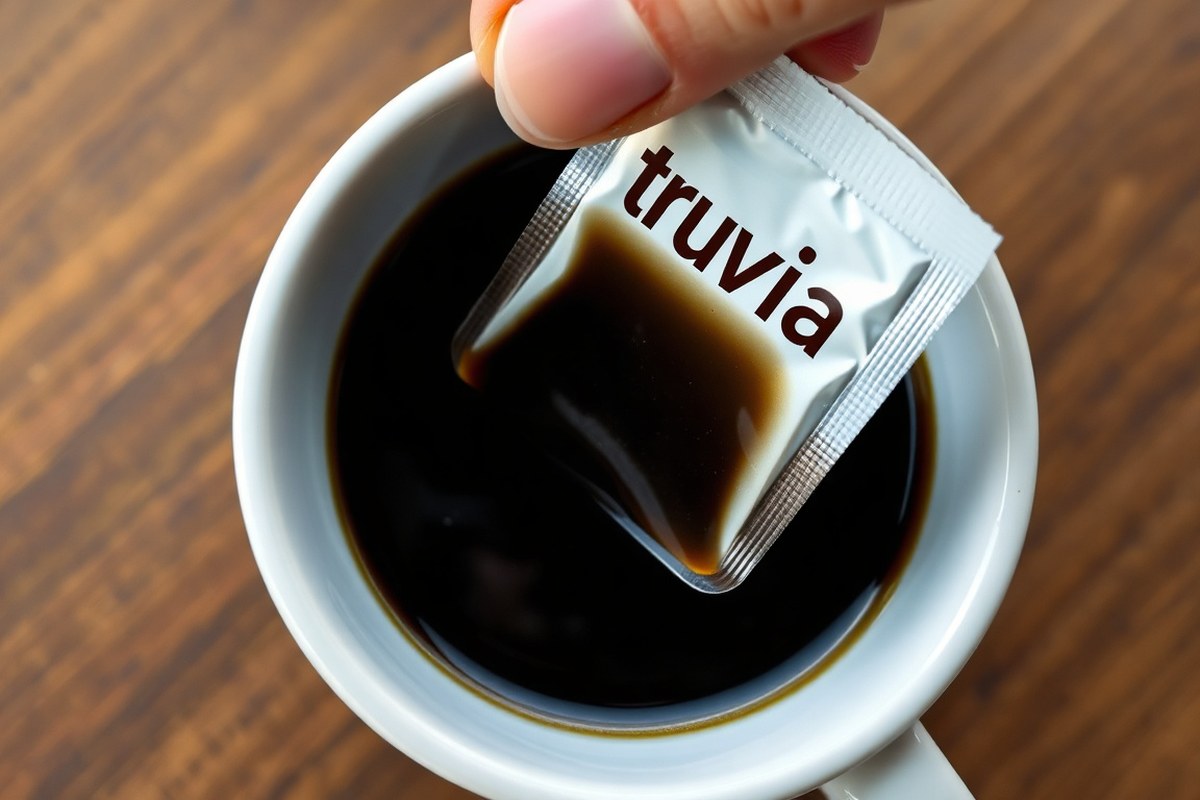
Truvia does not break a fast for most people because it contains almost no calories. It has stevia leaf extract and erythritol. Both give almost no energy.
They don’t raise your blood sugar levels. Fasting means avoiding calories that cause insulin or glucose spikes.
Truvia fits those limits. It won’t break your fast.
Truvia usually shows zero calories per serving because erythritol isn’t turned into energy. This means it won’t affect fasting or ketosis.
Still, some versions have tiny amounts of dextrose or maltodextrin. Those can raise blood sugar and break your fast.
Studies show Truvia causes little or no increase in insulin or blood sugar. This is true when you use it reasonably. That makes it safe for fasting focused on weight loss or blood sugar control.
Using very high amounts of Truvia might release some insulin. Sweet taste can also increase your hunger slightly. Keep portions small and avoid sweet cravings if you want to stay fully in fasting mode.
What Is Truvia Made of and How It Works
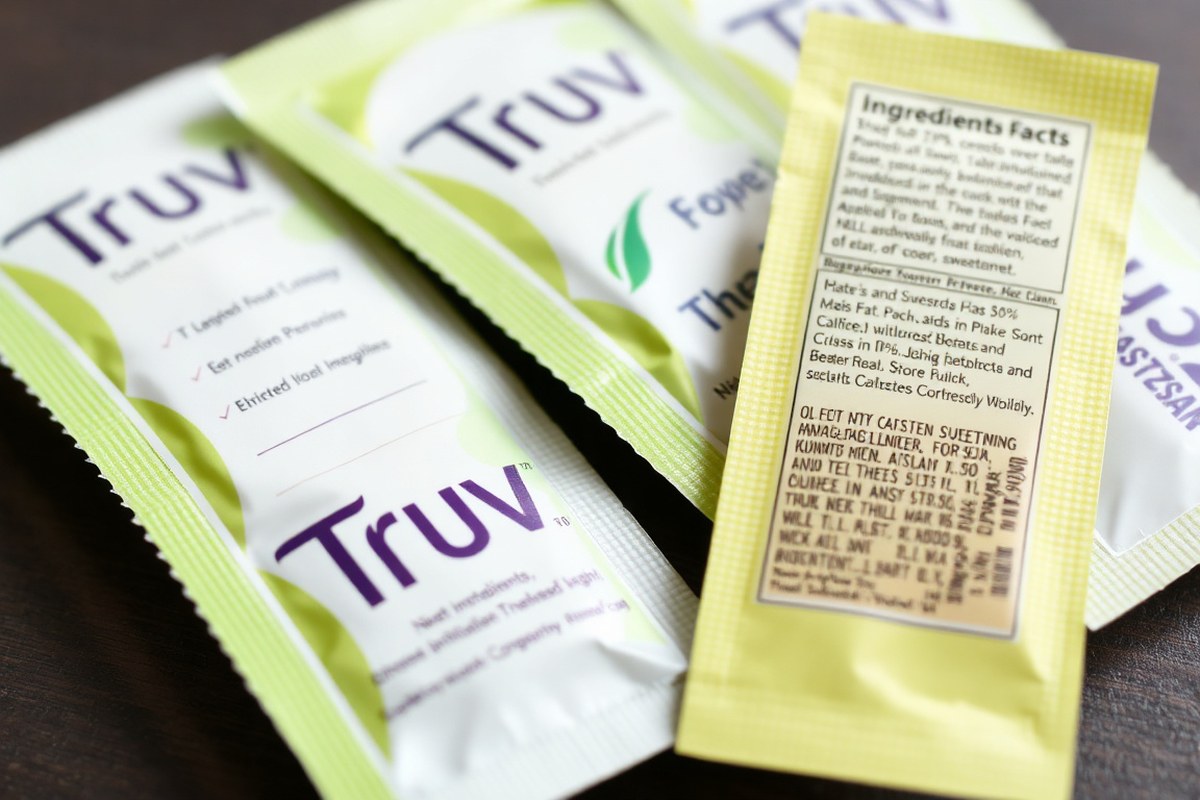
Truvia includes erythritol, stevia leaf extract, and natural flavors. Both erythritol and stevia add no calories or blood sugar changes. People choose Truvia to sweeten without eating extra energy.
Stevia leaf extract comes from the stevia plant and is many times sweeter than sugar. It passes through your body mostly undigested and doesn’t provide calories or carbs. Erythritol is a sugar alcohol with a sweet taste like sugar.
Your body absorbs it but does not use it for energy. Then the body throws it out mostly unchanged.
Erythritol and stevia don’t raise blood sugar or insulin levels. Because of this, they usually won’t break a fasting state. This works well if your fast aims at metabolic health or weight loss.
However, the “natural flavors” in Truvia are less clear. These ingredients are usually in very small amounts and shouldn’t add calories or carbs. But some people prefer products with fewer additives during fasting.
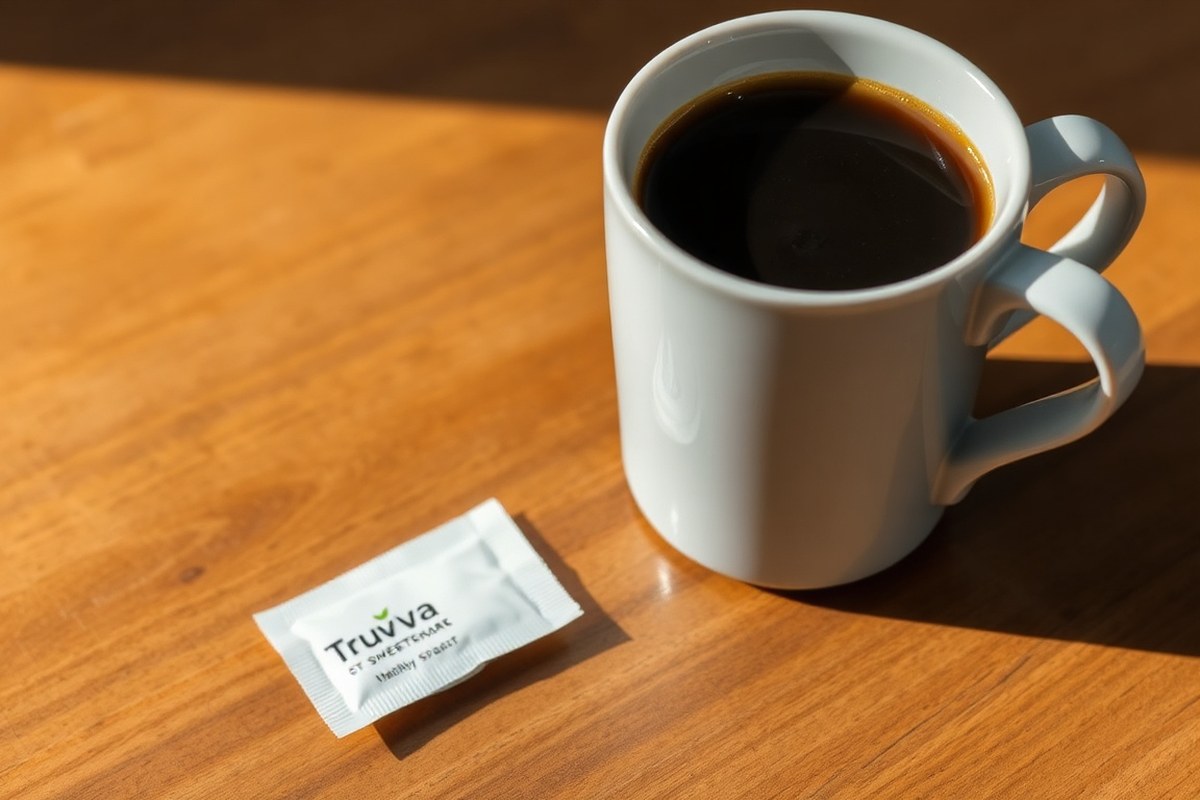
Truvia’s combination keeps sweetening power strong with no energy. You can add Truvia to black coffee or tea while fasting. It won’t change how your metabolism behaves during the fast.
This lets you enjoy sweet drinks without breaking your fast. Keep an eye on how much Truvia you use during fasting.
Avoid adding fast-breaking items like cream or sugar in your drink. These extras can stop the benefits of your fast.
Always read the label to spot any hidden carbs or calories. This is important if you use a lot of Truvia while fasting. It helps keep your fast clean and effective.
How Does Truvia Affect Insulin and Blood Sugar Levels?
Truvia uses stevia, a sweetener that doesn’t boost blood sugar or insulin. Research shows it doesn’t change fasting blood glucose or insulin levels. You can use Truvia during fasting without causing insulin spikes from sugar.
Stevia itself is metabolized differently by your body and does not increase blood sugar. This keeps blood sugar steady during fasting times. People with type 2 diabetes usually won’t see changes in blood sugar control.
Using it won’t disturb your fast or diabetes management. In fact, some evidence shows stevia may actually lower post-meal insulin and glucose compared to sugar.
A small pinch or sprinkle of stevia in coffee is safe during fasting. This tiny amount won’t affect your insulin response. It keeps your fast intact without any issues.
Taking large or frequent doses could cause some digestion or mild insulin release. However, this rarely happens for most people. Keep doses small to avoid these effects.
Truvia products with added sugar or sugar alcohols can raise insulin. Those ingredients might break your fast. Always check labels and avoid these versions while fasting.
Can Truvia Influence Autophagy and Cellular Repair?
Autophagy is your body’s way to clean out damaged cells and repair itself. This process helps keep you healthy and supports longer life. Fasting triggers autophagy because your body isn’t busy digesting food and can focus on repair instead.
Truvia contains stevia and erythritol, both non-nutritive sweeteners. Stevia alone doesn’t usually stop autophagy or cell repair during fasting. Experts say using stevia in moderation probably won’t interfere with fasting.
It’s seen as a safer choice for fasting aimed at cellular cleanup. This makes it better than some other sweeteners during fasting.
Erythritol, the other main part of Truvia, also probably does not stop autophagy. While less research exists on erythritol, it generally doesn’t raise insulin or blood sugar much. Low insulin is important for allowing autophagy to continue during fasting.
Still, a strict autophagy-focused fast means no sweeteners at all. That’s because even small signals from sweet tastes might slightly slow down your body’s repair work. For gut rest or strong cell cleanup, plain water works best.
Black coffee is also a good option for fasting. Using Truvia sometimes may work if your fasting aims at weight loss.
It could also help if you want to control blood sugar. But strict autophagy needs simplicity.
Between stevia and erythritol, stevia tends to be better for sensitive fasting goals. It’s plant-based and studied more for safety during fasts. Erythritol is a sugar alcohol that can cause mild tummy troubles.
This may affect your gut during fasting for some people. When you want pure autophagy benefits, cutting out all sweeteners, including Truvia, is safest.
Take time to watch how your body reacts if you add Truvia during fasting. Some tolerate it well without a change in hunger or energy. Others notice appetite spikes or digestive discomfort.
Start with plain black coffee or tea during your fast. You can add a small amount of stevia if you need sweetness. This helps you avoid breaking the autophagy process while still making fasting manageable.
Types of Fasting and When Truvia May or May Not Fit
Intermittent Fasting (16:8 and OMAD)
Intermittent fasting often lasts 12 to 20 hours with a feeding window. Using Truvia during fasting windows is usually fine because it has almost zero calories. It won’t spike blood sugar much, so it rarely breaks this kind of fast.
People mostly use intermittent fasting for weight loss or blood sugar control. Truvia can help add sweetness to drinks or foods in your eating window. Still, sticking to water, black coffee, or plain tea is safest during fasting.
- Use Truvia sparingly during fasting to avoid sweet taste triggers.
- Keep consumption to very small doses like a pinch or packet.
- Avoid Truvia mixed with added fillers or carbs.
- Prefer pure stevia extracts over blends with bulking agents.
- Stick to your fasting window to keep results consistent.
Use Truvia in your eating window or cheat days to protect fasting benefits.
Extended Fasts (24+ Hours)
Extended fasts go beyond 36 hours and focus on deeper effects like gut rest. Truvia is usually not recommended here because any sweet taste could trigger digestive responses. This might interfere with the fasting process and slow results.
During long fasts, even zero-calorie sweeteners might disturb autophagy and gut healing. Water or plain drinks without any additives remain the safest choice. You want to avoid any potential insulin spikes or digestion that breaks the fast.
- Avoid Truvia during extended fasts lasting over 36 hours.
- Focus solely on water, herbal teas, or black coffee.
- Watch for signs like hunger spikes or digestive changes if you use sweeteners.
- Consult a healthcare provider when doing prolonged fasts.
Fasting for Autophagy or Longevity
Autophagy fasting aims to clear damaged cells and support longevity by avoiding all calorie intake. Truvia’s effects on autophagy are unclear.
Skip it when fasting for cell repair. Even slight insulin responses could reduce autophagy benefits.
Your safest options are plain water or unsweetened drinks. They support autophagy and longevity.
Truvia might work in weight-loss fasts, but it’s too risky here. Preserving the fasting state fully is more important than taste.
- Skip Truvia to maximize autophagy and cellular repair.
- Focus on consistent water intake and unsweetened herbal teas.
- Keep fasting windows strict to avoid disrupting cell renewal.
- Save sweeteners for regular eating days or non-fasting times.
Comparing Truvia with Other Fasting-Friendly Sweeteners
Truvia blends erythritol and stevia, giving it low calories and a minimal insulin effect. Pure stevia has zero calories and almost no insulin impact, making it very fasting-friendly. Artificial sweeteners like sucralose show mixed effects and may not fit fasts as well.
Calorie Content per Serving
Truvia contains erythritol, which has about 0.24 calories per gram. This is much lower than sugar, which has 16 calories per teaspoon. Pure stevia has zero calories.
Monk fruit does too. They are good for fasting without calories.
Sucralose and aspartame also have zero calories but sometimes impact the gut differently. Pick a sweetener with little or no calories.
This keeps your fast intact. It also helps control weight.
Insulin and Blood Sugar Impact
Truvia’s erythritol causes little to no blood sugar rise or insulin release. Pure stevia also keeps insulin reaction minimal, which fits fasting goals focused on blood sugar stability. In contrast, sucralose and aspartame may cause mixed insulin responses, complicating fasting effects.
Minimizing insulin spikes helps maintain ketosis and fat burning during fasts. Truvia’s natural components usually don’t raise insulin much. But sucralose could trigger some changes depending on your body.
Autophagy and Gut Health Effects
Stevia shows minimal impact on autophagy, letting your cells get a proper fasting rest. Erythritol, found in Truvia, also has a minor effect on this process. Sucralose may negatively affect gut bacteria, which can interfere with gut rest and fasting benefits.
Keeping your gut healthy and autophagy active depends on the sweetener you pick. Truvia tends to be fine, but artificial ones like sucralose might disrupt these processes.
Fasting Goal Suitability
Stevia is best for most fasting goals, including calorie control and blood sugar balance. Truvia fits these well too, thanks to erythritol’s low impact. Artificial sweeteners like sucralose might have unknown effects.
They may not suit fasting for gut health. They could affect insulin sensitivity too.
For fasting focused on weight loss and metabolic health, pure stevia is often recommended. Using Truvia works if you want a little sweetness without breaking the fast.
But watch for personal reactions to erythritol. Sucralose may fit certain habits but carries some risks.
| Sweetener | Calories | Glycemic Impact | Insulin Effect | Fasting-Safe? |
|---|---|---|---|---|
| Stevia | 0 | None | Minimal | ✅ Yes |
| Monk Fruit | 0 | None | Minimal | ✅ Yes |
| Sucralose | 0 | Possible gut impact | Mixed results | ⚠️ Maybe |
| Aspartame | 0 | Low | Mixed results | ⚠️ Maybe |
| Sugar | 16/tsp | High | High | ❌ No |
This table highlights how popular sweeteners stack up on calories, insulin effects, and fasting compatibility. You can see why stevia and monk fruit are top picks for most fasts. Truvia falls close to stevia because of erythritol, but sucralose and aspartame bring uncertainty.
Common Mistakes Using Truvia While Fasting and How to Avoid Them
Using Truvia too often during your fast can cause problems. Even though it has zero calories, some blends add small amounts of carbs. These hidden carbs add up quickly and may break your fast if you use too much.
Portion size really matters when using Truvia with fasting. A tiny pinch will likely not affect your fast.
But one teaspoon or more can add calories and carbs. That might trigger an insulin response and stop fat burning.
Reading the label helps avoid hidden ingredients that impact your fast. Some Truvia products mix erythritol, stevia, and other fillers like dextrose or maltodextrin. These fillers can add calories and raise blood sugar slightly.
- Measure your Truvia carefully; avoid guesswork on serving size.
- Stick to pure stevia extract products to skip hidden carbs.
- Check ingredient lists for added sugars or fillers.
- Avoid overusing Truvia, especially if fasting for weight loss.
- Consider your fasting method; calorie limits vary across plans.
- Use only enough Truvia to satisfy your sweet tooth.
- Watch for unexpected carbs in Truvia blends labeled “natural.”
People often think Truvia is safe to use during fasting. But that’s not always true. You want maximum fat loss and better insulin response.
Small calories can interfere with these benefits. Your fast may allow a few calories, so use Truvia in moderation.
Checking ingredients only takes a few seconds. It can stop you from breaking your fast unknowingly.
Using too much or wrong blends with hidden carbs leads to wasted fasting effort. Keeping portion control and choosing pure stevia is a simple way to avoid these mistakes.
When to Avoid Truvia During Fasting for Maximum Benefits
People doing long fasts or focused on autophagy should avoid Truvia. Even small ingredients may affect complex processes like cellular repair. Such fasting relies on a strict fast without any triggers for digestion or insulin.
Metabolic flexibility and ketosis can be sensitive to certain sweeteners. Some components in Truvia could slightly raise insulin or cause a minor digestive response. This might slow fat burning or delay reaching full ketosis, especially in sensitive individuals.
Health conditions like reactive hypoglycemia or gut issues can also make Truvia less suitable. In these cases, even zero-calorie sweeteners might cause blood sugar or digestive upset. Better skip them to avoid unwanted symptoms during fasting.
Use Truvia carefully by testing your body’s response. Limit intake during fasts that last longer than 24 hours or aim for autophagy benefits. For shorter fasts aimed at general weight control, small amounts usually don’t interfere.
Avoid any sweetener when fasting for gut rest. This includes Truvia. It helps you get the full benefit of long autophagy cycles.
Tips for Using Truvia Smartly While Intermittent Fasting
Use Truvia sparingly during intermittent fasting to avoid unwanted effects. Keep quantities small and choose pure products without additives. Monitor your body to see how it reacts before adding more.
Measure Small Quantities Carefully
Start with about 1/8 to 1/4 teaspoon of Truvia in your coffee or tea. This amount usually adds sweetness without calories or insulin spikes. Avoid guessing; use a precise measuring spoon for accuracy.
Too much can trigger digestive upset or mild insulin responses. Stick to the lowest dose that satisfies your sweet tooth. Note your reaction for a few days before increasing the amount.
Choose Pure or Low-Additive Truvia Products
Pick Truvia varieties that contain mostly pure stevia leaf extract and erythritol. Avoid blends with added fillers or sugars, which can break your fast. Read labels carefully to spot hidden ingredients.
Pure stevia extract costs around $5 to $10 for a small container but lasts long. Cheaper mixes may have maltodextrin or dextrose, adding calories and carbs. The purer the product, the safer it is for fasting.
- Check ingredient lists and avoid added sugars or starches
- Stick with Truvia packets or powders labeled ‘pure stevia’
- Store Truvia in a cool, dry place to maintain quality
- Buy small amounts first to test tolerance
- Compare nutrition facts for zero-calorie assurance
Choosing the right version helps keep fasting clean and steady. Impure products may disrupt fasting benefits even in small amounts.
Stick to Black Coffee or Unsweetened Tea
Add Truvia only to plain black coffee or unsweetened tea during fasting windows. These drinks contain no calories without sweeteners. Avoid adding milk or cream, which breaks the fast.
You want a warm drink with sweetness that won’t spike blood sugar. This combo fits that need well.
Stevia’s sweet taste can satisfy cravings without energy intake. Use it only during your feeding window for strict fasts lasting 48 to 72 hours.
Track Hunger and Energy After Intake
Pay attention to your hunger and energy levels after consuming Truvia-sweetened drinks. Note if cravings increase or fade. Track feelings for 2, 3 hours post-consumption to catch delayed effects.
Jot down details like stomach feelings, mental clarity, and any bloating. Adjust the amount or timing if you notice hunger spikes or sluggishness. A simple food and drink diary works well for this.
Adjust Based on Fasting Goals
Modify your Truvia use depending on fasting type and purpose. For casual intermittent fasting, small doses are usually fine anytime. These help keep calorie control in check.
You don’t need to worry much if your goal is just calories. Avoid it on strict fasts over two days.
Switch to plain water, black coffee, or unsweetened tea for longer fasts. This helps protect autophagy and repair processes. These drinks keep your fast more effective.
Change sweeteners if you notice unwanted hunger or insulin response. Stevia can be swapped for plain lemon or cinnamon if needed.
Your Quick-Start Plan for Using Truvia During Fasting
Use these steps to decide if and how Truvia fits your fasting goals. Adjust based on your body’s response.
- Before You Start: Choose Truvia for sweetening drinks during fasting. Check how your body reacts by noting hunger or cravings.
- Day 1: Add a tiny bit of Truvia to your black coffee or tea. Check how it affects your fast or energy levels. Pay attention to any changes you feel throughout the day.
- Week 1: Track your blood sugar if possible, especially if you have diabetes. Confirm Truvia doesn’t spike your levels.
- Week 2: Test without Truvia on some fasting days. Compare how you feel to days with Truvia.
- Week 3: Adjust your use based on whether Truvia affects your hunger or mental clarity. Use less if it does.
- After 1 Month: See if Truvia suits your fasting routine. You might prefer plain drinks without sweeteners. Choose what feels best for your body and fast.
- Ongoing: Avoid Truvia during extended fasts if you want maximum autophagy and cellular repair.
- Ongoing: Keep a quick note of any changes in mood or cravings when using Truvia.
Frequently Asked Questions
Can Truvia Affect Gut Health During Fasting?
Truvia may irritate your gut lining during fasting. Avoid it if your fast aims for gut rest to keep your digestion calm and balanced.
Is Small Use of Truvia Okay in Extended Fasts?
Even tiny amounts of Truvia can break an extended fast. Stick to zero-calorie drinks for benefits like improved autophagy and cell repair.
Does Truvia Impact Hunger or Appetite During Fasting?
Truvia might trigger cravings or hunger in some people. Use it sparingly to prevent breaking your fast with unplanned eating.
Can Truvia Influence Fat Burning in Fasting?
Truvia is unlikely to stop fat burning if used moderately. But excess use could add calories that shift your body out of fat burning mode.
Does Drinking Coffee with Truvia Break a Fast?
Coffee with Truvia usually won’t break a fast focused on blood sugar control. But it may affect cell repair goals if consumed in large amounts.
Before You Go
Truvia usually won’t break a typical intermittent fast. Use it carefully during extended fasts to protect benefits. Try your plan today and notice how your body reacts with Truvia.