How Fast Can a Turtle Move? Complete Guide to Turtle Speeds on Land & Water
Turtle speed depends on whether they are moving on land or in water. On land, turtles mostly move slowly, just above a slow walk.
The leatherback sea turtle can swim up to 22 miles per hour. This speed is much higher than their land movement.
Land turtles like box turtles and tortoises rarely exceed a quarter mile per hour. Soft-shelled turtles can reach about 3 miles per hour on land. Watching a turtle cross the road takes patience because they move slowly.
Sea turtles swim fast to escape predators and travel long distances. Their strong paddling and streamlined bodies help them move quickly in water. Though slow on land, turtles are agile swimmers built for speed in water.
Key Takeaways
- Leatherback sea turtles swim up to 22 miles per hour, the fastest among turtles.
- Soft-shelled turtles can move nearly 3 miles per hour on land.
- Turtles on land usually move below 0.3 miles per hour, making them slow walkers.
- Large freshwater turtles swim slower than smaller freshwater turtles, at 10-12 mph.
- Turtles rely on water speed to escape predators and travel, not land speed.
- Watch turtles carefully when crossing trails or roads; they move slowly on land.
How Fast Can Turtles Move on Land and in Water?
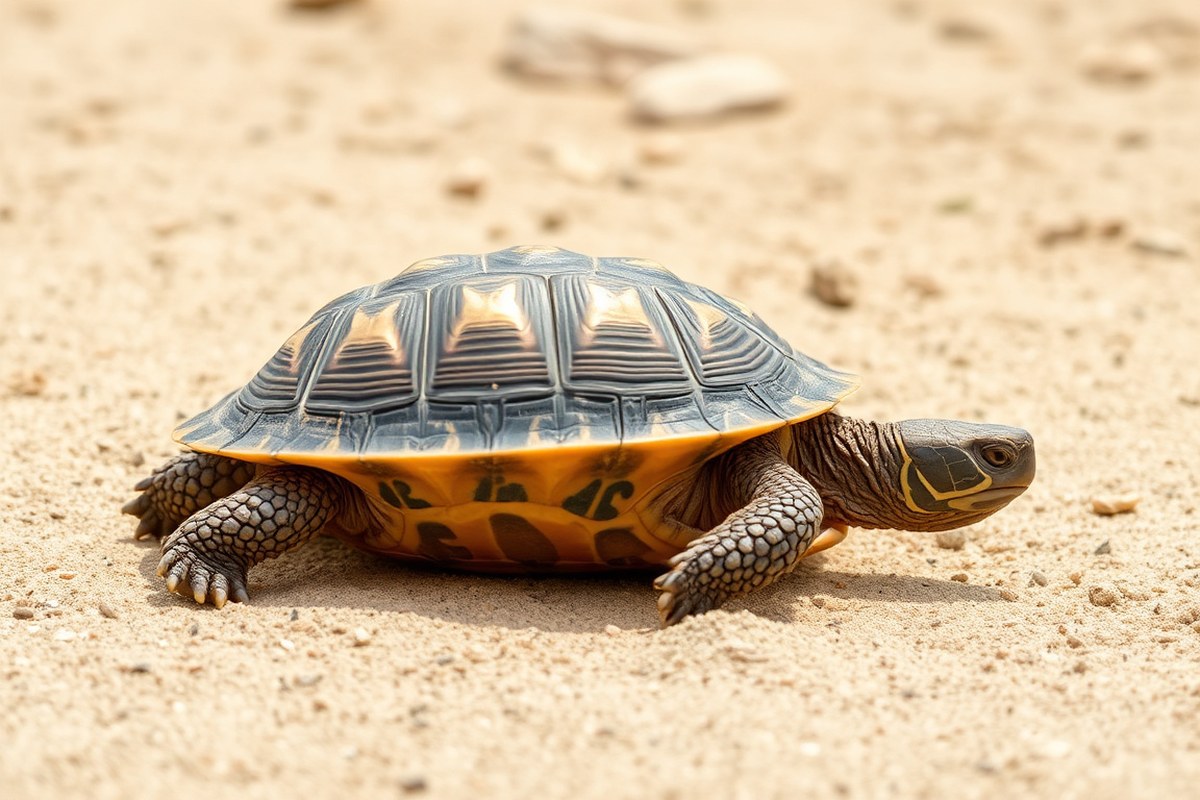
Turtles move much faster in water than on land. The fastest turtle is the leatherback sea turtle. It can swim up to 22 miles per hour.
That’s about 35 km/h. On average, sea turtles cruise at around 1 to 2 miles per hour while swimming.
On land, turtles are much slower. Most species move between 0.2 and 1 mile per hour depending on size and type. Cooters are aquatic turtles.
They can move over 1 mile per hour on land. Wood turtles and box turtles typically move around 0.2 to 0.25 miles per hour.
Comparing land and water speeds highlights how turtles’ bodies suit each environment. Large freshwater turtles swim about 10 to 12 miles per hour on average. But on land, many tortoises and freshwater turtles crawl slower than 0.5 miles per hour.
Sea turtles swim fast with their flippers. They move slower on land dragging their legs.
The fastest land turtle species are softshell turtles, moving as fast as 3 miles per hour. Common snapping turtles live in water. On land, they can sprint up to 4 miles per hour.
But their water speeds are even faster, around 10 miles per hour or more. The gopher tortoise moves the slowest, maxing out near 0.2 miles per hour and lives almost entirely on land.
In all, turtles show big differences in speed between land and water. The leatherback sea turtle swims faster than any other. It goes over 20 miles per hour underwater but only about 0 on land.6 miles per hour on land.
Freshwater turtles and softshells run between 1 and 4 miles per hour on land. Underwater, they swim closer to 10 miles per hour.
What Makes Sea Turtles the Fastest Swimmers?
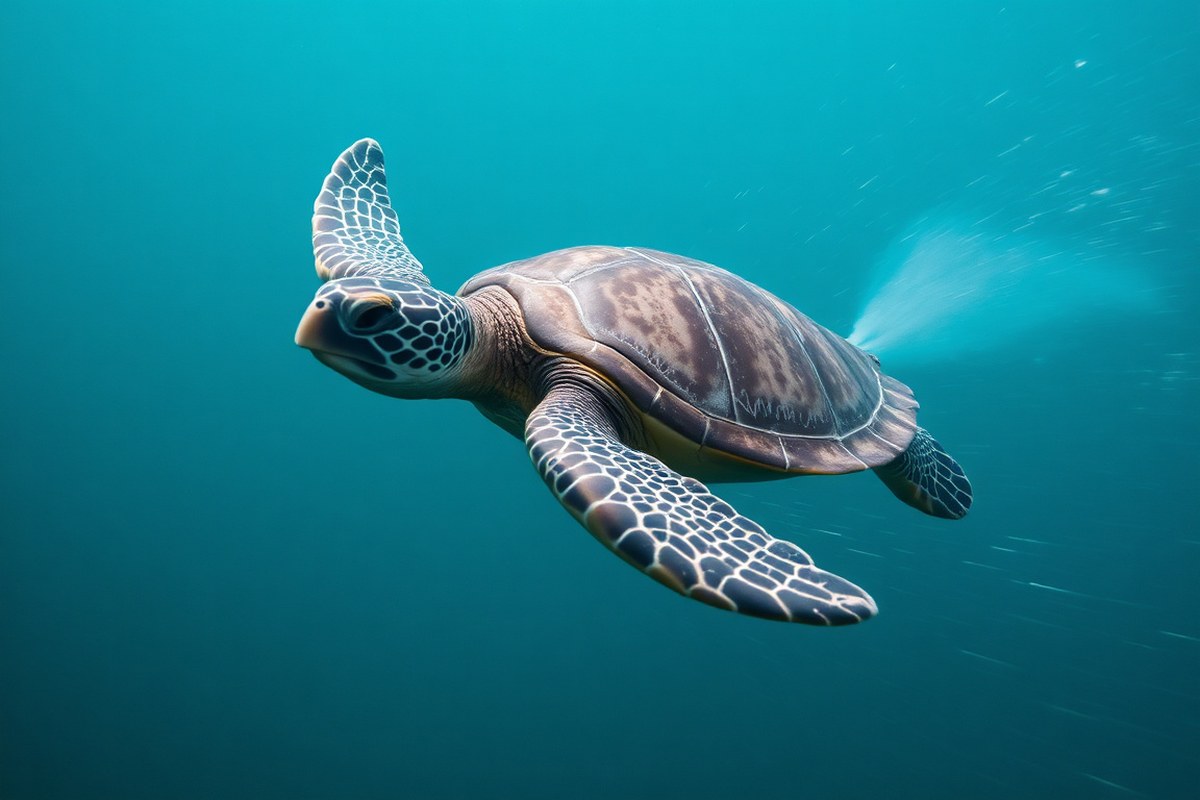
Sea turtles are the fastest swimmers among turtles thanks to unique adaptations. The leatherback sea turtle can reach speeds up to 22 miles per hour. Their shell shape, strong flipper muscles, and water-friendly body design all help them move fast underwater.
Streamlined Shell Shape
Sea turtles have smooth, streamlined shells that reduce water resistance. The leatherback’s shell is flexible and ridged, which cuts drag in the water. This design helps them glide efficiently and maintain high speeds while swimming.
Unlike land turtles with bulky, domed shells, sea turtles’ flatter shapes fit better with ocean currents. This shape means they spend less energy pushing through water. It also makes sharp maneuvers easier during swimming or escaping predators.
Powerful Flipper Muscles
Strong muscles in sea turtles’ front flippers act like powerful paddles. These muscles provide continuous thrust, letting turtles sprint up to 22 mph. The green sea turtle uses these flippers to swim fast over long distances.
Land turtles mainly use legs for walking and have weaker muscles for swimming. Sea turtles develop thicker, more flexible muscles that move in wide, powerful strokes. This helps them dive as deep as 2,000 feet while keeping their speed.
Low Metabolic Drag in Water
Sea turtles’ bodies produce less drag compared to land turtles in water. They have oily skin and reduced surface bumps, which cut friction while swimming. This keeps their energy use low, allowing them to stay fast for hours.
Being cold-blooded, sea turtles save energy by matching their body temperature to the ocean. This lets them swim long distances during migration without burning fuel. Land turtles have heavy shells.
This makes them move slowly. Their legs aren’t suited for fast movement.
Never try to catch a sea turtle. Their speed is a sign of health and escape ability.
Which Turtles Are the Fastest on Land?
The fastest turtles on land aren’t the bulky tortoises, but softshell turtles. Softshell species can reach speeds around 3 miles per hour. They sprint short distances faster than most other turtles that mostly walk.
Softshell Turtle Speeds
Softshell turtles hold the land speed record for turtles. They can run up to about 3 mph (4.8 km/h). This speed matches a human’s slow jogging pace.
It shows turtles can move faster than usual. They are quick when needed.
The African Sideneck Turtle runs faster than most. It can reach about 6 mph (10 km/h). This speed lasts only in short bursts.
Softshell turtles have flat, flexible shells and long legs that help them move quickly on land. However, these speeds only last a few seconds before they slow down.
Tortoise Speed Range
Tortoises move much slower than softshell turtles. Their heaviest shells and thick legs limit their speed. The Seychelles giant tortoise moves about 0.23 mph, which is very slow.
Even the fastest tortoise, a Leopard tortoise named Bernie, reached only 0.63 mph in tests. Most tortoises walk instead of running. Their pace compares more to a slow stroll than a jog.
Notable Fast Land Turtle Species
Besides softshell turtles, snapping turtles and some aquatic turtles are faster than tortoises. The cooter, an aquatic turtle, moves about 1.1 mph on land. This is still slower than softshell turtles but faster than many tortoises.
Softshell turtles, with around 25 species, vary in speed but generally remain the fastest on land. Other turtles rarely run; they mostly walk or waddle. Fast movement helps turtles escape predators and cross open spaces more quickly.
Here is a comparison table of speeds for some fast land turtles and tortoises:
| Species | Top Land Speed (mph) | Notes |
|---|---|---|
| Softshell Turtle (general) | 3.0 | Fastest turtle on land, sprinting pace |
| African Sideneck Turtle | 6.0 | Can run short bursts faster than average softshells |
| Cooter Turtle | 1.1 | Faster than most tortoises on land |
| Seychelles Giant Tortoise | 0.23 | Slow-moving tortoise, typical tortoise pace |
| Leopard Tortoise (Bernie) | 0.63 | Fastest tortoise recorded in controlled setting |
The fastest land turtles can only keep these top speeds briefly. Most turtles move steadily but slowly. Softshell turtles come closest to running, while tortoises usually shuffle along at walking speed.
Why Are Turtles so Slow on Land Compared to Water?
Turtles move slower on land mainly due to three physical limits. Their heavy shells press down on their bodies.
Their limbs are short and not built for fast walking. Plus, their metabolism runs slowly compared to many animals.
The turtle’s shell is a big factor slowing it down on land. It acts like a heavy backpack weighing 10 to 30 percent of their total body weight.
This extra weight makes lifting and moving the legs harder. The shell also limits how much the turtle can stretch its legs forward for each step.
Turtles have short, strong legs shaped for steady crawling, not speed. Unlike animals built to run fast, turtles cannot take long strides or move their limbs quickly. Their feet spread wide to support the shell, further limiting rapid movement.
Slow metabolism plays a big role too. It controls how much energy the turtle produces and uses. With a low metabolism, turtles can’t fuel quick bursts of speed for a long time.
They save energy by moving slowly and steadily. This helps them live a long time. Some can live over 50 years.
For example, the green sea turtle moves at only about 0.2 miles per hour on sand. Their slow crawl happens because of a heavy shell. Their heart rate is very slow too.
It can drop to one beat every nine minutes. Such a slow pace makes hatchlings vulnerable to predators as they walk to the ocean.
Some turtles have adapted differently. Soft-shelled turtles can reach speeds near 3.36 miles per hour.
Their lighter shells and more flexible limbs help them move faster on land. But most turtles, like box turtles at 0.17 miles per hour, keep a cautious pace.
These physical limits explain why turtles tend to be slower on land than in water. Their bodies suit slow, steady walking rather than fast running. You’ll notice them moving carefully, often pausing to rest because keeping energy is a top priority.
How Environmental Factors Affect Turtle Movement Speeds
Turtle movement speeds vary a lot depending on temperature, terrain, and water currents. Warm temperatures make turtles more active, boosting their speed. Cold conditions slow their muscles, so they move sluggishly or not at all.
The surface turtles travel on also changes how fast they can crawl. Rocky or uneven ground forces turtles to slow down to avoid injury. Soft, flat soil lets them move quicker, especially for land species like box turtles.
- Temperature between 75°F and 85°F helps turtles reach their top speeds.
- Rocky or steep terrain reduces speed significantly.
- Flat soil or sand allows easier walking.
- Strong water currents can either help or hinder swimming speed.
- Calm water lets aquatic turtles maintain their natural cruising speeds.
- Cold water slows muscles, making turtles swim slower.
Currents play a big role when turtles swim. A current moving in the same direction helps sea turtles swim faster.
It can add up to a mile per hour or more to their cruising speed. On the other hand, swimming against a current requires more effort and slows them down.
Observing turtles means watching the weather and terrain closely. Warm, dry days with calm water give turtles their fastest movements. You will see turtles move slower on rocky ground or cold mornings.
Knowing this helps you guess how long a turtle trip lasts. It also shows how far turtles can usually go.
Never touch or move a turtle in water or strong currents. This stresses them and can cause injury.
How Do Turtles Use Speed to Escape Predators and Migrate?
Turtles use speed in two main ways. They have quick bursts to escape danger. They also move slower for longer travels like migration.
They rarely keep a fast pace for long, except during urgent moments. Hatchlings move fast relative to adults to boost their survival chances.
Burst Speeds for Predator Evasion
Turtles use sudden bursts of speed to avoid predators. Usually slow and steady, they speed up when startled or threatened.
A green sea turtle cruises at 2 to 3 mph. It can suddenly speed up to over 15 mph. This boost helps it avoid threats.
On land, turtles can sprint to find shelter. They hide in their shells or nearby cover. This helps before predators get too close.
Here’s a typical escape behavior for a turtle:
- Detect the predator or sense danger with sight or vibration.
- React by turning toward a safe spot, like water or underbrush.
- Use a sudden burst of speed to close the distance quickly.
- Withdraw head and limbs into the shell if the threat gets too close.
- Remain still until the danger passes, conserving energy and avoiding notice.
Migration Speed Averages
Sea turtles cruise at slow, steady speeds during migration. They usually move between 1 and 3 mph, depending on species and conditions.
Juvenile loggerhead turtles tracked on a transatlantic trip showed an average speed just under 1 mph. This steady pace helps conserve energy for the long journey, sometimes lasting months.
Cold temperatures make turtles slow down because they conserve energy. Their movement is slow and steady, not fast and exhausting.
Hatchling Speed and Survival
Baby turtles move faster relative to their size than adults. Their quick dash from nest to water is important to avoid birds and other predators.
The first few minutes after hatching are the fastest and most dangerous for them. Their survival depends on rapid movement to safety.
After reaching water, hatchlings slow down to a more sustainable swimming speed. This helps them avoid tiring out too soon on their long journey ahead.
A Comparison Table of Turtle Speeds by Species and Environment
Turtles vary widely in speed depending on species and environment. Aquatic turtles swim faster than land-based tortoises. Some freshwater turtles move surprisingly quick on land, while tortoises stay slow.
| Turtle Species | Average Speed | Speed Unit |
|---|---|---|
| Leatherback sea turtle | 22 | Mph |
| Green sea turtle | 19 | Mph |
| Kemp’s ridley sea turtle | 17 | Mph |
| Olive ridley sea turtle | 17 | Mph |
| Hawksbill sea turtle | 15 | Mph |
| Loggerhead sea turtle | 15 | Mph |
| Flatback sea turtle | 15 | Mph |
In freshwaters and on land, softshell turtles and box turtles lead in speed. They can reach up to 6 miles per hour in short bursts. Tortoises, true land dwellers, usually move closer to 0.25 miles per hour.
Knowing species speeds helps gauge their escape tactics and migration. Faster swimmers like leatherbacks cover larger distances when migrating. On land, speedy turtles rely on quick bursts over short distances to avoid predators.
Practical Tips When You See a Turtle Moving Across Roads or Trails
Seeing a turtle slowly cross a road or trail calls for patience and care. Turtles move at different speeds, often much slower than a walking person. You should only move a turtle when it’s safe for both of you.
Pick it up gently by the sides of its shell, avoiding the head and legs. Always carry the turtle in the direction it was going to avoid confusing it. Use both hands because some turtles can be surprisingly heavy or might try to squirm free.
- Check for oncoming traffic before stepping onto a road.
- Wear gloves or wash hands after handling turtles to avoid germs.
- Never move turtles toward the side of the road they came from.
- Avoid moving turtles if it could stress them or injure their legs.
- Do not take wild turtles home, they belong in their habitat.
- Watch for hot or cold days when turtles may move slower.
- Older and larger turtles will need more time and care if moved.
Don’t help turtles at night. They may be less alert then. Avoid helping them in very hot weather, too.
You may slow them down accidentally if they have an injury. Never rush to grab a turtle if cars are coming fast.
Don’t risk hurting yourself. Be patient and stay safe.
Always move a turtle forward across the road, never back the way it came.
Turtles can move about 3 miles per hour when threatened. Usually, they go much slower than that. That makes crossing roads very dangerous for them.
Taking just a minute or two to help can save their lives. Just stay calm and steady. Put safety first for both you and the turtle.
Common Myths About Turtle Speed Debunked
People often say turtles are slow, but that’s not always true. Some turtles can run 3 to 4 miles per hour. That speed is almost as fast as a human’s fast walk.
They use this speed to move quickly when needed. For example, common snapping turtles can move quickly on land, despite their slow swimming speed.
Many think all turtles move at the same slow pace. But speeds vary by species.
The Eastern Box Turtle, for example, moves around 0.25 miles per hour, much slower than snapping turtles. Sea turtles swim over 10 miles per hour, which is faster than any human swimmer.
The stereotype that turtles never run is misleading. Turtles do run when they feel threatened or need to find food.
Their short legs let them accelerate for short bursts. But they can’t keep up a running pace long like mammals do.
Some imagine turtles can outrun people on land. But a healthy human can usually walk faster. Still, turtles move faster than you might think, especially in short sprints.
You won’t see a turtle sprint like a cheetah. But don’t underestimate its bursts of speed.
Understanding turtle speed helps you respect how they survive. Many turtles rely on quick movements to escape predators or cross roads. That quick burst of speed helps turtles stay safe.
Turtles seem slow at first but can move fast briefly. This speed boost can protect them from danger.
Step-by-Step Action Plan for Understanding Turtle Speeds
Use this plan to learn about turtle speeds and notice them in real life. Take small steps to see how their movement changes by species and setting.
- Day 1: Watch a turtle near water or on land. See how fast it moves compared to your walking speed.
- Week 1: Research a local turtle species online. Note its average speed in water and on land.
- Week 2: Observe environmental conditions like temperature and weather. Check if turtles move faster or slower.
- Week 3: Visit a natural area or refuge. Look for turtles crossing trails or roads safely as you watch.
- Week 4: Look up turtle speeds from different species in guides. Make a simple chart with this data to compare.
- After 1 month: Watch for signs of turtles escaping predators. Look near water where they live. Notice any migration paths they follow.
- Ongoing: Take photos or notes each time you see a turtle moving. Watch for changes in speed or behavior.
Frequently Asked Questions
Can Turtles Run Fast When Threatened?
Turtles can’t run fast even when threatened. Their legs and body shape limit their speed. They rely on their shells and slow, steady movement to stay safe.
Do Turtles Move Faster in Water or on Land?
Turtles move much faster in water than on land. Water supports their weight and lets them swim up to 22 mph. On land, even the fastest turtles move just a few miles per hour.
Can Cold Weather Slow Down Turtle Movement?
Yes, cold weather slows turtles down. They are cold-blooded, so low temperatures reduce their energy and speed. They become sluggish until it warms up again.
Why Do Bigger Turtles Move Slower?
Larger turtles move slower because more body mass means more effort to move. Heavy shells add drag, making movement slower. Smaller turtles often move quicker and more easily.
How Do Turtles Know When to Speed Up?
Turtles speed up mainly to escape predators or during migration. They can increase pace quickly when threatened underwater. On land, their speed change is limited due to their body design.
Wrapping Up
Turtles move at different speeds depending on their type and environment. You now know why sea turtles swim faster and land turtles move slower. Next time you see a turtle, try timing its crawl to see these differences in action.