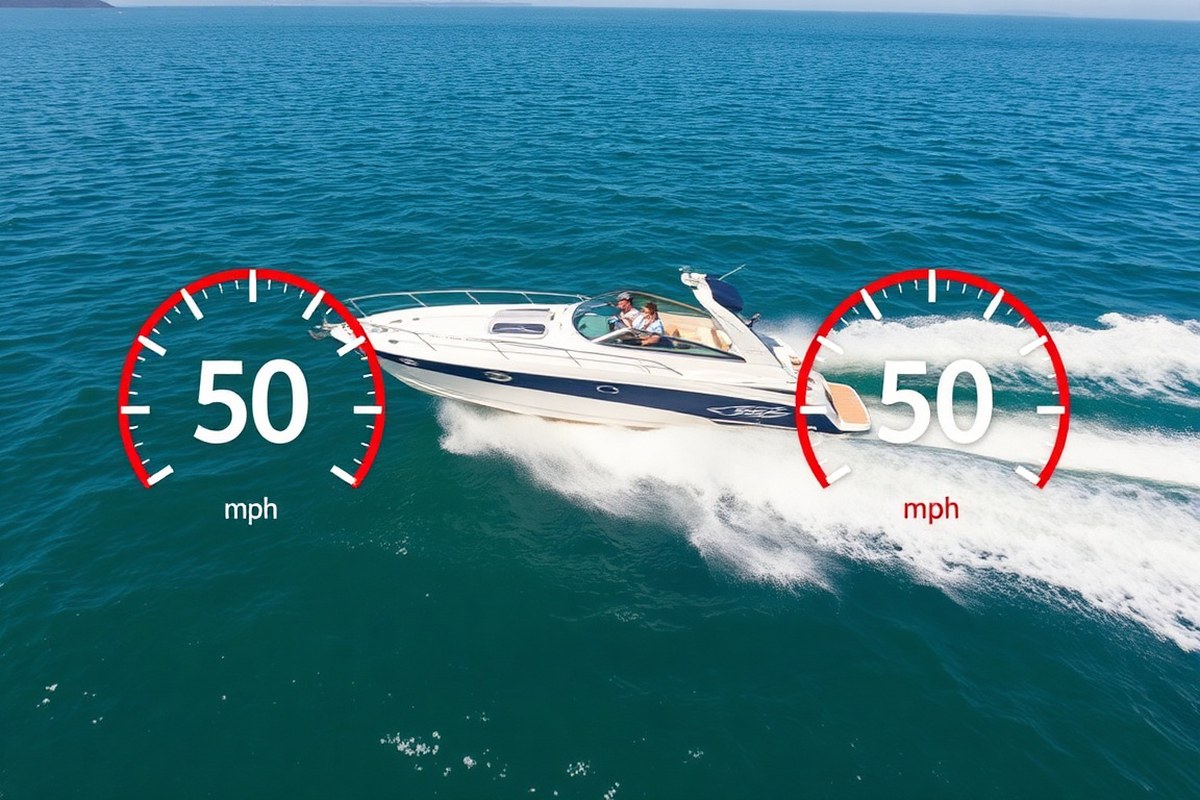
How Fast Is 50 Knots in MPH? Exact Conversion Plus 9 Proven Tips
Wondering how fast is 50 knots in mph? The exact conversion is 57.54 miles per hour. A speed of 50 knots is a bit faster than 57 mph.
It is not a big difference but it is noticeable. You can compare these speeds when planning trips.
To find this, multiply 50 by 1.15078, the precise factor for knots to mph. It’s smart to know this because boats and planes often use knots. But miles per hour feels more familiar to most people.
One knot is a little faster than one mph. That’s because knots use nautical miles, not normal miles.
The difference matters when measuring travel speed on water or air. So, that small difference really adds up for longer trips or when speed accuracy matters.
Key Takeaways
- One knot equals roughly 1.15078 miles per hour for exact conversion.
- Multiply knots by 1.15078 to get mph accurately every time.
- Knots measure nautical miles per hour, which are longer than land miles.
- Adding 15% to knots gives a quick, rough mph estimate in your head.
- 50 knots translates to about 57.5 mph, slightly faster than 50 mph.
- Remember the difference when planning trips involving water or air travel.
1. How Fast Is 50 Knots in Miles per Hour Exactly?
Fifty knots equal about 57.539 miles per hour. You get this by multiplying 50 by the conversion factor 1.150779. The exact formula looks like this: miles per hour = knots × 1.150779.
Following the formula, 50 × 1.150779 equals 57.539 mph exactly. This number is the official conversion used in boating, aviation, and weather reports. It means if your boat is moving at 50 knots, it travels 57.539 miles in one hour.
This matters because knots measure nautical miles per hour. Nautical miles differ slightly from regular miles per hour. That difference makes this conversion important.
Nautical miles are longer, so knots end up a bit faster than mph. Knowing the exact mph equivalent helps you compare speeds properly on land and sea.
2. What Is the Formula to Convert Knots to MPH?
To convert knots to miles per hour, multiply the knot value by 1.150779448. This exact number comes from the fact that one knot equals 1.150779448 miles per hour. Using this formula works for any speed given in knots.
For example, to find how fast 50 knots is in mph, multiply 50 by 1.150779448. The math looks like this: 50 × 1.150779448 = 57.539 mph. So, 50 knots equals about 57.54 miles per hour.
You can do this calculation by hand or with a calculator. Just multiply the number of knots by 1.150779448. It’s a simple step that’s very useful for pilots or boaters.
They need exact speed info in mph. This helps get that data quickly.
Always double-check your multiplication when converting knots to mph to avoid mistakes, especially in navigation.
3. Why Is One Knot Slightly Faster Than One Mile per Hour?
One knot is faster than one mile per hour because it measures a different mile. A knot equals one nautical mile per hour.
Miles per hour use a statute mile. The nautical mile is longer, about 6,076 feet compared to 5,280 feet in a statute mile.
This difference matters when you compare speeds. The nautical mile is about 800 feet longer than a regular mile.
Traveling one knot covers more distance in the same time. That’s why 1 knot equals about 1.15 miles per hour, not just one.
The nautical mile is based on Earth’s latitude and longitude. It equals exactly 1,852 meters internationally, whereas a statute mile is 1,609.344 meters. Nautical miles fit better with navigation charts and coordinates used at sea and in the air.
Using knots simplifies distance tracking in navigation. Boats and planes follow latitude and longitude lines.
So measuring speed in nautical miles per hour helps keep navigation precise. You must convert constantly when using statute miles to match map scales.
4. How Can You Quickly Estimate Knots to MPH in Your Head?
You can guess knots to mph quickly by adding about 15% to the knot number. This works well for most speeds you’ll meet on boats or planes. Knowing this trick helps you switch between units without a calculator.
Add 15% Rule
Try adding 15% to the knot number for a fast mph estimate. For example, 50 knots plus 15% gives roughly 57.5 mph. This is close enough for most practical uses.
The rule works because one knot is 1.15078 mph, which is about 15% more. So, take your knots and add one-sixth or so to get mph quickly by head.
Multiply by 1.15 Shortcut
Multiplying knots by 1.15 gives a fast and reliable result for mph. It’s an easy step.
Just multiply by 1, then add a bit. For 50 knots, you calculate 50 times 1.15 to get 57.5 mph.
This method uses the exact figure of one knot as 1.15078 mph rounded simply. You can’t do 1, try this method instead.15 precisely, multiply then add a bit more than a tenth of the original number. That’s good enough for quick estimates.
Common Quick Examples
Use these easy starters to get conversions fast in your head:
- 20 knots → 20 + 3 = about 23 mph
- 40 knots → 40 + 6 = about 46 mph
- 50 knots → 50 + 7.5 = about 57.5 mph
These numbers are simple because you just add about one-sixth or 15% of the knots. You can do this while reading marine charts or cockpit instruments quickly.
As speed rises, this rough addition still keeps you close enough. It saves you time during a trip or training without needing exact tools.
5. What Speeds Are Comparable to 50 Knots in Real Life?
Traveling at 50 knots means moving at about 57.5 miles per hour. This speed is common in fast boats, some light aircraft, and strong wind conditions. To picture it better, compare it to common travel modes.
Think about water, air, and land travel separately. Each moves at different usual speeds.
Marine Vessels Around 50 Knots
Many high-speed boats cruise close to 50 knots. Racing boats and fast ferries often reach this speed. They use it to race or save time.
It helps them move quickly over water. Larger commercial vessels rarely reach this speed because it’s fuel-intensive and less efficient for heavy loads.
Personal watercraft like jet skis can easily hit 50 knots, making them popular for recreational use. Sailing boats with powerful engines may also reach these speeds in favorable conditions. Speedboats commonly hit around 40 to 55 knots depending on design and load.
Aircraft Speed Examples
Light aircraft, like small single-engine planes, fly close to 50 knots. They do this during takeoff or landing. This speed is common for such planes.
Helicopters on approach or hover can also move around this speed. These slower speeds help pilots manage safe control near airports and landing zones.
Cruising speeds for light aircraft usually go higher than 50 knots. Still, 50 knots matters during flight training. It’s a key speed to know.
It marks a boundary between takeoff, climb, or slow flight conditions. This pace gives you a tangible feel for slower air travel.
Wind Speeds and Weather
Winds blowing at 50 knots translate to about 57.5 mph and classify as strong storm or gale conditions. These winds can cause rough seas and hazardous boating or sailing environments. For land, winds this fast can knock down tree branches and cause driving risks.
Winds near 50 knots rate as “gale” on the Beaufort scale. These winds make outdoor activities risky without preparation. The wind strength can cause harm.
Weather reports use knots for winds at sea or near coasts. This helps mariners understand the dangers. It’s a common measurement in marine weather.
| Description | Range (mph) | Beaufort number | Knots |
|---|---|---|---|
| Light air | 1-3 | 1 | 2.5 |
| Light breeze | 4-7 | 2 | 5.0 |
| Gentle breeze | 8-12 | 3 | 7.5-10.0 |
| Strong breeze | 25-31 | 6 | 22.5-27.5 |
| Moderate gale | 32-38 | 7 | 30.0-32.5 |
The table shows wind categories by mph and knots, leading up to high speeds. Since 50 knots is above these strong breeze and gale categories, it’s considered very powerful wind. Mariners and pilots use this info to plan safe routes and operations.
Always check local weather before traveling near 50 knots. Dangerous winds and waves may be present. Checking helps you stay safe on the water.
6. How Long Does It Take to Travel Distances at 50 Knots?
At 50 knots, you travel roughly 57.5 miles per hour. This speed helps you cover distances quickly. It’s key for planning trips on water.
It also helps you navigate coastal areas efficiently. Knowing travel times helps you schedule stops precisely.
It also helps estimate arrival times. This is useful during trips or races.
Calculating travel time is simple: divide the distance by speed. For example, at 50 knots, going 1 mile takes just over one minute, about 63 seconds. For longer trips, multiply the time per mile by the total miles.
| Distance | Time at 50 Knots |
|---|---|
| 1 kilometer | 39 seconds |
| 1 mile (1.15 km) | 1 minute 3 seconds |
| 5 kilometers | 3 minutes 14 seconds |
| 10 kilometers | 6 minutes 29 seconds |
| 42.2 kilometers (marathon) | 27 minutes |
| 100 kilometers | 1 hour 5 minutes |
| 100 miles | 1 hour 44 minutes |
This table helps you quickly estimate travel times at 50 knots. Going 10 km offshore or along the coast takes just over 6 minutes. For a 100-kilometer trip, budget around 65 minutes, which is useful for fuel and rest planning.
Remember, real travel times can vary. Wind, currents, and navigation hazards may slow you down. Always add extra time if conditions are bad.
Some boats handle slower at this speed. Plan for delays accordingly. Planning with a margin keeps you safe and on schedule.
7. What Are Common Mistakes When Converting Knots to MPH?
One common mistake is mixing up knots and miles per hour as equal. Many assume 50 knots equals 50 mph, which underestimates speed by about 15%. Another error happens when people round the conversion factor too much.
The exact conversion is 1 knot equals 1.15078 mph. But rounding it to 1.15 or ignoring decimals causes small errors to grow.
Confusing nautical miles and statute miles also leads to errors. Knots measure nautical miles per hour, not statute miles.
Using the wrong mile standard results in wrong conversions and speed estimates. This matters most in navigation and aviation, where accuracy affects travel plans.
- Assuming 1 knot = 1 mph without adjusting the factor
- Rounding 1.15078 to 1.1 or 1.2, causing bigger errors
- Mixing nautical miles and statute miles in calculations
- Using inconsistent time units like minutes instead of hours
- Forgetting to double-check conversions in opposite directions
- Relying on mental math for exact conversions in critical situations
- Not using calculators or tools on longer calculations
To avoid these issues, use the full conversion factor 1.15078 when you need precision. If you want a quick estimate, round to 1.15 but be aware of small errors.
Confirm you’re using the right mile unit for your context. When calculating time or distance, keep units consistent, hours for speed, miles for distance.
Double-check your math when converting back and forth between knots and mph. Use a calculator or a conversion tool for anything critical, like navigation or flight planning. Writing out the formula before calculating prevents skipping steps or mixing up numbers.
8. How Do You Convert MPH Back to Knots?
You convert miles per hour to knots by dividing the mph value by 1.15078. This number comes from how many miles per hour equal one knot. The exact formula is: knots = miles per hour ÷ 1.15078.
For example, if you want to convert 50 mph to knots, divide 50 by 1.15078. That gives you about 43.45 knots.
This shows how much slower 50 mph is than the same speed in knots. It helps you understand the difference in speed units.
The conversion works because one knot equals 1.15078 mph. This factor is the inverse of the conversion from knots to mph. Using this formula helps you switch back and forth between the two units easily.
Use a calculator or a smartphone for precise answers. To calculate silently, divide by 1.15 in your head. This gives the speed in knots.15 roughly and expect a close estimate.
This exactness matters for pilots and boaters who need precise speeds. They use it to plan safe, timely trips.
Double-check your units when converting speeds. Mixing knots and mph can cause errors in navigation and timing.
9. What Practical Tips Help When Using Knots and MPH in Daily Situations?
Working with knots and miles per hour requires paying attention to details. Knowing practical tips makes your speed reading more exact in boating, flying, or weather tracking. Watch your tools, conversions, and local unit differences to get reliable results.
Check Your Instrument Settings
Speedometers or GPS displays might switch between knots and mph. Always confirm your device shows the unit you expect before planning your trip. The wrong unit can mess up your timing and fuel calculations.
Some boats and aircraft instruments let you toggle the speed readout. Take a moment to verify this right when you start or before you leave port. That prevents guesswork later on.
Use Reliable Conversion Tools
Manual conversions can cause errors when you’re in a hurry. Use trusted apps or online calculators for precise knot to mph conversion. They help you convert quickly and avoid mistakes.
Check them anytime you need accuracy. These tools handle decimals and rounding with ease.
Keep these rules in mind to choose the best tool:
- Check for up-to-date conversion formulas, like 1 knot = 1.15078 mph
- Pick apps with clear units display and settings
- Use calculators made for maritime or aviation contexts
- Keep a simple reference table in your notes or phone
- Test the tool once with known values to confirm accuracy
This saves time and avoids math mistakes when conditions get busy.
Understand Local Nautical Mile Variations
Not all nautical miles are exactly the same length. The U.S. Nautical mile is 1853.248 meters, the UK’s Admiralty mile is slightly shorter at 1853.184 meters.
The international standard rounds to 1852 meters. These small differences can add up.
For typical trips, the variation won’t change your speed reading much. But for long journeys or precise navigation, use the standard defined by your location or authority. Knowing which mile applies helps avoid confusion or planning errors.
Step-by-Step Action Plan to Use Knots and MPH Confidently
Use these steps to convert and understand 50 knots in miles per hour easily. You can apply this for boating, flying, or anytime you deal with speed units.
- Before You Start: Memorize that 1 knot equals 1.151 mph. This basic fact helps any quick conversion.
- Right Now: Multiply your knots by 1.151 to get the exact mph. Check your work with a calculator or conversion app.
- Today: Try estimating by adding 10% to knots and another small bit for speed. It should feel close enough for quick calls.
- This Week: Compare 50 knots speeds of fast boats or planes. See how they match real-world distances you know. This builds intuition.
- Next Time You Travel: Use your conversion skills to judge trip times. For example, estimate how long 50 knots take to cross a bay.
- Weekly Check: Practice converting mph back to knots to stay sharp. This keeps you fluent in both units.
- Whenever You Use Equipment: Double-check the units on your instruments before reading speeds. Avoid mix-ups by labeling or notes.
Frequently Asked Questions
How Long Would It Take to Cover 100 Miles at 50 Knots?
It would take about 2 hours to travel 100 miles at 50 knots. Knowing speed helps you plan how long trips will last by sea or air.
Is 50 Knots a Typical Speed for Recreational Boats?
Yes, many recreational boats cruise around 20 to 50 knots. Speeds near 50 knots are common for fast boats and some personal watercraft.
Can Wind Speed Be Measured in Knots and Converted to Mph?
Yes, wind speed is often measured in knots and can convert to mph. For 50 knots, the wind speed is about 57.5 mph.
Do Pilots Use Knots or Mph for Flight Speed?
Pilots typically use knots, not mph, for airspeed and navigation. It keeps international systems consistent, even when flying over the ocean.
Is 50 Knots Considered a High Speed for Small Planes?
For many small planes, 50 knots is slower than cruising speed. Most small aircraft fly between 100 and 150 knots during cruise.
The Bottom Line
Fifty knots equals about 57.55 mph, a useful figure to keep in mind. Next time you see speed in knots, convert it with confidence. Practice a quick estimate to save time on the water or in the air.