How Much Does 6 Gallons of Gas Weigh? A Complete Guide with Calculations
Wondering how much 6 gallons of gas weigh? It weighs about 37.8 pounds. That assumes a typical weight of 6.3 pounds per gallon at 60°F.
Gasoline’s weight changes with temperature because it expands or contracts. Warmer temperatures make gas lighter per gallon, and cooler temps make it heavier. Different fuel blends can also affect the weight slightly.
Knowing the weight helps you plan for handling gasoline safely. Overloading fuel containers or vehicle tanks can cause leaks or spills. It also matters when you store fuel in moving vehicles or trailers.
To get an exact weight, start by weighing a single gallon from your source. Use that as a baseline for multiplying and planning. This approach reduces the chance of surprises during transport or storage.
Key Takeaways
- One gallon of gasoline weighs roughly 6.3 pounds at 60°F.
- Six gallons of gas typically weigh just under 38 pounds.
- Temperature changes can make gasoline weigh a bit more or less.
- Ethanol blends lower gas density, slightly reducing its weight per gallon.
- Use actual gallon weights to safely manage container loads and transport.
- Calculate fuel weight before loading vehicles to avoid exceeding payload limits.
How Much Does 6 Gallons of Gasoline Weigh?
Six gallons of gasoline weigh about 36 to 37.8 pounds (16.3 to 17.1 kilograms). This range depends mainly on gasoline’s exact density. Density can vary a little with temperature and blend.
These changes cause small shifts in weight. Typically, one gallon of gasoline weighs around 6 to 6.3 pounds.
To find the weight of 6 gallons, multiply the gallon weight by six. For example, if you use the common estimate of 6.2 pounds per gallon, then 6 gallons weigh 37.2 pounds (6.2 × 6 = 37.2). This calculation gives a good practical figure for most regular gasoline types.
The weight stays pretty steady for standard unleaded gasoline. That’s because the density doesn’t change much. Most typical blends have close density values.
Still, small differences happen due to temperature or ethanol content. For precise needs, use the specific gasoline density from your source and multiply by volume.
What Affects the Weight of Gasoline per Gallon?
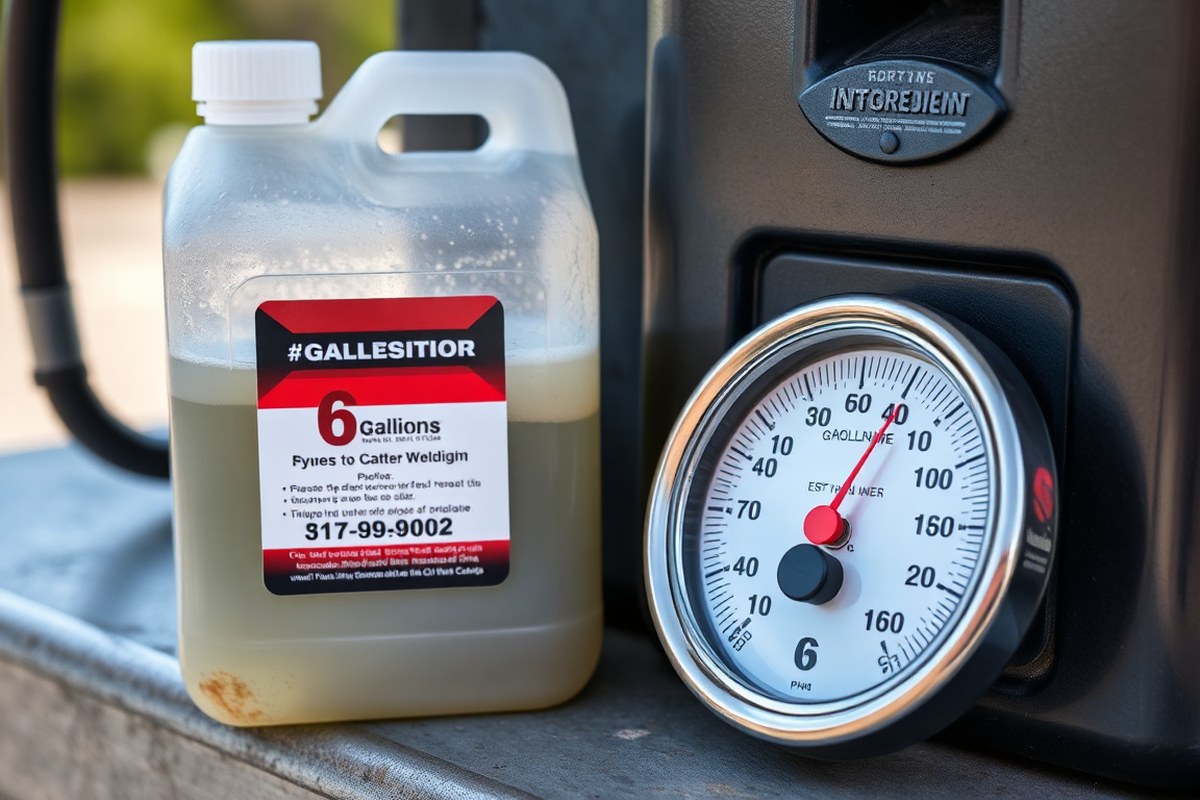
Gasoline weight per gallon changes with temperature, ethanol, and fuel types. Temperature affects how heavy the liquid feels. Different fuel blends also change the weight slightly.
Gasoline gets denser and heavier when cold because liquids contract. Warmer conditions make it lighter. Seasonal fuel blends use different chemicals for better performance and less pollution.
These mixes cause minor changes in the fuel’s weight. Engines run better or cleaner because of these blends.
Ethanol weighs less than pure gasoline. Adding it lowers the weight per gallon. E10 fuel, with 10% ethanol, weighs about 6.1 pounds per gallon.
Pure gasoline weighs near 6.2 pounds per gallon. Fuels with more ethanol, like E85, weigh from 5.8 to 6.0 pounds per gallon.
- Temperature shifts cause up to 3-4% weight difference; colder fuel is heavier.
- Seasonal blends adjust chemicals for weather, changing fuel density slightly.
- Ethanol content reduces weight; more ethanol means lighter fuel per gallon.
- Octane rating impacts weight; premium gas tends to be a bit heavier.
- Additives and refinery blends also cause minor weight changes.
These weight changes matter when you calculate fuel weight for transport or loading. Cooler weather means fuel weighs more, so your load might be heavier than expected. Gas cans filled with ethanol blends weigh less.
These blends absorb water quicker. That can lower their quality over time.
Store gasoline in a cool place to keep its density and weight consistent.
Adjust your fuel weight estimate by considering temperature and ethanol content. Use 6.1 pounds per gallon as a base for regular E10 fuel at 59°F. Cold days could add 0.2 pounds per gallon.
Ethanol-free blends might weigh 0.1 to 0.2 pounds more. These small shifts add up when fueling larger tanks or carrying several gallons.
How to Convert Gasoline Volume to Weight Accurately
You can find gasoline weight by multiplying its volume by its density. Use pounds per gallon and gallons for consistent US units. Adjust for temperature because density changes with heat.
Understanding Density as a Key Factor
Density tells you how much mass a volume of gasoline holds. Typical gasoline weighs about 6.1 to 6.3 pounds per gallon at 60°F. Knowing density helps convert volume into weight accurately.
Density varies with temperature and ethanol content. Warmer gas expands, lowering density and weight per gallon. Estimating weight without density results in errors for precise uses.
Step-By-Step Volume to Weight Calculation
Follow these steps to calculate gasoline weight accurately from volume. Use consistent units like gallons and pounds per gallon before multiplying. Here’s how to do it:
- Find the gasoline volume in US gallons, for example, 6 gallons.
- Look up or measure the gasoline’s density, typically 6.3 lb/gal at 60°F.
- Multiply the volume by the density: Weight = Volume × Density.
- Calculate: 6 gallons × 6.3 lb/gal = 37.8 pounds.
This formula works for any fuel volume and density unit pair. Convert volume to gallons first when it’s given in liters. One liter equals about 0.264 gallons.264 gallons).
Adjusting Weight for Temperature Variation
Fuel expands as temperature rises, which lowers its density and weight per gallon. Normally, density measurements use 60°F as a standard baseline. Adjust for actual temperature using the fuel’s expansion coefficient.
Calculate density at temperature T using this formula. Density at T equals density at 60°F divided by one plus alpha times T minus 60. Alpha is about 0.00064 per degree Fahrenheit.0006 per °F. For example, at 80°F, density decreases slightly, lowering weight estimates.
Accounting for temperature is important when weighing fuel stored outdoors or for bulk transport. It avoids underestimating or overestimating fuel weight, which can impact safety and load calculations.
How Ethanol Blends Change Gasoline Weight
Ethanol blends like E10 and E15 are lighter than pure gasoline by weight. Ethanol itself weighs less per gallon than gasoline. This changes the total weight of fuel you carry in six gallons.
Pure Gasoline Density and Weight
Pure gasoline weighs about 6.01 to 6.47 pounds per gallon at 59°F (15°C). Its density ranges from 720 to 775 kg per cubic meter. This weight varies slightly based on temperature and specific gasoline blend.
Gasoline is lighter than many other vehicle fuels, like diesel. For cargo planning, knowing pure gasoline’s weight helps manage your vehicle’s payload accurately.
E10 and E15 Mixture Effects
E10 and E15 blends mix 10% or 15% ethanol with gasoline. Ethanol weighs less per gallon than gasoline, making these blends lighter overall. The exact weight depends on the ethanol percentage and gasoline density.
For example, E10 might weigh around 6.0 pounds per gallon. E15 will weigh a little less than pure gasoline but a bit more than E10.
Ethanol’s density is about 789 kg/m³. But gasoline’s is usually higher, so blending cuts weight.
Practical Implications for Fuel Weight
Carrying six gallons of E10 or E15 cuts fuel weight slightly. It weighs less than pure gasoline. The weight difference is about 0.1 to 0.3 pounds.
This difference might seem small but adds up for large fuel loads. Truck drivers and transport planners use this to calculate payload capacity.
Temperature also changes fuel weight slightly. Warm gas weighs less than cold gas.
So fuel stored in hot conditions will be lighter. Always calculate fuel weight at standard conditions or measure temperature to get an accurate figure.
| Fuel | Specification | Density range (kg/m³ at 15°C) | Weight (lbs/US gallon) |
|---|---|---|---|
| Pure Gasoline | EN 228 | 720, 775 | 6.01, 6.47 |
| E10 Blend | Gasoline + 10% Ethanol | Approx. 730 | ~6.0 (estimated) |
| E15 Blend | Gasoline + 15% Ethanol | Approx. 725 | Just under 6.0 (estimated) |
| Diesel | EN 590 | 820, 845 | 6.84, 7.05 |
Use these weights to convert fuel volume to weight accurately. Multiplying gallons by the blend’s weight gives your cargo weight. This helps you avoid exceeding legal or safe vehicle limits.
Comparing Gasoline Weight to Diesel and Other Fuels
Diesel weighs noticeably more than gasoline per gallon, affecting fuel handling. This difference matters for fueling vehicles and staying within weight limits. Storage and transport systems must adjust for these weight changes.
Gasoline vs Diesel Weight per Gallon
Gasoline usually weighs about 6.2 pounds per gallon. Diesel is heavier, ranging from 7.1 to 8.0 pounds per gallon. This extra weight comes from diesel’s chemical makeup and density.
Because of this, six gallons of diesel will weigh roughly 42 to 48 pounds. Six gallons of gasoline weighs nearly 37 pounds. These numbers guide operators when loading vehicles or calculating fuel needs.
| Fuel Type | Weight per Gallon (lbs) |
|---|---|
| Gasoline | 6.2 |
| Diesel | 7.1 – 8.0 |
| Heating Oil | 7.2 – 8.4 |
This table reflects typical weights at standard temperatures. Variables like temperature or fuel blend shift these values slightly. Using 6.2 pounds per gallon for gasoline is a good rule of thumb.
Heating Oil Weight Context
Heating oil, similar to diesel, weighs between 7.2 and 8.4 pounds per gallon. It is slightly denser due to additives and formulation. Knowing this helps if you store or transport heating oil alongside diesel.
Both diesel and heating oil pose similar challenges for vehicle or tank payload calculations. Their weights exceed gasoline by a sizable margin. This difference impacts safety and efficiency in bulk fuel handling.
Impact on Vehicle and Storage Systems
Fuel weight directly affects vehicle payload and total weight limits. Overestimating gasoline weight but fueling with diesel could overload a vehicle. This mistake leads to fines, safety risks, or mechanical stress.
Storing heavier fuels demands stronger containers and supports. Fuel tanks marked for gasoline might not safely hold diesel or heating oil at full capacity. Adjust your fuel calculations and container ratings based on the exact fuel used.
Always check the fuel type’s weight per gallon before loading to avoid exceeding vehicle limits.
How Gasoline Weight Affects Vehicle Fuel Economy and Payload
Carrying 6 gallons of gasoline adds about 37 pounds to your vehicle’s load. Since one gallon weighs roughly 6.1 pounds, the 6 gallons together can reduce your available payload by that amount. This weight can affect your vehicle’s handling and braking a little.
The impact is more if your vehicle is close to its payload limit. Keep an eye on how much weight your vehicle carries.
This fuel weight also affects fuel economy calculations. Heavier fuel means your engine must work a bit harder to move the extra mass.
However, the drop in miles per gallon is small and usually not noticeable for everyday driving. It becomes more relevant when you carry larger fuel amounts or other heavy cargo.
Transport and logistics planners use fuel weight to ensure cargo stays within legal limits. For example, trucks must not exceed axle weight limits, or they risk fines and safety hazards. Knowing the exact fuel weight helps avoid these problems and keeps shipments compliant with DOT regulations.
When planning trips or loading your vehicle, subtract fuel weight from your total payload capacity. Read your vehicle’s manual to find its max payload.
Then, subtract the 37 pounds for 6 gallons of gas before adding passengers or cargo. This step prevents overloading and maintains safe vehicle control.
For emergency fuel storage and transport, keep containers low in the vehicle. Secure them tightly to prevent any shifting of weight while driving. This helps keep your vehicle stable and safe.
Uneven or sudden shifts in fuel weight can affect balance and steering. Accurate weight estimates also help estimate fuel needs and travel range under load.
Typical Weights of Gasoline by Container Size Including Gas Cans
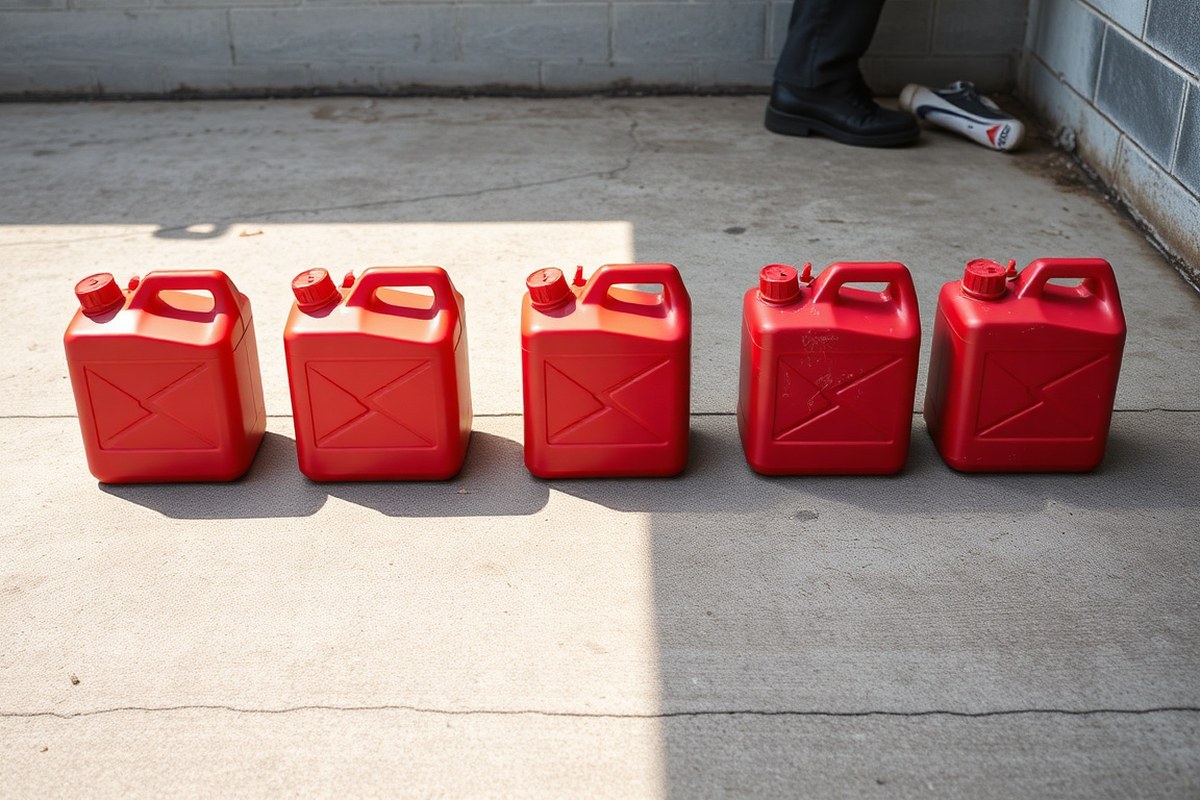
You can expect a full 5-gallon gas can to weigh around 33 pounds. This includes about 30.5 pounds of gasoline and 2 to 3 pounds for the empty container. Portable containers for gas vary slightly in weight, mostly based on their size and material.
Smaller cans hold less gas and weigh less. But larger tanks add a lot more weight. For example, 6 gallons of gas weighs roughly 36.6 pounds just for the fuel.
When stored in regular portable cans, the container adds weight. Usually, this extra weight is a few pounds.
| Container Type | Gas Capacity | Gas Weight (lb) | Container Weight (lb) | Total Weight (lb) |
|---|---|---|---|---|
| Small gas can | 2.5 gallons | 15.3 | 1.5 | 16.8 |
| 5-gallon gas can | 5 gallons | 30.5 | 2, 3 | ~33 |
| 6-gallon portable can | 6 gallons | 36.6 | 2, 3 | ~39 |
| Car gas tank (small) | 12 gallons | 73.2 | Variable | Variable |
| Car gas tank (large) | 15, 16 gallons | 91.5, 97.6 | Variable | Variable |
Remember, the container’s design affects ease of carrying six gallons. Metal cans tend to weigh more than plastic ones. Also, cans with handles and spouts add convenience, but a little bulk.
Carrying 6 gallons of gas means holding a total weight close to 40 pounds. This weight impacts how you load and move the gas.
It matters for safety. Overloading a vehicle or storage rack beyond its capacity risks damage or accidents.
Safety and Handling Tips for Carrying 6 Gallons of Gasoline
Six gallons of gasoline weigh about 36 to 38 pounds, so handle them carefully. Carrying this weight requires steady grip and balance to avoid spills. Use proper lifting techniques to protect your back and avoid dropping the container.
Choose a container with a secure, tight-fitting cap and a sturdy handle. This will help prevent leaks and make carrying easier. You want a container made from durable, approved materials marked for gasoline use.
Follow a safety checklist every time you carry gasoline. Wear gloves to protect your skin from fuel. Keep the gas away from heat.
Avoid sparks near the fuel. Transport the container upright.
Secure it well in your vehicle. This stops tipping during driving.
- Use an approved gasoline container with a tight cap
- Carry the container with both hands using the handle
- Wear gloves to avoid skin contact with gasoline
- Keep the container upright to prevent spills
- Place the container on a flat, stable surface during storage
- Store gasoline in a well-ventilated area away from fire
- Transport the container securely in your vehicle to avoid movement
The container’s weight plus the gasoline’s adds up. Expect to be lifting around 40 pounds if you use a one-gallon metal or plastic container. For easier handling, split the fuel into smaller containers if you must carry a longer distance.
Carry gasoline during cooler parts of the day. Heat causes pressure inside the container. Avoid high temperatures.
Avoid smoking or having any open flames nearby. Clean up gas spills immediately.
Use absorbent material to soak it up. Dispose of the waste safely.
Always secure gasoline containers during transport to avoid dangerous spills or accidents.
When to Call a Professional for Fuel Weight or Transport Concerns
Call a professional if you plan to transport fuel commercially or in large amounts. Professionals can weigh fuel precisely and ensure your load meets legal limits. Commercial trucks face strict weight limits enforced in pounds, not gallons, meaning you need exact measurements.
People hauling fuel for personal use should get professional advice. Fuel weight can affect your vehicle’s payload and towing limits. Know these limits before hauling heavy fuel loads.
Laws vary by state. But many have legal limits on fuel transport volume and weight. Exceeding these limits can lead to fines or safety hazards.
Here’s a checklist to decide when to get professional help for fuel weight or transport:
- Transporting fuel amounts over typical gas cans, like multiple 6-gallon containers
- Shipping fuel commercially where weight affects freight costs
- Using a vehicle near its maximum payload, where fuel weight impacts safety
- Operating in states with strict fuel transport laws and weight limits
- Needing precise weight calculations when mixing fuel blends that change density
- Storing or carrying fuel near hazardous material limits requiring special permits
- Planning to transport fuel across state lines with varying regulations
Check local and federal laws before transporting fuel. These rules set limits on fuel weight and volume. Following them keeps fuel transport safe and legal.
Use a certified scale when weighing fuel to avoid guesswork. Label fuel containers properly and secure them during transport to prevent spills.
Professional weighing services range from about $20 to $100 depending on location and accuracy required. Good results mean you stay under legal weight limits and carry fuel safely without risking penalties. Ignoring legal rules or inaccurate weights may cause fines and unsafe vehicle handling.
Step-by-Step Action Plan for Handling 6 Gallons of Gasoline
Get ready to manage 6 gallons of gasoline safely and efficiently. Follow these steps to plan and carry the fuel weight properly.
- Before You Buy: Check the gasoline blend type (like E10 or pure gas). This helps estimate the exact weight and adjust your calculations.
- At Purchase: Use a certified gas can rated for 6 gallons. Confirm the can’s tare weight to keep total weight in mind.
- Before Transport: Calculate the fuel’s weight based on its specific gravity and volume. Ensure your vehicle’s payload rating supports that weight safely.
- During Loading: Place the gas can securely and low in your vehicle to prevent tipping. Verify the weight does not affect your vehicle’s handling.
- On the Road: Drive smoothly without sudden stops or sharp turns. These actions might spill or move the gas can. Keep your driving steady for safety. Watch for any unusual vehicle responses.
- After Arrival: Store the gasoline in a cool, ventilated area away from heat or spark sources. Inspect the container for leaks.
- For Disposal or Refills: Follow local regulations or call a professional for proper gasoline disposal. Avoid any risky DIY handling.
Frequently Asked Questions
How Heavy Is 6 Gallons of Gasoline?
Six gallons of gasoline weigh about 38 pounds. Gasoline roughly weighs 6 to 6.3 pounds per gallon, depending on the blend.
Does Colder Weather Change the Weight of 6 Gallons of Gas?
Yes, colder temperature makes gas slightly denser, so 6 gallons weigh a bit more. Still, the difference is usually less than a pound.
Can 6 Gallons of Gasoline Affect My Vehicle’s Handling?
Yes, an extra 38 pounds can change vehicle balance slightly, especially in smaller cars. It’s usually more noticeable if you carry more fuel or heavy cargo.
Is 6 Gallons of Gasoline Safe to Store at Home?
Storing 6 gallons on site is generally okay if kept in approved containers. Make sure to keep them away from heat and open flames.
Will Carrying 6 Gallons of Gas Reduce My Truck’s Payload?
Yes, 6 gallons weigh about 38 pounds and lower the payload capacity by that amount. Always subtract fuel weight from your maximum load limit.
Wrapping Up
Six gallons of gasoline typically weigh about 42 to 48 pounds depending on blend and temperature. Always check your container and vehicle limits before planning fuel transport. Start by weighing your gas can when empty and full to track fuel weight safely.