How Often Should I Have My Tires Rotated? Complete Guide for Safe, Long-Lasting Tires
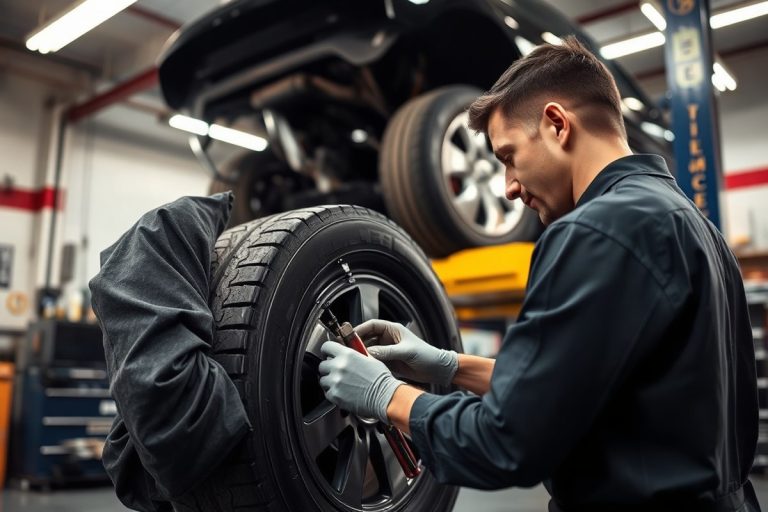
Tire rotation is recommended every 5,000 to 7,500 miles. This usually works out to around six months of regular driving. Rotating tires on schedule helps them wear evenly and last longer.
Some vehicles need different rotation schedules. All-wheel drive and four-wheel drive SUVs may need rotations more often. Aim for rotating every 3,000 to 5,000 miles on these vehicles.
This helps protect their special drivetrains from uneven tire wear. Their tires wear unevenly faster. So staying on top of rotation is important for performance and safety.
Regular tire rotation reduces road noise and keeps steering balanced. When tires wear evenly, your vehicle handles better and uses fuel more efficiently. Track your miles driven to know when rotations are due.
Set phone or calendar reminders to avoid forgetting. This can save money and boost your road safety.
Key Takeaways
- Rotate tires every 5,000 to 7,500 miles under normal driving conditions.
- Rotate AWD or 4WD SUV tires every 3,000 to 5,000 miles for better traction.
- Performance tires need rotation more often, around every 3,000 miles.
- Uneven tire wear is a key sign you should rotate your tires soon.
- Set mileage reminders to keep rotation regular and avoid premature tire wear.
- Rotated tires improve your vehicle’s handling, safety, and fuel economy.
How Often Should You Rotate Your Tires?

Tires generally need rotating every 5,000 to 7,500 miles to keep wear even. Time matters too, so aim to rotate at least every six months. This helps the tires last longer and improves your ride’s safety and comfort.
Driving habits can change how often you should rotate your tires. For instance, if you use performance tires, rotating every 3,000 miles is better. All-wheel and four-wheel drive cars often need rotations every 3,000 to 5,000 miles.
This keeps traction and stability in good shape. Regular rotations help your vehicle perform better.
Exact intervals vary because your vehicle type and road conditions affect tire wear. Some manufacturers suggest specific patterns and schedules shown in the owner’s manual. Technicians usually check your tires at these mileages.
They decide if rotations are needed based on wear. Your driving style also affects that decision.
Skipping rotations causes uneven tire wear. This can lead to vibrations and handling issues. At 5,000 to 7,500 miles, or every six months, rotate your tires.
This visit also includes a tire balance check. Both help keep your tires in good condition. Staying on top of rotations lowers your tire expenses.
It also helps your car run smoother on every drive. Regular care keeps your trips safe and comfortable.
How Driving Conditions and Vehicle Types Affect Rotation Frequency
How Drivetrain Affects Tire Wear Patterns
Front-wheel-drive (FWD) vehicles wear tires on the front axle faster. The front tires handle both steering and power, so their tread wears quicker. Rear-wheel-drive (RWD) cars tend to wear rear tires more because they provide the power and traction.
All-wheel-drive (AWD) systems shift power between front and rear wheels. This shifting causes uneven wear on all four tires. You can’t just rotate front to back.
You need a different rotation pattern. AWD tire rotation needs to cover all corners more evenly to prevent early tread loss.
Rotation Frequency Differences for AWD, FWD, and RWD
Most FWD vehicles should rotate tires every 5,000 to 7,000 miles. RWD cars often follow similar intervals. AWD setups make you rotate tires more often.
Rotate every 4,000 to 6,000 miles. This is due to uneven power distribution.
Manufacturers sometimes provide specific patterns or intervals. Your owner’s manual is the best guide here.
Tire rotations at a shop usually cost $20 to $50. They can save you hundreds by avoiding early replacements.
Adjusting Rotation for City Versus Highway Driving
City driving with frequent stops and turns wears tires unevenly. It usually means you should rotate tires closer to the 5,000-mile mark. This timing helps avoid uneven wear, which hurts handling and fuel efficiency.
Highway driving causes more uniform tire wear. You might stretch rotation intervals up to about 8,000 miles.
Less turning on highways means tire tread wears down evenly. So rotating less often is okay.
Off-Road and Performance Driving Effects
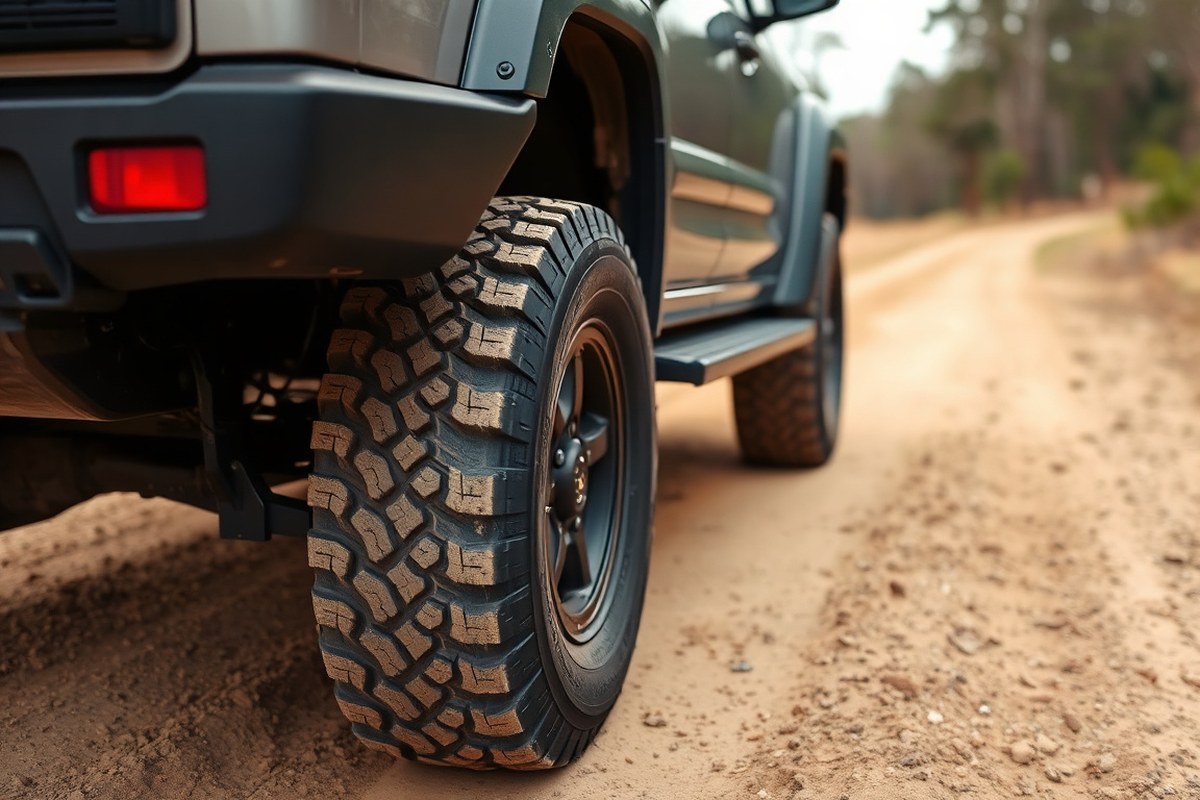
Off-roading stresses tires differently, causing more sidewall and tread wear. Mud, rocks, and rough terrain wear tires faster. Check and rotate tires every 3,000 to 5,000 miles.
Do this to keep tires in good shape. It helps avoid uneven damage and tire failure.
Performance driving, like hard cornering or frequent braking, wears tires faster on the edges. In these cases, rotate tires sooner than usual to keep balanced tread and handling. You might even rotate every oil change if driving aggressively.
How to Spot When Drive Type and Conditions Need Rotation Changes
Look for uneven tread wear, cupping, or feathering, especially on one side or particular tires. Check if your vehicle vibrates or handles oddly. These signs often mean you need rotation sooner.
Follow your maintenance schedule, and adjust based on how you drive. Ask your mechanic if you’re unsure. Keeping even wear means safer handling, better fuel economy, and longer tire life.
Check your tires for uneven wear signs regularly to decide if you need earlier rotation.
Common Tire Rotation Patterns and Which One to Use
Common tire rotation patterns depend on your vehicle’s drivetrain and tire types. Using the right pattern helps your tires wear evenly and last longer. Below is a comparison table showing main patterns and their typical applications.
| Rotation Pattern | Best for Vehicle Type | Tire Type | Key Notes |
|---|---|---|---|
| X-Pattern | 4-Wheel Drive, AWD | All matching sizes | Front tires move to opposite rear wheels |
| Front-to-Back | Front-Wheel Drive (FWD) | Same size tires | Front and rear tires swap on same side |
| Side-to-Side | Vehicles with different tire sizes front/rear | Mixed tire sizes | Tires rotate side to side on same axle |
| Include Spare | Full-size spare present | All | Spare rotates into normal pattern |
Choosing the right pattern depends on your drivetrain, tire size, and spare tire setup. Using a wrong pattern can cause uneven wear or handling issues.
X-Pattern Rotation for AWD and 4-Wheel Drive
This pattern suits vehicles with four-wheel or all-wheel drive. The front left tire moves to the rear right position.
The front right goes to the rear left. Rear tires move forward on the opposite sides.
The X-pattern helps balance wear on all four wheels. AWD and 4WD put nearly the same strain on tires. This pattern evens it out across every tire.
Use this pattern every 5,000 to 7,500 miles to keep traction even. Rotating tires takes about 30 to 45 minutes at a shop.
The cost usually runs between $20 and $40. You can save by doing it yourself if you know how.
Front-to-Back Pattern for FWD Vehicles
Front-wheel drive cars usually benefit most from the front-to-back rotation. Front tires wear out faster than rear tires. Move the front tires straight back to the rear.
Move the rear tires to the front on the same side. This keeps wear more balanced with fewer complications.
This method saves time because it doesn’t require flipping tires diagonally. It fits any set of four matched tires.
Simple tools and about 30 minutes get the job done. Front-to-back rotation also works well for rear-wheel drive cars with same-size tires.
Side-to-Side Rotation for Different Tire Sizes
Vehicles with different tire sizes front and rear require a side-to-side rotation only. This means swapping tires left to right on the same axle, never moving front to back. It prevents mismatch problems and keeps wear even when tire size varies.
This pattern avoids putting a tire on a position it wasn’t designed for. Include the full-size spare tire when rotating. Move it side-to-side to fit into the pattern.
This keeps wear balanced across all tires. Doing this every 5,000 to 7,500 miles helps tires wear evenly and extends their life.
Signs It’s Time to Rotate Your Tires
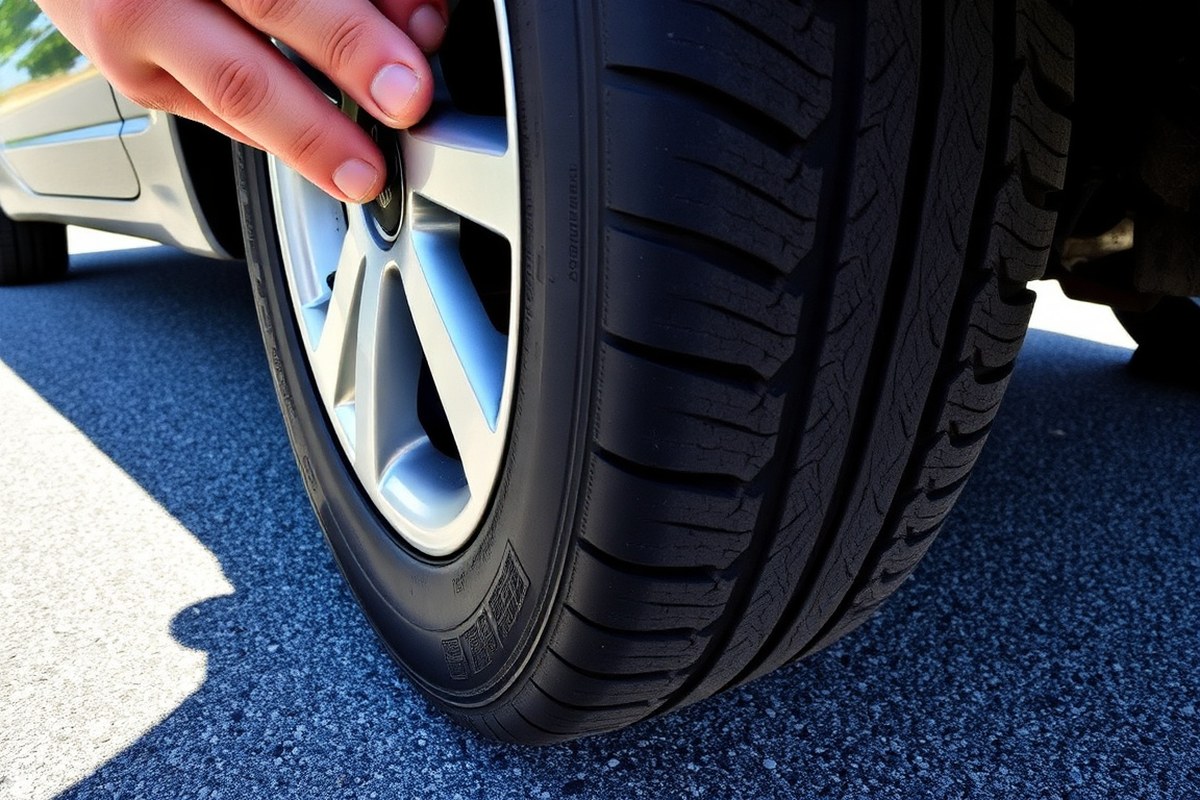
Tires show signs before rotation is overdue. Uneven tread wear is a common clue.
Look closely at the tire edges and center. When the edges wear out quicker than the center, you need rotation.
Pulling to one side while driving also signals early tire rotation. This happens when tires wear unevenly and grip the road differently. Another symptom is vibration in the steering wheel or seat, often felt at higher speeds.
Unusual noises, like humming or whining from tires, hint at uneven wear or imbalance. These noises mean some tires are working harder or wearing unevenly. Ignoring these signs can cause faster tire damage and reduce vehicle control.
- Uneven tread wear visible on tires
- Vehicle pulls to one side when driving
- Vibrations felt in steering wheel or seat
- Unusual humming or whining tire noise
- Frequent need to adjust steering during straight driving
- Tire tread depth below 4/32 inch on any tire area
Check your tires monthly for these signs. Use a tread depth gauge or a penny flipped upside-down.
The tread is worn past Lincoln’s head (2/32 inch), rotate or replace. Watch for any bumpy feels or pulling, which show uneven wear.
Some driving conditions speed up signs, like frequent turning or rough roads. When those happen, inspect your tires more often. Rotate the tires promptly when you notice signs to extend tire life and keep driving safe.
Step-by-Step DIY Tire Rotation Guide and Required Tools
Rotating your tires yourself needs the right tools, careful prep, and strict safety. Follow a clear process to avoid damage or injury. This section will guide you through what you need and exactly how to do it safely.
Essential Tools for DIY Tire Rotation
You need a few basic tools to rotate tires properly at home. A quality jack can lift your car safely. Jack stands hold it up securely while you work on the tires.
Also, use a lug wrench to loosen and tighten wheel nuts. A torque wrench helps tighten nuts to the right pressure. Chalk or masking tape and a marker can keep track of each tire’s original spot.
Preparation and Safety Before Lifting the Car
Park your car on flat, solid ground to avoid slips. Engage the parking brake to keep your vehicle from rolling. Place wheel chocks behind the wheels that stay on the ground.
Wear gloves and safety goggles to protect your hands and eyes. Double-check that your jack and stands fit the vehicle’s lift points. Never work under a car supported only by a jack.
Step-by-Step Process to Rotate Tires Safely
Mark your tires to remember their original positions. Removing them in order prevents mix-ups later. Loosen each lug nut about a half-turn before lifting the car.
- Position the jack under the recommended lift point near a wheel.
- Raise the car enough to take the tire off the ground safely.
- Place the jack stand under a secure frame spot, then slowly lower the car onto it.
- Fully remove the lug nuts and then the tire.
- Move the tire to its new position following your desired rotation pattern.
- Put the tire on, then hand-tighten the lug nuts.
- Raise the car with the jack to remove the jack stand, then lower the car fully.
- Tighten lug nuts with a torque wrench to the vehicle-specified pressure.
Repeat these steps for each tire until all have shifted position. Check tightness again after driving a few miles.
Work slowly and keep the vehicle steady on jack stands; loose setup invites accidents.
Why Rotating Tires Improves Fuel Efficiency and Safety
Uneven tire wear raises rolling resistance, causing your engine to use more fuel. Tires that wear down unevenly force the car to work harder to maintain speed. Over time, this can lower your gas mileage by several percentage points, especially at highway speeds.
Rotating tires moves each tire to a different position on the vehicle. This spreads out the wear evenly across all four tires. Even tire wear helps keep the tread depth consistent, improving traction and grip on the road.
Better traction from even tread wear improves handling during turns and quick maneuvers. Tires with balanced wear respond more predictably when steering or braking. This makes it easier to control your vehicle, especially on slippery or uneven surfaces.
When tires wear unevenly, braking distances get longer. Some tires might lose grip faster, increasing the risk of skidding or hydroplaning. Regular tire rotation keeps tread depth even on all tires.
This helps you stop faster. It also makes stopping safer in emergencies.
Not rotating tires wears the front tires faster on front-wheel-drive cars. For rear-wheel-drive cars, the back tires wear faster. This causes uneven tire use.
All this uneven wear affects suspension components and alignment. It also makes the car less stable, increasing the chances of an accident.
Tire rotation usually takes between 30 and 60 minutes at a shop. Costs often range from $20 to $50, depending on location and vehicle type. To rotate tires yourself, you need a jack and lug wrench.
Make sure you have enough space for the work. Follow the correct rotation pattern carefully.
Cars used mostly in heavy traffic or on bumpy roads need more frequent tire rotation. These driving situations cause faster uneven tire wear due to extra braking and turning. Rotate tires every 5,000 to 7,500 miles to maintain good fuel efficiency and ensure safer driving.
When and Why to Balance Tires During Rotation
Tire balancing and rotation work together but are not the same. Rotation moves tires to different positions to even out wear. Balancing fixes weight imbalances in a tire and wheel, which can cause vibrations.
You don’t need to balance tires every time you rotate them. Balancing matters most when you install new tires.
Do it after a rotation too if you feel shaking. For many drivers, balancing every other rotation, about every 6,000 to 8,000 miles, works well.
Unbalanced tires after rotation can cause shaking. You may feel it in the steering wheel or floorboard.
That vibration can wear out your suspension parts faster. Unbalanced tires may also increase road noise, reducing ride comfort.
Tire balancing uses small weights attached to the wheel rim to offset heavy spots. A technician spins the tire on a machine to locate those spots.
Balancing usually takes 20 to 30 minutes. The cost ranges from $15 to $50 depending on your area and vehicle.
Drive in rough conditions or carry heavy loads? Balance your tires more often.
New tires always need balancing to prevent early problems. Properly balanced tires help you avoid uneven wear and make every ride smoother.
Scheduling Tire Rotations and Syncing with Other Maintenance
Rotating your tires every oil change is a practical way to stay on schedule. Most cars need an oil change every 5,000 miles, which matches many tire rotation recommendations. By syncing the two, you reduce forgetfulness and keep both tasks on track.
Creating a reminder system helps you never miss a tire rotation. Use your phone calendar, car maintenance apps, or simple sticky notes on your dashboard. You can also ask your mechanic to remind you when you get your oil changed.
Tire rotation works well alongside other routine maintenance. Checking tire pressure, inspecting tread depth, and Wheel alignment fit naturally with tire rotation service. Doing these tasks together saves visits and ensures your tires wear evenly.
- Mark your next rotation date on your phone after every oil change.
- Set a recurring reminder every 5,000 miles or 6 months, whichever comes first.
- Ask your tire shop if they offer maintenance packages combining rotation and inspection.
- Keep a maintenance log in your glove box or use a vehicle app.
- Check your tire pressure at home monthly between rotations.
- Schedule alignment checks annually or if you notice uneven wear.
- Combine tire rotation with brake inspections for convenience.
Scheduling maintenance this way balances cost and convenience. A typical tire rotation costs $20 to $50.
Combining it with oil changes saves you trips. High-end shops use special equipment that extends tire life compared to DIY rotation.
Don’t skip tire rotation just because oil change intervals vary. Adjust reminders to your actual driving patterns.
Some vehicles with severe driving conditions may need rotations more often than oil changes. In those cases, separate reminders help avoid overuse. Keeping a simple routine helps reduce uneven tire wear.
Sync tire care with other tasks for better results. This improves your car’s safety and fuel economy.
When to See a Professional for Tire Rotation and Alignment
Rotating tires by yourself works if you have the right tools and space. Use a tire jack and lug wrench to lift the vehicle. Mark each tire with a tire crayon before moving them.
This helps track wear patterns and ensures you rotate them correctly. However, visit a mechanic if you spot uneven wear or feel unusual vibrations while driving.
Uneven wear, like rear tires wearing more than front ones, signals a misalignment or suspension problem. A professional inspection can spot these issues early. The mechanic will check your tires, steering, and suspension parts.
They might realign your wheels to fix steering issues. This helps prevent uneven tire wear.
Tire alignment means adjusting angles of the wheels to factory settings. Proper alignment extends tire life and improves fuel efficiency.
This service usually costs between $75 and $150, depending on your vehicle and location. Alignment is important after suspension repairs, hitting curbs, or noticing drifting while driving.
Professional tire service is best when wear patterns get complex or irregular. If one tire wears on just one edge, have it checked. Cupping on tires also needs a professional diagnosis.
This avoids rotating tires that could worsen damage. Mechanics balance tires during rotations too, preventing vibration and uneven wear.
Plan a pro inspection at least once a year for thorough tire and vehicle checks. Early detection of misalignment or wear saves you money by extending tire life. Your shop may inspect tires during oil changes.
This can save you money and time by bundling services. Having professionals handle these tasks reduces risks, especially if you lack equipment or experience.
Your Tire Rotation Action Plan
Follow this straightforward plan to keep your tires in good shape. It helps you improve safety and get the most from your tires.
- Before you drive regularly: Check your owner’s manual for recommended tire rotation intervals. Use this to set reminders.
- Every 5,000 to 7,000 miles: Rotate your tires using the pattern that fits your vehicle type. Look for even tire wear after each rotation.
- After noticing uneven tread wear: Check tire alignment and balance during rotation to prevent faster wear. Tires should wear evenly over time.
- Seasonal maintenance: Combine tire rotation with oil changes or brake checks to save time and money. Confirm rotations happen as planned.
- Every 12 months or 15,000 miles: Get a professional check your tires. They look for hidden damage or problems. Replace tires if tread is below 2/32 inch.
- After off-road or harsh driving: Rotate tires sooner than usual to address uneven stress. Notice improved ride comfort once done.
- Whenever balancing tires: Balance them during rotation to reduce vibration and protect suspension parts. Vibration should lessen after balancing.
- Keep a rotation log: Record every rotation date, mileage, and pattern used. This helps track tire health and plan future rotations.
Frequently Asked Questions
Are Tire Rotations Worth the Money?
Yes, rotating tires extends their life and improves safety. It prevents uneven wear that can lead to early replacement, saving you money overall.
Is It Okay to Rotate Tires Every 3,000 Miles?
Rotating tires every 3,000 miles is safe, especially for performance tires. This keeps wear even and helps maintain optimal grip and handling.
What Is the 7 7 Rule for Tires?
The 7 7 rule means rotating and checking tires every 7,000 miles or every six months. This helps maintain tire balance and wear, extending their lifespan.
Is It Okay to Rotate Tires Every 7,500 Miles?
Rotating tires every 7,500 miles is usually fine for most vehicles. It fits within the typical 5,000 to 7,500 mile recommendation for good tire care.
How Do I Know If My Tire Rotation Was Done Correctly?
Proper rotation moves tires to new positions matching your vehicle’s pattern. Check for even wear and balanced handling after rotation for confirmation.
The Bottom Line
Rotating your tires on time keeps you safe and protects your investment. Check your tire wear often and rotate as recommended. Start by setting a mileage reminder right now to keep tabs on your rotation schedule.