
Car Smells Like Gas When Starting: 9 Key Causes and How to Fix Them
Your car smells like gas when starting usually because of fuel vapors escaping. This often happens if the gas cap is loose or damaged. Fixing or tightening the gas cap is the first and simplest step to try.
Sometimes, you may smell gas just after you start. This is normal because the engine uses extra fuel when cold. The smell usually goes away fast.
This smell should fade within 1 to 2 minutes as the engine warms up. The gas smell that doesn’t fade could mean a leak.
It might also come from faulty parts. Check your car soon.
Check for cracks or wear on fuel lines every 15,000 miles, especially in older cars. Also, look under the hood for damaged hoses or a bad gas cap valve. Catching these early helps avoid bigger repairs and safety risks.
Key Takeaways
- Tighten or replace a faulty gas cap to stop gas fumes from escaping.
- A quick gas smell that fades in 1, 2 minutes after startup is usually normal.
- Inspect fuel lines and hoses for cracks or brittleness every 15,000 miles.
- Look under the hood for damaged valves and worn gas cap threading.
- Drive carefully if gas smell lasts, as leaks can be a fire hazard.
- Replace cheap parts like gas caps for as little as $15 to fix smells.
1. Why Does My Car Smell Like Gas When Starting?
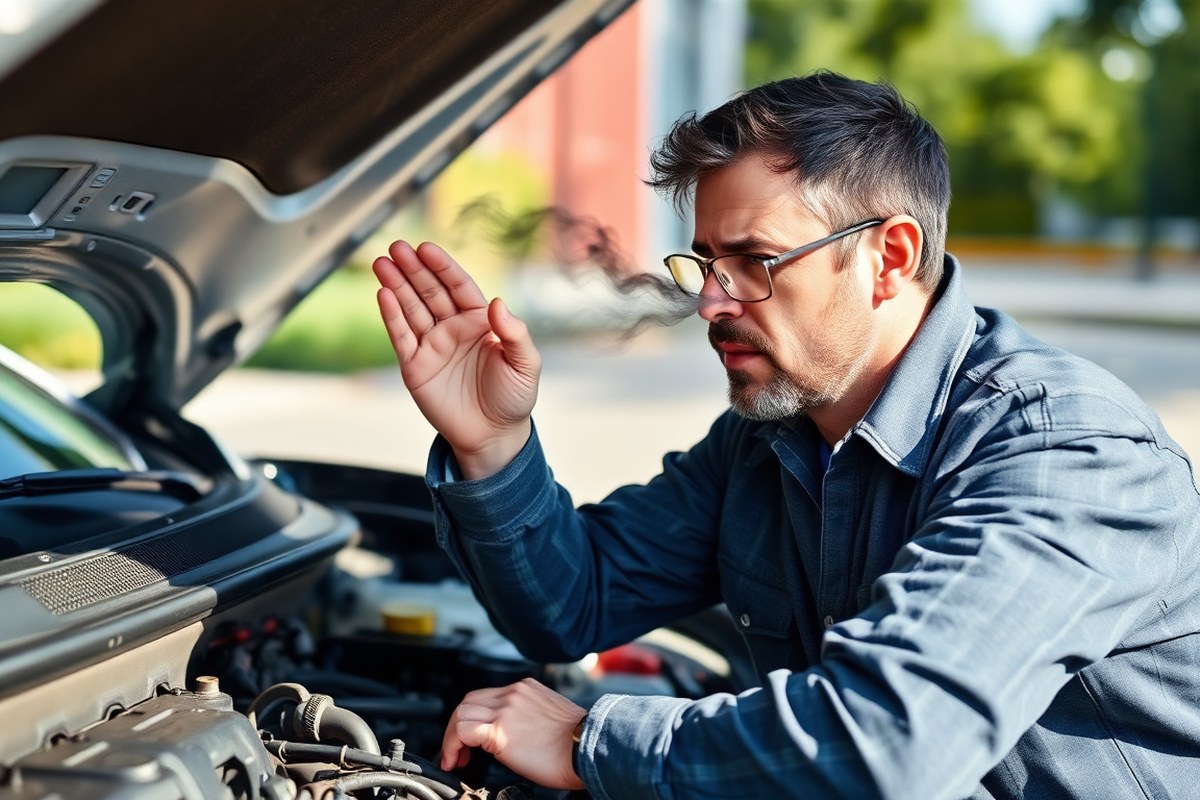
A gas smell right after starting your car comes from escaping fuel vapors. This happens as the engine uses more fuel at startup, especially when cold. The smell usually fades within 1 to 2 minutes once the fuel system stabilizes.
Cold weather makes the gas smell easier to notice. Your engine uses extra fuel to warm up faster. This adds more fuel vapors right after you start the car.
When the temperature drops below about 40°F, the engine adds even more fuel. This creates extra vapors that can leak near injectors or fuel lines.
The colder it is, the stronger the fuel vapor smell may be. This quick burst of gas smell at startup is fairly normal if it clears quickly.
A gas smell that lasts past the first few minutes often shows a problem. It could be a cracked fuel line, worn injector seals, or a bad EVAP system. These issues let fuel vapors leak continuously.
Fuel vapor leaks keep escaping, causing the smell to stick around after warm-up. These leaks can come from damaged or worn parts in the fuel system. They will often require repair to stop the odor.
Strong, continuous gas smell means fuel vapors are escaping. You need to check fuel system parts right away to find leaks. Ignoring this can create fire risks or damage your car.
Exhaust leaks can cause a gas smell by releasing unburned fuel vapors near the engine. These leaks happen in the exhaust system and add to the fuel smell after startup. The gas smell from exhaust leaks is strongest right after starting the engine.
It usually fades as the engine warms and seals expand. This temporary smell may still need inspection to avoid problems. A loose spark plug or broken seals let fuel or air escape without burning.
This causes more fuel smell and can hurt your engine’s performance. Fixing these parts helps stop the extra vapors from leaking.
A brief gas smell that fades in 1 to 2 minutes at startup is normal. This happens because your engine uses more fuel when warming up in cold weather. You usually don’t need to worry if the smell goes away quickly.
A gas odor that stays strong longer means you likely have leaking fuel parts. It could also be an issue with emissions control systems. These problems need to be checked and fixed.
Cold weather makes all these smells more obvious. Pay attention to how long and how strong the gas smell is.
This helps you figure out if it’s just normal or a bigger problem. Track the smell every time you start the car.
2. How to Visually Inspect Your Car for Gas Leaks at Startup
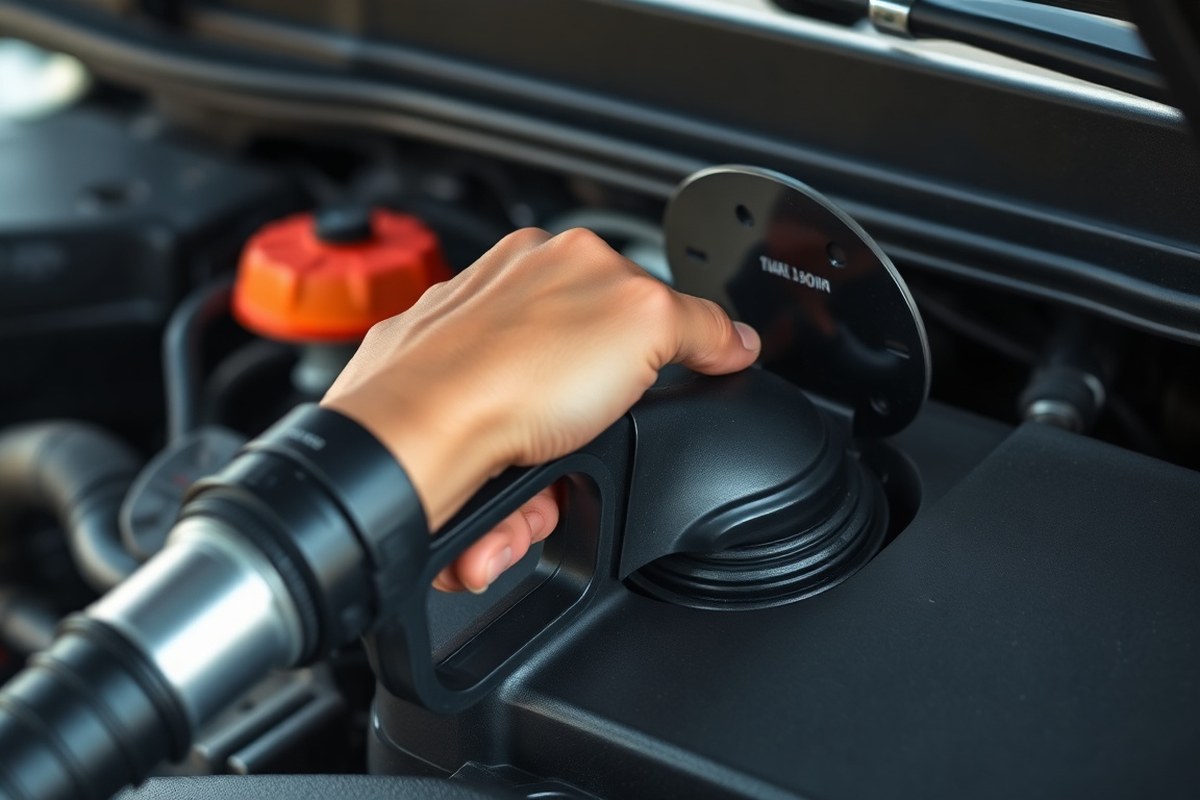
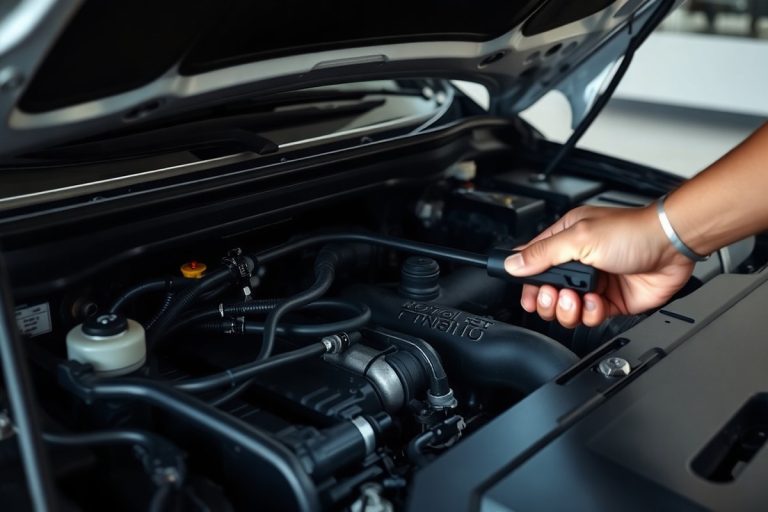
Start your inspection by parking on a flat surface and setting the parking brake. Open the hood and let the engine cool if you just turned it off. Wear gloves and safety glasses before touching anything near the fuel system.
Begin checking the gas cap area for any signs of fuel or wetness. A loose or damaged gas cap can cause gasoline odors and EVAP system leaks. Make sure the cap seals tightly and the threads are not cracked or worn.
Next, visually inspect all fuel lines going from the tank to the engine. Look closely for cracks, bulges, or damp spots that show fresh gasoline. Watch for spots under the car where fuel lines run nearby.
- Inspect gas cap for tight seal and cracked threads
- Look under car for fuel puddles or wet spots
- Check fuel lines for cracks, damage, or leaks
- Examine fuel tank edges and seams for corrosion or cracks
- Spot test the fuel rail and connections under the hood
- Smell near the charcoal canister and EVAP hoses for vapor leaks
- Verify hose clamps and fittings are secure without cracks
Look around your fuel tank for scratches, dents, or wet areas signaling a leak. Some fuel tanks have visible seams you can check for cracks.
Smell around the charcoal canister and EVAP vent hoses at the rear or near the tank. Gasoline odors here often point to a vapor leak rather than liquid fuel.
Be cautious if you see fuel dripping or puddles under the car. That indicates a serious leak needing immediate repair. A simple loose gas cap costs $15 to $50 to fix.
But fuel line or tank repairs may run $100 to $1,500. Catching leaks early saves money and stops dangerous fumes.
Never smoke or create sparks while inspecting fuel areas. Gas fumes are highly flammable and unsafe without proper ventilation.
3. Common Causes of Gas Smell When Starting Your Car
A gas smell when starting your car can have many causes. They can be easy fixes like a loose gas cap. Some are harder, like fuel system or emission problems.
These issues cause gas smells in your car. Knowing what to check can help you find the problem faster.
Gas Cap Issues and Symptoms
A loose or damaged gas cap often causes a gas smell at startup. It lets fuel vapors escape from the tank, which you can easily smell. This issue is low risk and you can keep driving while you fix it.
Check the cap for cracks or worn seals. Tightening or replacing the gas cap usually costs $10 to $35.
You can do it yourself. A properly sealed cap stops fuel vapors and clears the smell in minutes.
Fuel Injector and Fuel Line Problems
Faulty fuel injectors leak liquid gasoline or vapors, causing a strong fuel smell. These leaks pose a high fire risk and need prompt attention. Injector repairs often run between $150 and $800, depending on cleaning or replacement.
Fuel lines may crack or develop holes, letting gas escape. A damaged fuel line or a tank leak smells like gas. You’ll notice this near the car and in the engine bay.
Both spots can have a strong fuel odor. Fuel line or hose repairs cost between $150 and $700.
You’ll need a mechanic for this job due to safety. Handling fuel parts can be risky.
EVAP System Failures and Their Effects
The EVAP system traps fuel vapors from fuel tanks. A failure here means vapors leak out, creating a persistent smell. Faulty parts include the charcoal canister, purge valve, or vent hoses.
EVAP repairs cost $150 to $600 and usually need a shop visit. The charcoal canister absorbs fuel fumes from your car. Cracks or holes can let vapors escape near the engine.
This causes a gas odor outside the tank. Detecting EVAP leaks can require a smoke test diagnostic costing $75 to $150.
Fuel Tank and Charcoal Canister Damage
A punctured fuel tank leaks gasoline directly, causing a strong, constant gas odor. This is dangerous and usually needs immediate repair. Tank replacement costs around $1,686 to $1,892 nationally.
The charcoal canister inside the EVAP system absorbs fuel vapors. Damaged parts won’t hold fumes properly.
This leaks gas smells near the engine bay. This part is important to keep evaporative emissions under control.
Here is a comparison table showing different causes, their symptoms, and repair costs:
| Cause | Danger Level | Symptoms | DIY Possible? | Repair Cost (USD) |
|---|---|---|---|---|
| Loose gas cap | Low | Gas smell after fueling, fades quickly | Yes | $10, $35 |
| Fuel injector leak | High | Strong fuel odor, engine issues | No | $150, $800 |
| Fuel line damage | High | Strong gas smell near car and engine bay | No | $150, $700 |
| EVAP system leak | Moderate | Persistent gas smell, smells worse at low temps | No | $150, $600 |
| Charcoal canister damage | Moderate | Gas smell near engine bay | No | $400, $1,500 |
| Fuel tank leak | High | Strong, constant gas smell, possible puddles | No | $1,686, $1,892 |
Checking simple causes like the gas cap is often the best starting point. Serious fuel or EVAP problems need a pro to fix.
Repairs keep your car safe. They also make sure it meets legal rules.
4. Is It Safe to Drive If My Car Smells Like Gas at Startup?
Smelling gas when starting your car is a warning sign you can’t ignore. Gasoline vapors are flammable and inhaling the fumes can cause headaches, dizziness, or worse.
The smell is strong inside the cabin or near the engine. Do not drive at all.
Check where the smell is strongest. The smell is faint outside near the gas cap or vents. Open windows and drive carefully to a safe place.
The gas smell fills the car. It lasts more than a few seconds after startup.
Stop the car immediately. This could be a fuel leak, which poses a fire risk.
Here’s a quick risk guide. A faint, brief gas smell outside may let you drive slowly to a repair shop. A strong, lasting smell is inside the car.
Turn off the engine. Get help right away. Any visible fuel leaks or puddles under your car require calling a professional before driving again.
Even a small gas leak can become dangerous fast. Keep sparks and flames away, and don’t smoke near your vehicle. You feel lightheaded or nauseous from the fumes.
Leave the car immediately. Get fresh air.
A gas smell at startup shows your car leaks fuel, risking fire and your health. Driving can spread vapors or ignite a fire if the leak gets worse. The smell is more than faint and not just outside.
Do not drive. Have a mechanic check your car first.
5. How to Use an OBD2 Scanner to Diagnose a Gas Smell at Startup
An OBD2 scanner helps find gas smell causes by showing error codes. Codes like P0441, P0455, or P0456 indicate EVAP system leaks. You connect the scanner, read codes, then clear and retest to see if the problem persists.
Connecting the OBD2 Scanner
Connect the OBD2 scanner to the port under the driver’s dashboard. The port is near the steering wheel or pedals and shaped like a trapezoid. Switch your car ignition to “on” but don’t start the engine.
Make sure the scanner is compatible with your car’s make, model, and year. Some scanners need batteries or a phone app to work with Bluetooth devices. Read the scanner instructions to connect it properly and avoid false readings.
- Locate your car’s OBD2 port under the dashboard on the driver’s side.
- Plug the scanner into the port firmly until it clicks in place.
- Turn the car ignition to “on” without starting the engine.
- Power on the scanner; wait for it to connect to your car’s computer.
- Select the option to read trouble codes or diagnostic trouble codes (DTCs).
- Note down all codes that appear, especially those related to fuel or EVAP.
Make sure the scanner is fully connected before turning the ignition on. Poor connection can give you incorrect codes or no reading at all.
Reading Fuel and EVAP-Related Codes
Codes like P0441 mean a partial EVAP system leak or flow problem. P0455 usually means a large EVAP leak, and P0456 indicates a small EVAP leak. P0457 often points to a loose or missing fuel cap causing vapor to escape.
Check engine lights often come on within a day or two of these leaks starting. The scanner may also show fuel system fault codes linked to a rich fuel mixture. Watch for codes about fuel vapors or leaks.
These codes link to gas smells on startup. Pay close attention to any related trouble codes.
Take note if the code repeats after clearing or happens only at startup. Some leaks are intermittent and might not trigger a code right away. Running the test several times under different conditions can help catch these.
Clearing Codes and Testing Outcomes
Clearing the codes after reading them helps you know if the issue still exists after repair. Use the scanner’s erase or clear codes option to reset the check engine light. Then, start the car and see if the gas smell or the check engine light returns.
Turn the car off for several minutes before trying again. This pause lets the system reset and check itself. Then, restart and scan once more.
The light coming back fast means the problem likely still exists. No light after restarting means you probably fixed the leak or vapor issue.
Some leaks only show up sometimes, like early when it’s cold. Others occur just after refueling. Keep this in mind when checking your car.
You might need to scan or do smoke tests more than once. This helps find the exact source of the gas smell.
Don’t clear codes without fixing the root problem. This can hide real issues and might cause unsafe conditions with gas leaks.
6. How Seasonal Changes Affect Gas Smell When Starting
Gasoline smells stronger on cold starts because fuel does not vaporize well in low temperatures. When you start a cold engine, leftover fuel stays in the intake. It also sits around the injectors.
This fuel has not yet burned. This liquid fuel produces more noticeable vapors, which causes that strong gas odor.
Temperature affects how fuel mixes with air in the engine. Warmer air helps gasoline evaporate faster and blend better with air. This helps mix the fuel better.
The balanced mix reduces raw fuel smell. That happens when the engine starts. Cold air slows evaporation, so you often get a richer, fuel-heavy mix on startup.
Fuel evaporation directly ties to temperature. At around 32°F, gasoline vapors form slower. By 70°F or higher, vapors increase quickly.
The gas smell is less when it’s warm outside. Fuel burns more fully before escaping.
That cuts down odors near the exhaust. This explains why gas smells often fade a minute or two after starting during colder months.
Fuel formulas also change with the seasons. Winter gasoline blends include more additives to prevent freezing and improve cold-start performance. These additives can cause a different or stronger gas smell than summer fuel.
Winter fuels may have more ethanol than summer fuels. Ethanol evaporates differently in cold weather. This change can make startup smells worse.
Spotting fuel near injectors at startup means fuel is still liquid. That fuel hasn’t fully burned yet. It is normal in cold starts.
This often causes the gas smell to linger briefly. Fuel vapors form at almost all temperatures.
But leaks or poor burning make smells worse in cold. Cold weather often makes fuel odors stronger.
7. Effective DIY Fixes for a Car That Smells Like Gas When Starting
When your car smells like gas at startup, start with the simplest fixes. A loose or damaged gas cap often causes the smell because fumes escape. Cleaning fuel injectors and fixing minor EVAP leaks can help but need some care.
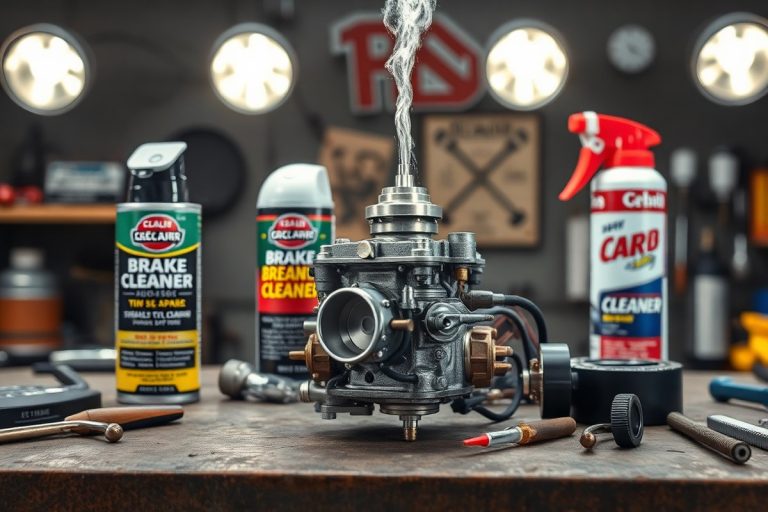
Tightening or replacing the gas cap costs under $25 and takes minutes. Cleaning fuel injectors at home costs $10 to $30 for cleaner solutions. You need to be careful when using these products.
Always follow the product instructions closely. Small EVAP hose cracks can be patched with tape for a short time.
Replacement parts usually cost about $20. Fixing leaks helps keep your car running well.
Follow these steps for effective DIY repairs:
- Check the gas cap and turn it clockwise until you hear clicks, usually 3 to 5.
- Replace the gas cap if it’s cracked, worn, or the seal looks damaged.
- Use a fuel injector cleaner by adding it to the gas tank as per product instructions.
- Start the car and observe if the smell improves after driving for 10 to 20 minutes.
- Locate EVAP hoses near the fuel tank and inspect for cracks or loose connections.
- Clean the hose ends and use automotive tape or clamps to seal small leaks temporarily.
- Replace any badly damaged EVAP hoses with new ones from an auto parts store.
- Monitor the gas smell over the next few days to confirm if the fix worked.
DIY fixes work well for minor issues like a loose cap or small leaks. Don’t ignore strong fuel smells or if your car stalls or runs rough. Fuel injector repairs beyond cleaner use usually need a mechanic because replacing injectors costs over $800.
Never drive if you suspect a large fuel leak or damaged fuel lines. These risks require professional help to avoid fire hazards and engine damage. Always follow safety rules and handle fuel-related repairs outdoors or in a well-ventilated space.
8. When to Seek Professional Help for Gas Smell Issues
Persistent gas smells or strong fuel odors when starting need expert attention. Significant leaks, hissing sounds, or visible wet spots under the car signal serious problems. If you feel dizzy or get headaches near your car, stop.
Don’t keep driving. Seek help right away because carbon monoxide might be involved.
Complex repairs often require a professional mechanic. Fuel parts like injectors, pressure regulators, and pumps need special tools. You also need knowledge to handle them.
Fixing an exhaust manifold or pre-catalyst leak takes expert work. These leaks can cause a gas smell like fuel does. Attempting DIY repairs on these parts could make issues worse or unsafe.
To know when to get a mechanic, use this checklist:
- Gas smell lasts several minutes or stronger each start
- You notice fuel dripping or pooling under the car
- The gas cap won’t tighten or keeps coming loose
- Car stalls or runs rough at startup
- There’s an exhaust leak or loud hissing near the engine
- Symptoms return after DIY fixes or gas smells inside the cabin
- You experience headaches, nausea, or dizziness near the car
Finding a trusted mechanic involves checking reviews and certifications. Look for ASE-certified shops or dealers with good fuel system repair ratings.
Ask friends or family for recommendations. When you call or visit, ask about experience with fuel system repairs and warranty on parts.
These questions help with mechanic discussions:
- What tests will you do to find the gas smell source?
- Which fuel system parts need repair or replacement?
- How much will the repair cost, including parts and labor?
- How long will the repair take, and can I wait in the shop?
- What safety checks will you perform after the repair?
Never smoke or light any flame near a car smelling like gas. Even a tiny spark can ignite fumes quickly.
Fuel repairs cost $50 for a gas cap replacement. Pumps or injectors can cost $600 or more. An exhaust manifold fix might cost $300 to $900 depending on severity.
A timely repair not only removes the smell but protects your health and prevents fire hazards. Mechanics use pressure tests and leak detectors to pinpoint small, hidden leaks you can’t see.
Quick professional response matters, especially if symptoms worsen or come with engine trouble. Fuel system problems can cause poor gas mileage or stalling and increase fire risk. Address gas smells as early as possible instead of ignoring them.
9. Preventative Maintenance to Avoid Gas Smells at Startup
Keeping your car from smelling like gas when starting means regular checks and timely part swaps. Focus on sealing the fuel system and managing evaporative vapors. Follow a routine to spot issues before they get worse and cost more to fix.
Regular Gas Cap and Fuel Line Inspection
Check your gas cap at least every 3,000 miles or once a month. A loose or damaged cap lets fuel vapors escape, causing that gas smell.
Make sure it clicks tightly. Replace it if the seal looks cracked or worn.
Fuel lines can crack or get brittle over time. This happens more in older cars or those in hot places. Heat speeds up damage.
Inspect these lines under the hood every 6,000 miles or twice a year. Look for cracks, wet spots, or the smell of fuel near connections. Replace any damaged sections right away.
Scheduled EVAP Component Maintenance
The EVAP system stops fuel vapors from escaping into the air. Its main parts are the charcoal canister and purge valve. To avoid gas smells, have these parts tested every 30,000 miles or every two years.
Cleaning or replacing purge valves costs $50 to $150. This helps stop bad smells and engine trouble. It’s a good fix.
The charcoal canister holds vapors and breaks down over time. Failure to maintain these parts often causes persistent gas smells during startup.
Fuel Filter Replacement Guidelines
Fuel filters keep dirt and debris out of the engine’s fuel intake. A clogged filter slows fuel flow over time. It may also let fuel leak in spots.
This can cause a gas smell. Replace the fuel filter every 20,000 to 30,000 miles depending on your car’s manual.
Changing the fuel filter is a straightforward job for many cars. Ask a mechanic if you notice smells that don’t go away after other checks. Replacing this part can often clear up the fuel smell issue at startup.
Signs to Preemptively Replace Charcoal Canister
Your car may stink like gas just after starting. The charcoal canister could be full of fuel vapors. This stops it from working well.
This happens when it can’t store fuel vapors properly. Also, a check engine light with an EVAP-related code signals it’s time for a swap.
Replacing the canister typically costs $100 to $300 depending on your car model. Waiting too long may damage other EVAP parts and raise emissions. Keeping on top of this maintenance avoids costly repairs and persistent gas odors.
- Inspect gas cap monthly and tighten firmly
- Examine fuel lines every 6,000 miles for cracks or leaks
- Test EVAP purge valves and charcoal canister every 30,000 miles
- Replace fuel filter every 20,000 to 30,000 miles
- Watch for check engine light codes related to EVAP system
- Replace charcoal canister if strong gas smell lasts or EVAP faults appear
Step-by-Step Action Plan to Fix Gas Smell at Startup
Follow these steps to find and fix the gas smell in your car quickly. Check if each step reduces or stops the smell before moving on.
- Before you start: Park outside in a well-ventilated area. This keeps you safe while inspecting the car.
- Day 1: Visually inspect fuel lines, injectors, and gas cap for leaks or damage. Look for wet spots or strong fuel smell.
- Day 2: Use an OBD2 scanner to check for engine trouble codes. No codes or fixed codes mean better fuel system health.
- Day 3: Replace the gas cap if it’s loose or cracked. A tight, sealed cap prevents fuel vapors from escaping.
- Day 4: Clean or replace the fuel injectors if they look dirty or clogged. Reduced smell and smoother idle show improvement.
- Week 1: Check fuel lines and connectors for cracks or clogs. Replace any worn parts to stop leaks.
- Week 2: Monitor for gas smells during startup and drive. No strong odor means the problem is solved.
- After 2 weeks: If gas smell continues, call a professional mechanic. Persistent smells can signal deeper fuel system issues.
Frequently Asked Questions
Why Does My Car Smell Like Gas Only After I Fill Up the Tank?
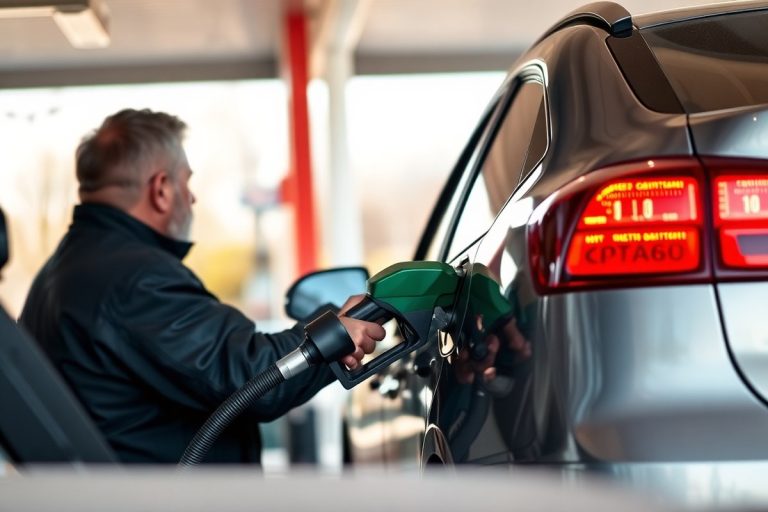
Your car likely smells like gas after filling up because you may be overfilling the tank. Topping off can cause fuel to spill.
Vapors may escape from the evaporative system. This creates the smell you notice inside or outside your car.
Can a Bad Gas Smell Damage My Car’s Engine?
Gas smells usually don’t directly damage the engine. But they show fuel leaks or vapor issues. These problems can cause poor engine performance.
They can also increase emissions. Fix leaks quickly to avoid bigger repairs.
How Often Should I Check My Gas Cap to Prevent Gas Smells?
You should check your gas cap every time you fill up gas. A loose or cracked gas cap often causes fuel vapors to leak, creating a gas smell. Tightening or replacing the cap can stop the odor quickly.
Could a Clogged Fuel Injector Cause My Car to Smell Like Gas at Startup?
Yes, a clogged or leaking fuel injector can cause a gas smell at startup. Fuel isn’t sprayed properly in this case.
Extra fuel may enter or escape the engine. This creates the smell and affects drivability.
Is It Normal for a New Car to Smell Like Gas After Starting?
A faint gas smell for 1, 2 minutes after startup can be normal in some cars. Cold-start enrichment adds extra fuel at startup. This extra fuel quickly burns off as the engine warms.
The Bottom Line
A gas smell when starting is a warning you shouldn’t ignore. Take action quickly to protect your health and your car. Start with a careful visual check, then move on to fixes or professional help if needed.

2 Comments