
How Fast Is 100cc: Speed Facts, Comparisons, and Performance Tips
Most modern 100cc scooters reach speeds between 50 and 60 miles per hour. That’s about 80 to 97 kilometers per hour. This speed suits city riding and light highway trips.
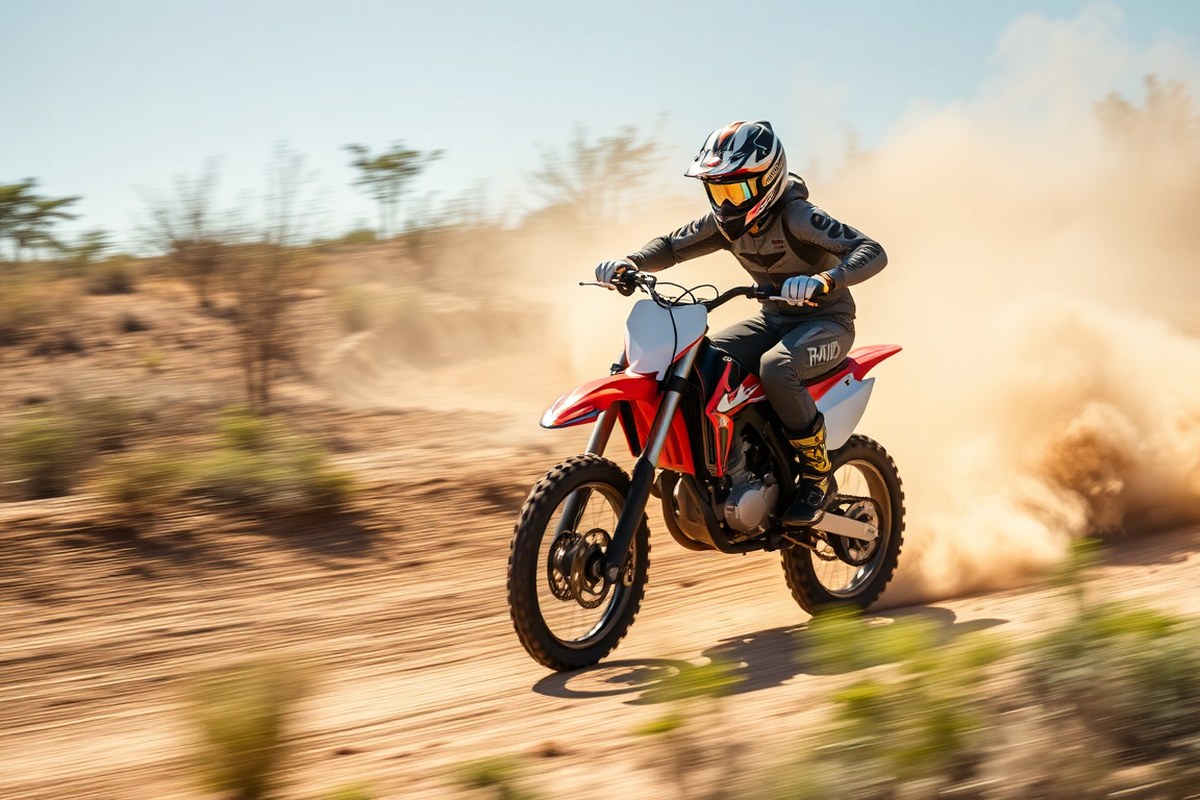
For 100cc dirt bikes, speeds range from 45 to 65 miles per hour. The bike’s design, gearing, and tires affect this. Road and weather conditions also play a role.
The rider’s weight impacts speed too. Someone under 140 pounds gets better acceleration since extra weight slows the bike. Picking a bike that fits your weight helps performance.
Engine condition matters as well. A well-maintained bike can hit speeds near the top of its range. Regular tune-ups keep it running safely and smoothly.
Key Takeaways
- Most 100cc scooters reach 50-60 mph, suitable for urban roads.
- 100cc dirt bikes typically go 45-65 mph but depend on design.
- Rider weight under 140 pounds helps maximize 100cc bike speed.
- Engine size alone doesn’t predict top speed; bike type matters.
- Choose a 100cc bike that fits your weight and riding style.
- Expect slower speeds on trails and uneven terrain with 100cc bikes.
How Fast Does a 100cc Bike Typically Go?
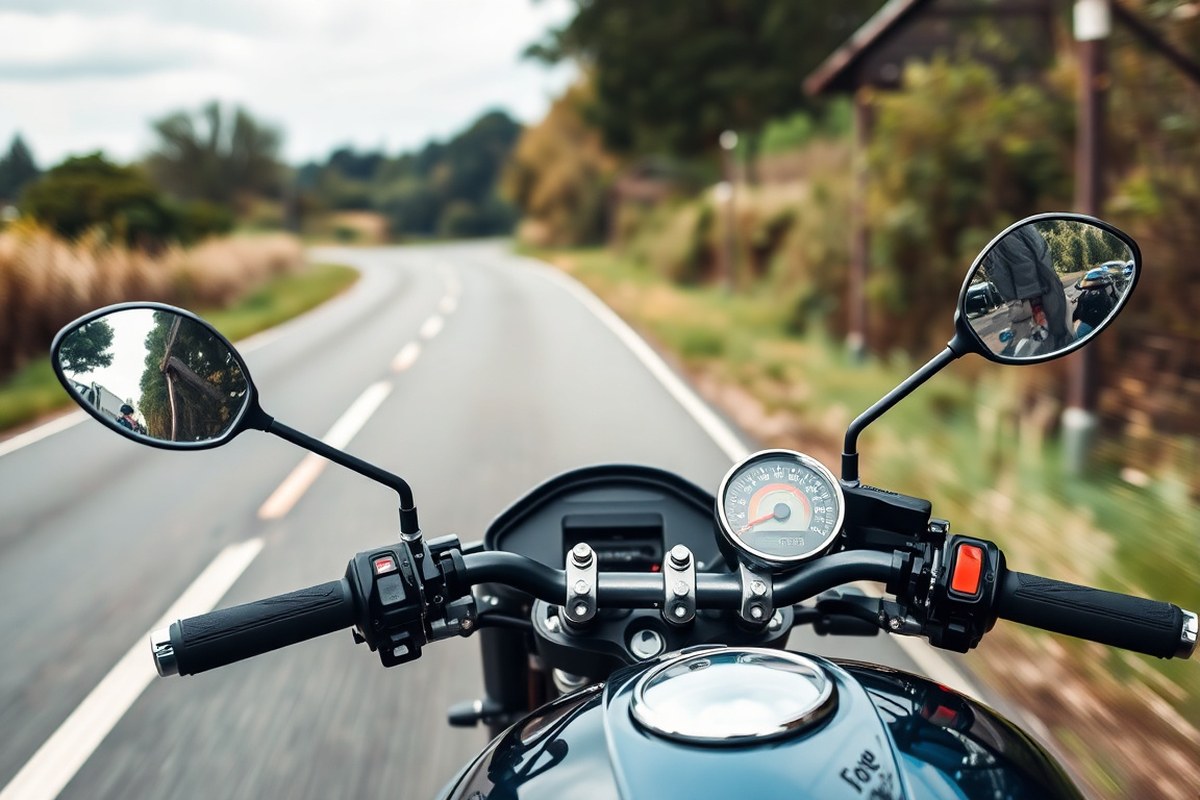
Most 100cc dirt bikes usually reach speeds from 45 to 65 mph (72 to 105 km/h). Speed varies with the bike design, rider weight, and terrain. Casual riders often see about 50 to 55 mph (80 to 89 km/h) on well-kept bikes.
Street-legal 100cc bikes often reach speeds between 50 and 60 mph (80 to 97 km/h). They maintain this speed range on mostly flat roads. This makes them suitable for city and light highway rides.
Some manufacturers claim speeds near 70 mph (112 km/h) for their faster models. Scooters and mopeds with 100cc engines usually hit 50 to 60 mph (80 to 97 km/h).
They are good for light commuting and trail rides. These speeds match casual city and off-road use.
Typical 100cc motorized bikes top out near 25 to 30 mph (40 to 48 km/h). They work well for cruising neighborhoods and bike paths. Riders use them for slow and steady rides.
Dirt bike versions focus more on speed and power, pushing higher speeds suitable for off-road fun. Knowing these numbers helps set clear expectations for your bike’s performance and use.
Factors That Affect the Speed of a 100cc Motorcycle
Rider weight has a clear impact on how fast a 100cc bike can go. Adding about 50 pounds of rider or cargo cuts top speed. It often drops the speed by 5 to 10 mph.
Extra weight slows the bike down noticeably. The engine works harder to move the added weight.
This reduces acceleration and top speed. The bike feels slower when carrying extra pounds.
Terrain changes speed too. Smooth, flat, hard-packed surfaces let your bike reach near its top speed.
Soft dirt, sand, mud, or rocky trails drag the bike down and lower speed significantly. Uphill rides require more power, so speeds drop on slopes as well.
Altitude plays a role by affecting engine power. Higher elevation means thinner air and less oxygen entering the engine.
This reduces power output, causing slower speeds. Bikes tuned for sea level may lose performance above 5,000 feet elevation.
- Check tire pressure before riding; low pressure increases rolling resistance.
- Keep the chain clean and well-lubed to improve power transfer.
- Adjust carburetor or fuel injection settings to match altitude and terrain.
- Replace old spark plugs for smoother ignition and better performance.
- Use fresh, proper-grade fuel to maintain engine power.
- Inspect and replace air filters regularly to avoid choking the engine.
Regular bike maintenance makes a big difference in speed performance. A well-tuned engine and clean drivetrain keep the bike running efficiently. Worn parts and dirty filters slow your bike’s speed.
They can also cause uneven power delivery. Bad tuning adds to the speed loss.
Tune your bike regularly to keep it running well. Adjust settings for where you usually ride. This helps you reach the best speed.
Comparing 100cc Bikes with 125cc and Larger Models
Upgrading from a 100cc to a 125cc bike adds 5 to 10 mph. This increase boosts your bike’s top speed. It gives you more speed on trails or roads.
A 100cc bike typically tops out around 40 to 55 mph. In contrast, 125cc bikes reach 45 to 60 mph. The speed boost comes with slightly more power and weight.
This adds better ride stability. You get more room to improve your skills.
Bigger engines like 250cc push speeds up to 75 mph or higher. However, more power means more weight and stronger handling skills. Riding a bigger bike isn’t just about speed.
It demands better control and more experience. That’s why 100cc and 125cc bikes remain popular with beginners and casual riders.
| Bike Class | Engine Size | Typical Top Speed | Suitable Riders and Common Use |
|---|---|---|---|
| Mini trail bike | 50cc | 25, 35 mph | Young beginners; yards, small trails, practice areas |
| Small trail bike | 100cc | 40, 55 mph | Older children, lighter adults; trails, farms, recreation |
| Entry-level full-size bike | 125cc | 45, 60 mph | Teens and adults learning off-road skills; trails, beginners |
| Mid-size performance bike | 250cc | 60, 75 mph | Experienced teens and adults; motocross, enduro, faster riding |
The jump from 100cc to 125cc balances better power with manageable weight. Bigger engines usually mean faster speed. But the speed difference isn’t always huge in this range.
The changes are often small between 100cc and 125cc bikes. Bigger bike engines grow heavier and demand more skill. So faster isn’t always better for newer riders or casual fun.
When choosing between a 100cc and 125cc, think about your skill level. Also consider what you plan to use the bike for. This helps you pick the right bike.
For trail riding and learning, a 100cc bike hits a sweet spot of speed and control. Stepping up to 125cc adds a bit of speed and power without overwhelming new riders.
Types of 100cc Bikes and Their Speed Differences
100cc bikes vary widely in speed depending on their style. Dirt bikes, scooters, and commuter motorcycles all have different designs and power uses. This changes how fast they can go and how quickly they get up to speed.
Distinct Features of 100cc Dirt Bikes
Dirt bikes are built for agility and off-road use. They often reach speeds of 30 to 40 mph, sometimes a little higher on flat trails. Their lighter frame helps with acceleration on rough terrain.
These bikes have knobby tires and high suspension to tackle bumps. Their acceleration is quicker than scooters due to less weight and more focused power delivery. Dirt bikes need a balance between speed and control, not outright top speed.
Speed Profiles of 100cc Scooters
Scooters with 100cc engines generally top out around 40 to 45 mph. Their heavier build and smaller wheels limit fast acceleration. However, scooters excel in smooth city riding with ease of use around stop-and-go traffic.
Compared to dirt bikes, 100cc scooters usually accelerate slower because of their automatic transmissions. They prioritize comfort and practicality over raw speed. Still, they can reach highway speeds typical for short urban trips.
Commuter 100cc Bikes Compared
Commuter motorcycles around 100cc hit speeds in the 45 to 55 mph range. Models like the Bajaj CT100 focus on fuel efficiency and reliable speed. They usually have manual transmissions, giving better control than scooters.
These bikes accelerate faster than scooters but slower than dirt bikes. They perform well in city and suburban roads as daily riders. Their top speed can approach 55 mph but hindered by heavier weight than dirt bikes.
To compare your 100cc bike’s speed and acceleration accurately, try these steps:
- Check the bike’s engine type: two-stroke or four-stroke for power differences.
- Measure tire size and type to assess grip and rolling resistance.
- Look at the bike’s weight and frame design for agility clues.
- Test acceleration on flat, smooth surfaces for consistent results.
- Use a GPS or speedometer app to record top speeds.
- Compare results against manufacturer specs and community reports.
- Adjust for rider weight and load when analyzing performance.
These steps help you find out your 100cc bike type. Is it a dirt bike, scooter, or commuter?
Follow this guide to figure it out. Each type’s speed differences come from distinct engineering and use cases.
Real-World Speed Expectations for Different Riding Conditions
Trails are where a 100cc dirt bike really shines. You can ride safely around 20 to 35 mph on forest paths. These speeds feel comfortable on typical desert washes too.
Going slower helps you control your bike on loose dirt and rocks. You also avoid falls and bike damage by riding carefully.
You can ride 35 to 45 mph on city roads with light traffic. This depends on local speed limits too. A 100cc bike handles short trips and stop-and-go traffic well.
But it won’t keep up comfortably at highway speeds. Traffic signals, intersections, and pedestrians also mean you’ll rarely hit top speed in town.
On highways, 100cc bikes face limitations. They typically top out between 45 and 55 mph if well tuned. But sustained speeds above 60 mph are hard to maintain.
Most US highways require driving closer to 65, 70 mph. Riding a 100cc bike on highways is often unsafe and uncomfortable. Passing other vehicles or climbing hills can be tricky.
The type and condition of the road affect how fast your bike can go. Paved surface allows more speed than gravel or dirt.
Steep hills slow you down, and heavy rain or mud reduces traction and control. Good tires, proper gear ratios, and keeping your bike well maintained help maximize performance.
Always match your speed to road conditions and local laws to stay safe on or off-road.
Short city rides work well for 100cc bikes, offering fun and easy handling. Many scooters with 100cc engines reach around 40 to 60 mph in these settings.
Upgrading to a bigger engine gives you more speed for highway riding. It offers a clear power boost.
Off-road, a well-tuned 100cc bike can approach 60 mph under ideal conditions. But that isn’t typical or safe for trail riding. Keeping it slower on trails improves your ride and reduces bike wear.
Riding slower on trails and city streets helps you react to traffic or terrain. This avoids sudden accidents or surprises.
How to Safely Improve Speed and Performance of a 100cc Bike
You can make your 100cc bike faster with a few upgrades. Regular maintenance also helps keep the bike performing well. These steps improve speed and reliability.
Some modifications, like derestricting the variator, are simple and effective. Always check local laws before making changes to stay legal and safe on the road.
Simple Steps to Derestrict a Scooter
Derestricting the variator loosens factory speed limits on many 100cc scooters. This process lets your bike reach higher speeds by allowing the engine to rev more freely.
You can do it with basic tools and no special skills. But it should be done carefully.
Follow these steps to derestrict your scooter’s variator:
- Remove the variator cover using a socket wrench.
- Take out the variator carefully, keeping track of washers and rollers.
- Remove any factory limits, such as a spacer ring or restrictor plate.
- Replace rollers with lighter ones if you want quicker acceleration.
- Check the variator belt for wear; replace it if needed.
- Reassemble the variator and tighten the cover securely.
- Test ride your scooter in a safe, legal area to feel the difference.
This derestriction process usually takes 30 to 45 minutes. It costs little beyond new rollers, which run about $10 to $20.
Upgrading Exhaust and Air Filters
Swapping stock parts for high-performance exhaust systems and air filters can boost power and speed. Performance exhausts reduce back pressure, letting the engine breathe better. A performance air filter improves airflow and filters dirt more efficiently.
These upgrades usually cost between $50 and $150, depending on the brand and kit. Installation takes about an hour and can often be done at home with basic tools. Tune or re-jet the carburetor after upgrades.
This keeps the fuel flow balanced. It also helps the engine run smoothly.
Optimizing Gear Ratios
Changing sprocket sizes alters acceleration and top speed by adjusting gear ratios. Fitting a smaller rear sprocket increases top speed but can reduce quick acceleration. A larger rear sprocket does the opposite, helping with quick starts but lowering maximum speed.
To swap sprockets, get a sprocket kit that fits your bike. You’ll also need the right tools. A chain breaker might be necessary.
First, remove the old sprocket from your bike. Then, adjust the chain length or replace the chain. Finally, put the new sprocket in place.
Changing sprockets usually takes one to two hours. Sprockets cost between $20 and $60. You might also need a new chain, adding to costs.
Maintenance Tips to Keep Your 100cc Bike Performing Well
Changing engine oil regularly keeps your 100cc bike running smooth and fast. Aim for an oil change every 1,000 to 1,500 miles or every six months. Use the right type of oil recommended by the bike’s manufacturer to avoid engine wear.
Neglecting certain parts can slow your bike down. Dirty air filters, worn spark plugs, and slack chains reduce power and speed. Check these parts often to spot issues before they cause bigger problems.
You can spot a speed drop by hard starts or rough idling. Watch for engine sputtering too. These signs often mean maintenance is needed.
These signs mean filters or plugs might need cleaning or replacing. Keeping the chain tight and lubricated helps transfer power efficiently. So your bike won’t feel sluggish.
- Change engine oil every 1,000-1,500 miles or six months
- Replace air filter if dirty or clogged
- Swap out spark plugs yearly or when fouled
- Check and tighten the chain weekly
- Clean and lubricate the chain every 300-600 miles
- Inspect tires for proper inflation and tread wear
Regular oil changes usually cost $10 to $20 in parts and take about 20 minutes. Dirty filters or old spark plugs cost under $15 each to replace. Tightening and lubricating the chain takes only a few minutes.
A $5-10 bottle of chain lube lasts many sessions. This simple step protects your bike. Well-maintained bikes hold their speed longer and feel more responsive on the trail or road.
Keep your maintenance regular, especially when riding near 65 mph. High speeds strain the small 100cc engine. Consistency helps avoid problems later.
Skipping steps can cause power loss and make riding less fun. Follow the maintenance schedule closely to keep your bike running well.
Your 100cc bike will stay reliable and fast for years. This saves time and money.
Is a 100cc Bike Suitable for Beginner Riders?
A 100cc bike is a great choice for beginner riders because it offers manageable power. It has enough speed to be exciting.
But not so much that it feels overwhelming. This balance helps new riders build confidence safely.
The engine’s size keeps the bike light, making it easier to control. Lightweight bikes respond better to steering and braking. This helps beginners learn to handle different riding situations without struggling to keep the bike steady.
The moderate speed limits big mistakes. A 100cc bike typically tops out around 30 to 40 mph.
This speed range gives you time to react and improve your coordination. You won’t get pushed too fast before mastering basic skills.
Early riding skills like clutch control, throttle management, and cornering develop well on a 100cc bike. You’ll learn to smoothly start, stop, and shift gears. These skills form a solid foundation before moving to larger bikes.
Riders using a 100cc bike often progress naturally. This engine size fits between small 50cc bikes and larger ones. It offers more power but stays manageable.
It’s a practical step up without jumping too far in speed or complexity. You get to enjoy off-road trails or dirt tracks without frustration.
Always wear proper gear and ride slowly when learning. This keeps control and confidence high during tough starts.
How Rider Weight and Environment Change 100cc Bike Speed
Rider weight, altitude, and weather all change how fast a 100cc bike goes. Added weight slows acceleration and top speed.
Higher altitude cuts engine power, and temperature shifts affect how well the engine runs. These factors work together to shape the bike’s real-world speed.
Impact of Rider Weight on Acceleration
A heavier rider means the engine must work harder. For example, adding 40 pounds can reduce a 100cc bike’s acceleration noticeably.
This is because the engine produces limited power. So extra weight demands more energy to move.
Top speed drops too. Carrying more weight can reduce your bike’s top speed by 3 to 5 mph. This depends on riding and weather conditions.
The heavier you are, the slower the bike goes. Riders over 180 pounds should expect slower acceleration and lower speed than lighter riders.
Altitude Effects on Engine Output
Air gets thinner at higher altitudes, so the engine gets less oxygen. Less oxygen means combustion isn’t as strong, cutting power output. Around 5,000 feet, you might lose 10 to 15 percent of your engine’s power.
This power loss reduces both acceleration and top speed. For example, a 100cc bike might hit 40 mph at sea level. At high elevations, it could top out at just 34 to 36 mph.
Thin air makes engines less powerful. The engine runs leaner, and it can struggle to maintain speed.
Temperature Influence on Performance
Cold air is denser, which helps the engine burn fuel better. Cold weather helps your 100cc bike run more efficiently. This slight boost in engine performance can increase speed a little.
Cooler air is denser, helping combustion in the engine. Around 40°F, you might notice better throttle response compared to 80°F.
Hot weather reduces air density, similar to altitude effects. At 90°F or higher, the engine gets less oxygen, cutting power and speed. Hot engines may also heat up faster, causing performance to drop after longer rides.
Step-by-Step Action Plan for Getting the Most from Your 100cc Bike
Use this plan to safely boost your 100cc bike speed and keep it running well.
- Before You Start: Check your bike’s manual for recommended maintenance. Knowing this helps avoid damage when tuning.
- Day 1: Inspect and clean the air filter thoroughly. A clean filter improves engine breathing and speed.
- Week 1: Adjust the carburetor carefully to get the right fuel mixture. Watch for smoother acceleration where you feel the power increase.
- Week 2: Check tire pressure and keep it at the recommended level. Proper pressure adds stability and better speed on most surfaces.
- After 3 Weeks: Change your spark plug if it’s worn out. A fresh plug supports better ignition and engine performance.
- Month 1: Practice riding on different surfaces like dirt and pavement. Notice how your bike responds and what speed changes you see.
- Ongoing: Keep your riding gear safe and fit properly. Adjust your weight and posture to help with balance and speed control.
- Every 2 Months: Have a professional do a thorough check if you’re unsure about your tuning. Safety comes first when pushing speed.
Frequently Asked Questions
How Fast Is a 100cc Bike in Miles per Hour?
A 100cc bike typically reaches speeds around 40 to 55 mph. The exact speed depends on the bike model and conditions like rider weight and terrain.
Can a 100cc Dirt Bike Reach Highway Speeds?
No, 100cc dirt bikes usually max out below highway speed limits. They’re designed for off-road use and lower speeds for safety.
How Does Rider Weight Affect the Speed of a 100cc Bike?
Heavier riders lower the bike’s top speed noticeably. Every 20 pounds can reduce speed by a couple of mph, especially on smaller engines.
Is a 100cc Bike Good for Learning to Ride Fast?
It’s good for beginners but not made for high speeds. A 100cc bike helps build skills safely before moving to larger bikes.
What’s the Difference in Speed Between 2-stroke and 4-stroke 100cc Bikes?
Two-stroke 100cc bikes typically go faster than 4-strokes due to lighter weight and higher power output. Two-strokes can reach higher RPMs for more speed.
The Bottom Line
A 100cc bike usually reaches about 30 to 40 mph. Many factors affect this top speed. These include the bike’s design and condition.
Take small steps to improve your bike and ride safely. Start with basic maintenance and gradual tuning to enjoy better performance without risk.

One Comment