How Much Does a Cubic Foot of Dirt Weigh? Complete Guide with Examples
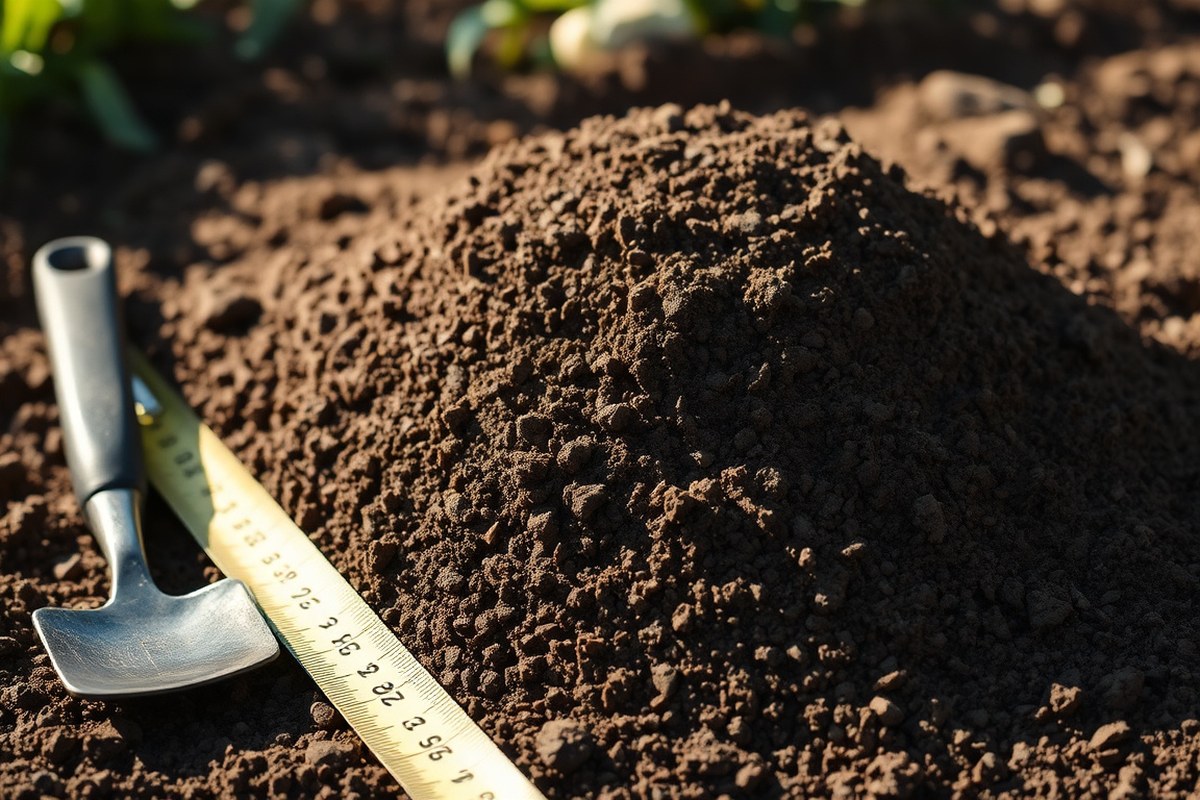
A cubic foot of dirt typically weighs near 80 pounds. This applies to common dirt mixed with topsoil in most projects. Knowing this helps you plan how much dirt to buy or move.
Soil weight depends on moisture content and dirt type. Dry, loose dirt weighs close to 76 pounds per cubic foot. Wet soil or clay-heavy dirt can weigh over 100 pounds per cubic foot.
Knowing exact weight helps you choose the right tools and vehicles. It prevents overloading and makes handling safer on site. Start by checking soil moisture for better accuracy in weight estimation.
This information also helps when calculating delivery or hauling costs. Accurate weight estimates avoid extra fees or delays during transport. Planning with soil weight in mind saves time, money, and effort.
Key Takeaways
- One cubic foot of dirt with topsoil averages about 80 pounds.
- Dry loose dirt weighs roughly 76 pounds per cubic foot.
- Moisture adds weight; moist dirt can weigh around 78 pounds.
- Soil type changes weight; clay and sand weigh more than topsoil.
- Calculate moisture to prevent errors in your dirt weight estimates.
- Use weight averages to pick suitable trucks or containers for soil.
How Much Does One Cubic Foot of Dirt Typically Weigh?
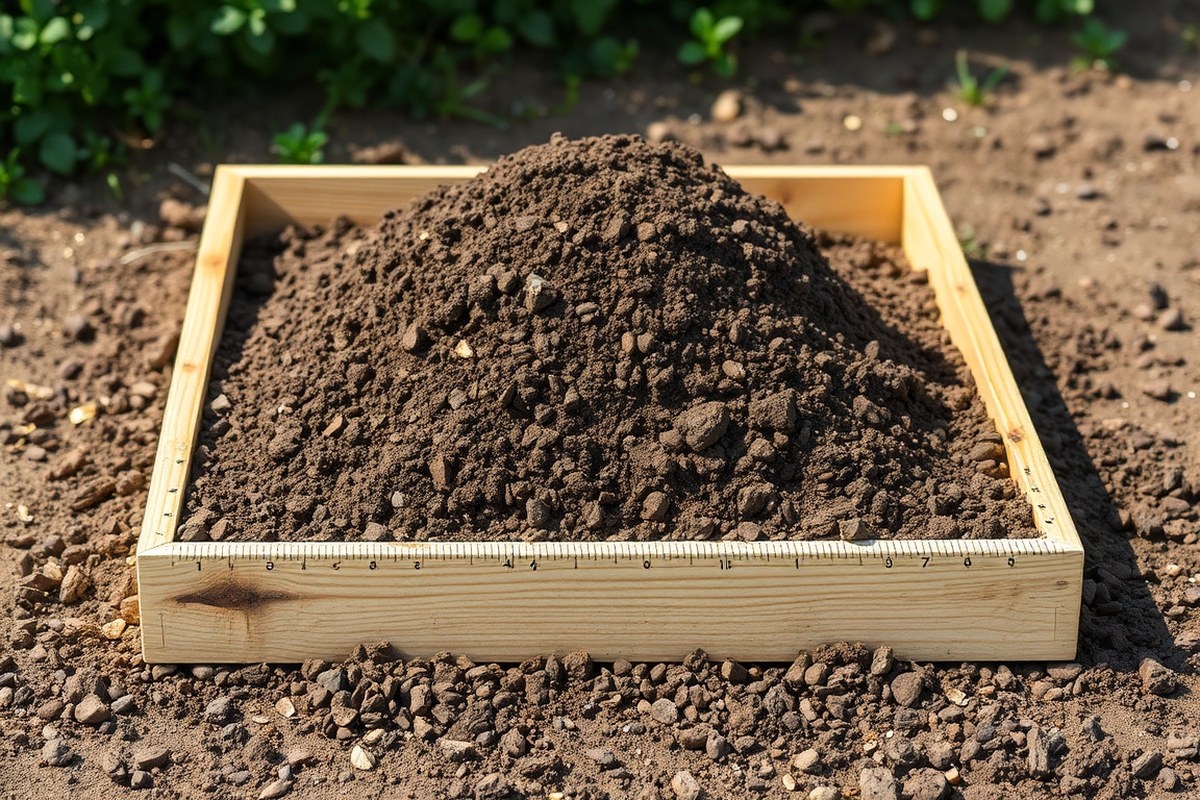
The average weight of one cubic foot of dirt usually falls between 74 and 110 pounds. Dry, loose dirt tends to weigh close to 76 pounds per cubic foot.
Moist dirt weighs slightly more, around 78 pounds. The difference is small but matters when you handle large amounts of soil.
Topsoil mixed with dirt generally weighs about 80 pounds per cubic foot. Fill dirt or clay-heavy dirt weighs more than other types. It ranges between 90 to 110 pounds for every cubic foot.
This weight depends on how much clay is in the dirt. Moisture increases the weight because water adds mass without changing the volume.
Weight differences depend heavily on moisture. Wet soil can weigh up to 30% more than dry soil. Dry dirt may weigh 76 pounds per cubic foot.
Moist dirt in the same place can weigh about 100 pounds. This shows how water content changes dirt weight. This matters a lot when calculating loads for trucks or landscaping projects.
What Factors Affect the Weight of a Cubic Foot of Dirt?
Moisture Content and Its Effect on Soil Weight
Moisture adds significant weight to a cubic foot of dirt. Dry soil weighs less, usually between 70 and 100 pounds per cubic foot, depending on type.
When soil absorbs water, its weight can increase by 30% or more. Saturated clay or loam, for example, can weigh as much as 130 pounds per cubic foot.
Soil Compaction and Density
Compaction squeezes soil particles closer, increasing weight per cubic foot. Loose soil weighs less because it has more air pockets.
You can feel the difference by pressing a handful of soil. Firm, dense soil feels heavy and hard compared to loose soil that crumbles easily.
Soil Composition: Organic vs. Mineral Content
Organic soils like peat or compost are lighter. They hold more air and less mineral matter.
This makes them less dense. They weigh 30 to 60 pounds per cubic foot when dry.
Mineral soils like clay and sand have more solid particles. They weigh more, up to 110 pounds dry. Wet soil can weigh even more.
How to Identify Soil Conditions That Affect Weight
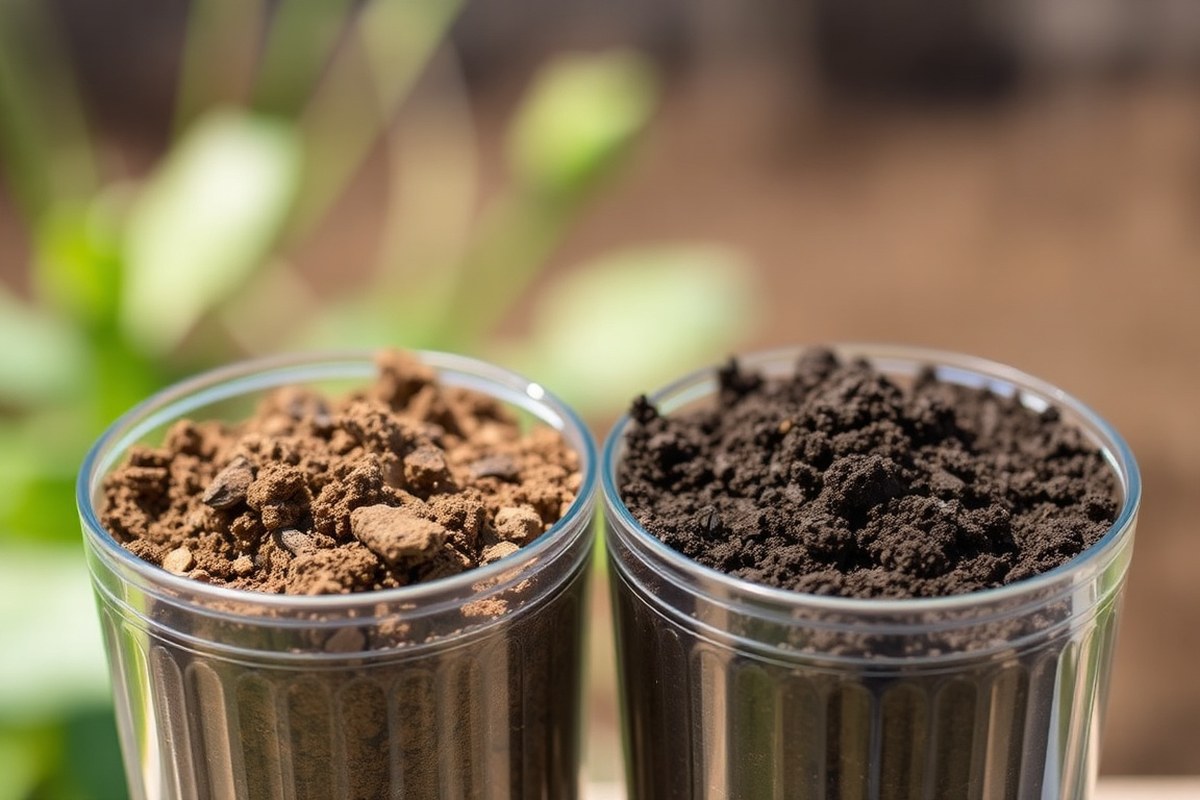
Look for soil color, texture, and moisture on site. Dark, crumbly soil often means high organic content and less weight.
Wet soil usually feels cooler and sticks together, indicating more moisture and extra weight. Sandy soil feels gritty, while clay feels smooth and sticky.
- Check moisture by squeezing a soil sample in your hand
- Observe color and texture: darker means more organic material
- Test compaction by pressing or using a soil penetrometer
- Note soil type from site records or local knowledge
- Account for recent weather that may wet or dry the soil
Don’t assume moisture is the same throughout your project. Soil weight can vary within short distances.
How Heavy Are Common Soil Types per Cubic Foot?
Soil weight changes a lot depending on the type and water content. Dry topsoil usually weighs about 80 pounds per cubic foot. Clay soil can weigh more, especially when it’s wet or saturated.
Soil full of water weighs much more than dry soil. Saturated clay can weigh 110 to 130 pounds per cubic foot. Sand and gravel also stay heavy, even when dry.
| Soil Type | Dry Weight (lbs/ft³) | Moist Weight (lbs/ft³) | Saturated Weight (lbs/ft³) |
|---|---|---|---|
| Topsoil (loose) | 80 | 95 | , |
| Fill Dirt (dry) | 100 | , | , |
| Clay (dry) | 105 | , | 110, 130 |
| Sand (dry) | 100 | 120 | , |
| Pea Gravel | 100 | , | , |
Topsoil is lightest when dry but holds moisture well and gets heavier. Clay can gain the most weight when saturated. Sand and gravel stay heavy even dry but don’t absorb much water.
To pick the right soil for a project, knowing these weights helps with planning. Loading a truck with wet clay makes the load much heavier. Dry topsoil weighs less than wet clay.
Expect a big difference in weight. This affects how much material you can safely transport or spread.
How to Calculate Total Dirt Weight for Your Project
To find total dirt weight, multiply soil volume by density. Density means weight for each cubic foot. This gives you total weight in pounds or tons.
First, measure volume in cubic feet or yards. Second, pick soil density for type and moisture.
This density affects dirt’s overall weight. Finally, do a simple multiplication to get the total weight in pounds.
Step 1: Calculate Soil Volume Accurately
First, find the volume of dirt you need. Measure the length, width, and depth in feet to get cubic feet. For larger projects, you might measure in cubic yards (1 cubic yard equals 27 cubic feet).
Accurate volume measurement ensures your weight estimate matches real conditions. Ignore irregular shapes for now to keep calculation simple.
Step 2: Determine Soil Density by Type and Moisture
Next, check the soil type and moisture state. Dry sandy soil weighs about 96 pounds per cubic foot.
Wet clay can weigh 110 pounds or more. Plan for the heavier side to avoid underestimating.
You can use typical average weights or check your soil’s density if available. Keep in mind that wet soil always weighs more than dry soil.
Step 3: Multiply Volume by Density for Total Weight
Multiply the soil volume by the estimated weight per cubic foot. This calculation gives you the total dirt weight in pounds. For example, 5 cubic feet times 110 pounds per cubic foot equals 550 pounds.
Use this formula for total soil weight: Volume times Weight per cubic foot. Both measurements must use pounds and cubic feet. For cubic yards, convert to cubic feet first by multiplying by 27.
- Measure the soil area’s length, width, and depth in feet.
- Calculate soil volume by multiplying length × width × depth.
- Identify your soil type (sandy, clay, loam) and moisture condition.
- Choose a weight value per cubic foot from a trusted range (e.g., 74, 110 lbs).
- Multiply cubic yards by 27 to convert to cubic feet. This step helps when volume isn’t already in cubic feet.
- Multiply soil volume by the weight per cubic foot value.
- Plan a safety margin by using the higher weight in the range.
- Adjust calculations if soil density changes due to compaction or saturation.
For an irregular soil volume, split it into regular sections and calculate each volume separately. Add all volumes before multiplying by the soil’s weight per cubic foot. This breakdown keeps your estimate practical and more accurate.
How Does Soil Moisture and Saturation Impact Weight?
Soil weight changes a lot depending on how wet it is. Dry dirt weighs less.
Wet or saturated soil can weigh 20% or more heavier. You can check moisture to guess how much the dirt weighs for your project.
How Moisture Adds Weight to Soil
Water fills the space between soil particles and adds extra pounds. For example, dry sand might weigh about 2,700 pounds per cubic yard.
When wet, soil can weigh up to 3,240 pounds per cubic yard. This is about a 20% increase in weight.
This weight jump happens because water is heavy. One cubic foot of water weighs about 62.4 pounds.
Even a small rise in moisture adds a lot of weight to soil. This change affects handling and transport.
What Saturated Soil Means for Weight
Saturated soil holds as much water as possible with no air pockets left. It gets even heavier than just wet soil.
Saturated clay can weigh more than 120 pounds per cubic foot. Dry clay weighs around 75 pounds.
This happens because the soil’s pores fill completely with water. After heavy rain or flooding, the ground often feels spongy. Plants may have trouble growing there.
Estimating Moisture Content Quickly
You can estimate moisture by grabbing a soil sample and squeezing it in your hand. Water dripping out or soil sticking to your fingers means it’s quite wet. Soil that crumbles easily and feels dry has low moisture content.
To measure moisture, weigh fresh soil first. Then dry it at 220°F for 24 hours. Weigh it again after drying.
The weight loss compared to wet weight shows moisture content. This method costs just energy and time but works well on site.
Adjusting Weight Calculations Using Moisture
Adjust soil weight by moisture with this formula: Dry Weight = Wet Weight ÷ (1 + Moisture Content). Moisture content is a decimal, like 0.10 for 10% moisture. This helps to back-calculate the dry soil weight if you know the wet weight.
For example, if wet soil weighs 100 pounds and moisture content is 0.20, then dry weight is 100 ÷ (1 + 0.20) = 83.3 pounds. This makes planning earthmoving and transport more accurate.
Common Mistakes in Moisture Assessment
Ignoring moisture leads to underestimating soil weight and project costs. Also, soil type changes how much water it holds, so guesswork can be off. Clay holds more water than sandy soil, so it gets heavier faster.
Soil drying time varies by weather and soil depth. Testing only the top layer might miss moisture deeper down. Check moisture in several spots and depths for better results.
Wet or saturated soil can surprise you with extra weight. Always test moisture before moving large loads.
How to Measure Soil Density and Moisture on Site
Soil weight depends mostly on how dense and moist it is. Measuring these on site lets you estimate weight more accurately for your project. You start by collecting soil samples from different spots where you’ll work.
Use a small spade or trowel to take samples from several points across the area. Pick soil about 4 to 6 inches deep, the usual root zone depth for many plants. Mix these samples together in a clean bucket.
This gives a good mix of the soil type. It also shows the moisture level accurately.
Soil moisture affects weight a lot. A reliable tool to measure moisture is a handheld soil moisture meter. These cost $20 to $50 and give quick readings in minutes.
Insert the probe into the soil sample or ground and note the percentage. This helps adjust weight estimates since wetter soil weighs more.
- Collect 5 to 7 samples from evenly spaced spots over the site.
- Use a bucket to mix samples for a uniform test material.
- Measure moisture immediately with a soil moisture meter (20, 50 dollars).
- Weigh a set amount of soil using a digital scale. These scales cost less than 50 dollars. Look for models that weigh up to 10 pounds.
- Calculate dry weight by accounting for moisture percentage.
Soil density is weight divided by volume. Scoop a known volume of soil into a set container. The container should always have the same size.
This helps measure soil consistently. Weigh it on a portable scale and note the number.
Repeat for a few samples and average the values. These measurements let you calculate density in pounds per cubic foot or cubic yard.
A typical fresh soil weighs about 75 pounds per cubic foot. But wet soil can weigh 20% more. Dry soil weighs less but may be hard to collect intact.
Weigh soil soon after sampling to avoid moisture loss. That shows true field conditions for better planning.
Common Mistakes When Estimating Dirt Weight and How to Avoid Them
Estimating dirt weight is tricky if you miss key details. Moisture in soil changes its weight a lot.
Dry dirt can weigh around 75 pounds per cubic foot. But saturated silt can hit 120 pounds or more.
Measuring the soil volume wrong is another common mistake. You might guess how deep or wide the soil area is.
But small errors add up fast. A few inches off can change the total weight by hundreds of pounds.
- Not checking soil moisture levels before calculating weight
- Using volume estimates without measuring length, width, and depth precisely
- Assuming all soil types weigh the same per cubic foot
- Ignoring soil compaction or loosening effects on density
- Forgetting to adjust calculations after rain or irrigation
- Failing to convert all measurements into consistent units
Soil moisture matters because water adds weight. A wet day after rain can add 20 to 40 pounds per cubic foot. It makes the dirt much heavier than when dry.
You notice this weight change on site easily. You need to check moisture with a gauge or grab a sample and feel it. This step takes just minutes but stops big guesswork.
Measuring the actual space dirt takes is key. Use a tape measure or laser device to get length, width, and depth. Write down those numbers in feet and multiply them for cubic feet.
This method makes sure your total soil volume matches the site. Not just the plan or your memory alone. You get a truer measure of what you need.
Try to confirm the soil type too. Sand, clay, and silt do not weigh the same even when dry. Saturated silt can weigh 100 to 120 pounds per cubic foot.
That’s heavier than loose dry sand. This difference affects how you handle soil. Adjust your estimates based on soil tests or samples to avoid overloading trucks or mispricing work.
How Much Dirt Can Different Trucks or Containers Hold by Weight?
Knowing how much dirt different trucks or containers hold helps you plan your load safely. A standard dump truck usually carries 18 cubic yards of fill dirt. This is about 320 to 486 cubic feet.
It weighs between 20,000 and 24,000 pounds. Weight depends on soil type and moisture.
Pickup truck beds vary. But a typical full-size truck can hold roughly 50 to 60 cubic feet of dirt. Smaller containers like wheelbarrows hold a few cubic feet.
Soil bags hold less than one cubic yard. Estimating volume and weight correctly keeps you below the vehicle’s capacity and avoids fines or damage.
| Vehicle or Container | Volume Capacity (Cubic Feet) | Volume Capacity (Cubic Yards) | Approximate Max Weight (Pounds) |
|---|---|---|---|
| Standard Dump Truck | 320 – 486 | 18 | 20,000 – 24,000 |
| Full-Size Pickup Truck Bed | 50 – 60 | 1.85 – 2.2 | 3,000 – 4,000* |
| Wheelbarrow | 4 – 6 | 0.15 – 0.22 | 250 – 350* |
| Soil Bag (Standard 1.5 cu ft) | 1.5 | 0.056 | 75 – 100* |
*These weights depend on the soil type and moisture content. For example, wet soil can weigh up to 20% more than dry soil. Your vehicle’s owner manual or manufacturer can tell you maximum weight limits for safe transport.
Keep track of the volume and estimated weight before you load dirt. Use a scale or soil density estimates to check your math. Overloading can cause tire blowouts, dangerous spills, or damage to the suspension and brakes.
Only load up to 80% of your vehicle’s max weight to stay safe and legally compliant.
When to Contact a Professional About Soil Weight Issues
Heavy soil can put stress on structures like retaining walls, building foundations, or decks. When your project involves supporting weight or building near slopes, soil weight matters for safety. Contact a professional if you need exact soil load limits.
Local building codes might require soil reports too. These rules can vary by location.
You’ll want a soil analysis when working on large landscaping projects, road fills, or drainage systems. Experts use lab tests to measure soil density, moisture, and compaction. These tests cost between $300 and $600 but prevent costly mistakes from inaccurate weight estimates.
Notice uneven settling, cracks in concrete, or water pooling? Your soil weight estimates might be wrong.
Also, sudden weight changes after rain or construction usually mean soil moisture varies more than expected. These signs mean you should get a geotechnical engineer’s advice before continuing.
For a quick decision, consider these questions. Is your project over 500 square feet? Is it deeper than 12 inches?
Are you building load-bearing structures? Or working on unstable ground? Have you seen any signs of soil movement or damage from weight?
Say yes to any? Call a professional right away.
Say you add 10 cubic yards of fill dirt behind a wall. A small miscalculation here could double the wall’s pressure.
An engineer can check soil compaction rates and recommend materials to keep the wall safe. They also help you follow local regulations that protect neighbors and your property.
Soil testing firms or local extension offices provide advice and testing services. They’ll collect soil samples onsite, usually returning results within one to two weeks.
Knowing exact soil weight and moisture helps you order right. You can also pick the proper transport equipment.
Step-by-Step Action Plan for Estimating Dirt Weight
Follow these steps to gauge how much your dirt project will weigh. This helps you buy the right amount and avoid overloads.
- Before you start: Measure your digging area to find the volume in cubic feet. Use length × width × depth.
- Day 1: Identify your soil type by looking or testing. Check if it’s sandy, clay, or loam for weight estimates.
- Day 2: Check the soil moisture content. Wet soil can weigh up to 20% more than dry soil.
- Week 1: Calculate total soil weight by volume times weight. Use the soil’s average weight per cubic foot. Include moisture factor.
- Week 1: Match your dirt’s total weight to truck or container limits. Adjust purchase amounts to stay within safe loads.
- Week 2: Confirm soil weight onsite using a scale or density tool if you can. Adjust your estimates based on this data.
- Week 2: Double-check your calculations and loads before ordering dirt or scheduling a delivery.
- After delivery: Monitor how the soil settles or compacts. This affects final weight and load distribution.
Frequently Asked Questions
How Many Cubic Feet Are in a 40 Lb Bag of Soil?
A 40 lb bag of soil contains about 0.5 cubic feet. Bags vary, so check the label to confirm the exact volume of your soil bag.
Will 2 Cubic Feet of Soil Fill a 5 Gallon Bucket?
No, 2 cubic feet of soil is too much for a 5 gallon bucket. A 5 gallon bucket holds about 0.67 cubic feet. So you’ll need a larger container.
Will 1 Yard of Dirt Fit in a Pickup?
Yes, a standard pickup truck bed can carry about 1 cubic yard of dirt. Weight limits matter, so don’t overload your truck beyond its capacity.
How Heavy Is 1 Cu Ft of Topsoil?
One cubic foot of topsoil weighs roughly 75 to 85 pounds when dry. Moisture can add weight, so expect more if the soil is wet.
Can Dirt Weight Vary by How Compacted It Is?
Yes, compacted soil weighs more per cubic foot than loose soil. This affects how much soil fits and its total weight for your project.
Final Thoughts
One cubic foot of dirt weighs 75 to 110 pounds. It depends on moisture and soil type.
Start by measuring your area and knowing your soil. This will make your project smoother and safer from day one.