Is Gas Tape Conductive? What You Need to Know Before Using It
Is gas tape conductive? The quick answer is no, gas tape is not electrically conductive. It is an insulating material.
It seals joints and stops gas leaks. It does not conduct electricity.
Gas tape usually uses materials like PTFE that resist electrical flow. This makes the tape safe near electrical wires. You avoid shorts or shocks using it.
Because it blocks electrical current, gas tape helps prevent accidental contact between wires. That reduces the risk of electrical faults or sparks in gas lines. It’s designed to protect both gas and electrical parts.
Choose conductive tapes made from metal foils or special fabric for conducting electricity. Using gas tape instead in electrical circuits won’t work and could cause problems. Always pick the right tape for your specific electrical needs.
Key Takeaways
- Gas tape is made from non-conductive, insulative materials like PTFE.
- It’s intended for sealing gas leaks, not for electrical conductivity.
- Conductive tapes contain metal layers to allow electrical flow.
- Using gas tape around electrical wiring helps prevent shorts and shocks.
- Don’t substitute gas tape for conductive tape in electronic or electrical projects.
- Check manufacturer specs if you’re unsure about a tape’s conductivity.
Is Gas Tape Electrically Conductive or Insulating?
Gas tape is not electrically conductive. It functions as an insulator, preventing electricity from passing through. This happens because the materials used in gas tape do not allow electric current flow.
The main reason gas tape does not conduct electricity relates to its composition. It is made from non-metallic, non-conductive materials like rubber or synthetic films. These materials are chosen to provide sealing and protection without conducting electricity.
Using gas tape to conduct electricity will not work. It is unsafe to assume it can.
It is designed to insulate gas and liquid connections, not wires or circuits. You must use tape made for carrying or blocking electric current.
Tape’s ability to conduct electricity depends on its material. Conductive tapes contain metals or particles that let electricity flow easily. Gas tape lacks these components, so it acts as an electrical barrier instead.
To confirm a tape’s properties, check its label or product specifications. Conductive tapes are often labeled for electronics applications and have silver, copper, or carbon layers. Gas tape will lack any conductive claims and usually focuses on sealing performance.
In electrical work, it’s critical to choose the right tape based on conductivity. Using gas tape can lead to poor electrical connections and safety hazards.
Pick insulating tape or conductive tape based on your wiring needs. Use the right tape to avoid damage or shocks.
Materials and Construction That Affect Tape Conductivity
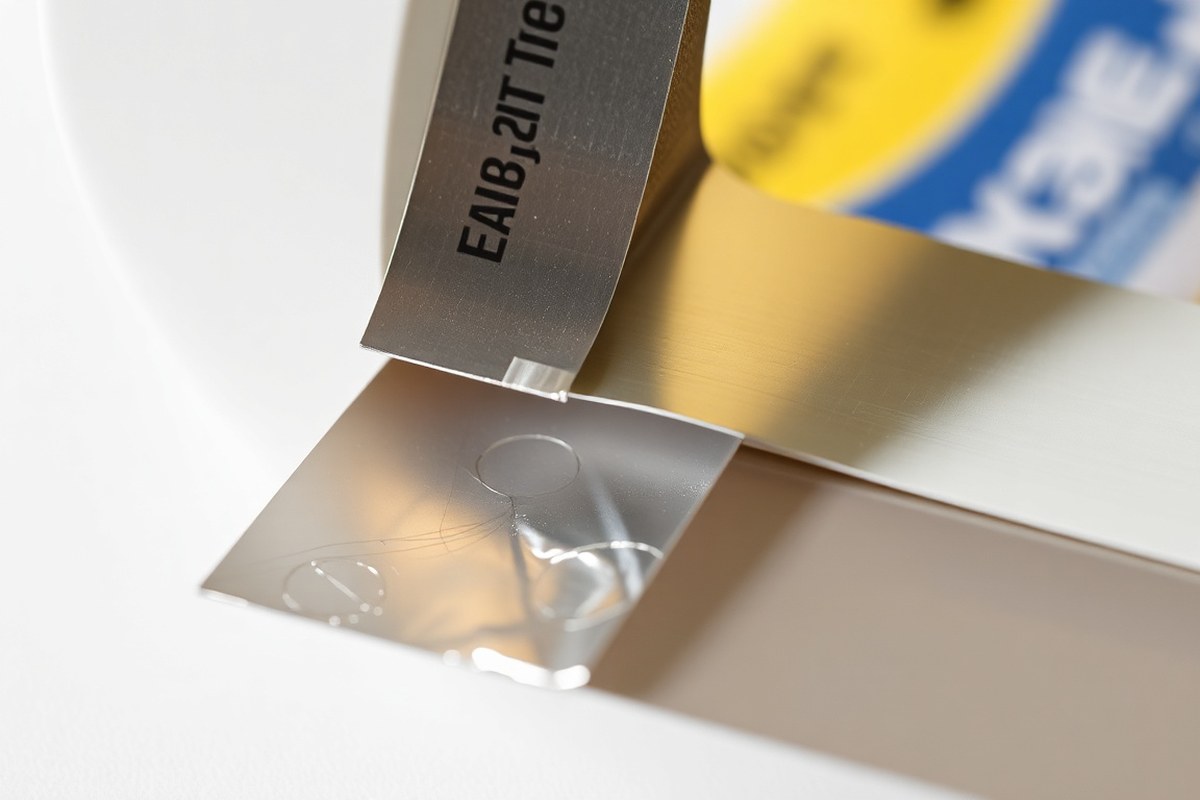
The main materials in tape that affect conductivity are the backing and the adhesive. Metal foils like copper or aluminum serve as backing. They carry electrical current through the tape.
This makes them useful for electrical paths. Conductive fabric tapes use woven metal fibers, allowing electricity to flow through the tape.
The adhesive layer usually does not conduct electricity. Conductive tapes contain special adhesives embedded with metal particles or conductive polymers. These adhesives create an electrical bridge between surfaces.
Because of this, they cost more. They suit tasks like EMI shielding or grounding.
Backing materials made from cloth or plastic do not conduct electricity by themselves. For example, gas tape uses a cloth or synthetic backing without metal. This means it cannot carry current even if pressed tightly onto a conductor.
The thickness of the tape also impacts conductivity. Thicker tape raises resistance and reduces the current flow.
Tape with metal foil backing combined with a conductive adhesive works well for electrical connections. Copper foil tape has high conductivity and disperses heat well. It costs about $1 per roll.
This price is higher than regular tapes. Aluminum foil tape provides moderate conductivity at somewhat lower cost. Conductive fabric tapes offer flexibility but conduct less efficiently than metal foil tapes.
Be careful buying “conductive” tape if adhesive type is not specified. Most adhesives don’t conduct unless explicitly designed for it.
In contrast, typical duct tapes or gas tapes rarely have conductive materials. Their adhesives are sticky but designed for mechanical adhesion only. These tapes lack conductive metals and use non-conductive glue.
This makes them act as insulators. They don’t conduct electricity.
Types of Conductive Tape and How They Compare
Gas tape is usually not conductive like copper foil tape. Copper foil or fabric tapes are made for electrical work. These tapes conduct electricity, but gas tape does not.
Conductive tapes are designed specifically for EMI shielding, grounding, or circuit paths. These tapes use metal layers or conductive glue to conduct electricity.
Gas tape mainly seals and insulates but does not conduct well. Thus, it’s not a good conductor.
Copper Foil Tape Characteristics
Copper foil tape stands out for its high conductivity and durability. It’s widely used in electronics for EMI shielding and grounding tasks. Copper foil tape is easy to solder.
It makes a strong electrical connection. It doesn’t need extra conductive glue.
Its metallic copper layer offers excellent conductivity, typically under 0.05 ohms per square. This makes it ideal for shielding cables and electronics from interference. Copper foil tape also resists corrosion when tin-coated variations are used, extending its lifespan.
Aluminum Foil Tape Benefits and Drawbacks
Aluminum foil tape is popular for thermal sealing and vapor barriers. It handles heat better than copper and is lightweight, making it useful in HVAC and aerospace. However, aluminum offers lower conductivity than copper, roughly three times more resistance.
This tape works well for shielding but isn’t the top choice for sensitive EMI grounding. Its adhesive may not conduct electricity.
So relying on the sticky side for conduction can cause connection issues. Still, it is valued where heat resistance matters alongside moderate conductivity.
Conductive Fabric Tape Features
Conductive fabric tape combines metal threads with cloth for flexibility and conductivity. It suits shielding mobile phone motherboards and electronic repairs needing both electrical conduction and movement resistance. Conductivity depends on metal content but is often lower than solid foil tapes.
Fabric tapes are easier to cut and conform better to irregular surfaces. They often cost more and need careful application to ensure proper conductive contacts. Grounding and shielding jobs where flexibility matters benefit most from this tape type.
Gas Tape Compared by Type and Use
Gas tape, or gas-resistant sealing tape, typically serves for moisture and gas sealing, not electrical purposes. It rarely contains metal layers and usually lacks any conductive adhesive. Copper or aluminum tapes work better for EMI shielding or grounding.
Gas tape is not a good choice here. It doesn’t conduct well enough.
Gas tape seals gaps around pipe joints or electrical conduits. The main use is to stop gas leaks. It’s great for this sealing job.
It’s low-cost and easy to apply but does not help with conducting or blocking electrical signals. Using it in place of conductive tape often results in failed shielding or grounding attempts.
The table below breaks down these common tapes and how they compare in conductive uses.
| Tape Type | Primary Use | Typical Conductivity | Key Advantages | Limitations |
|---|---|---|---|---|
| Copper Foil Tape | EMI Shielding, Grounding | Very High (<0.05 ohms/sq) | Easy to solder, corrosion-resistant | Higher cost, less flexible |
| Aluminum Foil Tape | Thermal sealing, Light EMI shielding | Moderate (approx. 0.15 ohms/sq) | Heat resistant, lightweight | Lower conductivity, non-conductive adhesive |
| Conductive Fabric Tape | Electronics shielding, flexible grounding | Moderate to High (metal thread dependent) | Flexible, conforms well to shapes | Higher price, careful application needed |
| Gas Tape | Sealing gas leaks, moisture barriers | Very Low (mostly insulating) | Moisture and gas resistant, low cost | Not for EMI shielding or conduction |
Choosing the right tape depends on your project’s electrical needs. Use copper foil for strong conduction and shielding. Aluminum foil fits where heat resistance matters more.
Conductive fabric works best for flexible electronics. Avoid gas tape for any task needing conductivity or shielding.
Why Gas Tape Does Not Conduct Electricity Like Electrical Tape
Gas tape and electrical tape serve very different functions. Gas tape is made for sealing pipes and joints to prevent leaks, not for electrical use. Electrical tape is made to insulate electrical wires and connections.
It protects wires from short circuits and damage. Use it to cover exposed wires safely.
Despite its name, electrical tape does not conduct electricity. It actually acts as an insulator to stop electric current from passing through. The tape uses vinyl or rubber materials.
These resist voltage and heat well. This protects live wires from electrical hazards.
The insulating properties of electrical tape come from its materials and construction. The backing is non-conductive, and the adhesive sticks well without allowing electricity to flow. This keeps connections covered without the risk of short circuits or shocks.
- Gas tape is typically made from polyethylene or Teflon, materials with no conductive properties.
- Electrical tape is made from flexible PVC or rubber that withstands up to 200°F (93°C).
- Electrical tape uses adhesives that do not conduct electricity to maintain insulation.
- Conductive tapes include metal foils like copper and are designed to carry current, unlike gas tape.
- Gas tape does not have certifications for electrical safety or insulation.
- Electrical tape helps resist heat and flame while providing moisture resistance around wires.
Using gas tape on electrical connections can cause failures or hazards. It lacks the resistance to voltage and heat that electrical tape offers.
Electrical tape is tested and certified to avoid breakdown under normal electrical loads. Gas tape is not.
Electrical tape’s role is to keep electricity safely inside wires and prevent accidental contact. In contrast, gas tape seals air or gas leaks without any concern for electricity. Pick the right tape for your project.
Decide if you need electrical insulation or just sealing. This choice keeps your work safe and effective.
How to Test Tape Conductivity Safely at Home or Work
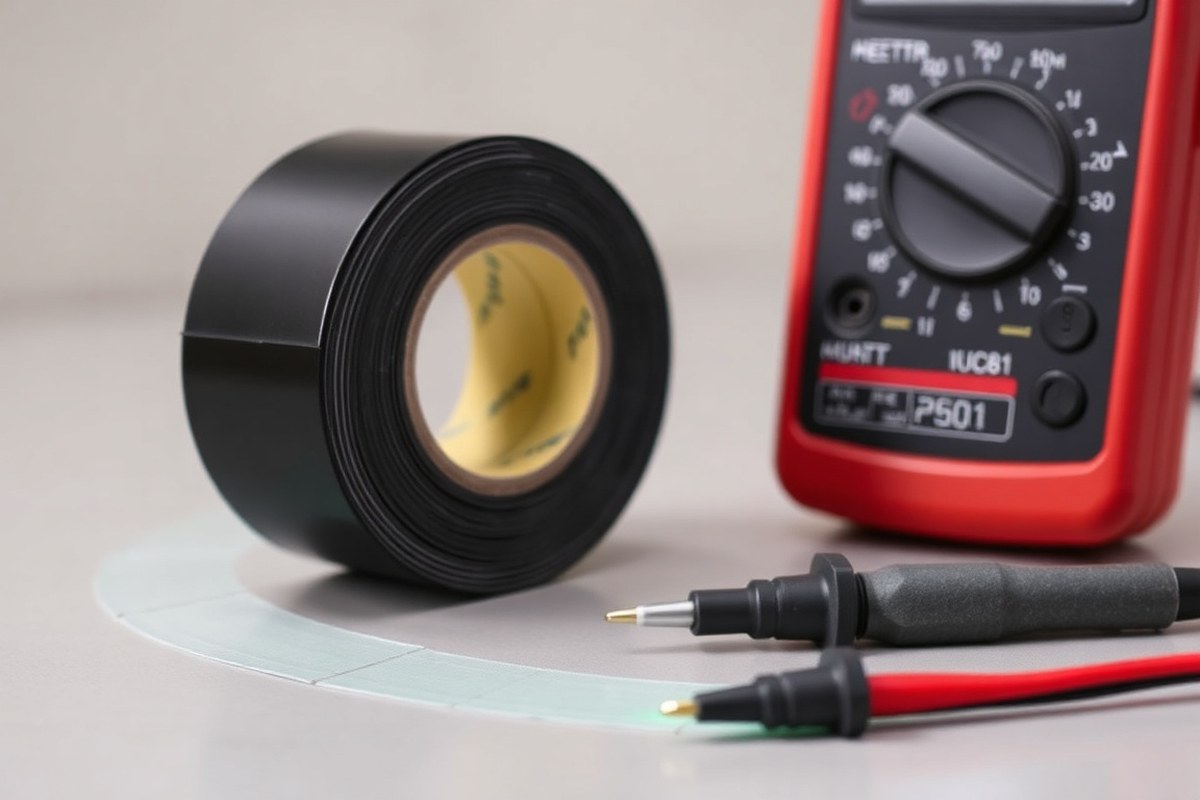
Testing if tape is conductive requires a multimeter set to measure resistance. You place the probes on the tape surface a few inches apart. Low resistance means the tape conducts electricity; high resistance shows insulation.
Gather Required Tools
You need a digital multimeter that measures resistance in ohms. Probes with pointed tips work best to touch the tape surface accurately. Have a clean, dry piece of the tape for testing.
Keep extra batteries for your multimeter on hand to avoid interruptions. A ruler or tape measure helps keep probe spacing consistent for accurate readings.
Measure Tape Surface Resistance
Set the multimeter to the lowest resistance range or the ohms setting. Arrange the tape flat on a non-metal surface to prevent false readings. Follow these steps to get your measurement:
- Cut a 3- to 4-inch tape sample to test.
- Use a ruler to mark two points about 2 inches apart on the tape.
- Turn on the multimeter and set it to measure resistance (ohms).
- Place the black probe on one mark and the red probe on the other.
- Hold the probes firmly but avoid pressing too hard to prevent damage.
- Read the resistance value shown on the multimeter display.
- Repeat the test at least twice to check consistency of readings.
Interpret Readings Correctly
A low resistance value, typically under 100 ohms, signals the tape conducts electricity. Values in the kilo-ohms or millions (mega-ohms) range mean the tape is insulating.
Keep in mind conductive tapes usually show lower but not zero resistance. Non-conductive tapes like gas tape will often read above 1 mega-ohm, almost no conduction. This test does not measure surface resistivity (“ohms per square”) directly but offers a practical approximation.
Safety Precautions During Testing
Never test tape on live wires or energized circuits. Disconnect all power before testing conductivity. Avoid touching the metal probe tips during measurement to prevent shocks.
If unsure about handling electrical tools safely, ask a licensed electrician to help. Use the test setup only for low-voltage materials, never to confirm high-voltage safety.
Ensure your tape surface is dry and clean before testing to avoid false readings.
Common Misconceptions About Tape Conductivity Debunked
Not all tapes conduct electricity. Most common tapes, like duct tape or packaging tape, do not have conductive properties. They use plastic films like polyethylene or polypropylene.
These materials are insulators. They stop electric current from flowing through.
Many people think duct tape conducts electricity because of the aluminum or cloth backing. In reality, cloth-backed duct tape has little to no metallic content that would carry electricity.
Major brands like 3M make duct tapes without metallic elements. So these tapes do not conduct electricity.
Masking tape and packaging tapes are another example. These tapes use plastic and adhesive materials that block electric currents.
This makes them safe for bundling wires or packages. But they can’t conduct electricity or provide grounding.
- Duct tape typically uses polyethylene film and fabric backing, both non-conductive
- Packaging tapes are made from polypropylene or vinyl, which do not conduct electricity
- Neither masking nor packaging tapes have metal layers or conductive adhesives
- 3M duct tape contains no metal, so it does not conduct electricity
- Conductive tape often uses copper or aluminum foil for electricity flow
Understanding what type of tape to use matters. Use electrical or copper conductive tapes for grounding or EMI shielding.
Avoid relying on duct or packaging tape for any electrical conductivity tasks. Knowing this prevents hazards and ensures proper electrical performance in projects or repairs.
Safety Considerations When Using Tape Near Electrical Components
Tape choice matters a lot near electrical and gas components. Using the wrong tape can cause risk of sparks, shorts, or gas leaks. Gas tape is not made for electrical insulation, so avoid it near live wires.
Most gas tapes are non-conductive but lack proper insulation properties. They won’t protect you from electrical shock or prevent wiring faults. You should always use PVC electrical tape for wiring jobs.
Fiberglass tape works well, especially near high voltages and heat. Both help protect the wires safely.
Do not wrap gas tape on exposed wiring or terminals. It might stick well, but it won’t stop electricity from jumping between connections. This can cause shorts or fire hazards.
Also, avoid any tape near electrical sources if it isn’t rated for that use. Duct tape and packaging tape, for example, are poor insulators and unsafe for electrical work.
- Always turn off power before taping wires or components.
- Choose tape labeled for electrical use, like PVC electrical tape.
- Use fiberglass tape for high heat areas, not gas or duct tape.
- Keep gas tape away from electrical panels or live circuits.
- Check tape for cuts or wear; replace if damaged before use.
- Consult a licensed electrician for critical or complex wiring tasks.
Ignoring these basics can lead to shorts, shocks, or worse. Gas tape only seals gas fittings safely, while electrical tape insulates electricity.
Mixing their use can damage equipment or create safety hazards. Proper tape is cheap and easy to find but important for safety.
Applications Where Conductive Tape Is Necessary and Gas Tape Is Not
Conductive tape is needed for tasks like electromagnetic interference (EMI) shielding and grounding. These tapes provide a low-resistance path to direct electrical noise or current safely. Gas tape is not made to carry electrical current.
It also can’t shield signals. That’s why it can’t replace conductive tape.
Conductive tape controls EMI in electronics, aerospace, and telecom work. It also connects grounding points in these industries.
It often replaces solder joints or mechanical fasteners when a flexible, lightweight solution is required. This tape usually features metal particles or foils inside adhesive layers, ensuring reliable conductivity.
Use conductive tape only on clean, dry, smooth surfaces. These surfaces matter for grounding or shielding. Proper application is key.
For example, aluminum foil-based EMI tapes cost around $3.50 to $5.50 per roll and can be applied with simple pressure. After applying conductive tape, test electrical connection with a multimeter.
Loose connections can lower its effectiveness. Check it well.
Gas tape usually seals non-conductive insulation or vapor barriers. It’s common in electrical or plumbing work for holding or sealing. Its material does not conduct electricity and cannot safely redirect currents or block electromagnetic fields.
Using gas tape instead of conductive tape can cause equipment damage. It can also create safety hazards. Avoid this substitution.
Conductive tape can’t handle high currents like wire or clamps. It’s best for low-current shielding or grounding tasks. For heavy electrical loads, use dedicated hardware or thick copper tape.
Conductive tape alone won’t be enough. Also, the tape’s adhesive can degrade at high temperatures. So check the temperature rating before use.
Always test conductivity after applying tape. A weak connection can let EMI through or cause grounding failure.
Decision Guide: When to Use Gas Tape Versus Conductive Tape
Choose gas tape when sealing gas lines or pipes without electrical needs. Use conductive tape for projects requiring electrical conduction and insulation. Picking the right tape depends on conductivity, temperature, safety, and project specifics.
Assessing Conductivity Needs
Decide if your project needs electrical conduction or just sealing. Gas tape does not conduct electricity, so use it only for airtight sealing. Choose conductive tape if you need to carry electrical current safely across surfaces.
Check the conductivity rating of the tape to match your electrical load. Some conductive tapes handle low voltage only, while others suit higher currents. Using the wrong tape causes inefficient conduction or safety hazards.
Evaluating Environmental Conditions
Consider the temperatures your tape must endure. Gas tapes often withstand moderate heat but lack electrical insulation beyond 200°F. Conductive tapes vary. Some resist up to 300°F or more depending on the material.
Think about exposure to moisture, oils, and chemicals that might degrade tape performance. Choose a tape designed for your environment to keep its properties stable over time. For outdoor or harsh conditions, higher-grade tapes cost more but last longer.
Prioritizing Safety and Compliance
Always select tape certified for your electrical or gas project application. Using non-certified tape risks fire, shocks, or leaks.
Electrical tape must meet insulation standards like UL 510. Gas tape follows different rules.
Thicker electrical tape increases insulation and shock protection but reduces flexibility. Balance the thickness and stretch needed for your wiring or pipe fitting. Never use gas tape near live wires unless it’s specifically rated for electrical work.
Consulting Experts When in Doubt
Call a licensed electrician for any electrical connection outside basic home repairs. Incorrect tape choice can cause short circuits or shocks that damage appliances or cause injury. Professionals know which tape meets local codes and standards.
For gas line projects involving electrical components, get advice from experts familiar with both fields. They can recommend the right combination of sealing and conductive materials. This extra step costs money but prevents expensive or dangerous mistakes.
Step-by-Step Action Plan for Using Gas Tape Safely
Follow these steps to handle gas tape properly near electrical parts. This will help you avoid hazards and ensure your work is safe.
- Before you start: Check the label on the gas tape for any safety warnings. Make sure it’s not rated for electrical insulation.
- Day 1: Use a multimeter to test the tape’s conductivity if unsure. Confirm it doesn’t carry electricity before applying it near live wires.
- Day 2: Only apply gas tape to plumbing or sealing jobs, not electrical connections. Look for a dry, clean surface to ensure good adhesion.
- Week 1: For electrical repairs, switch to proper electrical tape. Ensure it is rated for voltage and insulation before use.
- Week 2: Inspect your taped areas regularly. Replace any damaged or dirty tape to avoid moisture or electrical risks.
- After 1 month: Review the effectiveness of your tape work. If you notice any issues, consider consulting a professional electrician for safety.
Frequently Asked Questions
Can Gas Tape Conduct Electricity?
No, gas tape is designed as an insulator and does not conduct electricity. It usually lacks any metal inside.
It also has no conductive glue. So, it won’t let electricity pass through.
Is Gas Tape Safe to Use Near Electrical Wires?
Yes, gas tape is safe because it does not conduct electricity and helps prevent shorts. Still, avoid placing it directly on exposed high-voltage parts.
Can Gas Tape Replace Electrical Tape in Wiring Jobs?
No, gas tape cannot replace electrical tape because it doesn’t have insulating properties for wiring. Electrical tape withstands voltage and environmental factors differently.
Does Gas Tape Interfere with Radio Frequency Signals?
Gas tape generally does not affect radio frequencies since it isn’t conductive or metallic. For shielding RF interference, conductive tape is needed.
Will Gas Tape Insulate Against High Voltage?
Gas tape does provide some insulation but is not rated for high voltage like electrical tape. Use tape that specifies voltage resistance.
Final Thoughts
Gas tape does not conduct electricity and should never replace electrical tape. Use gas tape only for plumbing and sealing tasks. Always test and choose the right tape for the job to stay safe.