How Many Axles in a Car: A Complete Guide to Types, Function, and Maintenance
Curious about how many axles cars usually have? Usually, passenger cars feature two axles. One axle joins the front pair of wheels, the other joins the rear pair.
Each axle carries the vehicle’s weight and delivers power to connected wheels. This setup supports typical cars weighing around 3,000 pounds or more. It works well with common drivetrain types like front-wheel drive, rear-wheel drive, or all-wheel drive.
Some larger vehicles, such as trucks or special utility cars, might have additional axles for extra support. These extra axles help distribute the weight and improve stability under heavy loads. However, typical everyday cars stick with two axles to manage driving and weight efficiently.
Counting axles is simple: check how many pairs of wheels the vehicle has. Two axles usually mean one pair at the front and one pair at the rear, making it easy to identify.
Key Takeaways
- A typical car almost always has two axles: front and rear.
- Axles carry the car’s weight and connect wheels to power.
- Drivetrain type affects axle design, but not usually the count.
- Heavier or specialized vehicles may have three or more axles.
- Two axles work well for most cars weighing about 3,000 pounds.
- Look under the car to see how many wheel pairs it has.
How Many Axles Does a Typical Car Have?
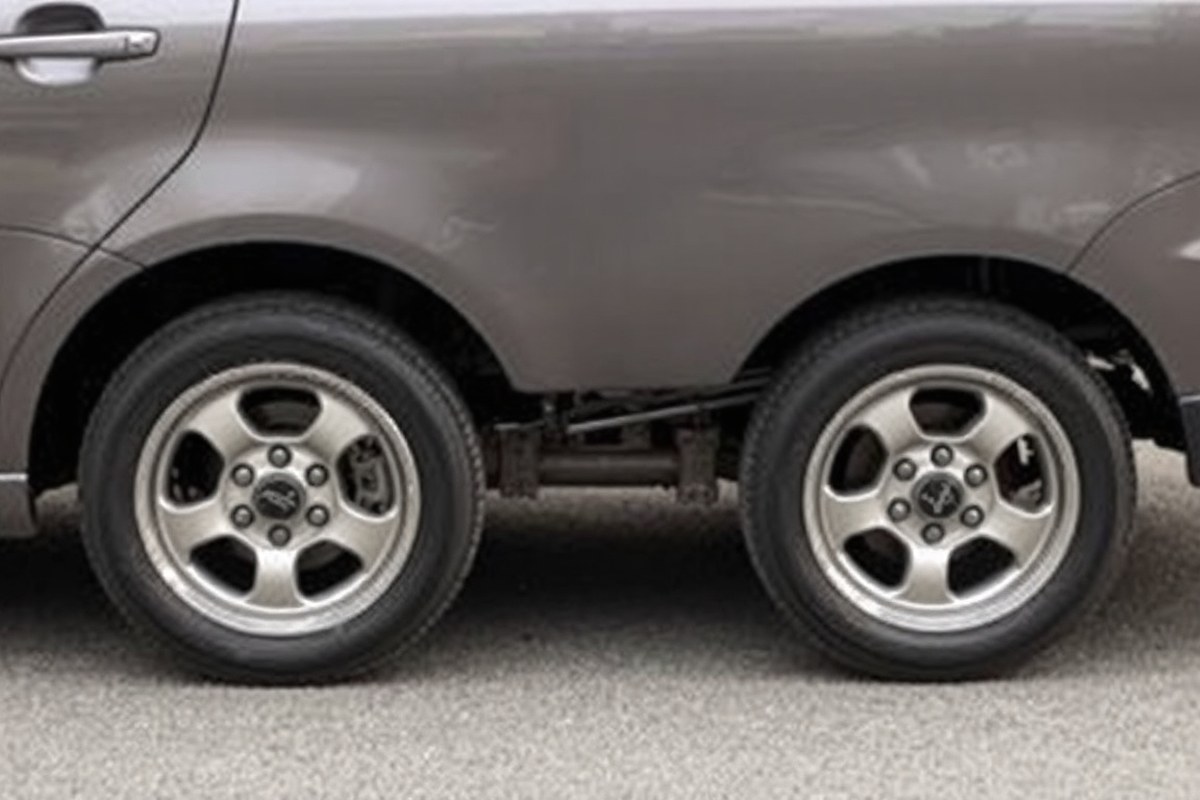
Nearly all vehicles come with a pair of axles: a front and a rear version. Each axle is a key shaft connecting a pair of wheels, supporting the car’s total weight. These axles help the vehicle move steadily while distributing weight across the chassis and suspension systems.
Legally and structurally, cars are classified by these two main axles that touch the road. Each axle assembly holds both wheels on its side.
But inside, some cars have four axle shafts or half-shafts. These smaller components transfer power to the wheels but do not increase the axle count.
Almost all regular cars have exactly two axles. Some specialized vehicles may have more.
But trailers or added parts don’t change the axle number of your car. This count matters for tolls, traffic rules, and vehicle design standards.
What Is an Axle and How Does It Function in a Car?
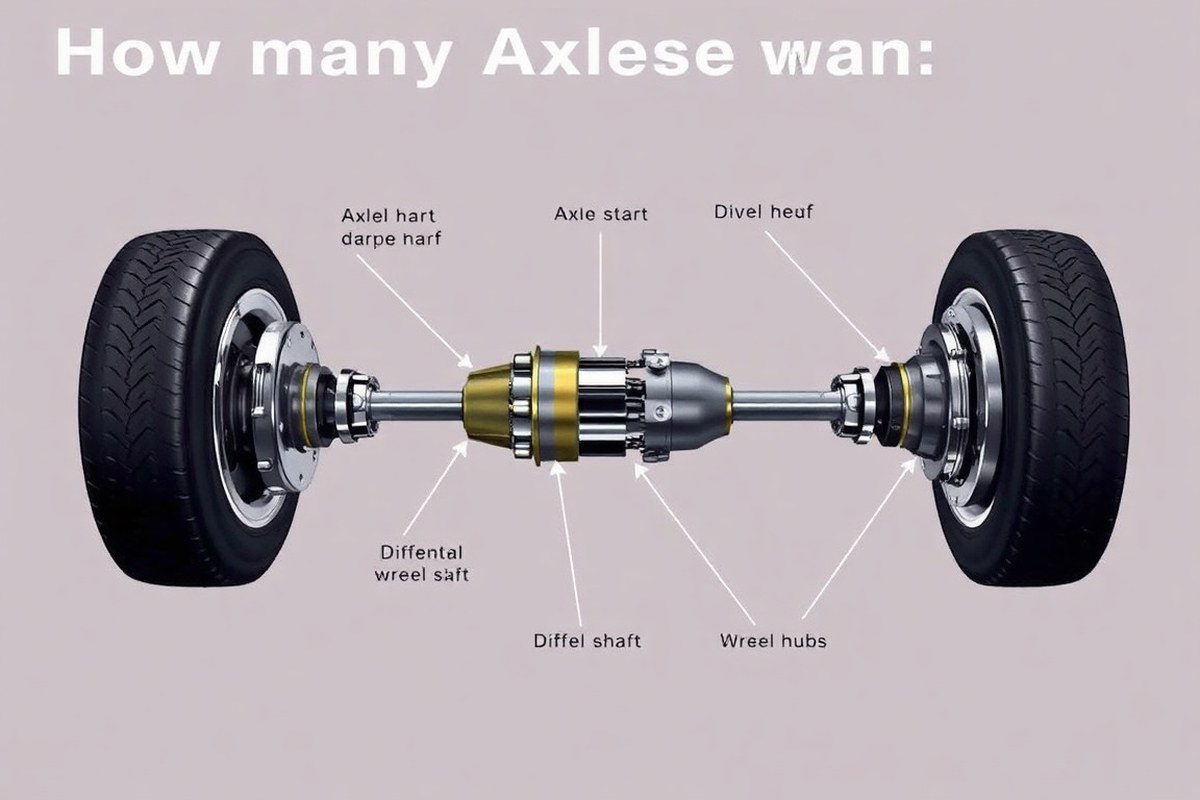
An axle is a central shaft that connects the wheels on a car. It helps the wheels rotate and supports the vehicle’s weight. The axle is a strong metal rod or assembly, spanning from one wheel to the other.
The axle’s main job is to carry the car’s weight and keep the wheels in line. A typical car weighs about 3,000 pounds. The axles hold all that weight.
They do this as the car moves. The axle supports the weight of the car.
It also transfers power to the wheels. That power comes from engine torque.
There are two main types: structural axles and drive shafts. Structural axles mainly support weight and hold the wheels.
Drive shafts, however, spin to send engine power through the differential to the wheels. Cars with front-wheel drive use front axles that steer and power the front wheels simultaneously.
A stub axle is a smaller part attached to the main axle. You usually find it on rear-wheel-drive cars.
It allows the wheels to pivot for steering. Meanwhile, the drive shaft connects the transmission to the wheels, rotating independently to deliver torque.
Listen for unusual noises like clicking or vibrations while driving. They often signal worn axles or joints needing inspection.
Types of Axles Found on Cars and Their Roles
Most cars have two key axles: one in front and one at the back. Each axle has a job depending on the drivetrain type in your car. Besides these, stub axles and CV axles serve special roles.
Front Axle Types and Uses
The front axle typically supports the vehicle’s front wheels and steering system. In front-wheel-drive cars, it is a live axle delivering power to the wheels. In rear-wheel-drive cars, the front axle just holds the wheels.
This axle does not help move the car. It simply supports the wheels.
Stub axles connect the front wheels to the main front axle. Kingpins or similar pins attach the wheels to the axle. They let the wheels turn left or right.
This turns the car when you steer. While important for steering, stub axles don’t carry power like the main axles do.
Rear Axle Variations and Purposes
The rear axle usually supports the rear wheels and bears the vehicle’s weight. In rear-wheel-drive cars, it’s a live axle that transmits engine power to the wheels. In front-wheel-drive cars, the rear axle holds wheels but doesn’t drive them.
It also supports suspension parts. The rear axle isn’t involved in powering the car.
Some vehicles have rear axles built to handle extra weight. Others drive all four wheels, like AWD or 4WD cars.
These axles have different roles depending on the setup. In those cases, the rear axle helps distribute power for better traction and control.
- Live axle: drives the wheels and carries vehicle weight
- Dead axle: supports wheels without transmitting power
- Stub axle: connects individual wheel to main axle, mainly for steering
- Front axle: usually steers, may deliver power in FWD cars
- Rear axle: transmits power in RWD, supports wheels in FWD
Repairing a front axle tends to cost more, around $550, $740. Rear axle repair is slightly cheaper. These prices depend on vehicle make and model, and the axle type involved.
CV Axle: Design and Function
Constant velocity (CV) axles connect the transmission to the wheels, especially on front-wheel-drive cars. CV axles send power to the wheels so they can turn. They also let wheels move up and down with the suspension.
This keeps the car smooth and in control. This flexibility is key for smooth driving and handling.
Without CV axles, steering and suspension movement would be limited, causing wear and poor vehicle control. CV axles have joints called CV joints that last 70,000 to 130,000 miles. Keeping the rubber boots in good shape helps protect them.
Well-maintained boots extend their life. A torn boot lets dirt and moisture in, leading to costly axle failure.
How Drivetrain Types Affect Axle Number and Design
Most cars have two axles. Front-wheel, rear-wheel, or all-wheel drive. They all use two axles to work.
The axles support wheels and transfer power, but their roles change. All-wheel drive needs special axle designs to send power to all wheels.
Axle Count by Drivetrain Type
Front-wheel drive (FWD), rear-wheel drive (RWD), and all-wheel drive (AWD) cars usually have two axles. One axle is at the front and another at the rear. The difference lies in which axles get power from the engine.
Even SUVs and pickup trucks most often keep two axles, except for larger vehicles. Larger trucks and RVs usually have more axles.
They often have three or more. This helps manage heavy loads.
| Vehicle Type | Number of Axles | Examples |
|---|---|---|
| Regular cars | 2 axles | Honda Civic, Toyota Camry, Ford Focus |
| SUVs | 2 axles | Honda CR-V, Toyota RAV4, Ford Explorer |
| Pickup trucks | 2 axles | Ford F-150, Chevy Silverado, Toyota Tacoma |
| Large trucks | 3+ axles | Semi-trucks, delivery trucks, RVs |
That means AWD cars don’t add axles; they power both existing axles. The number of axles stays the same while power distribution changes.
Power Delivery and Axle Design
In FWD cars, the front axle is powered and also handles steering. The rear axle is passive and simply holds the rear wheels. This rear axle often acts as a dead axle with no drive function.
RWD vehicles have a different setup. Power goes to the rear axle.
The front axle only supports the wheels. In this case, the front axle often is a dead axle, mostly holding steering components.
AWD cars power both axles. So they need special axle shafts that can handle power delivery and wheel speed differences. Their axles also include components for varying traction between wheels.
Suspension Interaction Differences
Axle design does not only depend on drivetrain but also suspension type. Many modern cars use independent suspension, which separates each wheel shaft. This improves comfort and handling and may reduce the size of axles used.
Classic RWD cars use a solid rear axle. This design is simpler. It doesn’t flex well over bumps.
FWD cars often use independent rear suspension. The rear axle doesn’t look solid here.
It seems more like separate half shafts. This changes how it moves.
AWD systems must coordinate with suspension to allow power to reach wheels that move independently. These axles need to be strong and complex.
They use CV joints for twisting. These joints work at different angles.
Can a Car Have More Than Two Axles?
Most passenger cars have a front axle and a rear axle. These two axles support all four wheels and handle normal driving loads. Heavy-duty or special vehicles might add more axles for extra weight or traction.
Vehicles like commercial trucks, buses, and trailers often use extra axles. A tractor-trailer usually has multiple axles to carry heavy loads. This helps it meet weight limits in highway rules.
It spreads out the weight over more wheels. Heavy trucks often use tandem rear axles, with two axles close together.
This setup lets the truck carry more weight. It doesn’t hurt the truck’s handling much.
Sports cars with high-performance setups have also used a third axle occasionally. A third axle can improve handling and balance by spreading forces more evenly over the tires. However, this adds mechanical complexity and weight.
So manufacturers rarely use it for normal passenger cars. Multi-axle designs may face stricter regulations and higher costs for tires, brakes, and maintenance.
A vehicle with extra axles may require special inspections and different registration fees. Check local rules to avoid surprises.
Signs of Axle Wear and When to Repair or Replace
Bad axles often show clear signs that affect your car’s safety. You might hear loud clicking noises when turning or feel strong vibrations, especially during acceleration. Grease leaking from damaged axle boots is a warning sign.
It means axle parts are exposed. These parts risk failure if not fixed.
Ignoring axle damage can lead to serious safety problems. The vehicle may shake while driving. It can make clunking sounds when shifting gears.
Sometimes, it might not move forward or backward. This loss of control increases the risk of accidents. So timely repairs or replacements are important to keep you safe on the road.
- Loud clicking or clunking noises when turning or shifting gears
- Excessive vibration that worsens with acceleration
- Visible grease leaking from torn or cracked axle boots
- Difficulty moving the car forward or backward
- Uneven or pulling sensation while driving
Replacing CV axles usually costs between $300 and $600 and takes 2 to 3 hours. The whole axle replacement costs between $400 and $800.
The repair takes about 3 to 4 hours. Axle boot replacement is cheaper, costing $150 to $300 and taking 1 to 2 hours.
Replace CV axles if the boots are torn or leaking. Also, do this if the CV joints make constant noise. Replace structural axles if they bend or crack.
This usually happens after a collision or heavy impact. Professional mechanics can inspect and confirm if repair suffices or full replacement is necessary.
Typical Lifespan and Maintenance of Car Axles
Car axles usually last the vehicle’s entire life. They handle about 70,000 to 130,000 miles under normal driving.
The lifespan depends on maintenance, driving habits, and road conditions. CV axles can especially last long if their protective boots remain intact.
Regular inspection helps avoid costly repairs and extends axle life. Look closely for tears, cracks, or grease leaks in the CV boot surrounding the joint. Damaged boots allow dirt and moisture to enter, which quickly wears out the joint.
Maintenance mostly involves checking seals and keeping the axle properly lubricated. Proper wheel alignment also reduces stress on axle components like bearings and joints. This ensures smooth rotation and prevents uneven wear.
- Check for torn or cracked CV boots at least every 12,000 miles or yearly.
- Watch for grease splattered near the wheels or under the car.
- Listen for clicking noises when turning; it can signal worn CV joints.
- Have a professional inspect axle bearings during brake or tire service.
- Avoid sudden hard turns or aggressive driving that stresses axles.
Axle maintenance should be done by a mechanic because special tools and skills are required. Keeping boots intact and wheels aligned can save you hundreds by preventing early CV joint failures. Wearing axles cause vibration and might eventually break, losing drive power.
Inspect axles during routine service or every 12,000 to 15,000 miles. Early detection of boot damage or looseness is key.
Fixing axles early means replacing the boot or servicing joints. Complete axle replacement costs between $300 and $800 per axle.
Cost and Complexity of Axle Replacement
Replacing a car’s axle costs between $300 and $1,000. It depends on your vehicle. The axle type also affects the price.
Labor is a large part of the cost. It usually runs from $150 to $300.
The job takes one to three hours. Front and rear axles might cost differently due to their roles and parts complexity.
Front axle jobs may be pricier because they often involve steering components and CV joints. Rear axle replacements tend to be simpler on some cars, especially rear-wheel-drive models. Labor rates also change by location and shop, so prices can vary widely.
| Axle Type | Typical Labor Time | Labor Cost Range | Parts Cost Considerations |
|---|---|---|---|
| Front Axle | 1-3 hours | $150 – $300 | Often higher due to CV joints and steering |
| Rear Axle | 1-2 hours | $150 – $250 | Usually simpler, fewer moving parts |
| Both Axles | 2-5 hours | $300 – $600 | Parts and labor add if both need replacement |
Electric and hybrid cars sometimes have specialized axles that raise parts costs. Front or rear electric axles can involve expensive components. When getting quotes, ask if costs include parts, labor, and any extra repairs.
Repair time depends on axle damage and your car’s design. Older cars might need more time due to rusted bolts and tight spaces. A proper inspection helps shops give realistic timelines and prices.
Always get multiple quotes before axle replacements to spot big price differences.
How to Check How Many Axles Your Car Has
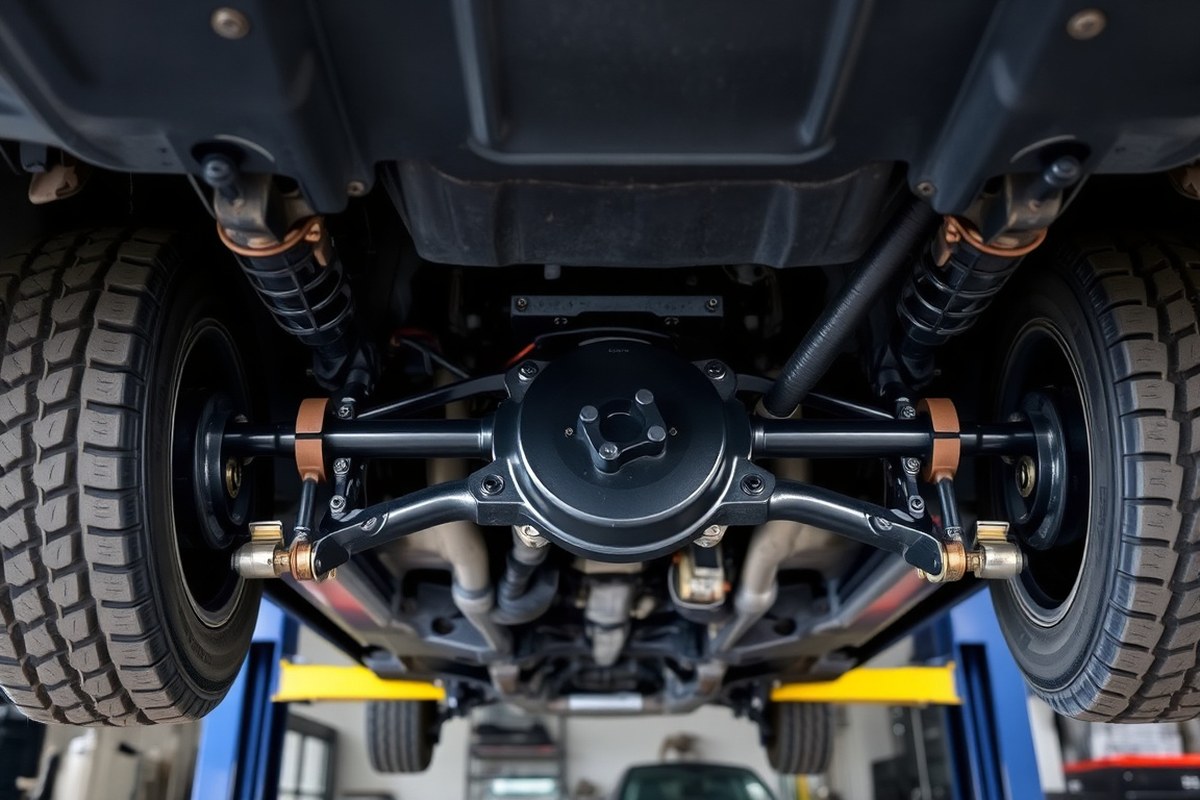
To count your car’s axles, look under the vehicle first. You can also check from the side to see them clearly. Each axle connects a pair of wheels.
Count the pairs of wheels connected by a metal shaft. This basic check helps you see whether your car has two standard axles or more.
Locate the Axle Position
Check beneath your car near each wheel set. An axle is a metal rod linking two wheels on the same side. Most passenger cars have a front axle and a rear axle.
You can spot axles by noticing the round metal tube connecting two wheels on opposite sides. Axles can often be seen without bending down.
This is easier if your car is higher off the ground. Look carefully near the wheels to spot them.
Identify Structural vs Drive Axles
Structural axles support the car’s weight and connect wheel pairs. Drive axles transmit power from the engine to the wheels. Your car may have both types, depending on its drivetrain.
Drive axles often have CV joints with rubber boots near the wheels. These boots look like thick rubber covers. Structural axles usually appear as straight, solid metal rods without moving joint parts.
To distinguish, look for rubber bellows near the wheel; those indicate drive axles. Structural axles lack these and mainly hold the wheels in place without rotating shafts or joints.
Check Vehicle Documentation
Your owner’s manual lists axle details, including the number and weight ratings. Typically, manuals explain axle load limits and configurations. This helps you confirm what you see on the vehicle matches manufacturer specs.
Look under sections like “vehicle specifications” or “towing capacities.These guides usually explain axle numbers clearly. They also show how axles change by trim or drivetrain type. This helps to understand different car models better.
- Owner’s manual shows axle count and weight ratings
- Look for “vehicle specifications” or “towing” sections
- Drive axle details appear with drivetrain info
- Manual clarifies variations for 4-wheel drive or all-wheel drive
- Check tire pressure labels for axle load numbers
- Service or repair guides describe axle types
Consulting these documents saves time guessing and avoids mistakes. The right paper info confirms if your car has standard two axles or a special configuration.
Step-by-Step Action Plan to Check and Maintain Your Car’s Axles
Follow these steps to check how many axles your car has. This will help you avoid costly repairs and stay safe on the road.
- Before you start: Find your car’s manual. It usually tells you the number of axles and drivetrain type. This confirms what you’ll see physically.
- Day 1: Look under your car in a well-lit area. Count the solid bars connecting wheels on each side. Two bars usually mean two axles.
- Week 1: Listen for noises during turns or bumps. Clunking sounds might mean axle wear. Note if this happens.
- Week 2: Check for grease or fluid leaks near axle seals. Fresh wet spots can signal a problem. Clean the area and watch for new leaks.
- Month 1: Take your car for a spin and test how it drives. Pulling to one side or vibrations may point to axle trouble. See if issues persist.
- Month 2: Schedule a mechanic inspection if you noticed signs of wear or leaks. The professional can confirm axle condition and suggest repairs.
- Every 6 months: Inspect axle boots and joints yourself or during oil changes. Replace damaged boots early to prevent bigger problems.
- Annually: Review your car’s axle service records and upkeep. Staying on top of this extends the life of your axles and saves money.
Frequently Asked Questions
How Many Axles Does a Typical Passenger Car Have?
A typical passenger car has two axles. This includes one front axle and one rear axle supporting the wheels.
Can Heavy-Duty Trucks Have More Than Two Axles?
Yes, trucks often have three or more axles. Extra axles help carry heavier loads and improve stability.
Do Electric Cars Use the Same Axle Setup as Regular Cars?
Most electric cars still have two axles like traditional cars. Some models may have different axle designs based on drivetrain.
How Do Axles Affect a Car’s Fuel Efficiency?
Axle design impacts drivetrain efficiency, affecting fuel use slightly. Better axle alignment reduces rolling resistance for better mileage.
What Happens If an Axle Breaks While Driving?
A broken axle can cause loss of power to wheels and control. It’s unsafe, so get it repaired immediately by a professional.
The Bottom Line
Your car usually has two axles, but you should check to be sure. Watch for noise and leaks as signs of trouble. Start by looking under your car today to see how many axles you have.