
How Fast Is 200 Km in Mph? Clear Conversion and Real-World Context
How fast is 200 km in mph? It equals about 124.27 miles per hour.
You can round that to roughly 124 mph for easy use. This conversion provides a clear idea of high speeds in familiar terms.
Convert 200 km/h to mph by dividing by 1.609344 or multiplying by 0.621371. Miles and kilometers have fixed lengths based on meters and feet. This makes the math accurate for speed conversion every time.
Knowing this speed helps when comparing cars, motorcycles, or trains with different measuring units. You can quickly change between km/h and mph while driving or riding the train. It allows better understanding of speed limits in various countries.
Speedometers or road signs often show speeds in either km/h or mph. This simple conversion keeps you aware and safe on international trips or when reading manuals. The ability to convert helps you stay comfortable with unfamiliar speed readings.
Key Takeaways
- Multiply km/h by 0.621371 to get mph quickly and accurately.
- Divide km/h by 1.609344 for a precise mph conversion.
- 200 km/h equals about 124 mph, a common high-speed threshold.
- Many intercity trains reach speeds near 200 km/h on upgraded tracks.
- Speed unit conversions rely on fixed meters-to-feet definitions.
- Rounding to the nearest whole number helps with easy speed understanding.
What Is 200 Km/h in Miles per Hour Exactly?
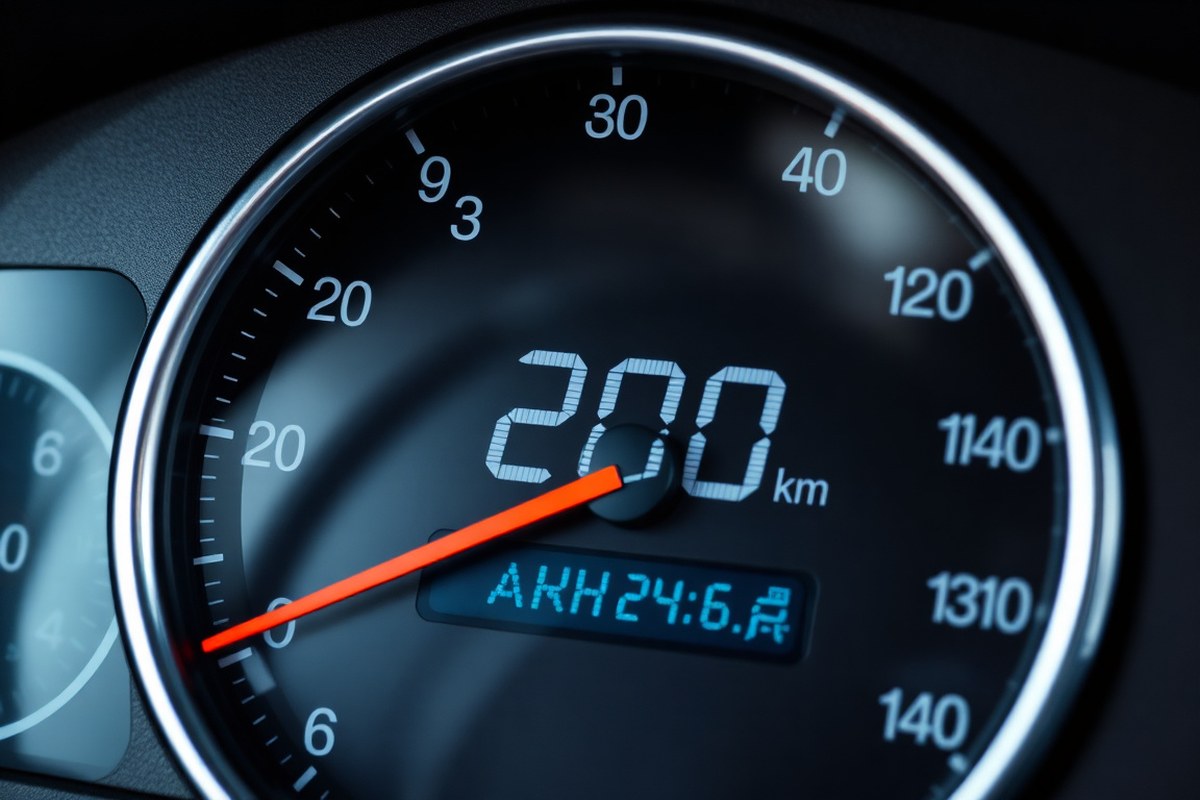
200 kilometers per hour equals 124.2776 miles per hour exactly. To find this, divide 200 by 1.609344, the exact number of kilometers in one mile. The calculation looks like this: 200 ÷ 1.609344 = 124.2776 mph.
You can also multiply 200 km/h by 0.621371 to get the same result. That is, 200 × 0.621371 = 124.2742, which rounds to about 124.27 mph. Both methods use precise conversion factors defined by international standards.
Rounding plays a role in how you see this speed value. Most people round 124.2776 mph to 124.3 mph or simply 124 mph for convenience.
Rounding this way makes the number easier to read and use. It also stays very close to the exact speed.
Choosing how many decimal places to keep depends on your needs. For driving or travel, rounding to the nearest whole number, 124 mph, works fine. For scientific calculations, keeping four or more decimal places gives more precision but often isn’t necessary.
Accuracy matters when comparing speeds in different units. The difference between 124.27 mph and 124 mph is about 0.27 mph, which is small enough not to affect everyday driving or travel planning. Just remember that using exact figures whenever possible gives the best conversion results.
How to Convert Kilometers per Hour to Miles per Hour
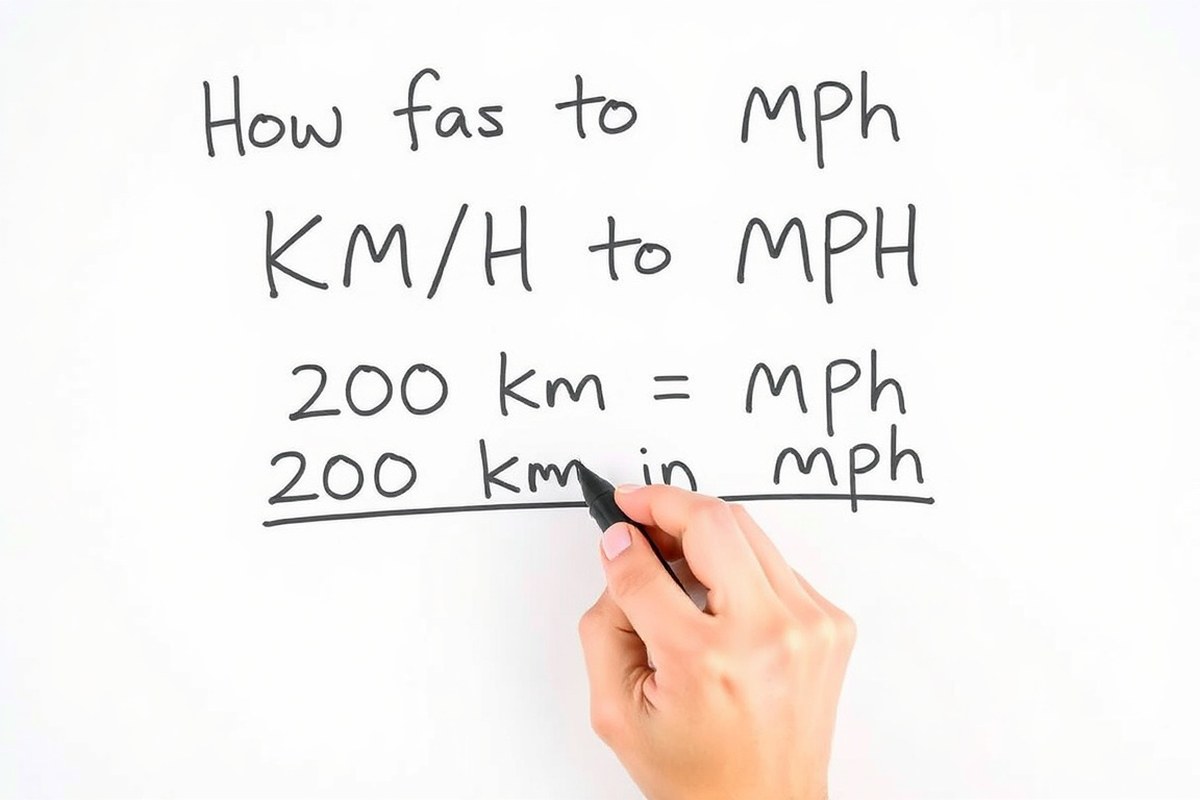
To convert km/h to mph, divide the speed by 1.6. This gives you the speed in miles per hour.6093. Use the exact formula for exact results. You can also try mental math tricks for faster estimates. This helps you understand speeds better, especially when traveling or studying.
Exact Formula for Conversion
The formula to convert km/h to mph is simple: Mph = km/h ÷ 1.6093. For example, to convert 200 km/h, divide 200 by 1.6093. That gives approximately 124.27 mph.
This formula works because one mile equals about 1.609344 kilometers. Using this number ensures accurate conversion every time.
Step-by-Step Calculation Method
Follow these steps to convert km/h to mph by hand or with a calculator. This method avoids guesswork and gets close to the exact mile speed.
- Write down the speed in kilometers per hour (for example, 200 km/h).
- Remember the conversion factor: 1 mile = 1.6093 kilometers.
- Divide the km/h value by 1.6093 (200 ÷ 1.6093).
- Calculate the division using a calculator or long division.
- Read the result, which is the speed in miles per hour (around 124.27 mph).
These steps work for any speed you have. Try them for 50 km/h, 200 km/h, or more.
Quick Mental Math Tricks
When guessing without a calculator, divide the km/h number by 1.6 to estimate mph.6. This approach slightly overestimates mph but stays close enough for practical uses. For example, 200 ÷ 1.6 equals exactly 125 mph. You can also reduce the number by 40%, then add a small adjustment. This is slower but still handy for quick work.
Using Easy Fractions for Fast Estimates
Another way to guess mph fast is to multiply km/h by 0.62. This approximate factor is easier to handle mentally. Multiplying 200 km/h by 0.62 gives 124 mph, very close to the exact figure.
This trick saves time, especially while driving or comparing speeds in everyday talk.
Divide the km/h value by 1.6 for a quick and simple mph estimate that’s good for most everyday uses.
Speed Comparison Table: 190 to 210 Km/h in Mph
Here’s a table that shows speeds near 200 km/h. It also lists their equivalents in miles per hour. This helps you compare both units at a glance.
The conversion uses the factor 1 km/h = 0.621371 mph. This table shows small mph changes when km/h moves by 5 or 10. It helps you follow speed shifts more closely.
You can see each small step clearly. This is useful if you drive or study speeds near 200 km/h.
For example, some fast trains or vehicles run around this speed. It helps you understand these speeds better.
| Speed (km/h) | Speed (mph) |
|---|---|
| 190 | 118.06 |
| 200 | 124.27 |
| 205 | 127.38 |
| 210 | 130.49 |
Every 5 km/h rise near 200 adds about 3.1 mph. This means going from 200 km/h to 210 km/h boosts speed by over 6 mph. Knowing the difference helps if your speedometer shows km/h but you want mph.
You can quickly convert and get the mph value in your head. This saves time while driving or checking speeds. For example, a train running at 205 km/h goes just past 124 mph.
Its speed equals about 127 mph in miles per hour. This shows how to read and convert speeds fast.
Trains like Britain’s High-Speed Train fleet regularly hit 200 km/h. India’s Vande Bharat Express is built for speeds up to 200 km/h. However, it often runs slower than its top speed.
This affects how fast it actually travels. Seeing speeds in mph can help you understand speed better.
It’s useful especially if you usually think in miles per hour. It makes speed comparisons easier and clearer.
How Long Does It Take to Travel 1 Kilometer or 1 Mile at 200 Km/h?
At 200 kilometers per hour, it takes about 18 seconds to travel 1 kilometer. Covering 1 mile at this speed takes roughly 29 seconds. You can use these numbers to find time for other distances.
Use a simple formula with speed set at 200 km/h. This method helps calculate your travel time quickly.
Travel Time Formula for Fixed Distances
The basic formula for travel time is time equals distance divided by speed. Both distance and speed must be in the same units for this to work. For instance, if your speed is in kilometers per hour, use kilometers for distance.
Multiply your time result by 3,600 to change hours into seconds. One hour equals 3,600 seconds.
This conversion helps you better understand small time parts. This helps with precise timing for short distances like 1 kilometer or 1 mile.
Calculating Time to Travel 1 Kilometer
Traveling 1 kilometer at 200 km/h requires 1 ÷ 200 = 0.005 hours. Multiply 0.005 hours by 3,600 seconds per hour to get 18 seconds. This quick calculation shows how fast 200 km/h really is over short distances.
This knowledge helps drivers guess travel time more accurately on highways. It also works for quick speed checks on race tracks.
Accurate timing keeps travel safer and more efficient. This timing assumes speed stays constant with no stops or slowdowns.
How Long to Travel 1 Mile at 200 Km/h
One mile equals about 1.609 kilometers. Calculate the time to travel 1.609 kilometers at 200 km/h by dividing distance by speed giving 1.609 ÷ 200 = 0.008045 hours. Convert this to seconds: 0.008045 × 3,600 ≈ 29 seconds.
This method shows traveling 1 mile at this speed takes around 29 seconds. It’s useful for trips or events using miles instead of kilometers.
Estimating Time for Other Distances
To find time for any distance, divide the distance by 200 km/h. Then multiply by 3,600 to get seconds. For example, 50 kilometers at 200 km/h is 50 ÷ 200 = 0.25 hours, or 0.25 × 3,600 = 900 seconds.
Use the same method for miles but convert miles to kilometers first. This lets you handle different units and get accurate time estimates quickly.
Common Vehicles and Trains That Reach 200 Km/h Speed
Cars and trains that reach around 200 km/h are fairly common in specific categories. Many midsize cars and highway-capable trains can reach this speed or even a bit faster. You usually see this speed in fast sedans and sports cars.
High-speed rail lines also hit this speed. Everyday commuter vehicles rarely reach it.
Cars with a Top Speed Near 200 Km/h
Several midsize sedans and entry-level sports cars can hit around 200 km/h (about 124 mph). This speed is common for vehicles with engines roughly between 200 and 300 horsepower. The BMW 3 Series, Audi A4, and Mercedes-Benz C-Class reach 200 km/h.
They do this on open roads. These cars are known for their speed.
Sportier models like the Ford Mustang EcoBoost and Golf GTI get near 200 km/h. They offer a fun driving experience. These speeds appeal to enthusiasts.
City cars like Toyota Corolla or Honda Civic rarely hit this speed legally. Their engines can sometimes reach it. But it’s unsafe and usually illegal.
High-Speed Trains Operating Around 200 Km/h
Trains running at or near 200 km/h appear mainly on intercity and regional lines. For example, the Amtrak Acela operating in the northeastern US reaches peak speeds near 200 km/h. Similarly, many European regional trains run at close to this speed on upgraded tracks.
Japan’s Shinkansen and France’s TGV exceed 200 km/h regularly, often going faster. Commuter trains often cruise between 160 and 200 km/h.
They balance travel time with safety. This speed is common near city edges and suburbs.
Is 200 Km/h Typical for Mainstream Vehicles?
Family cars usually top out below 200 km/h. This limit comes from engine design and safety rules. It keeps driving safer and more efficient.
Sports or premium cars often use this speed as a reference for performance. But it stays exceptional for everyday driving. Roads with speed limits around 200 km/h are rare.
You mostly find them on highways or race tracks. Normal streets don’t allow such speed.
Trucks, SUVs, and electric vehicles often max out below 200 km/h. This helps save fuel and battery life. Efficiency matters more than top speed.
Professional drivers and train operators follow strict speed rules. They keep vehicles under control. Even if vehicles can go faster, safety comes first.
Examples of Vehicles and Their Speeds
Here are some common vehicles and trains with top speeds near 200 km/h:
- BMW 3 Series sedan: ~235 km/h (145 mph). But normal driving close to 200 km/h
- Ford Mustang EcoBoost: ~230 km/h (143 mph), sports car level
- Volkswagen Golf GTI: ~240 km/h (149 mph), compact sport hatchback
- Amtrak Acela Express train: up to 240 km/h (150 mph) in parts
- Regional trains in Europe: run around 200 to 210 km/h (124 to 130 mph)
- Japan Shinkansen bullet train: usually 240 km/h or more on main routes
These speeds depend on the vehicle’s model year, modifications, and track or road conditions. Rail systems maintain their top speeds with strict schedules and safety checks at regular intervals.
Drive or operate vehicles at high speed only where allowed by law and conditions. Safety gear and well-maintained equipment reduce risks significantly.
Differences Between Kilometers per Hour and Miles per Hour Units
A kilometer measures 1,000 meters. A mile equals 5,280 feet or about 1,609 meters. These units come from different systems: kilometers belong to the metric system.
Miles are part of the imperial system. Both measure length but use different scales based on their system’s history.
The metric system, used mostly worldwide, divides units by tens. It’s simple to scale and convert, like 1 kilometer being 1,000 meters.
The imperial system started in Britain and spreads across a few countries, including the United States. It’s less straightforward, with miles and feet that don’t scale by a single factor.
The exact length of a mile is 1,609.344 meters, which gives the conversion factor 1.609344. Dividing kilometers by this number changes kilometers per hour into miles per hour accurately. For example, to change 200 km/h to mph, divide 200 by 1.609344.
This conversion matters because speed units depend on how we define distance. Measuring speed in kilometers per hour means you’re using metric units for distance.
In miles per hour, you measure speed using imperial distances. Using the right conversion ensures you understand speed consistently across places and vehicles.
Both systems have practical uses. The metric system is easier for scientific measurements and many countries’ road signs.
The imperial system remains common in the U.S. For distance and speed while driving. Knowing where each applies helps you interpret speed data correctly and avoid confusion.
How to Convert Miles per Hour Back to Kilometers per Hour
- Recall the formula: multiply miles per hour by 1.609 to get kilometers per hour.
- Take the mph value you want to convert. For example, 124 mph.
- Multiply 124 by 1.609 to convert it back to km/h.
- Calculate 124 × 1.609, which equals about 199.516 km/h.
- Round your answer to a practical figure. Here, 200 km/h is close enough.
- Use this method whenever you need to switch units from mph to km/h quickly.
- Keep a calculator handy or remember the 1.6 multiplier for fast mental estimates.
The reverse conversion changes miles per hour into kilometers per hour. The formula is straightforward: multiply the speed in mph by 1.609.
This number represents the exact distance one mile covers in kilometers. For typical needs, rounding to 1.6 works well for quick math.
Say you have 124 mph and want kilometers per hour. Multiplying 124 by 1.609 gives about 199.5 km/h.
You can round this to 200 km/h for simplicity and ease of communication. This is useful when checking speed limits or comparing speeds from different countries.
Mental conversion can save time during travel or study. Using 1.6 as a rough multiplier lets you estimate fast without tools.
Multiplying by 1.6 means 124 mph is close to 198 km/h, which is near the exact value. Small differences from rounding usually don’t matter in daily driving or casual speed discussions.
Safety and Practical Considerations When Traveling at 200 Km/h
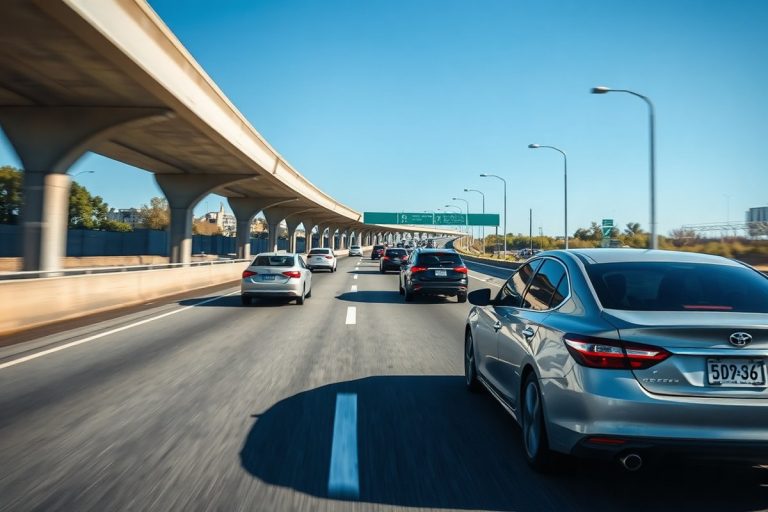
Traveling at 200 km/h (about 124 mph) is unsafe on regular roads. Most public roads have speed limits far below this for good reasons. Driving this fast increases your chance of losing control and causes more severe crashes.
Common risks at such speeds include reduced reaction time, longer braking distances, and higher crash impacts. Road conditions can change suddenly, and obstacles are harder to spot. Even good weather doesn’t guarantee safe driving at these speeds.
Most countries have strict speed limits. Driving at 200 km/h is illegal. Exceptions include some highways or racetracks.
In the United States, speed limits vary. Most range from 55 to 85 mph. Limits depend on the state.
In Europe, many countries set maximum highway speeds between 120 and 130 km/h. Parts of Germany’s Autobahn allow high speeds.
They usually recommend not going over 130 km/h. This advice is for safety.
- Check local speed limits before driving fast
- Use highways designed for high speeds only
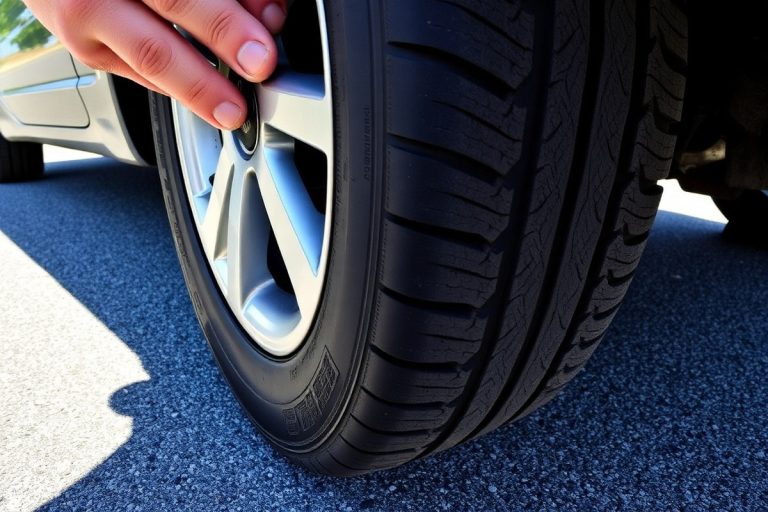
- Inspect your vehicle’s tires and brakes regularly
- Keep a safe distance from other vehicles
- Avoid distractions and stay focused on the road
- Drive slower in poor weather or low visibility
- Wear your seatbelt at all times
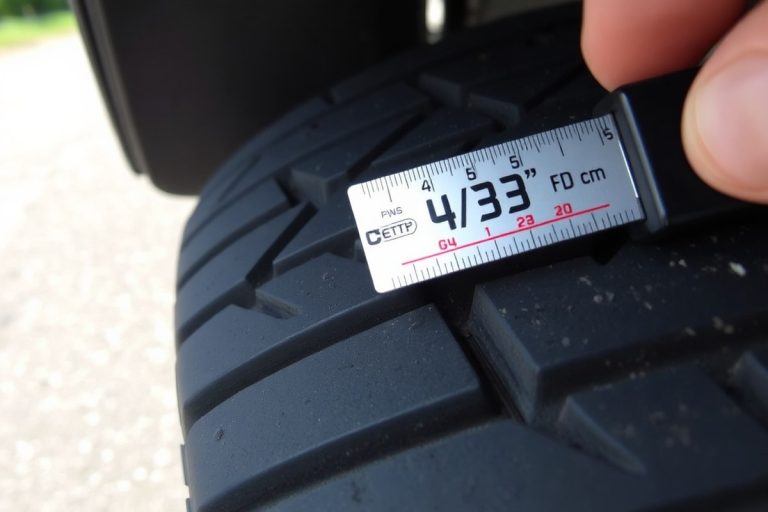
Vehicles need to be in excellent condition to handle 200 km/h safely. Good tires with proper tread and brakes that respond quickly matter most. Your car’s handling and stability at high speeds also depend on its design and maintenance.
Never attempt 200 km/h on busy streets or unknown roads, stick to tracks or legal zones.
Legal consequences for speeding this much often include hefty fines, license suspension, or jail time. Authorities aim to prevent accidents by enforcing these rules strictly. Always respect posted limits and choose safe places to drive fast.
Common Mistakes and Tips for Accurate Km/h to Mph Conversion
One common mistake is mixing up the speed units instead of converting properly. People often treat kilometers and miles as equal distances, which they are not. Using the ratio 1 km = 0.621371 miles gives you an accurate mph value.
Another error happens with rounding too soon. For example, converting 200 km/h directly to mph gives about 124.274 mph. Rounding to 124 mph is fine for rough estimates.
But rounding to 120 or 130 mph causes big errors. Keep at least three decimal places until your final step.
Also, remember the hour stays the same in km/h and mph. The time unit hour does not change between the two measurements. It’s only the distance unit that differs.
There’s no need to convert hours. This simplifies the math and reduces mix-ups.
- Use the exact conversion factor 1 km = 0.621371 miles
- Keep decimals during calculations and round only at the end
- Check your calculator if the result is zero or too small
- Avoid treating kilometers and miles as the same length
- Don’t convert the hour unit, hours remain the same
- Double-check your work if your mph number looks very different
- Use a calculator or digital tool for quick conversions
Calculators help avoid human slip-ups during multiplication. Results might look off. Try adding more decimal places for better precision.
The conversion factor comes from a treaty signed in 1959. So it’s an internationally agreed number.
Accuracy matters because speed differences affect travel planning and safety. Incorrectly assuming 200 km/h equals 120 mph can mislead you about how fast you’re going. Using proper rounding rules and verified conversion factors keeps your results reliable and clear.
Step-by-Step Action Plan to Understand and Use 200 Km/h in Mph
This plan helps you master the conversion of 200 km/h to mph. Follow the steps below to get confident with the numbers and their meaning in real life.
- Right now: Memorize that 200 km/h is about 124 mph. Remembering this will speed up your calculations.
- Today: Convert other common speeds from km/h to mph using the 0.62 multiplier. See if you get the right answers quickly.
- This week: Use a calculator app or online tool to double-check your manual conversions. Confirm your results match.
- Within a week: Note speed limits shown in km/h around you. Convert these speeds to mph to understand them better. Practice makes perfect.
- Next drive: Watch your car’s speedometer closely on the highway. Try to guess your speed in mph as you drive. Check accuracy after.
- Next trip: Compare speeds of different vehicles or trains you ride using both km/h and mph. Note how 200 km/h feels in mph.
- Ongoing: Use online speed comparison tables for different vehicles traveling at 190 to 210 km/h. See how small changes affect speed in mph.
- When planning trips: Calculate travel times at 200 km/h in mph for distances you will drive. Confirm timing with real trips later.
Frequently Asked Questions
How Fast Is 200 Km/h in Mph Exactly?
200 km/h equals about 124.27 mph, or roughly 124 mph rounded. You get this by dividing 200 by 1.609344, the kilometers-to-miles conversion factor.
Can I Drive Safely at 200 Km/h in the US?
Driving at 200 km/h (124 mph) exceeds most US speed limits, which top around 85 mph. Such speeds can be unsafe and illegal on public roads. So always follow local laws.
What Types of Vehicles Can Reach 200 Km/h?
Many sports cars, motorcycles, and some high-speed trains can hit 200 km/h. Regular cars usually do not reach this speed safely or legally.
How Does 200 Km/h Compare to Speeds on US Highways?
Most US highways have speed limits from 55 to 85 mph. Driving at 200 km/h means you’re about 40 mph over the top speed.
That’s well beyond the usual legal limit here. This speed is uncommon and usually unsafe for public roads.
Is 200 Km/h Common for Trains?
200 km/h often marks the cutoff for regular and high-speed trains. Many rail lines have been updated to handle trains running this fast. Trains can reach this pace easily on such tracks.
The Bottom Line
200 km/h equals about 124 mph, a fast but understandable speed for many travelers. You can convert back and forth with a simple multiplication or division. Try converting a real speed limit today and see how familiar it feels in mph.

One Comment