Is Diesel Heavier Than Gas? Weight Differences and What It Means
Is diesel heavier than gas? Yes, diesel fuel weighs more than gasoline by volume.
Diesel typically weighs about 7.1 pounds per gallon, while gasoline weighs around 6.1 pounds. This means diesel is roughly 10 to 15 percent heavier per gallon.
The weight difference comes from diesel’s denser composition and longer hydrocarbon chains. This makes diesel feel heavier when you handle the fuel.
It also affects how you calculate the total weight for your vehicle. Keep in mind that temperature and fuel mix can slightly shift this weight.
When filling your tank or planning fuel loads, use 7.1 pounds per gallon for diesel and 6.1 for gasoline. This helps avoid surprises with weight limits, especially in trucks. Knowing this difference also impacts your fuel economy estimates and vehicle performance.
Key Takeaways
- Diesel weighs about 7.1 pounds per gallon versus gasoline’s 6.1 pounds.
- Diesel’s higher density is due to longer hydrocarbon chains.
- Fuel weight changes based on temperature and blend composition.
- Allow about 14% more weight when calculating diesel fuel loads.
- Use diesel weight figures for accurate payload and fuel economy planning.
- Mistaking diesel for gasoline weight affects vehicle range and handling.
Is Diesel Fuel Actually Heavier Than Gasoline?
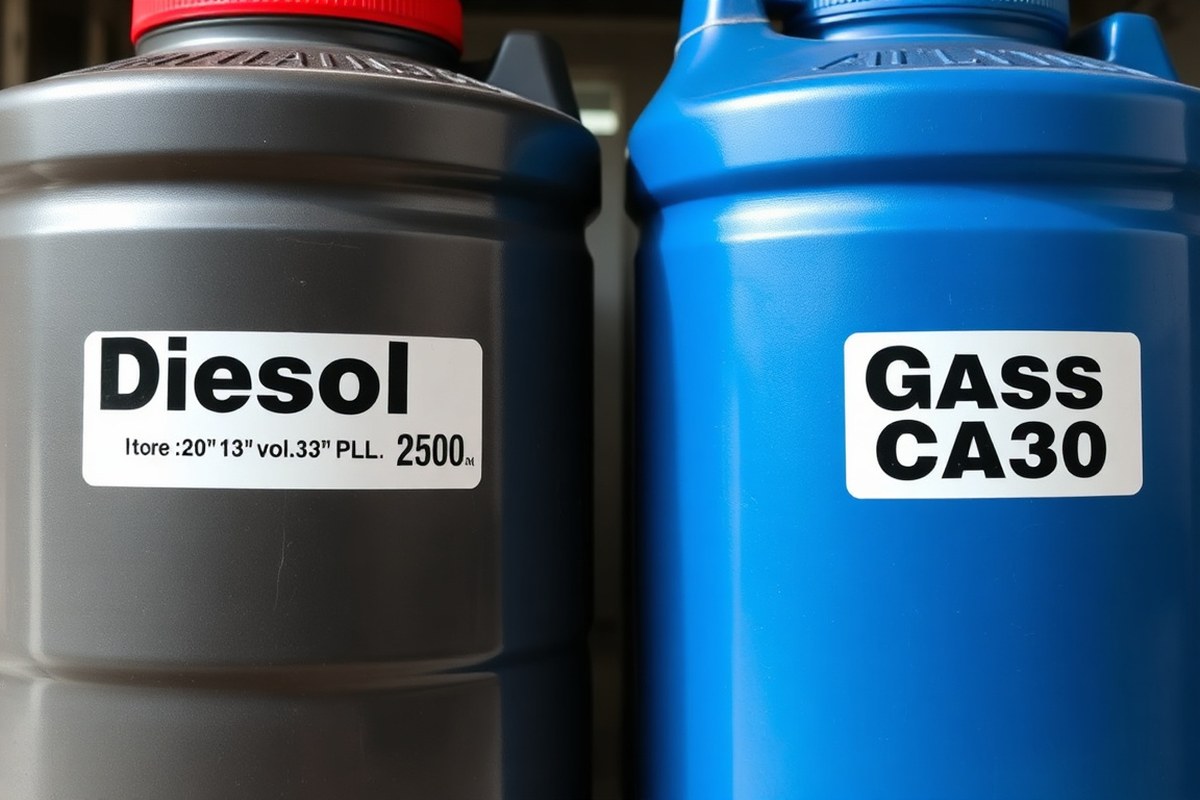
Diesel fuel is denser than gasoline. Each gallon of diesel weighs around 7.1 pounds.
Gasoline weighs about 6.1 pounds per gallon. Diesel is roughly 14 to 15 percent heavier per volume than gasoline.
This difference matters for your vehicle’s fuel economy and payload capacity. Heavier fuel increases the vehicle’s total weight. This can lower how much cargo it can carry.
It may also reduce fuel economy and efficiency. Carrying 10 gallons of diesel adds about 71 pounds.
Gasoline for the same amount weighs near 61 pounds. This shows diesel adds more weight by about 10 pounds.
Here’s a simple comparison: gasoline weighs about 6 pounds per gallon and diesel about 7.1 pounds. The extra 1.1 pounds per gallon means diesel fuel weighs roughly 14% more than gas. Filling a 20-gallon tank with diesel adds roughly 22 pounds more.
Gasoline in the same tank weighs less by this amount. This extra weight affects the overall vehicle load. Knowing fuel weights helps you plan your cargo load.
You can adjust for changed vehicle performance. This keeps payload and efficiency balanced.
Why Diesel Has Higher Density and Weight

Diesel has a higher density and weight than gasoline because of its molecular structure. It contains longer and more complex hydrocarbon chains that pack more mass into the same space. This extra mass is what makes diesel heavier than gasoline.
Molecular Structure Differences
Diesel fuels have longer hydrocarbon chains, usually between 12 and 20 carbons. Gasoline typically has shorter chains, around 7 to 11 carbons. These longer chains mean diesel molecules are bigger and heavier.
The longer hydrocarbon chains in diesel create more carbon and hydrogen atoms per molecule. More atoms mean more overall mass packed into each unit of volume. This directly increases diesel’s density compared to gasoline.
Chemical Composition and Density
Diesel is made up of heavier hydrocarbons that have higher molecular weights. Gasoline’s lighter hydrocarbons have lower molecular weights and fewer atoms per molecule. This difference leads to diesel having a density around 0.82 to 0.95 g/mL.
In contrast, gasoline’s density usually falls between 0.71 and 0.78 g/mL. The added weight from diesel’s molecules means it weighs about 6.8 to 7.9 pounds per gallon. Gasoline weighs roughly 5.9 to 6.5 pounds per gallon, making it much lighter for the same volume.
How Density Affects Fuel Weight
Density measures how much mass fits into a volume of fuel. Diesel’s higher density means the same volume has more mass, so it’s heavier. This affects how much your fuel weighs in the tank.
It also changes how much energy the fuel holds. Both things matter for your vehicle’s performance.
A gallon of diesel delivering more mass also means more usable energy. Diesel contains about 39.6 megajoules per liter versus gasoline’s 33.7. This higher energy density explains why diesel engines run more efficiently despite the fuel’s extra weight.
Impact on Fuel Handling and Vehicle Design
Since diesel is heavier, fuel tanks carry more weight when full. Vehicles designed for diesel must handle this extra load. This affects the fuel system, suspension, and overall vehicle weight calculations.
The larger molecular size also changes how diesel vaporizes and burns. Diesel engines rely on compression ignition, which suits diesel’s higher density and chemical makeup. Gasoline uses spark ignition because of its lighter, more volatile molecules.
Always choose the right type of fuel for your vehicle. Mixing gasoline with diesel can harm your engine. It can also damage the fuel system.
Typical Densities and Weights of Diesel and Gasoline Fuels
Diesel fuel is denser and heavier than gasoline across common types and blends. The density impacts weight per gallon and affects engine and vehicle performance. Knowing the typical density ranges helps you understand these differences and plan your fuel needs.
Diesel #1 and #2 differ slightly in density. #1 diesel is lighter and often used in colder conditions to aid starting. #2 diesel is denser, common for everyday use. Gasoline is lighter overall but varies slightly by grade and additives.
| Fuel Type | Density (g/mL) | Weight (lbs/gallon) |
|---|---|---|
| Diesel #1 | 0.81, 0.84 | 6.8, 7.0 |
| Diesel #2 (Standard) | 0.83, 0.87 | 7.0, 7.2 |
| B20 Biodiesel Blend | ≈0.85, 0.88 | 7.1, 7.3 |
| Regular Gasoline | 0.71, 0.78 | 5.9, 6.5 |
Blends like B20 contain 20% biodiesel and weigh slightly more than pure diesel. This small increase is due to biodiesel’s higher density.
Gasoline weight also fluctuates with ethanol content and seasonal additives. But it stays lighter than diesel.
When buying or using fuel, expect about 7.1 pounds per gallon for diesel and around 6 pounds per gallon for gasoline. These numbers change a bit with seasonal blends and formulas.
But the changes aren’t big enough to flip the weight difference. This information helps calculate fuel load and engine efficiency accurately.
How Fuel Weight Changes with Temperature and Composition
Temperature directly affects the weight of diesel and gasoline by changing their density. Warm temperatures cause fuel to expand, lowering density and weight per volume. Cooler weather contracts fuel, making it denser and heavier for the same gallon.
Seasonal shifts often bring noticeable fuel weight changes. For example, winter diesel blends can be lighter to improve cold flow properties. Summer diesel blends are thicker and denser than winter ones.
This can increase diesel fuel weight by a few percent. The difference depends on the season’s fuel formulation.
Diesel’s weight depends on its composition. Different refining processes and additives affect its density. The density of diesel ranges from 0.82 to 0.95 grams per milliliter depending on the blend.
- Temperature affects volume and density, altering fuel weight.
- Winter diesel blends are usually lighter to prevent gelling.
- Summer diesel blends tend to be denser and heavier.
- Gasoline and diesel respond similarly to temperature shifts.
- Additives and refining processes change fuel density.
- Drivers in cold climates may notice slight differences in fuel fill weights.
Checks at the pump can reflect these shifts. A gallon of diesel in winter weighs slightly less than a summer gallon. Over larger volumes, this impacts fuel tank weight and overall vehicle load.
Knowing this helps you anticipate subtle variations in mileage and power. Cooler, denser fuel contains more energy per gallon. Paying attention to seasonal blends can improve your understanding of your vehicle’s fuel efficiency.
How Diesel’s Weight Impacts Vehicle Design and Performance
Diesel engines are larger than gas engines because they need to handle higher compression ratios. Diesel fuel’s weight helps the engine compress air tightly. Compression happens before the fuel is injected.
This process is key for diesel engines. This produces more power per combustion cycle and requires bulky parts to withstand the extra pressure.
Diesel’s heavy fuel means engine parts must be stronger. Cylinder walls are thicker, and pistons get reinforced. This keeps the engine safe and working well.
Diesel engines often have longer strokes, which boosts torque output over gasoline engines. Diesel fuel ignites from compression, no spark plugs needed.
Engine timing and fuel delivery are very important. Good timing means better engine performance.
Heavy diesel fuel adds weight to the vehicle. This extra weight can slow acceleration and braking. Smaller vehicles feel these effects more strongly.
However, diesel’s higher energy content per gallon helps engines produce more torque and better fuel economy. For example, a 6.A 7-liter diesel engine can make 900 lb-ft of torque.
A gas engine this size makes about 500 lb-ft. Diesel’s heavier fuel and compression help create more torque.
Vehicle designers make sure frames and suspensions are tough. They do this to handle the engine’s extra weight. This balance keeps the vehicle stable and safe.
Vehicles using diesel often weigh hundreds of pounds more than their gas counterparts. This extra weight helps stability but may reduce handling agility, especially in lighter models.
Tip: Never put gasoline into a diesel engine. The fuel weight and burn needs are different. Using the wrong fuel can cause serious damage. Always use fuel specified by your vehicle.
Calculating Fuel Weight for Tanks and Payload Considerations
Knowing how much your fuel weighs helps you figure out your vehicle’s payload. Diesel weighs about 7 pounds per gallon.
Gasoline weighs roughly 6 pounds per gallon. This difference affects how much weight you can safely carry or tow.
Heavier diesel fuel lowers your payload capacity. That matters for trucks and commercial vehicles with strict weight limits. A heavier load puts more stress on your axles and may need stronger suspension or tires.
Calculating total fuel weight is simple with a few numbers. You’ll need the size of your fuel tank and the fuel’s density. Here’s how you can figure it out yourself.
- Find your fuel tank’s capacity in gallons from the owner’s manual.
- Choose the fuel weight per gallon: 7 pounds for diesel, 6 pounds for gas.
- Multiply the tank size by the fuel weight per gallon.
- Example: A 20-gallon diesel tank holds about 140 pounds (20 x 7).
- For gas, a 20-gallon tank weighs around 120 pounds (20 x 6).
- Subtract the fuel weight from your vehicle’s gross vehicle weight rating (GVWR) to find payload.
- Compare how much more payload gas vehicles carry due to lighter fueling.
If you have a diesel pickup with a 300-gallon tank, multiply 300 by 7. That equals 2,100 pounds of fuel.
A gas equivalent would weigh about 1,800 pounds (300 x 6). You lose 300 pounds of payload capacity carrying diesel instead of gas.
For commercial trucks, this difference becomes critical. Overloading risks damage and legal penalties.
Choosing diesel means planning your cargo with less margin for error. Diesel engines pull heavier loads, but fuel weight still cuts into your capacity.
What Happens If Diesel and Gasoline Are Mixed?
Mixing diesel and gasoline can harm your vehicle’s engine. Diesel is heavier and burns differently, so even a small mix can cause problems. The risk depends on how much wrong fuel got in.
It also depends on whether the engine ran with the wrong fuel. The type of engine matters too.
Putting diesel in a gasoline engine, or the opposite, can cause problems. The engine might run rough, stall, or not start at all.
Diesel’s thicker, oilier nature can clog spark plugs and fuel injectors in gas engines. Gasoline in diesel engines can reduce lubrication, causing wear and damage.
Stopping the engine immediately and avoiding driving is key. The longer you drive, the worse the damage may become. Drain or flush the fuel system as soon as possible to prevent costly repairs.
- Do not start the engine if you notice the mistake right away.
- Call roadside assistance or a mechanic for fuel system draining.
- Inform your mechanic exactly what and how much wrong fuel was added.
- Avoid trying to fix it yourself; professional cleaning prevents damage.
- Do not fill the tank again until the wrong fuel is fully removed.
- Expect repair costs to range from $100 to over $1000 if damage occurs.
The cleaning process usually involves removing contaminated fuel, flushing lines, and replacing filters. After proper draining, the vehicle should run normally, but persistent issues require professional checks.
In gas engines, diesel presence can make starting harder and produce smoke. In diesel engines, gasoline contamination can cause knocking and reduced power.
Your best move is quick action and expert help. The cost and time depend on fuel amount and vehicle type. Identifying the error early limits engine damage and repair expense.
Seasonal and Regional Variations in Fuel Weight and Composition
Fuel weight and makeup change by region and season. Suppliers tweak blends for climate and rules. This ensures fuel works well where it’s used.
These changes affect how heavy the fuel feels and how well it performs in your vehicle. Knowing these differences helps you expect changes in mileage and engine power through the year.
Winter vs Summer Diesel Blends
Winter diesel blends include additives and lighter hydrocarbons to prevent gelling in cold weather. These blends are less dense than summer diesel, which uses heavier hydrocarbons for better combustion. Cold-weather diesel still maintains enough weight for energy but flows better in freezing temperatures.
This seasonal swap affects fuel weight and engine response. Winter diesel may lower your miles per gallon slightly and cause minor power shifts.
Your engine won’t stall as often. But expect some drop in efficiency when the temperature dips below 20°F.
Regional Fuel Density Differences
Fuel recipes differ by region for climate and rules. Refineries change blends to match local needs. They also factor in fuel supply differences.
Diesel in colder northern states tends to be lighter in winter but heavier in summer. Southern states also see regional tweaks but less pronounced due to milder winters.
Check the table below for typical diesel weight ranges by season and region. It can help you estimate fuel energy and storage needs accurately.
| Region | Season | Diesel Density (lb/gal) |
|---|---|---|
| Northern US | Winter | 7.0 to 7.1 |
| Northern US | Summer | 7.2 to 7.3 |
| Southern US | Winter | 7.1 to 7.2 |
| Southern US | Summer | 7.2 to 7.3 |
The density shifts come from both hydrocarbon types and flow additives. Stored diesel can also settle.
So older fuel layers may differ in weight from recent deliveries. This makes storage and mixing considerations important.
Adjusting Vehicle Use by Season
Your mileage may fall a bit in winter. Diesel blends run lighter then. Cold engines also use more fuel during this time.
This usually means about a 5% loss in fuel economy. Power might feel lower, but your vehicle will run smoother without fuel gel issues.
Monitoring fuel weight changes can help adjust your driving habits. Use tips like warming up your engine properly before driving and avoiding unnecessary idling. These steps keep the diesel flowing well and maximize available power in cold months.
Always use the right seasonal diesel blend recommended at your local stations to avoid engine problems.
Comparing Energy Content and Efficiency of Diesel and Gasoline
Diesel fuel contains about 15% more energy per gallon compared to gasoline. This difference is due to diesel’s higher density and weight per volume. It results in better fuel efficiency and longer mileage for diesel engines.
Energy Content per Unit Volume
Diesel is denser than gasoline, so it packs more energy in the same volume. A gallon of diesel has more mass than gasoline. This means it stores more chemical energy.
More energy burns in the engine per gallon. This is a key reason diesel engines deliver more power per gallon.
Diesel’s energy content changes with its formulation. On average, it has about 130,000 to 140,000 BTU per gallon. This is higher than many other fuels.
Gasoline typically has 110,000 to 115,000 BTU per gallon. The added energy in diesel comes from its higher carbon content and density.
| Fuel Type | Density (lbs/gallon) | Energy Content (BTU/gallon) | Energy Difference |
|---|---|---|---|
| Gasoline | 6.1 to 6.3 | 110,000 to 115,000 | Baseline |
| Diesel | 7.0 to 7.2 | 130,000 to 140,000 | About 15% higher |
This table shows diesel’s clear advantage in energy per gallon. You get more burnable fuel weight in diesel than gasoline. That translates into more power and longer driving distances from the same tank volume.
Miles per Gallon Comparison
Diesel engines convert this energy advantage into better miles per gallon (mpg). Vehicles with diesel engines often achieve 20 to 30 percent higher mpg compared to gasoline counterparts. This comes from both fuel energy and engine efficiency.
A diesel car getting 30 mpg uses energy like a gasoline car. The gas car would run about 23 to 25 mpg.
This matches the energy difference between the fuels. The heavier weight of diesel fuel does increase load slightly but doesn’t offset these efficiency gains.
Real-World Efficiency Factors
Diesel engines use fuel more efficiently because they rely on compression ignition. This process extracts more mechanical work from the same amount of fuel. Gasoline engines use spark ignition, which wastes more energy as heat.
Diesel’s higher energy per gallon helps, but engine design plays a big role too. Turbocharging, higher compression ratios, and leaner fuel mixtures in diesel engines increase overall efficiency. This means diesel vehicles burn less fuel for the same power output.
Still, diesel’s higher weight adds to vehicle load. That can slightly reduce fuel economy in stop-and-go driving or hilly terrain. But for highway travel, diesel’s benefits outweigh the weight penalty.
Your Quick Guide to Managing Diesel and Gasoline Fuel Differences
Follow these practical steps to handle diesel and gasoline safely while understanding their differences. Take these actions to protect your vehicle’s performance and your safety.
- Before fueling: Check your vehicle’s fuel requirements in the owner’s manual to avoid costly mistakes. Confirm that you know which fuel your engine uses.
- Day 1: Use the right pump when filling up. Diesel goes in diesel engines. Gasoline goes in gasoline engines. Watch for pump labels and nozzle size to make sure you picked right.
- Week 1: Monitor your vehicle’s performance after refueling. Notice any unusual noises, smells, or warning lights that might signal a fuel mix or problem.
- After 2 weeks: If you think the fuel is mixed, get a check. Have a licensed mechanic look at the fuel system. Your engine’s responsiveness and fuel efficiency will indicate fuel issues.
- Monthly: Track your fuel consumption and compare it with typical efficiency levels for your vehicle. Significant drops in miles per gallon can show fuel quality or weight impacts.
- Seasonal changes: Adjust your fueling strategy if you live in a cold or hot climate. Diesel blends vary by season and region. So ask your fuel supplier about the best option.
- Ongoing: Keep fuel tanks clean and free of water contamination. Water lowers fuel quality and affects diesel weight, causing engine trouble over time.
Frequently Asked Questions
Is Diesel Fuel Heavier Than Gasoline?
Yes, diesel fuel is roughly 14% heavier per gallon than gasoline. This weight difference comes from diesel’s longer hydrocarbon chains and higher density.
Does Blending Biodiesel Change Diesel’s Weight?
Yes, B20 biodiesel blend is slightly heavier than pure diesel. The 20% biodiesel content increases density marginally, affecting fuel weight per gallon.
How Does Diesel Weight Affect Engine Size?
Diesel engines tend to be heavier due to fuel properties and design elements. This is needed to handle diesel’s higher compression and energy density.
Can Diesel’s Weight Impact Fuel Economy?
Yes, diesel’s heavier weight means more energy per gallon, improving fuel economy. This higher energy content provides better mileage and torque for vehicles.
Why Is Diesel Preferred for Trucks over Gasoline?
Diesel’s higher weight and energy suit trucks for heavy loads and long hauls. It supports engines designed for durability and torque needed in commercial use.
The Bottom Line
Diesel generally weighs more than gasoline because of its chemical makeup and density. This weight difference impacts vehicle design and how you manage your fuel use. Always pick the correct fuel for your engine.
Watch for performance changes. This keeps your engine running smoothly.