

How Often Should U Change Spark Plugs? Essential Facts and Best Timing
How often should u change spark plugs depends on their type and your car’s needs. Many spark plugs last between 30,000 and 100,000 miles before needing replacement. Copper plugs wear out fastest, often around 20,000 to 30,000 miles.
Platinum and iridium plugs generally last much longer, up to 100,000 miles or more. Check your vehicle’s manual for specific intervals since car models vary. Check the plugs when your car hits the lower mileage limit.
Also, check if you notice any drop in performance. Starting here helps catch problems early.
Replacing spark plugs when they wear out keeps your engine running smoothly and improves fuel efficiency. Watch for rough idling, slow acceleration, or poor gas mileage as early warning signs.
Key Takeaways
- Replace copper spark plugs every 20,000 to 30,000 miles for best results.
- Platinum and iridium plugs can last 60,000 to over 100,000 miles safely.
- Follow your car’s manual to set a personalized spark plug schedule.
- Watch for engine roughness and reduced fuel economy as warning signs.
- Inspect spark plugs visually if your car is older or mileage is high.
- Driving off-road or in dusty conditions may shorten plug life by 20, 30%.
How Often Should You Change Spark Plugs in Your Car?
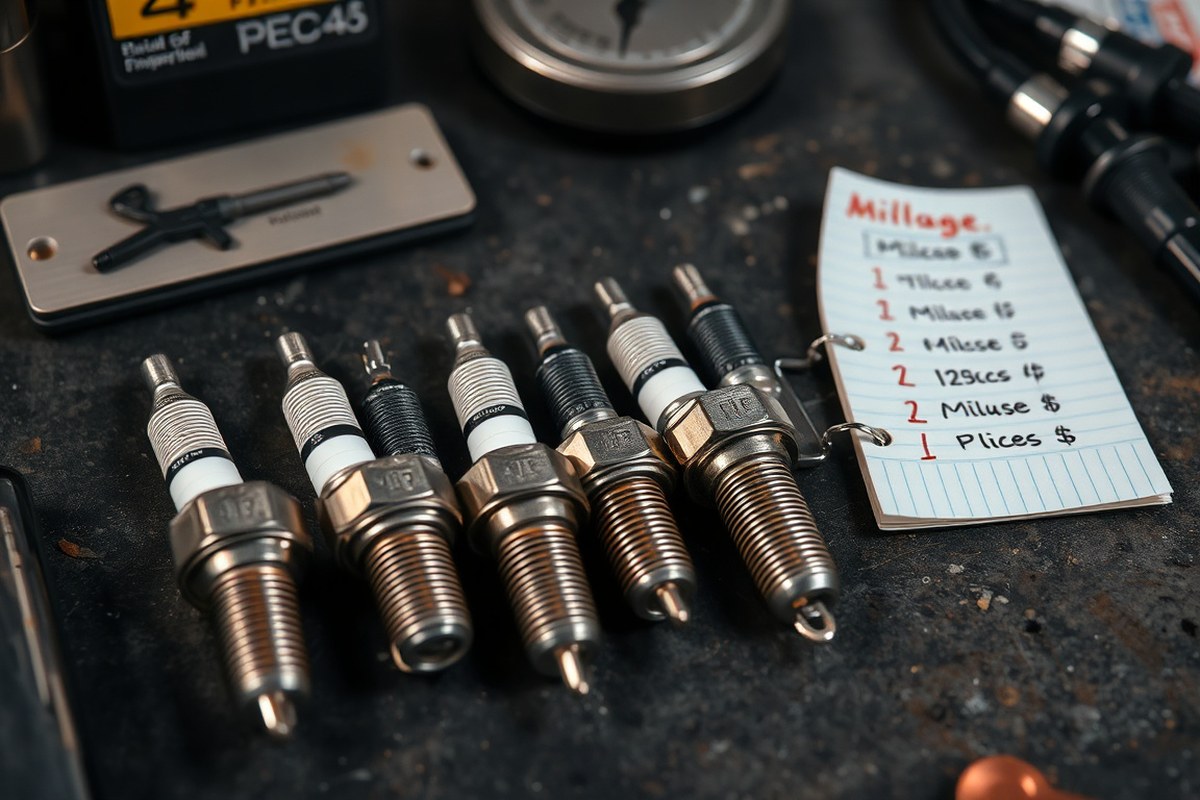
Spark plug replacement depends on the material used and your car’s design. Most spark plugs last between 30,000 and 100,000 miles before needing a swap. Always check your carmaker’s manual for the exact intervals because these vary.
Platinum and iridium plugs tend to go much longer than older types. Your car uses older copper plugs. Change them more often, around 30,000 miles.
Modern vehicles often have iridium plugs. You can wait up to 100,000 miles. Watch for engine trouble though.
| Spark Plug Material | Typical Replacement Interval (miles) |
|---|---|
| Copper | 20,000 to 30,000 |
| Platinum | 60,000 to 100,000 |
| Iridium | 100,000 or more |
Keep in mind, real-world use can shorten these intervals. Hard driving, stop-and-go traffic, or old engines wear out plugs faster. Follow the manufacturer’s mileage, but watch for poor engine performance or fuel economy drops.
Some manufacturers recommend spark plug changes every 30,000, others up to 90,000 miles. Checking under the hood after 30,000 can catch issues early.
Worn or dirty plugs mean replace them sooner. Don’t wait too long.
What Factors Influence How Long Spark Plugs Last?
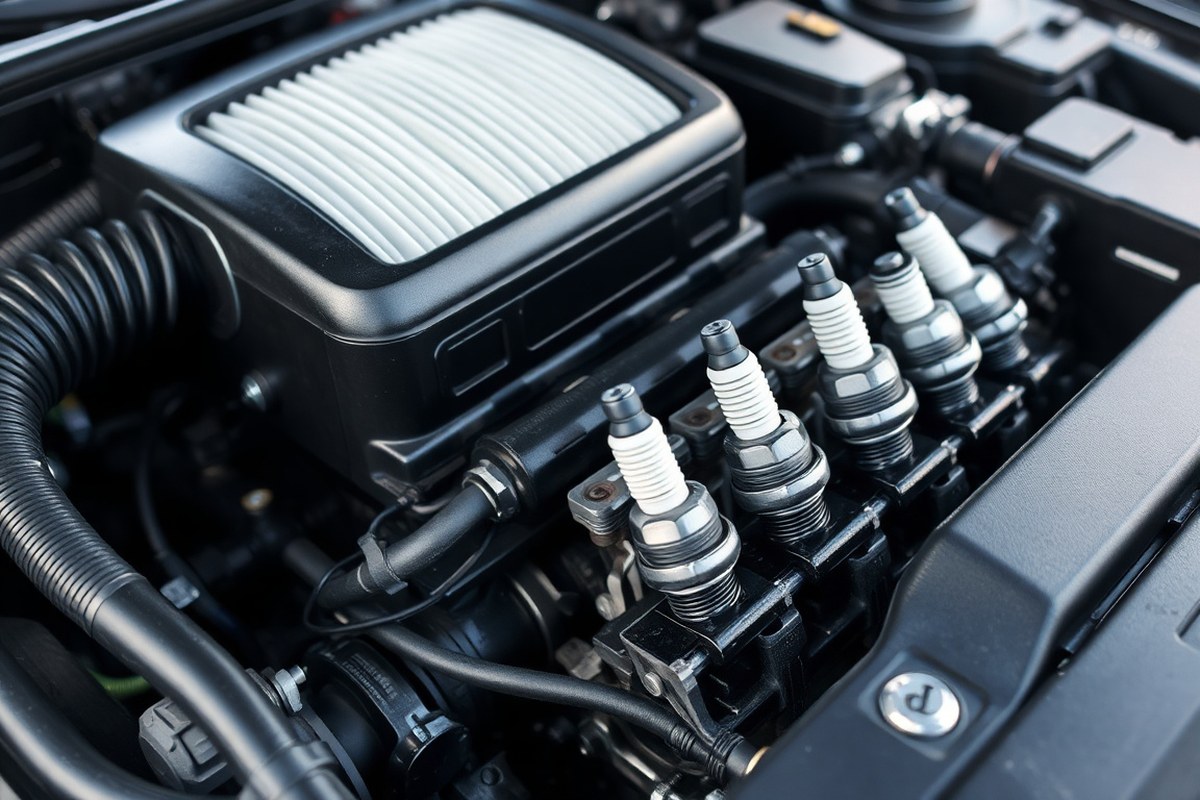
Driving habits have a big impact on how long spark plugs last. Frequent short trips stop the engine from reaching full operating temperature.
This can cause unburned fuel to build up and foul the plugs faster. Hard acceleration and heavy loads also wear plugs out sooner because they create higher combustion temperatures.
Different engine types affect spark plug durability. Larger engines or those with turbochargers run hotter and need spark plugs rated for higher heat. Engines with direct fuel injection can wear out spark plugs faster.
This happens because the combustion conditions are different. These changes affect how fast the plugs degrade.
Copper plugs typically last 20,000 to 30,000 miles in older engines. Modern iridium or platinum plugs can go 60,000 to 100,000 miles or more.
Fuel quality and environment play a part too. Low-grade fuel leaves more deposits inside the engine, causing spark plugs to foul quicker. Dusty, humid, or salty environments can increase corrosion or dirt build-up on spark plugs.
Regular maintenance like changing your air filter helps prevent a rich fuel mix. Rich fuel burns spark plugs quicker. Keeping the air filter clean protects spark plug life.
- Stop frequently on short trips to avoid plug fouling
- Use spark plugs rated for your engine’s heat and type
- Fill up with good quality fuel to reduce deposits
- Keep your air filter clean to avoid rich fuel mixtures
- Avoid harsh driving that raises engine temperature too high
- Watch for environmental dirt or corrosion, especially near coasts
- Follow your vehicle’s maintenance schedule strictly
Check and replace your air filter regularly. Dirty filters cause spark plugs to burn out faster.
Taking care of these factors helps spark plugs last longer and keeps your engine running well. Ignoring maintenance means replacing spark plugs more often.
This can hurt your fuel economy. It also leads to rough engine performance.
What Are the Common Signs Your Spark Plugs Need Replacing?
Failing spark plugs usually show clear signs in your car’s performance. Your engine might jerk or hesitate while accelerating. Rough idling means the engine shakes or sounds odd when stopped.
This often happens when spark plugs don’t fire right. You’ll notice a bumpy engine or strange sounds during idle.
Keep an eye on fuel efficiency too. A noticeable drop can mean your spark plugs are not lighting the fuel-air mix well.
The Check Engine light may also turn on as a warning. Sometimes, starting the engine becomes harder or it won’t start at all.
- Rough or shaky idling when the car is stopped
- Poor or sluggish acceleration during driving
- Engine hesitation, jerking, or misfires while pressing the gas
- Check Engine light illuminates on the dashboard
- Noticeably worse fuel economy over several tanks
- Difficulty starting the engine or engine won’t start
- Unusual engine noises like rattling or knocking at idle
You can check spark plug health visually by pulling them out and inspecting the tips. Look for worn, black, oily, or cracked plugs.
These signs confirm the symptoms you feel while driving. Keep in mind that older spark plugs running past their lifespan tend to cause these problems.
Replacing worn plugs keeps your engine running smoothly and saves fuel. Performance issues after a tune-up mean you should see a mechanic.
They can check if the spark plugs or other parts cause the problem. Diagnosing early saves you from bigger repair costs and keeps your car reliable.
How to Inspect and Test Spark Plugs for Wear and Damage
Check your spark plugs every 15,000 miles to spot wear early. You can do a visual inspection, measure the gap, and test sparks at home. These steps catch problems before they affect engine performance.
Visual Inspection Steps
Start by removing the spark plugs carefully with a spark plug socket. Look for damage on the electrodes and porcelain. Dark spots, cracks, or heavy deposits mean the plug may be bad.
Bright white deposits suggest overheating, while black, oily build-up points to oil fouling. Both conditions reduce spark quality and engine efficiency. Check the plugs under good light for clear signs of wear.
- Wait for the engine to cool, then remove the spark plug wire.
- Use a spark plug socket and ratchet to unscrew the plug gently.
- Inspect the porcelain for cracks and check electrodes for wear or deposits.
- Look for black soot or oily coatings indicating fouling.
- Compare each plug; uneven wear suggests other engine issues.
- Clean light carbon deposits with a wire brush if you plan to reuse them.
- Set the plugs aside on a clean surface to inspect the gap next.
Measuring and Adjusting Spark Plug Gap
A worn plug’s electrode wears down and widens the gap, needing more energy to fire. The right gap ensures the spark jumps well and ignites the air-fuel mix efficiently. Measure it with a feeler gauge designed for spark plugs.
Check the owner’s manual for your vehicle’s recommended gap size. It typically falls between 0.028 and 0.060 inches.
Too large a gap weakens the spark; too narrow causes misfires. Adjust the gap by carefully bending the side electrode with the tool.
- Select a feeler gauge matching the recommended gap from your manual.
- Slide the gauge between center and side electrodes to check the gap.
- If the gauge doesn’t fit or fits loosely, adjust the electrode gently.
- Bend the side electrode slightly to widen or narrow the gap.
- Recheck with the gauge until the gap is within the correct range.
- Be careful not to crack the porcelain or bend the electrode too much.
Using a Spark Plug Tester or Multimeter
A spark plug tester simulates engine conditions and shows if your plug sparks properly. It’s a simple, affordable tool to confirm the plug can create a strong arc. You clip the tester inline with the plug wire and watch for a spark during cranking.
You can also check the resistance with a multimeter set to ohms. Typically, copper-core plugs read between 4,000 and 8,000 ohms. High resistance or an open circuit means the plug may fail under load and cause misfires.
- Attach the spark plug to a tester or fully remove it for multimeter testing.
- For the tester, connect it between the spark plug wire and plug.
- Crank the engine and watch for a visible, strong blue spark in the tester.
- For a multimeter, touch leads to the terminal and ground electrode.
- Check readings: 4,000-8,000 ohms is normal; outside this, replace the plug.
- Wear gloves and stay clear of moving engine parts during testing.
How Different Spark Plug Types Affect Replacement Timing
Different spark plug materials affect how long they last and how well they work. Copper plugs wear out faster but cost less.
Platinum and iridium plugs last longer and handle heat better. This lets you go longer between plug changes.
Copper Plugs: Pros and Cons
Copper spark plugs offer excellent conductivity for a strong spark. They usually last about 20,000 to 40,000 miles before needing replacement. Copper plugs wear faster because the metal wears down quickly under heat and pressure.
These plugs cost roughly $2 to $10 each. They fit older cars or those with lower needs.
These plugs wear out faster, so you replace them more often. This adds to your maintenance costs.
Platinum Plugs: Lifespan and Cost
Platinum plugs give you a balance between price and longevity. They typically last between 60,000 and 100,000 miles. This material resists wear much better than copper, helping keep engine performance stable for longer periods.
Platinum spark plugs cost a bit more upfront, typically around $10 to $20 each. That extra cost can be worth it to reduce how often you replace plugs. They’re a common choice in many modern vehicles, including hybrids and economy cars.
Iridium Plugs: Longevity and Performance
Iridium spark plugs are the most durable option, lasting up to 120,000 miles under normal use. Iridium’s hardness and heat resistance maintain a strong spark longer, which improves ignition and fuel efficiency. Their better durability suits high-performance engines or vehicles on long maintenance schedules.
Iridium plugs usually cost $15 to $20 each. They might not be worth it for older cars. However, many drivers prefer them for reliable long-term performance and fewer maintenance trips.
Here’s a quick comparison of main spark plug types. This helps you pick what fits your car.
| Spark Plug Type | Average Lifespan (Miles) | Key Feature |
|---|---|---|
| Copper | 20,000, 40,000 | Great conductivity, but wears fast. |
| Platinum | 60,000, 100,000 | More durable and heat-resistant. |
| Iridium | Up to 120,000 | The most durable and long-lasting. |
Copper plugs are cost-effective for short-term use or older engines designed for them. Platinum and iridium plugs favor drivers who want fewer replacements and steady performance. Choosing the right plug depends on your car, budget, and desired lifespan.
Use the plug type your car came with. Only switch if you know how it affects performance.
Can Driving Habits and Environment Shorten Spark Plug Life?
Frequent short trips and stop-and-go traffic cause spark plugs to wear faster. The plugs don’t reach full operating temperature, leading to buildup and fouling. Idling for long periods also leaves deposits on the plugs, reducing their ability to spark properly.
Off-roading and driving in extreme temperatures add extra stress on spark plugs. Hot climates cause more heat cycles that wear down plugs quicker. Cold weather, on the other hand, can cause misfires if plugs aren’t replaced soon enough.
Using clean, high-quality fuel helps limit buildup. But poor fuel or additives increase carbon deposits.
Spark plugs usually last longer with steady driving and good fuel. You should consider replacing them sooner if you:
- Do many short trips under 10 minutes
- Drive daily in heavy traffic or lots of stoplights
- Idle for long periods regularly
- Go off-road or drive through dusty conditions
- Live where temperatures often go above 90°F or below 32°F
- Use low-quality or older fuel
- Notice rough engine idling or hard starts in cold weather
Changing spark plugs earlier typically costs $10 to $20 each for the plugs. Labor can add $50 to $100 if you don’t do it yourself.
Since spark plugs are fairly cheap, it’s often worth changing them early to avoid engine issues. Ignoring wear in harsh conditions risks poor fuel economy, engine misfires, and damage.
To extend spark plug life, avoid long idle times and limit short trips when possible. Use recommended fuel and maintain your engine well. If you drive mostly in tough conditions listed above, plan to replace spark plugs every 20,000 to 30,000 miles instead of the typical 50,000 to 100,000 miles for newer plug types.
What Risks Come from Ignoring Spark Plug Replacement?
Worn spark plugs make your car harder to start, especially in cold weather. That’s because they don’t create a strong enough spark to ignite the fuel. Over time, this can lead to engine misfires, causing rough idling and slower acceleration.
When spark plugs are old, your engine burns fuel inefficiently. This wastes gas and lowers your fuel economy noticeably. You might notice your miles per gallon drop by a few points.
This change can cost you more money at the gas pump. The effect adds up each month.
Bad spark plugs can also harm your catalytic converter. Misfires send unburned fuel into the exhaust, which overheats and damages this expensive part. Fixing or replacing a catalytic converter often costs over $1,000.
This bill is much higher than replacing new spark plugs. It’s a major repair expense.
Ignoring worn plugs invites more serious engine trouble, too. Continuous misfiring stresses engine components, leading to costly repairs like damaged ignition coils or valves. Fuel systems may also clog up, requiring professional cleaning or part replacement.
Replacing spark plugs at the right time prevents these problems. Changing spark plugs usually takes 30 to 60 minutes. Parts cost between $20 and $100 if you do it yourself.
This keeps repair costs low. A mechanic charges more but can inspect related parts to save further damage.
Regular checks help spot wear before serious issues start. Look for slow starts, rough running, or poor mileage as early warnings. Addressing these signs quickly protects your engine and keeps repair costs down.
How to Safely Replace Spark Plugs Yourself: Tools and Steps
Replacing spark plugs at home is doable with the right tools and care. You’ll need specific equipment and a clear plan to avoid damage. Follow steps carefully to remove old plugs and set the new ones properly.
Essential Tools for Spark Plug Replacement
Gather these tools before starting: a spark plug socket, ratchet wrench, and an extension bar. You also need a gap gauge to check the plug gap. Anti-seize lubricant is handy but use it sparingly.
Have a torque wrench ready to tighten plugs to the correct spec. Some vehicles need a spark plug boot puller or dielectric grease. Check your car manual for exact tools and specs.
Step-By-Step Removal and Installation
Here are the clear steps to swap your spark plugs. Work on one plug at a time to keep track of everything. This method also avoids mixing loose parts or wires.
- Let the engine cool fully to prevent burns or thread damage.
- Disconnect the negative battery cable to cut power safely.
- Pull the ignition coil or spark plug wire from the plug. Grab it by the boot and pull carefully. Do not yank or tug hard.
- Use the spark plug socket with an extension to loosen and remove the old plug.
- Check the new spark plug’s gap with the gauge, adjusting if needed to the vehicle’s specs.
- Apply anti-seize lubricant lightly to the plug threads if recommended.
- Start installing the new plug by hand to avoid cross-threading. Then use a torque wrench to tighten it. Set the wrench to the correct torque.
- Reconnect the coil or spark plug wire and repeat for remaining plugs.
Double-check the plug gap before installing; an incorrect gap can cause poor engine performance.
Safety Tips to Avoid Damage and Injury
Wear gloves to protect hands from sharp engine parts and hot surfaces. Goggles are a good idea when working around debris. Keep the work area well lit and ventilated.
Handle plugs gently to avoid cracking the ceramic insulator. Don’t force plugs when removing or installing. Over-tightening or cross-threading can damage the engine’s cylinder head.
Use the torque wrench to avoid over-tightening. Always disconnect the battery first to prevent sparks or shocks. Work patiently to avoid dropping tools or damaging wiring.
When to Seek Professional Spark Plug Replacement or Inspection
Hard-to-reach spark plugs or uncertainty about the process calls for a mechanic. Modern engines often hide plugs deeply under components, making DIY removal tricky. Using the wrong tool or force can damage coils or threads, leading to costly repairs.
Signs to get pro help include rough idling or engine misfires. Trouble starting or sudden drop in fuel efficiency also matter. These issues often need expert attention.
These symptoms can mean spark plugs are worn or the ignition system has deeper faults. A mechanic will diagnose the issue precisely using scan tools and visual checks.
Choosing the right mechanic matters. Find a shop that knows your car’s make well. This is key for brands like Toyota or Lexus.
They need spark plugs changed around 75,000 to 100,000 miles. Ask if their technicians use a torque wrench to tighten plugs to exact specs. Proper torque prevents damage or poor engine performance.
Use this rule: If spark plugs are easy to see and reach, try it yourself. No special tools should be required. This makes replacement simpler and safer.
If you feel resistance or the engine still acts up, call a pro. Lasting problems after plug changes mean expert help is needed. This approach saves time and avoids mistakes that might cost hundreds for repairs later.
A pro spark plug replacement usually takes about an hour. It will cost between $100 and $200. This price covers parts and labor.
This price covers parts and labor, plus the peace of mind their expertise provides. DIY may cost less upfront on parts alone. But mistakes or missed issues could bring higher expenses down the road.
Technicians also inspect other ignition components when changing plugs, catching problems you might miss. Proper cleaning, measuring electrode gaps, and testing with scan tools ensure long-lasting performance. Professionals handle modern engines’ complexities that often overwhelm DIY attempts.
Step-by-Step Action Plan for Changing Spark Plugs
Follow these clear steps to check and replace your spark plugs. This helps keep your car running smooth and avoids engine trouble.
- Before you start: Gather a spark plug socket, ratchet, gap tool, and anti-seize. Confirm the right spark plug type for your car model.
- Day 1: Remove the spark plug wires or coils one at a time. This prevents mixing them up and keeps the engine timing correct.
- Day 2: Use the spark plug socket to carefully remove each plug. Inspect plugs for wear, carbon deposits, or damage.
- Day 3: Check and adjust the gap on new plugs using the gap tool. Correct gap ensures proper spark and fuel burn.
- Day 4: Apply a small amount of anti-seize on the plug threads, if recommended. This prevents the plugs from sticking in the engine.
- Day 5: First, install the new plugs by hand. Next, use the ratchet to tighten them. Follow the manufacturer’s torque specs carefully. Over-tightening can damage threads.
- Day 6: Reattach wires or ignition coils securely. Make sure each wire clicks into place to avoid engine misfires.
- Week 2: Start the car and listen for smooth idling. The engine runs well when the spark plug change worked correctly.
Frequently Asked Questions
Can Worn Spark Plugs Cause Your Car to Stall?
Yes, worn spark plugs can cause stalling by misfiring and interrupting engine power. If your car stalls unexpectedly, checking spark plugs is a good starting point to diagnose the issue.
Should You Replace All Spark Plugs at Once?
It’s best to replace all spark plugs at once to ensure balanced engine performance. This avoids uneven wear that can damage your engine or cause rough idling.
Can Dirty Spark Plugs Cause Poor Fuel Economy?
Yes, dirty or fouled spark plugs can lower fuel efficiency by misfiring and wasting fuel. Cleaning or replacing them helps maintain your car’s optimal gas mileage.
Is It Okay to Use Spark Plugs from a Different Brand?
You can use different brands if they match your car’s specs exactly. Always check vehicle recommendations to avoid damage or reduced engine efficiency.
How Do Spark Plugs Affect Engine Starting?
Faulty spark plugs make starting harder because they fail to ignite the fuel-air mix well. Changing them usually fixes rough or slow engine starts.
Final Thoughts
Changing spark plugs regularly keeps your engine efficient and reliable. Don’t wait for problems to show before you act. Pick a day this week to inspect or swap yours for better performance.





3 Comments